




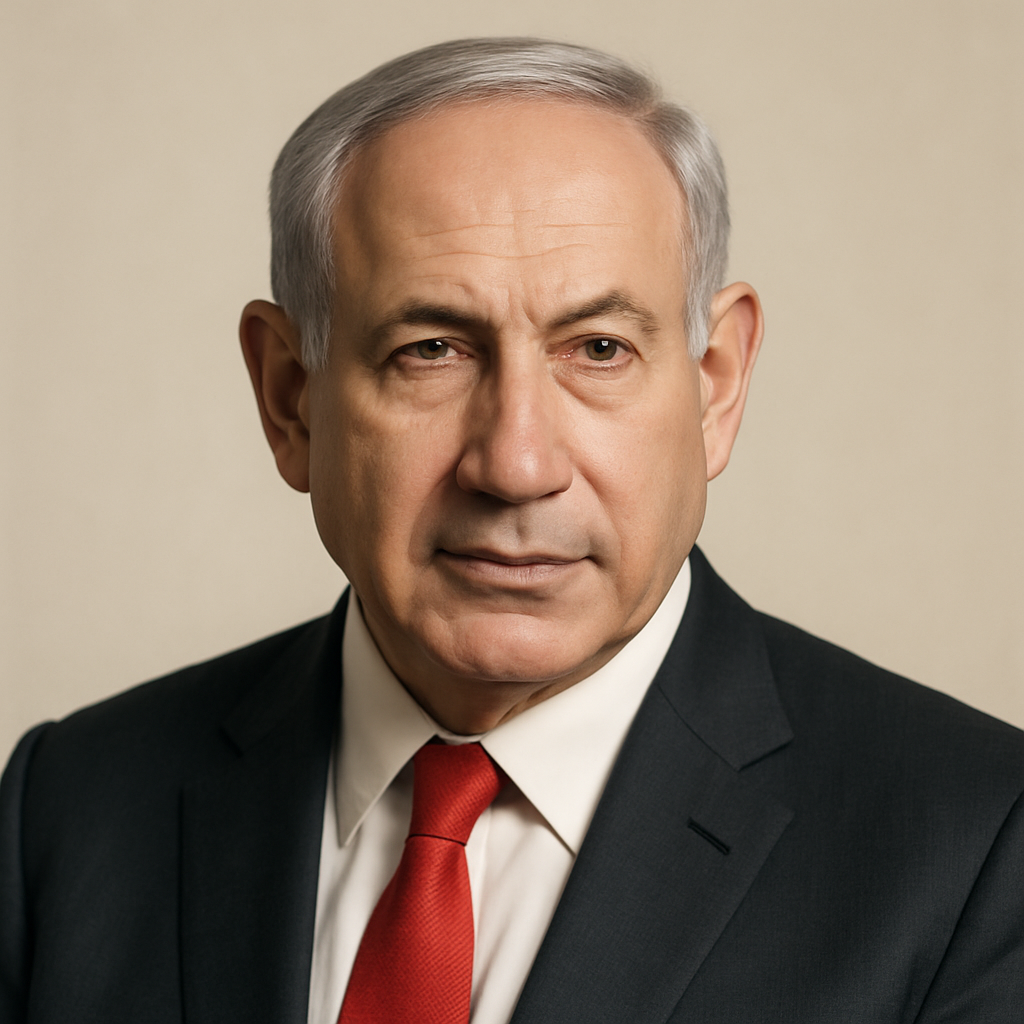
Remarks by Prime Minister Netanyahu at the memorial ceremony for the fallen fighters of the Irgun in the battle for Jaffa.
 Benjamin Netanyahu · Prime Minister of Israel
- Context
- Netanyahu addressed a memorial ceremony on April 21, 2025, honoring Irgun fighters who fell in the battle for Jaffa prior to Israel's establishment.
- Main themes
- Irgun battle for Jaffa, restraint vs. response debate, Zionist security activism, Arab violence and Jewish defense, heroism and sacrifice of fallen fighters, establishment of the State of Israel, Jabotinsky and revisionist Zionism, legacy of underground fighters, Tel Aviv's survival, memorial and remembrance
- Duration
- ~4 min
- Words
- 467
- Sentences
- 29
- Readability
- 55
- Grade
- 9.4
- Syntax
- 2.72
- Vocabulary
- 2.35
Translated from Hebrew
The broad sphere of national life a sentence belongs to. Every sentence has an Arena, so it is the denominator the other indices are read against.
Other29 sentences in 6 paragraphs
Zahav Gross Midan; and good friends I see here, and of course, the members of the 'fighting family', veterans of the Irgun; the dear families of the fallen.
A prolonged, sharp, and intense debate crossed the settlement in the land before the establishment of the state – a debate that dealt with the appropriate response to Arab violence, which erupted every few years. It erupted here as well – on the border of Jaffa. This fundamental debate can be summarized in three words: restraint or response. Each of the two approaches – in the reality of a forming national society – sought to justify itself. The advocates of restraint favored moderation, self-control, and discipline. They were greatly concerned about worsening relations with the foreign rule.
In contrast, those in favor of response believed in security activism. They criticized the helplessness, the surrender of national will, the passivity, and the weakness. Jabotinsky spoke out in 1936 against those who deluded themselves into thinking that the Jews would hold out in the land of Israel only thanks to British bayonets. And it must be said: restraint or response – it is not a matter of black and white. There are situations where the wisdom of timing requires restraint when necessary, and to attack when necessary. There is a whole array of considerations that influence the desired timing for action.
The problem began when a significant response was required to murderous riots – but that response came. Blood was shed without answer. Terror spread – and encountered helplessness. The gangs ran rampant – and the achievements of Zionism were in real danger. This happened in Jaffa, in the six months leading up to the establishment of the state. The Arab gangs that established themselves in Jaffa regularly threatened the southern neighborhoods of Tel Aviv – and other settlements in the heart of the land.
Life turned into a nightmare. Gunfire, sniping, bombings, arson, booby traps, dead and wounded, thousands of refugees, and even a greater danger: the danger was that the port of Jaffa could become a hostile base for Arab armies – from which they would invade into the Jewish state and destroy it step by step. So, then, the question – restraint or response? After long and frustrating months – the Irgun decided: response. We go to battle so that Tel Aviv does not fall.
And indeed, the underground fighters did this with courage, heroism, and extraordinary determination. They did this under the confident command of 'Gidi' – Amichai Paglin – they charged wave after wave at the positions of the assailants. They broke holes in the walls of the houses, advanced from position to position, cleared the area. In the face of obstacles and challenges – none of them raised their hands in surrender. No one said:
The original Hebrew. The tags above are read on the English translation's sentences.
ד זהבה גרוס מידן; וחברים טובים שאני רואה פה, וכמובן, בני 'המשפחה הלוחמת', יוצאי האצ''ל; משפחות הנופלים היקרות.
ויכוח מתמשך, נוקב וחריף, חצה את היישוב בארץ לפני הקמת המדינה – והויכוח שעסק במענה הראוי לאלימות הערבית, שהתפרצה מדי כמה שנים. היא התפרצה גם כאן – על גבול יפו. אפשר לתמצת את הויכוח העקרוני הזה בשלוש מילים: הבלגה או תגובה. כל אחת משתי הגישות – במציאות של חברה לאומית מתגבשת – ביקשה להצדיק את עצמה. חסידי ההבלגה צידדו באיפוק, בריסון, במשמעת. הם חששו במידה רבה מהחמרת היחסים עם השלטון הזר.
לעומתם, המצדדים בתגובה האמינו באקטיביזם ביטחוני. הם מתחו ביקורת על חוסר האונים, על כניעת הרצון הלאומי, על הפאסיביות והחולשה. ז'בוטינסקי יצא ב-1936 נגד מי שהשלו את עצמם, שהיהודים יחזיקו מעמד בארץ-ישראל רק הודות לכידונים הבריטיים. וחייבים לומר: הבלגה או תגובה – זה לא עניין של שחור ולבן. יש מצבים שחוכמת העיתוי מחייבת להבליג כשצריך, ולתקוף כשצריך. יש מארג שלם של שיקולים, שמשפיע על העיתוי הרצוי לפעולה.
הבעיה החלה כשהתבקשה תגובה משמעותית על פרעות רצחניות – אבל התגובה הזאת באה. דם נשפך בלא מענה. הטרור התפשט – ונתקל באוזלת-יד. הכנופיות השתוללו – והישגי הציונות נקלעו לסכנה ממשית. כך ארע ביפו, בחצי השנה שקדמה להקמת המדינה. הכנופיות הערביות שהתבססו ביפו איימו באופן קבוע על שכונות הדרום של תל אביב – ועל עוד יישובים בלב הארץ.
החיים הפכו לסיוט. יריות, צליפות, הטלת פצצות, הצתות, מיקוש, הרוגים ופצועים, אלפי פליטים, ואפילו סכנה עוד יותר גדולה: הסכנה הייתה שנמל יפו עלול היה להפוך לבסיס עוין של צבאות-ערב – שיפלשו ממנו לתוך המדינה היהודית, וירסקו אותה שלב אחר שלב. אם כן, ובכן השאלה - הבלגה או תגובה? לאחר חודשים ארוכים ומתסכלים – האצ''ל הכריע: תגובה. יוצאים לקרב כדי שתל-אביב לא תיפול.
ואכן, לוחמי המחתרת עשו זאת באומץ, בגבורה, בנחישות בלתי-רגילה. הם עשו זאת בפיקודו הבוטח של 'גידי' – עמיחי פאגלין – הם הסתערו גלים-גלים על עמדות הפורעים. הם פרצו חורים בקירות הבתים, התקדמו ממוצב למוצב, טיהרו את השטח. אל מול מעצור ומכשול – אף אחד מהם לא הרים ידיים. אף אחד לא אמר: