




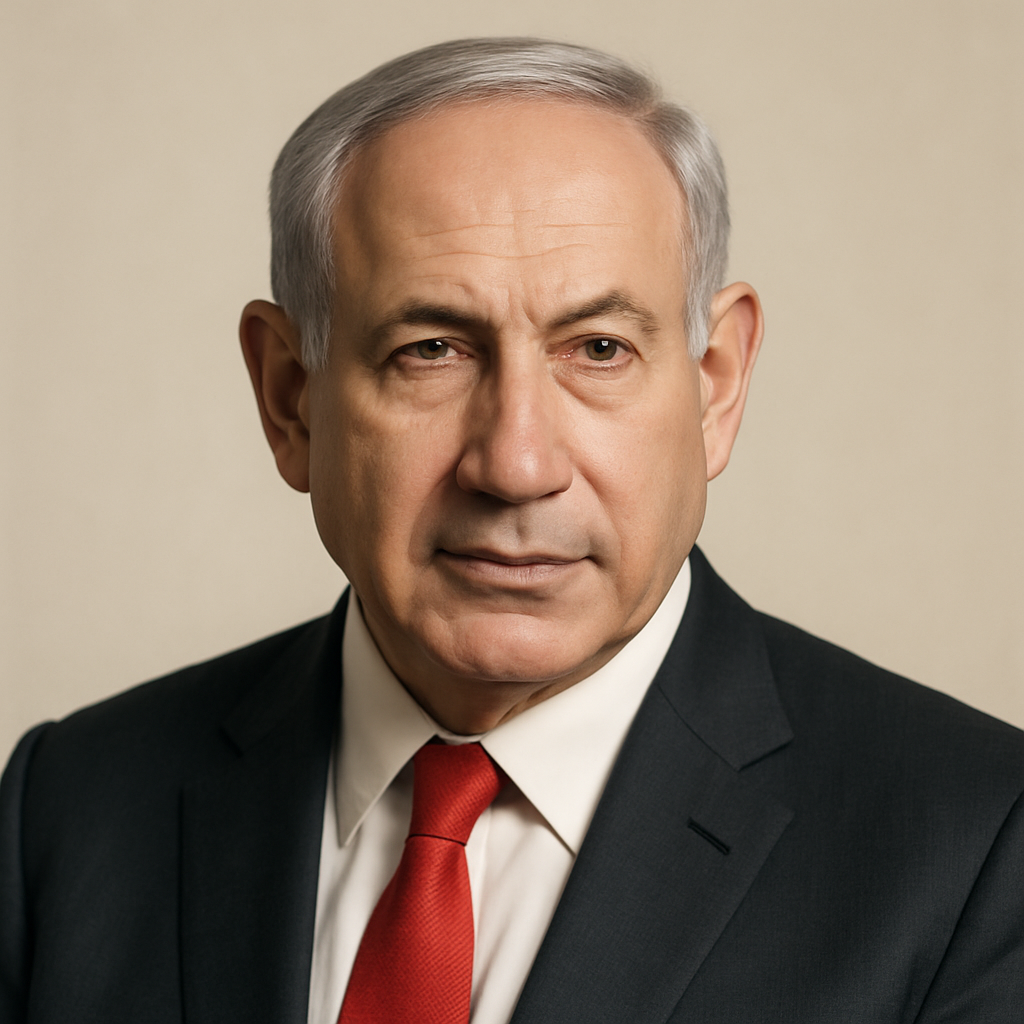
Remarks by the Head of the National Security Council at the ceremony honoring the health system personnel and the partner organizations in the fight against COVID-19, with the participation of Prime Minister Netanyahu.
 Benjamin Netanyahu · Prime Minister of Israel
- Context
- Israel's National Security Council head spoke at a ceremony honoring health system personnel and partner organizations for their roles in combating COVID-19, with Netanyahu present.
- Main themes
- COVID-19 crisis management, vaccination campaign, national security coordination, principles of pandemic response, saving lives, speed of decision-making, redundancy and preparedness, government agency coordination, leadership and command
- Duration
- ~6 min
- Words
- 711
- Sentences
- 34
- Readability
- 47
- Grade
- 11.8
- Syntax
- 3.00
- Vocabulary
- 2.26
Translated from Hebrew
The broad sphere of national life a sentence belongs to. Every sentence has an Arena, so it is the denominator the other indices are read against.
Other34 sentences in 20 paragraphs
to shorten processes and take swift action. The National Security Council has been tasked with coordinating and integrating efforts at the national level, coordinating the work of government agencies, and resolving disputes, should they arise.
I thank you, Prime Minister, for the trust you have placed in us and I am proud of the opportunity to assist you, the government, and the health system in leading this crisis.
Nevertheless, one cannot exempt oneself from all responsibility, and therefore, in brief, I will address some of the things that should be preserved, with a forward-looking perspective.
First, the overarching principles for managing the campaign. A series of principles were established by the Prime Minister at the beginning of the crisis and throughout it, and they paved the way for us in formulating the steps against the pandemic, at all its stages.
The first principle: saving lives is the supreme goal and the leading consideration. The Prime Minister emphasized that this is a moral objective and not merely a necessary outcome of the effort to flatten the curve, which is required to prevent the collapse of the health system and the potential economic consequences that may arise.
I take pride in this assertion and hope it will be remembered as a testament for future generations, when our children and grandchildren learn about this period, blessed is the nation that has such a legacy.
The second principle: adopting a stringent approach in our preparations - it is better to err on the side of over-preparation than to prepare inadequately.
The third principle: the speed of decision-making, action, and response - it is better to act quickly, even if imperfectly, than to be perfect but late.
These points are especially true in a pandemic where the current situation reflects the past, and the unknown far outweighs the known.
The fourth principle: state mechanisms will be harnessed for the success of the mission according to their relative advantages and not necessarily according to their designated purpose.
The fifth principle: proactive thinking and initiative - in the face of a vast array of events and developments, it is easy to get caught up in immediate responses.
However, it is essential to direct attention to thinking about the next steps, to seek, to initiate, to be open to ideas and experts, but with a practical and pragmatic approach - to decide, to plan, and to execute.
The sixth principle: redundancy. In a global crisis, where the costs are enormous and uncertainty is high, one should not rely on rules of play that are suitable for routine and should not lean on a single solution or direction. The name of the game is: multiplicity, diversity, and redundancy.
We have strived to act according to these principles throughout the crisis. They have served as our compass and lighthouse in the stormy sea. We have not always succeeded in this.
Dealing with a pandemic, while it goes through laboratories, does not operate under laboratory conditions. This is true anywhere in the world and certainly not in Israel of 2020-2021. In any case, it is appropriate that these principles remain in our minds for the future. Most of them are also applicable to crisis situations in other areas.
Esteemed colleagues, how does one manage an event of this magnitude, unprecedented, full of challenges, and fraught with tensions, questions, and uncertainty?
We are still struggling to digest what we have gone through. I will deviate from my usual practice and share here just one anecdote of the hidden occurrences, what took place behind the scenes.
Almost throughout the days of the crisis, on weekdays, Shabbat, holidays, and festivals, the Prime Minister began and ended his day with a phone discussion with me, a sort of unofficial status update. Every night, in the small hours, the phone rings at my home.
On the other end of the line is the Prime Minister. We go over the data together, analyze the situation, check the status of the decisions that have been made, and sometimes, we include additional parties in the conversation. This has been the routine every day in the ongoing management of the pandemic and even more so in the vaccination effort.
For me, this was a demonstration of how the command exists -
The original Hebrew. The tags above are read on the English translation's sentences.
, לקצר תהליכים ולנקוט צעדים מהירים. על המטה לביטחון לאומי הוטל לרכז ולתכלל את המאמצים ברמה הלאומית, לתאם את עבודת גורמי הממשלה ולהכריע במחלוקות, ככל שיהיו.
אני מודה לך ראש הממשלה על האמון בנו וגאה על ההזדמנות להיות לעזר לך, לממשלה ולמערכת הבריאות בהובלת המשבר הזה .
בכל זאת, פטור בלא כלום אי אפשר ולכן בקצירת האומר אתייחס לכמה מן הדברים שראוי לשמרם, בראיה צופה פני עתיד.
ראשית, עקרונות על לניהול המערכה. שורה של עקרונות קבע ראש הממשלה בראשית המשבר ובמהלכו והם אשר סללו לנו דרך בגיבוש הצעדים כנגד המגיפה, בכל שלביה.
העיקרון הראשון: הצלת חיים, היא היעד העליון והשיקול המוביל. ראש הממשלה עמד על כך שזהו יעד ערכי ולא רק תוצר הכרחי של המאמץ להשטחת העקומה, שנידרש למניעת קריסתה של מערכת הבריאות וההשלכות הכלכליות שעלולות להיות לה.
אני גאה על קביעה זו ומקווה שהיא תיזכר לאות ולעדות גם בדורות הבאים, כשבנינו ונכדינו ילמדו על תקופה זו, אשרי העם שככה לו.
העיקרון השני: נקיטת גישה מחמירה בהיערכותינו - עדיף לטעות בהיערכות ייתר מאשר להיערך באופן בלתי מספק.
העיקרון השלישי: מהירות ההחלטה, הפעולה והתגובה - עדיף מהר גם אם לא שלם מאשר שלם אך מאוחר.
הדברים נכונים שבעתיים במגפה שבה תמונת ההווה משקפת את העבר, והנסתר רב על הגלוי.
העיקרון הרביעי: מנגנוני המדינה יירתמו להצלחת המשימה על פי יתרונם היחסי ולאו דווקא על פי ייעודם.
העיקרון החמישי: חשיבה מתקפית ויוזמה - מול היקף אדיר של אירועים והתפתחויות נקל להישאב לטיפול המיידי.
ברם, חיוני להפנות קשב לחשיבה על המהלך הבא, לחפש, ליזום, לגלות פתיחות לרעיונות ולמומחים אך מתוך גישה תכליתית ומעשית - להחליט, לתכנן ולבצע.
העיקרון השישי: יתירות. במשבר עולמי, שמחיריו עצומים ואי הודאות בו רבה, אין לסמוך על כללי משחק שמתאימים לשיגרה ואין להישען על פתרון אחד או כיוון אחד. שם המשחק הוא: ריבוי, גיוון ויתירות.
השתדלנו לפעול בהתאם לעקרונות אלה לאורך כל המשבר. הם היו לנו למצפן ולמיגדלור בים הסוער. לא תמיד הצלחנו בכך.
ההתמודדות עם מגפה, אמנם עוברת דרך מעבדות, אך אינה מתנהלת בתנאי מעבדה. כך בשום מקום בעולם ובודאי לא בישראל של 2020-2021. מכל מקום, ראוי כי עקרונות אלה יעמדו לנגד עינינו גם בעתיד. מרביתם נכונים גם למצבי משבר מתחומים נוספים.
מכובדיי, איך מנהלים אירוע בסדר גודל כזה, חסר תקדים, מרובה אתגרים ,ורווי במתחים, סימני שאלה ואי ודאות?
אנו עדיין מתקשים לעכל את אשר עברנו. אחרוג ממנהגי ואספר כאן רק אנקדוטה אחת של ההתרחשויות הסמויות מעין, מה שנעשה מאחורי הקלעים.
כמעט לאורך כל ימי המשבר, חול, שבת, חג ומועד ראש הממשלה פתח את יומו וסיים את אותו בדיון טלפוני עימי, מעין חיתוך מצב לא רשמי. מידי לילה, בשעות הקטנות, הטלפון מצלצל בביתי.
מעברו השני של הקו ראש הממשלה. עוברים יחד על הנתונים, מנתחים את המצב, בודקים את סטטוס ההחלטות שהתקבלו, לעיתים, מצרפים לשיחה גורמים נוספים. כך מידי יום בניהול השוטף של המגיפה וכך או אף יותר מכך, במאמץ החיסונים.
עבורי, היתה זו הדגמה לאופן קיומו של הציווי -