




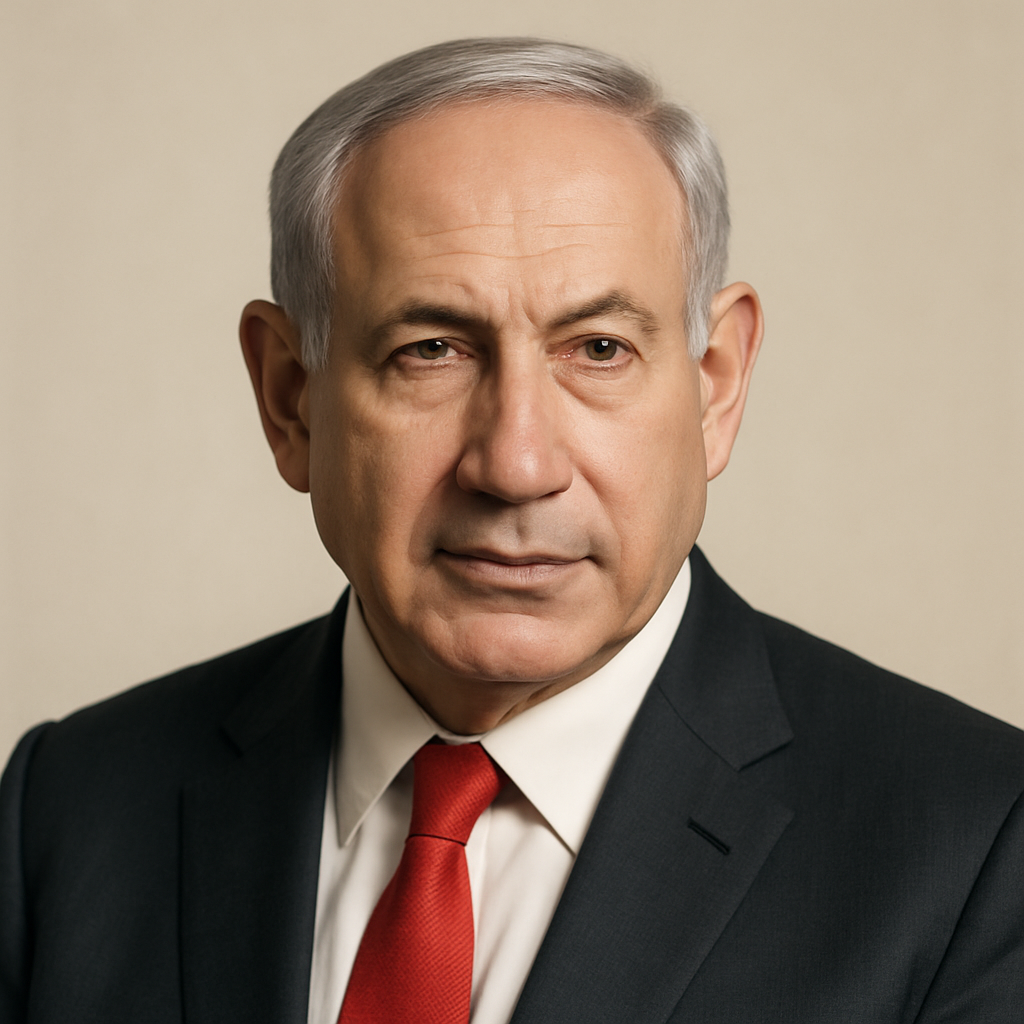
The speech of Prime Minister Netanyahu during the special session held in the Knesset to commemorate the 25th anniversary of the assassination of former Prime Minister Yitzhak Rabin, may he rest in peace.
 Benjamin Netanyahu · Prime Minister of Israel
- Context
- Netanyahu addressed the Knesset during a special session on October 29, 2020, marking the 25th anniversary of Prime Minister Yitzhak Rabin's assassination.
- Main themes
- Commemoration of Yitzhak Rabin, Abraham Accords and normalization agreements, Israeli-Arab peace process, Iranian threat and nuclear weapons, Palestinian issue and veto over peace, terrorism vs. peace distinction, regional geopolitical realignment, Oslo Accords legacy, moderate Arab states, Israeli military and technological strength
- Duration
- ~4 min
- Words
- 501
- Sentences
- 21
- Readability
- 42
- Grade
- 13.4
- Syntax
- 2.90
- Vocabulary
- 2.20
Translated from Arabic
The broad sphere of national life a sentence belongs to. Every sentence has an Arena, so it is the denominator the other indices are read against.
Other21 sentences in 12 paragraphs
There is no such thing as "victims of peace"; there are victims of terrorism!
Terrorism is terrorism. Peace is peace.
It has been 26 years since the last peace agreement we signed with an Arab state, up until the agreements we reached in recent weeks. The building of peace is constructed brick by brick, and I remind of its foundations on every occasion: the agreement with Egypt signed 41 years ago by Menachem Begin and Anwar Sadat, the agreement with Jordan signed by Rabin and King Hussein 26 years ago, and now the peace agreements I signed with the leader of the United Arab Emirates, His Highness Sheikh Mohammed bin Zayed, and His Majesty King Hamad bin Isa Al Khalifa of Bahrain, as well as the normalization agreement we achieved with the head of the Sudanese Sovereign Council, Abdel Fattah al-Burhan, and the Sudanese Prime Minister, Abdullah Hamdok.
I believe that if we adhere to the correct policy that I have outlined, other countries will join the process of normalization and peace with us. This is a true revolution that changes the future of Israel and the region for the better.
During the Oslo Accords, the Palestinian issue was considered the dog of the conflict in our region. The Palestinians halted every initiative to warm Israeli-Arab relations, and indeed, Arab countries sacrificed their diplomatic, security, and economic interests for Palestinian interests.
However, since that time, the cards have been mixed. The aggression represented by extremist Islam led by Iran and its followers has created the first fundamental condition for changing how the moderate camp deals with Israel.
The second fundamental condition was my leadership's opposition to Iran's attempts to acquire nuclear weapons and promote its deadly terrorism throughout the Middle East. Many Arab countries sought a strong ally. They witnessed how we in Israel strengthen our military and technological power and how we in Israel will not hesitate to confront Iran, and if necessary – as we did regarding the nuclear agreement – we do not hesitate to stand against the entire world.
The change in how Arab countries treat Israel is not limited to the leadership of those countries alone. Public opinion in these countries is also changing dramatically. The State of Israel is no longer considered an enemy among wide circles in the Arab world; rather, it is seen as a reliable partner and a strong and courageous ally.
If we adhere to the concept that denies the Palestinians the right to veto peace-making, we will expand the circle of peace, and this will ultimately lead the Palestinians to adopt a realistic concept that will allow for achieving true peace with them as well.
Rabin deserves the gratitude of the entire nation for the peace agreement with Jordan, which opened an important breach in the wall of Arab enmity.
We will continue to advance the State of Israel – the state that was dear to Rabin's heart, for which he worked his entire life.
May his memory be blessed.
The original Arabic. The tags above are read on the English translation's sentences.
. لا يوجد شيء اسمه "ضحايا السلام" فهناك ضحايا إرهاب!
الإرهاب هو الإرهاب. السلام هو السلام.
26 عاما مرت منذ آخر اتفاقية سلام أبرمناها مع دولة عربية ولغاية الاتفاقيات التي توصلنا إليها في الأسابيع الأخيرة. بناية السلام تبنى لبنة على لبنة وأنا أذكّر أسسها في كل مناسبة: الاتفاقية مع مصر التي وقع عليها قبل 41 عاما ميناحيم بيغين وأنور السادات والاتفاقية مع الأردن التي وقع عليها رابين والملك حسين قبل 26 عاما والآن اتفاقيتا السلام التي وقعت عليها مع زعيم دولة الإمارات سمو الشيخ محمد بن زايد وجلالة ملك البحرين حمد بن عيسى آل خليفة واتفاقية التطبيع التي حققناها مع رئيس المجلس السيادي السوداني عبد الفتاح البرهان ورئيس الوزراء السوداني عبدالله حمدوك.
أؤمن بأن إذا ما تقيدنا بالسياسة الصحيحة التي رسمتها ستنضم دول أخرى إلى عملية التطبيع والسلام معنا. هذه هي ثورة حقيقية تغير مستقبل إسرائيل والمنطقة إلى الأفضل.
في فترة اتفاقيات أوسلو تم اعتبار القضية الفلسطينية كلب الصراع في منطقتنا. أوقف الفلسطينيون كل مبادرة لتدفئة العلاقات الإسرائيلية العربية وفعلا, الدول العربية ضحت مصالحها الدبلوماسية والأمنية والاقتصادية من أجل المصالح الفلسطينية.
ولكن منذ هذه الفترة تم اختلاط الأوراق. العدوانية المتمثلة بالإسلام المتطرف
الذي تقوده إيران مع أتباعها خلقت الشرط الأساسي الأول لتغيير كيفية تعامل المعسكر المعتدل مع إسرائيل.
الشرط الأساسي الثاني كان معارضة إسرائيل تحت قيادتي للمحاولات الإيرانية للتزود بأسلحة نووية وترويج إرهابها القاتل في كل أنحاء الشرق الأوسط. دول عربية كثيرة بحثت عن مسند قوي. إنها شاهدت كيف نحن في إسرائيل نعزز قوتنا العسكرية والتكنولوجية وكيف نحن في إسرائيل لن نترد في مواجهة إيران وإن لزم الأمر – كما فعلنا بشأن الاتفاقية النووية – لا نتردد في الوقوف في وجه العالم أجمع.
التغير الذي طرأ على معاملة الدول العربية لإسرائيل لا يقتصر على قيادات تلك الدول فقط. الرأي العام في هذه الدول بات يتغير أيضا بشكل دراماتيكي. دولة إسرائيل لم تعد تعتبر عدوا في أوساط واسعة في العالم العربي بل يتم اعتبارها شريكة أمينة وحليفة قوية وشجاعة.
إذا ما تقيدنا بالمفهوم الذي يحرم الفلسطينيين من امتلاك حق الفيتو على صنع السلام, سنوسع دائرة السلام وهذا سيؤدي الفلسطينيين في نهاية الأمر إلى تبني مفهوم واقعي سيسمح بتحقيق سلام حقيقي معهم أيضا.
رابين يستحق شكر الشعب أجمع على اتفاقية السلام مع الأردن التي فتحت ثغرة مهمة في سور العداوة العربية.
سنواصل دفع دولة إسرائيل قدما – الدولة التي كان عزيزة على قلب رابين الذي عمل من أجلها طيلة حياته.
طيب الله ذكراه