




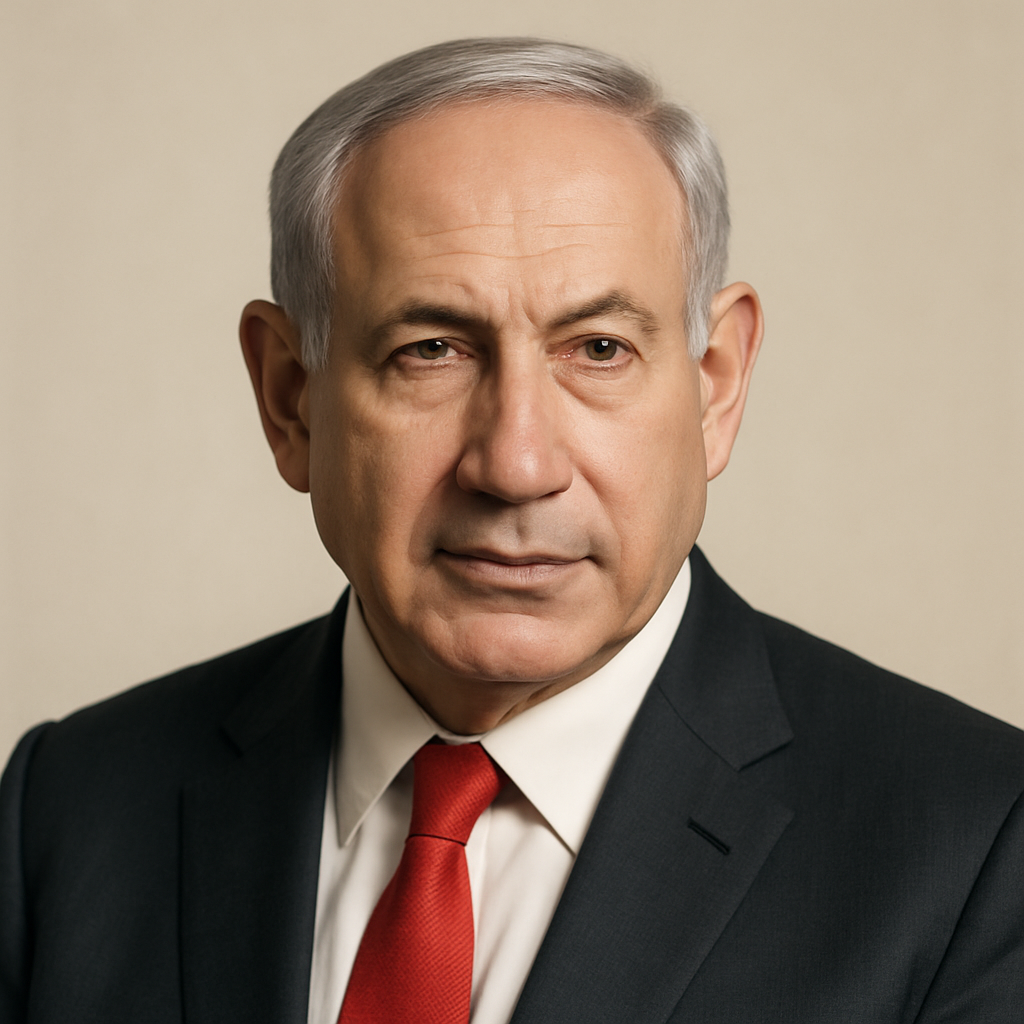
The words of Prime Minister Netanyahu at the state memorial ceremony in memory of former Prime Minister Levi Eshkol, may his memory be a blessing, at Mount Herzl.
 Benjamin Netanyahu · Prime Minister of Israel
- Context
- Netanyahu spoke at the state memorial ceremony for former Prime Minister Levi Eshkol at Mount Herzl on March 12, 2019, honoring his legacy.
- Main themes
- Legacy of Levi Eshkol, water diplomacy, settlement and land development, Negev and Galilee, Israeli economy, economic liberalization, entrepreneurship and innovation, national infrastructure, government reform, start-up culture, historical continuity of Israeli leadership
- Duration
- ~3 min
- Words
- 394
- Sentences
- 19
- Readability
- 39
- Grade
- 13.0
- Syntax
- 3.15
- Vocabulary
- 2.46
Translated from Hebrew
The broad sphere of national life a sentence belongs to. Every sentence has an Arena, so it is the denominator the other indices are read against.
Other19 sentences in 4 paragraphs
And this happens every Tuesday and Thursday, I am not exaggerating, with foreign leaders. I call it 'water diplomacy', 'Eshkol diplomacy'. I often travel around the country, and I see the growth of the settlement points from Eshkol's days. We are strengthening them, revitalizing the Negev and the Galilee, and systematically eliminating the periphery. The soft saplings that Eshkol planted are turning into sturdy trees. He has immense rights to the land, to water, and to settlement.
The second area to which Eshkol contributed greatly is the economy of Israel. It was not a simple matter in the 1950s and 1960s; in fact, it is never simple. I know what it is to be a Minister of Finance, not for 11 years like Eshkol, but the fundamental principle always remains constant – the needs are pressing and the means are limited. The only way to create more resources is precisely by freeing the economy, nurturing competition, and encouraging entrepreneurship. There is a golden idea here that the entrepreneurs who take risks will earn on their own; otherwise, what happens in the end is that government subsidies collapse, and the factories do not survive.
To Eshkol's credit, the first steps to liberate the choking belt of economic concentration that was prevalent in Israel are attributed. Perhaps there was no avoiding it in the early years of the state, but Eshkol understood that it needed to be released. He, and after him Pinchas Sapir, took practical steps to promote this, and thanks to them, investments were achieved and many factories were established. Of course, they also invested in national infrastructure, and we have already touched on some of it, but there was still burdensome economic concentration in Israel with tight supervision from above.
We are changing this; we are making extensive investments in national infrastructure with encouragement for entrepreneurship and businesses from private sector players. We have transformed the once-concentrated economy into a free and dynamic economy. We are reducing government involvement, initiating reforms, lowering taxes, cutting bureaucracy, and the result is evident: thousands of start-up companies that unleash innovation, creativity, and genius, which are embedded in our people. I believe that if Levi Eshkol were with us today, he would commend the tremendous change in the economy of Israel, which has become a valued player in the international economy – but I would tell him:
The original Hebrew. The tags above are read on the English translation's sentences.
. וזה קורה כל שלישי וחמישי, אני לא מגזים, עם מנהיגים זרים. אני קורא לזה 'דיפלומטיית מים', 'דיפלומטיית אשכול'. אני מרבה לסייר ברחבי הארץ, ואני רואה את הצמיחה של נקודות ההתיישבות מימי אשכול. אנו מעבים אותן, מפריחים את הנגב והגליל ומבטלים בשיטתיות את הפריפריה. השתילים הרכים שאשכול נטע – הופכים לעצים חסונים. יש לו זכויות עצומות באדמה, במים ובהתיישבות.
התחום השני שאשכול תרם רבות להתפתחותו הוא כלכלת ישראל. זה לא היה דבר פשוט בשנות ה-50 וה-60, בעצם זה אף פעם לא פשוט, אני יודע מה זה להיות שר אוצר, לא 11 שנים כמו אשכול, אבל העיקרון היסודי תמיד נשאר קבוע – הצרכים דוחקים והאמצעים מוגבלים. הדרך היחידה ליצור יותר משאבים היא דווקא על ידי שחרור הכלכלה, טיפוח התחרות ועידוד היזמות. יש פה רעיון מוזהב שהיזמים שמסתכנים ירוויחו בכוחות עצמם, אחרת מה שקורה בסופו של דבר הוא שהסבסוד הממשלתי קורס, והמפעלים לא מחזיקים מעמד.
לזכותו של אשכול נזקפים הצעדים הראשונים לשחרור החגורה החונקת של הריכוזיות הכלכלית שהייתה נהוגה בישראל. ייתכן שגם לא היה מנוס ממנה בשנים הראשונות של המדינה, אבל אשכול הבין שצריך לשחרר. הוא, ואחריו פנחס ספיר, נקטו צעדים מעשיים לקידום זה, והודות להם הושגו השקעות והוקמו מפעלים רבים. כמובן שהם גם השקיעו בתשתיות לאומיות וכבר עמדנו על חלק מהן, אבל בכל זאת הייתה עדיין ריכוזיות כלכלית מכבידה בישראל עם פיקוח הדוק מלמעלה.
אנחנו משנים את זה, אנחנו משקיעים השקעה נרחבת בתשתיות לאומיות עם עידוד יזמות ועסקים של גורמים פרטיים במשק. הפכנו את הכלכלה הריכוזית של פעם לכלכלה חופשית ודינמית. אנחנו מצמצמים את המעורבות הממשלתית, יוזמים רפורמות, מפחיתים מסים, מקצצים בבירוקרטיה, והתוצאה גלויה לעין: אלפי חברות סטארט-אפ שנותנות דרור לחדשנות, ליצירתיות ולגאוניות, שטמועות בעמנו. אני מאמין שלו לוי אשכול היה איתנו היום, הוא היה מברך על השינוי העצום בכלכלת ישראל, שהפכה לגורם מוערך בכלכלה הבינלאומית - אבל הייתי אומר לו: