





- Context
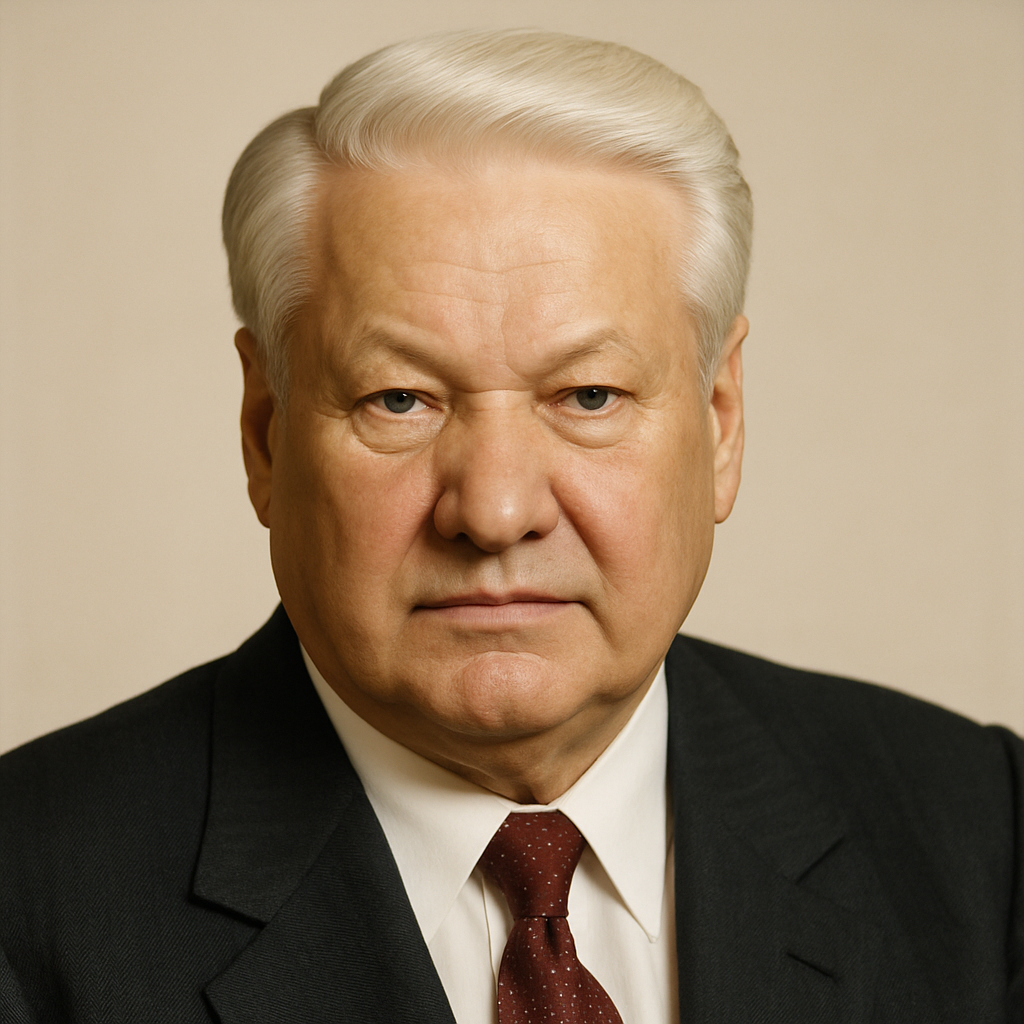
- Boris Yeltsin delivered a Presidential Address to the Federal Assembly on 16 February 1995 in Russia, during a period of economic reform and political transition following the dissolution of the Soviet Union.
- Main themes
- Treaty on civic accord, armed rebellion in Chechnya, democratic Constitution, financial stabilisation, privatisation of state enterprises, securities market, structural transformation of the economy
- Duration
- ~28 min
- Words
- 3,313
- Sentences
- 156
- Readability
- 37
- Grade
- 13.3
- Syntax
- 2.83
- Vocabulary
- 2.22
Russian Presidential Address to the Federal Assembly Translated from Russian
The broad sphere of national life a sentence belongs to. Every sentence has an Arena, so it is the denominator the other indices are read against.
Other156 sentences in 29 paragraphs
A year ago the President of the Russian Federation addressed the Federal Assembly for the first time with an Address on the main directions of domestic and foreign policy. It formulated the strategic goals of Russia's development and set the tasks for 1994.
What has Russia become a year later? What has changed in our life? What has been achieved and what has not? It is difficult to give unambiguous answers to these questions.
The past year can with every justification be called a year of contrasts. It encompassed the signing of the Treaty on Civic Accord and at the same time social tension in the spring and at the end of the year; the conclusion of treaties with the republics on the delimitation of areas of jurisdiction and the mutual delegation of powers, and the armed rebellion in Chechnya; a sharp reduction of inflation in the summer, and 'Black Tuesday' in October.
Having adopted the first democratic Constitution in its history, Russia did not begin life 'with a clean slate'. The whole burden of the past is with us. Russia is passing from one historical epoch to another at a speed commensurate with the life of a single generation. The high pace of transformation frequently brings costs. The old technology of power, based on ideological and political coercion, is only with difficulty giving way to modern methods and approaches. Directive management still predominates, rather than governance through law. The renewal of the personnel of the state apparatus with competent people of modern outlook is proceeding against enormous resistance. The authorities and their representatives have not yet learned to be open and comprehensible. Hence the lag of state institutions and their representatives behind the flow of new problems and tasks. This is directly reflected in the quality of the functioning of the mechanisms of power and leads to imprecise decisions.
In the past year Russia continued to live in a rarefied legal space. The number of laws the country needs exceeds many times over the number adopted. The legislative process is frequently crushed by political struggle. New legal customs have not taken shape, and legal culture is low. It is important to recognise that respect for law will take root in society only when law is respected by the authorities. The judicial system has not yet become an equal branch of power, genuinely independent and authoritative. The Constitutional Court did not function for a year. The principle of the direct application of the Constitution is scarcely being realised.
The decade that has divided the life of the present generation into two epochs is coming to an end. In transforming the political system, the economy and public consciousness, we have still not been able to rid ourselves of the burden of former prejudices, ideological dogmas and standards of political action. The search continues for models to imitate, or attempts to construct and immediately bring to life one's own ideal model of social development. Old myths cannot be overcome overnight. The majority of Russia's citizens grew up and were brought up in another world, cardinally different from the one we are entering. Our civil society is only taking shape and has not yet become an effective controller of state institutions. Like the new authorities, it is subject to growing pains.
We do not yet perceive the state as one of the most significant achievements of world history and social culture. Without it, civilised human coexistence is impossible. The state is not merely the institutions of power and the officials employed in them. It is above all the political organisation of all the citizens of the country, their joint asset and common cause. That is why opposition to statehood as such is extremely dangerous.
At the beginning of the century in Russia, the idea of freedom and justice was set against the idea of statehood. And this opposition was taken to such a degree that the existing statehood was overthrown, and on its ruins there arose a state of political terror. The danger of such a mistake is repeating itself today too. Just as furiously and recklessly, the idea of statehood is being set against the principles of the observance of human and civil rights and other democratic values. Certain political forces do not cease their attempts to 'topple' the Government, to provoke the 'dispersal' of the State Duma, and demand again and again the holding of early presidential and parliamentary elections. The traditional 'search for enemies', social and political intolerance and indiscriminateness in means turn into the deliberate or unwitting undermining of the very foundations of the country's viability, security and integrity.
In these conditions responsibility for the fate of the country lies equally on state institutions and on society. The constructive position is the one that expresses civic-mindedness, that is, active conscious participation in the affairs of the state, the use of all the rights and freedoms guaranteed by the Constitution, and at the same time the conscientious fulfilment of one's constitutional duties.
The experience of the past year showed that the main goals of the development of society and the state defined by the first Address were accepted by the various political forces. This is no accident, for the central theme of the Address, the strengthening of the Russian state, was based on the fundamental legal, democratic and federative principles of the Constitution, on its basic tasks: the protection of human and civil rights and freedoms, the creation of conditions for ensuring a dignified life and the free development of Russia's citizens, and the strengthening of Russia's position in the outside world and its security. It is now clear: common positions can be defined and the most important, socially significant goals formulated. But whatever goals society sets before the authorities, their realisation depends on the effectiveness of state institutions, on their capacity to find timely and correct answers to the most acute questions of social development within the framework of law. For this the following are necessary: a fundamental transformation of state practice and personnel policy, and strict observance by representatives of the state of laws and ethical norms; a sharp rise in the quality of norm-making activity; and the development of law-application practice ensuring the direct application of the Constitution, above all in the sphere of the protection of the rights and freedoms of Russia's citizens.
The year 1994 has ended. It is difficult, and probably unnecessary, to try to determine who, which branch or organ of state power, made the greatest positive contribution or, on the contrary, is more to blame than others for the fact that much of what was planned could not be done. Something else is far more important: to give an objective assessment of the experience of 1994, to find a common understanding of the problems of 1995 and the ways of solving them, to gather political will and to act in concert.
In accordance with the powers defined by point 'e' of Article 84 of the Constitution of the Russian Federation, I address the deputies of the chambers of the Federal Assembly and all citizens of Russia with the annual address on the situation in the country and the main directions of domestic and foreign policy.
Russia will have reliable guarantees of sovereignty, independence and integrity no sooner than it overcomes the economic crisis. Financial stabilisation, the growth of savings and their transformation into investment, the revival of production and positive changes in its structure, and the raising of citizens' quality of life: such is the path of economic recovery and emergence onto the stage of sustained upturn. In 1994 a certain part of this path was travelled. It proved smaller than that marked out in last year's Address.
The 1994 Address was the first document of a strategic character flowing from the new Constitution. The solution of a number of the tasks it identified, on such a scale as, for example, structural transformation or the creation of a securities market, is not the work of a single year. How close the economy has come to the goals defined by the 1994 Address: that must be the most important criterion for assessing its fulfilment.
The past year brought results that cannot be assessed unambiguously. In some directions progress was tangible, in others barely noticeable, and setbacks were not avoided either. But on the whole 1994 was not lost for economic reform.
Although the beginning of last year was marked by a large fall in production, signs of stabilisation then appeared, and not only in the extractive but also in some manufacturing sectors of industry. Annual inflation was three times lower than in 1993 and almost seven times lower than in 1992. Fairly strict control over the size of the federal budget deficit, the refusal to grant concessional credits and the introduction of a genuinely positive interest rate of the Central Bank had their effect. As a result savings grew substantially, which means that the financial preconditions for raising investment activity appeared.
Large-scale privatisation was carried out in a compressed timeframe. By the end of 1994 more than 110,000 state and municipal enterprises had changed their form of ownership. The non-state sector, creating 62 per cent of gross domestic product, became dominant in the Russian economy. Privatisation gave a powerful impulse to the development of the securities market. In 1994 the volume of state treasury obligations alone grew almost ninety-fold, amounting to about 28 trillion roubles. The potential of the market in the shares of privatised enterprises is high. Market infrastructure (banks, trading, financial and insurance companies), which previously was extremely weakly developed, progressed rapidly. Largely for this reason the share of services in gross domestic product rose from 30 per cent in 1989 to 51 per cent in 1994. The economy became more open. The motivation of economic activity changed substantially.
In 1994 there was also progress towards other goals identified in the Address: the first part of the Civil Code, the legal foundation of a market economy, was adopted; work unfolded on identifying and reorganising insolvent enterprises; and the liquidation began of the system of unjustified individual concessions on the payment of taxes and customs duties.
But it must be honestly admitted: much of what the Address envisaged could not be fulfilled, and not only because of the long-term character of the problems facing us. Considerable reserves of lawmaking remained unused. There is still no modern land, tax, housing or labour legislation, and no laws on banks, joint-stock companies or the securities market. In order to close the gaping tears in the legislative fabric and provide the normative base for solving the most acute socio-economic problems, a series of presidential decrees was adopted. However, the economy should be regulated not by decrees but by laws. The period of validity of most decrees will end with the entry into force of the corresponding laws.
The Government too committed not a few miscalculations. It did not prove possible to take advantage of the comparatively favourable economic situation that had taken shape by the summer of last year and to begin the mass transformation of savings into investment. As a result a number of branches of industry, especially its science-intensive part, found themselves in an extremely difficult position. Although the positive tendency towards a reduction of inflation persisted for quite a long time, strength did not suffice for the whole year. A sharp fall in the exchange rate of the rouble was allowed, and at the end of the year the rate of price growth increased again. Owing to an acute shortage of budget resources, the selective structural policy announced by the Government never materialised. The ideas of transforming the economy through the selective financing of 'growth point' projects remained unrealised. Modern markets in land and real estate are still absent. Regulation of the securities market has only recently begun. In practice it did not prove possible to simplify the procedures regulating the creation of new enterprises. As a result the creative energy of the market remained to a considerable degree unclaimed.
Despite some positive changes, an effective system for managing state-owned enterprises has still not been established. The slow pace of agrarian reform is being paid for with a grave crisis in agriculture. The drafting and adoption of the Land Code have clearly dragged on. As before, the tax system does not stimulate investment and production. The intolerable mass concealment of income from taxation continues. Financial discipline is low, which, alongside inflation, has become one of the main causes of the persisting crisis of non-payments. The rules of foreign trade were violated, above all in the export of energy carriers and non-ferrous metals, and the shortfall in foreign-currency receipts from the export of goods and services remained high. The growth of organised crime and corruption and the criminalisation of entrepreneurship continue to represent a serious danger for the Russian economy and society.
Among the main causes of the failures of 1994 are: the asynchrony of market processes and the actions of the state (in some cases the authorities did not keep pace with the dynamics of the market; in other cases, when market transformations needed to be spurred on, they showed unjustified slowness); the low effectiveness of all branches of power, because of which it did not prove possible to carry out a number of adopted decisions and to use the numerous reserves of the reform; and a grave error with the revenue side of the budget, which compelled the Government to conduct economic policy in conditions of an acute deficit of financial resources.
In 1995 we must come right up close to financial stability, preserve savings and make them secure, achieve a rise in investment activity, and turn the structural crisis into a managed process. We must ensure the predictability of the economic situation and give enterprises the possibility of planning investment; in a word, we must normalise the economic climate. Only then will the accumulated financial capital begin to work for the needs of production. The task of 1995 is the formation of the starting conditions and potential of future economic growth. From survival to development: such must be the vector of the reform. This year we must build a bridge between the inflationary past and the investment future. If we fail to do this, we shall unforgivably lose time. Then we shall not escape a prolonged depression and the transformation of the country into a raw-materials periphery of the world economy, and we shall not preserve the scientific and technological base of economic development.
In 1995 we face problems that in complexity and scale are not inferior to those that had to be solved at the beginning of 1992. A serious task is to survive the transition to financial stability with minimal losses. A high-inflation economy, which has formed definite stereotypes of behaviour in everyone (producers, consumers, the state), is one thing. A low-inflation economy, which will demand a fundamentally different psychology and tactics, is quite another. If over the years of reform considerable experience has already been accumulated in the field of financial and monetary policy, the potential for growth in the conditions of a market economy has in effect to be formed anew.
The main starting condition is financial stabilisation and the strengthening of the rouble. From the autumn of 1993 to the end of the summer of 1994 there was a consistent reduction in the level of inflation. From September 1994 prices went up again.
The most important task of the Government and the Central Bank in 1995 is to take the decisive step towards the completion of financial stabilisation, to suppress inflation, to hold real positive interest rates and to strengthen the rouble. Over the years of reform two serious attempts were made to stop inflation: in the first half of 1992 and at the end of 1993 and beginning of 1994. For various reasons the matter could not be carried through to the end. The third attempt must be successful. To reduce inflation substantially and make it predictable: such is the target for 1995. If we hold to this condition, we shall be able really to set about creating the potential of economic growth. Only in this case will productive investment become effective. Enterprises with a long production cycle will begin to work steadily, and it is precisely they that largely determine Russia's scientific and technological prospects. The working capital of enterprises will stabilise, which means that the gravest problem, which has been exhausting Russian industry throughout the years of reform, will be solved. Favourable conditions will appear for the technological reconstruction of domestic industry. A genuine recovery of the financial market will take place, reorienting it from short-term speculative operations to the mobilisation of investment in long-term investment projects.
To defeat inflation and achieve financial stabilisation is a feasible task. Something else is also clear: restraining inflation at the price of deferred budget payments gives a temporary and, on the whole, illusory result. Real success will be brought only by the speediest adoption by the Federal Assembly of a realistic budget, the non-inflationary covering of its deficit, ensuring the fullest possible receipt of funds into the revenue side, and the concerted actions of the Government and the Central Bank. Strict control over the targeted use of budget resources is needed. The main role here belongs to the Federal Treasury. Unlike last year, in 1995 the unconditional fulfilment by the state of the financial obligations it has assumed must be ensured. At the same time not a single institution of state power, be it the Federal Assembly, the Government or the President, has the right to take decisions that undermine the budget and intensify inflation. If discipline is to be strengthened, then at all levels of power; if there is to be economising, then by everyone without exception. Then it will be possible to count on the reduction and stabilisation of inflationary expectations. It is time to get used to it: there is no more 'easy' money, blown into pockets and onto accounts by the wild wind of inflation; there is, and always will be, only 'hard' money, earned by labour.
It is not enough, however, to achieve financial stabilisation. One must also be able to make use of its fruits, with the final aim not only of stabilising production but of raising its efficiency. Efficient production is the most important component of the potential of economic growth. For the present, the low-efficiency Russian economy is living through a crisis of uncompetitiveness. A considerable part of domestic industry is subject to radical modernisation. Reduction of costs, improvement of quality and better management are urgently necessary.
The path from financial stabilisation to a rise in the efficiency of production lies through the activation of investment activity. The still weak market motives for investment must be reinforced by energetic actions of the state, including in the sphere of legislation. A favourable investment climate must be created for everyone, both domestic and foreign investors. The Government needs to switch over to the stimulation of private investment, and to direct state investment to the realisation of investment projects jointly with private investors. The provision of state guarantees for the securities they issue will make it possible to raise the profitability of productive investment and reduce the risks connected with it. An effective policy of accelerated depreciation is envisaged, with the inclusion of mechanisms preventing the use of depreciation-fund resources for purposes other than their designated ones. In 1995 the organs of state power will promote: the creation of advantageous conditions for the inflow of investment resources to privatised enterprises; the maximum use for investment of the funds of small depositors and the population; the work of institutional investors, namely reliable investment funds and banks, pension funds, leasing and insurance companies; and the attraction of financial resources to enterprises by means of secondary issues
The original Russian. The tags above are read on the English translation's sentences.
Год назад Президент Российской Федерации впервые обратился к Федеральному Собранию с Посланием об основных направлениях внутренней и внешней политики. В нем были сформулированы стратегические цели развития России, поставлены задачи на 1994 год. Какой стала Россия год спустя? Что изменилось в нашей жизни? Что удалось и чего не удалось сделать? На эти вопросы трудно дать однозначные ответы. Прошедший год можно со всеми основаниями назвать годом контрастов. Он вместил в себя подписание Договора об общественном согласии и одновременно общественное напряжение весной и в конце года, заключение договоров с республиками о разграничении предметов ведения и взаимном делегировании полномочий и вооруженный мятеж в Чечне, резкое снижение инфляции летом и "черный вторник" в октябре. Приняв первую в своей истории демократическую Конституцию, Россия не начала жизнь "с чистого листа". С нами - весь груз прошлого. Россия переходит из одной исторической эпохи в другую со скоростью, соизмеримой с жизнью одного поколения. Высокие темпы преобразований нередко приводят к издержкам. Старая технология власти, основанная на идеологическом и политическом принуждении, с трудом сменяется современными методами и подходами. По-прежнему преобладает директивное управление, а не управление посредством закона. С огромным сопротивлением идет кадровое обновление государственного аппарата компетентными, современно мыслящими людьми. Власть и ее представители еще не научились быть открытыми и понятными. Отсюда - отставание государственных институтов и их представителей от потока новых проблем и задач. Это непосредственно отражается на качестве функционирования механизмов власти, приводит к неточным решениям. В истекшем году Россия продолжала жить в разреженном правовом пространстве. Число законов, в которых нуждается страна, многократно превышает количество принятых. Законодательный процесс нередко подминается политической борьбой. Не сложились новые правовые обычаи, низка правовая культура. Важно сознавать, что уважение к праву в обществе укоренится только тогда, когда право будет уважаться властью. Судебная система еще не стала равноправной ветвью власти, по-настоящему независимой и авторитетной. Год не работал Конституционный Суд. Почти не реализуется принцип прямого действия Конституции. Заканчивается десятилетие, разделившее жизнь нынешнего поколения на две эпохи. Преобразуя политическую систему, экономику, общественное сознание, мы до сих пор не смогли избавиться от бремени прежних предрассудков, идеологических догм, стандартов политического действия. Продолжаются поиски образцов для подражания или попытки сконструировать и безотлагательно воплотить в жизнь собственную идеальную модель общественного развития. Старые мифы не преодолеть в одночасье. Большинство граждан России росло и воспитывалось в другом мире, кардинально отличном от того, в который мы входим. Наше гражданское общество только формируется и еще не стало действенным контролером государственных институтов. Как и новая власть, оно подвержено болезням роста. Мы еще не воспринимаем государство как одно из наиболее значительных достижений мировой истории, социальной культуры. Без него невозможно цивилизованное человеческое общежитие. Государство - не только институты власти и занятые в них чиновники. Оно является прежде всего политической организацией всех граждан страны, их совместным достоянием и общим делом. Потому крайне опасна оппозиция государственности как таковой. В начале века в России идея свободы и справедливости была противопоставлена идее государственности. И это противостояние было доведено до такой степени, что оказалась поверженной существовавшая государственность, и на ее развалинах возникло государство политического террора. Опасность такой ошибки повторяется и сегодня. Столь же неистово и безоглядно сталкивают идею о государственности с принципами соблюдения прав человека и гражданина, другими демократическими ценностями. Некоторые политические силы не прекращают попыток "свалить" Правительство, спровоцировать "разгон" Государственной Думы, вновь и вновь требуют проведения досрочных президентских и парламентских выборов. Традиционные "поиски врагов", социальная и политическая нетерпимость, неразборчивость в средствах оборачиваются вольным или невольным подрывом самих основ жизнеспособности страны, ее безопасности и целостности. В этих условиях ответственность за судьбу страны в равной степени лежит на государственных институтах и обществе. Конструктивна та позиция, которая выражает гражданственность, то есть активное сознательное участие в делах государства, пользование всеми правами и свободами, гарантируемыми Конституцией, и одновременно добросовестное выполнение своих конституционных обязанностей. Опыт прошлого года показал, что определенные первым Посланием основные цели развития общества и государства были приняты различными политическими силами. Это не случайно, ибо центральная тема Послания - укрепление Российского государства - базировалась на фундаментальных правовых, демократических и федеративных принципах Конституции, на ее основных задачах - защите прав и свобод человека и гражданина, создании условий для обеспечения достойной жизни и свободного развития граждан России, укреплении положения России во внешнем мире и ее безопасности. Теперь ясно: можно определить общие позиции, формулировать наиболее важные, общественно значимые цели. Но какие бы цели ни ставило общество перед властью, их реализация зависит от действенности государственных институтов, от их способности находить своевременные и правильные ответы на самые острые вопросы общественного развития в рамках права. Для этого необходимы: - коренное преобразование государственной практики, кадровой политики, неукоснительное соблюдение представителями государства законов и этических норм; - резкое повышение качества нормотворческой деятельности; - развитие правоприменительной практики, обеспечивающей прямое действие Конституции, и в первую очередь в сфере защиты прав и свобод граждан России. Закончился 1994 год. Трудно и, наверное, не нужно пытаться определить, кто, какая ветвь или орган государственной власти внесли наибольший положительный вклад или, наоборот, более других повинны в том, что многое из намеченного сделать не удалось. Гораздо важнее другое: дать объективную оценку опыта 1994 года, найти общее понимание проблем 1995-го и путей их решения, собрать политическую волю и действовать согласованно. В соответствии с полномочиями, определенными пунктом "е" статьи 84 Конституции Российской Федерации, обращаюсь к депутатам палат Федерального Собрания, ко всем гражданам России с ежегодным посланием о положении в стране и об основных направлениях внутренней и внешней политики. Россия будет иметь надежные гарантии суверенитета, независимости и целостности не раньше, чем преодолеет экономический кризис. Финансовая стабилизация, рост сбережений, их трансформация в инвестиции, оживление производства и положительные изменения его структуры, повышение качества жизни граждан - таков путь экономического выздоровления и выхода на стадию устойчивого подъема. В 1994 году пройдена определенная часть этого пути. Она оказалась меньше той, что была обозначена в Послании прошлого года. Послание 1994 года было первым вытекающим из новой Конституции документом стратегического характера. Решение ряда обозначенных в нем задач, таких масштабных, например, как структурная перестройка или создание рынка ценных бумаг, - дело не одного года. Насколько близко экономика подошла к целям, определенным Посланием 1994 года, - таким должен быть важнейший критерий оценки его выполнения. Истекший год принес результаты, которые нельзя оценить однозначно. По одним направлениям продвижение было ощутимым, по другим - малозаметным, не избежали и отката. Но в целом 1994 год не был потерян для экономической реформы. Хотя начало прошлого года было отмечено большим падением производства, затем наметились признаки стабилизации. Причем не только в добывающих, но и в некоторых обрабатывающих секторах промышленности. Годовая инфляция была в три раза меньше, чем в 1993 году, и почти в семь раз меньше, чем в 1992 году. Сказались достаточно жесткий контроль за размером дефицита федерального бюджета, отказ от предоставления льготных кредитов и введение реально положительной процентной ставки Центрального банка. В результате существенно возросли сбережения, а значит, появились финансовые предпосылки для повышения инвестиционной активности. В сжатые сроки проведена широкомасштабная приватизация. К концу 1994 года свыше 110 тысяч государственных и муниципальных предприятий сменили форму собственности. Негосударственный сектор, создав 62 процента валового внутреннего продукта, стал доминирующим в российской экономике. Приватизация дала мощный импульс развитию рынка ценных бумаг. В 1994 году объем одних только государственных казначейских обязательств вырос почти в 90 раз, составив около 28 триллионов рублей. Высок потенциал рынка акций приватизированных предприятий. Бурно прогрессировала рыночная инфраструктура (банки, торговые, финансовые, страховые компании), которая прежде была развита крайне слабо. Во многом поэтому доля услуг в валовом внутреннем продукте повысилась с 30 процентов в 1989 году до 51 процента в 1994 году. Экономика стала более открытой. Существенно изменилась мотивация хозяйственной деятельности. В 1994 году были продвижения и в направлении других целей, обозначенных в Послании: - принята первая часть Гражданского кодекса - правовой основы рыночной экономики; - развернулась работа по выявлению и реорганизации неплатежеспособных предприятий; - началась ликвидация системы необоснованных индивидуальных льгот по уплате налогов и таможенных пошлин. Но надо честно признать: многое из того, что предусматривалось Посланием, не удалось выполнить не только из-за долгосрочного характера стоящих перед нами проблем. Остались неиспользованными немалые резервы законотворчества. До сих пор нет современного земельного, налогового, жилищного, трудового законодательства, законов о банках, акционерных обществах, рынке ценных бумаг. Для того чтобы закрыть зияющие разрывы в законодательной ткани обеспечить нормативную базу решения наиболее острых социально-экономических проблем, была принята серия президентских указов. Однако экономика должна регулироваться не указами, а законами. Срок действия большинства указов будет заканчиваться со вступлением в силу соответствующих законов. Немало просчетов допущено и Правительством. Не удалось воспользоваться сравнительно благоприятной экономической ситуацией, сложившейся к лету прошлого года, и начать массовую трансформацию сбережений в инвестиции. В результате в крайне сложном положении оказался ряд отраслей промышленности, особенно ее наукоемкая часть. Хотя положительная тенденция к снижению инфляции сохранялась довольно долго, на весь год сил не хватило. Допущено резкое падение курса рубля, в конце года вновь увеличился темп роста цен. Из-за острой нехватки бюджетных ресурсов так и не состоялась заявленная Правительством селективная структурная политика. Остались нереализованными идеи преобразования экономики через избирательное финансирование проектов "точек роста". По-прежнему отсутствуют современные рынки земли и недвижимости. Только недавно приступили к регулированию рынка ценных бумаг. Фактически не удалось упростить процедуры, регламентирующие создание новых предприятий. В итоге созидательная энергия рынка в значительной степени осталась невостребованной. Несмотря на некоторые положительные перемены, так и не налажена эффективная система управления принадлежащими государству предприятиями. За медленный ход аграрной реформы приходится расплачиваться тяжелым кризисом в сельском хозяйстве. Явно затянулись разработка и принятие Земельного кодекса. Как и раньше, налоговая система не стимулирует инвестиции и производство. Продолжается нетерпимое массовое сокрытие доходов от налогообложения. Низка финансовая дисциплина, что стало, наряду с инфляцией, одной из основных причин сохраняющегося кризиса неплатежей. Нарушались правила внешней торговли, в первую очередь при вывозе энергоносителей и цветных металлов, оставался высоким недобор валютных поступлений от экспорта товаров и услуг. Серьезную опасность для российской экономики и общества продолжает представлять рост организованной преступности и коррупции, криминализация предпринимательства. Среди основных причин неудач 1994 года: - асинхронность рыночных процессов и действий государства: в одних случаях власти не поспевали за динамикой рынка, в других случаях, когда надо было подстегнуть рыночные преобразования, они проявляли неоправданную медлительность; - низкая эффективность всех ветвей власти, из-за чего не удалось выполнить ряд принятых решений и использовать многочисленные резервы реформы; - тяжелая ошибка с доходной частью бюджета, вынудившая Правительство вести экономическую политику в условиях острого дефицита финансовых ресурсов. В 1995 году надо вплотную приблизиться к финансовой стабильности, сохранить и сделать устойчивыми сбережения, добиться повышения инвестиционной активности, превратить структурный кризис в управляемый процесс. Предстоит обеспечить предсказуемость экономической ситуации, дать предприятиям возможность планировать инвестиции, словом, нормализовать экономический климат. Только тогда накопленный финансовый капитал начнет работать на нужды производства. Задача 1995 года - формирование стартовых условий и потенциала будущего экономического роста. От выживания к развитию - таким должен быть вектор реформы. В этом году надо построить мост между инфляционным прошлым и инвестиционным будущим. Не сделав этого, непростительно потеряем время. Тогда не уйти от длительной депрессии, превращения страны в сырьевую периферию мировой экономики, не сохранить научно-технологическую базу экономического развития. В 1995 году перед нами стоят проблемы, по сложности и масштабам не уступающие тем, которые пришлось решать в начале 1992 года. Серьезная задача состоит в том, чтобы с минимальными потерями пережить переход к финансовой стабильности. Одно дело - высокоинфляционная экономика, сформировавшая у всех (производителей, потребителей, государства) определенные стереотипы поведения. Совсем другое - низкоинфляционная экономика, которая потребует принципиально иной психологии и тактики. Если за годы реформы в области финансовой и денежной политики уже накоплен изрядный опыт, то формировать потенциал роста в условиях рыночной экономики приходится фактически заново. Главное стартовое условие - финансовая стабилизация и укрепление рубля. С осени 1993 года до конца лета 1994 года происходило последовательное снижение уровня инфляции. С сентября 1994 года цены снова пошли вверх. Важнейшая задача Правительства и Центрального банка в 1995 году - сделать решающий шаг к завершению финансовой стабилизации, подавить инфляцию, удержать реальные положительные ставки процента, укрепить рубль. За годы реформы были сделаны две серьезные попытки остановить инфляцию - в первой половине 1992 года и в конце 1993 - начале 1994 года. По разным причинам дело не удалось довести до конца. Третья попытка должна стать успешной. Существенно снизить инфляцию, сделать ее предсказуемой - таков целевой ориентир 1995 года. Выдержим это условие - сможем реально приступить к созданию потенциала экономического роста. Лишь в этом случае станут эффективными производственные инвестиции. Начнут устойчиво работать предприятия с длительным производственным циклом, а именно они во многом определяют научно-технологические перспективы России. Стабилизируются оборотные средства предприятий, а значит, будет решена тяжелейшая проблема, изматывающая российскую промышленность в течение всех реформы. Появятся благоприятные условия для технологической реконструкции отечественной промышленности. Произойдет реальное оздоровление финансового рынка, который переориентируется с краткосрочных спекулятивных операций на мобилизацию вложений в долгосрочные инвестиционные проекты. Победить инфляцию, достичь финансовой стабилизации - посильная задача. Ясно и другое: сдерживание инфляции ценой отложенных бюджетных платежей дает временный, а в целом - иллюзорный результат. Действительный успех принесут только скорейшее принятие Федеральным Собранием реалистичного бюджета, неинфляционное покрытие его дефицита, обеспечение максимально полного поступления средств в доходную часть, согласованные действия Правительства и Центрального банка. Нужен жесткий контроль над целевым использованием бюджетных ресурсов. Главная роль здесь принадлежит Федеральному казначейству. В отличие от прошлого года в 1995 году должно быть обеспечено безусловное выполнение государством взятых на себя финансовых обязательств. В то же время ни один институт государственной власти - будь то Федеральное Собрание, Правительство или Президент - не вправе принимать решения, подрывающие бюджет и усиливающие инфляцию. Если укреплять дисциплину, то на всех уровнях власти, если экономить, то всем без исключения. Тогда можно будет рассчитывать на снижение и стабилизацию инфляционных ожиданий. Пора привыкать: нет больше "легких" денег, занесенных в карманы и на счета шальным ветром инфляции; есть и всегда будут только "тяжелые" деньги, добытые трудом. Мало, однако, достичь финансовой стабилизации. Надо еще суметь воспользоваться ее плодами с конечной целью не только стабилизировать производство, но и повысить его эффективность. Эффективное производство - важнейшее слагаемое потенциала экономического роста. Пока же малоэффективная российская экономика переживает кризис неконкурентоспособности. Значительная часть отечественной промышленности подлежит радикальной модернизации. Настоятельно необходимы снижение издержек, повышение качества, улучшение управления. Путь от финансовой стабилизации к росту эффективности производства лежит через активизацию инвестиционной деятельности. Все еще слабые рыночные мотивы к инвестированию надо усилить энергичными действиями государства, в том числе в сфере законодательства. Нужно создать благоприятный инвестиционный климат для всех - и отечественных, и зарубежных инвесторов. Правительству необходимо переключиться на стимулирование частных инвестиций, а государственные вложения направлять на реализацию инвестиционных проектов совместно с частными инвесторами. Предоставление государственных гарантий под выпускаемые ими ценные бумаги позволит повысить выгодность производственных инвестиций и снизить связанные с ними риски. Предусматривается проведение действенной политики ускоренной амортизации, включение механизмов, препятствующих использованию средств амортизационного фонда не по целевому назначению. В 1995 году органы государственной власти будут способствовать: - созданию выгодных условий для притока инвестиционных ресурсов на приватизированные предприятия; - максимальному использованию на инвестиции средств мелких вкладчиков, населения; - работе институциональных инвесторов - надежных инвестиционных фондов и банков, пенсионных фондов, лизинговых и страховых компаний; - привлечению финансовых ресурсов на предприятия путем вторичной эмиссии