





- Context
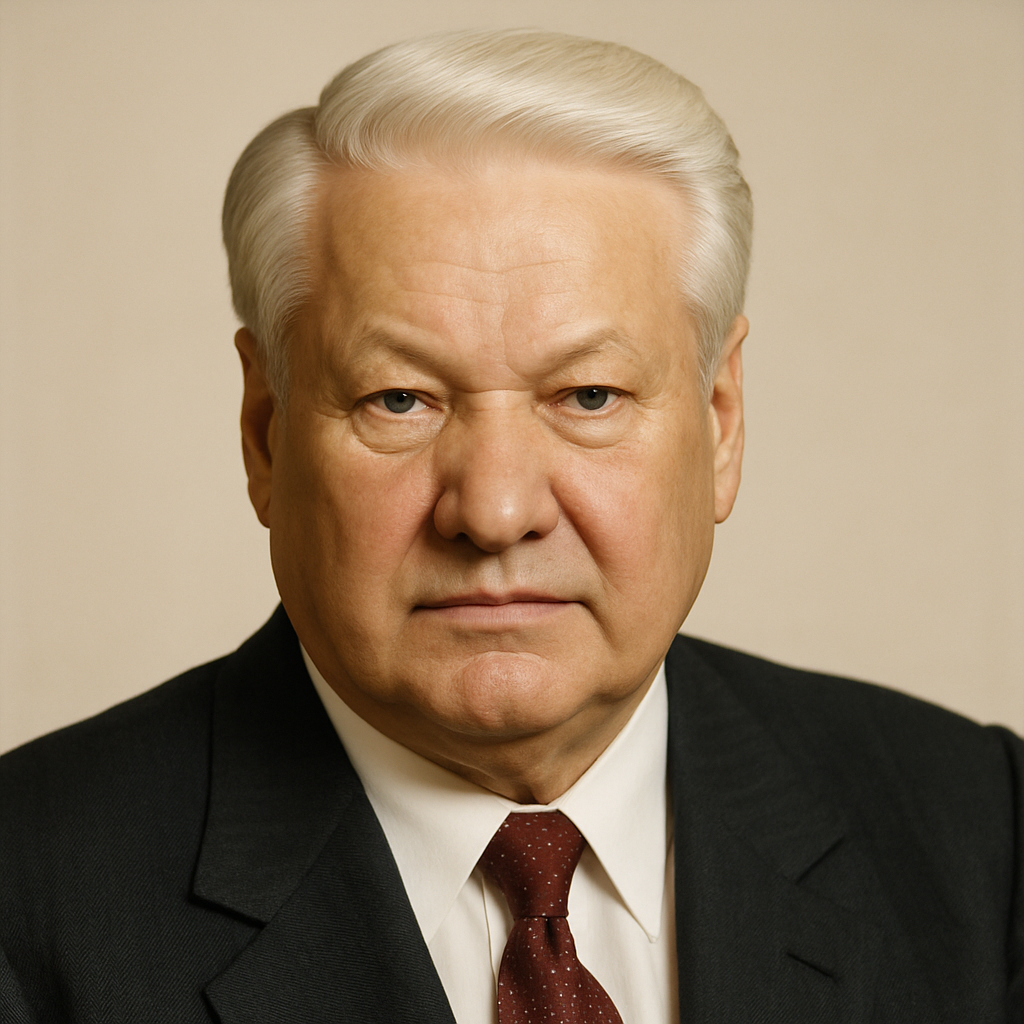
- Boris Yeltsin delivered a Presidential Address to the Federal Assembly on 6 March 1997 in Russia, during a period of economic reform and political transition following the dissolution of the Soviet Union.
- Main themes
- Economic reform, legal order, non-payments crisis, electoral legislation, Chechen crisis, social reform, strengthening federalism
- Duration
- ~28 min
- Words
- 3,323
- Sentences
- 165
- Readability
- 43
- Grade
- 12.2
- Syntax
- 2.79
- Vocabulary
- 2.18
Russian Presidential Address to the Federal Assembly Translated from Russian
The broad sphere of national life a sentence belongs to. Every sentence has an Arena, so it is the denominator the other indices are read against.
Other165 sentences in 41 paragraphs
Russia entered 1997 carrying a heavy burden of problems. More than half of the country's citizens suffer from delays in the payment of wages and pensions; the stranglehold of non-payments is paralysing the economy; corruption is eating away at the machinery of state; the authorities are weak in ensuring that laws and decrees are carried out. And this is only a small part of the unresolved tasks.
Before the presidential elections, the majority did not want to move backwards; after the elections, it is indignant at seeing no change for the better. We cannot be complacent that most of Russia's people are dissatisfied with the present day and afraid of tomorrow. All reserves of human patience have been exhausted. We have no time for marking time and political manoeuvring. The grave economic situation and the dire state of the social sphere demand joint and energetic action.
This Address speaks of the most important thing of all: establishing order in government. Without this, neither forward movement nor the resolution of the most pressing problems is possible. I see my duty as President of the Russian Federation not only in defining, through this Address, the main directions of our work, but also in ensuring that the tasks set are carried out.
However hard things may be now, I believe in Russia and in our people. I have no doubt that we shall cope with today's problems. Russia has every capacity to do so.
In accordance with the powers defined by point 'e' of Article 84 of the Constitution of the Russian Federation, I address the members of the Federation Council and the deputies of the State Duma of the Federal Assembly, and all citizens of Russia, with the annual Address on the situation in the country and the main directions of the policy of the Russian Federation. Given the scale and complexity of the problems facing the country, it is vitally important to concentrate on priority tasks. Efforts must be directed both at solving today's problems and at achieving strategic goals.
We have created the basic institutions of a market economy, tamed price growth, stabilised the national currency and slowed the decline in production. Adaptation to the conditions of the market and low inflation has begun. It has become clearer where we have run ahead and where we have fallen behind, when we can borrow from world experience and in which cases we must seek our own paths. But it must be admitted: the protracted political struggle has slowed the normal course of economic reform. Moreover, many defects of the unfinished economic mechanism have worsened, and social problems have become more acute. The crisis of non-payments has taken on a chronic character. Investment activity continues to decline, and the start of economic growth is consequently being postponed. The budget crisis and the crisis of the pension system are regularly reproduced. The state bears primary responsibility for this. It takes on obligations it is unable to fulfil in full, and does not ensure the performance of the necessary regulatory functions. Both the legislative and the executive branches of power are at fault here.
In 1992 Russia had only one way to save the economy from collapse: to trust in the energy of economic freedom. However, owing to the weakness of the authorities, a lack of skill and mistakes, side effects were not slow to appear. Market relations invaded spheres for which they are contraindicated. When 'free buying and selling' extends to the passage of laws, the actions of officials and the decisions of courts, this is not only immoral but mortally dangerous for society and the state. An effective market economy means not only the freedom of private initiative but also a strict legal order: uniform, stable rules of economic activity rigorously observed by all. The task of the state is to establish these rules and to ensure their observance. The critical mass of transformations compels us to reconsider the methods of state participation in the economy. And accumulated experience suggests how this should be done.
Enormous changes have taken place in the state structure of the country. Only three years ago Russia, for the first time in its centuries-long history, acquired a Constitution adopted by the open and free expression of the people's will. It has become one of the most important factors of political stability, realising the principle of strong presidential power, which corresponds both to the needs of society and to the conditions of the present transitional situation. The Constitution has limited the ability of the authorities to crush society and has become a real instrument with which citizens defend their rights. Before changing the Constitution, we must learn to respect it, learn to live by it, using its full potential.
Last year, for the first time in Russia's history, the incumbent head of state was re-elected in democratic elections. The elections of the legislative and presidential authorities took place on time and in accordance with electoral legislation. The elections of the organs of power of the constituent entities of the Russian Federation and of the organs of local self-government were an important event in the life of the country. It has been confirmed once again: we have succeeded in setting in motion the democratic mechanism of the change and continuity of power. It is necessary to analyse objectively the experience of all the past elections and to make changes to electoral legislation. The main task is to strengthen the guarantees of citizens' electoral rights. I believe that the system of electoral commissions should play a more important role here.
We are entitled to appreciate the path of political, state and civic maturing that our society has travelled in a matter of years. The speed is almost incredible, historically unprecedented.
The elections held in the constituent entities of the Russian Federation completed a most important stage in the construction of Russian federalism. The growth of the independence of regional authorities means at the same time a growth in their responsibility to citizens and to the country. Regional political leaders therefore face a serious examination. Our joint task is to preserve what has been achieved and to move further, building a fully fledged federation.
Chechnya has become a grievous wound for the country. In 1996 hostilities in the Chechen Republic were halted, but the 'tight Chechen knot' remains. Over the past five years mistakes were made in resolving the Chechen problems, including by the country's highest political leadership; there were miscalculations and inconsistent, contradictory actions. The great human losses have deeply traumatised Russian society. The damage inflicted on the economy of the whole country is enormous.
Now, after the elections in the Chechen Republic, legitimate organs of power are being formed. What policy they will pursue, the future will show. However, there is no problem in the relations between the federal organs of power and the leaders of the Chechen Republic that does not have a political solution. The question of Chechnya's status has been postponed until 2001. Wounds must heal, and emotions must give way to common sense. But this does not mean that we shall simply wait all this time. The process of settling the situation has not stopped and will not be stopped.
The Chechen crisis revealed our common problems: the weakness of the new state institutions, and the disunity of the authorities and society in the face of real threats. What lessons we draw from the recent tragedy is now very important. The future of Russia depends on it in large measure. One lesson is already clear: Russia needs order. However, two difficult questions must be answered: what kind of order, and how is it to be established?
The fact that the problem of establishing order is extremely topical in Russia today is explained by a complex of political and economic causes. The most significant among them are these: the inherited institutions and traditions of power were fundamentally unsuited to solving the new tasks, nor was there a sufficient number of trained personnel able to solve them; there was no legal basis for the new political and economic relations, which, moreover, came into conflict with practice formed over decades; and the building of the new statehood was carried out in conditions of fierce political confrontation. In the search for compromise in carrying out reforms, it was necessary to take decisions that were not the most effective, which stretched out the transformations and intensified the hardships associated with them.
Today the situation has changed, and there are real possibilities for successfully completing the reforms begun. The basic principles of the new Russian statehood, affecting all aspects of our life, have been formed and strengthened. A new corps of managers is taking shape. A practically new legal base is being created. For all the costs of lawmaking, for all the political battles, the Federal Assembly has played an important role in ordering the country's legal space. Serious shifts are taking place in public consciousness. People are gradually mastering the new legal opportunities opened up by the freedom of private activity and initiative. Citizens are actively mastering the possibilities of the Constitution and the laws for the defence of their rights. It is extremely important to support this activity, to remove old and new obstacles in the way of its free and natural development, and to do everything so that it receives public recognition.
Today most politicians, soberly assessing the mood of voters, do not link the solution of each specific question to a change of the socio-political and socio-economic system. Radicalism is losing its footing in Russian society. As a rule, the argument is not about where to go, but about how to go; not about whether a new Constitution was needed, but about how and when to improve it; not about whether Russia should have a market economy, but about what kind it should be. A real chance has appeared to pass from irreconcilable political struggle to normal political life, from confrontation to cooperation. In this I see the basis for the consolidation of all constructive political forces, of the whole of society. In this lies the most important condition for overcoming the crisis.
The most effective way to establish order on a building site is to finish the building. But for two years now we have been marking time, not daring to embark on the urgently needed restoration to health of the financial and tax systems, or on social reforms. New land relations have still not been established. Delay in the formation of the judicial system, in military reform and in state-building as a whole is intolerable. The unresolved state of these seemingly general questions directly affects such concrete problems as delays in the payment of wages and pensions, the crisis of non-payments and high crime.
Therefore our first and main resource for establishing order in the country is the energetic completion of economic, social and legal reform. This has been said repeatedly; programmes have been drawn up and instructions issued, but the wheels continue to spin. The conclusion is clear: the main obstacle to the establishment of the new economic system and the new political system is the low effectiveness of the authorities, the absence of proper order in the activity of the state apparatus. In other words, even when we build, we do so slowly, chaotically, without discipline and at excessive cost.
For several years we were unable to achieve the suppression of inflation, which masked many difficulties. With the taming of price growth, these difficulties have fallen entirely upon us who live today. Moreover, they have been distributed patently unjustly: things have become even harder for the poor and the weak. In these conditions the absence of order has become not only clearly visible but, in the literal sense of the word, intolerable. The absolute majority of the problems that have arisen in Russia are generated, on the one hand, by a disdainful attitude to legal norms and, on the other, by the inept actions of the authorities or their passivity. In these conditions, order in the country will begin only with the establishment of order in the state organism itself. Without raising the quality of governance, the other problems cannot be solved, chief among them the improvement of the lives of Russians. Only a strong government, taking sensible decisions and capable of ensuring their effective execution, is in a position to fulfil its duties: to give guarantees for the activity of the strong and to give worthy support to the weak; to ensure the development of culture, education and science; to reform the Armed Forces; to become a natural and reliable centre of integration for our partners in the CIS; and to defend Russia's national interests.
So today it is precisely the sphere of governance that I declare a 'zone of special attention', priority number one among all directions of current policy. This priority has a simple, short name: Legal Order. That is the answer to the question of what kind of order we need.
From what has been said above follows the answer to the other question: how is this order to be achieved. The main way to establish order is to begin with the authorities, fundamentally improving the system of governing the country, beginning with its upper echelons.
The citizens of Russia justifiably refuse to understand why the reforms have dragged on and why the social costs of carrying them out are so great. If the authorities take sensible decisions but they are not implemented; if decisions are unrealistic or dictated by momentary interests that run counter to long-term ones; and finally, if society does not understand what state decisions are based on, all this means the ineffectiveness of the authorities. Put simply, it is poor quality of governance, because of which social tension constantly arises, crisis phenomena in the economy intensify, and mutual distrust begins to dominate relations between the state and society.
The main cause of the ineffectiveness of the authorities is the mismatch between the new constitutional organisation of the state and the new tasks the authorities must solve, and the old approaches, structures and methods of governance that have largely survived. To raise the effectiveness of the authorities, we shall have to establish order in norm-making and in the work of the executive, and strengthen the supervisory function of the state. In doing so, our efforts will be divided between urgent and strategic tasks: taking measures to make maximum use of the available resources of power, and reforming the system of executive power.
The legal foundation of state order is federal law. The need to raise the quality of legislation and to observe lawmaking priorities has been spoken of in every Presidential Address to the Federal Assembly. But lawmaking activity still lacks quality and pace.
What Russia needs today above all is basic, system-forming laws. Yet although the Federal Assembly passes a good many laws, many of them are not among those urgently needed, and they often reflect sectoral or corporate interests. Laws still abound in referential norms, which creates a vast field for subordinate norm-making. Laws are in effect ceasing to be acts of direct application. A significant place is occupied by the introduction of not always urgent amendments and additions to existing legislation. Three years of attempts to make the lawmaking process systematic have so far not been crowned with success. The Joint Commission for the Coordination of Legislative Activity states that the Indicative Programme of the State Duma's draft-law work has still not become a document that genuinely orders lawmaking activity. By the end of 1996 the Indicative Programme had been fulfilled by only a third with respect to federal constitutional laws and other laws provided for by the Constitution. Only about 40 per cent of the planned number of codified acts and laws whose necessity follows from the Civil Code have been adopted.
Especially destructive for the country is the practice of adopting laws that take no account of the real financial and economic situation and that conflict with the federal budget and with other laws already adopted. Any law providing for the allocation of state funds must be backed by resources. Without this obligatory condition we multiply deceived expectations. A socially attractive title of a law alone will neither feed nor clothe people.
However much the political interests of State Duma deputies may differ, they are all representatives of power. Consequently, their very status does not permit them to pass laws while brushing aside the Government's negative opinions. As head of state I cannot and will not allow laws unsupported by material resources to see the light of day, destroying the financial system, one of the foundations of any state. But it would be far more effective if the deputies limited themselves, either by rules of procedure or, better, by legislation.
There are also many complaints about the Government's draft-law activity. Of the almost 750 draft laws introduced into the State Duma in 1996, only 188 were introduced by the Government. Of these, moreover, 53 were draft laws on the ratification of international treaties and agreements. At the same time, behind-the-scenes lobbying of various draft laws by government departments is flourishing. Some of these draft laws contradict the directions of policy determined by the President, as well as the position of the Government.
To a large degree, the unsystematic character of legislative activity is caused by unclear notions of the necessary structure and content of Russia's legal space. Hence the spontaneity with which many draft laws appear. In effect, neither society nor the state apparatus has a clear idea of which spheres of social relations should be regulated by legislation first, and to what extent. This too is a task above all for government departments.
The conclusion is clear: order must at last be established in lawmaking activity.
1.
The law 'On the Procedure for Adopting Federal Constitutional Laws and Federal Laws', the draft of which has been introduced by the President, must be passed. The State Duma can put its calls for the establishment of order into practice by beginning with its own professional sphere of legislative activity. If this call again goes unheard, the President will have to take an appropriate decision in the first half of this year on the conditions for accepting laws for signature. The possibility of such a decision follows from the constitutional power of the head of state to ensure the coordinated functioning and interaction of the organs of state power.
2.
The Government of the Russian Federation is obliged in the near future to improve its draft-law work fundamentally, and the ministries and departments must concentrate on drafting major bills in their fields. What is needed is fundamentally new solutions, not the patching of holes. The quality and timeliness of the submission to the Government of draft laws in the relevant field must become one of the main criteria for assessing the work of a given ministry or department.
3.
The representatives of the President and of the Government in the chambers of the Federal Assembly are obliged to report immediately any instances of departmental lobbying of draft laws. At the same time, it is long past time to bring the relations of the deputy corps with non-governmental organisations that initiate and champion various draft laws into a legal channel.
4.
A draft law must be developed that would prevent the adoption of legislative acts unsupported by financial resources, while at the same time obliging the Government to argue its position more thoroughly.
5.
I consider useful the proposal made by the Joint Commission for the Coordination of Legislative Activity for the joint formation by all branches of power of a short list of genuinely priority draft laws. It must correspond to the priorities in domestic and foreign policy determined by the President. It would be expedient to enshrine in the Rules of Procedure of the State
The original Russian. The tags above are read on the English translation's sentences.
В 1997 год Россия вошла с тяжелым грузом проблем. Более половины граждан страны страдают от задержек выплаты зарплат и пенсий; удавка неплатежей парализует экономику; государственный аппарат разъедает коррупция; власть слабо обеспечивает выполнение законов и указов. И это только небольшая часть нерешенных задач. До президентских выборов большинство не хотело движения вспять, после выборов - негодует, не видя перемен к лучшему. Нельзя спокойно относиться к тому, что большая часть жителей России недовольна сегодняшним днем и боится завтрашнего. Исчерпаны все ресурсы людского терпения. У нас нет времени для топтания на месте и политических маневров. Тяжелая экономическая ситуация, бедственное положение в социальной сфере требуют совместных энергичных действий. В Послании говорится о самом главном - о наведении порядка во власти. Без этого невозможны движение вперед, решение самых насущных проблем. Свой долг как Президента Российской Федерации вижу в том, чтобы не только определить этим Посланием основные направления нашей работы, но и обеспечить выполнение поставленных задач. Как бы ни было тяжело сейчас, я верю в Россию и наш народ. Не сомневаюсь - мы справимся с сегодняшними проблемами. У России есть для этого все возможности. В соответствии с полномочиями, определенными пунктом "е" статьи 84 Конституции Российской Федерации, обращаюсь к членам Совета Федерации и депутатам Государственной Думы Федерального Собрания, ко всем гражданам России с ежегодным Посланием о положении в стране и основных направлениях политики Российской Федерации. Учитывая масштаб и сложность стоящих перед страной проблем, жизненно важно сосредоточиться на приоритетных задачах. Усилия должны быть направлены и на решение сегодняшних проблем, и на достижение стратегических целей. Мы создали основные институты рыночной экономики, укротили рост цен, стабилизировали национальную валюту, замедлили спад производства. Началось приспособление к условиям рынка и низкой инфляции. Стало яснее, где мы забежали вперед, а в чем отстали, когда можно перенимать мировой опыт, а в каких случаях - искать свои пути. Но надо признать: длительная политическая схватка затормозила нормальный ход экономических реформ. Более того, усугубились многие дефекты недостроенного экономического механизма, обострились социальные проблемы. Кризис неплатежей приобрел черты хронического. Продолжается снижение инвестиционной активности и, следовательно, откладывается начало экономического роста. Регулярно воспроизводятся бюджетный кризис и кризис пенсионной системы. В первую очередь за это ответственно государство. Оно берет на себя обязательства, которые не в состоянии реализовать полностью, и не обеспечивает выполнения необходимых регулирующих функций. В этом вина и законодательной, и исполнительной ветвей власти. В 1992 году у России был единственный путь спасения экономики от краха: довериться энергии экономической свободы. Однако из-за слабости власти, недостатка умения и ошибок побочные явления не замедлили сказаться. Рыночные отношения захватили сферы, для них противопоказанные. Когда "свободная купля-продажа" распространяется на принятие законов, действия чиновников, решения судов, это не только безнравственно, но смертельно опасно для общества и государства. Эффективное рыночное хозяйство - это не только свобода частной инициативы, но и строгий правовой порядок, единые, стабильные и неукоснительно соблюдаемые всеми правила экономической деятельности. Задача государства - установить эти правила и обеспечить их выполнение. Критическая масса преобразований заставляет пересмотреть методы государственного участия в экономике. А накопленный опыт подсказывает, как это следует делать. Огромные изменения произошли в государственном устройстве страны. Всего три года назад Россия впервые в своей многовековой истории обрела Конституцию, принятую открытым и свободным волеизъявлением народа. Она стала одним из важнейших факторов политической стабильности, реализовав принцип сильной президентской власти, соответствующий и потребностям общества, и условиям нынешней переходной ситуации. Конституция ограничила возможность власти подмять общество и стала реальным инструментом, с помощью которого граждане отстаивают свои права. Прежде чем менять Конституцию, нужно научиться ее уважать, научиться жить по ней, используя весь ее потенциал. В прошлом году впервые в истории России на демократических выборах переизбран действующий глава государства. Выборы законодательной и президентской власти прошли в срок и в соответствии с избирательным законодательством. Важным событием в жизни страны стали выборы органов власти субъектов Российской Федерации и органов местного самоуправления. Еще раз подтверждено: нам удалось привести в действие демократический механизм смены и преемственности власти. Необходимо объективно проанализировать опыт всех прошедших выборов и внести изменения в избирательное законодательство. Главная задача - усилить гарантии избирательных прав граждан. Полагаю, что более важную роль здесь должна играть система избирательных комиссий. Мы вправе по достоинству оценить тот путь политического, государственного и гражданского взросления, который прошло наше общество за считанные годы. Скорости почти невероятные, исторически беспрецедентные. Выборы, прошедшие в субъектах Российской Федерации, завершили важнейший этап в строительстве российского федерализма. Рост самостоятельности региональных властей означает одновременно и рост их ответственности перед гражданами и страной. Поэтому политическим руководителям регионов предстоит держать серьезный экзамен. Наша совместная задача - сохранить достигнутое и двигаться дальше, строя полноценную федерацию. Тяжелой раной для страны стала Чечня. В 1996 году боевые действия в Чеченской Республике были остановлены, но "тугой чеченский узел" остался. В течение пяти последних лет в решении чеченских проблем допускались ошибки, в том числе - высшим политическим руководством страны, были просчеты, непоследовательные, противоречивые действия. Большие человеческие жертвы глубоко травмировали российское общество. Велик ущерб, нанесенный экономике всей страны. Сейчас после выборов в Чеченской Республике формируются законные органы власти. Какую политику они будут проводить - покажет будущее. Однако нет такой проблемы во взаимоотношениях федеральных органов власти и руководителей Чеченской Республики, которая не имеет политического решения. Вопрос о статусе Чечни отложен до 2001 года. Нужно, чтобы затянулись раны, чтобы эмоции уступили место здравому смыслу. Но это не означает, что все это время мы будем просто ждать. Процесс урегулирования ситуации не прекращался и прекращен не будет. Чеченский кризис выявил наши общие проблемы: слабость новых государственных институтов, разобщенность власти и общества перед лицом реальных угроз. Сейчас очень важно, какие уроки мы извлечем из недавней трагедии. От этого во многом зависит будущее России. Один урок ясен уже сейчас: России нужен порядок. Однако необходимо ответить на два непростых вопроса: какой порядок и как его наводить? То обстоятельство, что проблема установления порядка чрезвычайно актуальна сегодня в России, объясняется комплексом политических и экономических причин. Наиболее существенные среди них таковы: - унаследованные институты и традиции власти были принципиально не приспособлены для решения новых задач. Не было в достаточном количестве и обученных кадров, умеющих решать эти задачи; - отсутствовала правовая база новых политических и экономических отношений, которые, кроме того, вступали в противоречие с практикой, формировавшейся в течение десятилетий; - строительство новой государственности осуществлялось в условиях жесткого политического противостояния. В поисках компромисса в проведении реформ приходилось принимать не самые эффективные решения, что растягивало преобразования и усиливало связанные с ними тяготы. Сегодня ситуация изменилась и есть реальные возможности успешного довершения начатых реформ. Сформированы и укреплены базовые принципы новой российской государственности, влияющие на все стороны нашей жизни. Формируется новый корпус управленцев. Создается практически новая правовая база. При всех издержках законотворчества, при всех политических баталиях Федеральное Собрание сыграло важную роль в обустройстве правового пространства страны. Происходят серьезные сдвиги в общественном сознании. Люди постепенно осваивают новые, правовые возможности, открываемые свободой частной деятельности и инициативы. Идет активное освоение гражданами возможностей Конституции и законов для защиты своих прав. Крайне важно поддержать эту активность, снять старые и новые препоны на пути ее свободного и естественного развития, сделать все, чтобы она получила общественное признание. Сегодня большинство политиков, трезво оценивая настроения избирателей, не связывают решение каждого конкретного вопроса со сменой общественно-политической и социально-экономической системы. Радикализм теряет опору в российском обществе. Как правило, спорят не о том, куда идти, а о том, как идти; не о том, нужна ли была новая Конституция, а о том, как и когда ее совершенствовать; не о том, быть ли рыночной экономике в России, а о том, какой ей быть. Появился реальный шанс перейти от непримиримой политической борьбы к нормальной политической жизни, от конфронтации к сотрудничеству. В этом вижу основу для консолидации всех конструктивных политических сил, всего общества. В этом - важнейшее условие преодоления кризиса. Самый эффективный способ навести порядок на стройплощадке - завершить строительство. Но мы уже два года топчемся на месте, не решаясь приступить к насущно необходимому оздоровлению финансовой и налоговой систем, к социальным реформам. До сих пор не налажены новые земельные отношения. Нетерпимо промедление в становлении судебной системы, в военной реформе, в государственном строительстве в целом. Нерешенность этих, казалось бы общих, вопросов прямо влияет на такие конкретные проблемы, как задержка выплаты зарплат и пенсий, кризис неплатежей, высокая преступность. Поэтому наш первый и главный ресурс наведения порядка в стране - энергичное завершение экономической, социальной и правовой реформ. Об этом говорилось неоднократно, составлялись программы, издавались распоряжения, но пробуксовка продолжается. Вывод ясен: главное препятствие становлению нового экономического строя, новой политической системы низкая эффективность власти, отсутствие надлежащего порядка в деятельности государственного аппарата. Иначе говоря, даже когда мы строим, мы делаем это медленно, хаотично, недисциплинированно, с чрезмерными затратами. В течение нескольких лет мы не могли добиться подавления инфляции, которая маскировала многие трудности. С укрощением роста цен эти трудности целиком обрушились на нас, живущих сегодня. Причем распределились они явно несправедливо: бедным и слабым стало еще тяжелее. В этих условиях отсутствие порядка стало не только отчетливо видимым, но и в буквальном смысле слова нетерпимым. Абсолютное большинство возникших проблем в России порождено, с одной стороны, пренебрежительным отношением к правовым нормам, а с другой - неумелыми действиями власти или ее пассивностью. В этих условиях порядок в стране начнется только с наведения порядка в самом государственном организме. Не повысив качество управления, не решить другие проблемы, главная из которых - улучшение жизни россиян. Только сильная власть, принимающая разумные решения и способная обеспечить их эффективное исполнение, в состоянии выполнить свои обязанности: дать гарантии для активности сильных и достойно поддержать слабых, обеспечить развитие культуры, образования и науки, реформировать Вооруженные Силы, стать естественным и надежным центром интеграции для партнеров по СНГ, отстоять российские национальные интересы. Итак, сегодня именно управленческую сферу я объявляю "зоной особого внимания", приоритетом номер один среди всех направлений текущей политики. У этого приоритета есть простое короткое имя - Правовой Порядок. Это и есть ответ на вопрос: какой порядок нам нужен. Из сказанного выше вытекает ответ и на другой вопрос: как этого порядка достичь. Главный способ навести порядок - начать с власти, коренным образом усовершенствовать систему управления страной, начиная с ее верхних эшелонов. Граждане России обоснованно отказываются понимать, почему реформы затянулись, почему социальные издержки их проведения столь велики. Если власть принимает разумные решения, но они не реализуются, если решения нереальны или продиктованы сиюминутными интересами, идущими вразрез с интересами долгосрочными, наконец если общество не понимает, чем обусловлены государственные решения, - все это означает неэффективность власти. Проще говоря, это плохое качество управления, из-за которого постоянно возникает социальная напряженность, усиливаются кризисные явления в экономике, а в отношениях государства и общества начинает доминировать взаимное недоверие. Главная причина неэффективности власти - несоответствие между новой конституционной организацией государства, новыми задачами, которые должна решать власть, и во многом сохранившимися старыми подходами, структурами, методами управления. Чтобы повысить эффективность власти, нам придется навести порядок в нормотворчестве, в работе исполнительной власти, усилить контрольную функцию государства. При этом наши усилия будут распределяться между неотложными и стратегическими задачами: принятием мер по максимальной реализации имеющихся властных ресурсов и реформированием системы исполнительной власти. Правовая основа государственного порядка - федеральные законы. О повышении качества законодательства, необходимости соблюдения законотворческих приоритетов говорилось в каждом Послании Президента Федеральному Собранию. Но законотворческой деятельности по-прежнему не хватает качества и темпа. Россия нуждается сегодня прежде всего в базовых, системообразующих законах. Однако, несмотря на то, что Федеральное Собрание принимает немало законов, многие из них не относятся к числу остро необходимых, зачастую отражают отраслевые или корпоративные интересы. По-прежнему законы изобилуют отсылочными нормами, что создает обширное поле для подзаконного нормотворчества. Законы фактически перестают быть актами прямого действия. Значительное место занимает внесение не всегда неотложных изменений и дополнений в действующее законодательство. Трехлетние попытки сделать планомерным процесс законотворчества до сих пор не увенчались успехом. Объединенная комиссия по координации законодательной деятельности констатирует, что Примерная программа законопроектной работы Государственной Думы так и не стала тем документом, который реально упорядочивает законотворческую деятельность. На конец 1996 года Примерная программа была выполнена лишь на треть в отношении федеральных конституционных законов и других законов, предусмотренных Конституцией. Принято только около 40 процентов намеченного числа кодифицированных актов и законов, необходимость которых вытекает из Гражданского кодекса. Особенно разрушительна для страны практика принятия законов, не учитывающих реальную финансово-экономическую ситуацию, вступающих в противоречие с федеральным бюджетом, с другими принятыми законами. Любой закон, предусматривающий выделение государственных средств, должен быть обеспечен ресурсами. Без этого обязательного условия мы множим обманутые ожидания. Одним социально привлекательным названием закона людей не накормишь и не оденешь. Как бы ни различались политические интересы депутатов Государственной Думы, все они представители власти. Следовательно, сам их статус не позволяет принимать законы, отмахиваясь от отрицательных заключений Правительства. Как глава государства не могу и не буду допускать, чтобы не обеспеченные материальными ресурсами законы выходили в свет, разрушая финансовую систему - одну из основ любого государства. Но было бы гораздо эффективнее, если бы депутаты сами ограничили себя либо регламентными нормами, либо, что лучше, законодательно. Немало претензий имеется и к законопроектной деятельности Правительства. Из почти 750 законопроектов, внесенных в Государственную Думу в 1996 году, только 188 были внесены Правительством. Причем из них 53 были законопроектами о ратификации международных договоров и соглашений. В то же время процветает закулисное лоббирование тех или иных законопроектов ведомствами. Некоторые из подобных законопроектов противоречат направлениям политики, определяемым Президентом, а также позиции Правительства. В большой степени несистемность законодательной деятельности обусловлена неясными представлениями о необходимых структуре и содержании российского правового пространства. Отсюда - стихийность появления многих законопроектов. Фактически ни общество, ни государственный аппарат не имеют четкого представления о том, какие сферы общественных отношений в первую очередь следует законодательно регулировать и в каком объеме. Это также задача прежде всего правительственных ведомств. Вывод ясен - необходимо, наконец, навести порядок в законотворческой деятельности. 1. Должен быть принят закон "О порядке принятия федеральных конституционных законов и федеральных законов", проект которого внесен Президентом. Государственная Дума может реализовать на практике свои призывы к наведению порядка, начав со своей профессиональной сферы законодательной деятельности. Если этот призыв снова не будет услышан, придется Президенту в первом полугодии текущего года принимать соответствующее решение об условиях принятия законов для подписания. Возможность такого решения обусловлена конституционным полномочием главы государства по обеспечению согласованного функционирования и взаимодействия органов государственной власти. 2. Правительство Российской Федерации обязано в ближайшее время коренным образом улучшить свою законопроектную работу, а министерства и ведомства сконцентрировать внимание на разработке крупных законопроектов по своей проблематике. Нужны принципиально новые решения, а не латание дыр. Качество и своевременность представления в Правительство законопроектов по соответствующему профилю должны стать одним из главных критериев оценки работы того или иного министерства, ведомства. 3. Представители Президента и Правительства в палатах Федерального Собрания обязаны незамедлительно докладывать о фактах ведомственного лоббирования законопроектов. В то же время взаимоотношения депутатского корпуса с негосударственными организациями, выступающими инициаторами и защитниками тех или иных законопроектов, давно пора ввести в правовое русло. 4. Необходимо разработать проект закона, который бы не допускал принятия законодательных актов, не обеспеченных финансовыми средствами, и в то же время предусматривал обязанность Правительства более аргументированно обосновывать свою позицию. 5. Считаю полезным предложение, внесенное Объединенной комиссией по координации законодательной деятельности, о совместном формировании всеми ветвями власти небольшого перечня действительно первоочередных законопроектов. Он должен соответствовать приоритетам во внутренней и внешней политике, определяемым Президентом. Целесообразно закрепить в Регламенте Государст