




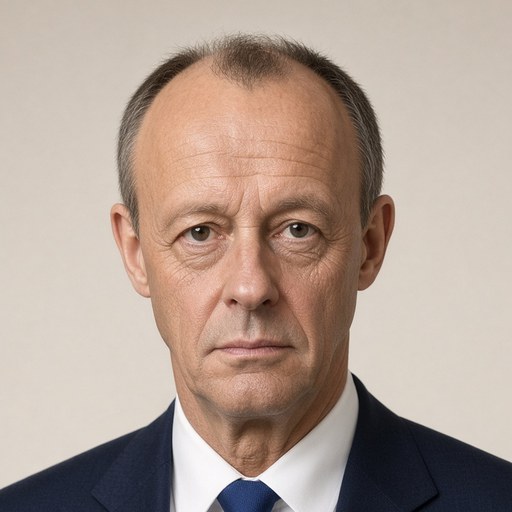
Government statement by Chancellor Friedrich Merz on the new federal government before the German Bundestag on May 14, 2025, in Berlin:
 Friedrich Merz · Chancellor of Germany
- Context
- Merz addressed the German Bundestag on May 14, 2025, delivering a government statement outlining the priorities of the new CDU/CSU-SPD coalition government.
- Main themes
- Responsibility for Germany, coalition government formation, security and freedom, Russian war of aggression in Ukraine, European unity, democratic stability, economic prosperity, societal cohesion, public finances, transition of government, Germany's role in the world, peace order in Europe
- Duration
- ~51 min
- Words
- 6,074
- Sentences
- 328
- Readability
- 44
- Grade
- 11.7
- Syntax
- 2.95
- Vocabulary
- 2.07
Translated from German
The broad sphere of national life a sentence belongs to. Every sentence has an Arena, so it is the denominator the other indices are read against.
Other328 sentences in 72 paragraphs
Ladies and gentlemen!
Dear colleagues!
"Responsibility for Germany," this is how we, the Union of CDU and CSU as well as the SPD, have titled our coalition agreement. "Responsibility for Germany" means: We, as the new federal government, are committed to serving our country and all of its 84 million citizens together. We want to govern to advance our country through our own efforts. We want to govern to provide new security and, above all, to defend our freedom resolutely against its enemies. We want to govern to renew the promise of prosperity for all. And we want to govern to foster cohesion in our society, especially where it has been lost.
To achieve this, we need a change in our politics in many respects. Such a change requires rethinking and new priorities in many areas. We are aware of the enormous challenges that Germany faces: internationally, in Europe, nationally, and not least regarding public finances. At the same time, we know: Our country is strong. We can build on the diligence of millions of workers, on the ingenuity of our entrepreneurs, on the commitment that countless volunteers show every day for our community, and on the creativity of our scientists and those in the arts and culture. I am personally – together with my colleagues in the federal government – convinced that our great country can meet the challenges of our time through its own strength and turn them into something good.
Ladies and gentlemen, dear colleagues, you know that my parliamentary group and I personally, as the leader of the opposition, did not agree with all the decisions made by the previous government. This is nothing unusual in a democracy. But one thing is also clear to us, and let me express this at the outset: You, Mr. Scholz, and your government have led Germany through times of extraordinary crises. Your response to the Russian war of aggression against Ukraine was groundbreaking, and it was historic. For this, you deserve our thanks once again from this place, my personal thanks, and – I hope – the recognition of the entire house and our country.
As democrats of the political center, we are united: We are committed to the common good. And we do not want to describe the problems – we want to solve them, and we want to do so from the democratic center of our country. That we can do this, we have already shown in recent weeks. The peaceful transition from one government to the next – such a transition is unfortunately no longer a given even in the world of democracies – is a testament to the democratic maturity of our country. The transition from the old to the new federal government was professional, smooth, and collegial. I would like to thank everyone who was involved in these few days of transition from the old to the new federal government, some of whom faced an extraordinarily high workload.
Every era has its own challenges. And every era demands its own and sometimes new answers. Providing these answers for our time, with your cooperation and support, dear colleagues, means for me taking responsibility for Germany. We are experiencing a world in motion, indeed, in turmoil. The decisions we have to make will shape the future of the Federal Republic of Germany for at least a few years. They will be formative for the lives of our children and grandchildren. But our decisions will and should also influence the future of the free world.
Let us not deceive ourselves about the magnitude of the challenge. Eighty years after the end of World War II and in the 35th year of the reunification of our country, our freedom is being attacked by the opponents and enemies of our liberal democracy as rarely before. Russia has broken all the rules that we have jointly written down for our coexistence in Europe since the end of World War II and even more so since the overcoming of the European division. For more than three years now, the Russian war of aggression in Ukraine has been raging. Russian troops kill and murder women and children, civilians and soldiers every day. This war has claimed hundreds of thousands of victims, including on the Russian side.
This war and its outcome will determine not only the fate of Ukraine. The outcome of this war will determine whether law and order will prevail in Europe and the world in the future or whether tyranny, military force, and the naked right of the stronger will prevail. Therefore, in Ukraine, nothing less than the peace order of our entire continent is at stake. In this historic decision-making situation, Europe must stand together – more united than ever.
As a federal government, we will focus our energy on advancing Europe significantly – at a time when the position of our continent in the world is being reassessed and we must defend it anew. Germany will take initiatives to revitalize the European idea of freedom and peace so that Europe can live up to its claim and significance in the world. And we will never forget what former Chancellor and honorary citizen of Europe Helmut Kohl said here in Berlin on June 23, 1996, during the farewell of Pope John Paul II. "We want" – he said – "and must never lose sight of the fact that we form a community of values and culture in Europe." This statement was as true then as it is today.
This Europe is looking to us today, to Germany. Europe expects something from us. The new federal government accepts this responsibility. We offer our partners and friends reliability and predictability, especially through a foreign and security policy that serves a strong Europe, a foreign and security policy that is primarily guided by our interests and our common European values.
We are establishing a new National Security Council, in which the federal and state governments as well as all security-relevant departments will contribute and pool their knowledge. There will be strategic orientation, and in crisis situations, we will be able to act very quickly. And we will coordinate with our European and international partners to deepen what are the right decisions in Germany and Europe, with mutual respect and consideration for each other.
Therefore, I – as you all could follow through the media – traveled on my first full day in office directly to Paris and Warsaw. With French President Emmanuel Macron, I agreed on a comprehensive restart of German-French relations, with concrete impulses and projects for the relations between our two countries. And I was the first Chancellor of the Federal Republic of Germany to travel to Warsaw on my first day in office to send a signal: Our great neighbor to the east will play as central a role in this federal government's European policy as our great neighbor to the west. At the same time, Germany will always be a close partner and ally of the smaller and medium-sized states, especially in the European Union.
On my third day in office, I met in Brussels with the President of the European Council, António Costa, as well as the President of the European Commission, Ursula von der Leyen, and Roberta Metsola, the President of the European Parliament. I assured the European institutions of a new reliability from Germany. The times when Germany simply abstained from voting on essential questions of European policy should be over.
Finally, my path in my first week in office led me to Kyiv, together with my colleagues Emmanuel Macron, Keir Starmer, and Donald Tusk. We are all united in our desire for a just, lasting, and sustainable peace in Ukraine – sooner rather than later. On the way there, we are guided by three principles:
First: We continue to support the attacked Ukraine vigorously. I assured President Zelensky during my visit last weekend in Kyiv. It is clear: We are not a party to the war and will not become one. But we are also not uninvolved third parties or neutral mediators, so to speak, between the fronts. There must be no doubt about where we stand, namely unequivocally on the side of the Ukrainians and thus on the side of the people in Europe who are committed to democracy and the rule of law, who want to live in freedom and in open societies.
Second: Our assistance to Ukraine remains a joint effort of Europeans, Americans, and other friends and allies in our own interest. Because anyone who seriously believes that Russia would be satisfied with a victory over Ukraine or even parts of Ukraine or with the annexation of parts of the country is mistaken. Look at the poison attacks and murders in numerous European cities, including here with us, in our capital! Look at the cyberattacks against our data infrastructure! Look at the physical destruction of many data and undersea cables, apparently also by the so-called shadow fleet! Look at the acts of espionage and sabotage and the systematic disinformation of our population! This is predominantly the work of the Russian leadership and its accomplices – even here with us, in our own country. Therefore, we will confront all these attempts to divide and destabilize Europe and our democracies with the utmost determination, with unity, and above all with readiness to defend. And this finally leads to:
Third: This attitude is incompatible with any dictated peace and any submission to military facts created against the will of Ukraine. We hope and we are all working hard to ensure that this clear stance is not only represented throughout Europe but also by our American partners. I have spoken twice with President Trump in recent days. I am grateful for his support of the initiative for a 30-day unconditional ceasefire. Such a ceasefire can open a window in which peace negotiations can become possible. It is of paramount importance that the political West does not allow itself to be divided. And therefore, I will continue to make every effort to ensure maximum unity between our European and American partners.
For our country, it is also true: We must and we will continuously expand our own defense capability and our readiness to defend. We are guided by a very simple principle: We want to be able to defend ourselves so that we do not have to defend ourselves. We have called this principle deterrence for decades. There are few lessons from recent history that can be so directly applied to the present as this one, for this lesson is simple: Strength deters aggression, while weakness invites aggression.
Our goal is a country, a Germany, and a Europe that are so strong together that we never have to use our weapons. For this, we will take on more responsibility within NATO and the European Union. I also discussed this with Secretary General Mark Rutte during my inaugural visit to NATO in Brussels last Friday. I want to make it just as clear here as I did in Brussels: We will fulfill our obligations – in our own interest and in the interest of this great North Atlantic alliance, which stands like no other in the world for freedom and peace, at least in the part of the world where we are fortunate to live today.
Strengthening the Bundeswehr is our top priority in our policy. The federal government will henceforth provide all financial resources that the Bundeswehr needs to become the conventionally strongest army in Europe. This is more than appropriate for the most populous and economically strongest country in Europe. Our friends and partners expect this from us. Even more: They are demanding it.
But we cannot speak of defending freedom without mentioning those who have committed themselves to defending this freedom at the cost of their lives. I would like to take this opportunity to thank our soldiers for their service to our country. These soldiers take on the highest conceivable responsibility for our country with their willingness to put their lives on the line for our freedom.
We also know that we urgently need to improve the personnel readiness and growth of our Bundeswehr. Therefore, we will initially create a new, attractive voluntary military service. There are many young people in our country who are willing to take on this responsibility for the defense capability of our country and our security. We want to promote this, and we will.
Germany's security and Germany's ability to shape the world depend on our economic strength. The economic foundation of our country is still strong. We have innovative companies, including many world market leaders. We have a strong middle class with excellent employees. We have workers who deliver performance every day, highly qualified specialists. We have the best minds in research. Our economy is still competitive in many areas. But the framework conditions under which it must operate are no longer adequate. Increasing regulation, stifling bureaucracy, crumbling infrastructure, an expensive energy supply, and comparatively high taxes and levies have been hindering the potential that lies within our economy for years.
As a result, Germany's economy is in recession. We have never experienced such a long phase without economic growth in the history of the Federal Republic of Germany. Jobs are at stake, even in Germany's key industries such as automotive manufacturing, the chemical industry, or mechanical engineering. Therefore, we will do everything we can to get Germany's economy back on a growth path.
We want to invest and reform; both go hand in hand. I am also convinced in economic policy: We can once again become a growth locomotive through our own efforts, one that the world admires. Therefore, we will make competitiveness the benchmark of our economic and financial policy. We want to preserve jobs in the manufacturing industry and create new jobs there. And above all, we want to enable and promote the structural change that we call transformation – towards modern technologies with resource-saving energy supply, with comprehensive digitalization, with artificial intelligence, and many other opportunities. For this, we need substantial public and, above all, private investments.
We want to pass initial, tangible measures on this path soon: Companies that invest in new machinery, equipment, or digitalization should be able to deduct up to 30 percent of the acquisition costs for three consecutive years in the future. From 2028, we want to reduce corporate tax in five-year steps by 1 percentage point each. This creates reliable investment conditions that will make Germany attractive again in international comparison.
And we want to strengthen the resilience of our infrastructure. To this end, we are launching an investment program designed for twelve years, at all levels of government. This ensures reliability and predictability. For this legislative period, we have agreed within the coalition on an investment sum of up to 150 billion euros. However, this is only the smaller part that needs to be invested in Germany. The larger part must come from the private sector and the capital markets. We will create the framework conditions for that.
We have resources available that can be financed through new debt. Let me say an open word about this: We must handle these possibilities with great care. Because this debt incurs interest payments, and it must also be repaid one day. Therefore, it can only be justified if we sustainably and permanently increase the value of our infrastructure and improve the overall performance of our country with this money. Then it can be justified, but only then.
I belong to a generation for whom it has always been about moving forward and upward. "Prosperity for All" – our society, our economy has fulfilled this great promise of Ludwig Erhard for many, first in the West and now, fortunately, for many in the East of our country as well. But many people in Germany, especially many younger ones, now doubt whether this promise still holds and whether we can still fulfill it. These doubts place my generation, these doubts place all of us and the new federal government under an obligation to act. And that is exactly what we will do. That is why we are investing in infrastructure, in good roads and punctual trains. That is why we are investing in good schools and research institutions, in lifelong learning and vocational education and training, for which Germany is still envied worldwide today. We are investing in a modern state and a digital administration that does not harass and oppress citizens but supports and advances them. All of this is not only a matter of economic policy reason. It is also the best way to regain the trust of citizens in the performance of our state and its institutions, and thus also a fundamental prerequisite for the success of our democracy.
Of course, money alone is not enough for this. Reforms are an essential part of these investments. We need, above all, a courageous reduction of the excessive bureaucracy in our country. And for that, we need a new way of thinking in our minds. We will quickly and noticeably reduce the countless documentation, reporting, and notification obligations. We will modernize and consistently digitalize the public administration. The necessary competencies for this will be bundled for the first time in a new ministry, the Ministry for Digitalization and State Modernization. Our goal is clear: Administrative services should be made simple and digital through a central platform, without having to visit government offices.
With an Innovation Freedom Act, we will give research more freedom and free it from petty funding bureaucracy. We are launching a high-tech agenda to promote cutting-edge technologies in Germany. We are setting the course for Germany to become a start-up country and a home for technologies such as artificial intelligence, biotechnology, or fusion energy. We will simplify the founding of companies in Germany. We will create a central point of contact that digitally consolidates all applications and bureaucratic processes and enables company formation within 24 hours.
An important condition for this is that we maintain our openness and our close economic networking with all parts of the world. One in four jobs in Germany depends directly or indirectly on foreign trade. Therefore, in my discussions in Brussels and with various European partners, I have proposed a new free trade initiative in the EU. We want to support the European Union in concluding as many new trade agreements as possible right now, trade agreements that require only the approval of the European institutions. We are advocating for a swift ratification of the Mercosur agreement and, in the trade conflict with the USA, for the avoidance of a prolonged trade dispute.
In addressing global challenges as well as in the economy itself, China will remain an important partner for Germany and the European Union. We will confidently advocate for compliance with agreed industrial and trade policy rules. In the spirit of strategic de-risking, we will continue to reduce unilateral dependencies. We see that there are increasingly elements of systemic rivalry in China's foreign policy actions. To be frank: We view the growing closeness between Beijing and Moscow with considerable concern. Therefore, we will firmly advocate that China contributes to resolving the war in Ukraine. Furthermore, we will embed our China policy regionally. A stable, free, and secure Indo-Pacific region is of great strategic importance for Germany and the European Union.
Also, let us consider this on a day like today: The international order is undergoing profound changes. It is increasingly characterized by systemic rivalry and great power politics. We have learned that we must diversify our supply chains and reduce unilateral dependencies. For the federal government, this also means: We must deepen and expand our partnerships in the world where our partners share the same principles. Therefore, we want to intensify relations with Asia, this dynamic economic region. I mention, just as examples for many other countries, India, Japan, or Indonesia.
We also want to advance cooperation with our southern neighbor, the African continent, a continent that, in my view, has received too little attention from us and also from Europe in recent years and decades. We want to actively shape this neighborhood. This applies in economic policy. But it also applies to controlling migration and preserving peace and security.
At the same time – this is important to me – we will work together with France and all other member states of the European Union to deepen the European internal market further; after all, the European Union is by far the most important market for our companies. Therefore, the same applies here as in matters of defense: New strength arises from an even closer union of Europe.
Given current events, let me say: We are also seeking a deepened cooperation with the United Kingdom of Great Britain. This applies initially to security and defense policy. But it also applies to all conceivable possibilities for cooperation in trade policy and economic policy, extending to collaboration in science and research.
Overall, we are putting competitiveness back at the center of European policy. And we are also pushing for a bold reduction of bureaucracy in Brussels, for fewer reporting obligations and fewer regulations from there.
Much of what I am saying here may seem a bit too detailed to some. But these individual questions that I am discussing, and the answers we provide to them, are part of a new fundamental understanding that we have been able to agree upon in the coalition, namely the fundamental understanding that we do not approach our companies and their employees with distrust and control claims, but with trust and, indeed, with responsibility. Because the companies and the employees, the social partners in the companies as well as the employer organizations and the trade unions, all bear responsibility, and they all deserve a presumption of trust. They deserve more freedom and support instead of more distrust and ever more regulations and requirements.
What I am saying here also applies, especially in climate and energy policy. Neither our country nor the climate benefits if companies relocate their production abroad due to high costs and petty regulations. To eliminate any doubt: We are committed to the German, European, and international climate goals. However, to achieve them, we will take new paths. A central component will be the pricing of CO2, thus creating a market-based approach that sets incentives. The revenues from this will not be absorbed into the state budget but will be specifically returned to the economy and the citizens.
Last but not least, we will systematically align our energy policy with affordability, cost efficiency, and supply security, in an unideological and technology-open manner. We will reduce the electricity tax in the first step. There will be relief, for example, in network charges. And we will very quickly enable the capture and storage of carbon dioxide.
We are also creating more freedom and incentives for engagement and personal effort for employees. Performance must pay off again. For example, we will enable voluntary continued work beyond the age of 67 with the active pension. We will give employees and businesses more flexibility through a weekly rather than a daily maximum working time. And as soon as the financial possibilities allow – here, too, economic growth plays a decisive role – we will specifically relieve low- and middle-income earners in income tax.
Decent wages for good work remain the central promise of social partnership in Germany. Therefore, we are jointly advocating for a higher collective bargaining coverage in this coalition. The social partners, the companies, and the trade unions also bear great responsibility, which we as a government trust but also hold accountable. Therefore, we have agreed to maintain the independent minimum wage commission. At the same time, we consider a minimum wage of 15 euros in 2026 to be achievable, possible, and desirable in light of the collective bargaining developments. However, we will not enshrine it in law.
When we restore the competitiveness of our economy, when Germany's economy grows again, we also secure our social state – a social state that is one of the great achievements of the Federal Republic of Germany and remains a guarantor of social peace in our country. It is central that all people can rely on a stable pension system. Therefore, we will secure the pension level at 48 percent until the year 2031.
We will also soon support young people in taking early responsibility for their own future and preparing for their old age. We will do this with the so-called early start pension, which allows for the establishment of a capital-funded individual retirement provision starting from the age of six.
At the same time, we will take on the task of making the welfare state future-proof in light of an aging society. I want to be very clear: I personally stand for ensuring that the younger generations in our country are not overwhelmed with responsibilities for which their parents have not made sufficient provisions. As the federal government, we will establish a pension reform commission that will develop proposals on how we can design retirement security fairly for all generations.
We also urgently need fundamental structural reforms in the health and care system. Here too, we will seek advice from experts and social partners. And we will continue to improve working conditions for employees in the healthcare sector.
We will abolish the existing citizen's income system and transition to a new basic security system. We want to ensure that there are always sufficient incentives for every recipient of social benefits to earn a higher income or take up employment subject to social security contributions. Therefore, we will reform the rules on additional earnings and better align the so-called transfer withdrawal rates in the different benefit systems.
One of the most important social issues of our time – which I must address today – is affordable housing. Whether for families and retirees with low incomes or for young people, especially in urban centers: housing must remain affordable. And where prices have already risen too high, they must become affordable again. Affordable housing primarily means: building, building, building. To this end, we are promoting the construction of rental housing and home ownership with tax relief for builders, by reducing bureaucracy in construction, and by increasing social housing construction.
At this point, allow me to say a personal word: My home – as you all know – is in the so-called rural area of Germany. The preservation of this area, its culture, and its way of life is very important to me personally. Central to this is ensuring a diverse, high-performing, and sustainable agriculture and forestry.
I say this because the challenges in this area are also significant – from climate change to advancing technology, to the shortage of skilled workers and the overwhelming bureaucracy there as well. We must tackle these challenges; we will tackle them. Because only if our agricultural, forestry, and food production businesses thrive in all their diversity will there be reliable regional value creation and continued reliable supply of healthy food to consumers throughout Germany.
Here too, we trust farmers and foresters. They know best how to run their businesses successfully. The new federal government will therefore focus primarily on voluntariness, incentives, and personal responsibility. This will also be our guiding principle in dealing with the proposals of the European Commission regarding the future Common Agricultural Policy.
We also bear responsibility for the continued existence of our open society. The freedom in which we live together in this country is perhaps the greatest legacy we have been given. It is also the greatest force for the future that we have. It is a core task of every federal government to ensure the continued existence of freedom in our country. This requires domestic policies that effectively address the threats to our freedom. Our citizens rightly expect to be able to move about in public and digital spaces without fear. They deserve the highest level of security and protection.
Germany remains a safe country despite the heightened security situation. And this is largely due to the efforts of our emergency services. They shape the face of our country, often at great personal risk. Among all the things we can be particularly proud of as the Federal Republic of Germany, the readiness and professionalism with which our police officers, our rescue workers, our public welfare organizations, and our soldiers go to work every day stands out to me. They deserve the greatest societal recognition and the best working conditions, and I want to say to all of them: The new federal government will do everything in its power to ensure this, including improving the legal protection of emergency services. We will never tolerate the increase in aggression and violence against our emergency services. Therefore, we will specifically strengthen and better equip our security authorities.
We will act with all determination against the enemies of our democracy, and we will not allow ourselves any blind spots. Above all, we will take a stand against the intolerable anti-Semitism that is once again manifesting itself on German streets and in the public sphere, even in the realms of art and science, day after day. I want to be very clear: This shames us all. In responsibility to our society: Germany must be and remain a safe haven for Jews.
Allow me to say a few words about Israel, also in light of current events. On Monday, in the presence of Israeli President Isaac Herzog, we reflected on 60 years of diplomatic relations with the State of Israel. Our Federal President Steinmeier spoke of a "miracle" on the occasion of the celebration that day. Yes, the diplomatic rapprochement, even more so the partnership that has existed between Germany and Israel for several decades, is a miracle. But it is also a gift from the State of Israel, from Israeli society, which we in the Federal Republic could not have hoped for. For us, for the Federal Republic of Germany, it follows: The existence and security of the State of Israel are and remain our state interest.
With October 7, 2023, this historical responsibility has once again become very concrete. On that day, Israel was attacked in the most barbaric way. Survivors of the Holocaust had to witness their relatives taken hostage by Hamas. I want to say to our Israeli friends from this platform: We stand unwaveringly by Israel's side.
This includes our commitment to a swift peace in the region. We hope that negotiations for a ceasefire will succeed and that the release of all hostages, including German citizens still held by Hamas, will be possible. We support all efforts – and expect them – to improve humanitarian aid for the population in Gaza, whose suffering we see – especially that of children, women, and the elderly. We are receiving news today that an acute famine may threaten Gaza. It is a humanitarian obligation of all parties involved – and I emphasize: all parties involved – to avert a famine in the region as quickly as possible.
I have already spoken of the responsibility for an open society. Responsibility for an open society also means that we recognize: The largely uncontrolled migration has overwhelmed our society in recent years. Nevertheless, I want to be very clear: Germany is an immigration country. It has been so; it is so; and it will remain so. We want to remain a friendly and respectful country, especially towards those who have come to us, who live with us, who work with us, who have become German citizens, and who are a firm and indispensable part of our society and our country.
However, the developments of the last ten years have also shown: We have allowed too much uncontrolled immigration and enabled too much low-skilled migration into our labor market and especially into our social security systems.
We are organizing migration with more limitations, more rejections, more control, and more returns. We are not doing this unilaterally. On the contrary: We are acting in accordance with European law. Together with our European neighbors, we agree on the need to protect the external borders consistently. And in this task, we will support the countries at the external borders – which we are not. We are implementing the EU asylum reform consistently. And we want to work together with our European partners to create the conditions for asylum procedures in third countries.
We will enable integration, but we will also demand it. Because even and especially where people live together in freedom, a common horizon of values and a common language are needed. Therefore, we will prioritize ensuring that those who stay with us quickly find work and employment. For well-integrated tolerated individuals who can support themselves and speak German, we will create a right to remain. Our new migration policy is a sign of responsibility – clear, just, and oriented towards the well-being of our country.
Let me conclude. In recent weeks, we have laid the foundation for a trusting collaboration between the CDU, CSU, and SPD. I am grateful for that. We have agreed on how we want to shape politics: for the benefit of the citizens, solving problems, without public disputes, not only focusing on risks but above all on the opportunities we have. We will work closely with you, the colleagues in the German Bundestag, with the Bundesrat, the states, and the municipalities. They all bear responsibility for a good future in Germany and in Europe.
The same applies to the citizens themselves, to each and every one of us. The state is all of us, each individual and all of us together as a community. Every demand on the state is therefore also directed at each individual, including those who make such a demand.
I want to say to the German Bundestag and the citizens in our country today: We can overcome all challenges, no matter how great they may be, through our own strength. There is no problem that we – at least for a time – cannot solve together. It does not depend on external influences or events; it only depends on us. Our country has all the strengths and all the capabilities to move forward again. What we need is nothing more and nothing less than a collective effort. I have great confidence that we can achieve this together in the coming years.
I want to address the younger generation once again. The new federal government will work with all its might to realize a new generational contract. We know that, given the demographic development, we must set a sign for your future during this legislative period. We know that it is your opportunities for which we are working today. But I also ask you: Help us, because the future belongs to you. And for that, we want to work together.
The federal government does not have quick answers to all questions, nor do I. My offer to all of you is: Let us search for answers together, wrestle for solutions, sometimes even argue, but always with the common goal of making our country better.
For the new beginning that lies ahead of us, I hope that we all in Germany, in the North, in the South, in the East, and in the West, will show a capability that we have repeatedly demonstrated when things became challenging, namely the ability to take our own lives and futures into our own hands with courage and strength.
We have come to government to fulfill our part of this responsibility. We are not pursuing an ideological grand project to change our society. We want to set the framework conditions for the coexistence of people in Germany. We are taking new paths, but we remain reliable and, above all, always open to discussion. I want you, dear citizens of our country, to feel by summer: Something is slowly changing for the better here; we are making progress. If we all – each for themselves and all of us together – work on this as one country, then it can succeed.
Let me make a final personal remark: Everything I can contribute as Chancellor of the Federal Republic of Germany, I want to do in the coming years, to the best of my abilities and with all my strength – out of responsibility for Germany.
Thank you.
The original German. The tags above are read on the English translation's sentences.
Sehr geehrte Damen und Herren!
Liebe Kolleginnen und Kollegen!
„Verantwortung für Deutschland“, so haben wir, die Union aus CDU und CSU sowie die SPD, unseren Koalitionsvertrag überschrieben. „Verantwortung für Deutschland“ bedeutet: Wir stellen uns als neue Bundesregierung gemeinsam in den Dienst unseres Landes und aller seiner 84 Millionen Bürgerinnen und Bürger. Wir wollen regieren, um unser Land aus eigener Kraft heraus voranzubringen. Wir wollen regieren, um neue Sicherheit zu geben und vor allem um unsere Freiheit entschlossen gegen ihre Feinde zu verteidigen. Wir wollen regieren, um das Versprechen vom Wohlstand für alle zu erneuern. Und wir wollen regieren, um Zusammenhalt in unserer Gesellschaft zu stiften, vor allem da, wo er uns verloren gegangen ist.
Wir brauchen dafür in vielerlei Hinsicht einen Wechsel unserer Politik. Und ein solcher Wechsel setzt Umdenken und neue Prioritäten an vielen Stellen voraus. Wir sind uns dabei der enormen Herausforderungen, vor denen Deutschland steht, bewusst: international, europäisch, national und nicht zuletzt auch in Bezug auf die öffentlichen Finanzen. Zugleich wissen wir: Unser Land ist stark. Wir können aufbauen auf dem Fleiß von Millionen Arbeitnehmerinnen und Arbeitnehmern, auf dem Einfallsreichtum unserer Unternehmerinnen und Unternehmer, auf dem Einsatz, den unzählige Ehrenamtliche tagtäglich für unser Gemeinwesen zeigen, und auf der Kreativität unserer Wissenschaftler und der Kunst- und der Kulturschaffenden. Ich bin persönlich – gemeinsam mit den Kolleginnen und Kollegen der Bundesregierung – der Überzeugung, dass unser großartiges Land die Herausforderungen unserer Zeit aus eigener Kraft heraus bestehen und daraus etwas Gutes machen kann.
Meine Damen und Herren, liebe Kolleginnen und Kollegen, Sie wissen, dass meine Bundestagsfraktion und ich persönlich als Oppositionsführer bei Weitem nicht mit allen Entscheidungen einverstanden waren, die in der Vorgängerregierung getroffen wurden. Das ist in einer Demokratie nichts Ungewöhnliches. Aber eines ist für uns auch klar, und lassen Sie mich das hier zu Beginn zum Ausdruck bringen: Sie, Herr Kollege Scholz, und Ihre Regierung haben Deutschland durch Zeiten außergewöhnlicher Krisen geführt. Ihre Reaktion auf den russischen Angriffskrieg gegen die Ukraine war wegweisend, und sie war historisch. Dafür gilt Ihnen auch heute und von dieser Stelle aus noch einmal unser Dank, mein persönlicher Dank und – ich hoffe jedenfalls – die Anerkennung des ganzen Hauses und unseres Landes.
Als Demokraten der politischen Mitte eint uns: Wir sind dem Gemeinwohl verpflichtet. Und wir wollen die Probleme nicht beschreiben – wir wollen sie lösen, und zwar aus der demokratischen Mitte unseres Landes heraus. Dass wir das können, haben wir in den letzten Wochen bereits gezeigt. Der friedliche Wechsel von einer Regierung zur nächsten – ein solcher Wechsel ist leider auch in der Welt der Demokratien nicht mehr selbstverständlich – zeugt von der demokratischen Reife unseres Landes. Der Wechsel von der alten zur neuen Bundesregierung war professionell, reibungslos und kollegial. Ich möchte allen danken, die an diesen wenigen Tagen am Übergang von der alten zur neuen Bundesregierung beteiligt waren, zum Teil mit einer außergewöhnlich hohen Arbeitslast.
Jede Zeit hat ihre eigenen Herausforderungen. Und jede Zeit verlangt nach eigenen und zum Teil auch neuen Antworten. Diese Antworten für unsere Zeit zu geben, mit Ihrer Mitarbeit und Unterstützung, liebe Kolleginnen und Kollegen, das bedeutet für mich, Verantwortung für Deutschland zu übernehmen. Wir erleben eine Welt in Bewegung, ja, geradezu in Aufruhr. Die Entscheidungen, die wir zu treffen haben, werden die Zukunft der Bundesrepublik Deutschland zumindest für einige Jahre prägen. Sie werden prägend sein für das Leben unserer Kinder und unserer Enkelkinder. Aber unsere Entscheidungen werden und sollen auch Einfluss nehmen auf die Zukunft der freiheitlichen Welt.
Täuschen wir uns nicht über die Dimension der Herausforderung. 80 Jahre nach dem Ende des Zweiten Weltkrieges und in dem 35. Jahr der Wiedervereinigung unseres Landes wird unsere Freiheit durch die Gegner und die Feinde unserer liberalen Demokratie so sehr angegriffen wie selten zuvor. Russland hat mit allen Regeln gebrochen, die wir für unser Zusammenleben in Europa seit dem Ende des Zweiten Weltkrieges und mehr noch seit der Überwindung der europäischen Teilung gemeinsam aufgeschrieben haben. Seit mehr als drei Jahren schon wütet der russische Angriffskrieg in der Ukraine. Russische Truppen töten und morden täglich Frauen und Kinder, Zivilisten und Soldaten. Hunderttausende Opfer hat dieser Krieg gefordert, auch auf russischer Seite.
Dieser Krieg und sein Ausgang entscheiden nicht nur über das Schicksal der Ukraine. Der Ausgang dieses Krieges entscheidet darüber, ob auch künftig Recht und Gesetz gelten in Europa und der Welt oder Tyrannei, militärische Gewalt und das nackte Recht des Stärkeren. In der Ukraine steht deshalb nicht weniger auf dem Spiel als die Friedensordnung unseres gesamten Kontinents. In dieser historischen Entscheidungssituation muss Europa zusammenstehen – mehr zusammenstehen denn je.
Als Bundesregierung werden wir unsere Energie darauf richten, Europa einen großen Schritt voranzubringen – in einer Zeit, in der die Stellung unseres Kontinents auf der Welt neu vermessen wird und wir ihn neu verteidigen müssen. Deutschland wird Initiativen ergreifen, um die europäische Idee der Freiheit und des Friedens neu zu beleben, damit Europa seinem Anspruch und seiner Bedeutung in der Welt gerecht wird. Und wir werden nie vergessen, was der frühere Bundeskanzler und Ehrenbürger Europas Helmut Kohl am 23. Juni 1996 hier in Berlin bei der Verabschiedung von Papst Johannes Paul II. gesagt hat. „Wir wollen“ – so hat er gesagt – „und dürfen niemals aus den Augen verlieren, daß wir in Europa vor allem eine Werte- und Kulturgemeinschaft bilden.“ Dieser Satz galt damals so sehr wie heute.
Dieses Europa blickt heute auf uns, auf Deutschland. Europa erwartet etwas von uns. Die neue Bundesregierung nimmt diese Verantwortung an. Wir bieten unseren Partnern und Freunden Verlässlichkeit und Berechenbarkeit an, vor allem durch eine Außen- und Sicherheitspolitik, die einem starken Europa dient, einer Außen- und Sicherheitspolitik, die sich vor allem von unseren Interessen und von unseren gemeinsamen europäischen Werten leiten lässt.
Wir schaffen einen neuen Nationalen Sicherheitsrat, in dem Bund und Länder sowie alle sicherheitsrelevanten Ressorts ihr Wissen einbringen und bündeln. Es wird strategische Orientierung geben, und in Krisenfällen werden wir sehr schnell handlungsfähig sein. Und wir werden in Abstimmung mit unseren europäischen und internationalen Partnern vertiefen, was im gemeinsamen Respekt und mit Rücksichtnahme auf die jeweilig anderen die richtigen Entscheidungen in Deutschland und in Europa sind.
Ich bin daher – Sie alle haben das mitverfolgen können über die Medien – an meinem ersten vollen Amtstag gleich nach Paris und nach Warschau gereist. Mit dem französischen Staatspräsidenten Emmanuel Macron habe ich einen umfassenden Neustart der deutsch-französischen Beziehungen verabredet, mit konkreten Impulsen und Projekten für die Beziehungen zwischen unseren beiden Ländern. Und ich bin als erster Bundeskanzler der Bundesrepublik Deutschland am ersten Amtstag auch gleich nach Warschau gereist, um ein Zeichen zu setzen: Unser großer Nachbar im Osten wird für diese Bundesregierung eine ebenso zentrale Rolle in der Europapolitik einnehmen wie unser großer Nachbar im Westen. Zugleich wird Deutschland immer auch ein enger Partner und Verbündeter der kleineren und der mittleren Staaten sein, insbesondere in der Europäischen Union.
An meinem dritten Amtstag habe ich in Brüssel den Präsidenten des Europäischen Rates, António Costa, sowie die Präsidentin der Europäischen Kommission, Ursula von der Leyen, und Roberta Metsola, die Präsidentin des Europäischen Parlaments, getroffen. Ich habe den europäischen Institutionen eine neue Verlässlichkeit Deutschlands zugesagt. Die Zeiten, in denen sich Deutschland bei wesentlichen Fragen der europäischen Politik einfach der Stimme enthält, sollen vorbei sein.
Schließlich führte mich der Weg in meiner ersten Amtswoche nach Kyjiw, zusammen mit meinen Kollegen Emmanuel Macron, Keir Starmer und Donald Tusk. Uns alle eint, dass wir uns einen gerechten, dauerhaften, tragfähigen Frieden in der Ukraine wünschen – lieber heute als morgen. Auf dem Weg dorthin leiten uns
drei
Prinzipien:
Erstens
: Wir unterstützen weiterhin kraftvoll die angegriffene Ukraine. Das habe ich Präsident Selenskyj bei meinem Besuch am vergangenen Wochenende in Kyjiw erneut versichert. Dabei ist klar: Wir sind nicht Kriegspartei und werden dies auch nicht werden. Aber wir sind auch nicht unbeteiligte Dritte oder neutrale Vermittler, sozusagen zwischen den Fronten. Es darf kein Zweifel daran aufkommen, wo wir stehen, nämlich ohne Wenn und Aber an der Seite der Ukrainerinnen und Ukrainer und damit an der Seite der Menschen in Europa, die sich zu Demokratie und Rechtsstaatlichkeit bekennen, die in Freiheit und in offenen Gesellschaften leben wollen.
Zweitens
: Unsere Hilfe für die Ukraine bleibt eine gemeinsame Anstrengung der Europäer, der Amerikaner und anderer Freunde und Verbündeter in unserem ureigensten Interesse. Denn wer ernsthaft glaubt, Russland gäbe sich mit einem Sieg über die Ukraine oder gar Teile der Ukraine oder mit der Annexion von Teilen des Landes zufrieden, der irrt. Schauen Sie auf die Giftanschläge und Mordtaten in zahlreichen europäischen Städten, auch hier bei uns, in unserer Hauptstadt! Schauen Sie auf die Cyberangriffe gegen unsere Dateninfrastruktur! Schauen Sie auf die physische Zerstörung vieler Daten- und Unterseekabel offenbar auch durch die sogenannte Schattenflotte! Schauen Sie auf die Spionage- und Sabotageakte und die systematische Desinformation unserer Bevölkerung! Das ist ganz überwiegend das Werk der russischen Staatsführung und ihrer Helfer – auch hier bei uns, im eigenen Land. Allen diesen Versuchen der Spaltung und der Destabilisierung Europas und unserer Demokratien treten wir daher mit allergrößter Entschiedenheit, mit Geschlossenheit und vor allem mit Verteidigungsbereitschaft entgegen. Und daraus folgt schließlich:
Drittens
: Mit dieser Haltung verträgt sich kein Diktatfrieden und keine Unterwerfung unter militärisch geschaffenen Fakten gegen den Willen der Ukraine. Wir hoffen und wir arbeiten alle hart daran, dass diese klare Haltung nicht nur überall in Europa vertreten wird, sondern auch von unseren amerikanischen Partnern. Ich habe in den vergangenen Tagen zweimal mit Präsident Trump telefoniert. Ich bin dankbar für seine Unterstützung der Initiative zu einer 30-tägigen bedingungslosen Waffenruhe. Eine solche Waffenruhe kann ein Fenster öffnen, in dem Friedensverhandlungen überhaupt erst möglich werden. Es ist von überragender Bedeutung, dass der politische Westen sich nicht spalten lässt. Und deshalb werde ich weiter alle Anstrengungen unternehmen, um auch weiterhin größtmögliche Einigkeit zwischen den europäischen und den amerikanischen Partnern herzustellen.
Für unser Land gilt zugleich: Wir selbst müssen und wir werden unsere eigene Verteidigungsfähigkeit und unsere Verteidigungsbereitschaft beständig weiter ausbauen. Dabei leitet uns ein ganz einfacher Grundsatz: Wir wollen uns verteidigen können, damit wir uns nicht verteidigen müssen. Wir nennen diesen Grundsatz seit Jahrzehnten Abschreckung. Es gibt wenige Lehren aus der jüngeren Geschichte, die sich so passgenau auf die Gegenwart übertragen lassen wie diese, denn diese Lehre ist einfach: Stärke schreckt Aggression ab, Schwäche hingegen lädt zur Aggression ein.
Unser Ziel ist ein Land, ein Deutschland und ein Europa, die gemeinsam so stark sind, dass wir unsere Waffen niemals einsetzen müssen. Dafür werden wir innerhalb der Nato und in der Europäischen Union mehr Verantwortung übernehmen. Darüber habe ich bei meinem Antrittsbesuch bei der Nato in Brüssel am letzten Freitag auch mit Generalsekretär Mark Rutte gesprochen. Ich will es hier genauso deutlich sagen wie in Brüssel: Wir werden unsere Verpflichtungen erfüllen – in unserem eigenen Interesse und im Interesse dieses großartigen Nordatlantischen Bündnisses, das wie kein zweites auf der Welt für Freiheit und Frieden steht, jedenfalls in dem Teil der Welt, in dem zu leben wir heute das große Glück haben.
Die Stärkung der Bundeswehr steht dabei in unserer Politik an erster Stelle. Die Bundesregierung wird zukünftig alle finanziellen Mittel zur Verfügung stellen, die die Bundeswehr braucht, um zur konventionell stärksten Armee Europas zu werden. Das ist dem bevölkerungsreichsten und wirtschaftsstärksten Land Europas auch mehr als angemessen. Das erwarten auch unsere Freunde und unsere Partner von uns. Mehr noch: Sie fordern es geradezu ein.
Aber wir können von der Verteidigung der Freiheit nicht sprechen, ohne von denen zu sprechen, die sich bereit erklärt haben, diese Freiheit unter Einsatz ihres Lebens zu verteidigen. Ich möchte die Gelegenheit daher nutzen, um unseren Soldatinnen und Soldaten für ihren Dienst an unserem Land zu danken. Diese Soldatinnen und Soldaten stellen sich mit ihrer Bereitschaft, notfalls auch ihr Leben für unsere Freiheit einzusetzen, in die höchste denkbare Verantwortung für unser Land.
Wir wissen aber auch, dass wir die personelle Einsatzbereitschaft und den personellen Aufwuchs unserer Bundeswehr dringend verbessern müssen. Wir werden deshalb zunächst einen neuen, attraktiven Freiwilligen Wehrdienst schaffen. Es gibt viele junge Menschen in unserem Land, die bereit sind, diese Verantwortung zu übernehmen für die Wehrhaftigkeit unseres Landes und unsere Sicherheit. Das wollen und das werden wir fördern.
Deutschlands Sicherheit, Deutschlands Gestaltungskraft in der Welt steht und fällt mit unserer wirtschaftlichen Stärke. Das wirtschaftliche Fundament unseres Landes ist immer noch stark. Wir haben innovative Unternehmen, darunter viele Weltmarktführer. Wir haben einen starken Mittelstand mit hervorragenden Mitarbeitern. Wir haben Arbeitnehmerinnen und Arbeitnehmer, die jeden Tag Leistung bringen, hoch qualifiziertes Fachpersonal. Wir haben die besten Köpfe in der Forschung. Unsere Wirtschaft ist in großen Teilen immer noch wettbewerbsfähig. Aber die Rahmenbedingungen, unter denen sie arbeiten muss, sind es nicht mehr. Immer mehr Regulierung, erdrückende Bürokratie, marode Infrastruktur, eine teure Energieversorgung und vergleichsweise hohe Steuern und Abgaben, das hemmt seit Jahren das Potenzial, das in unserer Wirtschaft steckt.
Im Ergebnis steckt Deutschlands Wirtschaft in der Rezession. Eine solch lange Phase ohne Wirtschaftswachstum haben wir in der Geschichte der Bundesrepublik Deutschland noch nie erlebt. Arbeitsplätze stehen auf dem Spiel, auch in Deutschlands Schlüsselindustrien wie zum Beispiel dem Automobilbau, der chemischen Industrie oder dem Maschinenbau. Wir werden deshalb alles daransetzen, Deutschlands Wirtschaft wieder auf Wachstumskurs zu bringen.
Wir wollen investieren und reformieren; beides gehört zusammen. Auch in der Wirtschaftspolitik bin ich der Überzeugung: Wir können aus eigener Kraft heraus wieder zu einer Wachstumslokomotive werden, auf die die Welt mit Bewunderung schaut. Wir werden deshalb Wettbewerbsfähigkeit zum Maßstab unserer Wirtschafts- und Finanzpolitik machen. Wir wollen vor allem die Arbeitsplätze in der produzierenden Industrie erhalten, neue Arbeitsplätze dort ermöglichen. Und vor allem wollen wir den Strukturwandel, den wir Transformation nennen – hin zu modernen Technologien mit ressourcenschonender Energieversorgung, mit durchgreifender Digitalisierung, mit künstlicher Intelligenz und vielen weiteren Chancen –, ermöglichen und fördern. Dafür brauchen wir in großem Umfang öffentliche und vor allem private Investitionen.
Erste, spürbare Maßnahmen auf diesem Weg wollen wir schon bald verabschieden: Unternehmen, die in neue Maschinen, Anlagen oder Digitalisierung investieren, sollen künftig drei Jahre hintereinander bis zu 30 Prozent der Anschaffungskosten steuerlich absetzen können. Ab 2028 wollen wir dann die Körperschaftsteuer in fünf Jahresschritten um je 1 Prozentpunkt senken. Das schafft verlässliche Investitionsbedingungen, die Deutschland auch im internationalen Vergleich wieder attraktiv machen.
Und wir wollen die Widerstandsfähigkeit unserer Infrastruktur stärken. Dafür legen wir ein auf zwölf Jahre angelegtes Investitionsprogramm auf, auf allen staatlichen Ebenen. Das sorgt für Verlässlichkeit und Planbarkeit. Für diese Wahlperiode haben wir uns in der Koalition auf eine Investitionssumme von bis zu 150 Milliarden Euro geeinigt. Das ist aber nur der kleinere Teil, der in Deutschland investiert werden muss. Der größere Teil muss aus der Privatwirtschaft und aus den Kapitalmärkten kommen. Genau dafür werden wir die Rahmenbedingungen schaffen.
Uns stehen Mittel zur Verfügung, die über neue Schulden finanziert werden können. Lassen Sie mich dazu ein offenes Wort sagen: Wir müssen mit diesen Möglichkeiten äußerst behutsam umgehen. Denn diese Schulden lösen Zinszahlungen aus, und sie müssen auch eines Tages wieder zurückgezahlt werden. Sie lassen sich daher nur rechtfertigen, wenn wir mit diesem Geld dauerhaft und nachhaltig den Wert unserer Infrastruktur steigern und das Leistungsvermögen unseres Landes insgesamt verbessern. Dann lässt es sich rechtfertigen, aber nur dann.
Ich gehöre einer Generation an, für die es eigentlich immer nur vorwärts- und aufwärtsging. „Wohlstand für Alle“ – unsere Gesellschaft, unsere Wirtschaft hat dieses großartige Versprechen von Ludwig Erhard für viele eingelöst, erst im Westen und inzwischen zum Glück auch für viele im Osten unseres Landes. Doch viele Menschen in Deutschland, gerade auch viele jüngere, zweifeln mittlerweile daran, ob dieses Versprechen noch gilt und ob wir es überhaupt noch einlösen können. Diese Zweifel nehmen meine Generation, diese Zweifel nehmen uns alle und die neue Bundesregierung in die Pflicht zu handeln. Und genau das werden wir tun. Deswegen investieren wir in Infrastruktur, in gute Straßen und pünktliche Züge. Deswegen investieren wir in gute Schulen und Forschungseinrichtungen, in lebenslanges Lernen und berufliche Bildung und Ausbildung, um die Deutschland ja heute noch weltweit beneidet wird. Wir investieren in einen modernen Staat und eine digitale Verwaltung, die die Bürgerinnen und Bürger nicht gängelt und drangsaliert, sondern unterstützt und voranbringt. Das alles ist nicht nur ein Gebot wirtschaftspolitischer Vernunft. Das ist auch der beste Weg, um das Vertrauen der Bürgerinnen und Bürger in die Leistungsfähigkeit unseres Staates und seiner Institutionen wieder zurückzugewinnen und damit auch eine Grundvoraussetzung für das Gelingen unserer Demokratie.
Natürlich reicht Geld allein dafür nicht aus. Zu diesen Investitionen gehören Reformen zwingend dazu. Wir brauchen vor allem einen beherzten Rückbau der überbordenden Bürokratie in unserem Land. Und dazu brauchen wir vor allem ein neues Denken in unseren Köpfen. Wir werden die unzähligen Dokumentations-, Berichts- und Meldepflichten schnell und spürbar reduzieren. Wir werden die staatliche Verwaltung modernisieren und konsequent digitalisieren. Die notwendigen Kompetenzen dafür bündeln wir erstmalig in einem neuen Ministerium, dem Ministerium für Digitales und Staatsmodernisierung. Unser Ziel ist klar: Verwaltungsleistungen sollen einfach und digital über eine zentrale Plattform ermöglicht werden, ohne Behördengang.
Mit einem Innovationsfreiheitsgesetz geben wir der Forschung mehr Freiheit und entfesseln sie von kleinteiliger Förderbürokratie. Wir starten eine Hightech-Agenda zur Förderung von Spitzentechnologien in Deutschland. Wir stellen die Weichen dafür, dass Deutschland Start-up-Land wird und eine Heimat für Technologien wie künstliche Intelligenz, Biotechnologie oder Fusionsenergie. Wir werden Gründungen in Deutschland vereinfachen. Wir schaffen eine zentrale Anlaufstelle, die alle Anträge und Behördengänge digital bündelt und eine Unternehmensgründung innerhalb von 24 Stunden ermöglicht.
Eine wichtige Bedingung dafür ist, dass wir uns unsere Offenheit und unsere enge wirtschaftliche Vernetzung mit allen Teilen der Welt bewahren. Jeder vierte Arbeitsplatz in Deutschland hängt direkt oder indirekt vom Außenhandel ab. Ich habe daher in meinen Gesprächen in Brüssel und mit verschiedenen europäischen Gesprächspartnern darüber hinaus eine neue Freihandelsinitiative in der EU vorgeschlagen. Wir wollen die Europäische Union dabei unterstützen, gerade jetzt so viele neue Handelsabkommen wie möglich abzuschließen, Handelsabkommen, die möglichst nur die Zustimmung der europäischen Institutionen benötigen. Wir setzen uns für eine schnelle Ratifizierung des Mercosur-Abkommens und im Handelskonflikt mit den USA für die Vermeidung eines länger andauernden Handelsstreites ein.
Bei der Bewältigung globaler Herausforderungen wie auch in der Wirtschaft selbst wird China ein wichtiger Partner Deutschlands und der Europäischen Union bleiben. Wir werden selbstbewusst für die Einhaltung vereinbarter industrie- und handelspolitischer Regeln eintreten. Im Sinne eines strategischen De-Riskings werden wir einseitige Abhängigkeiten weiter abbauen. Wir sehen, dass es in Chinas außenpolitischem Handeln zunehmend Elemente systemischer Rivalität gibt. Offen gesagt: Die wachsende Nähe zwischen Peking und Moskau betrachten wir mit erheblicher Sorge. Wir werden daher gegenüber China mit Bestimmtheit dafür eintreten, dass es seinen Beitrag zur Beilegung des Krieges in der Ukraine leistet. Unsere China-Politik werden wir darüber hinaus regional einbetten. Eine stabile, freie und sichere Indopazifik-Region ist für Deutschland und für die Europäische Union von großer strategischer Bedeutung.
Auch bitte das mögen wir an einem solchen Tag wie heute bedenken: Die internationale Ordnung verändert sich tiefgreifend. Sie ist zunehmend geprägt von Systemrivalität und Großmachtpolitik. Wir haben gelernt, dass wir unsere Lieferketten diversifizieren und einseitige Abhängigkeiten abbauen müssen. Für die Bundesregierung heißt das auch: Wir müssen unsere Partnerschaften in der Welt da vertiefen und ausbauen, wo unsere Partner von den gleichen Grundsätzen ausgehen. Wir wollen deshalb die Beziehungen zu Asien intensivieren, diesem dynamischen Wirtschaftsraum. Ich nenne, nur beispielhaft für viele andere Länder, Indien, Japan oder Indonesien.
Wir wollen auch die Zusammenarbeit mit unserem südlichen Nachbarn, mit dem afrikanischen Kontinent, voranbringen, ein Kontinent, der nach meinem Dafürhalten in den letzten Jahren und Jahrzehnten zu geringe Aufmerksamkeit von uns und auch aus Europa bekommen hat. Wir wollen diese Nachbarschaft aktiv gestalten. Das gilt in der Wirtschaftspolitik. Das gilt aber auch bei der Kontrolle von Migration und bei der Bewahrung von Frieden und Sicherheit.
Parallel dazu – das ist mir wichtig – werden wir gemeinsam mit Frankreich und allen anderen Mitgliedstaaten der Europäischen Union alles daransetzen, den europäischen Binnenmarkt weiter zu vertiefen; denn schließlich ist die Europäische Union der mit Abstand wichtigste Markt für unsere Unternehmen. Deshalb gilt auch hier ähnlich wie in Sachen Verteidigung: Neue Kraft entsteht aus einem noch engeren Zusammenschluss Europas.
Aus aktuellem Anlass lassen Sie mich sagen: Wir suchen auch eine vertiefte Zusammenarbeit mit dem Vereinigten Königreich von Großbritannien. Das gilt zunächst für die Sicherheits- und Verteidigungspolitik. Das gilt aber auch für alle denkbaren Möglichkeiten der Zusammenarbeit in der Handelspolitik und in der Wirtschaftspolitik bis hin zur Zusammenarbeit in Wissenschaft und Forschung.
Insgesamt rücken wir die Wettbewerbsfähigkeit wieder ins Zentrum der europäischen Politik. Und wir drängen auch auf mutigen Rückbau der Bürokratie in Brüssel, auf weniger Berichtspflichten und auf weniger Vorschriften von dort.
Vieles von dem, was ich hier gerade sage, mag dem ein oder anderen ein wenig zu detailgenau vorkommen. Aber diese einzelnen Fragen, über die ich spreche, und die Antworten, die wir darauf geben, sind Teil eines neuen Grundverständnisses, das wir in der Koalition miteinander vereinbaren konnten, nämlich des Grundverständnisses, dass wir unseren Unternehmen und ihren Beschäftigten grundsätzlich nicht mit Misstrauen und Kontrollansprüchen begegnen, sondern mit Vertrauen und eben mit Verantwortung. Denn auch die Unternehmen und die Mitarbeiterinnen und Mitarbeiter, die Sozialpartner in den Betrieben genauso wie die Arbeitgeberorganisationen und die Gewerkschaften, sie alle tragen Verantwortung, und sie alle verdienen einen Vertrauensvorschuss. Sie verdienen mehr Freiheit und Unterstützung statt mehr Misstrauen und immer mehr Verordnungen und Vorschriften.
Das, was ich hier sage, gilt auch und gerade in der Klima- und in der Energiepolitik. Weder uns als Land noch dem Klima ist geholfen, wenn Unternehmen ihre Produktion aufgrund hoher Kosten und kleinteiliger Vorgaben ins Ausland verlagern. Damit auch da kein Zweifel entsteht: An den deutschen, den europäischen und den internationalen Klimazielen halten wir fest. Doch um sie zu erreichen, werden wir neue Wege einschlagen. Zentraler Baustein wird etwa die Bepreisung von CO2 sein und damit ein marktwirtschaftlicher Ansatz, der Anreize setzt. Die Einnahmen daraus werden wir nicht im Staatshaushalt vereinnahmen, sondern gezielt an die Wirtschaft und die Bürgerinnen und Bürger zurückgeben.
Nicht zuletzt werden wir unsere Energiepolitik systematisch auf Bezahlbarkeit, Kosteneffizienz und Versorgungssicherheit ausrichten, unideologisch und technologieoffen. Wir werden in einem ersten Schritt die Stromsteuer senken. Es werden Entlastungen zum Beispiel bei den Netzentgelten hinzukommen. Und sehr rasch werden wir die Abscheidung und Speicherung von Kohlendioxid ermöglichen.
Mehr Freiheit, mehr Anreize für Engagement und eigene Anstrengung schaffen wir auch für Arbeitnehmerinnen und Arbeitnehmer. Leistung muss sich wieder lohnen. So werden wir etwa mit der Aktivrente freiwilliges Weiterarbeiten auch jenseits des 67. Lebensjahres ermöglichen. Wir geben den Arbeitnehmerinnen und Arbeitnehmern und Betrieben mehr Flexibilität durch eine wöchentliche statt einer täglichen Höchstarbeitszeit. Und sobald es die finanziellen Möglichkeiten hergeben – auch hier spielt Wirtschaftswachstum die entscheidende Rolle –, werden wir ganz gezielt die Bezieher kleiner und mittlerer Einkommen bei der Einkommensteuer entlasten.
Ordentliche Löhne für gute Arbeit, das ist und bleibt das zentrale Versprechen der Sozialpartnerschaft in Deutschland. Deshalb treten wir in dieser Koalition gemeinsam für eine höhere Tarifbindung ein. Auch die Sozialpartner, die Unternehmen und Gewerkschaften tragen eine große Verantwortung, auf die wir als Regierung vertrauen, die wir aber auch in Anspruch nehmen. Deshalb haben wir vereinbart, an der unabhängigen Mindestlohnkommission festzuhalten. Und zugleich halten wir einen Mindestlohn von 15 Euro im Jahr 2026 angesichts der Tarifentwicklung für erreichbar, für möglich und für wünschbar. Aber wir werden ihn nicht gesetzlich festschreiben.
Wenn wir die Wettbewerbsfähigkeit unserer Volkswirtschaft wiederherstellen, wenn Deutschlands Wirtschaft wieder wächst, dann sichern wir dadurch auch unseren Sozialstaat – einen Sozialstaat, der eine der ganz großen Errungenschaften der Bundesrepublik Deutschland ist und der ein Garant ist und bleibt für den sozialen Frieden in unserem Land. Es ist zentral, dass sich alle Menschen auf eine stabile Alterssicherung verlassen können. Wir werden deshalb das Rentenniveau bei 48 Prozent bis zum Jahr 2031 absichern.
Wir werden aber auch schon sehr bald junge Menschen dabei unterstützen, frühzeitig für ihr Alter vorzusorgen und Verantwortung für ihre eigene Zukunft zu übernehmen. Wir machen das mit der sogenannten Frühstart-Rente, durch die bereits ab dem sechsten Lebensjahr der Aufbau einer kapitalgedeckten individuellen Altersversorgung beginnt.
Zugleich werden wir uns der Aufgabe annehmen, den Sozialstaat mit Blick auf eine alternde Gesellschaft zukunftsfest zu machen. Ich will es sehr deutlich sagen: Ich stehe auch persönlich dafür ein, dass die jungen Generationen in unserem Land nicht überfordert werden mit Aufgaben, für die ihre Eltern bisher nicht genügend Vorsorge getroffen haben. Wir werden als Bundesregierung eine Rentenreformkommission einsetzen, die Vorschläge erarbeitet, wie wir die Alterssicherung für alle Generationen gerecht ausgestalten können.
Grundlegende Strukturreformen brauchen wir ebenfalls dringend im Gesundheits- und Pflegesystem. Auch hier werden wir uns Rat von Expertinnen und Experten und den Sozialpartnern holen. Und wir werden die Arbeitsbedingungen für die Beschäftigten im Gesundheitswesen weiter verbessern.
Wir werden das bisherige Bürgergeldsystem abschaffen und in eine neue Grundsicherung überführen. Wir wollen, dass grundsätzlich für jeden Bezieher von Sozialleistungen immer auch genügend Anreize bestehen, ein höheres Erwerbseinkommen zu erzielen oder eine sozialversicherungspflichtige Beschäftigung aufzunehmen. Deshalb werden wir die Hinzuverdienstregeln reformieren und die sogenannten Transferentzugsraten in den unterschiedlichen Leistungssystemen besser aufeinander abstimmen.
Eine der wichtigsten sozialen Fragen unserer Zeit – darauf muss ich selbstverständlich heute eingehen – ist bezahlbares Wohnen. Ob für Familien und Rentner mit kleinem Einkommen oder für junge Menschen gerade in den Ballungszentren: Wohnraum muss bezahlbar bleiben. Und dort, wo die Preise bereits zu weit gestiegen sind, muss er wieder bezahlbar werden. Zu bezahlbarem Wohnraum gehört vor allem: Bauen, bauen, bauen. Dafür forcieren wir den Mietwohnungsbau und die Eigentumsbildung mit Steuerentlastungen für Bauherren, mit einer Entbürokratisierung des Bauens und mit mehr sozialem Wohnungsbau.
Lassen Sie mich an dieser Stelle auch ein persönliches Wort sagen: Meine Heimat – das wissen Sie alle – liegt im sogenannten ländlichen Raum in Deutschland. Die Erhaltung dieses Raumes, seiner Kultur und seiner Lebensweise, das alles ist mir persönlich sehr wichtig. Ganz zentral ist dabei die Sicherung einer vielfältigen, leistungsstarken und nachhaltigen Land- und Forstwirtschaft.
Ich sage das, weil auch in diesem Bereich die Herausforderungen groß sind – vom Klimawandel über die fortschreitende Technisierung bis hin zum Fachkräftemangel und zur auch dort überbordenden Bürokratie. Diese Herausforderungen müssen wir angehen; wir werden sie angehen. Denn nur wenn es unseren land-, forst- und ernährungswirtschaftlichen Betrieben in all ihrer Vielfalt gut geht, nur dann gibt es eine verlässliche regionale Wertschöpfung und weiterhin eine verlässliche Versorgung der Verbraucherinnen und Verbraucher überall in Deutschland mit gesunden Lebensmitteln.
Auch hier gilt: Wir vertrauen den Land- und Forstwirten. Sie wissen selbst am besten, wie sie ihre Betriebe erfolgreich führen. Die neue Bundesregierung wird deshalb vor allem auf Freiwilligkeit, Anreize und Eigenverantwortung setzen. Das wird auch unsere Richtschnur im Umgang mit den Vorschlägen der Europäischen Kommission zur zukünftigen Gemeinsamen Agrarpolitik sein.
Verantwortung tragen wir auch für den Fortbestand unserer offenen Gesellschaft. Die Freiheit, in der wir miteinander in diesem Land leben, ist vielleicht das größte Erbe, das uns mitgegeben worden ist. Sie ist zugleich die größte Zukunftskraft, die wir haben. Es ist eine Kernaufgabe einer jeden Bundesregierung, für den Fortbestand der Freiheit in unserem Lande Sorge zu tragen. Das setzt eine Innenpolitik voraus, die den Bedrohungen unserer Freiheit wirksam begegnet. Unsere Bürgerinnen und Bürger erwarten zu Recht, dass sie sich ohne Angst im öffentlichen und im digitalen Raum bewegen können. Sie verdienen ein Höchstmaß an Sicherheit und Schutz.
Deutschland ist trotz der verschärften Sicherheitslage nach wie vor ein sicheres Land. Und das ist wesentlich das Verdienst der Einsatzkräfte. Sie prägen das Gesicht unseres Landes, oft unter größtem persönlichem Einsatz. Unter alldem, worauf wir als Bundesrepublik Deutschland besonders stolz sein können, steht für mich ganz vorn die Einsatzbereitschaft und die Professionalität, mit der sich unsere Polizistinnen und Polizisten, unsere Rettungskräfte, unsere Gemeinwohlorganisationen, unsere Soldatinnen und Soldaten täglich an die Arbeit machen. Sie haben dafür die größte gesellschaftliche Anerkennung und die besten Arbeitsbedingungen verdient, und ich möchte ihnen allen sagen: Dafür wird die neue Bundesregierung nach Kräften Sorge tragen, auch indem wir den strafrechtlichen Schutz der Einsatzkräfte verbessern. Die Zunahme von Aggression und Gewalt gegen unsere Einsatzkräfte werden wir niemals tolerieren. Wir werden darum unsere Sicherheitsbehörden gezielt stärken und besser ausrüsten.
Wir werden mit aller Entschlossenheit gegen die Feinde unserer Demokratie tätig werden, und wir werden uns dabei keine blinden Flecken mehr erlauben. Wir werden vor allem dem unerträglichen Antisemitismus den Kampf ansagen, der sich im alten und neuen Gewand auf den deutschen Straßen und in der deutschen Öffentlichkeit, bis hinein in den Raum der Kunst und der Wissenschaft, wieder tagtäglich zeigt. Ich will es sehr deutlich sagen: Das beschämt uns alle. In Verantwortung vor unserer Gesellschaft: Deutschland muss ein Schutzraum für Jüdinnen und Juden sein und bleiben.
Erlauben Sie mir, dass ich, ebenfalls aus aktuellem Anlass, einige Sätze zu Israel sage. Wir haben am Montag in Gegenwart des israelischen Staatspräsidenten Itzchak Herzog auf 60 Jahre diplomatische Beziehungen zum Staat Israel zurückgeblickt. Unser Bundespräsident Steinmeier hat anlässlich des Festaktes an diesem Tag von einem „Wunder“ gesprochen. Ja, die diplomatische Annäherung, mehr noch die Partnerschaft, die seit einigen Jahrzehnten zwischen Deutschland und Israel besteht, sie ist ein Wunder. Sie ist aber auch eine Gabe des Staates Israel, der israelischen Gesellschaft, auf die wir in der Bundesrepublik nicht haben hoffen dürfen. Für uns, für die Bundesrepublik Deutschland folgt daraus: Existenz und Sicherheit des Staates Israel sind und bleiben unsere Staatsräson.
Mit dem 7. Oktober 2023 ist diese historische Verantwortung wieder sehr konkret geworden. Israel ist an diesem Tag auf barbarischste Weise angegriffen worden. Überlebende des Holocaust haben erleben müssen, wie ihre Angehörigen in die Geiselhaft der Hamas genommen worden sind. Ich möchte unseren israelischen Freunden von dieser Stelle aus sagen: Wir stehen unverbrüchlich an der Seite Israels.
Dazu gehört, dass wir uns für einen raschen Frieden in der Region einsetzen. Wir hoffen, dass die Verhandlungen über einen Waffenstillstand gelingen und die Freilassung aller Geiseln, auch der deutschen Staatsangehörigen, die die Hamas immer noch gefangen hält, möglich wird. Wir unterstützen alle Bemühungen – und erwarten sie auch – um eine bessere humanitäre Versorgung der Bevölkerung in Gaza, deren Leiden wir sehen – das der Kinder, der Frauen und der älteren Menschen vor allen Dingen. Uns erreichen heute Nachrichten, dass eine akute Hungersnot in Gaza drohen könnte. Es ist eine humanitäre Verpflichtung aller Beteiligten – und ich betone: aller Beteiligten –, dass eine Hungersnot in der Region schnellstmöglich abgewendet wird.
Ich habe schon von der Verantwortung für die offene Gesellschaft gesprochen. Verantwortung für die offene Gesellschaft bedeutet auch, dass wir anerkennen: Die in weiten Teilen ungesteuerte Migration hat unsere Gesellschaft in den letzten Jahren überfordert. Ich sage gleichwohl in aller Deutlichkeit: Deutschland ist ein Einwanderungsland. Das war so; das ist so; und das bleibt auch so. Wir wollen ein freundliches und respektvolles Land bleiben, gerade gegenüber denjenigen, die zu uns gekommen sind, die bei uns leben, die bei uns arbeiten, die deutsche Staatsbürger geworden sind und die ein fester und unverzichtbarer Teil unserer Gesellschaft und unseres Landes sind.
Doch die Entwicklung in den letzten zehn Jahren hat auch gezeigt: Wir haben zu viel ungesteuerte Einwanderung zugelassen und zu viel geringqualifizierte Migration in unseren Arbeitsmarkt und vor allem in unsere sozialen Sicherungssysteme ermöglicht.
Wir ordnen Migration mit mehr Begrenzung, mehr Zurückweisungen, mehr Steuerung, mehr Rückführungen. Wir machen dabei keinen nationalen Alleingang. Im Gegenteil: Wir verhalten uns im Einklang mit europäischem Recht. Mit unseren europäischen Nachbarn sind wir uns einig, die Außengrenzen konsequent zu schützen. Und bei dieser Aufgabe werden wir die Außengrenzstaaten – was wir nicht sind – unterstützen. Wir setzen die EU-Asylreform konsequent um. Und wir wollen gemeinsam mit unseren europäischen Partnern auch die Voraussetzungen für Asylverfahren in Drittstaaten schaffen.
Wir werden Integration ermöglichen, aber auch einfordern. Denn auch und gerade da, wo Menschen in Freiheit zusammenleben, braucht es einen gemeinsamen Horizont von Werten und eine gemeinsame Sprache. Wir werden es deshalb zur Priorität machen, dass die Menschen, die bei uns bleiben, schnellstmöglich in Arbeit und Beschäftigung kommen. Für gut integrierte Geduldete, die für ihren Lebensunterhalt selbst aufkommen und Deutsch sprechen können, schaffen wir ein Bleiberecht. Unsere neue Migrationspolitik ist ein Zeichen der Verantwortung – klar, gerecht und am Wohle unseres Landes orientiert.
Lassen Sie mich zum Abschluss kommen. Wir haben in den vergangenen Wochen die Grundlage für eine vertrauensvolle Zusammenarbeit zwischen CDU, CSU und SPD gelegt. Dafür bin ich dankbar. Wir haben uns darauf verständigt, wie wir Politik gestalten wollen: zum Wohle der Bürgerinnen und Bürger, problemlösend, ohne öffentlichen Streit, nicht nur mit Blick auf die Risiken, sondern vor allem mit Blick auf die Chancen, die wir haben. Wir werden dabei eng mit Ihnen, den Kolleginnen und Kollegen im Deutschen Bundestag, mit dem Bundesrat, den Ländern und den Kommunen zusammenarbeiten. Auch sie alle tragen Verantwortung für eine gute Zukunft in Deutschland und in Europa.
Gleiches gilt für die Bürgerinnen und Bürger selbst, für jede und jeden Einzelnen von uns. Der Staat, das sind wir alle, jeder Einzelne und alle zusammen als Gemeinschaft. Jede Forderung an den Staat richtet sich also zugleich an jeden Einzelnen, auch an denjenigen, der eine solche Forderung erhebt.
Ich will dem Deutschen Bundestag und den Bürgerinnen und Bürgern in unserem Land heute deshalb sagen: Wir können alle Herausforderungen, ganz gleich, wie groß sie sein mögen, aus eigener Kraft heraus bewältigen. Es gibt kein Problem, das wir – jedenfalls auf Zeit – nicht gemeinsam lösen können. Es liegt nicht an externen Einflüssen oder Ereignissen; es liegt nur an uns selbst. Unser Land hat alle Stärken und alle Fähigkeiten, um wieder nach vorn zu kommen. Was wir brauchen, ist nicht mehr und nicht weniger als eine gemeinsame Kraftanstrengung. Ich habe die große Zuversicht, dass uns das in den nächsten Jahren gemeinsam gelingen kann.
Ich will mich noch einmal ganz besonders an die junge Generation wenden. Die neue Bundesregierung wird mit aller Kraft daran arbeiten, dass wir einen neuen Generationenvertrag verwirklichen. Wir wissen, dass wir angesichts der demografischen Entwicklung in dieser Wahlperiode ein Zeichen setzen müssen für eure Zukunft. Wir wissen, dass es eure Chancen sind, für die wir heute arbeiten. Aber ich bitte euch auch: Helft mit, denn die Zukunft gehört euch. Und dafür wollen wir gemeinsam arbeiten.
Dabei hat die Bundesregierung nicht auf alle Fragen eine schnelle Antwort, ich auch nicht. Mein Angebot an Sie alle ist: Lassen Sie uns gemeinsam nach Antworten suchen, um Lösungen ringen, manchmal auch streiten, aber immer mit dem gemeinsamen Ziel, unser Land besser zu machen.
Für den Aufbruch, der nun vor uns liegt, wünsche ich mir, dass wir alle in Deutschland, in Nord, in Süd, in Ost und West, eine Fähigkeit zeigen, die wir immer wieder unter Beweis gestellt haben, wenn es anspruchsvoll wurde, nämlich die Fähigkeit, mit Mut und aus eigener Kraft das eigene Leben, die eigene Zukunft in die Hand zu nehmen.
Wir sind als Regierung angetreten, unseren Teil dieser Verantwortung wahrzunehmen. Wir streben kein ideologisches Großprojekt zur Veränderung unserer Gesellschaft an. Wir wollen die Rahmenbedingungen unseres Landes setzen für das Zusammenleben der Menschen in Deutschland. Wir schlagen dabei neue Wege ein, aber wir bleiben verlässlich und vor allem jederzeit diskussionsbereit. Ich möchte, dass Sie, liebe Bürgerinnen und Bürger unseres Landes, schon im Sommer spüren: Hier verändert sich langsam etwas zum Besseren; es geht voran. Wenn wir alle – jeder für sich und wir alle gemeinsam – als ein Land daran arbeiten, dann kann das gelingen.
Lassen Sie mich zum Schluss eine persönliche Bemerkung machen: Alles, was ich selbst als Bundeskanzler der Bundesrepublik Deutschland dazu beitragen kann, das will ich in den kommenden Jahren tun, nach dem Besten meiner Möglichkeiten und mit ganzer Kraft – aus Verantwortung für Deutschland.
Ich danke Ihnen.