




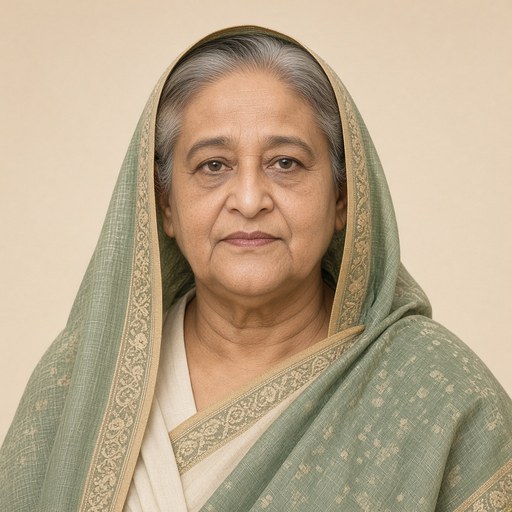
Speech by Sheikh Hasina, Leader of the Awami League, on the occasion of the announcement of the party's manifesto.
 Sheikh Hasina · Prime Minister of Bangladesh
- Context
- Hasina addressed supporters at a hotel in Bangladesh on 27 December 2023 to announce the Awami League's manifesto ahead of the twelfth national parliamentary elections.
- Main themes
- Electoral manifesto announcement, Smart Bangladesh 2041 vision, Awami League governance achievements, Bangladesh's development progress, legacy of Bangabandhu Sheikh Mujibur Rahman, liberation war commemoration, democratic rights and struggles, hunger and poverty eradication, transition from least developed to developing country, party history and leadership
- Duration
- ~54 min
- Words
- 6,434
- Sentences
- 388
- Readability
- 35
- Grade
- 12.3
- Syntax
- 2.72
- Vocabulary
- 2.39
Translated from Bangla
The broad sphere of national life a sentence belongs to. Every sentence has an Arena, so it is the denominator the other indices are read against.
Other388 sentences in 152 paragraphs
On the occasion of the twelfth national parliamentary elections, Sheikh Hasina, President of the Awami League of Bangladesh, today announced the party's electoral manifesto at a local hotel. This electoral manifesto was announced with the commitment to transform Bangladesh into a hunger and poverty-free Smart Sonar Bangla by 2041 through the transition from digital to smart Bangladesh. The full details of the speech given by Awami League President Sheikh Hasina on this occasion are as follows:
“In the name of Allah, the Most Gracious, the Most Merciful, dear countrymen, esteemed guests, assalamu alaikum,
I extend my greetings to you all on the occasion of the month of victory.
I greet everyone present at the announcement of the Awami League's electoral manifesto for the twelfth national parliamentary elections. I also extend my greetings and heartfelt thanks to those who have joined this event from within the country and abroad through television, radio, and social media.
It is about to be 15 years of continuous governance in a democratic system in Bangladesh. The parliamentary government system, which has a five-year term, has remained stable, allowing us to achieve unprecedented development in Bangladesh. Today, Bangladesh has transitioned from a least developed country to a developing country.
Under the leadership of the Father of the Nation, Bangabandhu Sheikh Mujibur Rahman, Bangladesh achieved independence. His dream was to build a hunger and poverty-free, developed and prosperous 'Sonar Bangla'. He took charge of a war-torn country ravaged by hunger and poverty. He had only 3 years, 7 months, and 3 days in hand. In 1972, Bangladesh's per capita income was 91 US dollars. The Father of the Nation raised it to 277 US dollars by 1975 in just 3 years. He achieved a growth rate of 9 percent. In this short time, he lifted Bangladesh from the rubble and elevated it to the status of a least developed country. On August 15, 1975, the Father of the Nation was brutally killed by the assassins' merciless bullets. Along with him, the assassins took away all the possibilities of Bangladesh's progress, the spirit and ideals of the great liberation.
I pay my utmost respect to the Father of the Nation, Bangabandhu Sheikh Mujibur Rahman. I pay my respects to the four national leaders. I pay my respects to the 3 million martyrs and 200,000 tortured mothers and sisters. I salute the brave freedom fighters.
With great sorrow, I remember my mother, Bangamata Fazilatun Nessa Mujib, my three younger brothers—brave freedom fighter Captain Sheikh Kamal, brave freedom fighter Lt. Sheikh Jamal, my ten-year-old little brother Sheikh Russell; Kamal and Jamal's newlywed wives Sultana Kamal, Parveen Jamal, my only uncle, disabled brave freedom fighter Sheikh Abu Naser, the military secretary to the president, Brigadier General Jamil Uddin Ahmed, police officer ASI Siddiqur Rahman, and all the martyrs who were brutally killed on August 15. I pray for the forgiveness of their departed souls.
Esteemed guests,
On this day, I respectfully remember the founding president of the Awami League, Maulana Abdul Hamid Khan Bhashani, founding general secretary Shamsul Haque, the spiritual son of democracy Huseyn Shaheed Suhrawardy, Maulana Abdur Rashid Tarkabagish, and all the deceased leaders of the Awami League. I pay deep respect to the language martyrs who sacrificed their lives to uphold the dignity of our mother tongue, Bengali. I remember the 22 leaders and workers, including Awami League leader Ivy Rahman, who were killed in the grenade attack on August 21, 2004.
I remember those who were killed in various struggles for democratic rights and the rights to vote and food before and after independence.
Dear countrymen,
On August 15, 1975, when the Father of the Nation was assassinated along with his family, my younger sister and I were abroad. That is why we survived. For six long years, we were forced to live as refugees. The then military ruler Ziaur Rahman prevented us from returning to our country. In 1981, with the support of the Awami League and the people, I returned to the country. I returned despite the bloodshot eyes of the illegally ruling government, the assassins of the Father of the Nation, and the conspirators, as well as the war criminals. I began the struggle to establish the people's right to vote and food. For this, I faced attacks repeatedly. I have fought against the military rulers for the democratic rights of the people and have been arrested many times. There have been at least 19 attempts on my life. But I did not back down. Finally, I was able to return the right to vote to the people. Twenty-one years after the tragic events of 1975, on June 12, 1996, we formed the Awami League government by winning the general elections. The era of killings, coups, and military rule came to an end.
From June 23, 1996, to July 15, 2001, after completing this five-year term, the Awami League transferred power peacefully for the first time in Bangladesh's history after 26 years. During the 1996-2001 term, we made the country self-sufficient in food by increasing the production of rice and other grains. We increased the literacy rate, boosted electricity production, adopted social security programs, introduced allowances for the elderly, widows, abandoned women, and the disabled, and provided agricultural loans to sharecroppers without collateral.
In the national parliamentary elections held on October 1, 2001, the BNP-Jamaat alliance came to power as a result of various conspiracies, promising to sell the country's only natural resource, gas. Once in power, they established a reign of extreme corruption, misrule, murder, rape, inhumane torture on countless leaders and workers of the Awami League, including Hindus, Muslims, Christians, and Buddhists, and a reign of terror, murder, and enforced disappearances across the country.
On August 21, 2004, a grenade attack on the Awami League's peace rally killed 22 leaders and workers and injured over 500 people. Bomb attacks in districts, the clamor of weapons in educational institutions, session jams, and the uncertain lives of students were the general picture during the BNP-Jamaat alliance government. Terrorism, crime, arms smuggling, money laundering, embezzlement of bank funds, and the dual rule of Hawa Bhaban made life unbearable for the people.
At the end of their term in 2006, although they were supposed to transfer power and hold elections, the BNP-Jamaat alliance resorted to various tricks to make their power permanent. They prepared a voter list with 12.3 million fake voters for the purpose of election rigging and formed a subservient election commission. Their actions drove Bangladesh down a dark path, resulting in a state of emergency being declared in the country. The military took power behind the scenes. The government of Iajuddin, Fakhruddin, and Moeenuddin began to trample on the rights of the people. They attempted to dismantle established political parties. Many leaders and workers of my party and other parties were imprisoned. They attempted to form a different party and took initiatives to hold elections.
But the aware citizens of the country unitedly stood against their conspiracy. Faced with the people's movement, they were compelled to hold the 9th parliamentary elections. However, some of the electoral reforms demanded by the Awami League-led grand alliance were implemented, such as the preparation of a voter list with photographs, the cancellation of the list of 12.3 million fake voters, and the use of transparent ballot boxes.
In the general elections on December 29, 2008, the Awami League-led grand alliance achieved a landslide victory. The Awami League won 233 seats alone, while the BNP won only 30 seats. The remaining seats were won by the allies of both alliances.
Dear countrymen,
In the 2008 electoral manifesto, we announced Vision 2021. We declared the electoral manifesto of the Awami League as a charter for change. After overcoming numerous obstacles, we successfully governed the state after winning the national parliamentary elections in 2014 and 2018.
In the last 15 years, Bangladesh has transformed. Today's Bangladesh is not a poverty-stricken, economically fragile country. I can say unequivocally that today's Bangladesh is a changed Bangladesh. It is a vibrant Bangladesh moving forward at an unstoppable pace, beckoning with possibilities. Minor setbacks will not hinder our progress. We have proven this by overcoming various challenges, including the COVID-19 pandemic.
Amid the COVID-19 pandemic, we celebrated the centenary of the Father of the Nation's birth in 2020 and the golden jubilee of independence in 2021. During this time, the United Nations recognized Bangladesh as a developing country.
Esteemed guests, as we approach the twelfth elections, we have once again presented the electoral manifesto of the Awami League before you. In continuity with the past, we have prepared a feasible electoral manifesto with specific targets this time as well. The continuity of the long-term action plans announced in the electoral manifestos of 2008, 2014, and 2018 has been preserved in the twelfth electoral manifesto.
The twelfth electoral manifesto of the Awami League has been published in booklet form. It is not possible to present it in detail in this short time. I have briefly highlighted a few points in my written speech.
3.1 Transition from Digital to Smart Bangladesh
In the era of the Fourth Industrial Revolution, technological capability is essential to survive in global competition. For this, we declare the establishment of a 'Smart Bangladesh' based on four pillars: 'Smart Citizens', 'Smart Government', 'Smart Economy', and 'Smart Society'. We are working in every sector to implement Smart Bangladesh. If we are elected by the people, we will build Bangladesh as a hunger and poverty-free Smart Sonar Bangla by 2041, Insha'Allah.
3.2 Good Governance a) Democracy, Elections, and Effective Parliament
The Awami League has been fighting for the establishment of democracy since its inception. We are always active to ensure the fundamental and democratic rights of the people. Only an effective parliament through elections in a democratic governance system can protect the interests of the people. If we are elected and form the government, we will further strengthen transparency, accountability, good governance, and the practice of democratic values in all areas of state governance.
b) Rule of Law and Protection of Human Rights
The Awami League has always been vocal in favor of the rule of law and human rights. Our goal is to establish a exploitation-free Bangladesh as envisioned by Bangabandhu Sheikh Mujib by eliminating social discrimination. Where the rule of law, fundamental human rights, political, economic, and social equality, freedom, and justice will be ensured.
The independence and dignity of the judiciary will be preserved. Measures will continue to ensure the independence and effectiveness of the National Human Rights Commission.
c) Freedom of the Press and Unrestricted Flow of Information
The Awami League government has ensured unrestricted flow of information and freedom of the press. During the 1996 term, we were the first to open up television and radio in the private sector.
In the past 15 years, there has been significant development in the media. The number of newspapers in the country is 3,241. There are 33 private TV channels, 23 FM radio stations, and 18 community radio centers currently conducting broadcasting activities. Measures will be taken to ensure that journalists do not face torture, intimidation, threats, or false cases. According to the 'Cyber Security Act, 2023', individual privacy and information will be protected, and appropriate measures will be taken to prevent misuse. The process of forming the 10th Wage Board for journalists is ongoing. Financial and medical assistance for journalists under the Journalist Welfare Trust will be further expanded.
d) People-oriented, Accountable, Efficient, and Smart Administration
The Awami League is committed to providing improved and quality services to the people and establishing good governance through a citizen-centric, transparent, accountable, knowledge-based, welfare-oriented, and integrated efficient smart administration. Efforts will continue to build an administrative system that is efficient, proactive, information technology-based, corruption-free, patriotic, and welfare-oriented through merit-based recruitment.
e) Building a People-friendly Law Enforcement Agency
The Awami League government has always worked towards creating a technology-driven, advanced, humane, and people-friendly law enforcement agency. As a result, the capacity of the law enforcement agencies has increased manifold. The law enforcement agencies of Smart Bangladesh will be developed to be smart and modern.
f) Adopting a Zero Tolerance Policy Against Corruption
The Awami League is working with the people to eradicate corruption from society through a coordinated approach by adopting a zero tolerance policy against corruption. To foster an anti-corruption mindset among students, chapters on the evils of corruption and measures to prevent corruption will be added to the curriculum.
g) Terrorism and Communalism
The Awami League is committed to combating terrorism, establishing the democratic rights of all citizens, and improving the quality of life for the people. The supremacy of the constitution in state governance, the establishment of the rule of law, and the assurance of a terrorism-free society will be ensured.
Bangladesh is the homeland of people of all religions, castes, and professions. A secular Bangladesh is our aspiration.
h) Local Government
As an integral part of the central budget, initiatives will continue to enhance the capacity for project implementation by local government at various levels for balanced development. The division of responsibilities among district councils, upazila councils, and union councils will be made clearer.
i) Digital Land Management
Due to land scarcity, administrative delays, and complexities, the demand for ensuring full good governance in land management has been longstanding. Through administrative reforms and the application of digital technology, our government is continuously striving to effectively solve land-related problems. E-registration has been ensured in 61 districts since July 1, 2019, except for three hill districts. Limited e-registration and land development tax collection have been initiated in various spots in Dhaka city through mobile land service centers, which will be further expanded in the future.
3.3 Economy
a) Macroeconomics: High Income, Sustainable, and Inclusive Development
In the last one and a half decades, Bangladesh has gained recognition as a dynamic and rapidly growing economic power in the world. In terms of national income, Bangladesh is currently the 33rd largest economy in the world. During this time, revolutionary changes in agriculture, industry, and services have significantly increased the production and supply of various goods and services.
If elected, the Awami League government will adopt the necessary policies and strategies to implement the goals and plans. Consistency will be established between market prices and income.
Monetary Supply and Banking System
The primary means of controlling monetary supply and inflation will be the use of policy interest rates. The expansion of loan provision for self-employment of trained youth will be ensured. Balance will be maintained in import and export trade, which will alleviate uncertainty in foreign currency supply. Strict laws will be enforced for the recovery of defaulted loans, and it will be ensured that banks maintain prescribed reserves.
Investment and Development
- The Awami League will continue to emphasize the importance of the private sector in economic development and will utilize opportunities for joint investment between the public and private sectors where appropriate. Establishing discipline in the financial sector and combating crime.
- Effective measures will be taken against capital flight. - Corruption will be eradicated at all levels of the state and society, unearned income will be prevented, and defaulters of loans, taxes, and bills will be punished through the judicial system, and their illegal wealth and properties will be confiscated.
b) Poverty Alleviation and Reducing Inequality
If we are elected by the people, we will reduce the poverty rate to 11 percent, eliminate extreme poverty, and bring the poverty rate down to 3 percent by 2041.
g) 'My Village-My City': Expansion of Modern Urban Facilities in Every Village
When we form the government after being elected, we will continue to ensure that every village is provided with all the facilities of a modern city through the expansion of improved roads, communication, safe drinking water, modern healthcare and treatment, quality education, advanced sanitation and waste management, increased electricity and energy supply, computer and high-speed internet facilities, and the expansion of markets for quality consumer goods including electrical appliances. To reduce the tendency of the rural youth to migrate to cities, arrangements will be made for self-employment in the villages.
h) Young Youth: 'The Power of Youth - The Prosperity of Bangladesh'
If elected, we will keep the youth engaged in the transformation and development of the country. The program for expanding employment opportunities for capable and qualified youth will continue, including training for 3.1 million youths in districts and upazilas and providing support for their self-employment.
i) Agriculture, Food, and Nutrition
Our government will continue to provide support and subsidies for agriculture, as well as investment assistance for increasing agricultural production. Usable agricultural machinery will be made readily available and accessible. Subsidies for agricultural machinery will continue. Appropriate strategies will be adopted to develop and globalize the rural non-agricultural sector, including commercial agriculture, biotechnology, genetic engineering, robotics, artificial intelligence, and nanotechnologies. Special emphasis will continue to be placed on modernizing agriculture, innovating technology, and increasing opportunities for agricultural research. Fisheries and Livestock
By 2028, the productivity of livestock will be increased by 1.5 times. Commercial dairy, poultry, and fish farming will be established, and easy loans, necessary subsidies, technical advice, and policy support will be provided to increase self-employment and alleviate poverty.
j) Industrial Development
Creating employment opportunities for more than 2 million new entrants to the labor force each year is one of the main goals of the Awami League. To achieve this, we are establishing 100 special economic zones. By setting up new industries, we will promote the industrial sector. If elected, we will formulate and implement appropriate policies and programs to attract the entrepreneurial class.
To expand employment, small, medium, and cottage industries, as well as the handloom and silk industries, will be preserved and made competitive. The Benarasi and Jamdani industries will be encouraged.
Diversity will be introduced in the leather and jute products, and initiatives to make these industries profitable will continue. Private sector initiatives in the jute industry will be encouraged. Special initiatives will continue for the development of blacksmiths, potters, and clay artisans. Incentives will be provided in this sector as needed.
k) Electricity and Energy
We have made groundbreaking and revolutionary developments in the electricity sector over the past 15 years. A long-term plan has been adopted to ensure uninterrupted and quality electricity and energy supply, with a target to increase electricity production capacity to 40,000 megawatts by 2030 and 60,000 megawatts by 2041.
10,000 megawatts of electricity will be produced from environmentally friendly energy sources. The process of upgrading the grid for the transmission of electricity generated from renewable and nuclear power plants has begun.
Energy Sector
To ensure gas supply in the northern and western regions of the country, the supply of gas and LPG will be significantly increased.
l) Communication
To achieve Vision-2041, the Awami League government has implemented extensive programs over the past 15 years to build a safe, quality, and development-friendly communication system.
The development of waterways, roads, railways, and air travel will continue. Safe communication systems will be improved from the capital to the villages.
m) Mega Projects in Infrastructure Development
The Awami League government has undertaken and implemented various mega projects over three terms. It is expected that the implementation of all these projects, including the Padma Bridge, a symbol of national pride and dignity, will bring economic benefits to the common people.
n) Blue Economy
To properly utilize marine resources for socio-economic development, we have established a Marine Research Institute. Measures have been taken to extract marine resources such as oil, gas, minerals, fish, and aquatic resources.
Sea ports and deep sea ports have been constructed, creating opportunities for the expansion of trade and commerce.
o) Achieving MDGs and Implementing SDGs Strategy (2016-30)
We have successfully implemented the MDGs. In implementing sustainable development, i.e., the SDGs, we have started successful implementation in all necessary areas, including housing, food security, education, healthcare, safe drinking water, sanitation facilities, reducing child and maternal mortality rates, and ensuring gender equality. We are taking steps to innovate and implement new strategies considering the global situation in socio-economic development.
p) Delta Plan-2100
In line with national development, the goals of Delta Plan-2100 have been set: 1. Eradication of extreme poverty by 2030; 2. Attaining the status of a middle-income country by 2030; and 3. Achieving the status of a developed and prosperous country by 2041.
The desired goals of Delta Plan-2100 are six: 1. Ensuring safety from disasters related to floods and climate change; 2. Ensuring greater efficiency in water use and safe water; 3. Ensuring integrated and sustainable river basin and estuary management; 4. Ensuring conservation of climate and ecosystems and their proper use; 5. Building effective institutions and good governance for the proper management of transboundary and inter-country water resources; and 6. Ensuring the best integrated use of land and water resources.
3.4 Social Security and Services a) Universal Pension: Timely Initiative
In January 2023, the Universal Pension Management Act was enacted, and on August 17, 2023, the Universal Pension Scheme was inaugurated. It is for everyone in society. It includes four schemes: 1. 'Probashi' for expatriate Bangladeshi citizens; 2. 'Progotir' for officials/employees of private enterprises; 3. 'Suraksha' for self-employed citizens; and 4. 'Samata' for the ultra-poor self-employed. We urge all citizens to take advantage of this opportunity to secure their future lives.
b) Education
We are tirelessly working to build a skilled human resource rich in science and technology, inspired by the spirit of the Liberation War and capable of facing the challenges of the Fourth Industrial Revolution.
If elected, the Awami League government will diligently follow and implement the educational policy goals outlined in Article 17 of the Constitution.
When education is improved and developed, it accelerates overall national development and poverty alleviation. From this belief, the Awami League will increase allocations for education and ensure its effective use.
The trend of increasing the ratio of female teachers in primary and secondary education will continue. To implement a Smart Bangladesh, greater emphasis will be placed on language, higher mathematics, and science education at the secondary and higher secondary levels. Suitable laboratories for science education will be expanded to the village level. Special scholarships will be provided for talented science and mathematics students.
Efforts have been initiated to modernize madrasa education by formulating and implementing appropriate curricula. Scholarships will continue to be increased in line with the expansion of women's education. Opportunities for higher education for children from poor and vulnerable populations will be further expanded.
c) Healthcare and Family Welfare
In line with Vision-2021, the programs of Vision-2041 will improve and expand basic health and family welfare services. Primary healthcare and free medicine distribution will continue through community clinics. A unique health ID will be provided to every citizen to ensure digital health services, and hospital automation management will be introduced. A universal health system will be established, ensuring equal opportunities for all. We have established an internationally standard super-specialized hospital in Dhaka. Special allocations have been made for health science research.
Health insurance will be introduced, and rehabilitation centers will be created for the treatment of non-communicable diseases among the elderly under the Healthy Aging Scheme.
The API active pharmaceutical ingredient industry will be encouraged in the country. The use of antibiotics will be controlled. Mental health and autism healthcare services will be made more effective at all levels.
d) Culture
The Awami League is committed to fully supporting the practice and development of culture. The Awami League believes that civilization, humanity, universality, and nationality are enriched and developed through culture.
To preserve the timeless heritage of Bengali culture and create connections with world culture, we will continue to support the excellence of Bengali language and literature, music, fine arts, drama, cinema, and creative arts.
Proper respect will be shown for the teachings and values of all religions, and special emphasis will be placed on creating social awareness, scientific thinking, cultural practice, and a spirit of liberal humanity.
Folk culture and folk heritage, as well as the characteristics of the languages, cultures, and lifestyles of ethnic minorities, will be protected.
e) Sports
Construction of mini-stadiums is underway in every upazila. Sports clubs will be established in all educational institutions and at the union level, and the distribution of sports equipment free of charge will continue. Planned initiatives will be taken to improve playgrounds at the union level, increase sports infrastructure facilities, and expand training opportunities for players, coaches, officials, and all those involved in sports.
Efforts will be made to popularize traditional rural sports nationwide and to elevate promising sports such as cricket, football, hockey, shooting, archery, and kabaddi to international standards.
f) Labor Welfare and Labor Policy
Compliance with labor rights and welfare conditions provided by ILO conventions and laws will continue. Barriers to women's participation in labor will be removed, and women's labor organizations will be strengthened. Environmentally friendly green industries have been established. Day-care centers have been set up in garment factories. Maternity leave provisions have been made.
Garment workers received a wage of 800 Taka in 1996; the Awami League government increased it to 1,600 Taka. Subsequently, during the 2009-2023 term, we raised this wage to 12,500 Taka.
The right to form and manage trade unions, safe and healthy working environments, regulated working hours, job security, compensation for workplace accidents, healthcare, housing, recreation, and the assurance of labor welfare and other benefits as stipulated in labor laws will continue to be provided.
Foreign Employment
We will increase trade-based training arrangements according to international demand to boost the export of skilled labor. Effective measures will continue to provide legal assistance to workers abroad. Legal measures will be taken to ensure fair treatment of female workers abroad.
Mobile banking systems have been introduced to facilitate the receipt of remittances by expatriates through banking channels.
g) Women's Empowerment
- Initiatives for women's empowerment, gender equality, economic empowerment, and creating a supportive environment for women's development will continue. The social status of rural women will be improved, and opportunities for their participation in labor will be increased. Training is being provided for rural women to conduct online activities. - The Awami League government has increased regional cooperation to prevent trafficking of women and children, which will be made more active and effective. - Necessary measures will continue to ensure greater participation of women in industry, business, and commerce. - The effective role of the 'Joyita Foundation' in creating women entrepreneurs and businesswomen will be expanded.
h) Child Welfare
We will continue to create appropriate opportunities for nutrition, education, and entertainment for the proper physical and mental development of children and adolescents to shape them as good citizens for the future.
Rehabilitation and safe housing for street children, establishment of children's homes for the ultra-poor and homeless children, and effective and expanded programs for primary and vocational education will be implemented.
Gradual steps have been taken to build a social security system to end child labor.
Laws have been passed to end discrimination and abuse against girl children and to ensure their safety.
The scope of globally recognized initiatives for autistic children will be expanded.
i) Welfare of Freedom Fighters
Freedom fighters are the greatest children of the nation. If elected, we will continue to work to rectify discrepancies in the list of freedom fighters and make necessary corrections.
The Awami League government will continue to recognize the contributions of freedom fighters and maintain the welfare measures taken for them.
j) Welfare of Persons with Special Needs and Disabilities
Opportunities for the inclusion of persons with special needs in national skill development and national action plans will be expanded. The "Bangabandhu Disability Protection Insurance" has been launched.
Measures and steps will be taken to ensure that children with special needs can receive education in suitable environments, and efforts will continue to transform government service offices into disability-friendly entities.
Cash assistance is being provided to persons with disabilities through mobile phones or online.
Tax exemptions and special incentives are being provided to businesses and industries that employ persons with disabilities.
Political empowerment of persons with disabilities will be encouraged by promoting their participation in political parties and encouraging them to vote.
Elderly Welfare
We have taken integrated steps to keep the elderly active, contribute to the progress of society and the state, and ensure their protection.
Appropriate measures will be taken to ensure that elderly citizens have access to all digital technology opportunities and achieve technological equality, as well as to ensure the use of advanced and modern information technology for the welfare of the elderly.
There is an elderly hospital in Agargaon, Dhaka. Geriatric services have already been initiated at Dhaka Medical College Hospital. Effective steps will be taken to introduce geriatric services in all government hospitals across the country.
l) Minorities, Ethnic Groups, and Religious Minorities
Efforts will continue to protect the rights of all in accordance with the Constitution. During the Awami League government's tenure, the law on vested property has been amended, and measures have been taken to resolve issues related to vested property. Barriers to law enforcement will be removed. A National Minority Commission will be formed to protect the interests of minorities, and a special protection law for minorities will be enacted. The Awami League will continue to take necessary measures to ensure the security of the lives and livelihoods of religious minorities, ethnic minorities, and disadvantaged communities.
m) Disadvantaged Communities
Housing facilities are being provided to the Dalit and marginalized communities by constructing flats for Dalits and Harijans. Flats are being constructed for slum dwellers. Two katha of land and houses have been provided free of charge.
Our commitment - we will continue social security programs to improve the living standards of leprosy patients, the Bede community, and marginalized populations. - Skills will be enhanced for the Bede and marginalized communities through vocational training, so that they can engage in income-generating activities and come into the mainstream of society. The Hijra community will be included in the mainstream of society, and their basic rights will be protected, along with ensuring social justice, education, training, housing, and improvement of living standards and social security. Cash assistance and programs for providing free land and housing for the Hijra community will be expanded nationwide.
(d) Climate change and environmental protection According to the Global Climate Risk Index 2021, Bangladesh ranks 7th among the 10 countries most affected by climate change. The challenges posed by climate change are the greatest physical and natural challenges for Bangladesh to successfully address and adapt to. Our commitment to protect Bangladesh from the impacts of climate change and global warming, to create a pollution-free environment, and to conserve water resources will continue through the implementation of the policies and plans already adopted by our government. The following programs will continue to be implemented to address climate change risks: (a) Increasing productive/social afforestation to 20 percent; (b) Improving air quality in Dhaka and other major cities; (c) Promoting zero industrial waste emissions/discharges; (d) Legally preserving, restoring, and protecting wetlands in various cities; (e) Establishing a permanent green belt extending 500 meters along the coastal areas.
(e) NGOs and the government will ensure that all private institutions are registered according to government regulations. The government will monitor and evaluate their activities. Private institutions will operate according to their own regulations. The right to work according to their own rules and practices regarding poverty alleviation, socioeconomic development, and microcredit provision will be maintained. All activities and accounts of other funding NGOs must be transparent and ensure accountability to local people and government regulatory institutions.
3.5 Independence and sovereignty (a) Foreign policy We believe in peace, not war. Upholding the Father of the Nation's directive of "friendship with all, enmity with none," Bangladesh has achieved a strong and dignified position in the international arena thanks to the successful foreign policy of the Awami League. Upon being elected, development cooperation with all countries will continue. Cooperation with neighboring countries will be maintained in various areas, including cross-border communication, transit, energy partnerships, and equitable water distribution. Bangladesh is firmly committed to preventing the presence of militants, international terrorists, and separatist groups on its territory. To eradicate these from the entire region, the Awami League government will play a significant role in forming a South Asia Task Force to combat terrorism and militancy.
(b) Defense: Protecting security and sovereignty To enhance the defense capability of the armed forces in safeguarding the country's security, sovereignty, and territorial integrity, the "Defense Policy, 1974" formulated by Bangabandhu Sheikh Mujibur Rahman is being implemented through the "Forces Goal-2030." Our commitment is to continue improving the efficiency and discipline of the defense forces and management in line with Forces Goal 2030. Necessary measures will continue to be taken to enhance the professional skills and job opportunities of officers and soldiers of the armed forces according to the country's capacity. The capability of the defense system will be maintained to ensure the security of the country and its people. New welfare-oriented projects and programs will be adopted for all ranks of the armed forces.
Ladies and gentlemen, while we do not claim to have been 100 percent successful in governing, despite our sincerity and dedication, the Bangladesh Awami League does not believe in the politics of rhetoric. We implement what we say. The implementation of the electoral manifestos of 2008, 2014, and 2018 is proof of that. However, at times, human-made, natural, and global obstacles have slowed our progress. We have had to move forward while combating the arson terrorism and militancy attempts of the BNP-Jamaat during the period of 2013-2016. Since 2009, we have faced several natural disasters. The most significant blow came in 2020 when the global coronavirus pandemic spread. This pandemic devastated the economy and health systems worldwide. Our government has successfully dealt with this horrific pandemic of the 21st century while keeping the wheels of the economy turning. However, just as we were recovering from the impact of the coronavirus pandemic, the Russia-Ukraine war began, followed by the Israel-Palestine conflict this year. Any war is not limited to the use of arms between two neighbors. For example, the Russia-Ukraine war has transformed into a severe global economic war alongside the military conflict. The blockade and counter-blockade have thrown the global economy into turmoil. Developing countries like ours are being forced to buy and import goods at higher prices. The significant depreciation of the local currency has led to increased inflation, affecting commodity prices and people's livelihoods. Despite our multifaceted and comprehensive efforts, we have often been unable to prevent the price increase of essential goods. This problem is not only ours; it is a problem faced by both rich and poor countries. However, we are striving to alleviate the suffering of the lower and lower-middle classes through various initiatives, including expanding the social safety net. We hope to overcome this shock very soon, Insha'Allah.
Dear citizens, whenever elections approach, a conspiracy against the Liberation War, Bangladesh, and development becomes active, weaving a web of intrigue. They prepare to enter power through cunning tactics, rigging, or backdoor means. If unsuccessful, they pounce on the people in a vengeful rage. They seek to instill fear in the general public through arson, vehicle burning, bombings, sabotage, or terrorist activities, aiming to confine them to their homes. This time is no exception. Moreover, this time they are pulling strings from abroad as well. Realizing they will not receive the people's mandate, they have engaged in terrorist activities in advance. Under the guise of strikes and blockades, they are burning vehicles, killing people, and committing various acts of sabotage, including throwing obstacles on railway lines. The charred bodies of mothers and children have deeply shaken everyone's conscience. Such heinous acts can no longer be tolerated. Unable to elicit a response from the people, they are causing damage through hired forces. The dream of sabotaging the election through terrorism will never be fulfilled by the people of this country. Just as you thwarted them during 2013-2016, let us collectively resist them again this time. Let us vow that this vulture-like group, which is against independence and development, will never be able to sink its poisonous fangs into Bangladesh again.
Ladies and gentlemen, we take responsibility for any mistakes made during the past 15 years of governance. The credit for our successes belongs to you. Please view our mistakes with a forgiving eye. We promise to learn from past mistakes and conduct future activities according to your expectations. I entered politics after losing my father, mother, brothers, and relatives, solely to complete the unfinished work of my father, the Father of the Nation, Bangabandhu Sheikh Mujibur Rahman, and to bring smiles to the faces of the people of this country. In doing this work, I have faced death many times. But thinking of my father and you, I have not stepped back. As long as Allah keeps me alive and healthy, I will not deviate from the duties I have accepted. I want to fulfill my father's dream by serving you as your servant.
Dear citizens, at this moment, Bangladesh stands at a crossroads. The country is about to transition from the list of least developed countries to that of developing countries. This transition is both an honor and a massive challenge. The government formed through the elections on January 7 must have the capacity to face this challenge. Only the Awami League can meet this challenge and elevate the country to new heights. The right to speak in our mother tongue, the independence of our motherland, and all the great achievements of this country have come through the hands of the Awami League. The spirit of the Liberation War will carry Bangladesh to become a high middle-income country by 2031 and a developed, prosperous, smart 'Sonar Bangla' by 2041. Let us once again give our votes to the electoral symbol of the Bangladesh Awami League, the boat, and provide us the opportunity to serve you. You give us your votes, and we will provide you with development, peace, and prosperity. In the words of the poet, "Do not fear the clouds; the sun smiles behind them; the lost smile of the moon returns in the darkness."
May everyone be well, may everyone be healthy. May the Great Lord of the Universe be with us. I have dedicated myself to your service.
"On the path of dawn, I hear someone's message; there is no fear, oh, there is no fear; the one who gives will not lose, their loss is not."
Khoda Hafiz. Joy Bangla, Joy Bangabandhu, may Bangladesh live forever.
The original Bangla. The tags above are read on the English translation's sentences.
দ্বাদশ জাতীয় সংসদ নির্বাচন উপলক্ষে বাংলাদেশ আওয়ামী লীগ সভাপতি শেখ হাসিনা আজ স্থানীয় একটি হোটেলে তাঁর দলের পক্ষ থেকে নির্বাচনী ইশতেহার ঘোষণা করেছেন। ডিজিটাল থেকে স্মার্ট বাংলাদেশে উত্তরণের মাধ্যমে ২০৪১ সালের মধ্যে বাংলাদেশকে ক্ষুধা-দারিদ্র্যমুক্ত স্মার্ট সোনার বাংলা হিসেবে গড়ে তোলার প্রত্যয়ে এই নির্বাচনী ইশতেহার ঘোষণা করা হয়। এই উপলক্ষে আওয়ামী লীগ সভাপতি শেখ হাসিনার প্রদত্ত ভাষণের পূর্ণ বিবরণ তুলে ধরা হলো-
“বিসমিল্লাহির রাহমানির রাহিম প্রিয় দেশবাসী, উপস্থিত সুধিম-লী, আসসালামু আলাইকুম,
আপনাদের সবাইকে বিজয়ের মাসের শুভেচ্ছা জানাচ্ছি।
দ্বাদশ জাতীয় সংসদ নির্বাচন উপলক্ষে বাংলাদেশ আওয়ামী লীগের নির্বাচনী ইশতেহার ঘোষণা অনুষ্ঠানে উপস্থিত সবাইকে শুভেচ্ছা জানাচ্ছি। টেলিভিশন, রেডিও এবং সামাজিক যোগাযোগ মাধ্যমের সহায়তায় দেশের অভ্যন্তরে এবং বাইরে যাঁরা এই অনুষ্ঠানের সঙ্গে যুক্ত হয়েছেন তাঁদেরও শুভেচ্ছা এবং আন্তরিক ধন্যবাদ জানাচ্ছি।
বাংলাদেশের ইতিহাসে গণতান্ত্রিক ব্যবস্থায় ধারাবাহিকভাবে রাষ্ট্র পরিচালনার একটানা ১৫ বছর পূর্ণ হতে চলেছে। পাঁচ বছর মেয়াদি সংসদীয় সরকার ব্যবস্থা স্থিতিশীল থাকায় আমরা বাংলাদেশের অভূপূর্ব উন্নতি সাধন করতে পেরেছি। বাংলাদেশ আজ স্বল্পোন্নত দেশ থেকে উন্নয়নশীল দেশে উন্নীত হয়েছে।
জাতির পিতা বঙ্গবন্ধু শেখ মুজিবুর রহমানের নেতৃত্বে বাংলাদেশ স্বাধীনতা অর্জন করে। তাঁর স্বপ্ন ছিল ক্ষুধা-দারিদ্র্যমুক্ত, উন্নত-সমৃদ্ধ ‘সোনার বাংলা’ গড়ে তোলা। যুদ্ধবিধ্বস্ত, ক্ষুধা-দারিদ্র্যে জর্জরিত একটি দেশের শাসনভার তিনি নিয়েছিলেন। তিনি হাতে সময় পেয়েছিলেন মাত্র ৩ বছর ৭ মাস ৩ দিন। ১৯৭২ সালে বাংলাদেশের মাথাপিছু আয় ছিল ৯১ মার্কিন ডলার। জাতির পিতা মাত্র ৩ বছরে ১৯৭৫ সালে তা ২৭৭ মার্কিন ডলারে উন্নীত করেন। প্রবৃদ্ধি ৯ ভাগ অর্জন করেন। এই স্বল্প সময়ে ধ্বংসস্তুপ থেকে টেনে তুলে বাংলাদেশকে স্বল্পোন্নত দেশের মর্যাদায় উন্নীত করেন। ১৯৭৫ সালের ১৫ আগস্ট ঘাতকদের নির্মম বুলেটে জাতির পিতা নির্মমভাবে নিহত হন। সেই সঙ্গে ঘাতকেরা কেড়ে নেয় বাংলাদেশের অগ্রযাত্রার সব সম্ভাবনাকে, মহান স্বাধীনতার চেতনা ও আদর্শকে।
আমি পরম শ্রদ্ধাভরে স্মরণ করছি জাতির পিতা বঙ্গবন্ধু শেখ মুজিবুর রহমানকে। শ্রদ্ধা জানাই জাতীয় চার নেতার প্রতি। ৩০ লাখ শহিদ ও ২ লাখ নির্যাতিতা মা-বোনকে শ্রদ্ধা জানাই। বীর মুক্তিযোদ্ধাদের জানাচ্ছি সালাম।
অত্যন্ত বেদনার সঙ্গে স্মরণ করছি- আমার মা বঙ্গমাতা ফজিলাতুন নেছা মুজিব, ছোট তিন ভাই- বীর মুক্তিযোদ্ধা ক্যাপ্টেন শেখ কামাল, বীর মুক্তিযোদ্ধা লে. শেখ জামাল, আমার দশ বছর বয়সী ছোট্ট ভাই শেখ রাসেল; কামাল ও জামালের নবপরিণীতা বধুঁ সুলতানা কামাল, পারভীন জামাল, আমার একমাত্র চাচা পঙ্গু বীর মুক্তিযোদ্ধা শেখ আবু নাসের, রাষ্ট্রপতির সামরিক সচিব ব্রিগেডিয়ার জেনারেল জামিল উদ্দীন আহমেদ, পুলিশ কর্মকর্তা এএসআই সিদ্দিকুর রহমানসহ ১৫ আগস্টে নির্মমভাবে নিহত সকল শহিদকে। আমি তাঁদের বিদেহী আত্মার মাগফিরাত কামনা করছি।
সুধিম-লী,
আজকের এ দিনে আমি শ্রদ্ধার সঙ্গে স্মরণ করছি এই উপমহাদেশের অন্যতম প্রাচীন রাজনৈতিক দল আওয়ামী লীগের প্রতিষ্ঠাতা সভাপতি মওলানা আব্দুল হামিদ খান ভাসানী, প্রতিষ্ঠাতা সাধারণ সম্পাদক শামসুল হক, গণতন্ত্রের মানসপুত্র হোসেন শহীদ সোহরাওয়ার্দী, মাওলানা আবদুর রশীদ তর্কবাগীশসহ আওয়ামী লীগের প্রয়াত সকল নেতৃবৃন্দকে। মাতৃভাষা বাংলার মর্যাদা রক্ষার জন্য যাঁরা অকাতরে জীবন দিয়েছেন সেই ভাষা শহিদদের প্রতি আমি গভীর শ্রদ্ধা জানাচ্ছি। স্মরণ করছি, ২০০৪ সালের ২১-এ আগস্টের গ্রেনেড হামলায় নিহত আওয়ামী লীগ নেত্রী আইভী রহমানসহ ২২ জন নেতা-কর্মীকে।
স্বাধীনতার পূর্বে এবং স্বাধীনতার পরবর্তীকালে বিভিন্ন গণতান্ত্রিক এবং ভোট ও ভাতের অধিকার আদায়ের সংগ্রামে যাঁরা নিহত হয়েছেন তাঁদের স্মরণ করছি।
প্রিয় দেশবাসী,
১৯৭৫ সালের ১৫ আগস্ট সপরিবারে জাতির পিতাকে হত্যার সময় আমি এবং আমার ছোটবোন বিদেশে ছিলাম। সে কারণে আমরা প্রাণে বেঁচে যাই। দীর্ঘ ৬ বছর আমরা রিফিউজি হিসেবে প্রবাস জীবন কাটাতে বাধ্য হই। তৎকালীন সামরিক শাসক জিয়াউর রহমান আমাদের দেশে আসতে বাধা দেয়। ১৯৮১ সালে বাংলাদেশ আওয়ামী লীগ ও জনগণের সমর্থন নিয়ে আমি দেশে ফিরে আসি। অবৈধভাবে ক্ষমতাসীন সরকার, জাতির পিতার হত্যাকারী ও ষড়যন্ত্রকারী এবং যুদ্ধাপরাধীদের সকল রক্ত চক্ষু উপেক্ষা করেই আমি দেশে ফিরে আসি। শুরু করি জনগণের ভোট ও ভাতের অধিকার প্রতিষ্ঠার সংগ্রাম। এজন্য বার বার আমার উপর আঘাত এসেছে। জনগণের গণতান্ত্রিক অধিকার আদায়ের লক্ষে সামরিক শাসকের বিরুদ্ধে আন্দোলন করেছি, বার বার গ্রেফতার হয়েছি। আমাকে অন্তত ১৯ বার হত্যার চেষ্টা করা হয়েছে। কিন্তু আমি দমে যাইনি। অবশেষে মানুষের ভোটের অধিকার জনগণের হাতে ফিরিয়ে দিতে সক্ষম হই। ১৯৭৫ সালের বিয়োগান্তক ঘটনার ২১ বছর পর ১৯৯৬ সালের ১২ জুনের সাধারণ নির্বাচনে বিজয়লাভের মধ্য দিয়ে বাংলাদেশ আওয়ামী লীগ সরকার গঠন করে। অবসান হয় হত্যা, ক্যু ও সামরিক শাসনের।
১৯৯৬ সালের ২৩ জুন থেকে ২০০১ সালের ১৫ জুলাই - এই ৫ বছর পূর্ণ করে ২৬ বছর পর আওয়ামী লীগ সরকার বাংলাদেশের ইতিহাসে সর্বপ্রথম শান্তিপূর্ণভাবে ক্ষমতা হস্তান্তর করে। ১৯৯৬-২০০১ মেয়াদে আমরা ধান ও দানাদার শস্য উৎপাদন বৃদ্ধি করে দেশকে খাদ্যে স্বয়ংসম্পূর্ণ করি। স্বাক্ষরতার হার বৃদ্ধি, বিদ্যুৎ উৎপাদন বৃদ্ধি, সামাজিক নিরাপত্তা কর্মসূচি গ্রহণ, বয়স্ক, বিধবা, স্বামী নিগৃহীতা ও প্রতিবন্ধী ভাতা প্রবর্তন এবং বর্গাচাষীদের বিনা জামানতে কৃষি ঋণ প্রদান করি।
২০০১ সালের ১লা আক্টোবরে অনুষ্ঠিত জাতীয় সংসদ নির্বাচনে দেশের একমাত্র প্রাকৃতিক সম্পদ গ্যাস বিক্রির প্রতিশ্রুতি দিয়ে এবং নানা চক্রান্তের ফসল হিসেবে বিএনপি জামাত-জোট ক্ষমতার মসনদে আরোহন করে। ক্ষমতায় বসেই চরম দুর্নীতি, দুঃশাসন, হত্যা, নারী ধর্ষণ, হিন্দু-মুসলমান-খ্রিস্টান-বৌদ্ধসহ আওয়ামী লীগের অগণিত নেতাকর্মীর উপর আমানবিক নির্যাতন, লাশ গুমসহ সমগ্র দেশে হত্যা, ত্রাস ও গুমের রাজত্ব কায়েম করে।
২০০৪ সালের ২১ আগস্ট আওয়ামী লীগের শান্তি সমাবেশে গ্রেনেড হামলা করে ২২ নেতা-কর্মীকে হত্যা এবং ৫০০’র বেশি মানুষকে আহত করে। জেলায় জেলায় বোমা হামলা, শিক্ষা প্রতিষ্ঠানে অস্ত্রের ঝনঝনানি, সেসন জট, ছাত্রছাত্রীদের অনিশ্চিত জীবন ছিল বিএনপি-জামাত জোট সরকারের সময়কার সাধারণ চালচিত্র। জঙ্গিবাদ, সন্ত্রাস, অস্ত্র চোরাকারবারি, মানি লন্ডারিং, ব্যাংকের টাকা আত্মসাৎ, হাওয়া ভবনের দ্বৈত শাসনে জনজীবন দুর্বিসহ হয়ে উঠেছিল।
মেয়াদ শেষে ২০০৬ সালে ক্ষমতা হস্তান্তর করে নির্বাচন দেওয়ার কথা থাকলেও বিএনপি-জামাত জোট ক্ষমতাকে চিরস্থায়ী করতে নানা ছলচাতুরির আশ্রয় নিতে থাকে। নির্বাচনে কারচুপির উদ্দেশ্যে ১ কোটি ২৩ লাখ ভুয়া ভোটারসমেত ভোটার তালিকা প্রণয়ন এবং আজ্ঞাবহ নির্বাচন কমিশন গঠন করে। তাদের এসব কর্মকা- বাংলাদেশকে অন্ধকারের পথে ধাবিত করে। যার ফলে দেশে জরুরি অবস্থা জারি হয়। সামরিক বাহিনী অন্তরালে থেকে ক্ষমতা দখল করে। ইয়াজুদ্দীন, ফখরুদ্দীন, মইনুদ্দীনের এই সরকার জনগণের অধিকার হরণ করে তাঁদের উপর স্টিমরোলার চালানো শুরু করে। প্রতিষ্ঠিত রাজনৈতিক দলগুলোকে ভেঙে ফেলার উদ্যোগ নেয়। আমাকে এবং আমার দলের বহু নেতাকর্মীসহ অন্যান্য দলের নেতাকর্মীদের বন্দি করা হয়। ভিন্ন দল গঠন করার চেষ্টা করে নির্বাচন অনুষ্ঠানের উদ্যোগ নেয়।
কিন্তু তাদের এই চক্রান্তের বিরুদ্ধে সচেতন দেশবাসী ঐক্যবদ্ধভাবে রুখে দাঁড়ায়। জনগণের আন্দোলনের মুখে তারা ৯ম সংসদ নির্বাচন দিতে বাধ্য হয়। তবে নির্বাচন সংস্কারের যে দাবি আওয়ামী লীগের নেতৃত্বে মহাজোট উপস্থাপন করেছিল সেগুলি থেকে তারা কিছু বিষয় কার্যকর করে- যেমন: ছবিসহ ভোটার তালিকা প্রণয়ন, ১ কোটি ২৩ লাখ ভূয়া ভোটার লিস্ট বাতিল, এবং স্বচ্ছ ব্যালট বাক্স ব্যবহার।
২০০৮ সালের ২৯ ডিসেম্বরের সাধারণ নির্বাচনে আওয়ামী লীগ নেতৃত্বাধীন মহাজোট নিরঙ্কুশ বিজয় অর্জন করে। আওয়ামী লীগ এককভাবে ২৩৩টি আসনে বিজয়ী হয়। আর বিএনপি এককভাবে মাত্র ৩০টি আসনে জয়ী হয়। বাকি আসনগুলি উভয় জোটের শরিকেরা পায়।
প্রিয় দেশবাসী,
২০০৮ সালের নির্বাচনি ইশতেহারে আমরা রূপকল্প-২০২১-এর ঘোষণা দিয়েছিলাম। দিন বদলের সনদ হিসেবে আওয়ামী লীগের নির্বাচনী ইশতেহার ঘোষণা করি। এরপর শত বাধা-বিপত্তি অতিক্রম করে ২০১৪ ও ২০১৮ জাতীয় সংসদ নির্বাচনে জয়লাভ করে আমরা সফলভাবে রাষ্ট্র পরিচালনা করে আসছি।
গত ১৫ বছরে বাংলাদেশের রূপান্তর ঘটেছে। আজকের বাংলাদেশ দারিদ্র্যক্লিষ্ট, অর্থনৈতিকভাবে ভঙ্গুর বাংলাদেশ নয়। আমি দ্ব্যর্থহীনভাবে বলতে পারি, আজকেরবাংলাদেশ বদলে যাওয়া বাংলাদেশ। সম্ভাবনার হাতছানি দেওয়া দুর্বার গতিতে এগিয়ে চলা দুরন্ত বাংলাদেশ। ছোটখাট অভিঘাত আজ আমাদের অগ্রযাত্রাকে বাধাগ্রস্ত করতে পারবে না। করোনা মহামারিসহ নানা অভিঘাত মোকাবিলা করে সেই প্রমাণ আমরা রেখেছি।
করোনা মহামারির মধ্যেই আমরা ২০২০ সালে জাতির পিতার জন্মশতবার্ষিকী এবং ২০২১ সালে স্বাধীনতার সুবর্ণজয়ন্তী উদযাপন করেছি। এ সময়ই জাতিসংঘ বাংলাদেশকে উন্নয়নশীল দেশ হিসেবে স্বীকৃতি দিয়েছে।
সুধিবৃন্দ, দ্বাদশ নির্বাচনকে সামনে রেখে আমরা আবারও বাংলাদেশ আওয়ামী লীগের নির্বাচনী ইশতেহার নিয়ে আপনাদের সামনে হাজির হয়েছি। অতীতের ধারাবাহিকতায় এবারও আমরা সুনির্দিষ্ট লক্ষ্যমাত্রা নির্ধারণ করে একটি বাস্তবায়নযোগ্য নির্বাচনী ইশতেহার তৈরি করেছি। ২০০৮, ২০১৪ এবং ২০১৮-এর নির্বাচনী ইশতেহারে ঘোষিত দীর্ঘমেয়াদি কর্মপরিকল্পনাগুলির ধারাবাহিকতা দ্বাদশ নির্বাচনী ইশতেহারেও রক্ষিত হয়েছে।
বাংলাদেশ আওয়ামী লীগের দ্বাদশ নির্বাচনী ইশতেহার পুস্তিকা আকারে প্রকাশ করা হয়েছে। এখানে এই স্বল্প সময়ে তা সবিস্তারে তুলে ধরা সম্ভব নয়। আমি সংক্ষিপ্তাকারে কয়েকটি বিষয় আমার লিখিত বক্তব্যে আপনাদের সামনে তুলে ধরেছি।
৩.১ ডিজিটাল থেকে স্মার্ট বাংলাদেশে উত্তরণ
চতুর্থ শিল্প বিপ্লবের যুগে বিশ্ব প্রতিযোগিতায় টিকে থাকার জন্য প্রযুক্তি সক্ষমতা একান্ত প্রয়োজন। এজন্য আমরা ‘স্মার্ট নাগরিক’, ‘স্মার্ট সরকার’, ‘স্মার্ট অর্থনীতি’ ও ‘স্মার্ট সমাজ’ - এই চারটি স্তম্ভের সমন্বয়ে ‘স্মার্ট বাংলাদেশ’ গড়ার ঘোষণা দেই। স্মার্ট বাংলাদেশ বাস্তবায়নে আমরা প্রতিটি ক্ষেত্রে কাজ করছি। আমরা জনগণের ভোটে নির্বাচিত হলে ২০৪১ সালের মধ্যে বাংলাদেশকে ক্ষুধা-দারিদ্র্যমুক্ত স্মার্ট সোনার বাংলা হিসেবে গড়ে তুলবো, ইনশাআল্লাহ।
৩.২ সুশাসন
ক) গণতন্ত্র, নির্বাচন ও কার্যকর সংসদ গণমানুষের দল আওয়ামী লীগ প্রতিষ্ঠালগ্ন থেকেই গণতন্ত্র প্রতিষ্ঠার জন্য লড়াই-সংগ্রাম করে আসছে। মানুষের মৌলিক ও গণতান্ত্রিক অধিকার নিশ্চিতে আমরা সদা তৎপর। গণতান্ত্রিক শাসন ব্যবস্থায় নির্বাচনের মাধ্যমে একটি কার্যকর সংসদই পারে কেবল জনগণের স্বার্থ রক্ষা করতে। আমরা নির্বাচিত হয়ে সরকার গঠন করলে রাষ্ট্র পরিচালনার সকল ক্ষেত্রে স্বচ্ছতা, জবাবদিহিতা, সুশাসন ও গণতান্ত্রিক মূল্যবোধের চর্চা আরও সুদৃঢ় করবো।
খ) আইনের শাসন ও মানবাধিকার সুরক্ষা
বাংলাদেশ আওয়ামী লীগ আইনের শাসন ও মানবাধিকারের সপক্ষে সবসময়ই সোচ্চার। সামাজিক বৈষম্য নিরসন করে বঙ্গবন্ধু শেখ মুজিবের কাঙ্খিত শোষণমুক্ত বাংলাদেশ প্রতিষ্ঠা করাই আমাদের লক্ষ্য। যেখানে আইনের শাসন, মৌলিক মানবাধিকার, রাজনৈতিক, অর্থনৈতিক ও সামাজিক সাম্য, স্বাধীনতা এবং সুবিচার নিশ্চিত হবে।
বিচার বিভাগের স্বাধীনতা সংরক্ষণ ও মর্যাদা সমুন্নত রাখা হবে। জাতীয় মানবাধিকার কমিশনের স্বাধীনতা এবং কার্যকারিতা সুনিশ্চিত করার ব্যবস্থা অব্যাহত থাকবে।
গ) গণমাধ্যমের স্বাধীনতা ও অবাধ তথ্যপ্রবাহ
আওয়ামী লীগ সরকার অবাধ তথ্যপ্রবাহ ও গণমাধ্যমের স্বাধীনতা নিশ্চিত করেছে। ১৯৯৬ মেয়াদে আমরাই প্রথম বেসরকারি খাতে টেলিভিশন ও রেডিও উন্মুক্ত করি।
বিগত ১৫ বছরে গণমাধ্যমের ব্যাপক বিকাশ ঘটেছে। দেশে পত্রিকার সংখ্যা ৩ হাজার ২৪১টি। ৩৩টি বেসরকারি টিভি চ্যানেল, ২৩টি এফএম বেতার এবং ১৮টি কমিউনিটি বেতার কেন্দ্র বর্তমানে সম্প্রচার কার্যক্রম পরিচালনা করছে। সাংবাদিকগণ যাতে নির্যাতন, ভয়ভীতি-হুমকি, মিথ্যা মামলার সম্মুখীন না হন তার ব্যবস্থা করা হবে। ‘সাইবার নিরাপত্তা আইন, ২০২৩’ অনুযায়ী ব্যক্তির গোপনীয়তা ও তথ্য সংরক্ষণ করা হবে এবং অপব্যবহার রোধে যথাযথ ব্যবস্থা গ্রহণ অব্যাহত থাকবে। সাংবাদিকদের জন্য দশম ওয়েজবোর্ড গঠনের প্রক্রিয়া চলমান। সাংবাদিক কল্যাণ ট্রাস্টের আওতায় সাংবাদিকদের আর্থিক ও চিকিৎসা সহায়তাকে আরও সম্প্রসারণ করা হবে।
ঘ) জনকল্যাণমুখী, জবাবদিহিমূলক, দক্ষ ও স্মার্ট প্রশাসন
নাগরিককেন্দ্রিক, স্বচ্ছ, জবাবদিহিমূলক, জ্ঞানভিত্তিক, কল্যাণমুখী, সমন্বিত দক্ষ স্মার্ট প্রশাসন গড়ার মাধ্যমে জনগণকে উন্নত ও মানসম্মত সেবা প্রদান ও সুশাসন প্রতিষ্ঠায় বাংলাদেশ আওয়ামী লীগ অঙ্গীকারবদ্ধ। মেধার ভিত্তিতে নিয়োগের মাধ্যমে দক্ষ, উদ্যোগী, তথ্যপ্রযুক্তিনির্ভর, দুর্নীতিমুক্ত দেশপ্রেমিক ও জনকল্যাণমুখী প্রশাসনিক ব্যবস্থা গড়ে তোলার প্রচেষ্টা চলমান থাকবে।
ঙ) জনবান্ধব আইনশৃঙ্খলা রক্ষাকারী বাহিনী গড়ে তোলা
আওয়ামী লীগ সরকার সবসময়ই তথ্য প্রযুক্তি নির্ভর, উন্নত, মানবিক ও জনবান্ধব আইনশৃঙ্খলা রক্ষাকারী বাহিনী গঠনের লক্ষ্যে কাজ করেছে। ফলে আইনশৃঙ্খলা রক্ষাকারী বাহিনীর সক্ষমতা বহুগুণে বৃদ্ধি পেয়েছে। স্মার্ট বাংলাদেশের আইনশৃঙ্খলা রক্ষাকারী বাহিনীকে স্মার্ট ও আধুনিক হিসেবে গড়ে তোলা হবে।
চ) দুর্নীতির বিরুদ্ধে জিরো টলারেন্স নীতি গ্রহণ
আওয়ামী লীগ দুর্নীতির বিরুদ্ধে জিরো টলারেন্স নীতি গ্রহণ করে জনগণকে সঙ্গে নিয়ে সমন্বিত উদ্যোগের মাধ্যমে সমাজ থেকে দুর্নীতির মূলোৎপাটন করতে কাজ করে যাচ্ছে। শিক্ষার্থীদের মধ্যে দুর্নীতিবিরোধী মনোভাব গড়ে তোলার জন্য পাঠ্যক্রমে দুর্নীতির কুফল ও দুর্নীতি রোধে করণীয় বিষয়ে অধ্যায় সংযোজন করা হবে।
ছ) সন্ত্রাস ও সাম্প্রদায়িকতা
আওয়ামী লীগ সন্ত্রাস দমন, সকল নাগরিকের গণতান্ত্রিক অধিকার প্রতিষ্ঠা ও জনগণের জীবনমান উন্নয়নে প্রতিশ্রুতিবদ্ধ। রাষ্ট্র পরিচালনায় সংবিধানের প্রাধান্য, আইনের শাসন প্রতিষ্ঠা এবং সন্ত্রাসমুক্ত সমাজগঠন সুনিশ্চিত করা হবে।
বাংলাদেশ সকল ধর্ম, বর্ণ এবং পেশার মানুষের আবাসভূমি। অসাম্প্রদায়িক চেতনার বাংলাদেশ আমাদের কাম্য।
জ) স্থানীয় সরকার
কেন্দ্রীয় বাজেটের অবিচ্ছেদ্য অংশ হিসেবে বিভিন্ন স্তরে স্থানীয় সরকার কর্তৃক বাজেট প্রণয়ন এবং সুষম উন্নয়নের লক্ষ্যে প্রকল্প বাস্তবায়ন সক্ষমতা বৃদ্ধির উদ্যোগ অব্যাহত থাকবে। জেলা পরিষদ, উপজেলা পরিষদ ও ইউনিয়ন পরিষদের মধ্যে দায়িত্ব বিভাজন অধিকতর স্পষ্ট করা হবে।
ঝ) ডিজিটাল ভূমি ব্যবস্থাপনা
ভূমির স্বল্পতা, ব্যবস্থাপনাগত দীর্ঘসূত্রতা ও জটিলতার কারণে ভূমি ব্যবস্থাপনায় পূর্ণ সুশাসন নিশ্চিত করার চাহিদা দীর্ঘ দিনের। প্রশাসনিক সংস্কার ও ডিজিটাল প্রযুক্তি প্রয়োগের মাধ্যমে আমাদের সরকার ভূমি সংক্রান্ত সমস্যাদির কার্যকর সমাধানের জন্য নিরবচ্ছিন্নভাবে চেষ্টা চালিয়ে যাচ্ছে। ৩টি পার্বত্য জেলা ব্যতীত ৬১টি জেলায় ১ জুলাই ২০১৯ থেকে শতভাগ ই-নামজারি নিশ্চিত করা হয়েছে। ভ্রাম্যমাণ ভূমিসেবা কেন্দ্রের মাধ্যমে সীমিত পর্যায়ে ঢাকা শহরে বিভিন্ন স্পটে ই-নামজারি ও ভূমি উন্নয়ন কর আদায়ের ব্যবস্থা নেওয়া হয়েছে, যা ভবিষ্যতে আরও সম্প্রসারণ করা হবে।
৩.৩ অর্থনীতি
ক) সামষ্টিক অর্থনীতি: উচ্চ আয়, টেকসই ও অন্তর্ভুক্তিমূলক উন্নয়ন
গত দেড় দশকে বাংলাদেশ একটি গতিশীল ও দ্রুতবর্ধনশীল অর্থনৈতিক শক্তি হিসেবে বিশ্বের দরবারে মর্যাদা লাভ করেছে। জাতীয় আয়ের মানদ-ে বর্তমানে বাংলাদেশ বিশ্বের ৩৩তম অর্থনীতির দেশ। এসময়ে দেশের কৃষি, শিল্প ও সেবাখাতে বৈপ্লবিক পরিবর্তনের কারণে বিভিন্ন পণ্য ও সেবা উৎপাদন ও সরবরাহ ব্যাপকভাবে বৃদ্ধি পেয়েছে।
নির্বাচিত হলে আওয়ামী লীগ সরকার লক্ষ্য ও পরিকল্পনা বাস্তবায়নের জন্য প্রয়োজনীয় নীতি-কৌশল গ্রহণ করবে। বাজারমূল্য ও আয়ের মধ্যে সঙ্গতি প্রতিষ্ঠা করা হবে।
মুদ্রা সরবরাহ ও ব্যাংকিং ব্যবস্থা
মুদ্রা সরবরাহ ও মূল্যস্ফীতি নিয়ন্ত্রণের প্রধান উপায়-উপকরণ হবে নীতি সুদ হার ব্যবহার। কর্মপোযোগী প্রশিক্ষিত যুবকদের আত্মকর্মসংস্থানের জন্য ঋণ সরবরাহ সম্প্রসারণ করা হবে। আমদানি ও রপ্তানি বাণিজ্যে ভারসাম্য রক্ষা করা হবে, যা বৈদেশিক মুদ্রা সরবরাহে অনিশ্চয়তা লাঘব করবে। খেলাপি ঋণ আদায়ে কঠোর আইন প্রয়োগ এবং এক্ষেত্রে ব্যাংক যাতে বিধি নির্ধারিত সঞ্চিতি রাখে তা নিশ্চিত করা হবে।
বিনিয়োগ ও উন্নয়ন
- আওয়ামী লীগ অর্থনৈতিক উন্নয়নে বেসরকারিখাতের গুরুত্ব অব্যাহত রাখবে এবং যুক্তিসংগত ক্ষেত্রে সরকারি ও বেসরকারি খাতের যৌথ বিনিয়োগের সুযোগ ব্যবহার করবে। আর্থিকখাতে শৃঙ্খলা প্রতিষ্ঠা ও অপরাধ দমন
- পুঁজি পাচারকারীদের বিরুদ্ধে কার্যকর ব্যবস্থা গ্রহণ করা হবে। - রাষ্ট্র ও সমাজের সকল স্তরে ঘুষ-দুর্নীতি উচ্ছেদ, অনুপার্জিত আয় রোধ, ঋণ-কর-বিল খেলাপি ও দুর্নীতিবাজদের বিচার ব্যবস্থার মাধ্যমে শাস্তি প্রদান এবং তাদের অবৈধ অর্থ ও সম্পত্তি বাজেয়াপ্ত করা হবে।
খ) দারিদ্র্য বিমোচন ও বৈষম্য হ্রাস
আমরা জনগণের ভোটে নির্বাচিত হলে দারিদ্র্যের হার ১১ শতাংশে, চরম দারিদ্র্যের অবসান এবং ২০৪১ সাল নাগাদ দারিদ্র্যের হার ৩ শতাংশে নামিয়ে আনব।
গ) ‘আমার গ্রাম-আমার শহর’: প্রতিটি গ্রামে আধুনিক নগর সুবিধা সম্প্রসারণ
আমরা নির্বাচিত হয়ে সরকার গঠন করলে পূর্বের ধারাবাহিকতায় উন্নত রাস্তাঘাট, যোগাযোগ, সুপেয় পানি, আধুনিক স্বাস্থ্যসেবা ও সুচিকিৎসা, মানসম্পন্ন শিক্ষা, উন্নত পয়ঃনিষ্কাশন ও বর্জ্য ব্যবস্থাপনা, বিদ্যুৎ ও জ্বালানি সরবরাহ বৃদ্ধি, কম্পিউটার ও দ্রুতগতিসম্পন্ন ইন্টারনেট সুবিধা, বৈদ্যুতিক সরঞ্জামসহ মানসম্পন্ন ভোগ্যপণ্যের বাজার সম্প্রসারণের মাধ্যমে প্রতিটি গ্রামকে আধুনিক শহরের সকল সুবিধা দেওয়ার ব্যবস্থা নিশ্চিত করা অব্যাহত থাকবে। গ্রামের যুবসমাজের শহরমুখী হওয়ার প্রবণতা কমাতে গ্রামেই আত্মকর্মসংস্থানের ব্যবস্থা গ্রহণ করা হবে।
ঘ) তরুণ যুবসমাজ: ‘তারুণ্যের শক্তি-বাংলাদেশের সমৃদ্ধি’
নির্বাচিত হলে দেশের রূপান্তর ও উন্নয়নে আমরা তরুণ ও যুবসমাজকে সম্পৃক্ত রাখব। কর্মক্ষম, যোগ্য তরুণ ও যুবকদের জন্য কর্মসংস্থানের সুযোগ সম্প্রসারণ, জেলা ও উপজেলায় ৩১ লাখ যুবকের প্রশিক্ষণ প্রদান এবং তাদের আত্মকর্মসংস্থানের জন্য সহায়তা প্রদান কর্মসূচি অব্যাহত থাকবে।
ঙ) কৃষি, খাদ্য ও পুষ্টি
আমাদের সরকার কৃষির জন্য সহায়তা ও ভর্তুকি তথা কৃষি উৎপাদন বৃদ্ধির লক্ষ্যে কৃষি উপকরণে বিনিয়োগ সহায়তা প্রদান অব্যাহত রাখবে। ব্যবহারযোগ্য কৃষি যন্ত্রপাতি সহজলভ্য ও সহজপ্রাপ্য করা হবে। কৃষি যন্ত্রপাতিতে ভর্তুকি প্রদান অব্যাহত থাকবে। বাণিজ্যিক কৃষি, জৈবপ্রযুক্তি, জেনেটিক ইঞ্জিনিয়ারিং, রোবোটিকস, আর্টিফিশিয়াল ইন্টেলিজেন্স, ন্যানো-টেকনোলজিসহ গ্রামীণ অকৃষিজ খাতের উন্নয়ন ও বিশ্বায়ন মোকাবিলায় উপযুক্ত কর্মকৌশল গ্রহণ করা হবে। কৃষির আধুনিকায়ন, প্রযুক্তি উদ্ভাবন এবং কৃষি গবেষণার সুযোগ-সুবিধা বৃদ্ধির ওপর বিশেষ গুরুত্ব আরোপ অব্যাহত থাকবে। মৎস্য ও প্রাণিসম্পদ
২০২৮ সালের মধ্যে গবাদিপশুর উৎপাদনশীলতা ১.৫ গুণ বৃদ্ধি করা হবে। বাণিজ্যিক দুগ্ধ, পোল্ট্রি ও মৎস্য খামার প্রতিষ্ঠা, আত্মকর্মসংস্থান বৃদ্ধি এবং দারিদ্র্য দূরীকরণে সহজ শর্তে ঋণ, প্রয়োজনীয় ভর্তুকি, প্রযুক্তিগত পরামর্শ ও নীতিগত সহায়তা প্রদান করা হবে।
চ) শিল্প উন্নয়ন
দেশের শ্রমশক্তিতে প্রতি বছর নতুন যুক্ত হওয়া ২০ লাখেরও বেশি মানুষের কর্মসংস্থানের সুযোগ সৃষ্টি করা আওয়ামী লীগের অন্যতম প্রধান লক্ষ্য। এটি অর্জনে আমরা ১০০টি বিশেষ অর্থনৈতিক অঞ্চল গড়ে তুলছি। নতুন নতুন শিল্প স্থাপন করে আমরা শিল্পখাতের বিকাশ ঘটাবো। নির্বাচিত হলে উদ্যোক্তা শ্রেণিকে আকৃষ্ট করতে আমরা যথোপযুক্ত নীতি প্রণয়ন ও কর্মসূচি গ্রহণ করবো।
কর্মসংস্থান সম্প্রসারণের জন্য ক্ষুদ্র, মাঝারি ও কুটির শিল্প, তাঁত ও রেশমশিল্পকে সংরক্ষণ এবং প্রতিযোগিতা সক্ষম করা হবে। বেনারসি ও জামদানিশিল্পকে উৎসাহিত করা হবে।
চামড়া ও পাটপণ্যে বৈচিত্র্য আনা হবে এবং এই শিল্পগুলিকে লাভজনক করার উদ্যোগ অব্যাহত থাকবে। পাটশিল্পে বেসরকারি খাতের উদ্যোগ উৎসাহিত করা হবে। কামার, কুমার ও মৃৎশিল্পীদের উন্নয়নের জন্য বিশেষ উদ্যোগ অব্যাহত থাকবে। প্রয়োজন অনুসারে এখাতে প্রণোদনা দেওয়া হবে।
ছ) বিদ্যুৎ ও জ্বালানি
বিদ্যুৎ খাতে আমরা গত ১৫ বছরে যুগান্তকারী ও বৈপ্লবিক উন্নয়ন ঘটিয়েছি। নিরবচ্ছিন্ন ও মানসম্মত বিদ্যুৎ এবং জ্বালানি সরবরাহ নিশ্চিত, এবং বিদ্যুৎ উৎপাদন ক্ষমতা ২০৩০ সালের মধ্যে ৪০ হাজার ও ২০৪১ সালের মধ্যে ৬০ হাজার মেগাওয়াটে উন্নীত করার দীর্ঘমেয়াদি পরিকল্পনা গ্রহণ করা হয়েছে।
পরিবেশবান্ধব জ্বালানি থেকে ১০ হাজার মেগাওয়াট বিদ্যুৎ উৎপাদন করা হবে। নবায়নযোগ্য ও পারমাণবিক বিদ্যুৎকেন্দ্রের উৎপাদিত বিদ্যুৎ সঞ্চালনের জন্য গ্রিড যুগোপযোগী করার কাযক্রম শুরু হয়েছে।
জ্বালানি খাত
দেশের উত্তর ও পশ্চিমাঞ্চলে গ্যাস সরবরাহ নিশ্চিত করার লক্ষ্যে গ্যাস ও এলপিজির সরবরাহ ব্যাপকভাবে বৃদ্ধি করা হবে।
জ) যোগাযোগ
রূপকল্প-২০৪১ অর্জনে আওয়ামী লীগ সরকার নিরাপদ, মানসম্পন্ন ও উন্নয়নবান্ধব উন্নত যোগাযোগ ব্যবস্থা গড়ে তুলতে বিগত ১৫ বছরে ব্যাপক কর্মসূচি বাস্তবায়ন করেছে।
নৌপথ, সড়কপথ, রেলপথ ও বিমানের উন্নয়ন অব্যাহত থাকবে। নিরাপদ যোগাযোগ ব্যবস্থা রাজধানী থেকে গ্রাম পর্যন্ত উন্নত করা হবে।
ঝ) অবকাঠামো উন্নয়নে মেগা প্রজেক্ট
আওয়ামী লীগ সরকার ৩ মেয়াদে বিভিন্ন মেগা প্রজেক্ট গ্রহণ ও বাস্তবায়ন করেছে। আশা করা যায়, জাতির অহংকার ও গর্বের প্রতীক পদ্মা সেতুসহ এই সকল প্রকল্প বাস্তবায়নের ফলে সাধারণ মানুষের অর্থনৈতিক উন্নয়নের সুফল বয়ে আনছে।
ঞ) সুনীল অর্থনীতি
সমুদ্র সম্পদ আর্থ সামাজিক উন্নয়নে যথাযথভাবে কাজে লাগানোর উদ্দেশ্যে সমুদ্র গবেষণা ইনস্টিটিউট প্রতিষ্ঠা করেছি। সমুদ্র সম্পদ তেল, গ্যাস, খনিজ, মৎস্য ও জলজ সম্পদ আহরণ করার ব্যবস্থা নেওয়া হয়েছে।
সমুদ্র বন্দর ও গভীর সমুদ্রবন্দর নির্মাণ করা হয়েছে; যা ব্যবসা-বাণিজ্য সম্প্রসারণে সুযোগ সৃষ্টি করেছে।
ট) এমডিজি অর্জন এবং এসডিজি বাস্তবায়ন কৌশল (২০১৬-৩০)
আমরা এমডিজি অত্যন্ত সফলতার সাথে বাস্তবায়ন করেছি। টেকসই উন্নয়ন বাস্তবায়ন অর্থাৎ এসডিজি বাস্তবায়নের ক্ষেত্রে বাসস্থান, খাদ্য নিরাপত্তা, শিক্ষা, স্বাস্থ্যসেবা, সুপেয় পানি, স্যানিটেশন সুবিধা, শিশু ও মাতৃমৃত্যু হার হ্রাস, জেন্ডার সমতা নিশ্চিতকরণসহ প্রয়োজনীয় সকল ক্ষেত্রে সাফল্যের সাথে বাস্তবায়ন শুরু করেছি। আর্থ সামাজিক উন্নয়নের ক্ষেত্রে বৈশ্বিক অবস্থা বিবেচনায় নিয়ে নতুন কৌশল উদ্ভাবন ও বাস্তবায়নের পদক্ষেপ গ্রহণ করে যাচ্ছি।
ঠ) ব-দ্বীপ পরিকল্পনা-২১০০
জাতীয় উন্নয়নের সঙ্গে সংগতিপূর্ণভাবে ব-দ্বীপ পরিকল্পনা-২১০০ এর লক্ষ্য নির্ধারণ করা হয়েছে: ১. ২০৩০ সালের মধ্যে চরম দারিদ্র্য দূরীকরণ; ২. ২০৩০ সালের মধ্যে উচ্চ-মধ্যম আয়ের দেশের মর্যাদা অর্জন এবং ৩. ২০৪১ সাল নাগাদ একটি উন্নত-সমৃদ্ধ দেশের মর্যাদা অর্জন।
ব-দ্বীপ পরিকল্পনা-২১০০ এর কাঙ্খিত লক্ষ্য হচ্ছে ৬টি। এগুলো হলো: ১. বন্যা ও জলবায়ু পরিবর্তন সম্পর্কিত বিপর্যয় থেকে নিরাপত্তা নিশ্চিত করা; ২. পানি ব্যবহারে অধিকতর দক্ষতা ও নিরাপদ পানি নিশ্চিত করা; ৩. সমন্বিত ও টেকসই নদী অঞ্চল এবং মোহনা ব্যবস্থাপনা নিশ্চিত করা; ৪. জলবায়ু ও বাস্তুতন্ত্র সংরক্ষণ এবং সেগুলোর যথোপযুক্ত ব্যবহার নিশ্চিত করা; ৫. অন্তঃ ও আন্তঃদেশীয় পানিসম্পদের সুষ্ঠু ব্যবস্থাপনার জন্য কার্যকর প্রতিষ্ঠান ও সুশাসন গড়ে তোলা
এবং ৬. ভূমি ও পানিসম্পদের সর্বোত্তম সমন্বিত ব্যবহার নিশ্চিত করা।
৩.৪ সামাজিক নিরাপত্তা ও সেবা
ক) সর্বজনীন পেনশন: সময়োপযোগী উদ্যোগ
২০২৩ সালের জানুয়ারি মাসে সর্বজনীন পেনশন ব্যবস্থাপনা আইন প্রণীত হয় এবং ২০২৩ সালের ১৭ আগস্ট মাসে সর্বজনীন পেনশন ব্যবস্থার উদ্বোধন করা হয়। এটি সমাজের সকলের জন্য। এতে রয়েছে ৪টি স্কিম: ১. প্রবাসী বাংলাদেশী নাগরিকদের জন্য ‘প্রবাস’; ২. ব্যক্তি মালিকানাধীন/বেসরকারি প্রতিষ্ঠানের কর্মকর্তা/কর্মচারীদের জন্য ‘প্রগতি’; ৩. স্বকর্মে নিয়োজিত নাগরিকদের জন্য ‘সুরক্ষা’ এবং ৪. স্বকর্মে নিয়োজিত অতি দরিদ্রদের জন্য ‘সমতা’। নিজেদের ভবিষ্যৎ জীবন সুরক্ষার লক্ষ্যে এই সুযোগ সকল নাগরিকদের গ্রহণ করতে আহ্বান জানাচ্ছি।
খ) শিক্ষা
মুক্তিযুদ্ধের চেতনায় উদ্বুদ্ধ ও মানবিক গুণাবলিসম্পন্ন এবং চতুর্থ শিল্প বিপ্লবের চ্যালেঞ্জ মোকাবিলা করার লক্ষ্যে বিজ্ঞান ও প্রযুক্তিজ্ঞানে সমৃদ্ধ দক্ষ মানবসম্পদ গড়ে তুলতে আমরা নিরলস কাজ করে যাচ্ছি।
নির্বাচিত হলে আওয়ামী লীগ সরকার নিষ্ঠার সঙ্গে সংবিধানের ১৭ অনুচ্ছেদে শিক্ষানীতির লক্ষ্য অনুসরণ ও বাস্তবায়ন করবে।
শিক্ষার উন্নয়ন ও বিকাশ হলে সামগ্রিক জাতীয় উন্নয়ন এবং দারিদ্র্য নিরসনে গতিবেগ সঞ্চারিত হয়। এই বিশ্বাস থেকে আওয়ামী লীগ শিক্ষাখাতে বরাদ্দ বাড়াবে এবং তার কার্যকর ব্যবহার নিশ্চিত করবে।
প্রাথমিক ও মাধ্যমিক শিক্ষায় নারী শিক্ষকের অনুপাত ক্রমান্বয়ে বৃদ্ধির ধারা অব্যাহত থাকবে। স্মার্ট বাংলাদেশ বাস্তবায়নের লক্ষ্যে মাধ্যমিক ও উচ্চ মাধ্যমিক পর্যায়ে ভাষা, উচ্চতর গণিত ও বিজ্ঞান শিক্ষাকে অধিকতর গুরুত্ব প্রদান করা হবে। বিজ্ঞান শিক্ষার জন্য উপযুক্ত ল্যাবরেটরি গ্রাম পর্যায় পর্যন্ত সম্প্রসারণ করা হবে। মেধাবী বিজ্ঞান ও গণিতের শিক্ষার্থীদের জন্য বিশেষ বৃত্তি প্রদান করা হচ্ছে।
মাদ্রাসা শিক্ষাকে যুগোপযোগী করতে যথাযথ শিক্ষা পাঠক্রম প্রণয়ন ও বাস্তবায়ন হাতে নেওয়া হয়েছে। নারী শিক্ষা প্রসারের সঙ্গে সংগতি রেখে উপবৃত্তি বৃদ্ধি অব্যাহত থাকবে। দরিদ্র ও দুর্বলতর জনগোষ্ঠীর সন্তানদের উচ্চশিক্ষা লাভের সুযোগ আরও প্রসারিত করা হবে।
গ) স্বাস্থ্যসেবা ও পরিবার কল্যাণ
রূপকল্প-২০২১ এর ধারাবাহিকতায় রূপকল্প-২০৪১ এর কর্মসূচিতে মৌলিক স্বাস্থ্য ও পরিবার কল্যাণ সেবা উন্নত ও সম্প্রসারিত হবে। কমিউনিটি ক্লিনিকের মাধ্যমে প্রাথমিক স্বাস্থ্যসেবা ও বিনামূল্যে ঔষধ বিতরণ অব্যাহত থাকবে। ডিজিটাল স্বাস্থ্যসেবা নিশ্চিত করার জন্য দেশের প্রত্যেক মানুষের কাছে একটি ইউনিক হেলথ আইডি প্রদান এবং হাসপাতালে অটোমেশন ব্যবস্থাপনা চালু করা হবে। সকলের জন্য সমান সুযোগ রেখে সর্বজনীন স্বাস্থ্য ব্যবস্থা চালু করা হবে। ঢাকায় আন্তর্জাতিকমানের সুপার স্পেশালাইজড হাসপাতাল স্থাপন করেছি। স্বাস্থ্য বিজ্ঞান গবেষণায় বিশেষ বরাদ্দ রাখা হয়েছে।
স্বাস্থ্য ইনস্যুরেন্স চালু, হেলথি এজিং স্কিমের আওতায় প্রবীণদের অসংক্রামক রোগব্যাধি নিরাময় এবং পুনর্বাসন কেন্দ্র তৈরি করা হবে।
দেশে এপিআই একটিভ ফার্মাসিউটিক্যাল ইনগ্রেডিয়েন্ট শিল্প উৎসাহিত করা হবে। এন্টি বায়োটিক ব্যবহার নিয়ন্ত্রণ করা হবে। সকল স্তরে মানসিক স্বাস্থ্য ও অটিজম স্বাস্থ্যসেবা প্রদান অধিকতর কার্যকর করা হবে।
ঘ) সংস্কৃতি
সংস্কৃতির চর্চা ও বিকাশে পরিপূর্ণ সহযোগিতা করতে আওয়ামী লীগ অঙ্গীকারবদ্ধ। আওয়ামী লীগ বিশ্বাস করে- সংস্কৃতির ভেতর দিয়েই সভ্যতা, মানবতা, বিশ্বজনীনতা ও জাতীয়তা সমৃদ্ধ ও বিকশিত হয়।
বাঙালি সংস্কৃতির আবহমান ঐতিহ্য ধারণ ও বিশ্ব সংস্কৃতির সঙ্গে মেলবন্ধন রচনার লক্ষ্যে বাংলা ভাষা ও সাহিত্য, সংগীত, শিল্পকলা, নাটক, চলচ্চিত্র এবং সৃজনশীল সুকুমারশিল্পের উৎকর্ষ সাধনে আমরা পৃষ্ঠপোষকতা অব্যাহত রাখবো।
সকল ধর্মের শিক্ষা ও মূল্যবোধের প্রতি যথাযথ সম্মান প্রদর্শন এবং সামাজিক সচেতনতা, বিজ্ঞানমনস্কতা, সংস্কৃতির চর্চা ও উদার মানবিক চেতনা সৃষ্টির ওপর বিশেষ গুরুত্বারোপ করা হবে।
লোকসংস্কৃতি ও লোকঐতিহ্য এবং নৃগোষ্ঠীর ভাষা, সংস্কৃতি ও জীবনধারার বৈশিষ্ট্যসমূহ সুরক্ষা করা হবে।
ঙ) ক্রীড়া
প্রত্যেক উপজেলায় মিনি স্টেডিয়াম নির্মাণ কাজ চলছে। সকল শিক্ষা প্রতিষ্ঠানে এবং ইউনিয়ন পর্যায়ে ক্রীড়া ক্লাব গড়ে তুলে বিনা মূল্যে ক্রীড়াসামগ্রী বিতরণ অব্যাহত থাকবে। ইউনিয়ন পর্যায়ে খেলার মাঠের উন্নয়ন, ক্রীড়া অবকাঠামোগত সুযোগ-সুবিধা বৃদ্ধি, খেলোয়াড়, কোচ, কর্মকর্তাসহ ক্রীড়াসংশ্লিষ্ট সকলের প্রশিক্ষণ সুবিধাদি সম্প্রসারণে পরিকল্পিত উদ্যোগ গ্রহণ করা হবে।
প্রচলিত গ্রামীণ ঐতিহ্যবাহী খেলাধুলাকে দেশব্যাপী জনপ্রিয় করে তোলা, আন্তর্জাতিক পরিমন্ডলে ক্রিকেট, ফুটবল, হকি, শুটিং, আর্চারি, কাবাডিসহ সম্ভাবনাময় খেলাধুলাকে বিশ্বমানে উন্নীত করার লক্ষ্যে প্রয়োজনীয় পদক্ষেপ গ্রহণ করা হবে।
চ) শ্রমিক কল্যাণ ও শ্রম নীতি
আইএলও কনভেনশন এবং আইনে প্রদত্ত শ্রমিক অধিকার ও কল্যাণমূলক শর্তাবলি পালন অব্যাহত থাকবে। নারীর শ্রমে অংশগ্রহণের বাধা দূর করা এবং নারী শ্রমিক সংগঠন সুসংহত করা হবে। পরিবেশবান্ধব গ্রিন শিল্প কারখানা গড়ে তোলা হয়েছে। পোশাক শিল্প কারখানায় ডে-কেয়ার সেন্টার প্রতিষ্ঠা করা হয়েছে। মাতৃত্বকালীন ছুটির ব্যবস্থা করেছি।
গার্মেন্টস শ্রমিকরা ১৯৯৬ সালে ৮০০ টাকা মজুরী পেত; আওয়ামী লীগ সরকার তা বাড়িয়ে ১৬০০ টাকা করে। পরবর্তীতে ২০০৯-২০২৩ মেয়াদে আমরা এ মজুরী ১২ হাজার ৫০০ টাকায় বৃদ্ধি করি।
ট্রেড ইউনিয়ন গঠন ও পরিচালনার অধিকার, কর্মক্ষেত্রে নিরাপদ ও স্বাস্থ্যসম্মত পরিবেশ, বিধিসম্মত শ্রমঘণ্টা নির্ধারণ, নিয়োগের নিরাপত্তা, কর্মক্ষেত্রে দুর্ঘটনার জন্য ক্ষতিপূরণ, স্বাস্থ্যসেবা, বাসস্থান, চিত্তবিনোদন এবং শ্রম আইনে নির্ধারিত শ্রমিক কল্যাণ ও অন্যান্য সুযোগ-সুবিধা প্রাপ্তির নিশ্চয়তা প্রদান অব্যাহত রাখা হবে।
বৈদেশিক কর্মসংস্থান
আমরা দক্ষ শ্রমশক্তি রপ্তানি বৃদ্ধিতে আন্তর্জাতিক চাহিদা অনুযায়ী ট্রেডভিত্তিক প্রশিক্ষণের ব্যবস্থা বৃদ্ধি করবো। বিদেশে কর্মরত শ্রমিকদের আইনসংগত সহায়তার জন্য কার্যকর ব্যবস্থা অব্যাহত রাখবো। বিদেশে নারী শ্রমিকদের প্রতি ন্যায্য আচরণ সংরক্ষণে আইনসংগত ব্যবস্থা নিব।
ব্যাংকিং চ্যানেলে প্রবাসীদের আয় গ্রহণ সহজ করার জন্য মোবাইল ব্যাংকিং ব্যবস্থা চালু করা হয়েছে।
ছ) নারীর ক্ষমতায়ন
- নারীর ক্ষমতায়ন, জেন্ডার সমতা, অর্থনৈতিক সক্ষমতা বৃদ্ধি এবং নারী উন্নয়নে সহায়ক পরিবেশ সৃষ্টির কার্যক্রম অব্যাহত থাকবে। গ্রামীণ নারীদের সামাজিক অবস্থার উন্নয়ন এবং শ্রমে অংশগ্রহণের সুযোগ বৃদ্ধি করা হবে। গ্রামীণ নারীদের অন-লাইনে কার্যক্রম পরিচালনার জন্য ট্রেনিং দেওয়া হচ্ছে। - আওয়ামী লীগ সরকার নারী ও শিশু পাচার রোধে আঞ্চলিক সহযোগিতা বৃদ্ধি করেছে, যা অধিকতর সক্রিয় ও কার্যকর করা হবে। - শিল্প-ব্যবসা-বাণিজ্যে নারীদের আরও বেশি অংশগ্রহণের জন্য প্রয়োজনীয় ব্যবস্থা নেওয়া অব্যাহত থাকবে। - নারী উদ্যোক্তা ও ব্যবসায়ী গড়ে তোলার কাজে ‘জয়িতা ফাউন্ডেশন’ এর কার্যকর ভূমিকা সম্প্রসারিত হবে।
জ) শিশু কল্যাণ
আমরা শিশু-কিশোরদের ভবিষ্যতের সুনাগরিক হিসেবে গড়ে তোলার লক্ষ্যে যথাযথ শারীরিক ও মানসিক বিকাশে পুষ্টি, শিক্ষা ও বিনোদনের উপযুক্ত সুযোগ সৃষ্টি করার কার্যক্রম অব্যাহত রাখব।
পথশিশুদের পুনর্বাসন ও নিরাপদ আবাসন, হতদরিদ্র ও ছিন্নমূল শিশুদের জন্য শিশুসদন প্রতিষ্ঠা এবং প্রাথমিক ও বৃত্তিমূলক শিক্ষাদানের কর্মসূচি কার্যকর ও প্রসারিত করা হবে।
শিশুশ্রম বন্ধ করার জন্য পর্যায়ক্রমে সামাজিক নিরাপত্তা ব্যবস্থা গড়ার কার্যক্রম হাতে নেওয়া হয়েছে।
কন্যা শিশুদের প্রতি বৈষম্য, নির্যাতন বন্ধ ও তাদের নিরাপত্তা নিশ্চিত করার জন্য আইন পাশ করা হয়েছে।
অটিস্টিক শিশুদের জন্য গৃহীত বিশ্বে সমাদৃত কার্যক্রমের পরিধি বাড়ানো হবে।
ঝ) মুক্তিযোদ্ধাদের কল্যাণ
মুক্তিযোদ্ধারা জাতির শ্রেষ্ঠ সন্তান। নির্বাচিত হলে মুক্তিযোদ্ধাদের তালিকায় অসঙ্গতি দূর এবং প্রয়োজনীয় সংশোধন করার কাজ অব্যাহত রাখব।
আওয়ামী লীগ সরকার মুক্তিযোদ্ধাদের অবদানের স্বীকৃতি এবং তাঁদের জন্য যেসব কল্যাণমূলক ব্যবস্থা গ্রহণ করেছে, সেগুলো অব্যাহত রাখা হবে।
ঞ) বিশেষ চাহিদাসম্পন্ন ও প্রতিবন্ধী কল্যাণ
বিশেষ চাহিদাসম্পন্ন ব্যক্তিদের জাতীয় দক্ষতা উন্নয়ন ও জাতীয় কর্মপরিকল্পনায় অন্তর্ভুক্ত করার সুযোগ সম্প্রসারণ করা হবে। “বঙ্গবন্ধু প্রতিবন্ধী সুরক্ষা বীমা” চালু করা হয়েছে।
বিশেষ চাহিদাসম্পন্ন শিশুরা যাতে তাদের জন্য উপযোগী পরিবেশে শিক্ষা লাভ করতে পারে, সে ব্যবস্থা ও পদক্ষেপ গ্রহণ এবং সরকারি পরিষেবার দপ্তরগুলো প্রতিবন্ধীবান্ধব হিসেবে রূপান্তরের কাজ অব্যাহত থাকবে।
প্রতিবন্ধী ব্যক্তিদের মোবাইল ফোন বা অনলাইনে ভাতা প্রদান করা হচ্ছে।
ব্যবসা ও শিল্প কারখানায় প্রতিবন্ধীদের চাকুরি প্রদান করা হলে ঐসব প্রতিষ্ঠানে কর ছাড় এবং বিশেষ প্রণোদনা দেওয়া হচ্ছে।
প্রতিবন্ধী ব্যক্তিদের রাজনৈতিকভাবে ক্ষমতায়ন করার লক্ষ্যে রাজনৈতিক দলগুলোতে তাদের অংশগ্রহণের জন্য এবং ভোটদানে উৎসাহিত করা হবে।
প্রবীণ কল্যাণ
আমরা প্রবীণদের ক্রিয়াশীল রাখতে, সমাজ ও রাষ্ট্রের অগ্রগতিতে তাদের অবদান যোগ করতে এবং তাঁদের সুরক্ষায় সমন্বিত পদক্ষেপ গ্রহণ করেছি।
প্রবীণ নাগরিকদের ডিজিটাল প্রযুক্তির সকল সুযোগ-সুবিধা ও প্রযুক্তিগত সমতা অর্জনে এবং প্রবীণদের কল্যাণে উন্নত ও আধুনিক তথ্যপ্রযুক্তির ব্যবহার নিশ্চিতে যথাযথ পদক্ষেপ গ্রহণ করা হবে।
ঢাকার আগারগাঁও-এ প্রবীণ হাসপাতাল রয়েছে। ঢাকা মেডিকেল কলেজ হাসপাতালে ইতোমধ্যে জেরিয়াট্রিক সেবা চালু হয়েছে। দেশের সকল সরকারি হাসপাতালে জেরিয়াট্রিক সেবা প্রচলনের কার্যকরী পদক্ষেপ গ্রহণ করা হবে।
ট) ক্ষুদ্র জাতিসত্তা, নৃ-গোষ্ঠী ও ধর্মীয় সংখ্যালঘু
সংবিধানের আলোকে সকলের অধিকার সুরক্ষায় উদ্যোগ অব্যাহত থাকবে। আওয়ামী লীগ সরকারের আমলে জাতীয় সংসদে অর্পিত সম্পত্তি আইন সংশোধন করা হয়েছে এবং অর্পিত সম্পত্তি সংশ্লিষ্ট সমস্যা নিষ্পত্তির ব্যবস্থা নেওয়া হয়েছে। আইন প্রয়োগে বাধা দূর করা হবে। সংখ্যালঘুদের স্বার্থ সুরক্ষার জন্য জাতীয় সংখ্যালঘু কমিশন গঠন এবং সংখ্যালঘু বিশেষ সুরক্ষা আইন প্রণয়ন করা হবে। আওয়ামী লীগ ধর্মীয় সংখ্যালঘু, ক্ষুদ্র নৃ-গোষ্ঠী ও অনগ্রসর সম্প্রদায়ের জীবন ও জীবিকার নিরাপত্তা নিশ্চিত করার লক্ষ্যে আবশ্যক পদক্ষেপ নেওয়া অব্যাহত রাখবে।
ঠ) অনগ্রসর জনগোষ্ঠী
দলিত ও অবহেলিত জনগোষ্ঠী দলিত ও হরিজনদের ফ্লাট নির্মাণ করে আবাসন সুবিধা দেওয়া হচ্ছে। বস্তিবাসীর জন্য ফ্লাট নির্মাণ করে দেওয়া হচ্ছে। বিনামূল্যে দুই কাঠা জমি ও বাড়ী নির্মাণ করে দেওয়া হয়েছে।
আমাদের অঙ্গীকার - কুষ্ঠরোগী, বেদে ও অনগ্রসর জনগোষ্ঠীর জীবনমান উন্নয়নে সামাজিক নিরাপত্তা কর্মসূচি অব্যাহত রাখা হবে। - বৃত্তিমূলক প্রশিক্ষণের মাধ্যমে বেদে ও অনগ্রসর জনগোষ্ঠীর দক্ষতা বৃদ্ধি করা হবে। যাতে তারা - আয়বর্ধনমূলক কর্মকা-ে সম্পৃক্ত হয়ে সমাজের মূল স্রোতোধারায় আসতে পারে। হিজড়া জনগোষ্ঠী হিজড়াদের সমাজের মূলধারায় অন্তর্ভুক্ত এবং তাদের মৌলিক অধিকার সংরক্ষণ, সামাজিক ন্যায়বিচার, শিক্ষা, প্রশিক্ষণ, বাসস্থান ও জীবনমান উন্নয়ন এবং সামাজিক নিরাপত্তা নিশ্চিত করা হবে। হিজড়া জনগোষ্ঠীর জন্য নগদ সাহায্য ও বিনামূল্যে জমি ও বাসস্থান প্রদান কর্মসূচি সারা দেশে সম্প্রসারিত করা হবে। ড) জলবায়ু পরিবর্তন ও পরিবেশ সুরক্ষা গ্লোবাল ক্লাইমেট রিস্ক ইনডেক্স ২০২১ অনুযায়ী বাংলাদেশ জলবায়ু পরিবর্তনের প্রভাবে সবচেয়ে ক্ষতিগ্রস্ত ১০টি দেশের মধ্যে ৭ম অবস্থানে রয়েছে। জলবায়ু পরিবর্তনজনিত চ্যালেঞ্জ সাফল্যের সঙ্গে মোকাবিলা করা ও খাপ খাইয়ে চলা বাংলাদেশের জন্য সবচেয়ে বড় ভৌত-প্রাকৃতিক চ্যালেঞ্জ। আমাদের অঙ্গীকার জলবায়ু পরিবর্তন ও বিশ্ব উষ্ণায়নের প্রভাব থেকে বাংলাদেশকে রক্ষা, দূষণমুক্ত পরিবেশ গড়ে তোলা এবং পানিসম্পদ রক্ষায় ইতোমধ্যে আমাদের সরকার যে সকল নীতি ও পরিকল্পনা গ্রহণ করেছে, তার বাস্তবায়ন অব্যাহত থাকবে। জলবায়ু পরিবর্তনজনিত ঝুঁকি মোকাবিলার জন্য নি¤œলিখিত কর্মসূচি বাস্তবায়ন অব্যাহত থাকবে: (ক) উৎপাদনশীল/সামাজিক বনায়ন ২০ শতাংশে উন্নীত; (খ) ঢাকা ও অন্যান্য বড় নগরে বায়ুর মান উন্নয়ন; (গ) শিল্পবর্জ্য শূন্য নির্গমন/নিক্ষেপণ প্রবর্ধন; (ঘ) আইনসংগতভাবে বিভিন্ন নগরে জলাভূমি সংরক্ষণ, পুনরুদ্ধার ও সুরক্ষা; (ঙ) সমুদ্র উপকূলে ৫০০ মিটার বিস্তৃত স্থায়ী সবুজ বেষ্টনী গড়ে তোলা। ঢ) এনজিও ও সরকার সকল বেসরকারি প্রতিষ্ঠান সরকারের বিধি অনুযায়ী নিবন্ধিত হবে। সরকার তাদের কার্যক্রম পর্যবেক্ষণ ও মূল্যয়ন করবে। বেসরকারি প্রতিষ্ঠানসমূহ তাদের নিজস্ব বিধি মোতাবেক পরিচালিত হবে। দারিদ্র বিমোচন, আর্থসামাজিক উন্নয়ন ও ক্ষুদ্র ঋণ প্রদান বিষয়ে নিজস্ব বিধি ও রীতি অনুযায়ী কাজ করার অধিকার অব্যাহত রাখা হবে। অর্থায়নকারী অন্যান্য এনজিও’র সকল কার্যক্রম ও আয়-ব্যয়ের হিসাব স্বচ্ছ এবং স্থানীয় জনগণ ও সরকারি নিয়ন্ত্রণকারী প্রতিষ্ঠানের কাছে জবাবদিহিতা নিশ্চিত করতে হবে। ৩.৫ স্বাধীনতা ও সার্বভৌমত্ব ক) পররাষ্ট্র যুদ্ধ না, শান্তিতে আমরা বিশ্বাসী। জাতির পিতার নির্দেশিত ‘সকলের সঙ্গে বন্ধুত্ব, কারও সঙ্গে বৈরিতা নয়’ এই নীতিকে ধারণ করে আওয়ামী লীগের সফল পররাষ্ট্রনীতির কল্যাণে বাংলাদেশ আন্তর্জাতিক অঙ্গনে এক শক্তিশালী ও মর্যাদার আসনে অধিষ্ঠিত হয়েছে। নির্বাচিত হলে সকল দেশের সঙ্গে বাংলাদেশের উন্নয়ন সহযোগিতা চলমান থাকবে। আন্তঃসীমান্ত যোগাযোগ, ট্রানজিট, জ্বালানি অংশীদারত্ব এবং ন্যায়সঙ্গত পানিবণ্টনসহ বিভিন্ন ক্ষেত্রে প্রতিবেশী দেশসমূহের সঙ্গে সহযোগিতা অব্যাহত থাকবে। বাংলাদেশ তার ভূখ-ে জঙ্গি, আন্তর্জাতিক সন্ত্রাসী এবং বিচ্ছিন্নতাবাদী গোষ্ঠীর উপস্থিতি রোধে দৃঢ় প্রতিজ্ঞ। সমগ্র অঞ্চল থেকে এর মূলোৎপাটনের লক্ষ্যে, সন্ত্রাসবাদ ও জঙ্গিবাদ মোকাবিলায় দক্ষিণ এশিয়া টাস্কফোর্স গঠনে গুরুত্বপূর্ণ ভূমিকা পালন করবে আওয়ামী লীগ সরকার। খ) প্রতিরক্ষা: নিরাপত্তা ও সার্বভৌমত্ব সুরক্ষা দেশের নিরাপত্তা, সার্বভৌমত্ব এবং অখ-তা রক্ষায় সশস্ত্র বাহিনীর প্রতিরক্ষা সামর্থ্য বৃদ্ধির লক্ষ্যে বঙ্গবন্ধু শেখ মুজিব কর্তৃক প্রণীত ‘প্রতিরক্ষা নীতিমালা, ১৯৭৪’-এর আলোকে ‘ফোর্সেস গোল-২০৩০’ প্রণয়ন ও বাস্তবায়ন চলমান রয়েছে। আমাদের অঙ্গীকার ফোর্সেস গোল ২০৩০ এর আলোকে প্রতিরক্ষা বাহিনীর দক্ষতা ও শৃঙ্খলা বৃদ্ধি এবং ব্যবস্থাপনার উন্নতি অব্যাহত থাকবে। সশস্ত্র বাহিনীর অফিসার ও সৈনিকদের পেশাগত দক্ষতা এবং তাঁদের চাকরির সুযোগ-সুবিধা বৃদ্ধির লক্ষ্যে দেশের সামর্থ্য অনুযায়ী প্রয়োজনীয় ব্যবস্থা গ্রহণ অব্যাহত থাকবে। দেশ ও জনগণের নিরাপত্তা নিশ্চিত করার লক্ষ্যে প্রতিরক্ষা ব্যবস্থার সক্ষমতা বৃদ্ধি অব্যাহত রাখা হবে। সশস্ত্র বাহিনীর সকল শ্রেণির সদস্যদের জন্য কল্যাণমুখী নতুন প্রকল্প ও কর্মসূচি গ্রহণ করা হবে। সুধিবৃন্দ, আন্তরিকতা ও নিষ্ঠা থাকা সত্ত্বেও সরকার পরিচালনা করতে গিয়ে সবসময়ই যে আমরা শতভাগ সফল হয়েছি, এমন দাবি করবো না। তবে, বাংলাদেশ আওয়ামী লীগ কথামালার রাজনীতিতে বিশ্বাসী নয়। আমরা যা বলি তা বাস্তবায়ন করি। ২০০৮, ২০১৪ এবং ২০১৮ সালের নির্বাচনি ইশতেহার বাস্তবায়ন তার প্রমাণ। তবে মাঝে-মধ্যে মনুষ্য-সৃষ্ট, প্রাকৃতিক এবং বৈশ্বিক বাধাবিপত্তি আমাদের চলার গতিপথকে মন্থর করেছে। ২০১৩-১৬ সময়ে বিএনপি-জামাতের অগ্নি-সন্ত্রাস এবং জঙ্গিবাদ বিস্তারের চেষ্টা মোকাবিলা করে আমাদের এগিয়ে যেতে হয়েছে। ২০০৯ সালের পর থেকে বেশ কয়েকটি প্রাকৃতিক দুর্যোগ মোকাবিলা করতে হয়েছে। সবচেয়ে বড় আঘাত এসেছে ২০২০ সালে যখন বিশ্বব্যাপী করোনাভাইরাস মহামারি ছড়িয়ে পড়ে। এই মহামারি গোটা বিশ্বের অর্থনীতি এবং স্বাস্থ্য ব্যবস্থাকে তছনছ করে দিয়েছিল। আমাদের সরকার একবিংশ শতাব্দীর এই ভয়াবহ মহামারি সফলভাবে মোকাবিলা করার পাশাপাশি অর্থনীতির চাকা সচল রাখতে সক্ষম হয়েছে। তবে করোনাভাইরাস মহামারির ধকল কাটতে না কাটতেই প্রথমে শুরু হয় রাশিয়া-ইউক্রেন যুদ্ধ এবং এ বছর ইজরাইল-ফিলিস্তিন যুদ্ধ। যেকোন যুদ্ধ শুধু দুই প্রতিবেশির সমরাস্ত্র ব্যবহারের মধ্যে সীমাবদ্ধ থাকে না। যেমন: রাশিয়া-ইউক্রেন যুদ্ধ সমরাস্ত্র যুদ্ধের পাশাপাশি ভয়াবহ বৈশ্বিক অর্থনৈতিক যুদ্ধে রূপান্তরিত হয়েছে। অবরোধ-পাল্টা অবরোধের ফলে গোটা বিশ্বের অর্থনীতির টালমাটাল অবস্থা হয়েছে। আমাদের মত উন্নয়নশীল দেশগুলোকে অধিক মূল্যে পণ্য ক্রয় ও আমদানি করতে বাধ্য করা হচ্ছে। দেশীয় মুদ্রার মানের ব্যাপক অবনতিতে মুদ্রাস্ফীতি বৃদ্ধি পেয়েছে। যার প্রভাব পড়েছে দ্রব্যমূল্য এবং মানুষের জীবনযাপনের ওপর। বহুমুখী ও সর্বাত্মক প্রচেষ্টা সত্ত্বেও আমরা অনেক সময় নিত্য প্রয়োজনীয় জিনিসের মূল্য বৃদ্ধি রোধ করতে পারিনি। এ সমস্যা শুধু আমাদের দেশের নয়, এ সমস্যা ধনী-গরিব সকল দেশের। তবে, আমরা চেষ্টা করে যাচ্ছি সামাজিক নিরাপত্তা বেষ্টনির আওতা সম্প্রসারণসহ নানা উদ্যোগের মাধ্যমে নি¤œবিত্ত ও নি¤œ-মধ্যবিত্ত মানুষের দুর্দশা লাঘবের। আমরা আশা করি, খুব শিগগিরই আমরা এই অভিঘাত কাটিয়ে উঠতে পারব, ইনশাআল্লাহ। প্রিয় দেশবাসী, নির্বাচন এলেই মুক্তিযুদ্ধ, বাংলাদেশ এবং উন্নয়ন-বিরোধী একটি চক্র ষড়যন্ত্রের জাল বিস্তার করে সক্রিয় হয়ে ওঠে। নির্বাচনে কুটকৌশল অবলম্বন বা কারচুপির মাধ্যমে কিংবা পিছনের দরজা দিয়ে ক্ষমতায় যেতে তারা আটঘাট বেধে মাঠে নামে। সফল না হলে জনগণের ওপর ঝাঁপিয়ে পড়ে প্রতিশোধ স্পৃহায়। অগ্নি-সন্ত্রাস, যানবাহন পোড়ানো, বোমাবাজি, নাশকতা বা সন্ত্রাসী কর্মকা-ের মাধ্যমে সাধারণ জনগণকে ভীত-সন্ত্রস্ত করে ঘরবন্দি করতে চায়। এবারও তার ব্যতিক্রম হয়নি। তার ওপর এবার তারা বিদেশ থেকেও কলকাঠি নাড়ছে। জনগণের ম্যান্ডেট পাবে না- এটা বুঝতে পেরে আগে থেকে এবার তারা সন্ত্রাসী কর্মকা-ে লিপ্ত হয়েছে। হরতাল-অবরোধের নামে যানবাহন পোড়ানো, মানুষ হত্যা, রেল-লাইন উপরে ফেলাসহ বিভিন্ন নাশকতা চালিয়ে যাচ্ছে। মা ও শিশুর অগ্নিদগ্ধ লাশ সকলের বিবেককে প্রচ-ভাবে নাড়া দিয়েছে। এই ধরনের হীন কাজ আর সহ্য করা যায় না। জনগণের সাড়া না পেয়ে ভাড়াটে বাহিনী দিয়ে এসব নাশকতা চালিয়ে জান-মালের ক্ষতি করছে। সন্ত্রাস করে নির্বাচন বানচাল করার স্বপ্ন-সাধ কোনদিনই তাদের পূরণ হতে দিবে না এদেশের জনগণ। ২০১৩-২০১৬ সময়ে যেমন আপনারা ওদের প্রতিহত করেছিলেন; আসুন, এবারও সম্মিলিতভাবে ওদের প্রতিহত করি। স্বাধীনতা-বিরোধী, উন্নয়ন বিরোধী এই শকুনের দল আর কোন দিন যাতে বিষময় দন্ত-নখর বসিয়ে বাংলাদেশকে ক্ষতবিক্ষত করতে না পারে- আসুন, এই বিজয়ের মাসে এ শপথ নেই। সুধিবৃন্দ, বিগত ১৫ বছরের সরকার পরিচালনার পথ-পরিক্রমায় যা কিছু ভুলত্রুটি তার দায়ভার আমাদের। সাফল্যের কৃতিত্ব আপনাদের। আমাদের ভুলত্রুটিগুলো ক্ষমাসুন্দর দৃষ্টিতে দেখবেন। আমরা কথা দিচ্ছি, অতীতের ভুলভ্রান্তি থেকে শিক্ষা নিয়ে আপনাদের প্রত্যাশা অনুযায়ী ভবিষ্যৎ কর্মকা- পরিচালনা করবো। বাবা-মা, ভাই, আত্মীয়-স্বজন সকলকে হারিয়ে আমি রাজনীতিতে এসেছি শুধু আমার বাবা, জাতির পিতা বঙ্গবন্ধু শেখ মুজিবুর রহমানের অসমাপ্ত কাজ শেষ করে এদেশের মানুষের মুখে হাসি ফোটাতে। এ কাজ করতে গিয়ে আমাকে মৃত্যুর মুখোমুখি হতে হয়েছে বার বার। কিন্তু বাবার কথা ভেবে, আপনাদের কথা ভেবে আমি পিছ-পা হইনি। যতদিন আল্লাহ বাঁচিয়ে রাখেন, সুস্থ রাখেন, ততদিন যা কর্তব্য হিসেবে আমি গ্রহণ করেছি, সেখান থেকে সরে আসবো না। আপনাদের সেবক হিসেবে কাজ করার মধ্য দিয়েই আমি আমার বাবার স্বপ্ন পূরণ করতে চাই। প্রিয় দেশবাসী, এই মুহূর্তে বাংলাদেশ এক ক্রান্তিকালে দাঁড়িয়ে। স্বল্পোন্নত দেশের তালিকা থেকে উন্নয়নশীল দেশের কাতারে সামিল হতে যাচ্ছে দেশ। এই উত্তরণ যেমন একদিকে সম্মানের, অন্যদিকে বিশাল চ্যালেঞ্জেরও। ৭ জানুয়ারির নির্বাচনের মাধ্যমে গঠিত সরকারকে এই চ্যালেঞ্জ মোকাবিলা করার সক্ষমতা থাকতে হবে। একমাত্র আওয়ামী লীগই পারবে এই চ্যালেঞ্জ মোকাবিলা করে দেশকে নতুন উচ্চতায় নিয়ে যেতে। মায়ের ভাষায় কথা বলার অধিকার আদায়, মাতৃভূমির স্বাধীনতা থেকে শুরু করে এ দেশের যা কিছু মহৎ অর্জন, তা এসেছে আওয়ামী লীগের হাত ধরে। মুক্তিযুদ্ধের চেতনার ধারক-বাহক বাংলাদেশ আওয়ামী লীগের হাত ধরেই ২০৩১ সালের মধ্যে বাংলাদেশ উচ্চ মধ্যম আয়ের এবং ২০৪১ সালের মধ্যে উন্নত-সমৃদ্ধ স্মার্ট ‘সোনার বাংলা’ প্রতিষ্ঠিত হবে। আসুন, আরও একবার বাংলাদেশ আওয়ামী লীগের নির্বাচনি প্রতীক নৌকা মার্কায় ভোট দিয়ে আমাদের জয়যুক্ত করে আপনাদের সেবা করার সুযোগ দিন। আপনারা আমাদের ভোট দিন, আমরা আপনাদের উন্নয়ন, শান্তি ও সমৃদ্ধি দিব। কবির ভাষায় বলতে চাই- “মেঘ দেখে কেউ করিসনে ভয় আড়ালে তার সূর্য হাসে; হারা শশীর হারা হাসি অন্ধকারেই ফিরে আসে।”
সবাই ভালো থাকুন, সুস্থ থাকুন। মহান রাব্বুল আলামিন আমাদের সহায় হোন। আমি নিজেকে আপনাদের সেবায় উৎসর্গ করেছি।
“উদয়ের পথে শুনি কার বাণী ভয় নাই ওরে ভয় নাই নিঃশেষে প্রাণ, যে করিবে দান ক্ষয় নাই তার ক্ষয় নাই।”
খোদা হাফেজ। জয় বাংলা, জয় বঙ্গবন্ধু বাংলাদেশ চিরজীবী হোক।”