




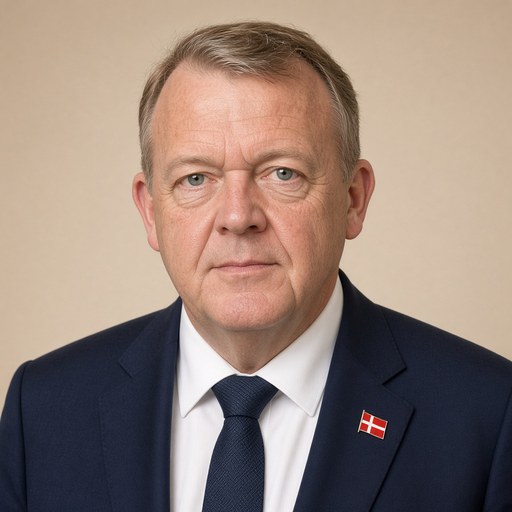
Prime Minister Lars Løkke Rasmussen's lecture "Freedom and Community – the Legacy of Grundtvig" at Vartov on January 11, 2011.
 Lars Løkke Rasmussen · Prime Minister of Denmark
- Context
- Rasmussen delivered a lecture at Vartov on January 11, 2011, opening a series on Grundtvig, freedom, and community organized by the Grundtvig Academy and CEPOS.
- Main themes
- Grundtvig's philosophy of freedom, freedom and community, individual liberty, religious humanism, economic liberalism, trust in society, Danish welfare state, political development and self-revision, cultural identity, Grundtvig's legacy in Danish politics
- Duration
- ~49 min
- Words
- 5,822
- Sentences
- 441
- Readability
- 62
- Grade
- 7.6
- Syntax
- 2.60
- Vocabulary
- 2.24
Translated from Danish
The broad sphere of national life a sentence belongs to. Every sentence has an Arena, so it is the denominator the other indices are read against.
Other441 sentences in 127 paragraphs
Thank you for the invitation to open the lecture series on Grundtvig, freedom, and community. Thank you to the Grundtvig Academy, Vartov, and CEPOS, who have organized the lecture series.
Less than three weeks ago, we gathered around the Christmas tree and sang Christmas hymns and songs. I believe that nearly every family had at least one Grundtvig hymn on the program. For Grundtvig is unavoidable.
And I wonder if for most it was: "Lovely is the blue heaven"? Grundtvig wrote "Lovely is the blue heaven" during Christmas 200 years ago. It was precisely that Christmas when he gained clarity in his spiritual awakening, which marked the beginning of his thoughts on freedom.
Christmas or not. Everyday life or celebration. Grundtvig is unavoidable. And first and foremost, his thoughts on freedom are unavoidable. Not as a Dane, not as a politician, and certainly not as a member of the Liberal Party.
Freedom. Responsibility. Community. These are values derived from Grundtvig's efforts. They are also the values upon which my political work is built. And they are the values that Denmark rests upon. The values of freedom that bind us together as a people.
* * *
In current politics, there is discussion about whether it is acceptable to revise one's position – for example, on early retirement.
And here one can find good support from Grundtvig. He was always in development and always ready to revise his own positions. His constant self-reflection contributes to the fact that we see so many different interpretations of him that almost anyone can spontaneously find their place with Grundtvig. The Grundtvig interpreter Kaj Thaning has said: Tell me which year you interpret Grundtvig from, and I will tell you who you are.
But position and attitude are two different things. And although Grundtvig changed his position along the way, there was a clear red thread throughout his thinking in terms of attitude: Freedom!
Grundtvig was a priest. He was also many other things – a politician, a poet, a pragmatist – but his starting point was theology. His view of humanity is based on the individual person's encounter with God. On the belief that each person is unique and created in God's image. From this religiously rooted view of humanity, his view of society grows with the individual person at its center.
For Grundtvig, the individual person is capable of making decisions for themselves. And from this logically follows his concept of freedom: A capable person must have freedom.
These are thoughts that Grundtvig formed around 1825. At that time, in reality, as a one-sided concept of freedom. Freedom initially does not apply to Loki, but only to Thor. At that time, Grundtvig could not grant much freedom to his theological opponents, and they could not grant him freedom either.
For a long period, Grundtvig was subjected to censorship. Everything he wrote had to be approved by the Copenhagen political censorship. This deeply offended him. But since Grundtvig was Grundtvig, the resistance and humiliation only spurred his desire for freedom further.
He traveled to England in 1829-31, which gave him a broader view of freedom: He experienced what economic freedom can mean for the development of society.
Grundtvig was an enthusiastic advocate for the economic liberalism that was gaining ground at that time. He believed that "The free development of forces is the great secret that creates flourishing kingdoms." He was strongly inspired by the industriousness and enterprise he observed in England. And the crucial point was that English enterprise unfolded in freedom. "The free and living enterprise," as he wrote.
Grundtvig was also impressed by the high degree of trust he encountered in English society. And trust is a prerequisite for freedom. It is one of the absolute greatest strengths of Danish society. A strength that is being challenged in these years, as we face cultural clashes. Where we must handle people who wish to live in our society and who are shaped by a different set of values than ours. One of our most important strengths is precisely the deep-seated trust that we Danes have in each other.
That trust means that we can walk safely on the street. That we are willing to make an effort in the local community. That we feel we owe each other something. In short: That trust is the foundation for a free, open, and liberal society. It is that trust that binds us together as a people.
Ultimately, Grundtvig believed that only production and prosperity in society could help the weakest. Those were the experiences he brought back from England.
I am a staunch supporter of a modern welfare state. I was born into the welfare state. It was not written over my cradle in the Workers' Cooperative Housing Association in Vejle that I would become the first student and academic in my family, let alone the Prime Minister. I have been so privileged to be born into this society of opportunities.
And I cannot agree more with Grundtvig. If freedom and responsibility are the foundation, then prosperity is the stone with which our community and society must be built. Grundtvig had a sharp eye for that.
Without prosperity, no lasting welfare. That may sound like a banal observation. But there are parties in Denmark that believe we can become richer by increasing taxes and allowing the largest public sector in the free world to grow even larger at the expense of private enterprises. That won't work. I feel that I have Grundtvig with me when I assert that.
Under the influence of his travels, Grundtvig reached his lasting concept of freedom in the 1830s: The mutual view of freedom. "Freedom for Loki as well as for Thor." Grundtvig's concept of freedom is freedom for diversity. Freedom also applies to those with whom we disagree. Grundtvig's starting point is the ultimate open-mindedness. "Only he is free who lets his neighbor be free with him," as he puts it in his Mands-Minde lectures.
Grundtvig's thoughts on education are born out of societal development and nourished by his own clearer concept of freedom. Grundtvig also visited France and observed the June Revolution in Paris in 1830 from a distance. He saw the June Revolution as an expression of an uninformed mob reacting to oppression. It confirmed to him that the people should be equipped through enlightenment. And Grundtvig's tool for achieving spiritual freedom became, as is well known, the folk high schools.
The goal of the school for life is, according to Grundtvig, "a High School for our civic youth, through which the education and enlightenment we must desire both in the State Council and its voters is carefully promoted."
Mutual freedom. The need for popular enlightenment. That is the Grundtvig we know today. It is also the Grundtvig who inspires me.
* * *
Grundtvig fought for spiritual freedom, i.e., freedom of belief, expression, and conscience. Or as Grundtvig put it when he was in a romantic mood: "Heart freedom."
Freedom of expression is a fundamental dimension for Grundtvig, but his concern is greater. It is also the freedom of spirit and thought. It is the citizens' right to express themselves on public matters and to criticize power. It is not a freedom to mock and offend everything and everyone.
Freedom of expression is important. It was then. And it has been chillingly confirmed in modern times. Freedom of expression is important. Grundtvig felt it in his own body during the long period he was subjected to censorship. But freedom is more than that. Freedom is "heart freedom."
What would Grundtvig have thought about today's entire debate on faith and religion in the public sphere? About how much faith and religion should occupy in a modern society? It is a debate that comes up from time to time. Most recently, it was Helle Thorning Schmidt who took it up and stated that religion should be removed from the public sphere. Stop right there, I must say. What about "the freedom of the heart"?
The debate can have an undertone suggesting that faith and religion are outdated. Something that stands in opposition to democracy and enlightenment. Stop right there, I must say again. Grundtvig is the counter-evidence to that thesis. Grundtvig is enlightenment from a religious standpoint. A social movement from which democracy and the constitution grew.
I believe that Grundtvig would also today clearly oppose the idea that one should hide their faith. Faith should not be hidden under a bushel, but brought forth and placed on a stage.
I know well that in narrow areas it makes good sense to cleanse the public sphere of religious symbols. In places where we must ensure that we are on neutral ground. That is the background for the government's ban on judges using religious or, for that matter, political symbols. But that is a special area. It is the area of neutrality.
Throughout December, we have experienced in the public sphere how it has been teeming with Christmas stars and other religious symbols! It makes no sense to me to encourage that the religious be kept within the four walls of the home. That would, in Grundtvig's words, be to interfere with "the freedom of the heart."
Grundtvig was a strong advocate for religious freedom, while many in his time were afraid of religious freedom – would one now see Catholic processions in the streets?
Today we live in a different time, where few, fortunately, question religious freedom. But we also live in a time where we are challenged when other religions than the Evangelical-Lutheran Church grow large in Denmark. We are challenged by Islam. Our concept of freedom is challenged. And the big question of the time is: How shall we handle it?
In Denmark, we have a long tradition of "rendering unto God what is God's, and unto Caesar what is Caesar's." In relation to integration and the challenge of people who come from a different set of values than ours, this means that the new Danes must unconditionally respect the laws and regulations of Caesar. We must set demands on those who come here, whether they are atheists or Muslims or of another religious conviction.
But when it comes to democracy and citizenship, we must be clear about where the boundary lies between Caesar's domain and the citizen's free space. That is the dilemma of freedom. We must encourage everyone to become part of the Danish people and to be active in democracy. And then we must provide a spiritual free space for all.
But we must not be naive either. All the rights to freedom that we have built in the modern Danish welfare state rest on the education that the Danish people have undergone since Grundtvig. They rest on our shared values. It is a dilemma when those rights to freedom are placed in the hands of people with a completely different starting point. One must not be blind to that.
* * *
Grundtvig's concept of freedom is closely linked to his understanding of community. Freedom and community. The two cannot be separated.
The central concept is the people and with it the idea of society as a voluntary association of people. The bearer of freedom is the strong community.
But it was not public welfare institutions, laws, and regulations that were to ensure community for Grundtvig. As a consequence of his strong concept of freedom, Grundtvig was a strong opponent of institutions. He was adamantly against the "state church," as he called it.
Therefore, it is perhaps a bit ironic that Grundtvig wrote the fundamental principle of the welfare state – probably without wanting or knowing it: "And then we have achieved great wealth when few have too much and fewer have too little." Isn't that the sentence that most Danes associate with Grundtvig? But he was in no way the father of the welfare state.
It was also not necessarily an elected majority that Grundtvig believed was best suited to manage power for the people. He feared – and some might say rightly today – that money would gain power, and that those who spoke to the people's interests would gain the votes. That is a danger that one cannot say one is completely free from today either.
But is Grundtvig then a democrat or an anti-democrat? The answer is clear: Grundtvig is a lover of freedom!
He had an idealistic goal, but he was pragmatic about the means. I myself tend to use the term idealistic realism or realistic idealism when I explain where I stand. We must want something for Denmark, but we must also have the courage to adjust the tools necessary to solve the problems we face.
What may seem like a zigzag course with Grundtvig – and which has given rise to many different Grundtvigs in the landscape – is in reality oscillations around a very firm core: Freedom above all!
Grundtvig fought for spiritual freedom. And here the form of government was merely a means. At one point, he believed that absolute monarchy was the best form of government to ensure freedom and harmony. But when he saw that the new estate assemblies could actually function, he became an advocate for them. In the estate assemblies, Grundtvig found "the true voice of the people."
Grundtvig harbored a deep distrust of the uninformed masses. It was fundamentally important to him that the voice of the people could sound freely. Thus, the form, the constitution, and the design of democracy are not central. It is freedom, on the other hand: Freedom of expression must ensure that the voice of the people can be formed. And enlightenment through a popular folk high school must ensure that people gain a comprehensive understanding of the country's well-being and can rise above special interests. That is a task that is also relevant today.
To be a people, one must rise above one's own and one's class's special interests and subordinate oneself to the common good. To place love before self-interest.
That is fundamentally the balance we have sought ever since. The balance between the modern person's desire for personal responsibility, the pursuit of success, and the pursuit of one's own ambitions on one side and the desire to live in a safe community on the other. The bridge between the individual and the collective. That bridge-building characterizes what we want with Denmark. It is unique. And it is our strength. And the bridge rests on pillars that we cannot legislate ourselves to. For they are our shared values.
Currently, it is also the strong bridge that has helped us navigate the international economic crisis better than many other countries. In other countries, we see demonstrations and violence in the streets. Because they have not implemented the necessary reforms in time. Because they have therefore had to cut deeply into the salaries of public employees and into core welfare without warning.
That is not the case in Denmark. In Denmark, successive governments have pursued a responsible economic policy. And the population has accepted the interventions that were necessary. That is how we do it in Denmark. It works. It is unique. And it is based on the fact that we are a people who understand the context well.
The Danes are an enlightened people. We are children of Grundtvig. We have the will to stick together. And it is the will that constitutes a people. In Grundtvig's words: "To a people they all belong, who count themselves among them."
This is the core of Grundtvig's understanding of popular governance. And it serves as a foundation throughout his life, despite the fact that some positions change along the way. It is the goal. It is the ideal. Regardless of the fact that his understanding of what is the best means changes with the political and historical situation.
* * *
Grundtvig's concept of freedom was quite absolute. Even viewed through modern eyes. Grundtvig demanded a space of freedom for the citizen. A space of freedom from which the authorities should stay away! The struggle for freedom and against power is and will remain his heartfelt cause.
It is a view of humanity and a concept of freedom that I can greatly use today: Freedom obliges both towards the weak and towards those we disagree with. Being a member of a society means taking on responsibility for the common life. It means thinking beyond one's own nose.
Grundtvig was not concerned with the elite, but with the people. He fought for values at eye level. Based on the principle that we are obligated to our neighbor. It is an approach to existence that appeals to me.
Today, a value struggle at eye level is, for example, when we give modern Danish parents the responsibility to ensure that their children complete a youth education – instead of paying the young café money.
It is also a value struggle at eye level to say that we will not accept that there are areas in Denmark where Danish values do not apply. That there are neighborhoods – one might call them ghettos depending on temperament – where one can question whether it is Denmark. Residential areas where the language spoken is at least not Danish. Where children can play outside in the evening because their parents do not have to go to work. Where crime is high. Where the employment rate is low. Where the education rate is low. There, the fundamental prerequisites for the tools we usually use in Danish society are not present.
And it is a value struggle at eye level to speak openly and honestly about it and say: We will not accept that. It is a realistic acknowledgment that our many rights are built on the foundation of popular education. And if that is not there, then we are challenged.
And that challenge must be used to ensure that education is also present in the residential areas that need to be awakened and become Danish. Not Danish with red porridge and cream. But Danish in terms of our very fundamental values: Open-mindedness. Freedom to be different. Equal opportunities for women and men. Etc.
And that also rests on Grundtvig. For his concept of freedom applies to all. All! In the 19th century, some were excluded from participation in society. This applied, for example, to the Jews. Grundtvig wanted to give the Jews rights in a time that was fundamentally anti-Semitic. This has recently been confirmed in the debate about whether Kierkegaard shared his contemporaries' views on Jews. Grundtvig was concerned that the Jews could also contribute to the community.
Here is a clear parallel to today's challenges regarding integration. We also need everyone today who can and wants to contribute. We need everyone who can and wants to. We need an open society. And Denmark is an open society – not wide open for anyone who feels like passing by, but open in a wise way: Open for those who want and can contribute to the community.
This means that we set demands on people who come here. When one comes to Denmark, one must contribute to the community. This promotes integration. For me, it is common sense.
That is why we have opened the door, as never before, for hardworking foreigners who want to contribute. That is why we have opened the door, as never before, for skilled young people from other countries who want to educate themselves in Denmark. Ten years ago, just under 12,000 foreigners came to Denmark to work and study. Now about 45,000 come each year. That is almost four times as many. Denmark is an open society.
We are also a society built on values that we have fought for over generations: Responsibility for the common good. Freedom to be different. These are Danish values. They are values that are directly drawn from Grundtvig's thinking.
As an educated people, we will not compromise on them. When one comes to Denmark, it should be because one wants to be part of that community. We have room for everyone who can and wants to. "To a people they all belong, who count themselves among them."
Immigration sharpens the demand that we know our own value foundation. That we remember Grundtvig, not in a theoretical way, but in a concrete way. To defend our values. Not by combating others', but by standing firm on our own. I noticed that Angela Merkel, the Chancellor of Germany, in a current debate about Christian values versus Islam said: "The country suffers not from too much Islam, but from too little Christianity." That contains an essential point. For if one wants to navigate in a globalized world, one must have one's own deeply rooted values in place. If one is to unfold one's branches like the great beech tree, one must have a strong root system.
Our rich and secure Denmark has been created based on our strong values. Our values are the foundation of what I have called the Danish dream. And which may, in the unconscious, be inspired by Grundtvig's concept of "the sweet dream."
But one can ask whether there is a weakness in Grundtvig's concept of freedom and in the freedom of democracy? What do we do when someone uses their own freedom to limit others' freedom?
Grundtvig's answer was clear: "The mouth is free, the hands are bound." Freedom stops when one seeks to limit others. And that makes good sense today, where we are challenged in a way we never dreamed of.
Terrorism sets a new agenda for Western societies. And here we must soberly acknowledge that we are not up against Grundtvigians, but people with completely different and diametrically opposed worldviews. But in our eagerness to protect ourselves from terror, we must be careful not to limit our own fundamental freedoms.
* * *
We began by singing:
"What sunshine is for the black soil,
is true enlightenment for the soil's kin
Far more valuable than the red gold it is to know one's God and oneself."
I have chosen that song for two reasons. First, it is my old school song from high school. Secondly, Grundtvig's strongest imprint is education, folk high schools, and popular enlightenment.
The enlightenment ideas of the 18th century were an important inspiration. Grundtvig saw enlightenment and education as a prerequisite for freedom and responsibility. And for Grundtvig, enlightenment was not least an understanding of history, language, and politics – rather than filling students with "empty knowledge."
He emphasized that "what one learns for the sake of an exam and a livelihood, one naturally hurries to forget, but what one learns because one has a desire for it, one never really forgets." Education, learning, and training must therefore be based on freedom and voluntariness.
And it was based on the experiences from his own school days that Grundtvig sharply distanced himself from the Latin school of his time with its rote learning, exams, and discipline, which he called the "black school." I still believe that one should be cautious about transferring these statements to modern times. For those statements did not mean that Grundtvig, who was himself a learned man, despised knowledge. He believed that "learning is one thing and education and competence for life, the human and civic, is something else."
And we need experts. We need knowledge, learning, and elite. I have that as Prime Minister. In my work, I will draw on all the experts that are needed. Not turn my back on the experts. By which I mean the right experts. Not the moralists. Not the opinion machines. But knowledgeable people who advise without condemning. Who can enlighten the rest of us.
That is how we give the Danes more responsibility for their own lives. A vibrant democracy cannot be governed by decrees from those with the "right" opinions – it is governed by an enlightened people who think for themselves!
That was the view of education and formation that was Grundtvig's.
Grundtvig's view of education places great demands on teachers. The teacher's foremost task is not to transfer knowledge, but to enable students to see and recognize for themselves. Each student must be empowered to relate to history, the surrounding society, and themselves.
For that to succeed, there is a need for individual teaching, almost an existential meeting between teacher and student. About teachers, Grundtvig believed that they should be "the liveliest people one can find." Those are not the criteria we use for admission to teacher training programs today, and it may also be difficult to formulate. But I can certainly relate to Grundtvig.
When I look back on my own school days, the teachers who mattered were also the engaged teachers – the one who met me as a person, saw me as Lars, and took the time to listen and discuss.
At one point, one of my children's teachers regularly sent emails to the parents in the class with pictures of the children and stories about what they had done in school. This undoubtedly took place outside normal working hours and with her private camera. See, that was engagement in Grundtvig's spirit. And that is what we need.
Grundtvig's central idea was the folk high schools. The purpose of education here was to inspire students as human beings, so they developed into democratically engaged citizens and became capable of thinking and acting.
And Grundtvig has managed to get people to think and act – to that extent. Grundtvig inspired the establishment of folk high schools and free schools all over Denmark. A great movement has followed in his wake.
The question is whether the original edges have been smoothed in the process. Has a filter been placed on Grundtvig? And is Grundtvig without a filter not far more interesting, even if he may have a harder time accommodating everyone?
I have the experience that there are many different Grundtvigs wandering around in the political landscape. I will not claim that the Grundtvig who has held my hand throughout my life and political career is the only true version. But I believe that it can be useful to peel away some of the later interpretations and relate to Grundtvig without a filter. Not because I always agree with Grundtvig without a filter, but because he challenges me with his profound and demanding world of thought.
Professor P.G. Lindhardt writes in his biography of Grundtvig that "Grundtvig's fate was overshadowed by the movement, which in many ways is successfully called by his name."
Many have interpreted Grundtvig. He was at odds with himself and his surroundings. And he was deeply engaged in his time and his environment. He developed his thoughts. But that does not mean that one can use him for anything.
Grundtvig distinguishes between learning and education, that is, the teaching of life. It is a thought that has been so beloved that we were in danger of losing the school of learning because of it. Grundtvig has triumphed in our public school, if it is indeed he who has triumphed, and not a filtered version from later times. Professionalism became a dirty word in many places for a period and was almost experienced as the opposite of Grundtvig's ideas.
This is where I believe that Grundtvig has been filtered, and that Grundtvig without a filter is both more interesting and nuanced.
Danish children can do something that others in the world envy us. Danish children are good at the soft skills. Danish children enjoy – and are good at – collaborating. Danish children are filled with self-confidence, even in situations where there may not be much to have it in. I visited countries in the spring that are sprinting ahead of us in academic areas, but which also recognize what we can do. And we must hold on to our strengths. But is that enough to equip children to be good democratic – and for that matter, Grundtvigian – citizens?
Here we must take off the filter: In the modern and globalized world, there is no way around the hard academic skills. Here we also need to be involved.
I have never understood the viewpoint that one should exclude the other. On the contrary. When Danish children are happy to go to school, they also find it easier to learn. It is Grundtvig's point that nothing good comes from forcing knowledge into people. It should be the desire that drives the work.
Every year in August, we have children who show up at school with great joy and curiosity. If we can have a public school where they have just as much joy and curiosity when they leave 9th grade, then we have come a long way.
And an emphasis on the academic does not mean that we should mindlessly pour knowledge into children as if they were empty bottles to be filled. Therefore, the government will advocate both professionalism and freedom for the public school.
My starting point is that children are different and that they learn in different ways. Therefore, I would like to see the public school focus even more on the individual student and on his or her potential.
I understand that this also has to fit into a practical reality with scheduling and so on. But it is possible if teachers have intuition and engagement, and if we provide the framework.
It requires the freedom to trust teachers' professionalism. It also requires a clear responsibility. We must also be able to objectively follow the child's potential and results. Therefore, I also support both. Both giving teachers greater freedom and giving them greater responsibility for ensuring that students reach the goals they need to achieve.
The government has implemented a wide range of initiatives in the public school system aimed at improving the quality of education and raising academic standards – while also maintaining consideration for the students' diverse development.
I am pleased that much has been achieved: Children now read as well in third grade as they did previously in fourth grade. Children are just as good at mathematics and science in fourth grade as they were before in fifth grade. Therefore, it is also gratifying that children in the lower grades have improved their reading skills. But we must go even further. With the reading initiative. With more hours in the lower grades. With more money for reading consultants. Surely, this would also have pleased Grundtvig, who placed such emphasis on "the word," that children can also read the words?
When I am a strong supporter of extending the school day to six hours for young students in all schools across the country, it is to provide better conditions for both educating and forming the students.
It is a common perception that Grundtvig opposed control, exams, and such things. But that is, at least in part, a misunderstanding. Yes, in reality, Grundtvig did not say much about the framework of education. He concentrated on the content.
Take, for example, the student plans and tests that the government has introduced in the public school system. Some may see them as a symptom of a rigid school, where the living word is restricted, adjusted, and put into formulas.
But fundamentally, the intention is the exact opposite. Student plans and tests are tools for the teacher to meet each individual student and unleash the student's potential – that, to me, is entirely in the spirit of Grundtvig. At least Grundtvig without filter. They are tools for a dialogue with the student and the parents about where the student stands and how the student can develop moving forward.
The core idea is that we must give our children the best opportunities to strive for both knowledge and formation all the way to the limits of their curiosity and desire for discussion. That is Grundtvig without filter.
Therefore, the government's public school initiative focuses on more academic rigor and more freedom. We will meet each individual student where he or she is. We will unleash each student's potential – entirely in the spirit of Grundtvig. Enlightenment and education are the prerequisites for freedom. They are the prerequisites for the formation that the Danish people, as a people, have always needed. For the stronger the formation, the stronger the community of values, the less need for regulation.
* * *
Finally, a few words about the free schools that grew out of Grundtvig's ideas. As a tool to empower and create more freedom.
My daughter attends a free school. There has been criticism of that. I will say it plainly: I am proud that my daughter has chosen a free school. We also need the free schools in Denmark.
I know that there is some dissatisfaction with the free schools. Why should one be burdened with terror checks and academic checks? To that, I can only say that it is necessary. The freedom that, in the hands of Danish parents, is used in the interest of Danish children, is unfortunately used by other parents for anything but the children's interests. And we live in a rule of law society, where everyone must take the same medicine. In that lies a promise that when we have won the culture war, we can give freedom back. When the formation has taken root broadly in society, we can give freedom back.
And I would like to take this opportunity to encourage parents, teachers, and leaders in the free schools to make your voices heard in the debate. You are one of the tools to increase freedom in Danish society. We need you.
* * *
For me, Grundtvig is unavoidable. He is not avoidable for you either. He is certainly not avoidable for Denmark.
According to Grundtvig, man is a "matchless, wonderful creation" and "such a wonderful riddle." Yes, that is how he expressed it, for Grundtvig was not just liberal to the core; he was also a romantic with a capital R. He had a strong belief in the living human being.
And here, Grundtvig's view of humanity contains a strong political message:
His unwavering belief that we all become greater when we make room for diversity and respect even those with whom we most disagree. His belief that we can develop, become wiser, and together create a better society. His belief that freedom obliges both towards the weak and also towards those with whom we disagree.
That is a very strong view of humanity that I have embraced and that has followed me throughout my political career. And it will follow me for the rest of my life. And I introduce it to my children. The fearless belief that we humans, despite all our faults and shortcomings, can accomplish something that matters.
And with that wish, which is Grundtvig's, I would like to say thank you for the word! And thank you to Grundtvig!
The original Danish. The tags above are read on the English translation's sentences.
Tak for invitationen til at indlede foredragsrækken om Grundtvig, frihed og fællesskab. Tak til Grundtvig-Akademiet, Vartov og CEPOS, som har arrangeret foredragsrækken.
For mindre end tre uger siden gik vi rundt om juletræet og sang julesalmer og -sange. Jeg tror, at tæt på alle familier havde mindst én Grundtvig-salme på programmet. For Grundtvig er ikke til at komme udenom.
Og mon ikke det hos de fleste var: ”Dejlig er den himmel blå”? Grundtvig skrev ”Dejlig er den himmel blå” i julen for 200 år siden. Netop den jul, hvor han fik afklaring i sin åndelige vækkelse, hvilket blev starten på hans frihedstænkning.
Jul eller ej. Hverdag eller fest. Grundtvig er ikke til at komme udenom. Og først og fremmest er hans frihedstænkning ikke til at komme udenom. Ikke som dansker, ikke som politiker og da slet ikke som Venstre-mand.
Frihed. Ansvar. Fællesskab. Det er værdier, der er afledt af Grundtvigs indsats. Det er også de værdier, som mit politiske virke bygger på. Og det er de værdier, som Danmark hviler på. De frihedsværdier, der binder os sammen som folk.
* * *
I aktuel politik diskuterer man jo, om det er i orden at revidere sit standpunkt – til efterlønnen for eksempel.
Og her kan man finde god støtte hos Grundtvig. Han var hele tiden i udvikling og hele tiden klar til at tage sine egne standpunkter op til revision. Hans stadige selvopgør er medvirkende til, at vi ser så mange forskellige tolkninger af ham, at næsten enhver spontant kan finde sig til rette hos Grundtvig. Grundtvigfortolkeren Kaj Thaning har sagt: Sig mig, hvilket årstal du tolker Grundtvig ud fra, og jeg skal sige dig, hvem du er.
Men standpunkt og holdning er to forskellige ting. Og selvom Grundtvig skiftede standpunkt undervejs, så var der holdningsmæssigt en klar rød tråd gennem hele hans tænkning: Frihed!
Grundtvig var præst. Han var også alt muligt andet – politiker, poet, pragmatiker – men hans udgangspunkt var teologien. Hans menneskesyn bygger på det enkelte menneskes møde med Gud. På at mennesket er unikt og skabt i Guds billede. Ud af dette religiøst rodfæstede menneskesyn vokser hans samfundssyn med det enkelte menneske i centrum.
For Grundtvig er det enkelte menneske myndigt til selv at tage beslutninger. Og heraf følger logisk hans frihedsbegreb: Et myndigt menneske skal have frihed.
Det er tanker, som Grundtvig former omkring 1825. På det tidspunkt i virkeligheden som et ensidigt frihedsbegreb. Friheden gælder i første omgang ikke Loke, men kun Thor. Grundtvig kunne på det tidspunkt ikke unde sine teologiske modstandere megen frihed, og de kunne heller ikke unde ham frihed.
Grundtvig var i en længere periode underlagt censur. Alt, hvad han skrev, skulle godkendes af den københavnske politicensur. Det krænkede ham dybt. Men da Grundtvig var Grundtvig, ansporede modstanden og ydmygelsen bare hans frihedstrang yderligere.
Han rejste til England i 1829-31, hvilket gav ham et bredere frihedssyn: Han oplevede, hvad økonomisk frihed kan betyde for samfundets udvikling.
Grundtvig var en begejstret fortaler for den økonomiske liberalisme, som gik sin sejrsgang på det tidspunkt. Han mente, at ”Kræfternes frie udvikling er den store hemmelighed, der skaber blomstrende riger.” Her var han stærkt inspireret af den virkelyst og industri, han oplevede i England. Og det afgørende var, at den engelske virksomhed udfoldede sig i frihed. ”Den fri og levende virksomhed” som han skrev.
Grundtvig var også imponeret over den høje grad af tillid, han mødte i det engelske samfund. Og tillid er jo en forudsætning for frihed. Det er en af det danske samfunds absolut største styrker. En styrke, som udfordres i disse år, hvor vi har kultursammenstød. Hvor vi skal håndtere mennesker, der ønsker at bo i vores samfund, og som er rundet af et andet værdisæt end vores. En af vores vigtigste styrker er lige præcis den grundfæstede tillid, som vi danskere har til hinanden.
Den tillid, der betyder, at vi kan gå trygt på gaden. At vi har lyst til at gøre en indsats i lokalsamfundet. At vi føler, at vi skylder hinanden noget. Kort sagt: Den tillid, der er grundlaget for et frit, åbent og liberalt samfund. Det er den tillid, der kitter os sammen som folk.
I sidste instans mente Grundtvig, var det kun produktion og velstand i samfundet, der kunne hjælpe de svageste. Det var de erfaringer, han tog med sig fra England.
Jeg er fuldblodstilhænger af et moderne velfærdssamfund. Jeg er født ind i velfærdssamfundet. Det stod ikke skrevet over min vugge i Arbejdernes Andelsboligforening i Vejle, at jeg skulle blive familiens første student og akademiker endsige statsminister. Jeg har været så privilegeret at være født ind i dette mulighedernes samfund.
Og jeg kan ikke være mere enig med Grundtvig. Hvis frihed og ansvar er fundamentet, så er velstanden de sten, som vores fællesskab og samfund skal bygges med. Det havde Grundtvig et skarpt øje for.
Uden velstand, ingen varig velfærd. Det kan lyde som en banal konstatering. Men der er partier i Danmark, der mener, at vi kan blive rigere af at øge skatterne og lade den frie verdens største offentlige sektor vokse sig endnu større på bekostning af de private virksomheder. Den går ikke. Jeg føler, at jeg har Grundtvig med mig, når jeg postulerer det.
Under indtryk fra sine rejser nåede Grundtvig i 1830’erne frem til sit blivende frihedsbegreb: Det gensidige frihedssyn. ”Frihed for Loke så vel som for Thor”. Grundtvigs frihedsbegreb er frihed til forskellighed. Friheden gælder også dem, vi er uenige med. Grundtvigs udgangspunkt er det ultimative frisind. ”Kun den er fri, som lader næsten være fri med sig”, som han siger det i sine Mands-Minde foredrag.
Grundtvigs tanker om uddannelse fødes ud af samfundsudviklingen og næres af hans eget klarere frihedsbegreb. Grundtvig besøgte også Frankrig og oplevede juni-revolutionen i Paris i 1830 på afstand. Han så juni-revolutionen som et udtryk for en uoplyst pøbel, der reagerede på tvang. Det bekræftede ham i, at folket skulle rustes gennem oplysning. Og Grundtvigs redskab til målet om at sikre åndelig frihed blev jo som bekendt højskolerne.
Målet med skolen for livet er ifølge Grundtvig ”en Høi-Skole for vor borgerlige Ungdom, hvorved den Dannelse og Oplysning, vi må ønske både hos Stats-Raadet og Dets Vælgere, omhyggeligt fremmes.”
Gensidig frihed. Behov for folkeoplysning. Det er den Grundtvig, vi kender i dag. Det er også den Grundtvig, jeg selv er inspireret af.
* * *
Grundtvig kæmpede for åndelig frihed, dvs. tros-, ytrings- og samvittighedsfrihed. Eller som Grundtvig sagde det, når han var i det romantiske hjørne: ”Hjertefrihed”.
Ytringsfriheden er en grundlæggende dimension for Grundtvig, men hans anliggende er større. Det er også åndens og tankens frihed. Det er borgernes ret til at ytre sig om offentlige anliggender og til at kritisere magten. Det er ikke en frihed til at håne og genere alt og alle.
Ytringsfriheden er vigtig. Det var det dengang. Og det er uhyggeligt blevet bekræftet i moderne tider. Ytringsfriheden er vigtig. Det mærkede Grundtvig på egen krop i den lange periode, han var underlagt censur. Men frihed er mere end det. Frihed er ”hjertefrihed”.
Hvad ville Grundtvig have ment om hele dagens debat om tro og religion i det offentlige rum? Om hvor meget må tro og religion fylde i et moderne samfund? Det er en debat, der kører ind imellem. Senest var det Helle Thorning Schmidt, der greb den og udtalte, at religion skal ud af det offentlige rum. Stop engang må jeg sige. Hvad med ”hjertets frihed”?
Debatten kan have en undertone af, at tro og religion er noget gammeldags. Noget, der står i modsætning til demokrati og oplysning. Stop engang må jeg sige igen. Grundtvig er jo modbeviset på den tese. Grundtvig er oplysning ud fra et religiøst ståsted. En samfundsbevægelse, som demokrati og grundlov voksede ud af.
Jeg tror, at Grundtvig også i dag klart ville være imod, at man skulle skjule sin tro. Troen skal ikke skjules under en skæppe, men tages frem og sættes på en stage.
Så ved jeg godt, at det på snævre områder giver god mening at rense det offentlige rum for religiøse symboler. De steder, hvor vi skal sikre, at vi er på neutralitetens grund. Det er baggrunden for regeringens forbud mod, at dommere bruger religiøse eller for den sags skyld politiske symboler. Men det er et særligt område. Det er neutralitetens område.
Hele december har vi i det offentlige rum oplevet, hvordan det har vrimlet med julestjerner og andre religiøse symboler! Det giver for mig at se ingen mening at opfordre til, at det religiøse holdes inden for hjemmets fire vægge. Det ville med Grundtvigs ord være at blande sig i ”hjertets frihed”.
Grundtvig var en stærk fortaler for religionsfrihed, hvor mange i hans samtid var bange for religionsfriheden - ville man nu se katolske processioner i gaderne?
I dag lever vi i en anden tid, hvor de færreste, heldigvis, sætter spørgsmålstegn ved religionsfrihed. Men vi lever også i en tid, hvor vi udfordres, når andre religioner end den evangelisk-lutherske kirke vokser sig store i Danmark. Vi udfordres af islam. Vores frihedsbegreb udfordres. Og det store spørgsmål i tiden er: Hvordan skal vi håndtere det?
I Danmark har vi en lang tradition for ”at give Gud, hvad Guds er, og kejseren hvad kejserens er.” I forhold til integration og til udfordringen med folk, der kommer rundet af et andet værdisæt end vores, så betyder det, at de nye danskere ubetinget skal respektere kejserens love og regler. Vi skal stille krav til dem, der kommer hertil, hvad enten de er ateister eller muslimer eller af anden religiøs overbevisning.
Men når det gælder demokrati og medborgerskab må vi gøre os klart, hvor grænsen går mellem kejserens område og borgerens frirum. Det er frihedens dilemma. Vi må tilskynde alle til at blive en del af det danske folk og blive aktive i demokratiet. Og så må vi friholde et åndeligt frirum til alle.
Men vi må heller ikke være naive. Alle de frihedsrettigheder, vi har opbygget i det moderne danske velfærdssamfund hviler på den dannelse, det danske folk har undergået siden Grundtvig. De hviler på vores fælles værdisæt. Det er et dilemma, når de frihedsrettigheder lægges i hænderne på folk med et helt andet udgangspunkt. Det må man ikke være blind for.
* * *
Grundtvigs frihedsbegreb hænger tæt sammen med hans opfattelse af fællesskabet. Frihed og fællesskab. De to ting kan ikke skilles ad.
Det helt centrale begreb er folket og med det forestillingen om samfundet som en frivillig sammenslutning af mennesker. Bæreren af frihed er det stærke fællesskab.
Men det var ikke offentlige velfærdsinstitutioner, love og regler, der skulle sikre fællesskabet hos Grundtvig. Som konsekvens af sit stærke frihedsbegreb var Grundtvig stærk modstander af institutioner. Han var lodret imod ”statskirken”, som han kaldte den.
Derfor er det måske lidt pudsigt, at Grundtvig skrev velfærdssamfundets grundsætning – nok uden at ville eller vide det: ”Og da har i rigdom vi drevet det vidt, når få har for meget og færre for lidt”. Mon ikke det er den sætning, de fleste danskere forbinder med Grundtvig? Men nogen velfærdssamfundets fader, det var han på ingen måde.
Det var heller ikke nødvendigvis et valgt flertal, som Grundtvig mente var det bedste til at forvalte magten for folket. Han frygtede – og nogle vil måske i dag sige med rette – at pengene ville få magten, og at de, der talte folk efter munden, ville få stemmerne. Det er en fare, man heller ikke i dag kan sige sig helt fri for.
Men er Grundtvig så demokrat eller antidemokrat? Svaret er klart: Grundtvig er frihedselsker!
Han havde et idealistisk mål, men han var pragmatisk om midlerne. Jeg plejer selv at ty til begrebet idealistisk realisme eller realistisk idealisme, når jeg skal forklare, hvor jeg selv står. Vi skal ville noget med Danmark, men vi skal også have modet til at justere de værktøjer, der skal til for at løse de problemer, vi står med.
Det, der kan ligne en slingrekurs hos Grundtvig – og som har givet anledning til mange forskellige Grundtvig’er i landskabet – er i virkeligheden svingninger om en meget fast kerne: Frihed frem for alt!
Grundtvig kæmpede for åndelig frihed. Og her var styreformen blot et middel. En overgang mente han, at enevælden var den bedste statsform til at sikre frihed og harmoni. Men da han så, at de nye stænderforsamlinger rent faktisk kunne fungere, blev han fortaler for dem. I stænderforsamlingerne fandt Grundtvig ”den virkelige folkestemme”.
Grundtvig nærede en dyb mistillid til den uoplyste mængde. Det var helt grundlæggende for ham, at folkestemmen kunne lyde frit. Dermed er formen, forfatningen og demokratiets udformning ikke det centrale. Det er friheden derimod: Ytringsfrihed skal sikre, at folkestemmen kan dannes. Og oplysning via en folkelig højskole skal sikre, at folk får en helhedsforståelse af landets ve og vel og kan hæve sig over særinteresser. Det er en opgave, som også er relevant i dag.
For at være et folk må man sætte sig ud over sine egne og sin stands særinteresser og underordne sig det fælles. Sætte kærligheden forud for egennytten.
Det er dybest set den balance, vi har tilstræbt lige siden. Balancen mellem det moderne menneskes ønske om personligt ansvar, stræben efter succes og at forfølge sine egne ambitioner på den ene side og ønsket om at leve i et trygt fællesskab på den anden side. Broen mellem det individuelle og det fælles. Den brobygning kendetegner det, vi vil med Danmark. Den er unik. Og den er vores styrke. Og broen hviler på piller, som vi ikke kan lovgive os til. For de er vores fælles værdier.
Helt aktuelt er det også den stærke bro, som har været med til at bringe os bedre gennem den internationale økonomiske krise end mange andre lande. I andre lande ser vi demonstrationer og vold i gaderne. Fordi de ikke i tide har gennemført de nødvendige reformer. Fordi de derfor hurtigt og uden varsel har måttet skære hårdt i de offentligt ansattes lønninger og i kernevelfærden.
Sådan er det ikke i Danmark. I Danmark har skiftende regeringer ført en ansvarlig økonomisk politik. Og befolkningen har accepteret de indgreb, der var nødvendige. Det er den måde, vi gør det på i Danmark. Den virker. Den er unik. Og den bygger på, at vi er et folk, der godt forstår sammenhængen.
Danskerne er et oplyst folk. Vi er børn af Grundtvig. Vi har viljen til at holde sammen. Og det er viljen, der konstituerer et folk. Med Grundtvigs ord: ”Til et folk de alle hører, som sig regne selv dertil.”
Det er kernen i Grundtvigs opfattelse af folkestyret. Og den ligger som basis gennem hele hans liv, uagtet at der er nogle standpunkter, der ændrer sig undervejs. Det er målet. Det er idealet. Uanset, at hans opfattelse af, hvad der er det bedste middel skifter med den politiske og historiske situation.
* * *
Grundtvigs frihedsbegreb var ret absolut. Også set med nutidens øjne. Grundtvig krævede et frihedsrum for borgeren. Et frihedsrum, som autoriteterne skulle holde sig væk fra! Kampen for friheden og mod magten er og bliver hans hjertesag.
Det er et menneskesyn og frihedsbegreb, som jeg i høj grad kan bruge i dag: Frihed forpligter både over for de svage og over for dem, vi er uenige med. Det at være medlem af et samfund betyder, at man påtager sig et ansvar for det fælles liv. At man tænker ud over sin egen næsetip.
Grundtvig var ikke optaget af eliten, men af folket. Han førte værdikamp i øjenhøjde. Ud fra devisen, at vi er forpligtet på vores næste. Det er en tilgang til tilværelsen, der tiltaler mig.
I dag er værdikamp i øjenhøjde fx, når vi giver moderne danske forældre ansvaret for, at deres børn gennemfører en ungdomsuddannelse – i stedet for at betale de unge café-penge.
Det er også værdikamp i øjenhøjde at sige, at vi ikke vil acceptere, at der er områder i Danmark, hvor danske værdier ikke gælder. At der er boligkvarterer – man kan kalde dem ghettoer efter temperament – hvor man kan sætte spørgsmålstegn ved, om det er Danmark. Boligområder, hvor det sprog, der tales mindst er dansk. Hvor børnene kan lege ude om aftenen, fordi forældrene ikke skal på arbejde. Hvor kriminaliteten er høj. Hvor erhvervsfrekvensen er lav. Hvor uddannelsesfrekvensen er lav. Dér er de grundlæggende forudsætninger for de værktøjer, vi almindeligvis bruger i det danske samfund, ikke er til stede.
Og det er værdikamp i øjenhøjde at tale åbnet og ærligt om det og sige: Det vil vi ikke acceptere. Det er en realistisk erkendelse af, at vores mange rettigheder er skabt på fundamentet af en folkelig dannelse. Og hvis den ikke er der, så er vi udfordret.
Og den udfordring skal bruges til at sikre den dannelse også i de boligområder, der har brug for at blive vækket og blive danske. Ikke dansk med rødgrød med fløde. Men dansk hvad angår vores helt fundamentale værdier: Frisind. Frihed til forskellighed. Kvinders og mænds lige muligheder. Etc.
Og det hviler også på Grundtvig. For hans frihedsbegreb gælder alle. Alle! I 1800-tallet holdt man nogen uden for deltagelse i samfundet. Det gjaldt fx jøderne. Grundtvig ville give jøderne rettigheder i en tid, som grundlæggende var anti-semitisk. Det er senest blevet bekræftet i debatten om, hvorvidt Kierkegaard delte sin samtids syn på jøder. Grundtvig var optaget af, at jøderne også kunne bidrage til fællesskabet.
Her er en klar parallel til nutidens udfordringer om integration. Vi har også i dag brug for alle, der kan og vil bidrage. Vi har brug for alle, der kan og vil. Vi har brug for et åbent samfund. Og Danmark er et åbent samfund – ikke pivåbent for enhver, der får lyst til at lægge vejen forbi, men åbent på en klog måde: Åbent for dem, der vil og kan fællesskabet.
Det betyder, at vi stiller krav til mennesker, der kommer hertil. Når man kommer til Danmark skal man bidrage til fællesskabet. Det fremmer integrationen. For mig er det sund fornuft.
Derfor har vi åbnet døren, som aldrig nogensinde før, for arbejdsomme udlændinge, der gerne vil bidrage. Derfor har vi åbnet døren, som aldrig nogensinde før, for dygtige unge fra andre lande, der vil uddanne sig i Danmark. For 10 år siden kom der knap 12.000 udlændinge til Danmark for at arbejde og studere. Nu kommer der omkring 45.000 hvert år. Det er næsten fire gange så mange. Danmark er et åbent samfund.
Vi er også et samfund, der bygger på værdier, som vi har kæmpet for gennem generationer: Ansvar for det fælles. Frihed til forskellighed. Det er danske værdier. Det er værdier, der er hentet direkte ud af Grundtvigs tænkning.
Dem vil vi som dannet folk ikke give køb på. Når man tager til Danmark, skal det være fordi, man vil være en del af dét fællesskab. Vi har plads til alle, der både kan og vil. ”Til et folk de alle hører, som sig regne selv dertil.”
Indvandringen skærper kravet til, at vi kender vores eget værdigrundlag. At vi erindrer os om Grundtvig, ikke på en teoretisk måde, men på en konkret måde. Til at vi forsvarer vores værdier. Ikke ved at nedkæmpe andres, men ved at stå ved vores egne. Jeg lagde mærke til, at Angela Merkel, Tysklands forbundskansler, i en aktuel debat om kristne værdier kontra islam sagde: ”Landet lider ikke under for meget islam, men under for lidt kristendom.” Det rummer en væsentlig pointe. For hvis man vil begå sig i en globaliseret verden, så er man nødt til at have sine egne grundfæstede værdier på plads. Hvis man som det store bøgetræ skal folde sine grene ud, er man nødt til at have et stærkt rodnet.
Vores rige og trygge Danmark er skabt med udgangspunkt i vores stærke værdier. Vores værdier er grundlaget for det, jeg har kaldt den danske drøm. Og som måske i det ubevidste er inspireret af Grundtvigs begreb ”den søde drøm”.
Men man kan spørge, om der er en svaghed i Grundtvigs frihedsbegreb og i demokratiets frihed? Hvad gør vi, når nogen bruger deres egen frihed til at begrænse andres frihed?
Grundtvigs svar var klart: ”munden fri, hænderne bundet”. Friheden stopper, når man vil begrænse andre. Og det giver god mening i dag, hvor vi er udfordret på en måde, som vi aldrig havde drømt om.
Terrorisme sætter en ny dagsorden for de vestlige samfund. Og her må vi nøgternt konstatere, at vi ikke er oppe imod grundtvigianere, men mennesker med helt andre og diametralt modsatte livssyn. Men i vores iver efter at beskytte os mod terror, skal vi være varsomme med ikke at begrænse vores egne grundlæggende frihedsrettigheder.
* * *
Vi indledte med at synge:
”Hvad solskin er for det sorte muld,
er sand oplysning for muldets frænde
Langt mere værd end det røde guld
det er sin Gud og sig selv at kende.”
Den sang har jeg valgt af to grunde. For det første er det min gamle skolesang fra gymnasiet. For det andet Grundtvigs stærkeste aftryk uddannelse, højskoler og folkeoplysning.
Det 18. århundredes oplysningstanker var en vigtig inspiration. Grundtvig så oplysning og uddannelse som en forudsætning for frihed og ansvar. Og for Grundtvig var oplysning ikke mindst forståelse af historie, sprog og politik – snarere end at fylde ”gold viden” på eleverne.
Han understregede, at ”hvad man lærer for en eksamens og et levebrøds skyld, det skynder man sig naturligvis at glemme, men hvad man lærer, fordi man har lyst dertil, det glemmer man i grunden aldrig.” Opdragelse, indlæring og uddannelse skal altså bygge på frihed og frivillighed.
Og det var med afsæt i erfaringerne fra hans egen skoletid, at Grundtvig tog skarpt afstand fra datidens latinskole med dens udenadslære, eksaminer og disciplin, som han kaldte den ”sorte skole”. Jeg tror alligevel, at man skal være varsom med at flytte disse udsagn op i en moderne tid. For de udsagn betød joikke, at Grundtvig, som selv var en lærd mand, foragtede viden. Han mente, at ”lærdom er ét og dannelse og duelighed for livet, det menneskelige og borgerlige, er noget andet.”
Og vi har brug for eksperter. Vi har brug for viden, lærdom og elite. Det har jeg som statsminister. I mit arbejde vil jeg trække på alle de eksperter, som der er brug for. Ikke vende ryggen til eksperterne. Idet jeg her tænker på de rigtige eksperter. Ikke moralisterne. Ikke meningsmaskinerne. Men vidende mennesker, som rådgiver uden at fordømme. Som kan oplyse os andre.
Sådan giver man danskerne mere ansvar for deres eget liv. Et levende demokrati lader sig ikke styre af dekreter fra dem med de ”rigtige” holdninger – det styres af et oplyst folk, der tænker selv!
Det var det uddannelsessyn og dannelsessyn, der var Grundtvigs.
Grundtvigs uddannelsessyn stiller store krav til lærerne. Lærerens fornemste opgave er ikke at overføre kundskab, men at gøre det muligt for eleverne selv at se og erkende. Den enkelte elev skal sættes i stand til at forholde sig til historien, det omgivende samfund og sig selv.
For at dét skal lykkes, er der brug for individuel undervisning, ja nærmest et eksistentielt møde mellem lærer og elev. Om lærerne mente Grundtvig, at de burde være ”de livligste mennesker man kan finde”. Det er ikke de kriterier, vi bruger ved optagelse på læreruddannelserne i dag, og det er måske også svært at sætte på formel. Men jeg kan godt følge Grundtvig.
Når jeg ser tilbage på min egen skoletid, så er de lærere, der betød noget, jo også de engagerede lærere – hende, der mødte mig som et menneske, så mig som Lars og gav sig tid til at lytte og diskutere.
På et tidspunkt sendte en af mine børns lærere jævnligt mails rundt til forældrene i klassen med billeder af børnene og historier om, hvad de har lavet i skolen. Det foregik utvivlsomt uden for normal arbejdstid og med hendes private kamera. Se, det var engagement i Grundtvigs ånd. Og det har vi brug for.
Grundtvigs kongstanke var højskolerne. Undervisningens formål var her at inspirere eleverne som mennesker, så de udviklede sig til demokratisk medlevende borgere og blev i stand til at tænke og handle.
Og Grundtvig har formået at få mennesker til at tænke og handle – også i den grad. Grundtvig inspirerede til, at der blev oprettet højskoler og friskoler over hele Danmark. En stor bevægelse er fulgt i hans kølvand.
Spørgsmålet er så, om de originale kanter er blevet slebet af i processen. Er der blevet sat et filter for Grundtvig? Og er Grundtvig uden filter ikke langt mere interessant, selvom han måske har sværere ved at stille alle tilpas?
Jeg har den oplevelse, at der går en del forskellige Grundtvig’er rundt i det politiske landskab. Jeg vil ikke hævde, at den Grundtvig, der har holdt mig i hånden gennem mit liv og politiske virke, er den eneste sande udgave. Men jeg tror, at det kan være nyttigt at skrælle nogle af eftertidens tolkninger af og forholde sig til Grundtvig uden filter. Ikke fordi, jeg altid er enig med Grundtvig uden filter, men fordi han udfordrer mig med sin gennemgribende og krævende tankeverden.
Professor P.G. Lindhardt skriver i sin biografi om Grundtvig, at ”Grundtvigs skæbne blev overskygget af den på mange måder succesrige bevægelse, der med større eller mindre ret kaldes ved hans navn”.
Der er mange, der har fortolket Grundtvig. Han var i strid med sig selv og sine omgivelser. Og han var stærkt engageret i sin tid og sin omverden. Han udviklede sine tanker. Men det betyder ikke, at man kan bruge ham til hvad som helst.
Grundtvig skelner mellem lærdom og dannelse, altså læren om livet. Det er en tanke, der har været så elsket, at vi på grund af den var i fare for at miste lærdomsskolen. Grundtvig har sejret ovenud i vores folkeskole, hvis det altså er ham, der har sejret, og ikke en filtreret eftertids-udgave. Faglighed blev i en periode et fy-ord mange steder og blev næsten oplevet som det grundtvigskes modsætning.
Det er her, jeg mener, at Grundtvig har fået sat filter på, og at Grundtvig uden filter er både mere interessant og nuanceret.
Danske børn kan noget, som man missunder os andre steder i verden. Danske børn er gode til de bløde ting. Danske børn er glade for – og gode til – at samarbejde. Danske børn er fyldt af selvtillid, også i situationer, hvor der måske ikke er så meget at have den i. Jeg besøgte i foråret lande, der spurter fra os på de faglige områder, men som også har blik for det, vi kan. Og vi skal holde fast i vores styrker. Men er det nok til at ruste børnene til at være gode demokratiske – og for den sags skyld grundtvigske – borgere?
Her skal vi tage filteret af: I den moderne og globaliserede verden er der ingen vej uden om de hårde boglige kundskaber. Her er vi også nødt til at være med.
Jeg har aldrig forstået det synspunkt, at det ene skulle udelukke det andet. Tværtimod. Når danske børn er glade for at gå i skole, så får de også nemmere ved at lære. Det er jo Grundtvigs pointe, at der ikke kommer noget godt ud af at tvinge lærdom i folk. Det skal være lysten, der driver værket.
Vi har hvert år i august børn, der møder op i skolen med stor glæde og videbegærlighed. Hvis vi kan få en folkeskole, hvor de har lige så stor glæde og videbegærlighed, når de går ud af 9. klasse, så er vi nået langt.
Og vægt på det faglige betyder ikke, at vi bevidstløst skal hælde viden på børnene, som om de var tomme flasker, der skulle fyldes op. Derfor vil regeringen både faglighed og frihed for folkeskolen.
Mit udgangspunkt er, at børn er forskellige, og at de lærer på forskellig måde. Derfor kunne jeg godt ønske mig, at folkeskolen kunne fokusere endnu mere på den enkelte elev og på hans eller hendes potentiale.
Jeg er med på, at det også skal passes ind i en praktisk virkelighed med skemaplanlægning og så videre. Men det kan lade sig gøre, hvis lærerne har intuition og engagement, og hvis vi giver rammerne.
Det kræver frihed til at stole på lærernes faglighed. Det kræver også et klart ansvar. Vi skal også objektivt kunne følge med i barnets potentiale og resultater. Derfor er jeg også tilhænger af begge dele. Både at give lærerne større frihed og give dem større ansvar for, at eleverne når de mål, de skal nå.
Regeringen har gennemført en lang række initiativer i folkeskolen, som sigter på at forbedre kvaliteten i undervisningen og højne fagligheden – samtidig med, at vi fastholder hensynet til elevernes alsidige udvikling.
Jeg glæder mig over, at meget er lykkedes: Børnene læser nu lige så godt i tredje klasse som før i fjerde klasse. Børnene er lige så gode til matematik og naturfag i fjerde klasse som før i femte klasse. Derfor er det også glædeligt, at børnene i de mindre klasser har forbedret deres læsefærdigheder. Men vi skal endnu videre. Med læseløftet. Med flere timer i de små klasser. Med flere penge til læsevejledere. Mon ikke også det ville have glædet Grundtvig, der lagde sådan en vægt på ”ordet”, at børn også kan læse ordene?
Når jeg er varm tilhænger af at udvide tiden til skole til seks timer om dagen for de små elever på samtlige landets skoler, så er det for at give bedre rammer for både at danne og uddanne eleverne.
Det er en gængs opfattelse, at Grundtvig er modstander af styring, eksaminer og den slags. Men det er, i hvert fald delvist, en misforståelse. Ja, i virkeligheden sagde Grundtvig ikke så meget om rammerne om undervisningen. Han koncentrerede sig om indholdet.
Tag fx de elevplaner og test, regeringen har indført i folkeskolen. Dem kan nogle måske se som et symptom på den sorte skole, hvor det levende ord indskrænkes, tilrettes og sættes på formel.
Men dybest set er hensigten jo den stik modsatte. Elevplaner og test er redskaber til, at læreren kan møde den enkelte elev og frisætte elevens potentiale – det er for mig at se helt i Grundtvigs ånd. I hvert fald Grundtvig uden filter. Det er redskaber til en dialog med eleven og forældrene, om hvor eleven står, og hvordan eleven kan udvikle sig fremover.
Grundtanken er, at vi skal give vores børn de bedste muligheder for at stræbe efter både viden og dannelse helt ud til grænsen af deres nysgerrighed og diskussionslyst. Det er Grundtvig uden filter.
Derfor regeringens folkeskoleudspil med fokus på mere faglighed og mere frihed. Vi vil møde den enkelte elev, hvor han eller hun er. Vi vil frisætte den enkelte elevs potentiale – helt i Grundtvigs ånd. Oplysning og uddannelse er forudsætningen for frihed. Det er forudsætningen for den dannelse, som det danske folk som folk altid har brug for. For jo stærkere dannelse, jo stærkere værdifællesskab, jo mindre behov for regulering.
* * *
Til sidst nogle ord om de frie skoler, der voksede ud af Grundtvigs tanker. Som et redskab til at myndiggøre og skabe mere frihed.
Min datter går på en friskole. Det har der været kritik af. Jeg vil sige ligeud: Jeg er stolt over, at min datter har valgt en friskole. Vi har også brug for de frie skoler i Danmark.
Jeg ved godt, at der er en vis utilfredshed på friskolerne. Hvorfor skal man belemres med terrortjek og faglige tjek? Til det kan jeg kun sige, at det er nødvendigt. Den frihed som i hænderne på danske forældre bruges i danske børns interesse, bruges desværre af andre forældre i alt andet end børnenes interesser. Og vi lever i et retssamfund, hvor alle må tage samme medicin. I det ligger også et tilsagn om, at når vi får vundet den kulturkamp, så kan vi give friheden tilbage. Når dannelsen har sat sig helt bredt i samfundet, så kan vi give friheden tilbage.
Og jeg vil benytte lejligheden til at opfordre forældre, lærere og ledere på de frie skoler til at lade jeres stemme høre i debatten. I er et af redskaberne til at øge friheden i det danske samfund. Vi har brug for jer.
* * *
For mig er Grundtvig ikke til at komme udenom. Det er han heller ikke for jer. Det er han slet ikke for Danmark.
Ifølge Grundtvig er mennesket en ”mageløs, underfuld skabning” og ”så vidunderlig en gåde”. Ja, sådan udtrykte han det, for Grundtvig var ikke bare liberal til benet, han var også romantiker med stort R. Han havde en stærk tiltro til det levende menneske.
Og her indeholder Grundtvigs menneskesyn et stærkt politisk budskab:
Hans stålfaste tiltro til, at vi alle bliver større, når vi giver plads til forskellighed og respekterer også dem, vi er mest uenige med. Hans tiltro til, at vi kan udvikle os, blive klogere og sammen skabe et bedre samfund. Hans tiltro til, at frihed forpligter både over for de svage, men også over for dem, vi er uenige med.
Dét er et meget stærkt menneskesyn, som jeg har taget til mig, og som har fulgt mig gennem hele min politiske karriere. Og som vil følge mig resten af mit liv. Og som jeg introducerer over for mine børn. Den uforfærdede tro på, at vi mennesker, trods alle vores fejl og mangler, kan udrette noget, der nytter.
Og med det ønske, som er Grundtvigs, vil jeg gerne sige tak for ordet! Og tak til Grundtvig!