




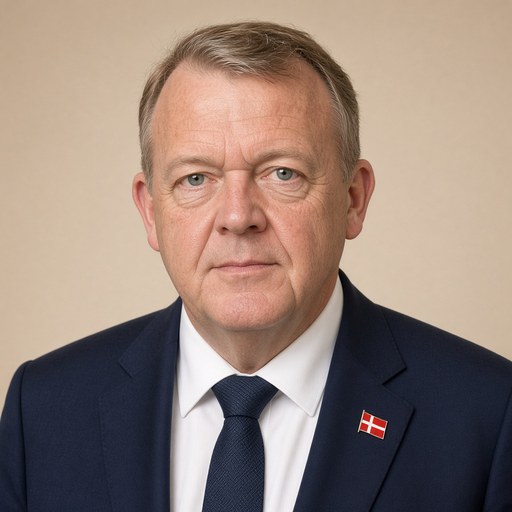
The Prime Minister's speech at VL-Døgn on January 24, 2011.
 Lars Løkke Rasmussen · Prime Minister of Denmark
- Context
- Rasmussen addressed the VL-Døgn 2011 business forum on January 24, 2011, outlining Denmark's reform agenda under the theme "Towards 2020."
- Main themes
- Economic recovery and reform, demographic challenges, global competitiveness, labor market reform, early retirement reform, public finances, business framework conditions, tax policy, labor supply, welfare sustainability, Denmark's future to 2020
- Duration
- ~15 min
- Words
- 1,767
- Sentences
- 138
- Readability
- 60
- Grade
- 7.8
- Syntax
- 2.55
- Vocabulary
- 1.99
Translated from Danish
The broad sphere of national life a sentence belongs to. Every sentence has an Arena, so it is the denominator the other indices are read against.
Other138 sentences in 45 paragraphs
Thank you for the invitation to open VL-Døgn 2011.
This year's VL-Døgn has the theme "Towards 2020." And it is short and clear that our common main task is to look ahead. The need to look beyond the present and into the future has never been greater than today.
* * *
For we are on our way out of the international economic crisis. We are facing a new future that we must grapple with. We are in a new era.
And I can identify three significant things that distinguish the time after the crisis from the time before the crisis:
First, the crisis has further tipped the global balance. While Denmark and Europe became poorer during the crisis, China and India continued to grow richer. China overtook Germany as the world's largest exporter. China overtook the USA as the world's largest market for cars. We are thus facing both tougher competition and new market opportunities.
Second, we are faced with a demand for greater economic responsibility after the crisis than we saw before the crisis. Today, there is great confidence in the Danish economy – as shown by the low interest rates. Because we have pursued the necessary policies in Denmark.
But confidence will be weakened again if we continue to avoid the necessary reforms. If we let things be, we will steadily be pulled towards unhealthy economics, growing debt, higher interest rates, and loss of jobs.
Third, there is the well-known challenge that is also becoming stronger after the crisis: That we are fewer to carry the load. Right now, demographics are changing. We have talked about this as something theoretical. Now it is becoming very practical and immediate. We have fewer young people and more elderly. Every time five leave the labor market to retire, only four are ready to take over. Already today, only half of Danes are working.
It is against this difficult backdrop that we must create new jobs, new development, and new dynamics. This marks a break from the time before the crisis. The conditions have fundamentally changed.
* * *
We are in new times. We must realistically acknowledge this. We must be open about it.
And I have a strong feeling that the Danes have recognized that times have changed. We saw this during the crisis. The Danes accepted the necessary tightening with the recovery package, where politicians, for the first time in recent political history, did not give anything but took something. We see this in the reception of the retirement reform. I presented the idea in my New Year's speech. And I must admit that I have been positively surprised that the Danes are as relatively reform-minded as it has turned out. Yes, there are even parts of the labor movement that are ready to discuss early retirement. Parts of the labor movement...
* * *
My message is clear: When we need to ensure high prosperity and lasting welfare, there is only one viable path: The reform path.
And the alternative, doing nothing, does not ensure the status quo, but rather a deterioration of core welfare.
Fundamentally, Denmark can only live off one thing: The earnings created in businesses.
The division of labor should be clear: Business leaders must be creative. You must be forward-looking. You must show leadership. So you can earn money and currency for Denmark.
And the government's and Parliament's task is to provide the framework for you to do that. So you can stand the distance internationally. And that requires continuous reforms.
Therefore, the government has lowered the tax on work in three rounds, fully financed each time, so that more have a greater interest in getting to work. Therefore, we have lowered corporate tax so that you can compete better. Therefore, we have implemented an unemployment benefit reform so that you can better get the workforce you need.
Therefore, we have made it easier for skilled foreigners to come to Denmark. Ten years ago, just under 12,000 foreigners came to Denmark to work and study. Now about 45,000 come each year. That is almost four times as many.
And most recently, we have improved the researcher tax scheme, making it more attractive.
Tomorrow, we will present a retirement reform, where a central element is that we gradually phase out early retirement. This will free up money in the public economy to ensure healthy public finances and to secure core welfare. And it will mean that we will have more people to carry the load and earn the money.
In the future, the government will continue the reform policy. So we increase the labor supply. So we keep taxes stable. So we maintain healthy public finances. So we ensure good framework conditions for private companies.
It is the task of a responsible government: To provide the framework for all of Denmark's businesses to participate in a positive development. So that the entire business community, not just selected sectors, can create jobs, earnings, and dynamics. For there is no single sector that can drive the entire development.
We politicians, on the other hand, are not the right ones to identify winning industries, winning technologies, and winning products. It is your task to become the best in the market. It is the companies' task.
But that said, there are also areas where the public sector has a special role. And where Denmark historically stands stronger than other countries. That is also my message today: We must take advantage of the fact that the countries that now have an appetite for prosperity like ours will demand exactly what we are best at – food, elder care, health, and green technology. Of course, we must do that.
One of the things we can do in Denmark is to provide public welfare services. In other countries, where they have had a tradition of families caring for the elderly, and where they are now industrializing and developing into modern societies, they will need Danish expertise. The Chinese talk about the "4-2-1" problem, where one child must take care of two parents and four grandparents!
I do not wish to repeat historical mistakes with system export, where Danish mayors travel to Brazil, Singapore, and China to start running public nursing homes. That idea has been tried. It did not work.
No, we must develop a more dynamic collaboration between the public sector and private companies and create a private platform. Both to create dynamics at home, so we can make tax kroner stretch further. And so we can export welfare technology and welfare services. And by "we," I do not mean the country's politicians, but rather people like you, who can figure out how to export to the markets that are waiting for us.
This is a development that the government is pushing with the 3 billion kroner we have allocated for investments in labor-saving technology. Targeted money to develop technologies in collaboration between the public and private sectors. In health. In welfare.
Another area where Denmark has something special is the entire green sector. Here, too, the public sector plays a special role. We have set some clear political goals. Later in the spring, we will put funds behind them. And therefore, we know that there will be demand for many years to come. The government's goal is that we should be independent of fossil fuels by 2050. And global demand will increase significantly in the coming years.
To reach the goal, we must research, develop, test, and demonstrate new technologies. Denmark as a green technology laboratory will create new jobs and new earnings. We are already among the best in wind turbines, biomass, hydrogen, and fuel cells. This is a position we must build upon. A strength we must unfold.
A third area is public research. We have increased investments in public research by about five billion kroner over the past five years. So it now constitutes more than one percent of our total production. So we now more than meet the Barcelona target. We should not spread the money thinly over everything. We should use the money where we get the most out of it. Where we are already skilled: energy, environment, health, welfare, and food.
For there is congestion in the international markets. There is only room for the very best. Only the most skilled can see market opportunities in time and create "exponential growth," as stated in the presentation for VL-Døgn.
The discussion of long-term challenges takes place on several levels. I just came from a week that has largely been focused on growth:
On Wednesday and Thursday, I was in London for a summit of heads of state and government from the United Kingdom, the five Nordic countries, and the three Baltic countries.
At the meeting, we discussed the common challenges facing the Northern European economies. It is important that we draw inspiration from abroad. Conversely, other countries are interested in our Danish experiences. What struck me at the meeting in London was the great interest in Danish energy technology.
From the Danish side, several members of the Growth Forum participated in the meeting in London. On Friday, we continued the growth discussion at a meeting in our own Growth Forum.
Here, we began the discussion of the main conclusions for the work of the Growth Forum. Growth Forum members Lars Nørby Johansen and Jørgen Elmeskov had been responsible for the work on a first draft of the main conclusions, which formed the basis for the discussion. This led to a very interesting discussion.
It is indeed a completely united Growth Forum that has identified the ten barriers we must overcome to restore growth and prosperity creation across all borders. But with the very broad composition of the Growth Forum, there may well be disagreement about how we can overcome one or more of the barriers.
Over the past year and a half, the Growth Forum has discussed all important topics relevant to growth and job creation. From primary schools to universities. From green growth to recruiting foreign labor.
Areas where the division of labor must again be the same: The government provides the responsible foundation so that you businesses have a solid basis for creating jobs and earnings.
I will not preempt the final strategy from the Growth Forum. But an unshakeable prerequisite is the need for healthy public finances. There is no miracle cure, no snap of the fingers that will make growth unfold. But there is one crucial foundation: Healthy public finances. For it is and will remain impossible to borrow one's way to welfare.
Have a good VL-Døgn!
The original Danish. The tags above are read on the English translation's sentences.
Tak for invitationen til at åbne VL-Døgn 2011.
Årets VL-Døgn har overskriften ”mod 2020”. Og det er kort og klart vores fælles hovedopgave at se fremad. Behovet for at se ud over nuet og ind i fremtiden har aldrig været større end i dag.
* * *
For vi er på vej ud af den internationale økonomiske krise. Vi står over for en ny fremtid, som vi skal tage livtag med. Vi står i en ny tid.
Og jeg kan få øje på tre markante ting, som skiller tiden efter krisen fra tiden før krisen:
For første har krisen yderligere fået verdensbilledet til at tippe. Mens Danmark og Europa blev fattigere under krisen, blev Kina og Indien fortsat rigere. Kina overhalede Tyskland som verdens største eksportør. Kina overhalede USA som verdens største marked for biler. Vi får altså både hårdere konkurrence og nye markedsmuligheder.
For det andet står vi med et krav om større økonomisk ansvarlighed efter krisen, end vi så det før krisen. I dag er der stor tillid til dansk økonomi – det viser de lave renter. Fordi vi har ført den nødvendige politik i Danmark.
Men tilliden vil blive svækket igen, hvis vi fremover går uden om de nødvendige reformer. Hvis vi lader stå til, vil vi støt og roligt blive trukket i retning af usund økonomi, voksende gæld, højere renter og tab af arbejdspladser.
For det tredje er der den kendte udfordring, som også bliver stærkere efter krisen: At vi bliver færre om at trække læsset. Netop i disse år vender demografien. Det har vi talt om som noget teoretisk. Nu bliver det meget praktisk og nærværende. Vi bliver færre unge og flere ældre. Hver gang fem forlader arbejdsmarkedet for at gå på pension, står der kun fire klar til at tage over. Allerede i dag er det kun halvdelen af danskerne, der arbejder.
Det er på den svære baggrund, at vi skal skabe nye job, ny udvikling og ny dynamik. Her er tale om et brud med tiden forud for krisen. Vilkårene er grundlæggende ændret.
* * *
Vi står i nye tider. Det skal vi realistisk erkende. Det skal vi være åbne om.
Og jeg står med en stærk følelse af, at danskerne har erkendt, at tiderne er skiftet. Det så vi under krisen. Danskerne tog pænt imod de nødvendige stramninger med genopretningspakken, hvor politikerne, for første gang i nyere politisk historie, ikke gav noget, men tog noget. Det ser vi i modtagelsen af tilbagetrækningsreformen. Jeg fremlagde idéen i min nytårstale. Og jeg må indrømme, at det har overrasket mig positivt, at danskerne er så relativt reformvillige, som det har vist sig. Ja, der er ligefrem dele af fagbevægelsen, der er klar til at diskutere efterløn. Dele af fagbevægelsen...
* * *
Mit budskab er klart: Når vi skal sikre høj velstand og varig velfærd, så er der kun én farbar vej: Reformvejen.
Og alternativet, det at gøre ingenting, sikrer ikke status quo, men derimod en nedslidning af kernevelfærden.
Grundlæggende kan Danmark kun leve af én ting: Af den indtjening, der bliver skabt i virksomhederne.
Arbejdsdelingen bør være klar: I erhvervsledere skal være kreative. I skal være fremsynede. I skal udvise ledelse. Så I kan tjene penge og valuta til Danmark.
Og regeringens og Folketingets opgave er så at levere rammerne for, at I kan gøre det. For at I kan stå distancen internationalt. Og det kræver stadige reformer.
Derfor har regeringen sat skatten på arbejde ned ad tre omgange, fuldt finansieret hver gang, så flere har en større interesse i at tage fat. Derfor har vi sat selskabsskatten ned, så I bedre kan konkurrere. Derfor har vi gennemført en dagpengereform, så I bedre kan få den arbejdskraft, I har brug for.
Derfor har vi gjort det lettere for dygtige udlændinge at komme til Danmark. For 10 år siden kom der knap 12.000 udlændinge til Danmark for at arbejde og studere. Nu kommer der omkring 45.000 hvert år. Det er næsten fire gange så mange.
Og senest har vi forbedret forskerskatteordningen, så den er blevet mere attraktiv.
I morgen fremlægger vi en tilbagetrækningsreform, hvor et centralt element er, at vi gradvist afvikler efterlønnen. Det vil frigøre penge i den offentlige økonomi til at sikre sunde offentlige finanser og til at sikre kernevelfærden. Og det vil betyde, at vi bliver flere til at trække læsset og tjene pengene.
Fremover vil regeringen fortsætte reformpolitikken. Så vi øger arbejdsudbuddet. Så vi holder skatten i ro. Så vi fastholder sunde offentlige finanser. Så vi sikrer gode rammevilkår for de private virksomheder.
Det er en ansvarlig regerings opgave: At levere rammerne for, at alle Danmarks virksomheder kan komme med i en positiv udvikling. Så hele erhvervslivet, ikke kun udvalgte sektorer, kan skabe jobs, indtjening og dynamik. For der findes ikke én enkelt sektor, der kan trække hele udviklingen.
Vi politikere er derimod ikke de rette til at udpege vinderbrancher, vinderteknologier og vinderprodukter. Det er jeres opgave at blive de bedste på markedet. Det er virksomhedernes opgave.
Men når det er sagt, så er der også områder, hvor det offentlige har en særlig rolle. Og hvor Danmark historisk står stærkere end andre lande. Det er også mit budskab i dag: Vi skal udnytte, at de lande, der nu har appetit på en velstand som vores, vil efterspørge netop det, som vi er de bedste til – fødevarer, ældrepleje, sundhed og grøn teknologi. Selvfølgelig skal vi det.
Noget af det, vi kan i Danmark, det er at lave offentlig velfærdservice. I andre lande, hvor de har haft en tradition for, at familierne passede de ældre, og hvor de nu industrialiserer og udvikler sig til moderne samfund, dér får de brug for dansk ekspertise. Kineserne taler om ”4-2-1”-problematikken, hvor ét barn skal tage sig af to forældre og fire bedsteforældre!
Jeg ønsker ikke at gentage historiske fejltagelser med systemeksport, hvor danske borgmestre skal rejse til Brasilien og Singapore og Kina og begynde at drive offentlige plejehjem. Den idé er prøvet. Den holdt ikke hjem.
Nej, vi skal udvikle et mere dynamisk samarbejde mellem det offentlige og de private virksomheder og skabe en privat platform. Både for at skabe dynamik herhjemme, så vi kan få skattekronerne til at række videre. Og så vi kan eksportere velfærdsteknologi og velfærdsservice. Og med ”vi” mener jeg ikke landets politikere, men derimod folk som jer, der kan finde ud af at eksportere til de markeder, som venter på os.
Det er en udvikling, som regeringen skubber på med de 3 milliarder kroner, vi har afsat til investeringer i arbejdskraftbesparende teknologi. Målrettede penge til at udvikle teknologier i samarbejde mellem det offentlige og private virksomheder. Inden for sundhed. Inden for velfærd.
Et andet område, hvor Danmark kan noget særligt er jo hele det grønne område. Også her indtager det offentlige en særlig rolle. Vi har sat nogle klare politiske mål. Længere hen på foråret sætter vi midler bag. Og derfor ved vi, at der vil være efterspørgsel mange år frem. Regeringen har det mål, at vi skal være uafhængige af fossile brændsler i 2050. Og den globale efterspørgsel vil stige markant i de kommende år.
For at nå målet skal vi forske, udvikle, afprøve og demonstrere nye teknologier. Danmark som et grønt teknologilaboratorium vil give nye arbejdspladser og ny indtjening. Vi er allerede blandt de bedste inden for vindmøller, biomasse, brint og brændselsceller. Det er en placering, vi skal bygge videre på. En styrke, vi skal folde ud.
Et tredje område er den offentlige forskning. Vi har løftet investeringerne i offentlig forskning med cirka fem milliarder kroner over de seneste fem år. Så den nu udgør mere end én procent af vores samlede produktion. Så vi nu mere end opfylder Barcelona-målsætningen. De mange penge skal vi ikke smøre tyndt ud over alting. Vi skal bruge pengene, hvor vi får mest ud af dem. Dér hvor vi i forvejen er dygtige: energi, miljø, sundhed, velfærd og fødevarer.
For der er trængsel på de internationale markeder. Der er kun plads til de allerbedste. Kun de allerdygtigste kan se markedsmulighederne i tide og skabe ”eksponentiel vækst”, som der står i oplægget til VL-Døgnet.
Diskussionen af de langsigtede udfordringer foregår på flere planer. Jeg kommer lige fra en uge, som i høj grad har stået i vækstens tegn:
Onsdag og torsdag var jeg i London til et topmøde for stats- og regeringscheferne for Storbritannien, de fem nordiske og de tre baltiske lande.
På mødet drøftede vi de fælles udfordringer, som de nordeuropæiske økonomier står over for. Det er vigtigt, at vi henter inspiration udefra. Og omvendt er andre lande interesserede i vores danske erfaringer. Det, der slog mig på mødet i London, var den store interesse for dansk energiteknologi.
Fra dansk side deltog en række af Vækstforums medlemmer i mødet i London. Fredag fortsatte vi vækstdiskussionen på et møde i vores eget Vækstforum.
Her tog vi hul på diskussionen af hovedkonklusionerne for Vækstforums arbejde. Vækstforums medlemmer Lars Nørby Johansen og Jørgen Elmeskov havde stået for arbejdet med et første udkast til hovedkonklusionerne, som dannede grundlag for drøftelsen. Det kom der en meget interessant diskussion ud af.
Det er jo et helt enigt Vækstforum, der på tværs af alle grænser har identificeret de ti barrierer, som vi skal hoppe over, når vi skal have væksten og velstandsskabelsen tilbage. Men med Vækstforums meget brede sammensætning kan der jo godt være uenighed om, hvordan vi kommer over en eller flere af barriererne.
Vækstforum har gennem de sidste halvandet år drøftet alle vigtige emner af betydning for vækst og jobskabelse. Fra folkeskole til universiteter. Fra grøn vækst til rekruttering af udenlandsk arbejdskraft.
Områder, hvor arbejdsdelingen igen må være den samme: Regeringen leverer det ansvarlige grundlag, så I virksomheder har et solidt fundament for at skabe jobs og indtjening.
Jeg skal ikke foregribe den færdige strategi fra Vækstforum. Men en urokkelig forudsætning er behovet for sunde, offentlige finanser. Der findes ikke én mirakelkur, ikke ét fingerknips, der får væksten til at folde sig ud. Men der er ét afgørende grundlag: Sunde offentlige finanser. For det er og bliver umuligt at låne sig til velfærd.
Godt VL-Døgn!