




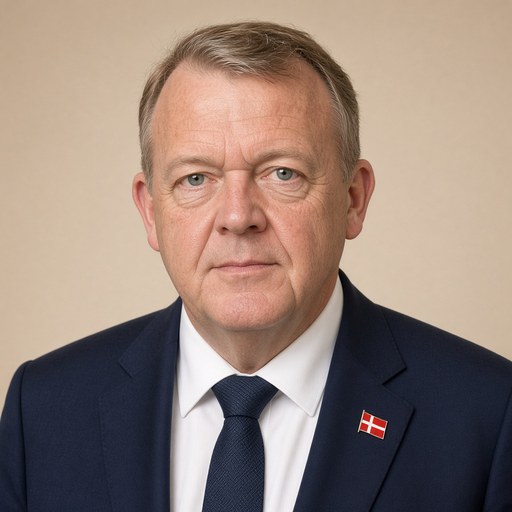
Prime Minister's speech at the unveiling of the cornerstone of the "Monument for Denmark's International Efforts since 1948" on April 7, 2011.
 Lars Løkke Rasmussen · Prime Minister of Denmark
- Context
- Rasmussen addressed veterans and guests at the cornerstone unveiling of Denmark's Monument for International Efforts since 1948, in Copenhagen on April 7, 2011.
- Main themes
- Denmark's international military missions, recognition of veterans and deployed personnel, monument dedication, international solidarity, sacrifice and family support, Danish foreign policy contributions, Libya intervention, Afghanistan mission, UN peacekeeping history since 1948
- Duration
- ~7 min
- Words
- 797
- Sentences
- 59
- Readability
- 59
- Grade
- 8.3
- Syntax
- 2.51
- Vocabulary
- 2.00
Translated from Danish
The broad sphere of national life a sentence belongs to. Every sentence has an Arena, so it is the denominator the other indices are read against.
Other59 sentences in 26 paragraphs
Honored veterans, honored guests. Let me begin by thanking the monument committee for the great work that has made it possible for us to stand here today.
Today is a special day for Denmark.
Today we unveil the cornerstone of "The Monument to Denmark's International Efforts since 1948."
1948 is the starting year. For that was the year Denmark participated in the first UN mission. It was in the Middle East. It was a few years after Denmark's liberation. A liberation that was only possible because a number of countries stood together against the occupying power.
Many Danes can still remember that time. A time when one could see what international solidarity can achieve. A solidarity based on fundamental values: humanity, equality, freedom. A solidarity against the barbaric view of humanity held by Nazism.
We saw that international solidarity is necessary. That was Denmark's starting point for participating in international missions after the war. To fight for the values that we believe are important and right. To take responsibility for the world.
And thus, Denmark has gained an influence in the world that far exceeds what one might expect from a country with five and a half million inhabitants. This is not least due to Denmark's efforts in Afghanistan.
As President Obama expressed during my visit to the White House last month: "Danish soldiers fight unreservedly in some of the toughest areas."
Denmark has done this since 1948. Denmark must continue to do this in the future. The monument has a starting year. But it has no ending year. There is a good reason for that!
The international community's resolute intervention in Libya against Gaddafi's abuses of his own people is just the latest example of why there is a good reason for there to be no ending year.
We must also take international responsibility in the future. We must also put action behind our words in the future. We must also take on new tasks and new missions in the future.
As will be inscribed on the granite-clad walls when they are erected, there will also be in the future "A time" and "A place."
And crucially, there is also "A person." Behind each deployed individual is a person. A person with a name. A person with a family.
A time. A place. A person. The three words will be carved in granite.
On the walls of the monument, one will also be able to read the many names of missions in which Danish women and men have participated since 1948.
Since 1948, there have been more than 90,000 deployments, where Danes have made an effort that deserves the respect and recognition that the monument represents. 90,000 deployments! - That is more than the number of inhabitants in Esbjerg.
If each deployed individual has just 6 relatives - mother, father, sister or brother, grandparents, partner, and friends - then more than half a million relatives have been or are still affected by a family member's deployment. That is about every 10th Dane - or all the inhabitants of Aalborg, Aarhus, Odense, and Roskilde - combined.
The support of the relatives is crucial for the deployed individual. The support of the relatives deserves the utmost respect. The monument is also a monument for the relatives.
The efforts of Danes all over the world have helped families, children, and adults to a better everyday life.
An effort that is in no way without danger. An effort associated with great risk. An effort where our deployed individuals and their relatives have, in the worst case, paid the highest price.
All the more admirable is it that our deployed individuals, despite this risk, carry out their tasks excellently every single day.
When I, during my visits to Afghanistan, repeatedly see the sparkle in the soldiers' eyes, their "can-do spirit," and feel their professionalism and clarity, they stand for me as an example for all of us to follow.
With the monument, we have the opportunity as a nation to honor them all.
The monument will be a visible testament to the recognition and respect that we as Danes feel for the efforts that have been made and will be made by those deployed from the armed forces, from the police, from the emergency response corps, and from other parts of official Denmark.
It is their efforts that allow us to stand here today. That we can today unveil the cornerstone of a monument for Denmark's international responsibility. For an effort that has given Denmark recognition and credibility far beyond our borders. Therefore, I am proud that on behalf of the Danes, I can unveil the cornerstone of the monument, so that everyone can see that this monument is "Erected by the Danish people."
Today is a special day for Denmark.
The original Danish. The tags above are read on the English translation's sentences.
Ærede veteraner, ærede gæster. Lad mig indlede med at sige monumentkomiteen tak for det store arbejde, som har gjort det muligt for os at stå her i dag.
I dag er en særlig dag for Danmark.
I dag afslører vi grundstenen til ”Monumentet over Danmarks Internationale Indsats siden 1948”.
1948 er udgangsåret. For det var det år, Danmark deltog i den første FN-mission. Det var i Mellemøsten. Det var få år efter Danmarks befrielse. En befrielse, der kun var mulig, fordi en række lande stod sammen mod besættelsesmagten.
Mange danskere kan fortsat huske den tid. En tid, hvor man så, hvad internationalt sammenhold kan udrette. Et sammenhold om helt grundlæggende værdier: medmenneskelighed, ligeværd, frihed. Et sammenhold mod nazismens barbariske menneskesyn.
Vi så, at internationalt sammenhold er nødvendigt. Det var Danmarks udgangspunkt for selv at deltage i internationale missioner efter krigen. For at kæmpe for de værdier, som, vi mener, er vigtige og rigtige. For at tage et ansvar for verden.
Og dermed har Danmark fået en indflydelse på verden, som langt overstiger, hvad man kan forvente af et land med fem en halv millioner indbyggere. Det er ikke mindst på grund af Danmarks indsats i Afghanistan.
Som præsident Obama udtrykte det under mit besøg i Det Hvide Hus i sidste måned: ”Danske soldater kæmper uden forbehold i nogle af de sværeste områder.”
Det har Danmark gjort siden 1948. Det skal Danmark gøre i fremtiden. Monumentet har et startår. Men det har intet slutår. Det er der en god grund til!
Det internationale samfunds resolutte indgriben i Libyen mod Gaddafis overgreb mod sin egen befolkning er blot det seneste eksempel på, at der er en god grund til, at der ikke er et slutår.
Vi skal også i fremtiden tage et internationalt ansvar. Vi skal også i fremtiden sætte handling bag ordene. Vi skal også i fremtiden påtage os nye opgaver og nye missioner.
Som det vil stå på de granitklædte mure, når de er rejst, er der også i fremtiden ”En tid” og ”Et sted”.
Og helt afgørende er der også ”Et menneske”. Bag hver enkel udsendt er et menneske. Et menneske med et navn. Et menneske med en familie.
En tid. Et sted. Et menneske. De tre ord vil blive mejslet i granit.
På monumentets vægge vil man også kunne læse de mange navne på missioner, hvor danske kvinder og mænd har deltaget siden 1948.
Det er siden 1948 blevet til mere end 90.000 udsendelser, hvor danskere har ydet en indsats, der fortjener den respekt og den anerkendelse, som monumentet er udtryk for. 90.000 udsendelser! - Det er flere, end der er indbyggere i Esbjerg.
Hvis hver udsendt har bare 6 pårørende - mor, far, søster eller bror, bedsteforældre, kæreste og venner - så har mere end en halv million pårørende været eller er fortsat berørt af et familiemedlems udsendelse. Det er ca. hver 10. dansker - eller alle indbyggere i Aalborg, Århus, Odense og Roskilde - Tilsammen.
De pårørendes opbakning er helt afgørende for den udsendte. De pårørendes opbakning fortjener den største respekt. Monumentet er også de pårørendes monument.
Danskeres indsats over alt i verden har hjulpet familier, børn og voksne, til en bedre hverdag.
En indsats, som på ingen måde er ufarlig. En indsats forbundet med en stor risiko. En indsats, hvor vores udsendte og deres pårørende i værste fald har betalt den højeste pris.
Så meget desto mere beundringsværdigt er det, at vore udsendte trods denne risiko hver eneste dag løser deres opgave på fremragende vis.
Når jeg under mine besøg i Afghanistan igen og igen ser soldaternes glimt i øjet, deres ”gå på mod” og mærker deres professionalisme og deres afklarethed, så står de for mig som et eksempel til efterlevelse for os alle sammen.
Med monumentet får vi mulighed for som nation at ære dem alle.
Monumentet bliver et synligt bevis på den anerkendelse og den respekt, vi som danskere føler for den indsats, der er ydet og vil blive ydet af udsendte fra forsvaret, fra politiet, fra beredskabskorpset og fra andre dele af det officielle Danmark.
Det er deres indsats, som gør at vi kan stå her i dag. At vi i dag kan afsløre grundstenen til et monument for Danmarks internationale ansvarlighed. For en indsats, der har givet Danmark anerkendelse og troværdighed langt ud over vores grænser. Derfor er jeg stolt over, at jeg på danskernes vegne kan afsløre monumentets grundsten, så alle kan se, at dette monument er ”Rejst af det danske folk”.
I dag er en særlig dag for Danmark.