




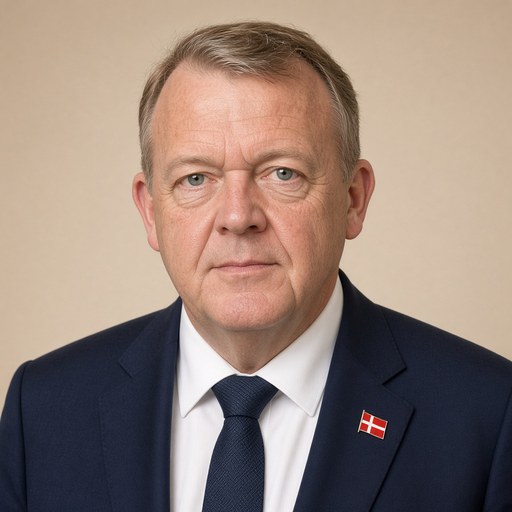
Prime Minister Lars Løkke Rasmussen's speech at the Crafts Council conference in Copenhagen on May 18, 2011.
 Lars Løkke Rasmussen · Prime Minister of Denmark
- Context
- Rasmussen addressed the Crafts Council conference in Copenhagen on May 18, 2011, discussing economic growth, fiscal reforms, and a historic retirement agreement.
- Main themes
- Economic growth, retirement reform, fiscal consolidation, small and medium businesses, public finance balance, welfare reform, early retirement scheme, government reform package, crafts and trades sector, student grant reform, flexible jobs, defense efficiency
- Duration
- ~19 min
- Words
- 2,255
- Sentences
- 204
- Readability
- 62
- Grade
- 7.1
- Syntax
- 2.42
- Vocabulary
- 2.07
Translated from Danish
The broad sphere of national life a sentence belongs to. Every sentence has an Arena, so it is the denominator the other indices are read against.
Other204 sentences in 82 paragraphs
Thank you for the invitation to speak at the Crafts Council's conference today.
I have been looking forward to this. For we live in an exciting time. A time when growth is starting to pick up again after the crisis. And where it is absolutely crucial that we include all businesses in the growth. Not least the smaller businesses.
The large companies have fared well through the crisis. But that is not where many jobs are generated. It is you – the smaller businesses – that will create the growth and jobs of the future.
The government provides you with a solid foundation for growth. With reforms that ensure order in the economy. With growth initiatives that improve your conditions. But in the end, it is you who create the growth. It cannot be designed from Christiansborg.
* * *
Friday, May 13, was a good day for Denmark.
The government, the Danish People's Party, and the Radical Left reached an agreement on a historic retirement reform.
The agreement was the result of intense and difficult negotiations – among the most important negotiations at Christiansborg in many, many years. Negotiations where we faced the great test of the parties in the Folketing – the great test of which parties would help ensure balance in public finances – and thereby ensure growth and welfare. And which parties would not participate.
We succeeded in getting a broad and responsible majority behind the agreement. And the agreement is so robust that it can withstand anything. It will not be shaken. The future looks significantly brighter for the Danes.
The agreement has three main elements:
First, we are moving the Welfare Agreement five years forward. We say that the increases in the early retirement and state pension age, which were agreed upon in 2006 between the government, the Social Democrats, the Danish People's Party, and the Radical Left, will take effect five years earlier. This is necessary.
Second, we are making the early retirement three years long. And we are making it more socially just. Danes who have little in pension savings will receive the most in early retirement. This is solidarity.
Third, we are introducing a senior early retirement pension for those who are worn out. The new senior early retirement pension applies to everyone. Not just those who are enrolled in the early retirement scheme. This is fairer.
The background for this historic agreement is that Denmark is challenged. We are challenged by 47 billion kroner. 47 billion kroner in 2020.
If we, mind you, dampen the growth in public spending in the coming years, and make room for private businesses to grow.
But if one cannot manage that task. If one allows the public sector to grow and grow and grow, then the seriousness is entirely different. Then the challenge is not 47 billion kroner. It is much greater. This also applies if one waits to dampen the growth in public spending until 2016, as the Social Democrats and the Socialist People's Party have proposed.
2016. That is too late. And it is also not very credible to say: We will get our act together in five years.
But for the government, the challenge is 47 billion kroner. With the recovery package, we secured 24 billion kroner. With the retirement reform, we will secure an additional 18 billion kroner.
On Monday afternoon, the government reached an agreement with the Danish People's Party and the Christian Democrats on how to find the last 5 billion kroner.
Efficiency improvements in defense will provide 2 billion kroner a year. A lower EU contribution will provide 1 billion kroner each year.
We have reached an agreement on the government's student grant reform. A reform that encourages young people to finish their studies faster. And at the same time improves public finances by 1 billion kroner in 2020.
We have reached an agreement on flexible jobs. In the future, the subsidy for flexible jobs will be given so that those with the lowest wages receive the largest subsidy, and so that it pays to work more hours. The agreement improves public finances by 1.4 billion kroner.
With these last important agreements in place, the government can draw a thick line under the result in the accounts for the Danish economy in 2020. And the components are not faith, hope, and debt, but real money. We ensure that core welfare and our other fixed expenses can be paid with fixed revenues. So we have room for four fresh billion for health, education, and research.
We have found a total of 47 billion kroner. Precisely 47.7 billion kroner. Because there must also be money for customs control at the Danish borders. And there must be money for the six hours that we want the small students to have in primary school. A proposal that I place great emphasis on.
The government has reached its goal. We have laid a cash long-term budget for Denmark.
* * *
The government's reform package is a growth plan. The reforms are the most significant contribution to growth in the Danish economy in many years.
For without reforms, there is not enough labor.
Without enough labor, there is no growth.
Without growth, there is no welfare.
First, the reforms of retirement, student grants, and flexible jobs ensure that around 75,000 more are employed in 2020.
Second, the reforms will certainly free up billions for selected areas – for education, for research, for health – not by cutting, but by reforming.
Third, we are now on track with public finances. We achieve balance between expenses and revenues in 2020. So we can keep taxes stable. So we can make room for private businesses to grow and create jobs.
These are significant improvements that will maintain confidence in the Danish economy. That will ensure jobs, sustainable growth, and lasting welfare.
I have heard the viewpoint that as long as we get growth going, the economic balance will likely follow. That sounds promising. But it is not that simple.
Growth does not automatically provide healthy public finances.
One cannot borrow, wish, or dream one’s way to growth. It requires real decisions.
I am a proponent of growth. But growth does not solve what is called the structural balance. Growth does not solve the fact that every time five leave the labor market, only four enter. We can only solve that through reforms.
When we take an extra turn in the labor market, we achieve both an improvement in public finances, and we get growth going.
We need growth. So we get jobs. So families get incomes.
Therefore, we must solve the problems in the right order. Sound economics is the foundation for sound growth. There is no shortcut.
* * *
The background is serious. We are in a new time after the international economic crisis.
When I became Prime Minister, it coincided with the effects of the crisis. The government implemented a series of offensive crisis packages. We have extended business credits. Reduced taxes on labor. Accelerated investments in infrastructure.
Public investments are now almost double what they were at the beginning of the 90s. And the investment level will continue to remain high leading up to 2020. With billion investments in the Metro City Ring, a fixed link over the Femern Belt, and new super hospitals.
The government’s crisis packages have worked. From all we know, unemployment has now peaked with 40,000 fewer than we feared.
But the crisis packages have also been expensive. Therefore, the government implemented the Recovery Package together with the Danish People's Party. We paid the immediate crisis bill. Kept interest rates down. And maintained confidence in the Danish economy.
Now we have taken the next crucial step.
In my New Year’s speech, I proposed a gradual phasing out of early retirement. On Friday evening, we reached the historic agreement on early retirement and pension age. On Monday, we finalized the agreement on the last 5 billion kroner that will make the finances balance penny for penny in 2020.
We have laid a cash long-term budget for Denmark. We have laid a solid foundation for future growth and welfare.
* * *
The government solves problems in the right order. Our next step is a series of growth initiatives that will support the progress and optimism that is emerging after the crisis. This is our most important task in the very near future.
The retirement reform meets the two most important recommendations from the government’s Growth Forum: To ensure order in the economy. And to secure labor for businesses.
Too little competition is also one of the challenges that the Growth Forum has pointed out. A month ago, we reached an agreement on a competition package. We are strengthening competition in the sectors that are significant in our economy. Construction, trade, services, and the public sector.
Here we are building on the government’s strategy to promote public-private cooperation. Where we make it easier for small and medium-sized enterprises to bid on public tasks. I encourage you to take advantage of this. We need your expertise when public tasks are to be solved in the best possible way.
We will not stop here. The government will negotiate a series of targeted initiatives in the coming time that create new growth and new jobs in the short term.
Growth is picking up again. There is growth in Denmark’s businesses. The government will provide further support for growth. We will primarily improve the growth conditions for small and medium-sized enterprises, where many have had a harder time emerging from the shadow of the crisis. We will improve your conditions.
Two out of three kroner of value added in the private sector is currently created by small and medium-sized enterprises. The vast majority of new jobs in Denmark will come from small and medium-sized enterprises. You must have the best conditions.
The government will focus efforts on five areas:
First, we will continue the fight against bureaucracy.
Since 2001, we have removed cumbersome regulations. We have simplified time-consuming procedures. We have implemented digital solutions. We have achieved our goal of reducing the administrative burdens on businesses by 25 percent in 2010.
This is a significant step. But it is not enough. Small businesses will be the focus of the government’s continued efforts.
Second, we must strengthen Danish exports to the rapidly growing economies in Asia and South America.
Third, we must attract more investments and companies from abroad – so we get high-productivity jobs to Denmark.
Fourth, we must leverage Denmark’s expertise in welfare technology and welfare services.
And fifth, we will intensify efforts to get even more people with immigrant backgrounds into work.
We have gotten our finances in order. We have secured stable revenues to cover fixed expenses. There is confidence in the future. There is reason for optimism.
Therefore, I have some fresh news for you today. The government will start negotiations this afternoon with the Danish People's Party and the Christian Democrats on a Housing Job Plan.
We want to expand the white market for repairs, maintenance of homes, and other services in the home. We aim to make a targeted effort to turn the black economy into the white economy.
One in five Danes has had construction and building work done illegally. One in ten has purchased cleaning or window washing services illegally.
If the tasks that are currently being done illegally move to the white market, it will give a much-needed boost to Denmark’s small and medium-sized enterprises. It will give a boost to you! It will create jobs that are needed. Also for people who have not taken a long theoretical education.
And it will give busy Danes a better opportunity to buy the help they need.
We have built our society in such a way that, on top of wage labor, we have to do things ourselves. Instead of doing what we are best at. On top of wage labor, Danes spend many hours on household chores. This puts pressure on families with children.
If illegal work and do-it-yourself work are shifted from families to businesses, it will both relieve families and create new jobs in the crafts and service sectors. Also for Danes who do not have a long education and are therefore struggling in the labor market.
We are now negotiating a Housing Job scheme that provides tax deductions for labor costs for help and repairs in the home. Initially as a trial scheme. Then we will see how it works. And decide whether it is something we want to continue.
The moment we finish the negotiations, legislation must be put in place. Because we need to create more demand. People should not have to wait for the scheme to come. Therefore, the law must be in place before the summer holidays.
I hope that you will welcome the new scheme. I am confident that it will generate good activity in your businesses.
* * *
Everyone talks about growth. Everyone supports growth. But the interesting question is whether the growth is sustainable. Here there is a clear dividing line in Danish politics.
The government’s reforms are a plan for growth that lasts. With the security it provides you businesses.
And with the reforms in place, we will soon launch a series of growth initiatives specifically aimed at businesses like yours. For it is you – the smaller businesses – that create by far the most jobs in Denmark.
Thank you for allowing me to be here today.
The original Danish. The tags above are read on the English translation's sentences.
Tak for invitationen til at tale på Håndværksrådets konference i dag.
Det har jeg glædet mig til. For vi lever i en spændende tid. En tid, hvor der er ved at komme gang i væksten igen efter krisen. Og hvor det er helt afgørende, at vi får alle virksomheder med i væksten. Ikke mindst de mindre virksomheder.
De store virksomheder har klaret sig godt gennem krisen. Men det er ikke dér, der genereres mange arbejdspladser. Det er jer – de mindre virksomheder – der skal skabe fremtidens vækst og arbejdspladser.
Regeringen giver jer et solidt fundament under væksten. Med reformer, der sikrer orden i økonomien. Med vækstinitiativer, der forbedrer jeres vilkår. Men i sidste ende er det jer, der skaber væksten. Den kan ikke designes fra Christiansborg.
* * *
Fredag den 13. maj var en god dag for Danmark.
Regeringen, Dansk Folkeparti og Det Radikale Venstre blev enige om en historisk aftale om en tilbagetrækningsreform.
Aftalen var resultatet af intense og vanskelige forhandlinger – af de vigtigste forhandlinger på Christiansborg i mange mange år. Forhandlinger, hvor vi stod over for den store test af Folketingets partier – den store test af, hvilke partier der ville være med til at sikre balance på de offentlige finanser – og derigennem sikre vækst og velfærd. Og hvilke partier der ikke ville være med.
Det lykkedes at få et bredt og ansvarligt flertal bag aftalen. Og aftalen er så robust, at den kan modstå hvad som helst. Den bliver der ikke rokket ved. Fremtiden ser væsentligt lysere ud for danskerne.
Aftalen har tre hovedelementer:
For det første rykker vi Velfærdsaftalen fem år frem. Vi siger, at de forhøjelser af efterløns- og folkepensionsalderen, som i 2006 blev aftalt mellem regeringen, Socialdemokratiet, Dansk Folkeparti og Det Radikale Venstre, skal træde i kraft fem år tidligere. Det er nødvendigt.
For det andet gør vi efterlønnen tre-årig. Og vi gør den mere socialt retfærdig. De danskere, der kun har lidt i pensionsopsparing, får mest i efterløn. Det er solidarisk.
For det tredje indfører vi en seniorførtidspension for nedslidte. Den nye seniorførtidspension gælder for alle. Ikke kun for dem, der er tilmeldt efterlønsordningen. Det er mere fair.
Baggrunden for denne historiske aftale er, at Danmark er udfordret. Vi er 47 mia. kr. udfordret. 47 mia. kr. i 2020.
Hvis vi vel at mærke dæmper væksten i de offentlige udgifter i de kommende år, og giver plads til, at de private virksomheder kan vokse.
Men hvis man ikke magter den opgave. Hvis man lader den offentlige sektor vokse og vokse og vokse, så er alvoren en helt anden. Så er udfordringen ikke 47 mia. kr. Så er den langt større. Det gælder også, hvis man venter med at dæmpe væksten i de offentlige udgifter til 2016, som Socialdemokraterne og Socialistisk Folkeparti har foreslået det.
2016. Det er for sent. Og det er heller ikke særlig troværdigt at sige: Vi tager os sammen om fem år.
Men for regeringen er udfordringen 47 mia. kr. Med genopretningspakken skaffede vi 24 mia. kr. Med tilbagetrækningsreformen skaffer vi yderligere 18 mia. kr.
Mandag eftermiddag blev regeringen så enig med Dansk Folkeparti og Kristendemokraterne om, hvordan vi finder de sidste 5 mia. kr.
Effektiviseringer i forsvaret giver 2 mia. kr. om året. Et lavere EU-bidrag giver 1 mia. kr. hvert år.
Vi har indgået en aftale om regeringens SU-reform. En reform, hvor vi tilskynder de unge til at blive hurtigere færdige med studierne. Og samtidig forbedrer de offentlige finanser med 1 mia. kr. i 2020.
Vi har indgået en aftale om fleksjob. Fremover skal tilskuddet til fleksjob gives, så personer med lavest løn får det største tilskud, og så det kan betale sig at arbejde flere timer. Aftalen forbedrer de offentlige finanser med 1,4 mia. kr.
Med disse sidste vigtige aftaler på plads kan regeringen sætte to tykke streger under facit i regnestykket for dansk økonomi i 2020. Og komponenterne er ikke tro, håb og gældsætning, men rigtige penge. Vi sikrer, at kernevelfærden og vores andre faste udgifter, kan betales med faste indtægter. Så vi får plads til fire friske milliarder til sundhed, uddannelse og forskning.
Vi har fundet i alt 47 mia. kr. Helt præcist 47,7 mia. kr. For der skal også være penge til toldkontrol ved de danske grænser. Og der skal være penge til de seks timer, som vi ønsker de små elever skal have i folkeskolen. Et forslag, som jeg lægger meget stor vægt på.
Regeringen er i mål. Vi har lagt et kontant langtidsbudget for Danmark.
* * *
Regeringens reformpakke er en vækstplan. Reformerne er det betydeligste vækstbidrag til dansk økonomi i mange år.
For uden reformer, ikke tilstrækkelig arbejdskraft.
Uden tilstrækkelig arbejdskraft, ingen vækst.
Uden vækst, ingen velfærd.
For det første sikrer reformerne af tilbagetrækning, SU og fleksjob, at omkring 75.000 flere er i job i 2020.
For det andet frigør reformerne med sikkerhed milliarder til udvalgte områder – til uddannelse, til forskning, til sundhed – ikke ved at skære, men ved at reformere.
For det tredje er vi nu i mål med de offentlige finanser. Vi opnår balance mellem udgifter og indtægter i 2020. Så vi kan holde skatten i ro. Så vi kan give plads til, at de private virksomheder kan vokse og skabe arbejdspladser.
Det er markante forbedringer, som vil fastholde tilliden til dansk økonomi. Som vil sikre arbejdspladser, holdbar vækst og varig velfærd.
Jeg har hørt det synspunkt, at bare vi får gang i væksten, så følger den økonomiske balance nok efter. Det lyder forjættende. Men det er ikke så enkelt.
Vækst giver ikke af sig selv sunde offentlige finanser.
Man kan ikke låne, ikke ønske, ikke drømme sig til vækst. Det kræver rigtige beslutninger.
Jeg er tilhænger af vækst. Men vækst løser ikke det, man kalder den strukturelle balance. Vækst løser ikke, at hver gang fem forlader arbejdsmarkedet, er der kun fire, der træder ind. Det kan vi kun løse ved reformer.
Når vi tager en ekstra tørn på arbejdsmarkedet, så opnår vi både en forbedring af de offentlige finanser, og vi får gang i væksten.
Vi skal have vækst. Så vi får arbejdspladser. Så familierne får indkomster.
Derfor skal vi løse problemerne i den rigtige rækkefølge. Sund økonomi er grundlaget for sund vækst. Der findes ingen genvej.
* * *
Baggrunden er alvorlig. Vi står i en ny tid efter den internationale økonomiske krise.
Da jeg blev statsminister faldt det sammen med virkningerne af krisen. Regeringen gennemførte en stribe af offensive krisepakker. Vi har forlænget erhvervskreditter. Lettet skatten på arbejde. Fremrykket investeringer i infrastruktur.
De offentlige investeringer er nu næsten dobbelt så store som i begyndelsen af 90’erne. Og investeringsniveauet vil fortsat ligge på det høje niveau frem mod 2020. Med milliardinvesteringer i Metro Cityring, en fast forbindelse over Femern Bælt og nye supersygehuse.
Regeringens krisepakker har virket. Efter alt hvad vi ved, er ledigheden nu toppet med 40.000 færre, end vi frygtede.
Men krisepakkerne har også været dyre. Derfor gennemførte regeringen Genopretningspakken sammen med Dansk Folkeparti. Vi betalte den umiddelbare kriseregning. Holdt renten nede. Og bevarede tilliden til dansk økonomi.
Nu har vi taget det næste afgørende skridt.
I min nytårstale foreslog jeg en gradvis udfasning af efterlønnen. Fredag aften indgik vi den historiske aftale om efterløn og pensionsalder. Mandag kom vi i mål med aftalen om de sidste godt 5 mia. kr., der får pengene til at passe krone for krone i 2020.
Vi har lagt et kontant langtidsbudget for Danmark. Vi har lagt et solidt fundament under fremtidens vækst og velfærd.
* * *
Regeringen løser problemerne i den rigtige rækkefølge. Vores næste skridt er en række vækstindsatser, der skal understøtte den fremgang og optimisme, som spirer frem efter krisen. Det er vores vigtigste opgave i den allernærmeste tid.
Tilbagetrækningsreformen imødekommer de to vigtigste anbefalinger fra regeringens Vækstforum: At sikre orden i økonomien. Og at skaffe arbejdskraft til virksomhederne.
For lidt konkurrence er også en af de udfordringer, som Vækstforum har peget på. For en måned siden indgik vi en aftale om en konkurrencepakke. Vi styrker konkurrencen i de sektorer, der fylder meget i vores økonomi. Byggeri, handel, service og den offentlige sektor.
Her bygger vi videre på regeringens strategi til at fremme offentligt-privat samarbejde. Hvor vi gør det lettere for små og mellemstore virksomheder at byde ind på offentlige opgaver. Det vil jeg opfordre jer til at gøre brug af. Vi har brug for jeres ekspertise, når de offentlige opgaver skal løses bedst muligt.
Vi stopper ikke her. Regeringen vil i den kommende tid forhandle en række målrettede indsatser, der skaber ny vækst og nye jobs på kort sigt.
Der er igen gang i væksten. Der er grøde i Danmarks virksomheder. Regeringen vil give væksten yderligere grobund. Vi vil først og fremmest forbedre vækstvilkårene for de små og mellemstore virksomheder, hvor mange har haft sværere med at komme ud af krisens skygge. Vi vil forbedre jeres vilkår.
2 ud af 3 kroner af værditilvæksten i den private sektor skabes i dag af de små og mellemstore virksomheder. Langt de fleste af de nye jobs i Danmark vil komme fra små og mellemstore virksomheder. I skal have de bedste vilkår.
Regeringen vil fokusere indsatsen på fem områder:
For det første fortsætter vi kampen mod bøvlet.
Siden 2001 har vi fjernet besværlige regler. Vi har forenklet tidsrøvende procedurer. Vi har gennemført digitale løsninger. Vi har nået vores mål om at lette erhvervslivets administrative byrder med 25 pct. i 2010.
Det er et stort skridt. Men det er ikke stort nok. De små virksomheder vil være i fokus i regeringens fortsatte indsats.
For det andet skal vi styrke dansk eksport til de hastigt voksende økonomier i Asien og Sydamerika.
For det tredje skal vi tiltrække flere investeringer og virksomheder fra udlandet – så vi får højproduktive jobs til Danmark.
For det fjerde skal vi udnytte Danmarks ekspertise inden for velfærdsteknologi og velfærdsservice.
Og for det femte vil vi forstærke indsatsen for at få endnu flere med indvandrerbaggrund i arbejde.
Vi har fået styr på pengene. Vi har sikret faste indtægter til at betale de faste udgifter. Der er tro på fremtiden. Der er grund til optimisme.
Derfor har jeg en frisk nyhed med til jer i dag. Regeringen starter i eftermiddag forhandlinger med Dansk Folkeparti og Kristendemokraterne om en BoligJobplan.
Vi vil udvide det hvide marked for reparationer, vedligeholdelse af boligen og andre serviceydelser i hjemmet. Vi ønsker målrettet at lave en indsats for at gøre sort økonomi til hvid økonomi.
Hver femte dansker har fået udført bygge- og anlægsarbejde sort. Hver tiende har købt rengøring eller vinduespudsning sort.
Hvis de opgaver, der i dag bliver løst sort, kommer ud på det hvide marked, vil det give et tiltrængt skub til Danmarks små og mellemstore virksomheder. Det vil give et skub til jer! Det vil skabe jobs, der er brug for. Også for folk, der ikke har taget en lang teoretisk uddannelse.
Og det vil give fortravlede danskere bedre mulighed for at købe den hjælp, de har brug for.
Vi har bygget vores samfund sådan op, at vi oven i lønarbejdet skal gøre tingene selv. I stedet for at gøre det, vi er bedst til. Oven i lønarbejdet bruger danskerne mange timer på husarbejde. Det presser børnefamilierne.
Hvis sort arbejde og gør-det-selv arbejde bliver flyttet fra familierne over i virksomhederne, så vil det både aflaste familierne og skabe nye jobs i håndværk og serviceerhverv. Også til de danskere, der ikke har så lang uddannelse, og derfor er trængt på arbejdsmarkedet.
Vi forhandler nu en BoligJob-ordning, der giver fradrag for lønomkostninger ved hjælp og istandsættelse i hjemmet. I første omgang som en forsøgsordning. Så ser vi, hvordan den fungerer. Og tager stilling til, om det er noget, vi vil fortsætte.
I samme sekund, vi er færdige med forhandlingerne, skal der lovgives. For vi skal skabe mere efterspørgsel. Folk skal ikke gå og vente på, at ordningen kommer. Derfor skal loven på plads inden sommerferien.
Jeg håber, at I vil tage godt imod den nye ordning. Jeg er sikker på, at den vil give god aktivitet i jeres virksomheder.
* * *
Alle taler om vækst. Alle går ind for vækst. Men det interessante spørgsmål er, om væksten er holdbar. Her går der en klar skillelinje i dansk politik.
Regeringens reformer er en plan for vækst, der holder. Med den tryghed, det giver jer virksomheder.
Og med reformerne på plads vil vi i den kommende tid lancere en stribe vækstindsatser særligt rettet mod virksomheder som jer. For det er jer – de mindre virksomheder – der skaber langt langt de fleste jobs i Danmark.
Tak fordi jeg måtte være med i dag.