




- Context
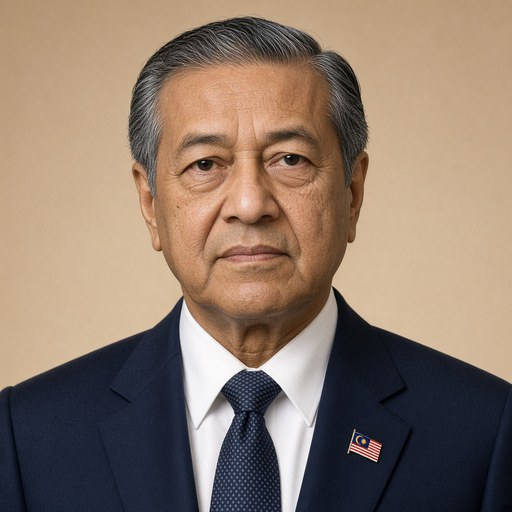
- Mahathir addressed the National Council of Women's Organizations of Malaysia at the 1982 International Women's Day Celebration, marking 25 years of Malaysian independence.
- Main themes
- Women's roles and achievements in Malaysia, work-family balance, Eastern values and women's liberation, women's participation in modern workforce, Malaysia's 25 years of independence, women in leadership and professional fields, family and societal wellbeing, equality and justice for women
- Duration
- ~9 min
- Words
- 1,131
- Sentences
- 71
- Readability
- 56
- Grade
- 9.3
- Syntax
- 2.55
- Vocabulary
- 2.15
Translated from Malay
The broad sphere of national life a sentence belongs to. Every sentence has an Arena, so it is the denominator the other indices are read against.
Other71 sentences in 15 paragraphs
First of all, I would like to thank the Honorable Tan Sri Fatimah and the Members of the National Council of Women’s Organizations of Malaysia for inviting me and my wife to this 1982 International Women’s Day Celebration.
2. This year’s International Women’s Day falls at a time when we are preparing to celebrate 25 years of independence. In my opinion, this makes this International Women’s Day a significant event. Accordingly, this celebration provides a special opportunity for women, particularly women’s organizations and movements, to reflect on the roles and achievements that have been made thus far and the steps that need to be taken for the future.
3. Today, the population of Malaysia has increased to 14 million people. About a little over 60% are those born after independence. Considering that the ratio of male to female population is quite similar, the number of females born after independence is also about 60%. Half of them are in school or pursuing higher education, while the others are part of the workforce in various fields.
4. A quarter of a century of independence has brought much progress to the people and the nation. Women have been part of the tide of change. Today, women not only work in the fields and farms, selling goods and engaging in other activities associated with traditional roles, but many have also entered modern sectors. Now we can take pride in the number of female lawyers, doctors, engineers, entrepreneurs, scientists, and mathematicians, which was once difficult for us to imagine. Moreover, we now have a significant number of female leaders at the Minister and Deputy Minister levels, as well as female administrators and managers. In a country with a relatively small population, the involvement of women in the mentioned fields is crucial to meet the human resource needs during rapid development.
5. The dilemma of women in modern times is the adjustment between two main roles, that of a homemaker and mother, and that of a career. In the West, this dilemma has become so prominent since the 1960s that a movement arose to advocate for unrestricted equality for women. Some see the issues facing women as stemming from their femininity. The women’s liberation movement in a reckless free environment has trapped women in various activities that ultimately demean women themselves. However, we are grateful that this movement did not spread and influence us comprehensively. We can generally take what is clear and discard what is murky. Now in the West, the atmosphere has gradually changed as they have come to realize that what is needed is not unrestricted freedom but respect between men and women that brings happiness to families and society.
6. Family and career are equally important. This applies not only to women but also to men. The question is to find solutions not from the perspective of men or women as if they are in opposition, but from the perspective of family and societal interests. Our development process must consider the needs of a healthy and dynamic family where family issues do not constrain the roles of husband and wife as parents and in terms of careers.
7. Everyone has different capabilities. This should be a consideration in the adjustment between family responsibilities and careers. There are good female managers and there are weak female managers; the same goes for men. But there may be aspects of careers that are more appealing to women or where feminine qualities are more important. This should not breed jealousy because what matters is that when we have a role, we fulfill our role well. There is no difference between men and women in terms of weaknesses in certain fields.
8. In my opinion, in developing the country, the foundation of the struggle for women must be our Eastern values. Women themselves must ensure the nobility of these values and cultivate them among women. I am confident that in this way, these values, which are the true foundation that guarantees the role and position of women in society, will become the values of society itself. I believe this is the primary task. In addition, vigorous efforts must be made to study aspects that can ensure the rightful position of women, in terms of legal, social, and economic matters.
9. Women are mothers, wives, or daughters. They hold an important place in society. We have heard that "heaven lies beneath the feet of mothers." The Prophet Muhammad (peace be upon him), while highly praising obedient wives, stated that among good men are those who are good to their wives. Furthermore, a good child is one who is obedient. These are among the values that should genuinely exist in society. Values based on our Eastern culture guarantee equality and justice; they do not disadvantage men nor do they undermine the position of women. They are a reasonable and moderate foundation that should be nurtured because their widespread acceptance will save and ensure the success of all parties.
10. The progress of women in our country should not be measured solely by criteria of education, employment, social and economic status, or roles in politics. Equally important is the aspect of spirituality. Progress that is not grounded in spiritual maturity is not true progress. A woman may succeed in her career, but without a deep and strong spiritual foundation, she may fail in her family role. Unfortunately, this failure is often difficult for one to recognize, even though it has profound implications. Therefore, I believe that this aspect of spirituality should be considered a specific factor in the strategies for advancing women by women’s movements.
11. I take this opportunity to congratulate the National Council of Women’s Organizations of Malaysia for its diligence in launching the Welfare and Education Fund today. There may be other similar funds focusing on the same aspects. I believe that overlapping activities should be avoided to ensure the integrity of the women’s movement. I mention the issue of duplication here because, in my opinion, many activities require attention, and overlapping tasks without careful oversight can only undermine the overall performance of the women’s movement.
12. I also take this opportunity to congratulate the four female leaders who will be awarded the Tun Fatimah Gold Medal for their contributions. The awarding of medals to the Honorable Toh Puan Suhailah, Puan P. G. Lim, the Honorable Datin Athi Nahapan, and the Honorable Datin Hajjah Kamsiah is a great honor for their services, and this should serve as an encouragement for women to continue to contribute to the nation and country.
13. I hope International Women’s Day will have meaning for every woman, and I take this opportunity to wish a happy International Women’s Day and success to women throughout the country.
Office of the Prime Minister,
Kuala Lumpur.
The original Malay. The tags above are read on the English translation's sentences.
Terelebih dahulu saya mengucapkan terima kasih kepada Yang Berbahagia Tan Sri Fatimah dan Ahli-Ahli Jawatankuasa Majlis Kebangsaan Pertubuhan-Pertubuhan Wanita Malaysia kerana menjemput saya dan isteri saya ke Majlis Perayaan Hari Wanita 1982 ini.
2. Hari Wanita kali ini jatuh ketika kita sedang membuat persiapan merayakan 25 tahun merdeka. Pada hemat saya, ini menjadikan Hari Wanita kali ini sebagai satu peristiwa yang penting. Sesuai dengan ini perayaan Hari Wanita ini memberi peluang yang istimewa kepada wanita, khususnya pertubuhan-pertubuhan dan pergerakan-pergerakan wanita, untuk merenung peranan dan pencapaian yang telah dibuat setakat ini dan langkah-langkah yang perlu dibuat bagi masa hadapan.
3. Hari ini penduduk Malaysia telah meningkat kepada 14 juta orang. Kira-kira lebih sedikit dari 60% ialah mereka yang lahir selepas merdeka. Memandang bahawa nisbah penduduk lelaki dan perempuan adalah agak sama, jumlah penduduk perempuan yang lahir selepas merdeka adalah kira-kira 60% juga. Separuh daripadanya berada di bangku sekolah ataupun sedang menuntut di institusi pelajaran tinggi, sedangkan yang lainnya adalah tenaga pekerja di dalam bebagai-bagai bidang.
4. Sesuku abad merdeka membawa banyak kemajuan kepada rakyat dan negara. Kaum wanita telah bersama-sama di bawa arus perubahan. Hari ini wanita bukan sahaja bekerja di sawah dan bendang, menjaja dan lain-lain kegiatan yang disamakan dengan aktiviti tradisional, tetapi ramai yang telah memasuki sektor-sektor moden. Sekarang kita dapat berbangga dengan ramainya peguam-peguam, doktor-doktor, jurutera-jurutera, pengusaha-pengusaha, ahli-ahli sains dan matematik wanita yang dahulunya susah untuk kita impikan.Malahan sekarang, kita juga mempunyai sejumlah yang tidak kecil pemimpin-pemimpin wanita di peringkat Menteri dan Timbalan Menteri dan pentadbir serta pengurus-pengurus wanita. Dalam sebuah negara yang penduduknya tidak begitu ramai, penglibatan wanita dalam bidang-bidang yang disebutkan amatlah penting bagi memenuhi keperluan tenaga manusia diwaktu pembangunan berlaku dengan pesatnya.
5. Dilema wanita di zaman moden ini ialah penyesuaian antara dua peranan utama iaitu sebagai suri-rumah dan ibu dengan kerjaya. Di Barat dilema ini telah menjadi begitu menonjol bermula dalam tahun 60an hinggakan timbul gerakan untuk memperjuangkan hak persamaan tanpa batasan bagi wanita. Ada di antaranya yang melihat masalah wanita kerana kewanitaanya. Gerakan pembebasan wanita dalam suasana bebas yang melulu telah memerangkapkan wanita di dalam berbagai jenis kegiatan yang akhirnya menghinakan wanita sendiri.Tetapi, kita bersyukur kerana gerakan ini tidak merebak dan mempengaruhi kita secara menyeluruh. Kita dapat umumnya mengambil yang jernih dan membuang yang keruh. Sekarang di Barat, suasana telah beransur berubah kerana mereka telah sedar semula bahawa apa yang diperlukan bukanlah kebebasan tanpa batasan tetapi kehormatan antara peria dan wanita yang membawa kebahagiaan kepada famili dan masyarakat.
6. Famili dan kerjaya adalah sama penting. Ini bukan sahaja kepada wanita malah kepada lelaki juga. Soalnya, ialah mencari penyelesaian bukan dari segi perspektif lelaki atau wanita seolah-olah kedua-duanya bertentangan, tetapi dari perspektif kepentingan famili dan masyarakat. Proses pembangunan kita haruslah melihat kehendak famili yang sihat dan dinamis di mana masalah famili tidak mengongkong peranan suami-isteri sebagai ibu-bapa dan dari segi kerjaya.
7. Setiap orang mempunyai kemampuan yang berlainan. Ini harus menjadi pertimbangan dalam penyesuaian antara tanggungjawab keluarga dan kerjaya. Ada pengurus wanita yang baik dan ada pengurus wanita yang lemah; begitu juga dengan lelaki. Tetapi mungkin ada aspek-aspek kerjaya yang lebih menarik minat wanita atau di mana sifat-sfat kewanitaan lebih penting. Ini tidak harus menimbulkan iri hati kerana yang penting ialah apabila kita mempunyai peranan, kita menunaikan peranan kita dengan baik. Lelaki atau wanita tidak ada bezanya dari segi kelemahan dalam bidang-bidang tertentu.
8. Pada hemat saya, dalam kita membangunkan negara, asas perjuangan kaum wanita ialah nilai-nilai ketimuran kita.Wanita sendiri mestilah menjamin keluhuran nilai-nilai ini dan memupuknya di kalangan wanita. Saya yakin dengan cara ini, nilai-nilai ini, iaitu asas yang sebenar-benarnya menjamin peranan dan kedudkan wanita di dalam masyarakat akan menjadi nilai masyarakat sendiri. Saya rasa inilah tugas yang utama. Di samping itu usaha-usaha yang gigih hendaklah dibuat bagi mengkaji aspek-aspek yang boleh menjamin kedudukan wanita yang sewajarnya, dari segi undang-undang, sosial mahupun ekonomi.
9. Wanita adalah ibu, isteri atau anak. Mereka mempunyai tempat yang penting di dalam masyarakat. Kita pernah mendengar 'syurga di bawah telapak kaki ibu.' Nabi Muhammad s.a.w. pula, di samping menyanjung tinggi isteri yang taat mengatakan bahawa antara lelaki yang baik ialah yang baik terhadap isterinya. Seterusnya anak yang baik ialah anak yang taat. Inilah antara nilai-nilai yang seharusnya wujud dengan nyatanya di dalam masyrakat. Nilai-nilai yang berdasarkan kebudayaan timur kita menjamin persamaan dan keadilan; ia tidak merugikan lelaki dan ia tidak pula menjatuhkan kedudukan wanita. Ia adalah landasan yang wajar dan sederhana yang harus dipupuk kerana penerimaanya secara meluas akan menyelamat dan menjamin kejayaan semua pihak.
10. Kemajuan wanita di negara kita tidak harus diukur dengan kriteria pelajaran, pekerjaan, taraf sosial dan ekonomi ataupun peranan di dalam politik sahaja. Tidak kurang pentingnya ialah aspek kerohanian. Kemajuan yang tidak berteraskan kepada kematangan dari segi kerohanian bukanlah kemajuan yang sebenarnya. Seseorang wanita mungkin berjaya dari segi kerjayanya tetapi tanpa asas kerohanian yang mendalam dan kuat ia mungkin gagal di dalam peranan kekeluargaannya. Malangnya kegagalan ini sukar sekali untuk diteliti oleh seseorang itu sendiri sedangkan ianya mempunyai implikasi yang amat mendalam. Oleh itu saya percaya aspek kerohanian ini harus dijadikan sebagai satu faktor yang diberi pertimbangan yang khusus di dalam strategi memajukan wanita oleh pergerakan-pergerakan wanita.
11. Saya mengambil peluang ini untuk mengucap tahniah kepada Majlis Kebangsaan Pertubuhan-Pertubuhan Wanita Malaysia kerana dengan ketekunannya Tabung Kebajikan dan Pelajarannya dapat dilancarkan pada hari ini. Mungkin terdapat lain-lain tabung yang seakan-akan sama, dengan menumpukan perhatian kepada aspek-aspek yang sama. Saya percaya penindihan aktiviti haruslah dielakkan bagi menjamin keutuhan pergerakan wanita. Saya sebutkan perkara 'duplication' di sini kerana pada pendapat saya banyak aktiviti yang memerlukan perhatian, dan penindihan tugas tanpa pengawasan yang teliti hanya boleh menjejaskan prestasi pergerakan wanita keseluruhannya.
12. Saya juga mengambil kesempatan ini untuk mengucapkan tahniah kepada keempat-empat tokoh pemimpin wanita yang akan dikurniakan Pingat Emas Tun Fatimah kerana jasa-jasa mereka.Pengurniaan pingat kepada Yang Berbahagia Toh Puan Suhailah, Puan P. G. Lim, Yang Berbahagia Datin Athi Nahapan, dan Yang Berbahagia Datin Hajjah Kamsiah adalah penghormatan yang besar kepada jasa-bakti mereka dan ini seharusnya menjadi perangsang kepada wanita untuk terus berbakti kepada bangsa dan negara.
13. Saya harap Hari Wanita akan memberi erti kepada setiap wanita dan saya mengambil kesempatan ini untuk mengucapkan selamat menyambut Hari Wanita dan selamat maju jaya kepada kaum wanita di seluruh tanahair.
Pejabat Perdana Menteri,
Kuala Lumpur.