




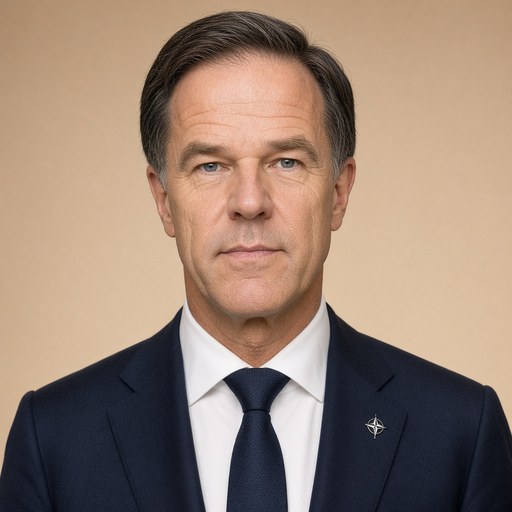
Speech by Prime Minister Rutte at the World Retail Congress
 Mark Rutte · Prime Minister of the Netherlands
- Context
- Rutte addressed the World Retail Congress on May 14, 2019, in Amsterdam, welcoming global retail leaders and highlighting the Netherlands as a case study in digital retail transformation.
- Main themes
- Digital transformation of retail, e-commerce growth, online grocery delivery, clicks and bricks convergence, sustainable retail logistics, electric and cargo bike delivery, environmental responsibility, retail employment, supply chain ethics, national digitalization strategy, artificial intelligence in retail, Dutch retail innovation
- Duration
- ~8 min
- Words
- 978
- Sentences
- 59
- Readability
- 54
- Grade
- 9.8
- Syntax
- 2.77
- Vocabulary
- 2.15
Translated from Dutch
The broad sphere of national life a sentence belongs to. Every sentence has an Arena, so it is the denominator the other indices are read against.
Other59 sentences in 17 paragraphs
Ladies and gentlemen: welcome to the Netherlands, welcome to Amsterdam,
The world of retail is changing. The concrete evidence of this I see every day in the street where I live. Because of my work, I leave early in the morning and come home late in the evening, but even at the edges of the day, I see vans delivering groceries back and forth. The blue vans of a well-known supermarket chain and the yellow ones of the big competitor, the characteristic narrow vehicles of an emerging online supermarket – the Dutch among us know exactly which companies I am talking about.
I still enjoy going to the supermarket around the corner, but more and more of my neighbors choose to have their breakfast cereals, vegetables and fruits, and fresh ingredients for dinner delivered right to their doorstep. In fact, nowadays groceries are delivered right into the kitchen. And why not? If you are in the rush hour of your life, with children demanding attention, busy jobs, and an active social life, then this is a fantastic solution. What this trend clearly shows is that the transformation of retail goes beyond the sector itself. It is fundamentally about how people organize their lives, with everything that entails: social, logistical, and the balance between work and leisure.
I see it happening right before my eyes here in the Netherlands. But you probably know it from your own practice, wherever you are in the world. I expect that Amsterdam, the place where the
World Retail Congress
2019 is taking place, can provide extra inspiration. I am convinced that the Netherlands is an interesting case. Because if the retail landscape is changing rapidly anywhere, it is here.
How is that possible? To begin with, the Netherlands is one of the most digital countries in the world. The Dutch expect innovations and new possibilities, especially when it comes to online shopping. One third of the Dutch buy groceries online, one of the highest percentages in Europe. When it comes to daily groceries, we see a doubling compared to two years ago.
For the retail sector, this means: keeping up with this pace, innovating, and reinventing yourself. To be successful, you must – as the theme of this congress perfectly indicates – practice high velocity retail
. A great example of the transformation is the disappearance of the distinction between ‘clicks’ and ‘bricks’. Large retailers in the Netherlands realize that they must not only welcome consumers in physical stores, but that they must also roll out the red carpet online. Conversely, I see that large online shops are opening physical stores, even in city centers. For example, Coolblue, one of the largest online shops in consumer electronics, has opened a large branch right next to the station in the city where I live and work, The Hague. It is an electronics paradise where ‘old-fashioned’ feeling, brand experience, and service are central.
A major overarching trend in retail is, of course, that many more things are being delivered. Convenience serves humanity, but it also brings new challenges: pressure on infrastructure, concerns about air quality, and accessibility of residential areas. I see a responsibility here for the retailers themselves. And fortunately, they are taking it. I increasingly notice typical Dutch cargo bikes driving through the streets delivering packages: zero emissions and zero nuisance, an ideal solution. Perhaps a better example for countries where cycling is not in the DNA: various supermarkets are switching to 100 percent electric delivery vans that are quieter and more environmentally friendly, and in some cases so narrow that they do not cause traffic jams in the street.
Environmentally conscious entrepreneurship ensures that the impact of retail on society can be even more positive. Not only in the Netherlands but worldwide. Retail is not only the largest employer in the Netherlands with about 900,000 jobs, but it also creates many jobs in developing countries. What is produced there is found here in the store. And there, too, retail has a great responsibility: because it is of great importance that these activities contribute to people, planet and profit.
Retail companies can use their purchasing power to ensure responsible production, without child labor or exploitation of workers, and with respect for the climate and living environment. So ladies and gentlemen, I count on you.
And if I speak for the Dutch government: conversely, you can also count on us. We are happy to contribute to making the retail sector future-proof. We are working hard to set up a National Digitalization Strategy aimed at promoting collaboration between governments, businesses, and science in the field of digitalization, artificial intelligence, and technological innovations – developments that will have a significant impact on the retail sector. For example, look at the originally Dutch Adyen, which set a new standard in online payment systems. It is fantastic when such technological innovations can grow from an initial idea into a global success. It shows that we have a good breeding ground for startups in the Netherlands, and we are doing everything we can to improve that even further.
And of course, we are also proud of the large, traditional retailers of Dutch origin that are also successful across borders, such as Ahold Delhaize, the retail chain Action, and of course Hema. I still find it a remarkable sight: the quintessentially Dutch Hema in the middle of Paris, at Gare du Nord station. And I have understood that even people in Abu Dhabi can now shop at the “
Hollandic Standard Prices Company
Amsterdam,” or Hema. Tjeerd Jegen, CEO of Hema, can surely tell us more about that shortly. As far as I am concerned, it is in any case the ultimate proof that the world of retail is changing at a rapid pace. I wish you all much success and wisdom during this period of rapid change.
Thank you.
The original Dutch. The tags above are read on the English translation's sentences.
Read this speech in English
Dames en heren: welkom in Nederland, welkom in Amsterdam,
De wereld van de retail verandert. Het concrete bewijs daarvoor zie ik elke dag in de straat waar ik woon. Vanwege m’n werk ga ik ’s ochtends al vroeg weg en kom pas ’s avonds laat weer thuis, maar ook aan de randen van de dag zie ik busjes met boodschappen af en aan rijden. De blauwe busjes van een bekende supermarktketen en de gele van de grote concurrent, de karakteristieke smalle voertuigen van een opkomende onlinesupermarkt – de Nederlanders onder ons weten precies over welke bedrijven ik het over heb.
Zelf ga ik nog graag naar de supermarkt om de hoek, maar steeds meer van mijn buren kiezen ervoor om de ontbijtgranen, groente en fruit, en de verse ingrediënten voor het avondeten te laten bezorgen tot aan de voordeur. Sterker nog, tegenwoordig worden de boodschappen geleverd tot in de keuken. En waarom ook niet? Als je in het spitsuur van je leven zit, met kinderen die om aandacht vragen, drukke banen en een uitgebreid sociaal leven, dan is dit een geweldige uitkomst. Wat deze trend in ieder geval duidelijk maakt: de transformatie van retail gaat verder dan de sector zelf. Het gaat in de kern over hoe mensen hun leven inrichten, met alles wat daarbij hoort: sociaal, logistiek, en de verhouding werk-vrije tijd.
Ik zie het hier in Nederland voor m’n ogen gebeuren. Maar u kent het vast ook uit uw eigen praktijk, waar ook ter wereld. Ik verwacht dat Amsterdam, de plek waar het
World Retail Congress
2019 plaatsvindt, kan zorgen voor extra inspiratie. Ik ben er namelijk van overtuigd dat Nederland een interessante casus is. Want als het retail-landschap ergens snel aan het veranderen is, dan is het wel hier.
Hoe dat komt? Om te beginnen is Nederland 1 van de meest digitale landen in de wereld. Nederlanders verwachten innovaties en nieuwe mogelijkheden, zeker als het gaat om online shoppen. Een derde van de Nederlanders koopt online levensmiddelen, 1 van de hoogste percentages van Europa. Als het om de dagelijkse boodschappen gaat, dan zien we een verdubbeling ten opzichte van 2 jaar geleden.
Voor de retailsector betekent dit: meegaan in dit tempo, innoveren en jezelf opnieuw uitvinden. Om succesvol te zijn moet je – zoals het thema van dit congres perfect aangeeft –
practice high velocity retail
. Een mooi voorbeeld van de transformatie is het verdwijnen van het onderscheid tussen ‘clicks’ en ‘bricks’. Grote retailers in Nederland beseffen dat ze de consument niet alleen welkom moeten heten in fysieke winkels, maar dat ze ook online de rode loper uit moeten rollen. Omgekeerd zie ik dat grote online webshops fysieke winkels openen, zelfs in binnensteden. Zo heeft Coolblue, 1 van de grootste online webshops in consumentenelektronica, een groot filiaal geopend pal naast het station van de stad waar ik woon en werk, Den Haag. Het is een elektronica-walhalla waar ‘ouderwets’ voelen, merkbeleving en service centraal staan.
Een grote, overkoepelende trend in retail is natuurlijk dat er veel meer dingen bezorgd worden. Gemak dient de mens, maar het levert ook nieuwe uitdagingen op: druk op de infrastructuur, zorgen over luchtkwaliteit en toegankelijkheid van woonwijken. Hierin zie ik een verantwoordelijkheid weggelegd voor de retailers zelf. En gelukkig nemen ze die ook. Zo signaleer ik steeds vaker typisch Nederlandse bakfietsen door de straat rijden die pakketjes bezorgen: nul uitstoot en nul overlast, ideale oplossing. Misschien een beter voorbeeld voor landen waar fietsen niet in het DNA zit: verschillende supermarkten stappen over naar 100 procent elektrische bezorgbusjes die stiller en milieuvriendelijker zijn, en in sommige gevallen zo smal dat ze geen opstoppingen in de straat veroorzaken.
Omgevingsbewust ondernemen zorgt er dus voor dat de impact van de retail op de maatschappij nog positiever kan zijn. Niet alleen in Nederland, maar in de hele wereld. De retail is namelijk niet alleen de grootste werkgever van Nederland met ongeveer 900.000 banen, maar creëert ook veel banen in ontwikkelingslanden. Wat daar wordt geproduceerd, ligt hier in de winkel. En ook daar heeft retail een grote verantwoordelijkheid: want het is van groot belang dat deze activiteiten bijdragen aan
people, planet and profit.
Retail bedrijven kunnen met hun
purchasing power
zorgen voor verantwoorde productie, zonder kinderarbeid of uitbuiting van arbeiders, en met respect voor klimaat en leefomgeving. Dus dames en heren, ik reken op u.
En als ik voor de Nederlandse overheid spreek: omgekeerd kunt u ook rekenen op ons. We dragen graag bij aan het toekomstbestendig maken van de retailsector. Zo zijn we hard aan de slag om een Nationale Digitaliseringsstrategie op te zetten die bedoeld is om de samenwerking tussen overheden, bedrijven en wetenschap op het gebied van digitalisering, artificial intelligence en technologische innovaties te stimuleren - ontwikkelingen die een grote weerslag zullen hebben op de retailsector. Kijk bijvoorbeeld naar het van oorsprong Nederlandse Adyen, dat een nieuwe standaard zette in online betaalsystemen. Het is fantastisch als dat soort technologische innovaties van een eerste idee kunnen uitgroeien tot een mondiaal succes. Het laat zien dat we in Nederland een goede voedingsbodem hebben voor startups, en we doen er alles aan om dat nog verder te verbeteren.
En natuurlijk zijn we ook trots op de grote, traditionele retailers van Nederlandse bodem die ook over de grens succesvol zijn, zoals Ahold Delhaize, winkelketen Action en natuurlijk Hema. Ik blijf het een bijzonder beeld vinden: het oer-Hollandse Hema midden in Parijs, op station Gare du Nord. En ik heb begrepen dat zelfs de mensen in Abu Dhabi tegenwoordig kunnen winkelen bij de “
Hollandic Standard Prices Company
Amsterdam”, oftewel Hema. Tjeerd Jegen, CEO van Hema, kan ons daar zo meteen vast meer over vertellen. Wat mij betreft is het in ieder geval het ultieme bewijs dat de wereld van retail in hoog tempo aan het veranderen is. Ik wens u allen veel succes en wijsheid toe in deze periode van razendsnelle verandering.
Dank u wel.