




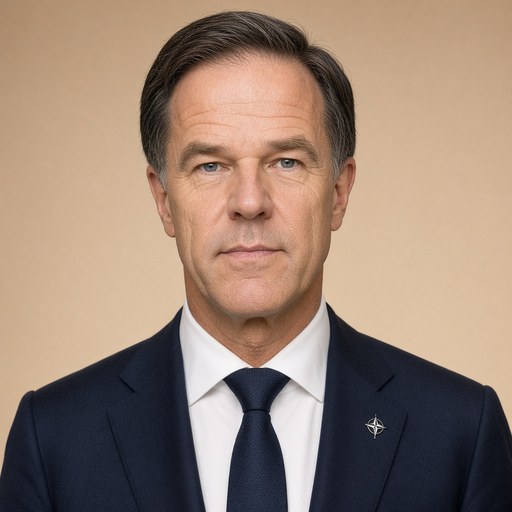
Speech by Prime Minister Mark Rutte at the presentation of 'Bouwen en Bewaren. Memoires', by Elco Brinkman.
 Mark Rutte · Prime Minister of the Netherlands
- Context
- Rutte spoke at the presentation of Elco Brinkman's memoirs in the Netherlands on 7 May 2019, celebrating Brinkman's political career and legacy.
- Main themes
- Political memoirs, Dutch Christian Democratic politics, CDA leadership, public service and duty, austerity and fiscal responsibility, personal reflection and resilience, political career retrospective, friendship and personal tribute
- Duration
- ~8 min
- Words
- 994
- Sentences
- 63
- Readability
- 66
- Grade
- 7.9
- Syntax
- 2.80
- Vocabulary
- 2.11
Translated from Dutch
The broad sphere of national life a sentence belongs to. Every sentence has an Arena, so it is the denominator the other indices are read against.
Other63 sentences in 16 paragraphs
Ladies and gentlemen, dear Elco,
Thank you for this book full of memories and reflections. It is not a thin volume, but of course, you had quite a lot to write about. For a long time, you were the youngest everywhere and always. As a top civil servant under Hans Wiegel, as a minister in that groundbreaking first Lubbers cabinet, and as the parliamentary leader of the CDA. You became the latter in 1989; you had already experienced so much and were still only just 40. In short, ladies and gentlemen, this is – to begin with – a book that naturally makes other politicians modest.
For me personally, there is something more, because your steep political career took place during the years when I became politically aware. When you became Minister of Welfare, Health, and Culture in 1982, I was a 15-year-old teenager in The Hague at the Maerlant Lyceum. When you became parliamentary leader, I was studying in Leiden and was active in the JOVD. And during those incredibly exciting elections of 1994, I had just started working at Unilever.
In short, Elco: your political years were my formative years. And you can imagine, ladies and gentlemen, that I was quite intimidated when I was first invited to the dinner that Elco and Janneke organize every year on Good Friday for a select group of friends. It has now become a lovely tradition that I always look forward to immensely.
Elco, you once said in an interview: ‘Listen, I come from the Alblasserwaard, where you are instilled with three words through Protestantism: guilt, sense of responsibility, and sense of duty.’
Whether guilt makes you work very hard, I do not know, but a sense of responsibility and a sense of duty certainly come through in your CV and in this book. It seems to me: after your impressive career at and around the Binnenhof, you were for many years the chairman of the builders. After 2011, you simply started a second political career as a prominent member of the Senate, and there too, you became the party leader and parliamentary leader. And the impressive list of additional positions in this book is simply overwhelming.
No wonder you were named the most influential administrator in the Netherlands. You beautifully describe in this book how, as a child and young adult, you dreamed of becoming mayor, just like your father and grandfather. But I think your memoirs would have been somewhat less extensive. Few people have done as much in their lives as you have. And so much interesting.
I must thank the publisher, Mr. Spijkers, for the opportunity to browse through the book. But I must immediately admit that I have not had the chance to read it cover to cover yet. That will come. But still, a few first impressions.
To begin with, this book is food for political connoisseurs, especially when it comes to the crunch. Then you choose to let your extensive diary from those days tell the story. Thus, this book is largely an unfiltered eyewitness account from the inside. As a reader, you are almost there yourself. That detailed diary also says something about your character. Apparently, they do not lack self-discipline in the Alblasserwaard.
The second thing that struck me is that this is not a classic ‘and then and then and then’ memoir of a politician. No factual account full of dates, events, and names. I think, Elco, that many people see you as a straightforward administrator, a man with a Reformed background and therefore sober in tone. Those people are in for a surprise. Because the language of this book is rich and meandering. As the book progresses, it becomes almost philosophical. My eye, for example, lingered on these sentences about the cuts in the 1980s.
‘My experience on all those harsh journeys through our austerity-stricken country is that many people really do hold you accountable for spending their tax and premium money as responsibly as possible. They really understand that what is not there cannot be given and that debts rub like sand in your swimming trunks.’
So you are also a word artist and language virtuoso.
The third point I want to mention relates to the fact that a life in the spotlight inevitably leaves scratches on the nose. You have had your share of that. Especially in that phase of the ‘crown prince’s suffering,’ as Ed van Thijn once beautifully called it. But also in your private life, during the periods when you faced life-threatening illnesses twice, with all the unpleasant treatments that entailed. It has not made you bitter but rather more contemplative, as this book shows. And that is commendable.
Finally, one last notable point. The index of names in this book is relatively short. But there is one name that keeps coming back, and that is that of your inseparable support and mainstay, your dear Janneke. The team spirit practically leaps off the pages, and I know firsthand how much you do justice to that reality.
Dear Elco, the title of your book – Building and Preserving – I interpret as a paraphrase of the well-known words of the Apostle Paul: ‘Test everything; hold fast to what is good.’ That suits you as well. Personally and in all the professional roles you have had, I think you have always been more of an evolution than a revolution. Standing by your choices and your convictions – that is your style. I therefore found it so beautiful to read how, at the end of the book, you make a prediction to your grandchildren about that other great love in your life, the CDA. You write: ‘All the good from the past will return. Also the CDA, because a rainbow cannot exist without a middle.’ And that middle is, of course, the place where you have always felt most at home.
Once again, thank you and best of luck with your book.
The original Dutch. The tags above are read on the English translation's sentences.
Dames en heren, beste Elco,
Dank voor dit boek boordevol herinneringen en beschouwingen. Het is geen dunnnetje geworden, maar je had natuurlijk ook nogal wat om over te schrijven. Lange tijd was je zo’n beetje overal en altijd de jongste. Als topambtenaar onder Hans Wiegel, als minister in dat baanbrekende 1e kabinet-Lubbers en als fractievoorzitter van het CDA. Dat laatste werd je in 1989, je had alles al meegemaakt en was toch pas net 40. Kortom, dames en heren dit is – om te beginnen – een boek dat andere politici als vanzelf bescheiden maakt.
Voor mij persoonlijk komt daar nog iets bij, want jouw steile Haagse carrière speelde zich af in de jaren dat ik politiek bewust werd. Toen jij in 1982 minister van Welzijn, Volksgezondheid, en Cultuur werd, was ik een 15-jarige Haagse puber op het Maerlant Lyceum. Toen jij fractievoorzitter werd, studeerde ik in Leiden en was ik actief in de JOVD. En tijdens die ongelooflijk spannende verkiezingen van 1994 werkte ik net bij Unilever.
Kortom Elco: jouw politieke jaren waren mijn vormende jaren. En u kunt zich dus voorstellen, dames en heren, dat ik nogal geïntimideerd was toen ik voor het eerst werd uitgenodigd voor het diner dat Elco en Janneke elk jaar op Goede Vrijdag organiseren voor een selecte groep vrienden. Inmiddels een mooie traditie waar ik steeds enorm naar uitkijk.
Elco, je zei ooi in een interview: ‘Luister, ik kom uit de Alblasserwaard, daar krijg je door het protestantisme 3 woorden met de paplepel ingegoten: schuldgevoel, verantwoordelijkheidsgevoel en plichtsbesef.’
Of je door schuldgevoel ook heel hard gaat werken weet ik niet, maar verantwoordelijkheidsgevoel en plichtsbesef spreken hoe dan ook uit je CV en uit dit boek. Me dunkt: na je indrukwekkende carrière op en rond het Binnenhof was je jarenlang voorzitter van de bouwers. Na 2011 begon je gewoon een 2e politieke carrière als prominent lid van de Eerste Kamer, en ook daar werd je lijsttrekker en fractievoorzitter van je partij. En de indrukwekkende lijst met nevenfuncties in dit boek is gewoon om stil van te worden.
Geen wonder dat je werd uitgeroepen tot de meest invloedrijke bestuurder van Nederland. Je beschrijft in dit boek heel mooi hoe je er als kind en jongvolwassene van droomde burgemeester te worden, net als je vader en grootvader. Maar ik denk dat je memoires dan wel iets minder omvangrijk waren geworden. Weinig mensen hebben in hun leven zoveel gedaan als jij. En zoveel interessants.
Ik moet de uitgever, de heer Spijkers, bedanken voor de mogelijkheid al even door het boek te kunnen bladeren. Maar ik moet meteen eerlijk toegeven dat ik geen kans heb gehad het al van kaft tot kaft te lezen. Dat komt nog. Maar toch alvast een paar eerste indrukken.
Om te beginnen dat dit boek voer is voor politieke fijnproevers, vooral als het erom spant. Dan kies je er namelijk voor om je uitgebreide dagboek uit die dagen het verhaal te laten vertellen. Zo is dit boek voor een flink deel een ongefilterd ooggetuigenverslag van binnenuit. Als lezer ben je er bijna zelf bij. Dat gedetailleerde dagboek zegt overigens ook wel iets over je karakter. Aan zelfdiscipline hebben ze in de Alblasserwaard blijkbaar ook geen gebrek.
Het tweede dat mij opviel is dat dit geen klassieke ‘en toen en toen en toen-memoires’ van een politicus zijn. Geen feitenrelaas vol met data, gebeurtenissen en namen. Ik denk Elco, dat veel mensen je beschouwen als een recht-toe-recht-aan-bestuurder, een man met een gereformeerde achtergrond en dus nuchter van toon. Die mensen staat een verrassing te wachten. Want de taal van dit boek is bloemrijk en meanderend. Naarmate het boek vordert bijna filosofisch zelfs. Mijn oog bleef bijvoorbeeld hangen bij deze zinnen over de bezuinigingen in de jaren ’80.
‘Mijn ervaring op al die barre tochten door ons bezuinigende land is dat veel mensen je echt wel aanspreken op het feit dat je hun belasting- en premiegeld zo verantwoord mogelijk moet zien uit te geven. Zij snappen heus wel dat wat er niet is ook niet kan worden gegeven en dat schulden schuren als strandzand in je zwembroek.’
Je bent dus ook nog een woordkunstenaar en taalvirtuoos.
Het 3e punt dat ik wil noemen heeft te maken met het feit dat een leven in de schijnwerpers onvermijdelijk krassen op de neus oplevert. Jij hebt daarvan jouw deel gehad. Zeker in die fase van het ‘kroonprinsenleed’ zoals Ed van Thijn dat ooit zo mooi noemde. Maar ook in je privéleven, gedurende de periodes waarin je tot 2 keer toe een levensbedreigende ziekte kreeg met alle nare behandelingen van dien. Het heeft je allemaal niet bitter gemaakt maar juist meer beschouwend, blijkt uit dit boek. En dat siert je.
Tot slot een laatste opvallend punt. Het namenregister in dit boek is relatief kort. Maar er is 1 naam die steeds weer terugkomt en dat is die van je onafscheidelijke steun en toeverlaat, je lieve Janneke. De teamspirit spat als het ware van de pagina’s af en ik weet van dichtbij hoezeer je daarmee recht doet aan de realiteit.
Beste Elco, de titel van je boek – Bouwen en bewaren – vat ik op als een parafrase op het bekende woord van de apostel Paulus: ‘Onderzoekt alles, maar behoudt het goede.’ Dat past ook bij je. Je bent persoonlijk en in alle professionele rollen die je had, denk ik, altijd meer van de evolutie geweest dan van de revolutie. Staan voor je keuzes en je overtuigingen – dat is je stijl. Ik vond daarom zo mooi om te lezen hoe je aan het einde van het boek een voorspelling aan je kleinkinderen doet over die andere grote liefde in je leven, het CDA. Je schrijft: ‘Al het goede van vroeger komt terug. Ook het CDA want een regenboog kan niet zonder midden.’ En dat midden is natuurlijk de plek waar jij je altijd het meest hebt thuis gevoeld.
Nogmaals dank en heel veel succes met je boek.