




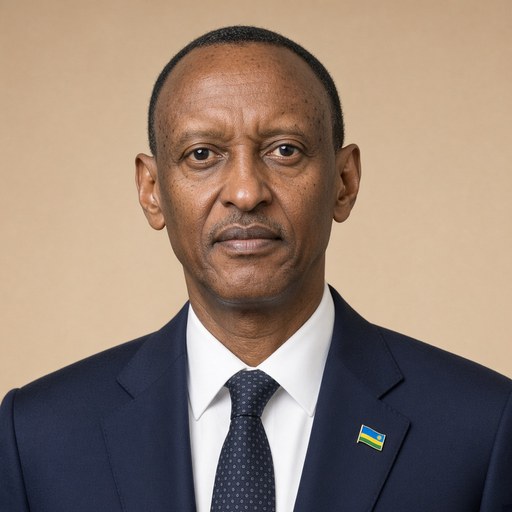
The speech of His Excellency Paul Kagame, President of the Republic of Rwanda, on the 50th anniversary of independence.
 Paul Kagame · President of Rwanda
- Context
- Kagame addressed Rwandans and international guests at Amahoro Stadium on July 1, 2012, to mark Rwanda's 50th anniversary of independence.
- Main themes
- 50th anniversary of independence, African self-determination, colonial legacy and its consequences, accountability and good governance, national dignity and identity, unity and reconciliation, Rwanda's development journey, African solidarity and economic integration, human rights and freedom, foreign interference in African governance, integrity and courage in leadership
- Duration
- ~9 min
- Words
- 1,076
- Sentences
- 51
- Readability
- 50
- Grade
- 11.5
- Syntax
- 3.06
- Vocabulary
- 2.10
Translated from Swahili
The broad sphere of national life a sentence belongs to. Every sentence has an Arena, so it is the denominator the other indices are read against.
Other51 sentences in 28 paragraphs
Amahoro Stadium – July 1, 2012
I am pleased to welcome you today as we celebrate the 50th anniversary of Independence. To you, Rwandans, I thank you for reaching this important day in the history of our country, and for being here despite the many challenges we have faced. I extend a special welcome to the friends of Rwanda who have come from all walks of life to join us on this day.
This is a time for reflection as we think about the past and look forward to a bright future.
In this decade we are in, many African countries will celebrate 50 years of independence. Fifty years is a short time in the history of a nation, but it is long enough for many good things to be done to change the lives of the people. In Rwanda, in the past 18 years, we have been able to regain our dignity, value, and identity as Rwandans that we lost twice: during colonialism and afterwards when we gained independence.
This century, which some have dubbed Africa, gives us an opportunity for Rwanda and Africa to build upon to have a bright future.
In the more than a century, including the 50 years we have had independence, Africa has lost many opportunities, suffering greatly due to relationships with foreign countries that did not value us like other countries in the world, but rather stripped us of our own.
This relationship based on injustice and inequality has been possible because some citizens of African countries, and even some leaders, accepted it and implemented it. In doing so, they betrayed and undermined what should have been Independence.
Some of these mistakes we have the ability to correct. But we will achieve this only if we are courageous and honest, accepting our responsibilities, and avoiding placing the consequences of our past on others. What is evident is that integrity and dignity seem to have lost their value in this time.
This mindset that we have been wronged and that others must correct it prevents us from seeking solutions to the problems we face. We must rise above this mindset and confront these issues, as the Rwandan proverb says, “The one who goes to eat must start at home” or “The one from the countryside comes when the rain has already fallen.”
We know well that in this journey, there have also been external factors that interfere with governance in Africa, often supporting leadership that is unaccountable to the people and elevating interests that are not common good.
For a long time, we have surrendered our role in transforming our countries, people, and communities not based on the state and without a visible means of accountability, except for themselves. The consequence of this is that they have taken our countries and treated us as if we were nothing. This cannot be sustained, which is why we must take this moment to genuinely change our direction.
Rwandans have long been told lies fabricated both within the country and outside of it, and they have accepted them, altering the perception of everything about who we are, who we should be, and what we should do to achieve true development in Africa, and in Rwanda, in particular.
However, in the end, the truth does not fade because true actions reveal themselves, just as the consequences of lies do not hide.
As we speak today, we continue to see problems arising from interference, speaking two languages (hypocrisy), and even those issues concerning them not being taken as their own to find solutions as they should. This neglectful approach should not be tolerated if we want to learn from what we have gone through in these past 50 years.
We have long been governed by others who have no accountability except to themselves. This has led us to lack self-determination. This must not continue; starting now, we must change this way of operating. What should define us now is cooperation, inclusivity, and valuing everyone.
As we look to the future, we must recognize that independence and liberation are paths that everyone must fulfill their responsibilities on. We must build on the lessons our ancestors showed us of sacrifice, bravery, and perseverance in the pursuit of independence.
Today, the way we are governed has changed in that they place emphasis on respecting human rights, freedom of speech, and international justice.
To achieve the well-being of our people, we must fight against all of this together at all levels, both domestically and internationally, while uniting our economies and politics in Africa. Freedom and development of our countries are interdependent.
In Rwanda, as we take another step in this journey, we must continue to uphold the values that have defined us until now. Unity, love for work, respect, and mutual support.
Rwanda has a significant responsibility to support security and peace in the region and at the international level. We know well that we must work with others in this journey we are on. While we hold on to our independence, we must also collaborate with friendly countries based on the principles of respect and equality.
At this time, we Rwandans have chosen the path of seeking solutions while also supporting cooperation with others because it is essential.
Looking ahead to the next 50 years, it is crucial that we strongly support the role of the youth because they are the leaders of change and development for the future.
It is our duty to bequeath to the youth a better Rwanda than the one we inherited. But it is also important for the youth to know that they too have a responsibility to continue elevating Rwanda to another level.
Let me conclude by reiterating that our independence must be based on our strengths, but we will continue to collaborate with others. Whatever it may be, we must know that the primary role is in our hands.
Let me also thank the Honorable Guests for joining us today.
Let me remind Rwandans that there are still many challenges ahead of us, and it requires extraordinary dedication because there is no other way to achieve development. I firmly believe that we will achieve this because you have shown that you have the capacity.
I wish you a happy anniversary as we reflect on the journey we have taken together to where we are today. Let us continue the effort and cooperation we are working towards a bright future.
Thank you.
The original Swahili. The tags above are read on the English translation's sentences.
Stade Amahoro – 1 Nyakanga 2012
Nejejwe no kubakira no kubaha ikaze kuri uyu munsi twizihiza isabukuru y’imyaka 50 y’Ubwigenge. Namwe Banyarwanda, ndabashimira kuba twageze kuri uyu munsi w’ingenzi mu mateka y’igihugu cyacu, no kuba tukiriho n’ubwo twanyuze mu mibazo byinshi. Mpaye ikaze by’umwihariko inshuti z’u Rwanda baturutse imihanda yose kugira ngo bifatanye natwe kuri uyu munsi.
Iki ni igihe cyo kwisuzuma tukanatekereza ku bihe byahise, tukiteganyiriza ejo hazaza heza.
Muri iyi myaka icumi turimo, ibihugu byinshi by’Afurika bizizihiza imyaka 50 bimaze byigenga. Imyaka 50 ni igihe gito mu mateka y’igihugu, ariko ni kirekire bihagije kuba hari byinshi byiza byakorwa mu guhindura imibereho y’abaturage. Mu Rwanda,mu myaka 18 ishize nibwo twashoboye kwisubiza icyubahiro, agaciro n’ibituranga nk’Abanyarwanda twabuze inshuro ebyiri: mu gihe cy’ubukoroni na nyuma yaho tuboneye ubwigenge.
Iki kinyejana bamwe bitiriye Afurika kiduha amahirwe u Rwanda ndetse n’Afurika twakubakiraho kugirango tugire ejo hazaza heza.
Mu gihe kirenga ikinyejana, dushyizemo imyaka 50 tumaze tubonye ubwigenge, Afurika yatakaje amahirwe menshi, ihomba byinshi bitewe n’imibanire n’amahanga itaraduhaga agaciro nk’ibindi bihugu by’isi, ahubwo itwambura n’ibyacu.
Iyi mibanire ishingiye ku karengane n’ubusumbane yashobotse kuko bamwe mu baturage b’ibihugu by’Afurika , ndetse na bamwe mu bayobozi bayemeye bakanayishyira mu bikorwa. Mu gukora batyo bagambaniye banatesha agaciro icyagombaga kuba Ubwigenge.
Amwe muri ayo makosa dufite ubushobozi bwo kuyakosora. Ariko tuzabigeraho ari uko tubaye intwari n’abanyakuri, tukemera inshingano zacu, tukirinda kugereka ingaruka z’ibyatubayeho ku bandi. Ikigaragara n’uko ubunyangamugayo n’ubupfura bisa nibyataye agaciro muri iki gihe.
Iyo myumvire y’uko twakorewe amakosa kandi ko agomba gukosorwa n’abandi ituma tutishakamo ibisubizo by’ibibazo duhura na byo. Tugomba kurenga iyi myumvire tugahangana n’ibyo bibazo, nk’uko baca umugani mu Kinyarwanda ngo “Ijya kurisha ihera ku rugo” cyangwa ngo “ak’imuhana kaza imvura ihise”.
Tuzi neza ko muri uru rugendo, hagiye hazamo n’ibindi biturutse hanze bivangira ubuyobozi bwo muri Afurika, akenshi bigashyigikira ubuyobozi budafite icyo bubazwa n’abaturage kandi bikazamura inyungu zitari iza rusange.
Tumaze igihe kirekire twareguriye uruhare rwacu rwo guhindura ibihugu byacu abantu n’imiryango bidashingiye kuri leta kandi badafite uburyo bugaragara bwa accountability, uretse kuri bo ubwabo. Ingaruka y’ibi n’uko bafashe ibihugu byacu bagasa nabaduheza. Ibi ntakirambye cyabishingirwaho, ari nayo mpamvu tugomba gufata uyu mwanya tugahindura nyakuri icyerekezo cyacu.
Abanyarwanda bamaze imyaka myinshi babwirwa ibinyoma byahimbiwe mu gihugu no hanze yacyo,ndetse bakabyemera, bigahindura isura y’ibintu byose ku bo turibo, abo twakabaye turibo, n’ibyo twakora kugirango tugire iterambere nyaryo muri Afurika, no mu Rwanda, by’umwihariko.
Cyakora, amaherezo ukuri ntiguhera kuko ibikorwa nyabyo birigaragaza, nkuko ingaruka z;ibinyoma zitihisha.
Naho tuvugira uyu munsi, dukomeje kubona ibibazo biterwa no kwivanga, kuvuga indimi ebyiri (uburyarya), ndetse nabo ibibazo bireba batabigira ibyabo kugirango bibonerwe ibisubizo nkuko bikwiye. Ubu buryo bwirenganywa ntibukwiye kwihanganirwa niba dushaka kwigira ku byo twanyuzemo muri iyi myaka 50 ishize.
Tumaze igihe kinini twaragabije Igihugu cyacu abandi bantu batagira uwo bagaragariza imikorere uretse bo ubwabo. Ibi byatumye tutagira ubwinyagamburiro. Ibi ntibigomba gukomeza bityo, duhere ubu duhindure be iyi mikorere. Ubu igikwiye kuturanga ni ubufatanye, kutagira uhezwa, no guha agaciro buri wese.
Mu gihe tureba ejo hazaza, tugomba kumenya ko ubwigenge no kwibohora ari inzira buri wese agomba kwuzuzuzamo inshingano ze. Tugomba kubakira ku masomo abakurambere bacu berekanye yo kwitanga, ubutwari ndetse no kudatezuka ku ntego mu gihe basabaga ubwigenge.
Uyu munsi uburyo bwo kudutegeka bwahinduye isura aho babishyira mu kubahiriza uburenganzira bwa muntu, ubwisanzure bwo kuvuga n’ubutabera mpuzamahanga.
Kugira ngo tugere ku mibereho myiza y’abaturage bacu, tugomba kurwanya ibyo byose twese dushyize hamwe mu nzego zose haba mu gihugu no mu mahanga hamwe no guhuriza hamwe ubukungu na politiki muri Afurika. Ubwisanzure n’iterambere by’ibihugu byacu biruzuzanya.
Mu Rwanda, muri ki gihe dutera indi ntambwe muri uru rugendo, tugomba gukomeza indangagaciro zaturanze kugeza ubu. Ubumwe, gukunda umurimo, kubahana no kuzuzanya.
U Rwanda rufite inshingano ikomeye yo gushyigikira umutekano n’amahoro mu Karere ndetse no ku rwego mpuzamahanga. Tuzi neza ko tugomba gufanya n’abandi mu rugendo turimo. N’ubwo ubwigenge bwacu tubukomeyeho, tugomba no dufatanya n’ibihugu by’inshuti dushingiye ku ihame ry’ubwubahane n’uburinganire .
Muri iki gihe Abanyarwanda twahisemo inzira yo kw’ishakamo ibisubizo ariko tunashyigikira ubufatanye n’abandi kuko ari ngombwa.
Turebye mu myaka 50 iri imbere ni ngombwa ko dushyigikira cyane uruhare rw’urubyiruko kuko ni bo ndongozi z’impinduka n’iterambere rw’ejo hazaza.
Ni inshingano zacu kuraga urubyiruko u Rwanda rwiza kurusha urwo twebwe twarazwe. Ariko ni ngombwa ko urubyiruko rumenya ko narwo rufite inshingano zo gukomeza kugeza u Rwanda ku rundi rwego.
Reka nsoze nongera gushimangira ko ubwigenge bwacu bugomba gushingira ku mbaraga zacu ariko tuzakomeza gufatanya n’abandi. Ibyo ari byo byose, tugomba kumenya ko uruhare rwa mbere ruri mu maboko yacu.
Reka nongere mbashimire ba Nyakubahwa, Bashyitsi bahire ko mwifatanije natwe uyu munsi.
Reka kandi nibutse Abanyarwanda ko hakiri ibibazo byinsi bidutegereje, kandi birasaba ubwitange budasanzwe kuko ntayindi nzira yo kugera ku iterambere. Ndizera ntashidikinya ko tuzabigeraho kuko mwagaragaje ko mubifitiye ubushobozi.
Mbifurije isabukuru nziza tuzirikana urugendo twafatanije kugeza aho turi ubu. Reka dukomeze umuhate n’ubufatanye dukorera ejo hazaza heza.
Murakoze