




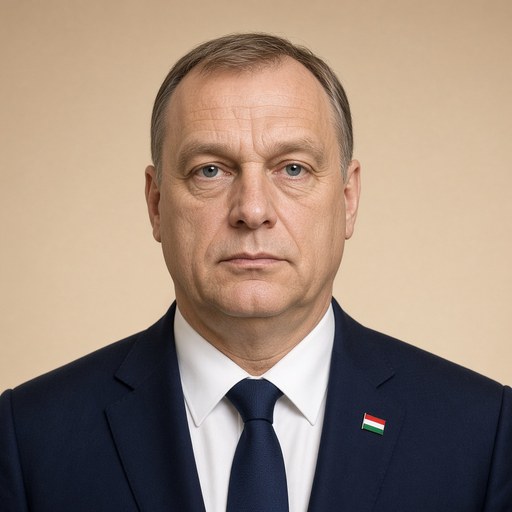
Viktor Orbán's press statement following the signing of the multi-year wage agreement within the framework of the Permanent Consultation Forum of the Economy and the Government.
 Viktor Orbán · Prime Minister of Hungary
- Context
- Orbán delivered a press statement on November 25, 2024, following the signing of a multi-year wage agreement at Hungary's Permanent Consultation Forum of the Economy and the Government.
- Main themes
- Multi-year wage agreement, employer-employee negotiations, peace vs. war economic scenarios, Hungarian economic growth, government role in wage policy, European economic difficulties, inflation and subdued growth, US presidential election impact, national interest and social partnership, revision clause and economic uncertainty
- Duration
- ~21 min
- Words
- 2,521
- Sentences
- 89
- Readability
- 45
- Grade
- 14.0
- Syntax
- 3.23
- Vocabulary
- 2.02
Translated from German
The broad sphere of national life a sentence belongs to. Every sentence has an Arena, so it is the denominator the other indices are read against.
Other89 sentences in 15 paragraphs
Good day, ladies and gentlemen!
When I was young, I was taught in the other system that sausages are a delicious food, but one should not go and see how they are made. And this applies to any serious and solid negotiation. There have been great struggles here recently, and for two reasons. First, the government has no control over these negotiations. Our understanding can be summarized as follows: there are two important actors in the economy, those who provide the work and those who do the work; they have their representatives, they are elected people, so they have democratic legitimacy, and it is good that the government plays as little of a role as possible in wage negotiations. We come to the picture in that it is not always possible to bring these two groups, which represent different viewpoints, employers and employees, to a position that is close to an agreement in a short time. In this case, government assistance is needed. The most common way to do this is to ask the government for budgetary resources to reach an agreement, that is, to urge the state to withdraw the taxes it has collected to allow for certain wage increases, because then it will be easier for employers and employees to reach an agreement. This is where we come into play. But I want to emphasize that we do not want to change that economic policy conviction that the most important question in the economy, the question of wages, should be decided by those who otherwise lead the economy. This role cannot be taken over by the state. We do not intend to do this in the future, but we are always willing to contribute to such an agreement.
There have also been great struggles in the negotiations for this reason, because the European economy is in a very difficult situation, as we have been living in the shadow of a war for three years. Especially us, Hungary, as a neighboring country of Ukraine, but the entire European economy suffers from the war, which has affected the European economy. As my predecessors have already said, high inflation, subdued growth, in other words, the war is taking its toll, and it is taking this high toll from all actors in the European economy. The big question before the current negotiations was how we envision the year 2025. Because if we envision the year 2025 as a year of war, one can reach a different agreement than if one envisions it as a year of peace. This has put Hungarian economic policy in a strange position, not only the government but all its actors, employers and employees alike, because it is an external factor that ultimately determines the path that the Hungarian economy can take. If Europe continues to envision its future in the context of war, this will have obvious consequences for Hungary as well. However, if the world economy and world politics take a turn towards peace, this will open up greater opportunities for Hungarian economic actors. That is why we had to wait for the presidential elections in the United States. As strange as it may sound, and perhaps especially strange coming from a sovereignist head of government, that we attribute such decisive weight to an external circumstance, but in times of war, it cannot be otherwise. That is why we should be glad that this agreement, which we were able to sign here today with the lady and gentlemen, is based on the concept and idea that the world and Europe will succeed in making 2025 a year of peace, and that we also envision the development of the economy as it would be expected in a year of peace.
Therefore, the Hungarian government considers economic growth of over 3 percent in the next year to be realistic. There are always doubts. During the negotiations, we also included a revision clause in this agreement, because if the world does not develop in this direction, the agreements must be changed accordingly. But everyone has accepted that this agreement should be based on an optimistic scenario, that is, a peace scenario. I also congratulate the trade unions and the employers, because such a negotiation – and this is particularly important in the case of a thousand-year-old Hungarian state – requires the ability to steer a state. Skills for state steering are necessary not only for the governing parties that lead the state, but also trade unions and employers must possess them. By this, I mean that everyone naturally fights for their own partial interests, but everyone must know that we can only assert our interests if we do not destroy the whole. So if the trade unions and the employers do not think nationally, if they prolong the negotiations and make exaggerated demands, then it could happen that one or the other does well, but we all do poorly together, we all lose. That is why it is very important that both employers and employees advocate for the whole on a national level, regardless of whether the employers represent the employers or the employees represent the employees. And I want to thank you for the fact that this is not the first, but the umpteenth such agreement, and I repeatedly note that alongside the sharp debates about numbers and representation, the thought is always present in these negotiations that we cannot conclude agreements and make demands that may be good for some but bad for the Hungarian economy as a whole. This kind of – I can think of no other word for it – national consciousness always manifests itself in a special moment when we can conclude these negotiations and sign the agreements. After all, we are all just Hungarians, and no one can move forward without Hungary moving forward. I thank the contracting parties for their understanding of this!
Now it is only a matter of implementing the agreement. This will not be easy. I think that both employers and employees have to do a lot in their own world to realize this collective agreement. This collective agreement involves a wage increase of 9 to 13-14 percent over three consecutive years; if we simply continue to work as we have been, this will not be sustainable. Behind this number lies an improvement in efficiency and productivity, as well as the acceptance of this, because it will not be possible to achieve the wage increase of 9-13-14% if the Hungarian economy operates at the same pace as in the last and the year before last. This means that company management, interest groups, and the employees themselves must contribute more to economic growth than in previous years. And I am glad that the trade unions believe that this is possible, and that the employers believe that there is room for it.
Ladies and gentlemen!
If we place this agreement in an international context, then we must say, as the union leaders or we, President Mészáros, who spoke in her name, have said, that this is an agreement of historic magnitude because it also places the minimum wage in a European context, so to speak, that is worthy of us. So somehow Hungary must be positioned here, Hungary must be at the forefront of the midfield, where the leaders are still visible, so we must be at the front of the chasing pack, with the chance to catch up with the best. With this wage level, this goal, this desire, is not unrealistic. I could also say that we are experiencing an unprecedented increase in the minimum wage. I cannot remember a minimum wage increase of this magnitude in recent times. By 2027, if I add up the increases over the three years, we will have a 40% increase. When I look at where this is the case in the European Union with similar wage agreements, I find that in the entire European Union, there has only been one example in the last 30 years where a country has agreed to a minimum wage increase of this magnitude. According to our intentions and calculations, which also include the inflation forecast, the real value of the minimum wage will increase by 29%, and the plan we previously announced that the minimum wage will reach half of the average wage will be achieved, or we will at least come very close to it.
Ladies and gentlemen!
The year 2025, if it will be a year of peace and we can implement these agreements, could be a fantastic year after the two very difficult and turbulent years we have behind us, because we could achieve economic growth of over 3%. Associated with this is a boom in public investments. We have not discussed this with the trade unions and employers, but they all know about it because they are familiar with the ongoing budget debate. This budget contains a very extensive state investment program. Next year, 300 new investments will be launched in Hungary with a total value of 8,100 billion forints, of which 450 billion forints will also reach the economy in 2025. Furthermore, in the coming year 2025, the largest and most important investments of the last decades will reach the end of the construction phase and will go into operation. The Budapest-Belgrade railway line will be completed, and we will also hand over huge factories in Győr, Szeged, and Debrecen. These are huge production capacities that will enter the Hungarian economy in 2025. That is all well and good, but it is the job of the big players.
But the biggest winners of this agreement are not the big players, but rather the small ones. On the one hand, it is the workers, the employees, and on the other hand, the small and medium-sized enterprises, because the employers have – in my opinion rightly – insisted that alongside such a collective agreement, there must also be a serious program for the development of small and medium-sized enterprises. So I believe that we would not have been able to conclude this agreement on the employers' side if the government had not announced our program to support small and medium-sized enterprises under the Sándor Demján Program, which, according to our estimates, will provide Hungarian entrepreneurs with 1,410 billion forints in financial resources. And I think that the agreement was well-oiled, even if it was not a prerequisite, but I think that the agreement on the union side was well-oiled by the fact that we will introduce a new institution that we have never seen before; that is the worker credit program, which will help young people who work and are represented by the unions to get on their own feet, and in a good case, it will also help them to obtain their own housing. Although it is not part of the agreement, I think that the fact that we have managed to reach an agreement with the employers that they can provide their young employees with a housing allowance and a grant for the acquisition of housing of 150,000 forints per month, deviating from the general tax conditions, was also a factor that moved the unions to an agreement. So if I look not only at the wages but also at the economic policy measures associated with this collective agreement, we have tried to put proposals on the table that address both issues that are close to the unions' hearts and long-standing demands and claims of the employees. So overall, even if we are talking about a wage agreement here, it cannot be viewed in isolation, but this wage agreement will only work and have a positive impact if the entire economic policy program, let us call it the new economic policy that we announce for 2025, is successful.
Ladies and gentlemen!
Let me speak in an even broader context. When we formed the national government in 2010, our most important, or for many perhaps the most sustainable promise, was to create one million new jobs. The ladies may not remember this because they are young, but the older gentlemen will remember it well, and they will recall the noise it caused. After all, we are Hungarians; we can be enthusiastic and skeptical at the same time, we can be skeptical even about the best things, and I remember the doubts that accompanied this idea, whether it was really possible to create one million new jobs in ten years. And the facts show that it is possible, which is not primarily due to the government, although we do state that we stand behind the result, but to the agreements we have been able to continuously make with the trade unions and employers. We are now saying nothing less than that the Hungarian government believes we must achieve an average income of one million Forint in the foreseeable future. Today, there are the same doubts and the same debates surrounding this statement, this goal, this commitment, as there were back when we announced the program for one million jobs, and there are undoubtedly uncertainties, just as there were 14 years ago regarding our then commitment. But I am glad that we have partners who do not rule this out from the outset, but who believe that we should first look at the problem, and if we can adhere to these wage agreements, if we can implement the minimum wage agreement, which we all know has an overall wage-increasing effect, then we can achieve it. The big question is whether the Hungarian economy will be able to generate this income, and there can be discussions and doubts about that, but I would like to point out that the Hungarian government is particularly available to employers to take measures that will enable Hungarian entrepreneurs to operate their businesses profitably even at such a wage level. So I believe that Hungary can achieve this if we all want it and if we all want to reach this goal.
In conclusion, ladies and gentlemen!
I am confident that the revision clause will not be necessary because our macroeconomic expectations will be met and this three-year collective agreement will come fully into effect in its current form without the need to renegotiate the details. Perhaps I still owe you one thing here. I must also thank those in the government who were involved in these negotiations, as this is the task of the Ministry of Economic Affairs and the Ministry of Finance. I also thank Minister Márton Nagy and Minister Mihály Varga. When we now talk about a new economic policy starting in January 2025, that is, about the end of the wartime period and the beginning of a new economic policy that can finally be implemented in peacetime, this will also come with changes in economic management that will also affect the two ministers mentioned here: a farewell for one and a beautiful overture for the other. I congratulate and thank the ministers for their work and wish those who signed the contract that we can fully adhere to our written agreement.
Thank you for your attention!
The original German. The tags above are read on the English translation's sentences.
Guten Tag, meine sehr geehrten Damen und Herren!
Als ich jung war, wurde mir im anderen System beigebracht, dass Würstchen ein leckeres Essen sind, aber man muss nicht hingehen und sehen, wie sie hergestellt werden. Und das gilt für jede ernsthafte und solide Verhandlung. Hier hat es in letzter Zeit große Kämpfe gegeben, und zwar aus zwei Gründen. Erstens hat die Regierung ihrerseits keine Kontrolle über diese Verhandlungen. Unser Verständnis lässt sich wie folgt zusammenfassen: Es gibt zwei wichtige Akteure in der Wirtschaft, diejenigen, die die Arbeit geben, und diejenigen, die die Arbeit machen, sie haben ihre Vertreter, sie sind gewählte Leute, also haben sie demokratische Legitimation, und es ist gut, dass die Regierung bei Lohnverhandlungen so wenig wie nur möglich eine Rolle spielt. Wir kommen auf die Weise ins Bild, dass es nicht immer möglich ist, diese beiden Gruppen, die unterschiedliche Standpunkte vertreten, Arbeitgeber und Arbeitnehmer, in kurzer Zeit zu einer Position zu bringen, die einer Einigung nahekommt. In diesem Fall ist die Hilfe der Regierung gefragt. Der gängigste Weg, dies zu tun, besteht darin, die Regierung um Haushaltsmittel zu bitten, um eine Einigung zu erzielen, d. h. den Staat aufzufordern, die von ihm erhobenen Steuern zurückzuziehen, um bestimmte Lohnerhöhungen zu ermöglichen, denn dann wird es für Arbeitgeber und Arbeitnehmer leichter sein, eine Einigung zu erzielen. Hier kommen wir ins Spiel. Aber ich möchte betonen, dass wir jene wirtschaftspolitische Überzeugung nicht ändern wollen, dass die wichtigste Frage in der Wirtschaft, die Frage der Löhne, von denjenigen entschieden werden sollte, die sonst die Wirtschaft führen. Diese Rolle kann nicht vom Staat übernommen werden. Wir haben nicht die Absicht, dies in Zukunft zu tun, aber wir sind immer gerne bereit, an einer solchen Einigung mitzuwirken.
Es gab jetzt auch aus dem Grund große Kämpfe in den Verhandlungen, weil die europäische Wirtschaft in einer sehr schwierigen Situation ist, weil wir seit drei Jahren im Schatten eines Krieges leben. Vor allem wir, Ungarn, als Nachbarland der Ukraine, aber auch die gesamte europäische Wirtschaft leidet unter dem Krieg, der die europäische Wirtschaft in Mitleidenschaft gezogen hat. Wie meine Vorredner bereits sagten, hohe Inflation, gedämpftes Wachstum, mit anderen Worten, der Krieg fordert seinen Tribut, und er fordert diesen hohen Tribut von allen Akteuren der europäischen Wirtschaft. Die große Frage vor den aktuellen Verhandlungen war, wie wir uns das Jahr 2025 vorstellen. Denn wenn wir uns das Jahr 2025 als Kriegsjahr vorstellen, kann man eine andere Vereinbarung treffen, als wenn man es sich als Friedensjahr vorstellt. Das hat die ungarische Wirtschaftspolitik in eine merkwürdige Lage gebracht, nicht nur die Regierung, sondern alle ihre Akteure, Arbeitgeber und Arbeitnehmer gleichermaßen, denn es ist ein externer Faktor, der letztlich den Weg bestimmt, den die ungarische Wirtschaft einschlagen kann. Wenn Europa sich seine Zukunft weiterhin im Kontext des Krieges vorstellt, wird dies offensichtliche Konsequenzen auch für Ungarn haben. Wenn aber die Weltwirtschaft und die Weltpolitik eine Wende zum Frieden nehmen, wird dies den ungarischen Wirtschaftsakteuren größere Möglichkeiten eröffnen. Deshalb mussten wir die Präsidentschaftswahlen in den USA abwarten. So seltsam es auch klingen mag, und vielleicht sogar besonders seltsam, wenn es von einem souveränistischen Regierungschef kommt, dass wir einem äußeren Umstand ein so entscheidendes Gewicht beimessen, aber in Zeiten des Krieges kann es nicht anders sein. Deshalb sollten wir froh sein, dass dieses Abkommen, das wir heute hier mit der Dame und den Herren unterzeichnen konnten, auf dem Konzept und der Idee beruht, dass es der Welt und Europa in ihr gelingen wird, 2025 zu einem Jahr des Friedens zu machen, und dass wir uns auch die Entwicklung der Wirtschaft so vorstellen, wie sie in einem Jahr des Friedens zu erwarten wäre.
Deshalb hält die ungarische Regierung ein Wirtschaftswachstum von über 3 Prozent im nächsten Jahr für realistisch. Zweifel gibt es immer. Während der Verhandlungen haben wir auch eine Revisionsklausel in dieses Abkommen aufgenommen, denn wenn sich die Welt nicht in diese Richtung entwickelt, müssen die Abkommen entsprechend geändert werden. Aber alle haben akzeptiert, dass dieses Abkommen auf einem optimistischen Szenario, d.h. einem Friedensszenario, beruhen sollte. Ich beglückwünsche auch die Gewerkschaften und die Arbeitgeber, denn eine solche Verhandlung – und das ist im Falle eines tausendjährigen ungarischen Staates besonders wichtig – erfordert die Fähigkeit, einen Staat zu lenken. Fähigkeiten zur Staatslenkung sind nicht nur für die Regierungsparteien, die den Staat führen, notwendig, sondern auch Gewerkschaften und Arbeitgeber müssen über sie verfügen. Damit meine ich, dass jeder natürlich für seine eigenen Teilinteressen kämpft, aber jeder muss wissen, dass wir unsere Interessen nur durchsetzen können, wenn wir das Ganze nicht zerstören. Wenn also die Gewerkschaften und die Arbeitgeber nicht national denken, wenn sie die Verhandlungen überziehen und übertriebene Forderungen stellen, dann könnte es dazu kommen, dass es dem einen oder anderen gut geht, aber uns allen zusammen schlecht, wir alle verlieren. Deshalb ist es sehr wichtig, dass sich sowohl die Arbeitgeber als auch die Arbeitnehmer auf nationaler Ebene für das Ganze einsetzen, egal ob die Arbeitgeber die Arbeitgeber oder die Arbeitnehmer die Arbeitnehmer vertreten. Und ich möchte Ihnen dafür danken, dass dies nicht das erste, sondern das x-te derartige Abkommen ist, und ich stelle immer wieder fest, dass neben den scharfen Debatten über Zahlen und Interessenvertretung bei diesen Verhandlungen immer auch der Gedanke präsent ist, dass wir keine Abkommen abschließen und Forderungen stellen können, die vielleicht für einige gut sind, aber für die ungarische Wirtschaft insgesamt schlecht. Diese Art von – mir fällt kein anderes Wort dafür ein – Nationalbewusstsein manifestiert sich also immer in einem besonderen Moment, wenn wir diese Verhandlungen abschließen und die Abkommen unterzeichnen können. Schließlich sind wir alle nur Ungarn, und niemand kann vorankommen, ohne dass dabei Ungarn vorankommt. Ich danke den Vertragspartnern für ihr Verständnis dafür!
Jetzt geht es nur noch darum, das Abkommen umzusetzen. Das wird nicht einfach sein. Ich denke, dass sowohl die Arbeitgeber als auch die Arbeitnehmer in ihrer eigenen Welt eine Menge tun müssen, um diesen Tarifvertrag zu verwirklichen. Bei diesem Tarifvertrag handelt es sich um eine Lohnerhöhung von 9 bis 13-14 Prozent in drei aufeinanderfolgenden Jahren; wenn wir einfach so weiterarbeiten wie bisher, wird das nicht zu halten sein. Hinter dieser Zahl verbirgt sich also eine Verbesserung der Effizienz und der Produktivität sowie die Annahme hiervon, denn es wird nicht möglich sein, die Lohnerhöhung von 9-13-14 % zu erreichen, wenn die ungarische Wirtschaft mit der Drehzahl läuft wie im letzten und vorletzten Jahr. Das bedeutet, dass die Unternehmensleitungen, die Interessengruppen und die Arbeitnehmer selbst mehr zum Wirtschaftswachstum beitragen müssen als in den Vorjahren. Und ich bin froh, dass die Gewerkschaften glauben, dass dies möglich ist, und dass die Arbeitgeber glauben, dass es Raum dafür gibt.
Meine sehr geehrten Damen und Herren!
Wenn wir diese Vereinbarung in einen internationalen Kontext stellen, dann müssen wir sagen, wie die Gewerkschaftsführer bzw. wir Frau Präsidentin Mészáros, die in ihrem Namen gesprochen hat, gesagt haben, dass dies eine Vereinbarung von historischem Ausmaß ist, weil sie den Mindestlohn auch in einen europäischen Kontext stellt, um es mal so zu sagen, der uns würdig ist. Also irgendwie muss Ungarn hier positioniert werden, Ungarn muss an der Spitze des Mittelfeldes stehen, wo die Vorderen noch sichtbar sind, also müssen wir an der Spitze des Verfolgerfeldes stehen, mit der Chance, zu den Besten aufzuschließen. Mit diesem Lohnniveau ist dieses Ziel, dieser Wunsch, nicht unrealistisch. Ich könnte auch sagen, dass wir eine noch nie dagewesene Erhöhung des Mindestlohns erleben. Ich kann mich nicht erinnern, dass es in letzter Zeit eine Mindestlohnerhöhung in diesem Ausmaß gegeben hat. Bis 2027 werden wir, wenn ich die Erhöhungen der drei Jahre zusammenzähle, eine Erhöhung von 40 % haben. Wenn ich mir anschaue, wo dies in der Europäischen Union bei ähnlichen Lohnvereinbarungen der Fall ist, stelle ich fest, dass es in der gesamten Europäischen Union in den letzten 30 Jahren nur ein einziges Beispiel dafür gab, dass ein Land eine Mindestlohnerhöhung in dieser Größenordnung vereinbart hat. Nach unseren Absichten und Berechnungen, die auch die Prognose der Inflation einschließen, wird der reale Wert des Mindestlohns um 29% steigen, und der Plan, den wir zuvor angekündigt haben, dass der Mindestlohn die Hälfte des Durchschnittslohns erreichen wird, wird erreicht werden, oder wir werden ihm zumindest sehr nahekommen.
Meine sehr geehrten Damen und Herren!
Das Jahr 2025, wenn es ein Jahr des Friedens sein wird und wir diese Vereinbarungen umsetzen können, könnte nach den beiden sehr schwierigen und unruhigen Jahren, die wir hinter uns haben, ein fantastisches Jahr werden, weil wir ein Wirtschaftswachstum von über 3 % erreichen könnten. Damit verbunden ist ein Boom bei den öffentlichen Investitionen. Wir haben dies nicht mit den Gewerkschaften und Arbeitgebern besprochen, aber sie alle wissen davon, weil sie mit der laufenden Haushaltsdebatte vertraut sind. Dieser Haushalt enthält ein sehr umfangreiches staatliches Investitionsprogramm. Im nächsten Jahr werden in Ungarn 300 neue Investitionen mit einem Gesamtwert von 8.100 Milliarden Forint in Angriff genommen, von denen 450 Milliarden Forint im Jahr 2025 auch in der Wirtschaft ankommen werden. Außerdem werden im kommenden Jahr 2025 die größten und wichtigsten Investitionen der letzten Jahrzehnte das Ende der Bauphase erreichen und in Betrieb gehen. Die Eisenbahnlinie Budapest-Belgrad wird fertiggestellt werden, und wir werden auch riesige Fabriken in Győr, Szeged und Debrecen übergeben. Das sind riesige Produktionskapazitäten, die im Jahr 2025 in die ungarische Wirtschaft eintreten werden. Das ist alles schön und gut, aber es ist die Aufgabe der großen Jungs.
Aber die größten Gewinner dieses Abkommens sind nicht die Großen, sondern eher die Kleinen. Es sind zum einen die Arbeiter, die Angestellten, und zum anderen die kleinen und mittleren Unternehmen, denn die Arbeitgeber haben – meiner Meinung nach zu Recht – darauf bestanden, dass es neben einem solchen Tarifvertrag auch ein ernsthaftes Programm zur Entwicklung der kleinen und mittleren Unternehmen geben muss. Ich glaube also, dass wir nicht in der Lage gewesen wären, diese Vereinbarung auf Arbeitgeberseite abzuschließen, wenn die Regierung nicht unser Programm zur Unterstützung kleiner und mittlerer Unternehmen im Rahmen des Sándor-Demján-Programms angekündigt hätte, das nach unseren Schätzungen den ungarischen Unternehmern 1.410 Milliarden Forint an Finanzmitteln zur Verfügung stellen wird. Und ich denke, dass die Vereinbarung gut geölt wurde, auch wenn es keine Vorbedingung war, aber ich denke, dass die Vereinbarung auf der Gewerkschaftsseite gut geölt wurde durch die Tatsache, dass wir eine neue Institution einführen werden, die wir noch nie zuvor gesehen haben; das ist das Arbeiterkreditprogramm, das jungen Menschen, die arbeiten und von den Gewerkschaften vertreten werden, helfen wird, auf die eigenen Füße zu kommen, und in einem guten Fall auch helfen wird, eine eigene Wohnung zu bekommen. Es ist zwar nicht Teil der Vereinbarung, aber ich denke, dass die Tatsache, dass es uns gelungen ist, mit den Arbeitgebern eine Vereinbarung darüber zu treffen, dass die Arbeitgeber ihren jungen Arbeitnehmern einen Mietzuschuss und einen Zuschuss für den Erwerb von Wohnraum in Höhe von 150.000 Forint pro Monat gewähren können, wobei von den allgemeinen steuerlichen Bedingungen abgewichen wird, ebenfalls ein Faktor war, der die Gewerkschaften zu einer Vereinbarung bewegt hat. Wenn ich mir also nicht nur die Löhne ansehe, sondern auch die wirtschaftspolitischen Maßnahmen, die mit diesem Tarifvertrag verbunden sind, haben wir versucht, Vorschläge auf den Tisch zu legen, die sowohl Themen, die den Gewerkschaften am Herzen liegen, als auch seit langem bestehende Forderungen und Ansprüche der Arbeitnehmer aufgreifen. Also insgesamt, auch wenn wir hier über einen Lohnabschluss sprechen, kann dieser nicht isoliert betrachtet werden, sondern dieser Lohnabschluss wird nur dann funktionieren und sich positiv auswirken, wenn das gesamte wirtschaftspolitische Programm, nennen wir es die neue Wirtschaftspolitik, die wir für 2025 ankündigen, erfolgreich ist.
Meine sehr geehrten Damen und Herren!
Lassen Sie mich in einem noch weitreichenderen Kontext sprechen. Als wir 2010 die nationale Regierung gebildet haben, war unser wichtigstes, oder für viele vielleicht das nachhaltigste Versprechen, eine Million neue Arbeitsplätze zu schaffen. Die Damen erinnern sich vielleicht nicht daran, weil sie jung sind, aber die älteren Herren werden sich gut daran erinnern, und sie werden sich an den Lärm erinnern, den das verursacht hat. Schließlich sind wir Ungarn, wir können enthusiastisch und skeptisch zugleich sein, wir können selbst bei den besten Dingen skeptisch sein, und ich erinnere mich an die Zweifel, die diese Idee begleiteten, ob es wirklich möglich sei, 1 Million neue Arbeitsplätze in 10 Jahren zu schaffen. Und die Fakten zeigen, dass es möglich ist, was nicht in erster Linie an der Regierung liegt, obwohl wir uns melden, dass wir hinter dem Ergebnis stehen, sondern an den Vereinbarungen, die wir mit den Gewerkschaften und den Arbeitgebern laufend treffen konnten. Wir sagen jetzt nicht weniger, als dass die ungarische Regierung der Meinung ist, dass wir in absehbarer Zeit ein Durchschnittseinkommen von einer Million Forint erreichen müssen. Es gibt heute die gleichen Zweifel und die gleichen Debatten um diese Erklärung, dieses Ziel, diese Verpflichtung, wie damals, als wir das Programm für eine Million Arbeitsplätze ankündigten, und es gibt zweifellos Unsicherheitsfaktoren, genauso wie es sie vor 14 Jahren um unsere damalige Verpflichtung gab. Aber ich bin froh, dass wir Partner haben, die das nicht von vornherein ausschließen, sondern die glauben, dass wir zuerst uns das Problem anschauen sollten, und wenn wir diese Lohnvereinbarungen einhalten können, wenn wir die Mindestlohnvereinbarung umsetzen können, von der wir alle wissen, dass sie eine insgesamt lohnerhöhende Wirkung hat, dann können wir es schaffen. Die große Frage ist, ob die ungarische Wirtschaft in der Lage sein wird, dieses Einkommen zu erwirtschaften, und darüber kann es Diskussionen und Zweifel geben, aber ich möchte darauf hinweisen, dass die ungarische Regierung insbesondere den Arbeitgebern zur Verfügung steht, um Maßnahmen zu ergreifen, die es den ungarischen Unternehmern ermöglichen, ihre Unternehmen auch bei einem solchen Lohnniveau rentabel zu betreiben. Ich bin also der Meinung, dass Ungarn dies schaffen kann, wenn wir alle es wollen und wenn wir alle dieses Ziel erreichen wollen.
Abschließend, meine sehr geehrten Damen und Herren!
Ich bin zuversichtlich, dass die Revisionsklausel nicht notwendig sein wird, weil unsere makroökonomischen Erwartungen erfüllt werden und dieser dreijährige Tarifvertrag in seiner jetzigen Form voll in Kraft treten wird, ohne dass die Details neu verhandelt werden müssen. Vielleicht bin ich Ihnen hier noch eine Sache schuldig. Ich muss auch denjenigen in der Regierung danken, die an diesen Verhandlungen beteiligt waren, da dies die Aufgabe des Wirtschaftsministeriums und des Finanzministeriums ist. Ich danke auch Herrn Minister Márton Nagy und Herrn Minister Mihály Varga. Wenn wir jetzt über eine neue Wirtschaftspolitik ab Januar 2025 sprechen, also über das Ende der Kriegszeit und den Beginn einer neuen Wirtschaftspolitik, die endlich in Friedensjahren umgesetzt werden kann, dann wird dies auch mit Veränderungen in der Wirtschaftsführung einhergehen, die auch die beiden hier genannten Minister betreffen werden: ein Abgesang für den einen und eine schöne Ouvertüre für den anderen. Ich gratuliere und danke den Herrn Ministern für ihre Arbeit und wünsche denjenigen, die den Vertrag unterzeichnet haben, dass wir unsere schriftliche Vereinbarung vollständig einhalten können.
Vielen Dank für Ihre Aufmerksamkeit!