




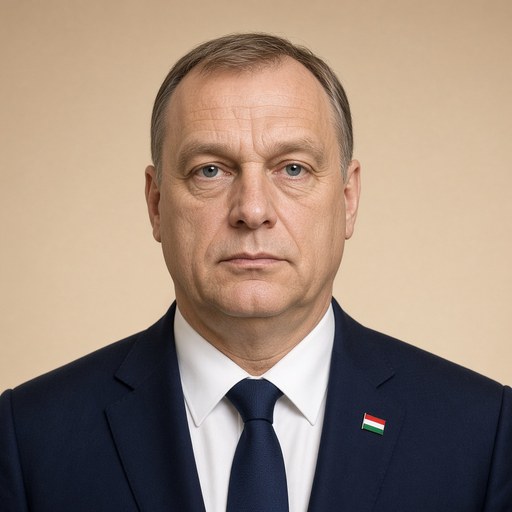
Viktor Orbán's speech at the inauguration of the new buildings of the University of Veterinary Medicine.
 Viktor Orbán · Prime Minister of Hungary
- Context
- Orbán addressed the inauguration of new buildings at the University of Veterinary Medicine in Hungary on December 10, 2024.
- Main themes
- Hungarian veterinary education, university inauguration, Hungarian higher education investment, national identity and heritage, global university rankings, sovereignty and independence from Brussels, Pannonia Scholarship Program, liberal world order decline, Hungary's international role, animal husbandry and Hungarian history
- Duration
- ~8 min
- Words
- 953
- Sentences
- 61
- Readability
- 51
- Grade
- 10.1
- Syntax
- 2.72
- Vocabulary
- 2.16
Translated from Hungarian
The broad sphere of national life a sentence belongs to. Every sentence has an Arena, so it is the denominator the other indices are read against.
Other61 sentences in 12 paragraphs
Good afternoon, esteemed Ladies and Gentlemen! Rector, University, Secular and Ecclesiastical Leaders! Esteemed Ladies and Gentlemen!
It was the duty of kings to be satisfied with everything, while the prime minister's duty was to be dissatisfied with everything. I will talk about this, about where to go from here, from where we are now.
Most esteemed Rector!
Thank you very much for the invitation. When historical writings or even common language speak of the origins of the Hungarian people and the lifestyle of the ancient Hungarians, they characterize us as a great livestock-keeping and animal-knowledgeable nation. According to legend, a wonderful animal, the miraculous stag, led us to our home in the Carpathian Basin and thus marked our place in the world. Allegedly, the conquest took place in such a way that someone always had to keep an eye on the herd, lest they accidentally set off back to Asia. Written records do not confirm this. The tales of my childhood taught me to care for and protect our animals from harm. The shepherd must preserve the golden-fleeced lamb. The youngest prince frees the magical steed, and he must carry it on his shoulder because it is weak, and he must heal it because it is sick. I only add this for historical accuracy: the way to heal it is to feed the foal with fiery embers. I fear that this remedy may already be neglected by the university. However, in our profession, in politics, it still works. In fact, it works best. In summary, our survival depended on how well we know animals. Can we shoot arrows backward on horseback, help a mare give birth, or care for a grey cattle? Those who were not good veterinarians could not expect a bright future either on the steppe or in the Great Plain. Without animals and animal husbandry, we would not be here today.
Esteemed Ladies and Gentlemen!
Hungarian veterinary science is still world-renowned today. In our country, perhaps the highest quality education is provided here, and the most scientific discoveries are made here. The university is proof of how far we can go if we learn to cultivate our thousand-year heritage at a world-class level, at the level of the times. This university ranks among the 150 best universities in the world. This is an achievement that every Hungarian can justifiably be proud of. I am pleased to hear that the university's goal is to enter the top 50, meaning that those who research and study here want to be the best. With the new buildings and research laboratories inaugurated today, this can indeed be achieved. From now on, there is a background available that allows students, educators, and researchers here to perform above average in terms of research results, international publications, and the development of patents. Please do not settle for less; we should not settle for less!
Dear Friends!
What is happening here at this university is part of a new era in Hungarian higher education. The goal of Hungarians is for our universities to be among the world's elite. According to the latest EU data – which, as we have heard, are not from our most committed friends – Hungary spends the most on higher education in proportion to GDP in the entire European Union. Over the past ten years, we have tripled the resources allocated for research and development. As a result, five years ago there were only seven Hungarian universities among the top 5 percent in the world, and now there are twelve. The number of foreign students studying in Hungary has nearly doubled in ten years. And we will not allow Brussels to vent its frustrations over the protection of our sovereignty on Hungarian youth. We have established the Pannonia Scholarship Program. We can see that we do not need others' money. We are also capable of creating fruitful scientific collaborations with the world's best universities.
Ladies and Gentlemen!
We know that of all weapons, the sharpest is human reason. And the minds of young people are the sharpest. It is important to keep this in mind because the world is on the brink of radical changes. The liberal world order has come to an end. From now on, only those nations can be winners in the changes ahead of us that make the most of themselves. Those who integrate, fall in line, cannot show their own values, cannot discover the strength inherent in their national character, will quickly become insignificant. Hungary is preparing to place our country's role in the international arena on new foundations. We do not want to follow the path set by others, but rather to exploit the advantages that stem from our own history, our own economic structure, and our own culture. As the westernmost eastern and the easternmost western people, we want to connect with all the economic power centers of the world. We are making good progress in this, and Hungarian universities will be the great winners of this.
Allow me to congratulate you on the renewed buildings of the university in this spirit, as well as to congratulate you on the achievements so far. I thank everyone for their work who contributed to these successes. And the next big plan for the development of the university is already in the pipeline. In 2025, I hope we will conclude the war, redirect the functioning of the European economy back to normal, put the Hungarian economy on a growth path, and generate the financial resources necessary for the further development of your university. May this institution continue to be an indispensable reference point for Hungarian veterinary science and the Hungarian future! Thank you for your attention!
Go Hungary, go Hungarians!
The original Hungarian. The tags above are read on the English translation's sentences.
Jó napot kívánok, tisztelt Hölgyeim és Uraim! Rektor Úr, Egyetemi, Világi és Egyházi Elöljárók! Tisztelt Hölgyeim és Uraim!
A királyok dolga az volt, hogy mindennel meg legyenek elégedve, a miniszterelnöknek meg az, hogy semmivel ne legyen megelégedve. Erről fogok majd beszélni, hogy hova tovább innen, ahol most vagyunk.
Mélyen tisztelt Rektor Úr!
Köszönjük szépen a meghívást. Amikor a történeti írások vagy akárcsak a köznyelv a magyarság eredetéről, a régi magyarok életmódjáról beszél, akkor nagy állattartó és állatismerő népként jellemez bennünket. A monda szerint is egy csodálatos állat, a csodaszarvas vezetett el otthonunkba, a Kárpát-medencébe, és jelölte ki ezzel a helyünket a világban. Állítólag a honfoglalás is úgy zajlott, hogy valakinek mindig figyelnie kellett a ménest, nehogy véletlenül hazainduljanak Ázsiába. Ezt írásos följegyzések nem erősítik meg. Gyerekkorom meséi arra tanítottak, hogy gondozzuk és óvjuk meg állatainkat a bajtól. A juhásznak meg kell őriznie az aranyszőrű bárányt. A legkisebb királyfi kiszabadítja a táltos paripát, sőt a vállán kell vinnie, mert erőtlen, és meg kell gyógyítania, mert beteg. Csak a történeti hűség miatt teszem hozzá, hogy a gyógyítás módja az, ha a csikót tüzes parázzsal etetjük. Tartok attól, hogy ezt a gyógymódot az egyetem talán már elhanyagolja. A mi szakmánkban, a politikában azonban még működik. Sőt, ez működik leginkább. Summa summárum, az életben maradásunk múlott azon, mennyire ismerjük az állatokat. Tudunk-e lóháton hátrafelé nyilazni, kancát elletni vagy éppen szürkemarhát gondozni. Aki nem volt jó állatorvos, nem számíthatott nagy jövőre sem a sztyeppén, sem az Alföldön. Az állatok és az állattartás nélkül nem lennénk ma itt.
Tisztelt Hölgyeim és Uraim!
A magyar állatorvostudomány ma is világhírű. Hazánkban talán itt folyik a legszínvonalasabb oktatás, itt kerül napvilágra a legtöbb tudományos felfedezés. Az egyetem a bizonyítéka, milyen messzire is juthatunk, ha ezeréves örökségünket megtanuljuk világszínvonalon, a kor színvonalán művelni. Ez az egyetem a világ 150 legjobb egyeteme között foglal helyet. Olyan eredmény ez, amire joggal lehet büszke minden magyar ember. Örömmel hallom, hogy az egyetem célja bekerülni a legjobb 50-be, vagyis akik itt kutatnak és tanulnak, a legjobbak akarnak lenni. A ma átadott új épületekkel és új kutatólaborokkal ez sikerülhet is. Mostantól olyan háttér áll rendelkezésre, ami lehetővé teszi, hogy az itt tanulók, oktatók és kutatók átlagon felül teljesítsenek a kutatási eredmények, a nemzetközi publikációk és a szabadalmak kifejlesztése terén is. Kérem, ne adják lejjebb, nem is szabad lejjebb adni!
Kedves Barátaim!
Ami itt, ezen az egyetemen történik, az része a magyar felsőoktatás új korszakának. A magyarok célja az, hogy az egyetemeink a világ élvonalába tartozzanak. A legfrissebb uniós adatok szerint – akik, mint hallhattuk, nem a legelkötelezettebb barátaink – Magyarország költi GDP-arányosan a legtöbbet felsőoktatásra az egész Európai Unióban. Az elmúlt tíz évben háromszorosára növeltük a kutatásra és fejlesztésre szánt forrásokat. Ennek köszönhetően öt éve még csak hét, most pedig már tizenkét magyar egyetem van a világ legjobbjainak 5 százalékában. A Magyarországon tanuló külföldi egyetemisták száma tíz év alatt majd’ duplájára nőtt. És azt sem hagyjuk, hogy Brüsszel a szuverenitásunk védelme miatt a magyar fiatalokon verje el a port. Létrehoztuk a Pannónia Ösztöndíjprogramot. Láthatjuk, nem szorulunk mások pénzére. Mi magunk is képesek vagyunk gyümölcsöző tudományos együttműködéséket létrehozni a világ legjobb egyetemeivel.
Hölgyeim és Uraim!
Tudjuk, hogy minden fegyver közül a legélesebb az emberi ész. És a fiatalok esze vág a legjobban. Ezt fontos szem előtt tartani, mert a világ gyökeres változások előtt áll. A liberális világrend véget ért. Mostantól csak azok a nemzetek lehetnek nyertesei az előttünk álló változásoknak, amelyek a legtöbbet hozzák ki magukból. Azok, akik betagozódnak, beállnak a sorba, nem képesek megmutatni saját értékeiket, nem képesek felfedezni a nemzeti karakterükben rejlő erőt, azok rövid úton eljelentéktelenednek. Magyarország arra készül, hogy hazánk szerepét a nemzetközi térben is új alapokra helyezze. Nem a mások által kijelölt utat akarjuk követni, hanem a saját történelmünkből, a saját gazdaságszerkezetünkből és a saját kultúránkból származó előnyeinket akarjuk kihasználni. A legnyugatibb keleti és a legkeletibb nyugati népként kapcsolódni akarunk a világ összes gazdasági erőközpontjához. Ezzel jól haladunk, és ennek a magyar egyetemek nagy nyertesei lesznek.
Engedjék meg, hogy ebben a szellemben gratuláljak az egyetem megújult épületeihez, mint ahogy gratulálok az eddigi eredményekhez is. Köszönöm mindenkinek a munkáját, aki hozzájárult a sikerekhez. És már ott van a csőben az egyetem fejlesztésének következő, nagy terve is. 2025-ben reményeim szerint lezárjuk a háborút, visszatereljük az európai gazdaság működését a normális kerékvágásba, a magyar gazdaságot növekedési pályára állítjuk, és megtermeljük az Önök egyetemének további fejlesztéséhez szükséges pénzügyi forrásokat. Legyen ez az intézmény továbbra is a magyar állatorvostudomány és a magyar jövő egyik megkerülhetetlen igazodási pontja! Köszönöm a figyelmüket!
Hajrá, Magyarország, hajrá, magyarok!