




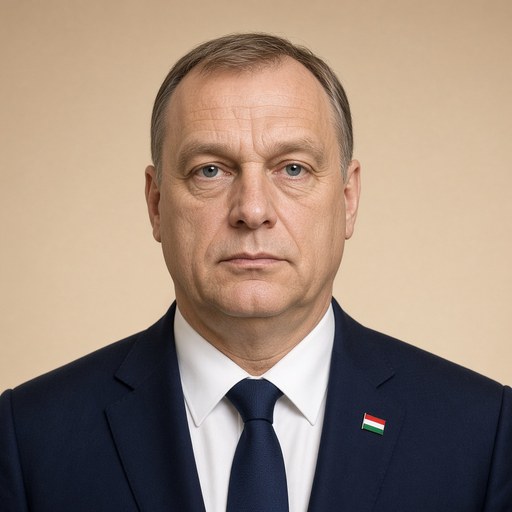
Viktor Orbán's speech at the Hungarian-Vietnamese Economic Forum
 Viktor Orbán · Prime Minister of Hungary
- Context
- Orbán addressed Hungarian and Vietnamese business leaders at a bilateral economic forum in January 2024, following talks with Vietnamese Prime Minister Phạm Minh Chính.
- Main themes
- Hungarian-Vietnamese bilateral relations, trade and investment cooperation, economic development, shared history of independence, political stability, agriculture and pharmaceuticals, Hungarian economy, Vietnamese economy, entrepreneurship and business risk
- Duration
- ~23 min
- Words
- 2,702
- Sentences
- 123
- Readability
- 49
- Grade
- 11.8
- Syntax
- 3.02
- Vocabulary
- 2.13
Translated from German
The broad sphere of national life a sentence belongs to. Every sentence has an Arena, so it is the denominator the other indices are read against.
Other123 sentences in 17 paragraphs
Dear Prime Minister Phạm Minh Chính! Dear members of the Vietnamese delegation! Dear business leaders engaged in cooperation between our two countries!
On behalf of the Hungarian government, I warmly welcome you. I would like to briefly report on our meeting yesterday with the Prime Minister. We had long discussions and analyzed the current relations between our two countries. From the Hungarian side, we consider it a success that we have managed to increase the value of goods transported from Hungary to Vietnam to a level of 100 million USD, but we also noted that the volume and value of goods coming from Vietnam to Hungary far exceed this value. We would like to improve this situation by asking the Prime Minister to bring strong players from the dynamic and spectacularly growing Vietnamese economy to Hungary, to send them to Hungary so that they can invest here and build investment relations alongside trade between our two countries. As you are developing very quickly and accumulating capital faster, we are primarily looking for investments from you, but we are also willing to invest in some areas in Vietnam. We have agreed, we have discussed sectors such as agriculture, pharmaceuticals, and so on. All in all, we concluded yesterday, as I can report to all of you here, the day with a fruitful negotiation from an economic perspective.
But the real value of yesterday's discussions goes beyond the economy, as it was an opportunity for us to better understand Vietnam and the Vietnamese people, and we also tried to show more of ourselves, to let Hungary be better understood. Hungary is a patriotic country. Hungary is proud of its history. It is proud that we have defended our independence for a thousand years. We are proud that we have not been intimidated by the great powers, and as I listened to the Prime Minister speak about the history of Vietnam, the inner motivations, the history of the last hundred years, especially the very difficult period between 1944 and 1984, which the Prime Minister also mentioned here, it reminded me of an important moment in my middle school years. Mr. Prime Minister, in middle school, we have to study in detail the time when Hungary's independence was threatened by the so-called Ottoman Empire, and we heroically tried to defend Hungary. More heroically than successfully, but that is a topic for another lecture. We defended it as best we could. And a novel was written about one of the very famous cities that every Hungarian child reads. That is "The Stars of Eger." It is the mid-16th century, we are outnumbered by the invaders, and we are defending the castle, and then the captain of the castle gathers his soldiers and tells them that the strength of the castle lies not in the walls, but in the souls of the defenders. And when you spoke to me yesterday about the history of Vietnam, that is exactly what came to my mind, because you have won very important wars. And when you look at the numbers, the weapons, the resources available, there was nothing that supported your success except that you stood up for your independence, for your own country, and for your own culture. I think this is an important common element in the history of our two peoples from which entrepreneurs can understand why the political relations between our two countries are stable and solid. And entrepreneurs can also draw courage from this, as they see that the cooperation between our two countries is not tactical, not cyclical, not fashionable, and not even related to the fact that Vietnam is currently doing well, but that it is a deeply rooted, stable relationship system, and anyone who is currently involved in the Vietnamese-Hungarian economy, invests, and risks money is not threatened by a political risk for their success. There is no political risk because the relations between our two countries are deeply rooted, as the Prime Minister also said: We established bilateral relations in 1950 after the world war, and we have both valued and nurtured them since then.
Mr. Prime Minister, if you allow me, I would like to say a few words to the Vietnamese business people about Hungary. I cannot present such a triumphant list of achievements as this short film you just presented to us about the Vietnamese economy, but we also have no reason to be ashamed, because although we do not develop at the same pace as Vietnam, our development is remarkable in European comparison and by European standards. Our national debt is higher than yours, but it is kept in check and is tending to decline. Our finances are stable, independent of various EU funds. We are a country that produces twice as much food as we consume, so we can export 50% of our agricultural products. And, what may be most important for our Vietnamese friends, it is a complex economy. We often see countries the size of Hungary that are basically monocultural, good at one or two things. That is not the case in Hungary. There is an index for economic complexity in the world that ranks countries, and we consistently rank tenth or eleventh as the most complex economy in the world economic system.
To help our Vietnamese guests understand what I am talking about, let me tell you – somewhat boastfully – a few things that would not be possible without us, I mean, without the Hungarians. For example, they could not defeat their boredom with the Rubik's Cube if we Hungarians had not invented it. Or all of humanity would still be writing with fingers or with a quill if Mr. Bíró, who was Hungarian, had not invented the ballpoint pen. Or there would be no computer system if Neumann, the father of computers, had not created the first computer. And it may hurt, but even the brave Italians could only drink coffee with boiled water if a Hungarian engineer named Ferenc Illy – during his captivity in Italy – had not invented the coffee machine, which remains the most important technical invention for making espresso to this day. So what I want to say, dear Vietnamese guests, is that the Hungarian economy may not be very large compared to yours, but it is strong in complexity, strong in technology, strong in production culture, and we have a lot of innovations that are eagerly waiting for the arrival of a large economic player who can transfer our innovations and utilize them in the economy. This is a huge opportunity. Last year, in 2023, there were two Hungarian Nobel Prizes: one in biology and one in physics. What I wanted to convey to the Vietnamese entrepreneurs is that they should take us seriously, that they should not judge us only by our size, but that they should also see the qualitative elements that are present in the Hungarian economy.
Ladies and gentlemen!
This does not mean that Hungary has no problems. We also have tasks and challenges ahead of us. We are optimistic that we can overcome them, but they are not easy tasks. We face a demographic challenge. We have a demographic autumn across Europe, as it is said, meaning the population is declining. We have a plan on how we can reverse this with family policy, but it is questionable how we will achieve that. In any case, we are fighting, and perhaps we are hopeful. We have a digitization task ahead of us. The Hungarian economy is indeed more digitized in some segments than the Western European economy, but there are segments of the Hungarian economy that are extremely underdeveloped in terms of digitization, and thus we are facing a major explosion. This year and next year, we will introduce digital citizenship, and we will streamline all bureaucracy, all administration, everything that can be streamlined through digitization. And we have another problem, which is the value creation of GDP. Although the Hungarian economy – I hope Mr. Szijjártó will approve the number, I will meet him – is an economy whose export performance accounts for 85 percent of our GDP. I say this correctly, right, Péter? 85 percent! But you must also know that unfortunately a significant part of these exports does not really come from value creation. So we need to increase the share of investments in the Hungarian economy – and here we count on you, Mr. Prime Minister – to bring activities to Hungary where we can also create added value and then export it together. Thus, we can also count on opportunities that Vietnamese entrepreneurs can utilize in our problems.
In conclusion, ladies and gentlemen, I must also mention that the situation in Europe is complicated. If I were a Vietnamese entrepreneur, I would rightly ask the question: It is nice that Hungary has its own foreign economic policy, but Hungary belongs to the European Union. What can we expect? Will the European Union change, and will this not be a disadvantage for those who have invested as Vietnamese entrepreneurs in Hungary? That is a legitimate question, as the world economy is undergoing upheaval, and your world, Asia, is growing relentlessly, and Europe cannot keep up with this rhythm, which leads to a certain frustration in Europe. Within the EU, there are two schools of thought on how to respond to this situation. One school says we should defend ourselves. They use the terms decoupling and derisking, meaning we need to decouple from the rising East and protect what we have. And there is another school of thought that says that the rise of Asia is an opportunity for us, one that we should not resist but see as an opportunity and participate in. In this school, everything revolves around the word connectivity. Blockade, decoupling, or connectivity – that is the big question in the European Union today. We are doing well in this struggle, and I believe that the number of those who recognize that decoupling will destroy us even more and impair our competitiveness is growing. The number of countries in Europe that prefer cooperation and advocate for connectivity is increasing, and I sincerely hope that Hungary will have a positive influence on our intra-European debate and that we will succeed in moving European economic policy towards connectivity. With this, I just wanted to tell our esteemed Vietnamese guests that the chances are good that the stable environment you experience here in the Hungarian economy will remain for the long term, for decades to come.
If I were a Vietnamese entrepreneur, I would ask one more question before I put a single cent on the table here in Hungary. The question I would ask is: "And will you not be drawn into the Russian-Ukrainian war, because this war is in your neighborhood, Ukraine is Hungary's neighbor." And here I must answer you that Hungary is clearly and unequivocally on the side of peace. We speak in exactly the same tone and with the same tone as you. We also know that peace is the highest value, that peace is necessary for development and prosperity, and that where there is war, a ceasefire must be reached as quickly as possible and peace must be achieved as soon as possible. So we are both, if I may put it this way, in the peace camp. You can therefore be assured that there will be no adventurous politics in Hungary that would allow Hungary to be drawn into, pushed into, or pressed into the conflict currently taking place in Hungary's neighborhood. This war will therefore have no impact on your economic investments and activities in Hungary.
My dear ladies and gentlemen!
It is only fitting that I congratulate our guests from Vietnam, including the Prime Minister, on the dynamic growth we are experiencing. One also learns humility when hosting guests. For example, I was very proud of our achievement in 2010 when we said we would create one million jobs in ten years. And I look and see that in Vietnam, 28 million jobs have been created in five years. Let us set aside the difference in scale for a moment, but the similarity of the two intentions suggests a common mindset. Of course, we want to create jobs, because we are not only thinking of the economic profit, which is of course important for businesses, but we want the economic success to serve the well-being of our people, so that through economic success, jobs are created for both Vietnamese and Hungarians. This shows that we think similarly about the economy as well.
Ladies and gentlemen!
Finally, Europe, as the Prime Minister said, has concluded an investment protection agreement with Vietnam. And Prime Minister Phạm Minh Chính is right when he says that there are still quite a number of countries, perhaps nine, that have not yet ratified it in their national parliaments. We were the first. We will hold the presidency of the Council of the European Union in the second half of the year, and I have assured the Prime Minister that we will do everything we can to achieve the outstanding ratifications. I tell Hungarian businesspeople that Vietnam also has a free trade agreement with the European Union. It is the most ambitious free trade agreement that the European Union has ever concluded with anyone. We have an agreement that stipulates that by 2030, 99 percent of bilateral trade will be duty-free, which is a message to both Vietnamese and Hungarians that there will be no trade barriers hindering your business results when you engage in economic activity in the European Union, including Hungary.
Ladies and gentlemen!
There is a significant obstacle or difficulty in our relationship, and that is the distance. You are very far away, or from your perspective, we are very far away. We need to find a way to solve this. At the moment, there are two options for this. We have agreed with the Prime Minister that we will develop a plan for how direct air traffic can be established between the two countries. If there is no direct air traffic, it will be very difficult to maintain truly vibrant business relations between the economic circles of the two countries. There is a technique to facilitate this. The Prime Minister and I have agreed to task our ministers with putting a proposal for a direct flight connection on the table. The other means of overcoming the distance is personal contact between the citizens of both nations, also known as "people's diplomacy." Therefore, it is of great importance that Vietnamese students study in Hungary and that Hungarian students study in Vietnam. At the moment, the number of the latter is still low, but the number of students from Vietnam is high. Today, more than 900 Vietnamese students are studying at our universities in Hungary with state scholarships from the Hungarian government, and we hope that upon their return to Vietnam, they will be good ambassadors of Vietnamese-Hungarian friendship. I hope that we have also succeeded today in signing agreements between our universities, and that we can further expand academic cooperation, and that through friendship and education, we can overcome the distance that currently geographically separates our two countries.
In conclusion, dear Prime Minister, I would like to thank you once again for your visit to Hungary, also in front of the Hungarian public. We thank you for bringing this very high-level delegation. I also thank the ministers for their presence. Thank you to the businesspeople who have come to Hungary. I have accepted the Prime Minister's invitation to visit you early next year, which is good news for us, as we will see each other again in Vietnam at the latest in a year. It will be a bit tight for the ministers, as the Prime Minister said that the ministers will then have to report on the work we have just assigned to them, and we would like it to be completed in a year. So, Prime Minister, I thank you for your presence, and we look forward to visiting you in Vietnam early next year.
Thank you for being here!
The original German. The tags above are read on the English translation's sentences.
Sehr geehrter Herr Ministerpräsident Phạm Minh Chính! Sehr geehrte Mitglieder der vietnamesischen Delegation! Sehr geehrte Führungskräfte aus der Wirtschaft, die in der Zusammenarbeit zwischen den beiden Ländern tätig sind!
Im Namen der ungarischen Regierung heiße ich Sie sehr herzlich willkommen. Ich möchte Ihnen kurz über unser gestriges Treffen mit dem Ministerpräsidenten berichten. Wir haben lange Gespräche geführt und die bisherigen Beziehungen zwischen den beiden Ländern analysiert. Von ungarischer Seite sehen wir es als Erfolg an, dass es uns gelungen ist, den Wert der von Ungarn nach Vietnam transportierten Waren auf eine Größenordnung von 100 Mio. USD zu erhöhen, aber wir haben auch festgestellt, dass das Volumen und der Wert der Waren, die von Vietnam nach Ungarn kommen, diesen Wert weit übersteigen. Wir möchten diese Situation verbessern, indem wir den Premierminister bitten, starke Akteure der dynamischen und spektakulär wachsenden vietnamesischen Volkswirtschaft nach Ungarn zu holen, sie nach Ungarn zu schicken, damit sie hier investieren und neben dem Handel auch Investitionsbeziehungen zwischen den beiden Ländern aufbauen. Da Sie sich sehr schnell entwickeln und schneller Kapital anhäufen, suchen wir vor allem nach Investitionen von Ihnen, aber wir sind auch gerne bereit, in einigen Bereichen in Vietnam zu investieren. Wir haben uns geeinigt, wir haben über Sektoren gesprochen, Landwirtschaft, Pharmazeutika und so weiter. Alles in allem haben wir also gestern, wie ich Ihnen allen hier berichten kann, den Tag mit einer aus wirtschaftlicher Sicht fruchtbaren Verhandlung beendet.
Aber der eigentliche Wert der gestrigen Gespräche geht über die Wirtschaft hinaus, denn es war für uns eine Gelegenheit, Vietnam und die vietnamesischen Menschen besser zu verstehen, und wir haben auch versucht, mehr von uns selbst zu zeigen, Ungarn besser verstehen zu lassen. Ungarn ist ja ein patriotisches Land. Ungarn ist stolz auf seine Geschichte. Es ist stolz darauf, dass wir unsere Unabhängigkeit seit tausend Jahren verteidigt haben. Wir sind stolz darauf, dass wir uns von den Großen nicht haben einschüchtern lassen, und als ich dem Ministerpräsidenten zuhörte, wie er über die Geschichte Vietnams, die inneren Motivationen, die Geschichte der letzten hundert Jahre, insbesondere die sehr schwierige Zeit zwischen 1944 und 1984, die der Ministerpräsident hier auch erwähnt hat, sprach, erinnerte mich das an einen wichtigen Moment in meiner Mittelschulzeit. Herr Ministerpräsident, in der Mittelschule müssen wir uns ausführlich mit der Zeit beschäftigen, als Ungarns Unabhängigkeit durch das so genannte Osmanische Reich bedroht war und wir heldenhaft versuchten, Ungarn zu verteidigen. Mehr heldenhaft als erfolgreich, aber das ist ein Thema für einen anderen Vortrag. Wir haben es verteidigt, so gut wir konnten. Und über eine der sehr berühmten Städte wurde ein Roman geschrieben, den jedes ungarische Kind liest. Das ist “Die Sterne von Eger”. Es ist die Mitte des 16. Jahrhunderts, wir sind den Eindringlingen zahlenmäßig unterlegen, und wir verteidigen die Burg, und dann ruft der Burghauptmann seine Soldaten zusammen und sagt ihnen, dass die Stärke der Burg nicht in den Mauern, sondern in den Seelen der Verteidiger liegt. Und als Sie gestern mit mir über die Geschichte Vietnams sprachen, ist mir genau das in den Sinn gekommen, denn Sie haben sehr wichtige Kriege gewonnen. Und wenn man sich die Zahlen, die Waffen, die zur Verfügung stehenden Mittel anschaut, dann gab es nichts, was Ihren Erfolg unterstützte, außer dass Sie für Ihre Unabhängigkeit, für Ihr eigenes Land und für Ihre eigene Kultur eingetreten sind. Ich denke, dass dies ein wichtiges gemeinsames Element in der Geschichte der beiden Völker ist, aus dem die Unternehmer verstehen können, warum die politischen Beziehungen zwischen den beiden Ländern stabil und solide sind. Und auch die Unternehmer können daraus Mut schöpfen, denn sie sehen, dass die Zusammenarbeit zwischen den beiden Ländern nicht taktisch, nicht zyklisch, nicht modisch ist und nicht einmal damit zusammenhängt, dass es Vietnam gerade gut geht, sondern dass es sich um ein tief verwurzeltes, stabiles Beziehungssystem handelt, und jeder, der sich heute in der vietnamesisch-ungarischen Wirtschaft bewegt, investiert und Geld riskiert, ist nicht von einem politischen Risiko für seinen Erfolg bedroht. Es gibt kein politisches Risiko, weil die Beziehungen zwischen den beiden Ländern tief verwurzelt sind, wie das auch der Herr Ministerpräsident sagte: Wir haben 1950 nach dem Weltkrieg bilaterale Beziehungen aufgenommen, und wir haben sie seither beide zu schätzen gewusst und gepflegt.
Herr Ministerpräsident, wenn Sie gestatten, möchte ich ein paar Worte zu den vietnamesischen Geschäftsleuten über Ungarn sagen. Ich kann keine so triumphale Liste von Errungenschaften vorlegen wie dieser Kurzfilm der bzw. Sie uns hier gerade über die vietnamesische Wirtschaft präsentiert haben, aber wir brauchen uns auch nicht zu schämen, denn obwohl wir uns nicht im gleichen Tempo wie Vietnam entwickeln, ist unsere Entwicklung im europäischen Vergleich und nach europäischen Maßstäben bemerkenswert. Unsere Staatsverschuldung ist zwar höher als die Ihre, aber sie ist im Zaum zu halten und tendenziell rückläufig. Unsere Finanzen sind unabhängig von den verschiedenen EU-Geldern stabil. Wir sind ein Land, das doppelt so viele Lebensmittel produziert, wie wir verbrauchen, so dass wir 50 % unserer landwirtschaftlichen Erzeugnisse exportieren können. Und, was für unsere vietnamesischen Freunde vielleicht am wichtigsten ist, es ist eine komplexe Wirtschaft. Wir sehen oft Länder von der Größe Ungarns, die im Grunde genommen monokulturell sind, gut in ein oder zwei Dingen. Das ist in Ungarn nicht der Fall. Es gibt einen Index für die wirtschaftliche Komplexität in der Welt, der die Länder in eine Rangliste einordnet, und wir belegen dort durchweg den zehnten oder elften Platz als die komplexeste Wirtschaft im Weltwirtschaftssystem.
Damit unsere vietnamesischen Gäste verstehen, wovon ich spreche, erzähle ich Ihnen – uns dabei etwas brüstend – ein paar Dinge, die ohne uns, ich meine, ohne die Ungarn, nicht möglich wären. Zum Beispiel könnten sie ihre Langeweile nicht mit dem Rubik’s Cube besiegen, wenn wir Ungarn ihn nicht erfunden hätten. Oder die ganze Menschheit würde immer noch mit den Fingern oder mit einem Federkiel schreiben, wenn Herr Bíró, der Ungar war, nicht den Kugelschreiber erfunden hätte. Oder es gäbe kein Computersystem, wenn Neumann, der Vater des Computers, nicht den ersten Computer geschaffen hätte. Und es mag zwar schmerzen, aber selbst die tapferen Italiener könnten nur Kaffee mit abgekochtem Wasser trinken, wenn nicht ein ungarischer Ingenieur namens Ferenc Illy – während seiner Kriegsgefangenschaft in Italien – die Kaffeemaschine erfunden hätte, die bis heute die wichtigste technische Erfindung für die Espressoherstellung ist. Was ich damit also sagen will, sehr geehrte vietnamesische Gäste, ist, dass die ungarische Wirtschaft im Vergleich zu Ihrer vielleicht nicht sehr groß ist, aber sie ist stark in der Komplexität, stark in der Technologie, stark in der Produktionskultur, und wir haben eine Menge Innovationen, die sehnsüchtig auf die Ankunft eines großen Wirtschaftsakteurs warten, der unsere Innovationen übertragen und in der Wirtschaft nutzen kann. Dies ist eine riesige Chance. Letztes Jahr, im Jahr 2023, gab es zwei ungarische Nobelpreise: einen in Biologie und einen in Physik. Was ich damit den vietnamesischen Unternehmern sagen wollte, ist, dass sie uns ernst nehmen sollten, dass sie uns nicht nur nach unserer Größe beurteilen sollten, sondern dass sie auch die qualitativen Elemente sehen sollten, die in der ungarischen Wirtschaft vorhanden sind.
Meine Damen und Herren!
Das heißt nicht, dass Ungarn keine Probleme hat. Wir haben auch Aufgaben und Herausforderungen vor uns. Wir sind optimistisch, dass wir sie bewältigen können, aber es sind keine leichten Aufgaben. Wir haben eine demografische Herausforderung vor uns. Wir haben in ganz Europa einen demografischen Herbst, wie man das sagt, d. h. die Bevölkerung nimmt ab. Wir haben einen Plan, wie wir das mit einer Familienpolitik umkehren können, aber es ist fraglich, wie wir das schaffen. Auf jeden Fall kämpfen wir, und vielleicht sind wir hoffnungsvoll. Wir haben eine Digitalisierungsaufgabe vor uns. Die ungarische Wirtschaft ist ja in einigen Segmenten stärker digitalisiert als die westeuropäische Wirtschaft, aber es gibt Segmente der ungarischen Wirtschaft, die in Bezug auf die Digitalisierung extrem unterentwickelt sind, und so stehen wir vor einer großen Explosion. In diesem und im nächsten Jahr werden wir die digitale Staatsbürgerschaft einführen, und wir werden die gesamte Bürokratie, die gesamte Verwaltung, alles, was durch Digitalisierung verschlankt werden kann, erledigen. Und wir haben noch ein weiteres Problem, und das ist die Wertschöpfung des GDP. Obwohl die ungarische Wirtschaft – ich hoffe, Herr Szijjártó wird die Zahl genehmigen, ich werde sie treffen – eine Wirtschaft ist, deren Exportleistung 85 Prozent unseres GDP ausmacht. Ich sage das korrekt, nicht wahr, Péter? 85 Prozent! Aber Sie müssen auch wissen, dass leider ein erheblicher Teil dieser Exporte nicht wirklich aus der Wertschöpfung stammt. Wir müssen also den Anteil der Investitionen in der ungarischen Wirtschaft erhöhen – und hier zählen wir auf Sie, Herr Ministerpräsident –, die Aktivitäten nach Ungarn bringen, wo wir auch Mehrwert schaffen können, und diesen dann gemeinsam exportieren. So können wir auch bei unseren Problemen vielleicht auf Chancen zählen, die vietnamesische Unternehmer nutzen können.
Abschließend, meine Damen und Herren, muss ich noch darüber sprechen, dass die Situation in Europa kompliziert ist. Wenn ich ein vietnamesischer Unternehmer wäre, würde ich zu Recht die Frage stellen: Es ist schön, dass Ungarn eine eigene Außenwirtschaftspolitik betreibt, aber Ungarn gehört zur Europäischen Union. Was können wir erwarten? Wird sich die Europäische Union verändern und wird dies nicht ein Nachteil für diejenigen sein, die als vietnamesische Unternehmer in Ungarn investiert haben? Das ist eine berechtigte Frage, denn die Weltwirtschaft befindet sich im Umbruch, und Ihre Welt, Asien, wächst unaufhaltsam, und Europa kann mit diesem Rhythmus nicht mithalten, was in Europa zu einer gewissen Frustration führt. Innerhalb der EU gibt es zwei Denkrichtungen, wie auf diese Situation zu reagieren ist. Die eine Schule sagt, wir sollten uns verteidigen. Sie verwenden die Begriffe Abkopplung und Derisking, d. h. wir müssen uns vom aufstrebenden Osten abkoppeln und das schützen, was wir haben. Und es gibt eine andere Denkschule, die besagt, dass der Aufstieg Asiens eine Chance für uns ist, der wir uns nicht widersetzen, sondern die wir als Chance sehen und an ihr teilhaben sollten. In dieser Schule dreht sich alles um das Wort Konnektivität. Blockade, Abkopplung oder Konnektivität – das ist heute die große Frage in der Europäischen Union. Wir schlagen uns gut in diesem Kampf, und ich glaube, dass die Zahl derer, die erkennen, dass die Abkopplung uns noch mehr zerstören und unsere Wettbewerbsfähigkeit beeinträchtigen wird, wächst. Die Zahl der Länder in Europa, die die Zusammenarbeit bevorzugen und die Konnektivität befürworten, wächst, und ich hoffe sehr, dass Ungarn einen positiven Einfluss auf unsere innereuropäische Debatte haben wird und dass es uns gelingen wird, die europäische Wirtschaftspolitik in Richtung Konnektivität zu bewegen. Damit wollte ich unseren verehrten vietnamesischen Gästen nur sagen, dass die Chancen gut stehen, dass das stabile Umfeld, das Sie hier in der ungarischen Wirtschaft erleben, auf lange Sicht, auf Jahrzehnte hinaus, erhalten bleiben wird.
Wenn ich ein vietnamesischer Unternehmer wäre, würde ich eine weitere Frage stellen, bevor ich hier in Ungarn auch nur einen einzigen Cent auf den Tisch legen würde. Die Frage, die ich stellen würde, lautet: „Und werden Sie nicht in den russisch-ukrainischen Krieg hineingezogen werden, denn dieser Krieg ist in Ihrer Nachbarschaft, die Ukraine ist Ungarns Nachbar.” Und hier muss ich Ihnen antworten, dass Ungarn ganz klar und deutlich auf der Seite des Friedens steht. Wir sprechen in genau demselben Ton und mit demselben Tonfall wie Sie. Auch wir wissen, dass der Friede der höchste Wert ist, dass der Friede für die Entwicklung und den Wohlstand notwendig ist, und dass dort, wo es Krieg gibt, so schnell wie möglich ein Waffenstillstand geschlossen und so schnell wie möglich der Frieden erreicht werden muss. Wir sind also beide, wenn ich das so formulieren darf, im Friedenslager. Sie können also sicher sein, dass es in Ungarn keine wie auch immer geartete abenteuerliche Politik geben wird, die es zulässt, dass Ungarn in den Konflikt hineingezogen, hineingedrängt oder hineingedrückt wird, der sich derzeit in Ungarns Nachbarschaft abspielt. Dieser Krieg wird also keine Auswirkungen auf Ihre wirtschaftlichen Investitionen und Aktivitäten in Ungarn haben.
Meine sehr geehrten Damen und Herren!
Es ist nur angemessen, dass ich unseren Gästen aus Vietnam, einschließlich des Ministerpräsidenten, zu dem dynamischen Wachstum gratuliere, das wir erleben. Man lernt auch Bescheidenheit, wenn man Gäste empfängt. Ich war zum Beispiel sehr stolz auf unsere Leistung im Jahr 2010, als wir sagten, dass wir in zehn Jahren eine Million Arbeitsplätze schaffen würden. Und ich schaue und sehe, dass in Vietnam in fünf Jahren 28 Millionen Arbeitsplätze geschaffen wurden. Lassen wir den Unterschied in der Größenordnung einmal beiseite, aber die Ähnlichkeit der beiden Absichten lässt auf eine gemeinsame Denkweise schließen. Natürlich wollen wir Arbeitsplätze schaffen, denn wir denken nicht nur an den wirtschaftlichen Gewinn, der für die Unternehmen natürlich wichtig ist, sondern wir wollen, dass der wirtschaftliche Erfolg dem Wohlergehen unseres Volkes dient, so dass durch den wirtschaftlichen Erfolg Arbeitsplätze für Vietnamesen und Ungarn entstehen. Das zeigt, dass wir auch über die Wirtschaft ähnlich denken.
Meine sehr geehrten Damen und Herren!
Schließlich hat Europa, wie der Herr Ministerpräsident es sagte, ein Investitionsschutzabkommen mit Vietnam abgeschlossen. Und Herr Ministerpräsident Phạm Minh Chính hat Recht, wenn er sagt, dass es noch eine ganze Reihe von Ländern gibt, vielleicht neun, die es noch nicht in ihren nationalen Parlamenten ratifiziert haben. Wir waren die Ersten. Wir werden noch in der zweiten Hälfte des Jahres den Vorsitz im Rat der Europäischen Union innehaben, und ich habe dem Premierminister zugesagt, dass wir alles tun werden, um die noch ausstehenden Ratifizierungen zu erreichen. Ich sage den ungarischen Geschäftsleuten, dass Vietnam auch ein Freihandelsabkommen mit der Europäischen Union hat. Es ist das ehrgeizigste Freihandelsabkommen, das die Europäische Union jemals mit jemandem abgeschlossen hat. Wir haben ein Abkommen, das vorsieht, dass bis 2030 99 Prozent des bilateralen Handels zollfrei sein werden, was eine Botschaft sowohl an Vietnamesen als auch an Ungarn ist, dass es keine Handelsschranken geben wird, die Ihre Geschäftsergebnisse behindern, wenn Sie in der Europäischen Union, einschließlich Ungarn, eine wirtschaftliche Tätigkeit ausüben.
Meine sehr geehrten Damen und Herren!
Es gibt ein großes Hindernis oder eine Schwierigkeit in unserer Beziehung, und das ist die Entfernung. Sie sind sehr weit weg, oder von Ihnen aus gesehen, sind wir sehr weit weg. Wir müssen einen Weg finden, dies zu lösen. Dafür gibt es im Moment zwei Möglichkeiten. Wir haben mit dem Herrn Ministerpräsidenten vereinbart, dass wir einen Plan ausarbeiten werden, wie der direkte Luftverkehr zwischen den beiden Ländern hergestellt werden kann. Wenn es keinen direkten Flugverkehr gibt, wird es sehr schwierig sein, wirklich lebendige Geschäftsbeziehungen zwischen den Wirtschaftskreisen der beiden Länder zu unterhalten. Es gibt eine Technik, wie man dies erleichtern kann. Der Herr Ministerpräsident und ich sind übereingekommen, unsere Minister zu beauftragen, einen Vorschlag für eine direkte Flugverbindung auf den Tisch zu legen. Das andere Mittel zur Überwindung der Entfernung ist der persönliche Kontakt zwischen den Bürgern beider Völker, auch bekannt als „Diplomatie der Völker”. Daher ist es von großer Bedeutung, dass vietnamesische Studenten in Ungarn studieren und dass ungarische Studenten in Vietnam studieren. Im Moment ist die Zahl der Letzteren noch gering, aber die Zahl der Studenten aus Vietnam ist hoch. Heute studieren mehr als 900 vietnamesische Studenten mit staatlichen Stipendien des ungarischen Staates an unseren Universitäten in Ungarn, und wir hoffen, dass sie nach ihrer Rückkehr nach Vietnam gute Botschafter der vietnamesisch-ungarischen Freundschaft sein werden. Ich hoffe, dass es uns heute auch gelungen ist, Vereinbarungen zwischen unseren Universitäten zu unterzeichnen, und dass wir die akademische Zusammenarbeit weiter ausbauen können, und dass wir durch Freundschaft und Bildung die Entfernung überwinden können, die unsere beiden Länder derzeit geografisch trennt.
Abschließend, sehr geehrter Herr Ministerpräsident, möchte ich Ihnen noch einmal für Ihren Besuch in Ungarn danken, auch vor der ungarischen Öffentlichkeit. Wir danken Ihnen, dass Sie diese sehr hochrangige Delegation mitgebracht haben. Ich danke auch den Herrn Ministern für ihr Kommen. Danke an die Geschäftsleute, die nach Ungarn gekommen sind. Ich habe die Einladung des Herrn Ministerpräsidenten angenommen, Sie Anfang nächsten Jahres zu besuchen, was eine gute Nachricht für uns ist, denn wir werden uns spätestens in einem Jahr in Vietnam wiedersehen. Für die Minister wird es etwas eng werden, denn der Herr Ministerpräsident sagte, dass die Minister dann über die Arbeit, die wir gerade ihnen übertragen haben, Bericht erstatten müssen, und wir möchten, dass sie in einem Jahr abgeschlossen sein wird. Herr Ministerpräsident, ich danke Ihnen also für Ihr Kommen und wir freuen uns darauf, Sie Anfang nächsten Jahres in Vietnam zu besuchen.
Wir danken Ihnen, dass Sie hier waren!