




- Context
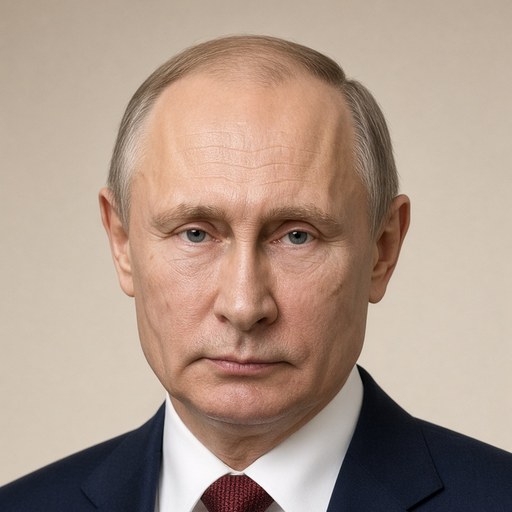
- Putin addressed the United Russia Party Congress on September 24, 2011, ahead of State Duma elections, endorsing the party's candidate lists and outlining his political strategy.
- Main themes
- United Russia party congress, State Duma elections, electoral reform, intra-party democracy, primaries and political openness, party social projects, economic modernization, Putin's presidential candidacy, political competition, nationwide political leadership
- Duration
- ~64 min
- Words
- 7,678
- Sentences
- 395
- Readability
- 51
- Grade
- 10.9
- Syntax
- 2.93
- Vocabulary
- 2.01
Translated from Russian
The broad sphere of national life a sentence belongs to. Every sentence has an Arena, so it is the denominator the other indices are read against.
Other395 sentences in 131 paragraphs
Dear friends, good afternoon!
In this hall, of course, there is a special energy; you just get charged with emotions, it is pleasant to speak. And we are, of course, meeting on a special day — there are 10 weeks left until the voting day, and today you will have to approve the lists of candidates for the State Duma and the party's election program.
A few words about how the elections will be held — I must say this as the head of state, as President, as the guarantor of the Constitution — they will be held under new rules. Thanks to the decisions made with your direct participation, our electoral legislation has been significantly modernized. Together, we have implemented a number of initiatives aimed at expanding citizens' participation in the formation of power institutions and improving the quality of popular representation. In this work, "United Russia" has shown itself to be a strong and, I would even say, a generous party, consistently improving the conditions for political competition.
For many years, "United Russia" has played the role of a nationwide political leader, capable not only of leading but also of rising above narrow group interests, hearing not only its supporters, which is especially difficult, but also its opponents, following strategic goals rather than momentary benefits, working, as much as possible, in the interests of all regions, all social groups, all citizens of our country. This is especially important — to be, in the full sense, a nationwide and all-Russian party.
But I would also like to say kind words in connection with other processes. In line with this same policy, measures have been taken to strengthen intra-party democracy. A new level of political culture is formed not only from the outside but also based on the rules of relationships among comrades. Of course, a party is strong in discipline, any party. It must not, under any circumstances, allow disarray and confusion, but formalism and bureaucratization are also very dangerous. They lead to stagnation and degradation of the political system. And, unfortunately, this has happened in the history of our country. I am glad that this is understood in the party.
I remember well how, speaking at the congress in 2009, I supported the idea of mandatory primaries and mandatory participation of the party in debates in elections at all levels. The corresponding amendments were made to the Charter, and the positive effect is visible today, visible right in this hall. Among the delegates of the congress, there are many new, simply likable faces. This is very pleasant.
And this happened largely thanks to this preliminary voting, these primaries, the nomination of candidates based on such preliminary selection. This is indeed a unique case in Russian politics. Not all parties are ready for this. I have spoken with leaders of other parties. Some regard primaries with skepticism, I believe, because they fear them. And therefore, I consider that holding such preliminary voting is an important sign of the maturity and openness of "United Russia."
Of course, not everything went perfectly, smoothly; not all the losers may have accepted their defeat. Humanly, this is difficult, one can understand, but overall, the preliminary voting confirmed its effectiveness. The party thus passed a very serious exam. I congratulate you on this.
The voters of our country know "United Russia" through the work of numerous party projects aimed at solving the most important, acute social problems. The party actively helps those who have lost their jobs, and, unfortunately, this problem remains very acute, provides assistance to deceived depositors and shared equity investors in housing. The public oversight organized by you restrains the rise in utility tariffs, preventing irresponsible dealers from unjustifiably raising prices for services.
You pay great attention to the development of children's sports, fight against the shortage of kindergartens, engage in the protection of citizens' health and road repairs, support talented youth. All of this addresses the most pressing problems, the most urgent tasks. Their solution requires daily, painstaking, and unnoticed work — it is much easier to discuss something from the screens of televisions — and this is difficult fieldwork. It is precisely this work that our citizens see and appreciate.
I would like to sincerely thank you for your unwavering and active support of my political strategy. The party proposed my candidacy in connection with my election to the position of President. And it supported me then and supports me now. This strategy outlines the contours of our development for the coming years. I will briefly outline it once again to emphasize the unity of our goals.
First. This is the modernization of the economy, the education system, the technical rearmament of industry, the improvement of the investment climate, the creation of infrastructure for innovation, the increase of productivity and labor safety to ensure greater incomes for citizens, greater incomes for companies, and budgets at all levels.
Second. This is the fulfillment of social obligations, the increase, as much as possible, of salaries, pensions, benefits, the fight against poverty, the modernization of healthcare.
Third. This is the eradication of corruption, the openness of information about the incomes of officials, state procurement made by ministries and departments, decisions they make, and public expertise of all government initiatives that directly affect the property rights of people and the sphere of their civil freedoms.
Fourth. Strengthening the judicial system based on the principles of independence, transparency, and justice, humanizing criminal legislation regarding so-called economic articles or crimes, and tightening punishment for violent crimes, primarily those committed against children, as well as for terrorist acts.
Fifth. Maintaining interethnic and interfaith peace, combating illegal migration, ethnic crime, manifestations of xenophobia and separatism, supporting the free development of all cultures of the peoples of Russia, and all traditional confessions.
Sixth, as has already been mentioned — the establishment of a modern political system. Such a responsive, indeed modern political system that allows everyone, including the smallest social groups, to be heard and included in the processes of state and public administration, to be assured that there are no powerless and defenseless people in our country, this is very important, that freedom and justice are accessible to everyone.
Seventh. Internal and external security, an effective police force, powerful Armed Forces, raising the prestige of service in the army, navy, and law enforcement agencies.
And eighth — this is, of course, an independent, reasonable foreign policy, ultimately pursuing only one goal — the improvement of the well-being of our people and guarantees of their security. I can tell you, and I have repeatedly been convinced of this, that in all areas of this work, you have supported me. I sincerely appreciate this support. Thank you. And I believe that "United Russia" is indeed a pro-presidential party.
Just now, Vladimir Vladimirovich Putin, as the Chairman of the party, officially addressed me and the congress with a proposal to head the list of "United Russia." This is undoubtedly a responsible and very serious proposal. I accept it.
I accept it and will now explain the reasons why I am doing this, apart from emotional ones. First, everything that the party has done and is doing, and I just spoke about this, corresponds to my priorities for the development of the country; the party has actively supported the President's course. Therefore, both the modernization of the economy and social life, and the political system — this is our hard-won course. This means we have common views on the future of our country, we have common plans for the future, common answers to the most significant challenges facing our state, and this is the main thing.
Second, we equally understand what our country should not be. It should not be weak, poor, ineffective, falling apart, it should not suffer from technological backwardness, from the arbitrariness of officials, from corruption, from terrorism, it should not be isolated. And this is also our common position.
Third, we all together, here, present in this hall, believe that the party itself needs a major modernization. It must become more open, effective, and if you will, more stringent in defending its priorities.
It must rid itself of random people who have clung to it for selfish purposes; it must finally become younger and more creative in order to compete with other political forces in our country. And looking around the hall, I am absolutely confident in this.
Thus, if you entrust me with this work, I am ready to engage in it. Moreover, if the party wins the elections, and I am practically sure of this, if we work just as well, then I am also ready to continue the real work on modernizing our economy, raising the living standards of our people, and building a modern rule of law state. I believe it is right today to focus on the practical course of modernization of our lives. This should be the task of a radically renewed Government of Russia, which will be formed by the winning party, and I am confident that it will be "United Russia."
Finally, I propose to determine another very important question, which, of course, concerns the party, all our people who follow politics; I mean to determine the candidacy for the position of President of the country. Given the proposal to head the party list, to engage in party work, and with my readiness to engage in practical work in the Government after a successful performance in the elections, I believe it would be right for the congress to support the candidacy of the party chairman, Vladimir Putin, for the position of President of the country.
These applause give me the right not to explain what experience and authority Vladimir Vladimirovich Putin possesses.
And a few more words on this topic. I have been constantly asked when you will determine your position, what you will present to the people, and sometimes I was asked along with Vladimir Vladimirovich: "Have you quarreled with each other?" I want to fully confirm what has just been said. What we are proposing to the congress is a deeply thought-out decision. And even more, we indeed discussed this scenario of events back when our comradeship was formed. And the years that have passed have proven to us, I very much hope, and to the majority of our citizens, the correctness of our strategy and the effectiveness of the established management model.
As for the fact that we did not publicly announce our position on the election scenario for quite a long time, I hope you will understand us, as will our citizens; this is a matter of political expediency, a matter of following the laws of political genre precisely in our country. But I would like to emphasize one thing. We have always spoken only the truth.
And finally, the main thing — the choice always remains with you, with all the people of Russia!
Dear friends! We know why we are going to the elections — to win! Today, in this hall, it is very appropriate to remind our political opponents that just a little while ago, just over ten years ago, our country was in a deep decline, in a systemic crisis, the damage from which was comparable in scale to the consequences of a civil war. They must remember this. Together, we overcame the most severe difficulties; we rose. We are millions of citizens of our country, a great people of a great state! Together, we preserved and restored our beloved Motherland — our Russia. And we will not give it away. We will not give it to those who want to destroy it, we will not give it to those who deceive people by handing out empty and unachievable slogans and promises.
Our beloved country — our Russia — must belong to free, decent, and responsible people. I am sure it will be so.
Esteemed participants of the congress! Dear friends!
Today we have gathered to together determine plans for the future. We face large-scale tasks: we must build an innovative economy, strengthen democratic institutions. But if we truly want to succeed, at the center of our attention must always, constantly be the person — the citizen of Russia!
Russian families must feel positive changes in their lives; this is the main meaning and goal of all our work. And only then can we count on the support of the people.
The global crisis has tested the resilience of all countries in the world, their ability to preserve the well-being of citizens, national industry, and the social sphere. Not everyone has succeeded. The root of the problems was not with us; however, it was precisely in Russia that the crisis hit quite hard: the decline was deeper than in many countries. Despite this, we stood firm. And most importantly, we protected the interests of the majority of people, did not reduce but increased the volumes of social support.
Of course, it was impossible to solve all the problems. Many of our citizens faced unemployment, a decrease in wages. It was simply impossible to help everyone, everyone who needed this support. It was impossible to do. And we ask for your understanding.
But we, as we promised, did not allow the recurrence of the destructive shocks of the past, did not allow everyday poverty to return to our lives, did not let the crisis erase everything that had been done in demographics, healthcare, education, and the social sphere as a whole, implemented employment programs that covered about 5 million people.
Dmitry Anatolyevich just mentioned that we will continue to increase efforts to combat unemployment. But I must tell you that we not only fully restored the pre-crisis level of the labor market, we even did more: today we have unemployment lower than it was before the crisis.
Real incomes of citizens, due to increases in pensions, benefits, and salaries in the budgetary sphere, even at the peak of the crisis, grew — albeit very modestly — overall grew in real terms.
In the crisis, the older generation had a hard time, and we did not stop our plans for pension indexing. Despite all the difficulties, we did what we promised: we increased pensions by 45 percent right away. And this year, we continued the indexing. We did not stop at that 45 percent increase – pensions are growing by more than 19 percent this year as well.
We supported domestic producers, prevented mass closures and bankruptcies of enterprises, and key industries are once again increasing their output. Our agriculture has withstood the trials not only of the crisis but also of a two-year drought. This year, we have a record harvest – 90 million tons.
I want to congratulate and thank the workers of the countryside for this.
Russia is once again returning to the leaders of the global grain market. In the next five years, we will ensure almost complete independence for the country in all major types of food.
Yes, this is important, I agree. We have tamed double-digit inflation, which devalued pensions, savings, and wages. For the third consecutive year, inflation is at its lowest levels in the history of modern Russia. This year, we may even achieve a budget without a deficit. The economy is confidently recovering, and this is our common victory; it has become possible thanks to the labor and talent of our workers, engineers, rural laborers, entrepreneurs – millions of people who honestly performed their work.
And not only did they honestly perform their work. You know, I traveled a lot around the country and saw how hard it was for people during the crisis. The overwhelming majority not only honestly fulfilled their duty and worked but did not lose hope for a better future. And I want to say a huge thank you to the citizens of Russia for their understanding and support, for the results of your work.
Friends, we have confidently and honorably passed through a very difficult stage, but we must not relax in any way, and we need to objectively and realistically assess the situation and our capabilities. It must be said openly, once again, about the dependence of our economy on raw material conditions, about the dangerous level of social inequality, violence, corruption, and the feeling of injustice and insecurity that often arises among people when they turn to government institutions, courts, or law enforcement agencies, about the barriers to initiative in business, in public service, and in civic activities – all of this, unfortunately, still accompanies us. We can and must overcome these problems. We can and must.
Russia has repeatedly achieved real breakthroughs worthy of its greatness, worthy of its strength and talent, the richness of our culture, and the common values that bind a united and indivisible Russian nation, a united and indivisible Russia.
I am convinced that we have enough energy and determination to achieve new great goals. The prospects for development must primarily be opened by our national economy.
Today's economic growth in Russia is about 4 percent. Meanwhile, the most developed countries are adding 1-2 percent per year, but this should not mislead us, because in absolute terms, those 2 percent are larger than our 4. And moving at the current pace, we will not strengthen our positions, and most importantly, we will not be able to provide truly modern standards and quality of life for our citizens, nor will we be able to preserve and turn our scientific, educational, and human potential into new achievements.
We see that the largest economic centers of the planet are still unstable and continue to generate systemic problems. In the modern world, there are a huge number of risks that we do not control. To be insured against any shocks, we need to be strong.
Therefore, the objective requirement is this: the pace of our development must be radically higher than what we have today. We need to return to what was just a few years ago, before the crisis, and rev up the engine of economic development, increasing growth rates to 6-7 percent per year, and over the next five years, enter the top five largest economies in the world. This is an absolutely realistic task.
Moreover, this must be not a raw material growth, but a qualitatively different growth based on investments, advanced technologies, increasing efficiency, and creating a modern industry. As they say, a country lives when factories work, but they must operate on a new technological basis and in an absolutely new business environment. In industry and the budget sector, at least 25 million modern jobs will be radically updated or created. Essentially, every third job will be modernized – this is our national task for the next 20 years.
I am convinced that the key driving force behind development projects must be Russian business. And first and foremost, that generation of entrepreneurs who are increasingly asserting themselves, creating competitive production, implementing innovations, and becoming leaders in both the Russian and global markets.
We intend to continue improving the business climate, ensuring fair competition rules, stability, and predictability in economic policy. In this regard, I want to say that all draft laws affecting the interests of business will be discussed with the entrepreneurial community to eliminate the possibility of any new barriers and obstacles to business initiative.
We must have the most advanced technological regulations in place, and the path from project to the launch of a new construction, to the opening of a new factory, plant, or workshop must be as short as possible, without costs and bureaucratic red tape. We must support business through the proactive development of infrastructure. This is important for all citizens of the country.
In the next 10 years, we will double the volume of road construction in the country.
We will definitely help our companies that are breaking into global markets with modern products. Everything there is already occupied; the process is complicated. We will use the opportunities of development institutions, invest in domestic fundamental science and advanced research and development, and strengthen the national innovation system.
In the next 5-10 years, we must practically completely rearm our army and navy. We will involve not only defense enterprises but also industrial and engineering companies from the civilian sector in this work. In this sense, I consider the increased State Defense Order to be one of the most important tools for the modernization of both the defense industry complex and the entire economy of Russia.
So that enterprises can plan and build a rhythmic operation, the State Defense Order will be placed not for one year, as is done today, but for three years ahead. This will significantly improve the economic component of the work of enterprises.
In general, the system of state orders must become much more effective. We must procure quality innovative products for state needs, for the social sphere, and form a system that reduces corruption, ensuring maximum transparency, starting from procurement plans and ending with the execution of contracts themselves.
Our integration projects should also create a new impetus for the development of domestic business. The Customs Union of Russia, Belarus, and Kazakhstan is operational. Starting January 1, 2012, the Single Economic Space will become a reality – this is an even deeper degree of integration. And then we will move further – towards the creation of the Eurasian Union.
The tax system must also work for the modernization of the economy and be fair in essence: one set of taxes for businesses that live solely off natural rent and only sell raw materials; another, which should certainly be lower, for those who engage in innovations and production, build new enterprises, and open new businesses. This is fair because there are greater risks involved.
And one more thing. If we talk about fairness, social fairness, taxes for people with high incomes, for the wealthy, and there are more and more of them, should still be higher than for the middle class, than for the majority of citizens. And primarily – through taxes on consumption, real estate, and property.
At one time, we established a flat 13 percent income tax rate. That is, a tax on individuals. This is one of the lowest rates in Europe and the world. I know the criticism regarding this and the attempts to return to a revision. But I want to say to you here once again, we did this so that business could develop. But not only that. We did this also so that ordinary citizens of our country could increase their pensions, obtain bank loans, and mortgages. We do not intend to abandon this policy. However, society, if we talk about the business side of this issue, has the right to expect that business will think not only about profit and minimizing costs but will also think about the people who work in enterprises. Ultimately, it is people who create the success of every endeavor.
We expect that Russian business will actively invest in social projects, in Russian culture, in education, and in training personnel. It will help civil society in the development of charitable, volunteer, and voluntary programs. In short, we expect that business will live in a single rhythm and with common concerns with our country – with Russia and its citizens.
By the way, we just talked in the Government yesterday about the administrative support of our tax policy, and some things are revealed that you might not notice in the usual course of things. In this regard, I will now clarify what I mean: that the state itself must treat people properly. And if problems arise due to the authorities, they need to be corrected.
What do I mean? In recent years, we have built a normal, in principle, accounting system for taxes related to the private property of citizens. But during the previous period, mistakes accumulated. It is clear because this was still a period of formation.
What is meant? Mistakes in addresses, in personal data, in the very calculation of tax payments. As a result of all this, citizens have a tax debt of almost 30 billion rubles. This concerns transport, land, property taxes, even taxes that no longer exist. But citizens still have debts. The number of citizens who have become involuntary debtors due to the mistakes of the state is almost 36 million people. But the main thing is that to write off this fictitious debt, to prove their correctness and good faith, people now have to go to court, collect certificates, spend time, nerves, and on these debts, fines and penalties are still accumulating.
In this regard, I propose to the Ministry of Finance and the Federal Tax Service, and I ask our State Duma deputies to support this, to submit proposals for changes to the legislation so that erroneous tax debts of citizens that arose before January 1, 2009, can be written off without judicial procedures, in a simplified manner. And just once again show that we adhere to the unyielding rule, the golden rule: not man for the state, but the state for man.
We must not only remember this but also act accordingly.
Dear participants of the congress!
We have forced the demographic crisis, which threatened the very existence of Russia, to retreat. Just think, not long ago, the country was losing a million citizens a year: the population decline was a million a year. From 2008 to 2011, more than 6 million people were born in Russia – this is the highest figure in the last 20 years. And the average life expectancy has increased by more than three years since 2006, and this is also, I assure you, a very good indicator compared to other countries.
By 2013, the average life expectancy in Russia should exceed 70 years. This is still lower than that of our European neighbors, and we need to consolidate positive trends in demographics, ensure a gradual increase in the population of the country. Demography is an indicator of the well-being of society and the effectiveness of the state.
We have always talked about the need to create and strengthen a truly mass middle class in Russia. Today, this class is primarily made up of those people who carry the entire country on their shoulders. Who are they: they are entrepreneurs creating real goods and services, qualified doctors, teachers, university professors, workers and engineers, figures in science and culture, rural laborers – essentially, everything depends on them. These are the people who are building the future.
I am convinced that every working person in Russia should receive a decent salary. Economic growth and increased labor productivity should lead to an adequate increase in people's prosperity. Yesterday, at one of the venues during the opening of the congress, we talked about this, and I want to repeat once again: by the end of 2014, the average salary in the country should increase by 1.5 times and reach about 30-32 thousand rubles.
At the same time, salaries for budget workers must also increase significantly. Qualified specialists employed in these sectors should receive salaries no lower than the average level in the economy of the specific region. I remind you that since June 1, 2011, we have already conducted an indexing of salaries for federal budget workers by 6.5 percent. We said then that if the economy allows, we will look at the results of its performance and conduct another indexing. Today, I can say that we have that opportunity. And from October 1, 2011, we will again increase the wage fund for employees of federal budget institutions – by another 6.5 percent.
In turn, the subjects of the Federation will need to index the salaries of regional budget workers – we will provide the necessary assistance to the regions. Over the next two years, the wage fund in healthcare will grow by 30 percent. Already next year, the salaries of school teachers will equal or exceed the average salary in the economy in all regions of Russia without exception.
We will do this not in two academic years, as planned and promised, but we will do it sooner. The incomes of teachers in all Russian universities in 2012 should also reach the average level for the region. But I want to emphasize that the growth of wages, especially in the social sphere, is intended to encourage professionalism and a conscientious attitude to work, so that education, healthcare, and other social sectors meet the demands and needs of the citizens of the country.
We will invest funds in the professional development of educators, address the issue of small schools, especially in rural areas, of course, create an accessible and comfortable environment for people with disabilities in educational institutions, and create conditions for young people to come to work in schools.
Special attention must be paid to school sports. There is a modest, but in my opinion, good proposal – to equip all school gyms in the country with modern equipment by 2014, when we will hold the Olympic Games.
In just five years, we will have 1 million more schoolchildren than we do now. Birth rates are rising, and this, of course, pleases everyone, but it means that we need to think about this now and expand the number of places in schools, build new ones, and renovate existing ones. In five years, we must build at least 1,000 schools in Russia, and in these same five years, there should not be a single school in an emergency state, although, unfortunately, there are some today.
And we must not forget about preschool education. The queue for kindergartens is almost 1,900 thousand children. At one of the recent conferences of "United Russia," we talked about 1,700 thousand, and now it is already 1,900 thousand. This is a lot.
In the coming years, the regions of Russia must resolve the issue of the lack of places in kindergartens. We must do everything to ensure that children grow up in normal conditions, that Russian families receive real, visible support from the state, and that a woman can return to work in a timely manner and restore her qualifications after giving birth. This is an extremely important task.
And also, kindergartens are not just buildings and structures; they are primarily teams of educators and their caring attitude towards children. In solving the problems of kindergartens, we must necessarily raise the social status of preschool education workers. This area is entirely within the competence of the regions, and in this regard, I ask the "United Russia" faction in regional legislative assemblies to pay special attention to the issues of increasing the wages of preschool institution workers.
Real changes must also occur in domestic healthcare. The main thing is that these changes must be felt by the citizens of Russia themselves. Patients must know the duties of doctors and medical workers in order to demand strict compliance with their rights. To be frank, many of our citizens are dissatisfied with what is happening in many healthcare institutions. Citizens must know their rights and have the opportunity to demand their implementation.
We will provide special support to rural medicine. We will allocate up to 1 million rubles as relocation assistance, as I have already mentioned, to doctors who come to work in rural areas.
We have begun to implement two programs in the field of reviving the medical industry and the pharmaceutical industry. We must move away from dependence on transnational corporations, and most importantly, ensure that our people have access to quality medicines at affordable prices.
I believe that similar programs, as we proposed for doctors, should be created for mid-level medical personnel as well. And all Russian regions should do this. We will work in this direction, dear colleagues, and if necessary, support it. But we need to work.
At the beginning of September, we proposed an initiative for special mortgages for young teachers with a reduced rate and minimal down payment, as well as a project called "Teacher's House," creating housing cooperatives for school teachers. People support this idea, as preliminary discussions and debates during the preliminary voting have shown, and I advocate for expanding its scope, believing that this is exactly what we should do.
Therefore, I consider it advisable for the future State Duma and the Government to address the issue of transferring free land in federal ownership for cooperative construction for all budget workers, without exception, for doctors, for teachers, university professors, cultural workers, and social sector employees. This will be both right and fair.
I ask the regions of the Russian Federation to join this program, including through their own resources to help with infrastructure development. Every family in Russia should have the prospect of solving their housing problem. This is one of our most important tasks. By 2016, we need to almost double the volume of housing construction, and first and foremost, it should be modern, affordable housing. But the main criterion for us is not just square meters, but the real opportunity for Russian families with various income levels to move into a new home or apartment and establish their family hearth.
In the near future, following the decrease in inflation, we need to ensure further reductions in mortgage interest rates. These are market substances, and I want to say this very carefully, but we should aim for around 6.5–7 percent in the coming years.
Affordable housing also means understandable and fair prices for utilities. We must not tolerate the fact that "people are being taken advantage of," that management and utility companies are issuing unreasonable bills for heat, light, and water. Here, we need to maintain the strictest control.
We have now made a very important and tough decision: we have limited the growth of tariffs for most natural monopolies, which should not exceed the level of inflation for the year. An exception has been made, as you know, only for Russian Railways, considering the need to ensure safety and repair work throughout the year.
This decision to restrain the tariffs of natural monopolies, which will grow with inflation, should also restrain the growth of tariffs for housing and communal services. In the future, we will implement a comprehensive approach here. It is proposed to establish a social norm for the consumption of communal resources, within which prices for "communal services" will not rise above inflation. However, those who waste electricity or water or have many apartments will, of course, pay more. This is quite fair and will also encourage frugality and the introduction of new technologies.
And, of course, we will fulfill our obligations to citizens to provide housing. Together with the regions, we will ensure the full implementation of our obligations to participants of the Great Patriotic War regarding housing provision. In the next two years, all those on the waiting list in the Armed Forces and the internal troops of the Ministry of Internal Affairs will receive permanent housing. We will continue to address this issue for other law enforcement agencies.
In the future, servicemen will be able to receive apartments in a planned manner, without years of waiting, as has been the case until now. Servicemen and law enforcement officers must have a full package of social guarantees for themselves and their families, a salary commensurate with their enormous responsibility, at a level that is, if not higher, then at least comparable to the salaries of qualified specialists and managers in leading sectors of the economy.
Starting January 1, 2012, the monetary allowance for servicemen of the Armed Forces and internal troops, as well as employees of the internal affairs agencies, will be increased, and starting January 1, 2013, all other law enforcement personnel will be transferred to the new system.
And one more issue, dear colleagues, that we must resolve, and resolve without delay, is military pensions. Pensions for all military pensioners, regardless of departmental affiliation, will increase by an average of 1.5 times starting January 1, 2012.
Dear friends!
People rightly say that the opportunity to live with dignity, to build a career, to earn, to provide a good future for children should not only exist in the capitals and large cities but throughout the country, in any city and any village in Russia. And here lies a huge potential for our development, for the exploration and arrangement of vast Russian territories. For this, we need to fully unlock the principle of federalism as a competitive advantage of our country.
We must also support and strengthen local self-government. We will provide Russian regions and municipalities with more powers and financial resources, but, of course, the responsibility of local authorities will also be higher.
At the same time, we need to stimulate regions that implement development programs and strengthen their revenue base, enhancing their interest in further increasing their own tax revenues.
In turn – and we discussed this at the meeting with those colleagues who successfully passed the preliminary voting – there should be tools and institutions at the level of the subjects of the Russian Federation to support municipalities. We must do everything possible to support territorial independence, self-organization, volunteerism, and the activity of public structures and businesses in regional and municipal processes, in regional and municipal life. This is a crucial factor in strengthening citizens' trust in the state and authorities at all levels.
Today, a solidary position and efforts from the citizens themselves are especially important. Today, citizen oversight of the bureaucracy, the promotion of initiatives, and honest people for the renewal of power are particularly important. We must not fear such societal activity, but rather support it in every way.
Dear friends!
Our policy must be absolutely truthful, honest, and consistent. Only then will "United Russia" continue to be a party of public trust, a party capable of offering the nation a constructive and objective agenda, ensuring the stable development of the country, and protecting civil peace and public accord.
We have created the People's Front, which has quickly become a broad public coalition, allowing non-partisans, representatives of other parties, and many energetic, caring people to influence the formulation and adoption of state decisions. It is through the People's Front that the renewal of the "United Russia" party is taking place, the search for new approaches, and the search for new ideas. We must determine priorities not in bureaucratic offices, as I have already said, but together with the citizens of the country and in the interests of these citizens.
We have worked together for almost five months to formulate our program for future actions. It includes initiatives and projects from regions, public associations, and citizens, essentially our voters. In total, we received more than a million letters, appeals, amendments to our program, and to the laws. The interest and readiness to discuss problems from society are enormous. The collected proposals are, in essence, a people's mandate. We need to conduct a thorough analysis of these proposals, work out the most valuable ones, and base our work for the next five years on them.
We still have many unresolved issues. Much of what we have planned is yet to be realized, created, and built. A lot needs to be changed for the better in our economy, in the social sphere, and in the lives of our citizens. I am confident that we can and will do this based on popular consolidation, relying on broad public support, on all layers and institutions of civil society. And together, we will undoubtedly achieve victory.
Dear friends, the country has essentially already entered a prolonged electoral cycle. On December 4, there will be elections to the State Duma. Then the formation of its committees and governing bodies. In the spring of next year, there will be elections for the President of the Russian Federation. In this regard, I want to express my gratitude for the positive response to the proposal for me to run for President – it is a great honor for me! Thank you.
I hope for your support in the future. After the election of the President, the formation of the Government of the Russian Federation will follow.
Dear friends!
All of this is an extremely important stage in creating the basic conditions for political stability in Russia, without which we will not be able to develop the economy steadily or ensure an increase in the welfare of our citizens, but the first step on this path is, as we have discussed, the elections to the State Duma.
And in this regard, I want to appeal to everyone in this hall, to all members of the "United Russia" party, to all our supporters, and to all citizens of Russia with a request to support "United Russia" in the elections to the State Duma, to vote for its candidates led by Dmitry Anatolyevich Medvedev.
I am confident that "United Russia" will win, and relying on popular support, Dmitry Anatolyevich will be able to create a new, effectively functioning, young, energetic management team, leading the Government of the Russian Federation to continue the work of modernizing all aspects of our lives.
Thank you very much for your attention.
* * *
Dear friends! Colleagues!
We are going into the elections as a broad coalition together with representatives from almost all layers of Russian society. In our united team, there are many bright and strong individuals. New politicians are emerging. I have already mentioned that more than half of our list consists of people who have never participated in federal elections, and over 100 people are completely non-partisan.
We are forming our program based on popular initiatives. This is, in essence, a program of the people's interests. Relying on it, we will work with you over the next five years to address the tasks set by our society, the problems that concern our people. We will strive to ensure that every person is in demand, that everyone can realize themselves, and that everyone is confident in their future and the future of their children.
Nowhere in the world are there such opportunities for creativity and creation as in Russia. Nowhere in the world is there such a colossal space for the application of strength, knowledge, energy, and talent, nowhere but here with us. Nowhere in the world are there such riches and such strong-spirited people as in Russia. Russia has everything to achieve truly great goals, to attain success. And our law is to move only forward! Our strength lies in the trust of the people! Together we will win!
D. Medvedev: Dear friends!
I am, of course, excited, and I would really like to sincerely thank the congress for the trust placed in me, the United Russia party, all of you – everyone present here today, because this is, in essence, our common aspiration to achieve the goals I have spoken about, which Vladimir Vladimirovich has spoken about.
And despite the fact that we are indeed now, sitting in this hall, in such a unified emotional surge, to speak frankly, there is still a lot of very difficult work ahead. We need to go through the crucible of the elections with dignity. The electoral cycle is long, and we must be mobilized for serious work. I mean both the preparation for the elections to the State Duma and subsequently the preparation for the elections of the President of the Russian Federation, and then the formation of the Government of the Russian Federation. I am practically sure that we will achieve this. Why? Because the goals we set for ourselves are indeed goals that are shared by the overwhelming majority of our people. And no matter how much our opponents say that we are doing something wrong, of course, the authorities make mistakes, and the party makes mistakes, nevertheless, the movement forward is absolutely unwavering, and these results can be felt by the overwhelming majority of people.
You know, when I communicate with ordinary people, my friends with whom I grew up or studied, everyone notes both the problems and the shortcomings, saying: "You know, still, life in our country has changed over the past few years." And this comes from the heart, it means that we are working not in vain, it means that we have chosen the right path. And our task is not to deviate from this path, but to be more effective, more honest, more open, sometimes tougher in order to achieve the results we intend to achieve.
Frankly speaking, I think we will have many good reasons to discuss what has been achieved, but right now I would like to set everyone up for serious and very responsible work. And if we succeed, then we will have a modern, creative, as it is customary to say, effective parliament, and we will honorably go through the presidential elections, elect our candidate, and not someone else's.
And finally, when we do this, we must have a Government. And if we succeed, I am ready to head this Government and work for the good of the country.
I would like to sincerely thank everyone present at the congress once again. We are united in the most important thing – we want happiness for our country, and we love it very much. And that is why we will win, and not someone else! Thank you.
Dear friends and colleagues! I want to thank you once again for the part of the work we have done together today, for the joint work that has brought us to this day. We have ahead of us, as I and Dmitry Anatolyevich just said, a lot of work within the electoral cycle: both the presidential elections and the formation of the parliament and the Government. And in accordance with current Russian legislation, we will have to make further decisions as part of today's congress. Therefore, I want to express my gratitude to you once again and declare the congress not closed, but to announce a break in its work. Thank you very much.
The original Russian. The tags above are read on the English translation's sentences.
Дорогие друзья, добрый день!
В этом зале, конечно, особая энергетика, просто заряжаешься эмоциями, говорить приятно. Ну и мы, конечно, встречаемся в особый день — до дня голосования остаётся 10 недель, и сегодня вам предстоит утвердить списки кандидатов в депутаты Государственной Думы и предвыборную программу партии.
Несколько слов о том, как будут проходить выборы — я обязан это сказать как глава государства, как Президент, как гарант Конституции, — они будут проходить по новым правилам. Благодаря принятым при вашем непосредственном участии решениям было существенно модернизировано наше избирательное законодательство. Мы вместе реализовали ряд инициатив, направленных на расширение участия граждан в формировании властных институтов, на повышение качества народного представительства. И в этой работе «Единая Россия» проявила себя как сильная и, я бы даже больше сказал, как великодушная партия, последовательно улучшая условия для политической конкуренции.
«Единая Россия» на протяжении уже многих лет выступает в роли общенационального политического лидера, способного не просто вести за собой, но и подняться над узкогрупповыми интересами, слышать не только своих сторонников, что особенно сложно, но и оппонентов, следовать стратегическим целям, а не сиюминутным выгодам, работать, насколько это возможно, в интересах всех регионов, всех социальных групп, всех граждан нашей страны. Это особенно важно — быть в полном смысле всенародной и всероссийской партией.
Но мне хотелось бы сказать добрые слова и в связи с другими процессами. В русле этой же политики были приняты меры по укреплению внутрипартийной демократии. Новый уровень политической культуры – он формируется не только снаружи, но и исходя из правил взаимоотношений между соратниками. Конечно, партия сильна дисциплиной, любая партия. Ей ни в коем случае недопустим, противопоказан разброд и шатания, но формализм, бюрократизация тоже очень опасны. Они ведут к застою и деградации политической системы. И, к сожалению, в истории нашей страны это бывало. Я рад, что в партии это понимают.
Я хорошо помню, как, выступая на съезде в 2009 году, я поддержал идею об обязательных праймериз и об обязательном участии партии в дебатах на выборах всех уровней. Соответствующие поправки были внесены в Устав, и положительный эффект виден сегодня, виден прямо в этом зале. Среди делегатов съезда много новых, просто симпатичных лиц. Это очень приятно.
И случилось это благодаря во многом именно этому предварительному голосованию, этим праймериз, выдвижению кандидатов на основе такого рода предварительного отбора. Это ведь уникальный случай в российской политике. Далеко не все партии к этому готовы. Я общался с лидерами других партий. Некоторые относятся к праймериз со скепсисом, я полагаю так, потому что опасаются их. И поэтому я считаю, что проведение такого рода предварительного голосования является важным признаком зрелости и открытости «Единой России».
Конечно, не всё прошло идеально, гладко, не все проигравшие, может быть, приняли своё поражение. По‑человечески это трудно, можно понять, но в целом предварительное голосование подтвердило свою эффективность. Партия тем самым выдержала очень серьёзный экзамен. Я вас с этим поздравляю.
Избиратели нашей страны знают «Единую Россию» по работе многочисленных партийных проектов, которые призваны решать наиболее важные, острые социальные проблемы. Партия активно помогает тем, кто потерял работу, а, к сожалению, эта проблема остаётся очень острой, оказывает помощь обманутым вкладчикам, долевым инвесторам жилья. Организованный вами общественный контроль сдерживает рост цен на тарифы ЖКХ, не даёт разгуляться тем безответственным дельцам, которые необоснованно задирают расценки на услуги.
Вы уделяете большое внимание развитию детского спорта, боретесь с нехваткой детских садов, занимаетесь охраной здоровья граждан и ремонтом дорог, поддерживаете талантливую молодёжь. Всё это самые насущные проблемы, самые насущные задачи. Их решение требует повседневной, кропотливой и незаметной работы — гораздо проще рассуждать о чём‑нибудь с экранов телевизоров, — а это сложная полевая работа. Именно эту работу видят наши граждане и ценят эту работу.
Я хотел бы искренне поблагодарить вас за неизменную и деятельную поддержку моей политической стратегии. Партия предложила мою кандидатуру в связи с избранием на должность Президента. И поддерживала, и поддерживает меня сейчас. Эта стратегия определяет контуры нашего развития на ближайшие годы. Я буквально несколькими штрихами её ещё раз обозначу, чтобы подчеркнуть единство наших целей.
Первое. Это модернизация экономики, системы образования, техническое перевооружение промышленности, улучшение инвестиционного климата, создание инфраструктуры для инноваций, повышение производительности и безопасности труда в целях обеспечения больших доходов граждан, больших доходов компаний, бюджетов всех уровней.
Второе. Это выполнение социальных обязательств, повышение, насколько, конечно, это возможно, зарплат, пенсий, пособий, борьба с бедностью, модернизация здравоохранения.
Третье. Это искоренение коррупции, открытость сведений о доходах чиновников, государственных закупках, которые принимаются министерствами и ведомствами, решениях, которые они принимают, общественная экспертиза всех правительственных начинаний, прямо затрагивающих имущественные права людей, сферу их гражданских свобод.
Четвёртое. Укрепление судебной системы на принципах независимости, прозрачности и справедливости, гуманизация уголовного законодательства по так называемым экономическим статьям или преступлениям и ужесточение наказания за преступления насильственного характера, прежде всего преступления, которые совершаются против детей, а также за террористические акты.
Пятое. Поддержание межнационального и межконфессионального мира, борьба с нелегальной миграцией, этнической преступностью, проявлением ксенофобии и сепаратизма, поддержка свободного развития всех культур народов России, всех традиционных конфессий.
Шестое, о чём уже было сказано, — становление современной политической системы. Такой отзывчивой, именно современной политической системы, которая даёт возможность всем, в том числе и самым малым социальным группам, быть услышанными и включёнными в процессы государственного и общественного управления, быть уверенными, что в нашей стране нет бесправных и беззащитных людей, это очень важно, что свобода и справедливость доступны каждому.
Седьмое. Внутренняя и внешняя безопасность, эффективная полиция, мощные Вооружённые Силы, повышение престижа службы в армии, на флоте, в правоохранительных структурах.
И восьмое – это, конечно, самостоятельная, разумная внешняя политика, преследующая, в конечном счёте, только одну цель – повышение благосостояния наших людей и гарантии их безопасности. Могу вам сказать, и в этом я неоднократно убеждался, что на всех направлениях этой работы вы меня поддерживали. Я искренне ценю эту поддержку. Спасибо. И считаю, что «Единая Россия» – это действительно пропрезидентская партия.
Только что Владимир Владимирович Путин как Председатель партии официально обратился ко мне и к съезду с предложением возглавить список «Единой России». Это, безусловно, ответственное и очень серьёзное предложение. Я принимаю его.
Я принимаю его и сейчас поясню причины, по которым это делаю, помимо эмоциональных. Во‑первых, всё, чем занималась и занимается партия, и я только что об этом говорил, соответствовало моим приоритетам развития страны, партия активно помогала курсу Президента. Поэтому и модернизация экономики и социальной жизни, и политической системы – это наш выстраданный курс. Значит, у нас общие представления о будущем нашей страны, у нас общие планы на будущее, общие ответы на наиболее существенные вызовы, которые стоят перед нашим государством, и это главное.
Во‑вторых, мы одинаково понимаем то, какой не должна быть наша страна. Она не должна быть слабой, бедной, неэффективной, расползающейся на части, она не должна страдать от технологической отсталости, от произвола чиновников, от коррупции, от терроризма, она не должна быть в изоляции. И это тоже наша общая позиция.
В‑третьих, мы все вместе, здесь, присутствующие в этом зале, считаем, что и сама партия нуждается в капитальной модернизации. Она должна стать более открытой, эффективной, а если хотите, и более жёсткой в отстаивании своих приоритетов.
Она должна освободиться от случайных людей, которые прилипли к ней для достижения корыстных целей, она, наконец, должна стать более молодой и креативной, для того чтобы конкурировать с другими политическими силами в нашей стране. И вот, глядя в зал, я в этом абсолютно уверен.
Таким образом, если вы доверите мне эту работу, я готов ею заниматься. И более того, если партия победит на выборах, а я практически уверен в этом, если мы будем работать так же хорошо, то я готов и к тому, чтобы продолжить реальную деятельность по модернизации нашей экономики, по повышению стандартов жизни наших людей, строительству современного правового государства. Я считаю сегодня правильным уделить внимание именно практическому курсу на модернизацию нашей жизни. Этим должно заниматься кардинально обновлённое Правительство России, которое будет формировать партия-победитель, и я уверен, что это будет «Единая Россия».
Наконец, я предлагаю определиться с ещё одним очень важным вопросом, который, конечно, волнует партию, всех наших людей, которые следят за политикой, я имею в виду определиться с кандидатурой на должность Президента страны. С учётом предложения возглавить список партии, заняться партийной работой и при удачном выступлении на выборах моей готовности заняться практической работой в Правительстве я считаю, что было бы правильно, чтобы съезд поддержал кандидатуру председателя партии Владимира Путина на должность Президента страны.
Эти аплодисменты дают мне право не объяснять, каким опытом и авторитетом обладает Владимир Владимирович Путин.
И ещё несколько слов на эту тему. Меня всё время спрашивали, когда Вы определитесь, с чем выйдете к людям, а иногда меня и Владимира Владимировича спрашивали: «А вы не разругались друг с другом?» Я хочу полностью подтвердить то, что только что было сказано. То, что мы предлагаем съезду, это глубоко продуманное решение. И даже больше, мы действительно обсуждали этот вариант развития событий ещё в тот период, когда сформировался наш товарищеский союз. И истекшие годы доказали нам, я очень надеюсь, и большинству наших граждан, правильность нашей стратегии и эффективность сложившейся модели управления.
Ну а то, что мы довольно долго до этого момента не объявляли публично свою позицию по сценарию выборов, я надеюсь, вы нас поймёте, как и наши граждане, это вопрос политической целесообразности, вопрос следования законам политического жанра именно в нашей стране. Но я хотел бы одну вещь подчеркнуть. Мы всегда говорили только правду.
И, наконец, главное – выбор всегда остается за вами, за всем народом России!
Дорогие друзья! Мы знаем, зачем мы идём на выборы – за тем, чтобы победить! Сегодня в этом зале будет очень уместно напомнить нашим политическим противникам о том, что ещё совсем недавно, каких‑нибудь десять с небольшим лет назад, наша страна находилась в глубочайшем упадке, в системном кризисе, ущерб от которого был сопоставим по масштабам с последствиями гражданской войны. Они должны помнить об этом. Мы вместе преодолели тяжелейшие трудности, мы поднялись. Мы – это миллионы граждан нашей страны, великий народ великого государства! Мы общими усилиями сохранили и восстановили нашу любимую Родину — нашу Россию. И мы её не отдадим. Не отдадим тем, кто хочет разрушить её, не отдадим тем, кто обманывает людей, раздавая пустые и невыполнимые лозунги, обещания.
Наша любимая страна — наша Россия, она должна принадлежать свободным, порядочным и ответственным людям. Я уверен, так и будет.
Уважаемые участники съезда! Дорогие друзья!
Сегодня мы с вами собрались, чтобы вместе определить планы на будущее. Перед нами масштабные задачи: мы должны построить инновационную экономику, укрепить демократические институты. Но если мы действительно хотим добиться успеха, в центре нашего внимания всегда, постоянно должен быть человек – гражданин России!
Российские семьи должны чувствовать позитивные перемены в своей жизни, в этом главный смысл и цель всей нашей работы. И только тогда мы сможем рассчитывать на поддержку людей.
Глобальный кризис проверил на прочность все страны мира, их способность сберечь достаток граждан, национальную промышленность, социальную сферу. Не всем это удалось. Не у нас был корень проблем, однако именно по России кризис ударил весьма ощутимо: спад был глубже, чем во многих странах. Несмотря на это, мы выстояли. А главное, защитили интересы большинства людей, не уменьшили, а увеличили объёмы социальной поддержки.
Конечно, невозможно было решить все проблемы. Многие наши граждане столкнулись с безработицей, со снижением заработных плат. Просто невозможно было помочь каждому, каждому, кто нуждался в этой поддержке. Это было невозможно сделать. И мы просим понять это.
Но мы, как и обещали, не допустили повторения разрушительных шоков прошлого, не допустили, чтобы в нашу жизнь вновь вернулась повседневная бедность, не дали кризису перечеркнуть всё то, что было сделано в демографии, здравоохранении, образовании, социальной сфере в целом, реализовали программы занятости, которые охватили около 5 миллионов человек.
Дмитрий Анатольевич только что сказал о том, что мы и дальше будем наращивать усилия по борьбе с безработицей. Но я должен вам сказать, что мы не только восстановили полностью докризисный уровень рынка труда, мы даже сделали больше: сегодня у нас безработица ниже, чем было до кризиса.
Реальные доходы граждан за счёт увеличения пенсий, пособий и зарплаты в бюджетной сфере даже в самый пик кризиса росли – пусть очень скромно, – в целом росли в реальном выражении.
В кризис тяжело пришлось людям старшего поколения, и мы не стали останавливать наши планы по индексации пенсий. Несмотря на все трудности, мы сделали то, что обещали: повысили пенсии сразу на 45 процентов. И в этом году продолжили индексацию. Мы не остановились на этих 45 процентах подъёма – на 19 с лишним процентов растут пенсии и в этом году.
Мы поддержали отечественного производителя, предотвратили массовое закрытие и банкротство предприятий, ключевые отрасли снова наращивают обороты. Наше сельское хозяйство выдержало испытания не только кризисом, но и двухлетней засухой. В этом году у нас рекордный урожай – 90 миллионов тонн.
Я хочу с этим поздравить и поблагодарить за это тружеников села.
Россия вновь возвращается в лидеры мирового зернового рынка. В ближайшие 5 лет обеспечим практически полную независимость страны по всем основным видам продовольствия.
Да, это важно, согласен. Мы обуздали двухзначную инфляцию, которая обесценивала пенсии, сбережения, зарплаты. Уже третий год подряд инфляция находится на минимальных значениях за всю историю современной России. В этом году мы можем выйти и на бездефицитный бюджет. Экономика уверенно восстанавливается, и это наша общая победа, она стала возможной благодаря труду и таланту наших рабочих, инженеров, сельских тружеников, предпринимателей – миллионов людей, которые честно исполняли свою работу.
И не только честно исполняли свою работу. Вы знаете, я очень много ездил по стране, видел, как людям было тяжело в кризис. Подавляющее большинство не просто честно исполняли свой долг и работали, но не теряли надежду на лучшее. И хочу сказать огромное спасибо гражданам России за понимание и поддержку, за результат вашей работы.
Друзья, мы уверенно и достойно прошли через очень сложный этап, но ни в коем случае нельзя успокаиваться и надо объективно, реалистично оценивать ситуацию и наши возможности. Нужно сказать открыто, ещё раз сказать о зависимости нашей экономики от сырьевой конъюнктуры, об опасном уровне социального неравенства, насилии, коррупции, об ощущении несправедливости и незащищённости, которые часто возникают у людей при обращении в госучреждения, в суды или в правоохранительные органы, о барьерах для инициативы в бизнесе, на государственной службе, в общественной деятельности – всё это, к сожалению, нас до сих пор сопровождает. Мы можем и должны преодолеть эти проблемы. Можем и должны.
Россия не раз добивалась настоящих прорывов, достойных её величия, достойных её сил и таланта, богатства нашей культуры, общих ценностей, которые скрепляют единую и неделимую российскую нацию, единую и неделимую Россию.
Убеждён, у нас достаточно энергии и решимости, чтобы достичь новых больших целей. Перспективы развития в первую очередь должна открывать наша национальная экономика.
Сегодняшний экономический рост России – порядка 4 процентов. При этом наиболее развитые страны прибавляют по 1–2 процента в год, но это не должно вводить нас в заблуждение, потому что по абсолютным объёмам эти 2 процента побольше, чем наши 4. И, двигаясь с нынешней скоростью, мы не добьёмся укрепления наших позиций, а главное, не сможем обеспечить по‑настоящему современные стандарты и качество жизни наших граждан, не сможем сохранить и превратить в новые достижения наш научный, образовательный и человеческий потенциал.
Мы видим, что крупнейшие экономические центры планеты до сих пор нестабильны, продолжают генерировать системные проблемы. В современном мире огромное количество рисков, которые нами не контролируются. Чтобы быть застрахованными от любых потрясений, нам нужно быть сильными.
Поэтому объективное требование одно: темпы нашего развития должны быть кардинально выше тех, что мы имеем сегодня. Нужно вновь вернуться к тому, что было совсем недавно, несколько лет назад, до кризиса, и раскрутить маховик экономического развития, темпов роста до 6–7 процентов в год, а за следующие пять лет войти в пятерку крупнейших экономик мира. Абсолютно реальная задача.
Причём это должен быть не сырьевой, а качественно иной рост, построенный на инвестициях, передовых технологиях, на повышении эффективности, на создании современной индустрии. Как говорится, страна живёт, когда работают заводы, но работать они должны на новой технологической базе и в абсолютно новой бизнес-среде. В промышленности, в бюджетном секторе будет кардинально обновлено или создано не менее 25 миллионов современных рабочих мест. По сути, модернизировано каждое третье рабочее место – это наша общенациональная задача на ближайшие 20 лет.
Убеждён, ключевой, движущей силой проектов развития должен стать именно российский бизнес. И прежде всего то поколение предпринимателей, которое всё увереннее заявляет о себе, создаёт конкурентные производства, внедряет инновации, становится лидером и на российском, и на мировом рынке.
Мы намерены и дальше улучшать деловой климат, обеспечивать справедливое правило конкуренции, стабильность и предсказуемость экономической политики. В этой связи хочу сказать, что все законопроекты, затрагивающие интересы бизнеса, будут обсуждаться с предпринимательским сообществом, чтобы исключить возможность для появления любых новых барьеров и препятствий для деловой инициативы.
У нас должны действовать самые передовые технологические регламенты, и самым коротким должен быть путь от проекта до запуска новой стройки, до открытия нового завода, фабрики, цеха, без издержек и бюрократической волокиты. Мы должны подставить плечо бизнесу за счёт опережающего развития инфраструктуры. Это важно для всех граждан страны.
За ближайшие 10 лет в два раза увеличим объёмы дорожного строительства в стране.
Обязательно поможем нашим компаниям, которые пробиваются на мировые рынки с современной продукцией. Там всё давно занято, процесс сложный, будем использовать возможности институтов развития, вкладывать средства в отечественную фундаментальную науку и передовые исследовательские разработки, в укрепление национальной инновационной системы.
В ближайшие 5–10 лет мы должны практически полностью перевооружить нашу армию и флот. Будем привлекать к этой работе не только предприятия «оборонки», но и промышленные, инжиниринговые компании из гражданского сектора. И в этом смысле считаю возросший Гособоронзаказ одним из важнейших инструментов модернизации как самого ОПК (оборонно-промышленного комплекса), так и всей экономики России.
Чтобы предприятия могли планировать и строить ритмичную работу, Гособоронзаказ будет размещаться не на год, как это сегодня делается, а сразу на 3 года вперёд. Это существенно улучшит экономическую составляющую работы предприятий.
В целом гораздо более эффективной должна стать система государственного заказа. Мы должны закупать для государственных нужд, для социальной сферы качественные инновационные продукты, сформировать такую систему, которая снизит коррупцию, обеспечить максимальную прозрачность, начиная с планов закупки и заканчивая исполнением самих контрактов.
Новый импульс для развития отечественного бизнеса должны создать и наши интеграционные проекты. Таможенный союз России, Белоруссии и Казахстана работает. С 1 января следующего, 2012 года станет реальностью Единое экономическое пространство – это ещё более глубокая степень интеграции. А затем будем двигаться и дальше – к созданию Евразийского союза.
Налоговая система также должна работать на модернизацию экономики и при этом быть справедливой по сути: одни налоги для того бизнеса, который исключительно живёт за счёт природной ренты, только и продает сырьё; другие, и они, конечно, должны быть более низкими, – для тех, кто занимается инновациями и производством, строит новые предприятия, открывает новые бизнесы. Это справедливо, потому что здесь и рисков больше.
И ещё. Если мы говорим о справедливости, социальной справедливости, налоги для людей с большим достатком, для богатых, а таких у нас становится всё больше и больше, всё‑таки налоги для таких людей должны быть выше, чем для среднего класса, чем для основной массы граждан. И прежде всего – за счёт налогов на потребление, недвижимость и имущество.
В своё время мы пошли на установление плоской 13-процентной шкалы подоходного налога. То есть налога на физических лиц. Это одна из самых низких ставок в Европе и в мире. Я знаю и критику по этому поводу, и попытки вернуться к пересмотру. Но хочу вам сегодня здесь ещё раз сказать, мы сделали это, чтобы бизнес развивался. Но не только. Мы сделали это в том числе и для того, чтобы могли увеличить свои пенсии, получить банковские кредиты и ипотеку рядовые граждане нашей страны. Мы не собираемся отказываться от этой политики. Однако, и общество, если говорить о бизнес-стороне этого вопроса, и общество вправе ожидать, что бизнес будет думать не только о прибыли и минимизации издержек, но будет думать также о тех людях, которые работают на предприятиях. В конечном счёте именно люди создают успех каждого, любого дела.
Мы рассчитываем, что российский бизнес будет активно инвестировать в социальные проекты, в российскую культуру, в образование, в подготовку кадров. Будет помогать гражданскому обществу в развитии благотворительных волонтёрских и добровольческих программ. Одним словом, мы рассчитываем на то, что бизнес будет жить в едином ритме и едиными заботами с нашей страной – с Россией и с её гражданами.
Кстати говоря, мы вчера только говорили в Правительстве об административном сопровождении нашей налоговой политики, и некоторые вещи вскрываются, которые в обычном режиме как бы и не замечаешь. В этой связи сейчас поясню, о чём идёт речь: что и само государство должно относиться к людям должным образом. И если по вине властей возникают проблемы, их нужно исправлять.
Что я имею в виду. За последние годы мы отстроили нормальную, в принципе, систему учёта по налогам, которые имеют отношение к частной собственности граждан. Но за предыдущий период накопились и ошибки. Понятно, потому что это всё‑таки был период становления.
Что имеется в виду. Ошибки в адресах, в персональных данных, в самом исчислении налоговых платежей. В результате всего этого за гражданами числится налоговая задолженность почти в 30 миллиардов рублей. Речь идёт о транспортном, земельном, имущественном налоге, даже о налогах, которые уже не существуют. Но за гражданами числится должок. Число граждан, которые стали невольными должниками из‑за упущений самого государства, почти 36 миллионов человек. Но главное, чтобы списать мнимую задолженность, доказать свою правоту и добросовестность, людям сейчас приходится обращаться в суды, собирать справки, тратить время, нервы, а по этим долгам ещё копятся штрафы и пени.
И в этой связи предлагаю Министерству финансов и Федеральной налоговой службе, прошу наших депутатов Государственной Думы поддержать, внести предложения по изменению законодательства, чтобы можно было списать ошибочные долги граждан по налогам, возникшие до 1 января 2009 года, без судебных процедур, в упрощённом порядке. И лишь ещё раз показать, что у нас действует неуклонно правило, золотое правило: не человек для государства, а государство для человека.
Мы должны не только помнить об этом, но и действовать соответствующим образом.
Уважаемые участники съезда!
Мы заставили отступить демографический кризис, который грозил самому существованию России. Только вдумайтесь, ещё совсем недавно страна теряла по миллиону граждан в год: убыль населения была миллион в год. За 2008–2011 годы в России родилось более 6 миллионов человек – это самый высокий показатель за последние 20 лет. А средняя продолжительность жизни увеличилась более чем на три года с 2006 года, и это тоже, уверяю вас, очень хороший показатель, если сравнить с другими странами.
Уже в 2013 году средняя продолжительность жизни в России должна превысить 70 лет. Это всё ещё ниже, чем у наших европейских соседей, и нам нужно закрепить позитивные тенденции в демографии, обеспечить постепенный прирост численности населения страны. Демография – это показатель благополучия общества и эффективности государства.
Мы всегда говорили о необходимости создать в России и укреплять по‑настоящему массовый средний класс. Сегодня этот класс – это прежде всего те люди, которые тащат на себе всю страну. Кто это: это предприниматели, создающие реальные товары и услуги, это квалифицированные врачи, учителя, преподаватели вузов, рабочие и инженеры, деятели науки и культуры, труженики села – на них, по сути, всё держится. Это люди, созидающие будущее.
Я убеждён, каждый работающий человек в России должен получать достойную заработную плату. Рост экономики, повышение производительности труда должны вести к адекватному повышению достатка людей. Вчера на одной из площадок во время открытия съезда мы говорили об этом, хочу повторить ещё раз: к концу 2014 года средняя заработная плата в стране должна увеличиться в 1,5 раза и достигнуть порядка 30–32 тысяч рублей.
При этом должны существенно увеличиться и зарплаты бюджетников. Квалифицированные специалисты, занятые в этих отраслях, должны получать заработную плату не ниже среднего уровня по экономике конкретного региона. Напомню, что с 1 июня 2011 года мы уже провели индексацию зарплат федеральных бюджетников на 6,5 процента. Мы сказали тогда, что если позволит экономика, посмотрим по результатам её работы и проведём ещё одну индексацию. Сегодня могу сказать, что такая возможность у нас есть. И с 1 октября 2011 года мы вновь дополнительно увеличим фонд оплаты труда работников федеральных бюджетных учреждений – ещё на 6,5 процента.
В свою очередь, субъектам Федерации предстоит проиндексировать зарплаты региональных бюджетников – необходимую помощь регионам окажем. За два года фонд заработной платы в здравоохранении вырастет на 30 процентов. Уже в будущем году зарплаты школьных учителей сравняются или превысят среднюю зарплату по экономике во всех без исключения регионах России.
Мы сделаем это не за два учебных года, как планировали и обещали, а сделаем это раньше. Доходы преподавателей всех российских вузов в 2012 году также должны выйти на уровень средний по региону. Но что хочу особо подчеркнуть, рост заработной платы, особенно в социальной сфере, призван поощрять именно профессионализм и добросовестное отношение к делу, чтобы образование, здравоохранение, другие социальные отрасли отвечали запросам и требованиям граждан страны.
Будем вкладывать средства в повышение квалификации педагогов, решать проблему малокомплектных школ, особенно в сельской местности, разумеется, формировать в учебных заведениях доступную комфортную среду для людей с ограниченными возможностями, создавать условия для того, чтобы в школу пришла работать молодёжь.
Особое внимание надо уделить школьному спорту. Здесь есть скромное, но, по‑моему, хорошее предложение – оснастить современным инвентарём все школьные спортзалы страны к 2014 году, когда будем проводить Олимпийские игры.
Уже через 5 лет у нас будет на 1 миллион школьников больше, чем сейчас. Рождаемость растёт, и это, конечно, всех только радует, но это значит, что нужно уже сейчас думать об этом и расширять число мест в школах, возводить новые, ремонтировать имеющиеся. За 5 лет мы должны построить в России не менее 1 тысячи школ, и за эти же 5 лет у нас не должно остаться ни одной школы в аварийном состоянии, а такие, к сожалению, сегодня есть.
И ни в коем случае нельзя забывать о дошкольном образовании. Очередь в детские сады – почти 1900 тысяч малышей. На одной из конференций «Единой России» совсем недавно мы говорили, 1700 тысяч, а сейчас – 1900 тысяч уже. Это очень много.
В ближайшие несколько лет регионы России должны снять проблему нехватки мест в детских садах. Мы должны сделать всё, чтобы ребята росли в нормальных условиях, чтобы российские семьи получили здесь реальную, зримую поддержку от государства, а женщина после рождения ребёнка могла своевременно вернуться к трудовой деятельности и восстановить свою квалификацию. Чрезвычайно важная задача.
И ещё, детские сады – это не просто здания, сооружения, это в первую очередь коллективы воспитателей и их заботливое отношение к малышам. Решая проблемы детских садов, мы должны обязательно повысить социальный статус работников дошкольного образования. Эта сфера относится полностью к компетенции регионов, и в этой связи прошу фракцию «Единой России» в региональных законодательных собраниях уделить особое внимание вопросам повышения оплаты труда работников дошкольных учреждений.
Реальные изменения должны произойти и в отечественном здравоохранении. Главное, эти изменения должны чувствовать сами граждане России. Пациенты должны знать об обязанностях врачей и медицинских работников, чтобы требовать неукоснительного соблюдения своих прав. Чего греха таить, многие наши граждане не довольны тем, что происходит во многих учреждениях здравоохранения. Граждане должны знать свои права и иметь возможность потребовать их реализации.
Особую поддержку будем оказывать сельской медицине. Выделим до 1 миллиона рублей в качестве подъёмных, как я уже говорил, врачам, которые приедут работать на село.
Мы начали осуществлять две программы в области возрождения медицинской промышленности и фарминдустрии. Мы должны уйти от зависимости от транснациональных корпораций, а главное – обеспечить наших людей качественным лекарствами по доступным ценам.
Считаю, что аналогичные программы, как мы предложили по врачам, нужно создать и для среднего медицинского персонала. И сделать это должны все российские регионы. Будем с вами, уважаемые коллеги, работать в этом направлении, если нужно, поддерживать в этом направлении. Но нужно работать.
В начале сентября мы выдвинули инициативу специальной ипотеки для молодых учителей с пониженной ставкой и минимальным первоначальным взносом, а также предложили проект «Учительский дом», создание жилищных кооперативов для школьных учителей. Люди поддерживают эту идею, как показали предварительные обсуждения, дискуссии в ходе предварительного голосования, выступаю за то, чтобы расширить её масштаб, и считаю, что именно так нам с вами и нужно поступить.
Поэтому считаю целесообразным будущей Государственной Думе, Правительству решить вопрос о передаче свободных земель, находящихся в федеральной собственности, под кооперативную стройку для всех бюджетников, без исключения, для врачей, для учителей, преподавателей вузов, работников культуры и социальной сферы. Это будет и правильно, и справедливо.
Я прошу регионы Российской Федерации подключиться к этой программе, в том числе за счёт своих возможностей помочь с обустройством инфраструктуры. Для каждой семьи в России должна быть перспектива решить свою жилищную проблему. Это наша важнейшая, одна из важнейших задач. К 2016 году предстоит практически удвоить объём жилищного строительства, и прежде всего это должно быть современное, доступное жильё. Но главный критерий для нас – не просто квадратные метры, а реальная возможность для российской семьи с самыми разными уровнями достатка вселиться в новый дом или квартиру, обустроить свой семейный очаг.
Уже в ближайшее время вслед за снижением инфляции нужно обеспечить дальнейшее снижение ставок по ипотечным кредитам. Это рыночные субстанции, я хочу сказать об этом очень аккуратно, но где‑то к 6,5–7 процентам мы должны в ближайшие годы подвинуться.
Доступное жильё – это ещё и понятные, и справедливые цены на коммунальные услуги. Мы не должны мириться с тем, что «людям лезут в карман», управляющие и коммунальные компании выставляют необоснованные счета за тепло, свет и воду. Здесь нужно сохранить самый строгий контроль.
Сейчас мы приняли очень важное и жёсткое решение: ограничили рост тарифов большинства естественных монополий, он не должен превышать по году уровень инфляции. Исключение сделано, как вы знаете, только для ОАО «РЖД», имея в виду необходимость обеспечить безопасность и ремонтные работы в течение всего года.
Это решение – сдерживание тарифов естественных монополий, которое будет расти по инфляции, должно сдержать и рост тарифов на услуги ЖКХ. В дальнейшем мы реализуем здесь комплексный подход. Предлагается установить социальную норму потребления коммунальных ресурсов, в пределах которой цены на «коммуналку» не будут расти выше инфляции. А вот тот, кто расточительно расходует свет или воду или у кого много квартир, тот будет, конечно, платить больше. Это вполне справедливо, да к тому же подтолкнёт к бережливости, внедрению новых технологий.
И, конечно, будут выполняться обязательства перед гражданами, которым государство должно предоставить жильё. Совместно с регионами мы добьёмся полного выполнения наших обязательств перед участниками Великой Отечественной войны по обеспечению их жильём. За два ближайших года все очередники в Вооружённых Силах и внутренних войсках МВД получат постоянное жильё. Мы продолжим решать эту проблему и для других силовых ведомств.
В дальнейшем военнослужащие смогут получить квартиры в плановом порядке, без многолетних ожиданий, как это было до сих пор. Военнослужащие и сотрудники правоохранительных органов должны иметь полный пакет социальных гарантий для себя и своих семей, зарплату, адекватную их огромной ответственности, на уровне, а то и, учитывая тяготы военной службы, выше зарплат, которые получают квалифицированные специалисты и управленцы в ведущих отраслях экономики.
С 1 января 2012 года повышается денежное довольствие военнослужащих Вооруженных Сил и внутренних войск, а также сотрудников органов внутренних дел, с 1 января 2013 года на новую систему будет переведён личный состав всех других силовых ведомств.
И ещё один вопрос, уважаемые коллеги, который мы обязаны решить, и решить незамедлительно, – это военные пенсии. Пенсии всех военных пенсионеров вне зависимости от ведомственной принадлежности уже с 1 января 2012 года вырастут в среднем в 1,5 раза.
Уважаемые друзья!
Люди справедливо говорят о том, что возможность достойно жить, делать карьеру, зарабатывать, дать хорошее будущее детям должна быть не только в столицах и крупных городах, но и на всей территории страны, в любом городе и в любом посёлке России. И здесь кроется огромный потенциал для нашего развития, для освоения и обустройства гигантских российских территорий. Для этого нам нужно в полной мере раскрыть принцип федерализма как конкурентного преимущества нашей страны.
Мы также должны поддержать и укрепить местное самоуправление. Мы предоставим российским регионам и муниципалитетам больше полномочий и финансовых ресурсов, но и ответственность, конечно, власти на местах будет выше.
При этом нам необходимо стимулировать регионы, которые реализуют программы развития, укрепляют свою доходную базу, усилить их заинтересованность в дальнейшем наращивании собственных налоговых поступлений.
В свою очередь – и об этом мы говорили на встрече с теми коллегами, которые успешно прошли предварительное голосование, – на уровне субъектов Российской Федерации должны появиться инструменты и институты поддержки муниципалитетов. Мы должны всеми силами поддержать территориальную самостоятельность, самоорганизацию, добровольчество, активность общественных структур и бизнеса в региональном и муниципальном процессе, в региональной и муниципальной жизни. Это важнейший фактор укрепления доверия граждан к государству и власти в целом на всех уровнях.
Сегодня особенно важны солидарная позиция, усилия самих граждан. Сегодня особенно важны контроль со стороны гражданского общества над бюрократией, выдвижение инициатив и честных людей для обновления власти. Мы должны не бояться такой активности общества, а, напротив, всячески её поддерживать.
Дорогие друзья!
Наша политика должна быть абсолютно правдивой, честной и последовательной. Только тогда «Единая Россия» будет по‑прежнему оставаться партией народного доверия, партией, способной предложить нации конструктивную объективную повестку, обеспечить стабильное развитие страны, защитить гражданский мир и общественное согласие.
Мы с вами создали Народный фронт, который за короткое время стал широкой общественной коалицией, дал возможность беспартийным, представителям других партий даже, многим энергичным, неравнодушным людям влиять на выработку и принятие государственных решений. Именно через Народный фронт идёт обновление партии «Единая Россия», поиск новых подходов, поиск новых идей. Определять приоритеты мы должны не в чиновничьих кабинетах, как я уже говорил, а вместе с самими гражданами страны и в интересах этих граждан.
Мы вместе с вами почти пять месяцев работали над формированием программы наших дальнейших действий. Она включает в себя инициативы и проекты регионов, общественных объединений, граждан, по сути, наших избирателей. В общей сложности поступило более миллиона писем, обращений, поправок и к нашей программе, и к законам. Заинтересованность, готовность к обсуждению проблем со стороны общества огромна. Собранные предложения – это, по сути, народный наказ. Нужно провести тщательный анализ этих предложений, отработать самые ценные и положить их в основу нашей работы на ближайшие пять лет.
У нас ещё хватает нерешённых проблем. Многое из задуманного только предстоит воплотить в реальность, создать, построить. Многое нужно изменить к лучшему в нашей экономике, в социальной сфере, в жизни наших граждан. Уверен, мы это в состоянии сделать и сделаем на основе общенародной консолидации, опираясь на широкую общественную поддержку, на все слои и институты гражданского общества. И вместе, безусловно, добьёмся победы.
Уважаемые друзья, страна, по сути, уже вступила в продолжительный избирательный цикл. 4 декабря – выборы в Государственную Думу. Затем формирование его комитетов и органов управления. Весной следующего года – выборы Президента Российской Федерации. В связи с этим хочу вам высказать слова благодарности за положительную реакцию на предложение баллотироваться мне в качестве Президента – для меня это огромная честь! Спасибо.
Я надеюсь на вашу поддержку и в будущем. После избрания Президента предстоит формирование Правительства Российской Федерации.
Уважаемые друзья!
Всё это чрезвычайно важные этапы создания базовых условий для политической стабильности в России, без которой мы не сможем с вами ни поступательно развивать экономику, ни обеспечить повышение уровня благосостояния наших граждан, но первый шаг на этом пути – это, как мы с вами говорили, выборы Государственной Думы.
И в связи с этим я хочу обратиться ко всем, кто находится в этом зале, ко всем членам партии «Единая Россия», ко всем нашим сторонникам, хочу обратиться ко всем гражданам России с просьбой поддержать на выборах в Государственную Думу «Единую Россию», проголосовать за её кандидатов во главе с Дмитрием Анатольевичем Медведевым.
Уверен, что «Единая Россия» победит, и, опираясь на общенародную поддержку, Дмитрий Анатольевич сможет создать новую, эффективно функционирующую, молодую, энергичную, управленческую команду, возглавит Правительство Российской Федерации, для того чтобы продолжить работу по модернизации всех сторон нашей жизни.
Спасибо большое за внимание.
* * *
Уважаемые друзья! Коллеги!
Мы идём на выборы широкой коалицией вместе с представителями практически всех слоёв российского общества. В нашей единой команде много ярких и сильных людей. Появляются новые политики. Я уже говорил, больше половины нашего списка – люди, которые в федеральных выборах никогда участия не принимали, более 100 человек – вообще беспартийные.
Мы формируем нашу программу на основе народных инициатив. Это, по сути, программа народных интересов. Опираясь на неё, будем работать с вами ближайшие пять лет, решать задачи, которые ставит наше общество, проблемы, которые волнуют наших людей. Будем добиваться того, чтобы каждый человек был востребованным, чтобы каждый мог реализовать себя, чтобы каждый был уверен в своём будущем и будущем своих детей.
Нигде в мире нет таких возможностей для творчества и созидания, как в России. Нигде в мире нет такого колоссального пространства для приложения сил, знаний, энергии, таланта, нигде, только у нас. Нигде в мире нет таких богатств и таких сильных духом людей, как в России. У России есть всё, чтобы достичь поистине больших целей, чтобы добиваться успеха. И наш закон – движение только вперёд! Наша сила – в доверии людей! Вместе мы победим!
Д.Медведев: Дорогие друзья!
Я, конечно, взволнован, хотел бы на самом деле искренне поблагодарить съезд за оказанное доверие, партию «Единая Россия», всех вас – всех, кто присутствует сегодня здесь, потому что это, по сути, наше общее стремление добиться тех целей, о которых говорил я, говорил Владимир Владимирович.
И несмотря на то что мы действительно сейчас, сидя в этом зале, находимся в таком едином эмоциональном порыве, говоря откровенно, впереди ещё очень много очень сложных дел. Нам нужно достойно пройти через горнило выборов. Избирательный цикл длинный, и мы должны быть отмобилизованы на серьёзную работу. Я имею в виду и подготовку к выборам в Государственную Думу, и впоследствии подготовку к выборам Президента Российской Федерации, потом формирование Правительства Российской Федерации. Я практически уверен, что нам этого удастся достичь. Почему? Потому что те цели, которые мы ставим перед собой, – это действительно цели, которые разделяет абсолютное большинство наших людей. И сколько бы ни говорили наши противники о том, что мы что‑то не так делаем, конечно, и власть ошибается, и партия ошибается, тем не менее движение вперёд абсолютно неуклонно, и результаты, эти результаты способны почувствовать подавляющее большинство людей.
Вы знаете, я когда общаюсь с обычными абсолютно людьми, моими товарищами, с которыми рос или учился, все отмечают и проблемы, и недостатки, говорят: «Знаешь, всё‑таки за последние годы жизнь в нашей стране изменилась». И это уже идёт от сердца, это означает, что мы недаром работаем, это означает, что мы выбрали правильный путь. И наша задача – не сворачивать с этого пути, но быть более эффективными, более честными, более открытыми, иногда более жёсткими для того, чтобы достичь тех результатов, которые мы собираемся достичь.
Я, откровенно говоря, думаю, что у нас ещё будет много хороших поводов для того, чтобы обсудить достигнутое, но сейчас я всех бы хотел настроить на серьёзную и очень ответственную работу. А если у нас всё получится, то тогда у нас будет и современный, креативный, как принято говорить, эффективный парламент и мы с честью пройдем выборы Президента, изберём нашего кандидата, а не какого‑то другого.
Ну и, наконец, когда мы это сделаем, у нас должно появиться Правительство. И если нам это удастся, я готов это Правительство возглавить и работать на благо страны.
Я ещё раз хотел бы искренне поблагодарить всех, кто сегодня присутствует на съезде. Мы едины в самом главном – мы хотим счастья нашей стране, и мы её очень любим. И именно поэтому мы победим, а не кто‑нибудь другой! Спасибо.
Уважаемые друзья и коллеги! Я ещё раз хочу вас поблагодарить за ту часть работы, которую мы вместе прошли сегодня, за ту совместную работу, которая подвела нас к сегодняшнему дню. У нас впереди, как я и как Дмитрий Анатольевич только что сказали, впереди ещё большая работа в рамках избирательного цикла: и выборы Президента, и формирование парламента, и Правительства. И мы в соответствии с действующим российским законодательством должны будем принять ещё решения в рамках работы сегодняшнего съезда. Поэтому я хочу ещё раз выразить слова благодарности вам и объявить съезд не закрытым, а объявить перерыв в его работе. Большое вам спасибо.