





- Context
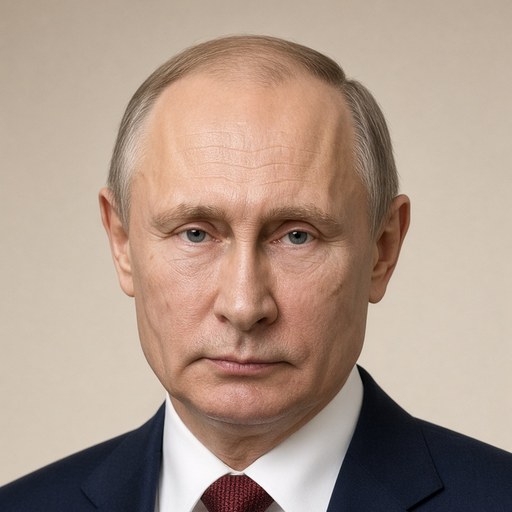
- Putin addressed the Council of Legislators at the Tauride Palace on the eve of the Day of Russian Parliamentarism, discussing legislative quality and environmental policy.
- Main themes
- Russian parliamentarism, legislative quality and stability, Council of Legislators, regional legislative practices, lawmaking reform, environmental policy, Year of Ecology, executive-legislative relations, civic engagement, sustainable development
- Duration
- ~60 min
- Words
- 7,142
- Sentences
- 388
- Readability
- 48
- Grade
- 11.0
- Syntax
- 2.84
- Vocabulary
- 2.21
Translated from Russian
The broad sphere of national life a sentence belongs to. Every sentence has an Arena, so it is the denominator the other indices are read against.
Other388 sentences in 152 paragraphs
Good afternoon, esteemed colleagues!
Our meeting takes place on the eve of the Day of Russian Parliamentarism, and I would like to sincerely congratulate you on this holiday.
The Council of Legislators has gathered here again, in the Tauride Palace, a historic palace where 111 years ago the first State Duma of Russia began its work.
The tradition of holding meetings here symbolizes historical continuity in parliamentary activity. This is very important because the bodies of popular governance in our country have had a very difficult path of formation and development.
Today, a stable system has been created that meets modern criteria of parliamentarism, and the legislative and representative authorities at all levels are actively working: from the Federal Assembly to the regional parliaments that you represent, and municipal councils.
And most importantly, respect for parliamentary activity is being established in our society, for the representative authority at the local level, in the regions, and in the country as a whole.
The Council of Legislators was created primarily for the analysis of the best regional practices, the exchange of experiences, and the development of effective legislative solutions.
Here, a wide range of issues are discussed, and you do not limit yourselves to those that are relevant only to the residents of a particular region of the country. You address common, nationwide problems, as I know from the experience of previous meetings, propose your legislative recommendations, and at the same time adopt the positive experiences of your colleagues. This is a very good, reliable, and in-demand platform.
With each passing year, the Council is gaining strength. We see that its work is beneficial for both federal and regional legislators. You have already done much to improve the legislative process and to enhance the culture of lawmaking. However – and we know this well – not all problems have been resolved yet.
We have not yet achieved a comprehensive, systematic approach to creating and adjusting the legislative framework. Draft laws do not always undergo deep, comprehensive elaboration. Scientific and expert assessments are insufficiently taken into account; unfortunately, the rush, unjustified haste, and even fuss have not been eradicated (in fact, this is partly your fault, as well as the fault of your colleagues in the executive authorities). Why do I say this is mutual blame: it is related to the fact that life presents new and new tasks, which often arise unexpectedly.
And of course, legislative bodies themselves want to quickly formulate rules of conduct in a particular situation that arises in society in the region or in the country as a whole, but the executive power often pushes: faster, faster, faster. But we think in a primitive way together: the faster we adopt laws, the better, and then we will add something, correct it. These corrections sometimes continue for years – and up to ten or more various amendments. This leads to many problems and failures in law enforcement practice.
Ensuring the stability and predictability of legislation remains one of the key tasks. The certain complexity of its solution lies in the need to constantly take into account the requests and needs of society and citizens.
Both legislative and executive power work for the people, serve them. And one must possess high professionalism to adopt laws that are in demand by society and harmoniously fit into the overall system of the legislative process, into the legislative framework.
Your Council manages to restrain many of the inappropriate, erroneous, or excessive legislative initiatives. But I believe that this area of work should be significantly strengthened, not only during the meetings of the Council but also at the local level in everyday activities.
Of course, everyone wants to look decent, everyone wants to make a decision from which tomorrow manna from heaven will fall, but it will not fall, that miracle will not happen. Decisions must be well-considered; they must be based on realities, on our capabilities and the needs of society.
I would add that it is necessary to meet with people as often as possible, to talk to them, to understand their position. This applies to any issues for which decisions need to be made. I would like to focus on one of them.
The year 2017 is, as you know, the Year of Ecology in our country. I would also like to remind you that a large-scale goal has been set – a phased transition of Russia to a model of environmentally sustainable development. In this regard, we have a whole range of problems on our agenda: this includes a radical reduction of harmful emissions into the atmosphere, waste disposal, and addressing energy conservation issues, as well as improving cities and villages.
All of this requires regional legislators to pay careful, the most careful attention to environmental protection issues and, of course, to consult with residents, with civil society structures, but also with business communities, with business associations. This is, you know, a task that has two sides: on the one hand, production should not be crushed by unreasonable demands; on the other hand, one cannot remain forever within the framework of old norms that stifle production itself and exacerbate the environment, worsening the living conditions for people. Environmental issues concern everyone, and they must be addressed by everyone together.
In conclusion, I would like to congratulate you on our upcoming main holiday – Victory Day. Preparations for it are in full swing. The regions currently have many tasks, and the most important of them is to promptly address the problems that may arise for veterans. Each of them should be surrounded by constant care. I have no doubt that the festive May days will be held with dignity, at the highest level everywhere.
Thank you for your attention.
V. Matviyenko Matviyenko Valentina Ivanovna Chairperson of the Federation Council: Dear Vladimir Vladimirovich! Vyacheslav Viktorovich! Esteemed colleagues!
Vladimir Vladimirovich, first of all, I would like to thank you for your traditional meetings on the eve of the Day of Parliamentarism with the members of the Council of Legislators. This is of great significance to us. It is an opportunity for leaders of regional parliaments to directly ask questions, to communicate with you, to hear your approaches, your vision.
Moreover, such meetings have a practical component. Following our meetings, you always sign a list of instructions that are strictly implemented.
I will give one example. At our last meeting, the Chairperson of the Parliament of the Kamchatka Territory raised the issue of the need to adopt a law on the registration of fishing companies engaged in coastal fishing in the territories of the subjects of the Russian Federation where they operate. This is probably the only case in terms of speed, where on July 3, you signed the law that introduced this rule. This plays a huge role for the Far Eastern regions because it means jobs, taxes for budgets, and the regulation of all this activity under the control of the subjects. I could provide many such examples today.
This year marks the fifth anniversary of the Council of Legislators. It is a short period, but we can already confidently say that it is a very influential, very useful, and necessary body of the Federal Assembly. We coordinate legislative work between federal and regional legislators together.
We take into account the opinion of the region in our legislative process, which is very important. The chairpersons of regional parliaments are actively involved in this work. This has become a good systemic lift for promoting regional legislative initiatives into the federal agenda.
There is a constant dialogue between federal and regional legislators, which is extremely important for strengthening federal relations. Within the framework of the Council of Legislators, we have established close cooperation between the State Duma and the Federation Council; we have no disagreements, we often argue, prove something to each other, but we always listen carefully to each other's opinions and ultimately find a compromise solution that is expressed in one law or another.
Today, it is evident that the responsibility for the effective economic and social development of the regions lies equally on governors, governments, executive authorities, as well as on regional parliaments and their chairpersons. Where this is understood, where constructive interaction between the governor and the regional parliament is established, where there is respect for deputies, consideration of their opinions and positions, and parliaments consist of different deputies, different parties, different movements – in such regions, as a rule, the results are significantly better. And most importantly, a favorable atmosphere is created for business and investors, and a more stable overall situation in the regions.
The example you set with regular meetings with the heads of regional parliaments – I believe some governors will heed this experience and will interact more actively with regional parliaments.
Last year was, one might say, a landmark in terms of regional policy development. At your instruction, a meeting of the Security Council took place, before which you personally held a number of such introductory meetings. As a result, in execution of the decisions of the Security Council and your instructions, new Foundations of State Regional Policy until 2025 were approved, already modern and adapted to new realities.
The government has approved an action plan for the implementation of these foundations, and it has been instructed to annually report to the President on the implementation of the foundations of regional policy, economic and social development of the regions, and also to inform the upper chamber, the chamber of regions, annually about the results of economic and social development for dialogue in the upper chamber.
For the Federation Council, strengthening federal relations and creating conditions for leveling the disparities of regions in economic and social development is our main priority as the chamber of regions.
Today, one of the items on our agenda at the Council of Legislators will be the consideration of a report on the state and main directions for improving Russian legislation in the field of state regional policy in the Russian Federation.
This is an instruction from the Security Council. This report has been prepared jointly by both chambers: the Federation Council and the State Duma. It involved the leaders of all regional parliaments and regional parliaments.
We believe that this document is solid, but after today's discussion at the Council of Legislators, we will refine it, finalize it, and by May 30, as required, we will present it to you in terms of fulfilling the decisions of the Security Council. For us, on the topic of regional policy, this document will become a roadmap for the coming years. There is much to improve, much to work on. This process is not yet fully completed.
Vladimir Vladimirovich, in October of this year, an important international parliamentary event will take place in St. Petersburg: the 137th session of the Inter-Parliamentary Union will be held. This is one of the oldest, or rather – the oldest international parliamentary forum, which includes national delegations from 173 countries.
I would like to thank you once again for supporting this idea. We were very pleased at the session of the Inter-Parliamentary Union to see that the vast majority of national delegations supported the idea of holding the 137th assembly in Russia. This is an assessment of both the experience and support for the Russian parliament, and of course, the attitude towards our country.
By your order, an organizational committee has already been created. I would like to thank all the heads of federal authorities, and I would like to thank the governor of St. Petersburg, Georgy Sergeyevich Poltavchenko. We are actively conducting preparatory work and want to hold this event at the highest level, hospitably welcoming our guests.
We have proposed a positive, constructive, non-confrontational, unifying agenda. And I am confident that all national delegations that come will see Russia, St. Petersburg with their own eyes, and hear firsthand the priorities of our foreign policy, domestic policy, and how Russia defends certain interests in the world.
In addition, we have come up with the idea of adopting a decision at this assembly, an appeal to the United Nations to establish an International Day of Parliamentarism. If you open the UN calendar, there is even Groundhog Day, there is everything, but there is no International Day of Parliamentarism. It seems to me that in the world, especially under current conditions, the role of legislative and representative bodies is very much in demand, and the authority of parliaments around the world is growing. It would be right for the United Nations to include the International Day of Parliamentarism in its calendar of commemorative dates. We, the Federal Assembly and the Inter-Parliamentary Assembly, have put forward this idea and are confident that we will receive support.
Thank you very much.
V. Volodin Volodin Vyacheslav Viktorovich Chairman of the State Duma: Dear Vladimir Vladimirovich! Esteemed Valentina Ivanovna! Esteemed colleagues!
One of the priorities of the work of the Council of Legislators under the Federal Assembly is to give our legislative framework more stability and systematization, to improve the quality of lawmaking and the effectiveness of law enforcement.
The importance of this work was just emphasized in the speech of the President of the Russian Federation. To solve these tasks, close interaction between the Federal Assembly and the legislative assemblies of the regions, dialogue, and coordination are necessary.
In this regard, I would like to mention the steps that have already been taken, which we have implemented recently in this direction, as well as to put forward a number of proposals that we have already discussed preliminarily with colleagues during the presidium of the Council of Legislators.
First. The key task is to systematize the practice of amending existing codes. In this regard, the State Duma approved a provision at the end of last year, according to which any amendments to the Civil Code can only be adopted in the form of separate laws, rather than as amendments to the second reading of other, often unrelated, bills. A similar rule is already in effect regarding the Criminal and Criminal Procedure Codes, and it will also come into effect soon for the Code of Administrative Offenses.
Second. The quality of laws and the effectiveness of their application largely depend on the timelines for the adoption of regulatory legal acts. In this area, Vladimir Vladimirovich, we discussed at the previous meeting of the Council of Legislators that there are laws that have been sitting on the shelves for two years, three years, or even a year, unable to be implemented because there is no regulatory framework that would allow them to be realized, while these acts are not being released.
In this regard, an agreement has been reached with the Government to provide information on the preparation of draft subordinate acts by the third reading. This should improve the quality of the decisions made and accelerate their actual implementation. The relevant amendments, following the dialogue with the Government of the Russian Federation, have been introduced not only into the regulations of the State Duma but also into the Government of the Russian Federation.
Considering that this norm was previously recommendatory rather than mandatory, we have now agreed on this synchronization in work. We believe that many issues can be resolved precisely because the rhythm of this work will be oriented towards ensuring that by the third reading of the law, the draft regulatory acts are prepared. Then the law adopted by the State Duma will practically be accompanied by the issuance of subordinate acts.
Third. Another fundamental issue is the practical effect that a bill has after it comes into force. It is very important for deputies at all levels of discussion and adoption of new laws to be able to fully assess all the consequences of the decisions made.
At present, we are unable to predict how the law will affect, especially when it comes to deputies' initiatives. This is because there has not been a comprehensive assessment of the regulatory impact of bills, and legislative initiatives from deputies account for almost 50 percent, or even more, of the total number of bills under consideration.
In this regard, the State Duma has conducted negotiations and dialogue with the Government, and an agreement has been reached to request a regulatory impact assessment for key bills that have significant social importance and affect the business climate.
Fourth. It is important for the Council of Legislators to more effectively assist regional parliaments in promoting their legislative initiatives, to be a real legislative lift. Given that only about 10-11 percent of legislative initiatives come from regional parliaments, this figure is actually small not because there are no initiatives, but because there is a lack of developed bills, and there are usually no necessary documentations. Often, based on formal principles rather than the value of the content, these legislative initiatives are rejected. Therefore, it is extremely important for us now, within the framework of the Council, to provide support to our regional colleagues. And through this assistance, we believe that a greater number of regional initiatives can be supported at the federal level, because they will be more prepared and more thoroughly developed. And colleagues will know about them and thus will provide support.
Fifth. It is no secret that some of the most well-prepared bills in terms of development, documentation, and completeness come to the State Duma from the President of the Russian Federation and the Government. This is partly due to the fact that a solid expert base from ministries, leading expert centers, and universities in the country is used in the preparation of these bills. And they are indeed, in terms of preparation and thoroughness, head and shoulders above the legislative initiatives – this is an objective picture – than those initiatives prepared by deputies, members of the Federation Council, and, as I have already mentioned, regional parliaments. Our task is to ensure that the legislative initiatives of deputies are no less well-developed. Often, very important legislative initiatives for the citizens of the country come to us for consideration, but we are forced, as I have already said, to reject them simply because they are poorly developed or improperly documented.
In this regard, Vladimir Vladimirovich, I would like to express my gratitude on behalf of my colleagues for supporting the initiative of the State Duma to create a center for legislative drafting as an institution for legal support of deputies' legislative initiatives, their legal development, and preparation for submission to the State Duma. And if you support this, this center could provide legal support not only to deputies of the State Duma but also to members of the Federation Council and regional legislators.
In this regard, we will also have the opportunity to prepare bills that will be better prepared and developed, and to attract experts who will assist us. And of course, our legislative process will be more systematically structured, and we hope that this will undoubtedly affect the quality of the laws adopted in general.
Dear Vladimir Vladimirovich! We propose to more actively involve the subjects of the Federation, to use the opportunity of the Council of Legislators in discussing and developing the most important decisions in the areas of economy, social policy, and regional development. For example, currently, regions are actively transitioning to an address-based model for providing social benefits and determining their volume based on criteria of need. However, at present, each of them interprets the criteria of need and the status of various benefits differently. As a result, there are often situations of social inequality for citizens from the same benefit group but living in different, even neighboring, regions.
In this regard, it is important to organize a discussion of this problem at the Council of Legislators and, during the monitoring and analysis of the situation in the regions, to develop more uniform norms for various categories of citizens entitled to benefits. We plan to discuss these and other issues today at the Council of Legislators.
Dear Vladimir Vladimirovich! We are grateful to you for the attention you constantly pay to the Council of Legislators and the development of parliamentarism in Russia, because this is indeed very important to us, and we feel this support.
I would like to draw attention to one point. The presentation of subordinate acts by the Government together with the bill itself is the right thing to do, but we also need to be careful here. This probably also applies to regional parliaments, because it is still not entirely clear what the final form of the law will be. After all, during the discussion, despite the wishes of the executive authorities, deputies often make their own proposals and amendments. For some parameters, for some issues, it is necessary to have subordinate acts in advance, because otherwise, as Vyacheslav Viktorovich rightly said, we know well that the implementation of the law is then postponed, for an unknown period.
I repeat, it is not always possible to prepare the entire package of subordinate acts, because it is unclear what the final version of this law will be. Therefore, we need to approach this creatively.
V. Volodin: Vladimir Vladimirovich, understanding this, we proposed an option that not a package of regulatory acts is submitted, but information about the readiness of the project of this package. That is, this is not the final version, but at least the drafts, as the Government sees them, should be available after the second reading, between the second and third readings. That is, they have such an opportunity.
We understand each other. Good.
Sergey Anatolyevich, please, Tver Region.
S. Golubev: Dear Vladimir Vladimirovich! Valentina Ivanovna! Vyacheslav Viktorovich!
The Tver Region, as you know, is a capital region, and therefore there is an acute issue – the problem of the influx of migrants. Naturally, this affects the growth of extremism and the threat of crime and illegal economy.
At the regional level, we are trying to find a way out of the situation, in particular, at the initiative of the governor, quotas for foreign labor have been cut, and a regional law has been adopted that sharply increased the cost of a patent to five thousand rubles. We have a ban on the employment of migrants in 22 types of activities, and restrictions in six.
Nevertheless, the problem remains. Just a few days ago, our Tver FSB, together with the National Guard, disrupted the activities of a group of individuals who had fictitiously registered one and a half thousand people over three years.
Therefore, the proposals that should have a restraining effect are as follows. We have the concept of fictitious registration in residential premises. At the same time, such fictitiousness is usually revealed during inspections. However, without inspections, it is clear that 100 people cannot actually live in 20 square meters, so it would make sense to introduce a registration norm. For example, if there is less than five square meters of living space per foreign citizen, then registration should simply be prohibited. This would likely play a role in terms of reducing corruption risks, and it would probably help us deal with hostels through which a large number of migrants pass. There, an unlimited number of individuals can be registered. And this norm could operate automatically.
The second proposal. Should we not prohibit registration at the location of the organization altogether? Because, using such a loophole, the same hostels can register an unlimited number of people.
And third. Analogous to the norm that already exists, introduce criminal liability for fictitious registration in non-residential premises, because this problem is currently relevant.
If you support this, the Council of Legislators is ready to develop the corresponding initiative.
Let’s think about it. Each of these measures you proposed is quite sensitive. Undoubtedly, this entire problem requires our constant attention and improvement of mechanisms to protect citizens of the Russian Federation from unscrupulous individuals operating in this area, in protecting their legal interests in the labor market, in providing social services, which, of course, is called into question given the problems caused by a large number of newcomers, as, for example, in your region.
On the other hand, we know the questions and problems of the economy that need an influx of labor. These are all very sensitive, very important issues that require constant, as I said, attention and development of each of these proposals. But they are workable, all of them can be developed and worked on.
Thank you very much. Valery Fyodorovich, please, Kamchatka Territory.
V. Raenko: Dear Vladimir Vladimirovich! Valentina Ivanovna! Vyacheslav Viktorovich!
First of all, please accept my gratitude for the timely measures taken to restore order in the fishing industry. It was precisely on this platform that we discussed issues related to drifter fishing and the registration of fishing companies in quota development areas, as Valentina Ivanovna mentioned. Thanks to your instructions, Vladimir Vladimirovich, the issues and problems that had not been resolved for several years have, thank God, been resolved.
As a result, I can already report that 2016 was a record year for the catch of biological resources over the past few decades, with 1 million 100 thousand tons. And since no fishing company has left the region, the budget of Kamchatka received an additional three billion in taxes. These are real steps. Thank you very much.
Today we are considering the issue of improving parliamentary control. I would like to focus on one of the important components of parliamentary control – external financial control, or rather – on the implementation of the control and expert-analytical materials that we send to law enforcement agencies.
We ask you to oblige law enforcement agencies to inform the audit chambers about the consideration and results of the materials sent to them, just as is currently done at the federal level.
We also ask to allow regional parliaments to hear territorial divisions of federal structures on various issues. Why? Because of our example. Kamchatka is a fishing region. Control over this industry is carried out by the Federal Agency for Fishery, the FSB, and a number of relevant federal structures. We do not claim control over the activities of these structures, but knowing the situation in the main industry of our region's economy and taking timely measures if there are violations in development is, I believe, our task.
Excuse me, please. Could you repeat that? What are you proposing?
V. Raenko: We propose to allow parliaments to invite and hear our territorial divisions of federal structures on various issues.
Absolutely right, I agree, I can say right away.
V. Raenko: And one more problem. This problem concerns small municipal formations. Here, the same financial control applies, but the Budget Code stipulates that this control should be carried out only by municipal audit chambers, specifically municipal ones.
Our examples, such as Kamchatka and many northern territories, where several hundred people live in a municipality, raise the question: is there any sense in creating a control and audit body there, and from whom? Therefore, I think we can give municipalities the option to decide: either they will carry out the control themselves, or they will delegate powers to the regional chamber, to the regions. This will probably be more effective and, in general, will bring more benefits.
And in conclusion. We certainly support the new approaches in the work of the Council of Legislators that were voiced by Vyacheslav Viktorovich.
Thank you very much.
The first two questions can and should definitely be implemented. This concerns informing law enforcement agencies about those control instances that send materials. They should know what is happening there; it should not all just go into a dumpster, of course.
And the second proposal is very correct.
The third one can probably also be worked on. This is a specific question of distributing various competencies. But overall, we probably need to take a look.
Please, is there anyone else? I ask you.
A. Machnev: Dear Vladimir Vladimirovich!
In our recent history, in the 1990s, a large part of the Russian economy operated in the shadows, but no one spoke of corruption. We saw how hands were reaching into state pockets, but no one took measures or simply did not want to. Now the situation has fundamentally changed.
Today we see that the fight against corruption is not a one-day action, but a clear and measured line of the state. Indeed, this places a special responsibility on us in the regions, because this is a matter for everyone and each individual; otherwise, it is extremely difficult to cope.
Here is an example. State projects are extremely important for us; they stimulate the economy. The state allocates huge budget funds for these purposes every year. But how prudently they are used and what the corruption component is here, I think it is difficult to give a definitive answer.
Vladimir Vladimirovich, at one of the Council meetings, you clearly defined the principle of anti-corruption state policy: it is the inevitability of punishment. I know that legislative work is being carried out in this direction in the depths of the State Duma and the Federation Council. I believe that responsibility, criminal responsibility for embezzlers of all kinds should be strengthened.
In his recent Address, the President of the Russian Federation drew attention to the fact that the fight against corruption should not turn into an information show. I think everyone sitting in this hall would agree with these words.
After all, at a time when painstaking, daily, rough work is being done, sometimes not fully appreciated, certain individuals or groups of people use specific facts to create an information boom and earn political dividends from it, and often not just political ones, but also material ones.
We see how pseudo-fighters of various kinds appear in the internet space and in the media. For them, it is important to drown the essence of the issue in verbosity and divert the population from the real tasks of curbing corruption.
I think we need to conduct more clearly and in more detail explanatory work with the population about what is being done, using all available media resources.
Dear colleagues! Russia is a state, a constellation of many nations and ethnicities. All of them have a centuries-old culture, history, and traditions, but nowhere is there approval of bribery or embezzlement; this is condemned everywhere.
Dear Vladimir Vladimirovich! Retransmitting the opinions of my fellow countrymen, residents of the Republic of North Ossetia – Alania, I want to say that the great work being done by the country's leadership in the fight against corruption, against this evil, finds understanding and support among the population. And primarily because it is done honestly and openly.
Thank you very much.
Undoubtedly, the fight against corruption is one of the key areas for strengthening statehood. This is a problem faced not only by our country but by many countries around the world. At some point, it was indeed one of the main issues because manifestations of this kind undermine citizens' trust in government bodies and in the state as such. This is the first point.
We will continue to do this consistently. We will adopt the relevant regulatory acts that improve this work, and we will direct the law enforcement system to fight corruption.
But, of course, it is not enough just to inform citizens; real work needs to be done. I cannot but agree with you that we need to distinguish between those who genuinely want to do this and truly strengthen the state and those who try to use it as a tool in their own political struggle for self-promotion.
We have gone through this; we have seen it, and from the example of the so-called Arab Spring, we know well what it turned into; we see it in the example of Ukraine as well. What were the main slogans of those who carried out the coup? One of them was the fight against corruption. How did it end? With a multiple increase in that very corruption. Those who come from Ukraine regretfully say the same thing: before, they demanded a kickback of 50 percent; now it is 75 percent. This is what the fight against corruption has actually degenerated into when it is used solely as a tool for political struggle for some clans or specific individuals.
But this does not mean that, understanding this, we should fold our hands and do nothing. On the contrary, we must actively fight against this, and to prevent various adventurers from using it for their own purposes, we must show people and society that the state is capable of fighting effectively, that it is doing this, and will continue to do so. This is how we will approach it.
Please, who else? I ask you.
S. Korepanov: First of all, Vladimir Vladimirovich, I would like to thank you for your support in adopting a number of federal laws aimed at improving state policy in the field of organizing trade activities. This issue will be discussed today at the Council of Legislators, and in this regard, I would like to express a number of proposals on this matter.
As far as we know, the government is working on the issue related to strengthening federal retail chains in the regions. This concerns raising this threshold from 25 to 35 percent. In our opinion, this is not quite right; with even three such retail chains, small businesses operating in this area will practically be pushed out.
In addition, I believe that such a provision will lead to the contraction of regional retail chains, complicate the implementation of food products produced locally, and probably even hinder the increase of food production directly in this region.
However, it should be noted that in many subjects of the Russian Federation, including our Tyumen region, there is not only serious potential for organizing this work but also certain experience in this area.
In the Tyumen region, under the program for ensuring food security, food production has increased 2.5 times over five years, and their share in federal retail chains has risen from an average of 10 percent to 30 percent, and to 60 percent in regional retail chains. This is, of course, very important.
It seems to me that if the government makes this decision, the situation will become significantly more complicated, so I would like it to be reconsidered. We hope for your support in this regard.
The second point I would like to draw attention to. Yes, by the way, if we talk again about what I just mentioned, we believe that it is necessary to limit the presence of federal retail chains in the regions to 50 percent (this refers to their total representation in the region), specifically 50 percent. In this case, as they say, both the wolves will be fed, and the sheep will be safe.
If we talk about the next problems, we are concerned about the issue of abnormal relationships between large retail chains and suppliers of food products, primarily perishable products. This includes bakery products, dairy products, and so on.
The issue is that large retail chains force suppliers of these products to buy back unsold products with expired shelf life. Of course, this infringes on the interests of the producers of these products. They incur significant costs not only in production but also in collection, disposal, or processing. I believe that consumers also suffer from this, as probably the food products that consumers receive, made from low-quality secondary raw materials, do not differ in quality either.
And the last point I would like to draw your attention to is trade markups. We recently conducted checks as part of the party project "Honest Price." So, we found out (I am talking about our Tyumen region) that trade markups on vegetable products range from 2.5 percent to 88 percent. And I am told that this is not the limit; in some subjects of the Russian Federation, these markups reach up to 200 percent.
It seems to me that this is also absolutely wrong. And I believe that these issues should, of course, be regulated by the state, as some enrich themselves improperly, while the people are being robbed due to these very high trade markups. I really hope for your support in resolving these issues.
Excuse me, what is your name?
S. Korepanov: Sergey Evgenievich.
Sergey Evgenievich, I can immediately say that your proposal to pay closer attention to the ideas of increasing the presence of specific federal chains in the territories from 25 to 30 percent is absolutely correct. Otherwise, we will face complete monopolism, and local producers will have nowhere to sell their products.
Whether to introduce a rule that federal chains should not exceed 50 percent overall in the territory is something we need to calculate simply to avoid harming consumers. Although, perhaps, I am not ready to answer this definitively right now. But overall, I think you are probably right here as well. We need to listen carefully to different points of view for the same reasons, based on the need to avoid monopolism and to ensure that local producers can sell their goods somewhere.
As for the demands of representatives of chains to take back their perishable goods, for example, or food products in general, especially after their expiration dates, this is one of the tricks of retail chains. There are many of them: shelf space, entry fees, and so on; there is a whole set.
And the more legislators react to these tricks, the more tricks retail chains come up with. We must also treat retail chains carefully; they perform a correct and necessary job, and they also have a difficult business. Nevertheless, their relationships should be balanced – between producers and those who sell the products.
The trade law has regulated many things. But, I repeat, as is often the case, hundreds and thousands of people work to create a law, while millions work to circumvent it. And in the end, we have to return to the same problems several times.
I am not sure that the requirement to take back goods, especially expired ones, complies with the current law. This is simply, apparently, a dishonest law enforcement practice. Relevant control organizations need to pay attention to this, and we will do so.
The same goes for markups. After all, why are markups high? Because retail chains bring in goods from anywhere, including from abroad, including those that cannot be imported. Therefore, high markups are due in part to this, not only, but in part. We also need to take a close look at this; let’s figure it out. I will definitely look into this carefully.
Please. I ask you.
N. Dorofeeva: Dear Vladimir Vladimirovich! Dear Valentina Ivanovna! Vyacheslav Viktorovich!
The Republic of Komi, Nadezhda Borisovna Dorofeeva, Chair of the State Council.
First of all, I want to thank you for the great attention to regional legislative assemblies. The summer health campaign for children is approaching. The question is as follows. I request to return to the consideration of the issue of co-financing financial expenses for conducting, preparing, and organizing the summer health campaign for children in difficult life situations.
Until 2015, co-financing was carried out from the federal budget within the framework of the federal budget law. In 2016, the specified co-financing in the amount of 4.6 billion rubles was provided by the government as part of anti-crisis measures. In 2017, these funds were not included in the federal budget and were not allocated, including within the framework of the same anti-crisis measures.
Regions find it difficult to cope with their own budgets in addressing this issue, so we turn to you with a request to instruct the government to find money for these purposes. This is such a request, Vladimir Vladimirovich.
Okay. We will work with the government, keeping in mind that the problem is indeed acute and sensitive. I am currently unable to say how much it should cost for the federal budget today, but the government will work with you on this.
N. Dorofeeva: Especially for northern regions, for children living in the Arctic, this is a very relevant issue. Thank you.
Yes, I understand, especially considering the cost of travel and so on.
Please. I ask you.
E. Altabaeva: Dear Vladimir Vladimirovich! Valentina Ivanovna! Vyacheslav Viktorovich!
I represent Sevastopol. First of all, of course, I want to express my immense gratitude to the country's leadership for the attention shown to Sevastopol and Crimea. Thank you very much.
The problem I want to address may seem private, but it plays a very serious role in the issue of preserving the health of the nation, especially children. I want to talk about school doctors.
The fact is that in some subjects of the Russian Federation, school doctors are medical staff, while in others they are employees of educational institutions. In the latter case, educators (in fact, doctors) do not have the appropriate legal status, they have lower salaries, and their medical service time does not count. Because of this, of course, there is not much desire among pediatricians to go work in schools.
We would like to request, if possible, to give an instruction to both the Ministry of Education and the Ministry of Health so that the legal status of the school doctor as a medical worker, but in the school, is clearly defined. I believe this will help solve the problem and ensure the number of doctors necessary for them to work and help children maintain their health, primarily to preserve health.
Thank you.
I believe we have representatives from the Ministry of Education and the Ministry of Health in the hall, two deputy ministers, and I ask you to work on this problem, which has been formulated absolutely correctly, and report back through the ministers.
As for Sevastopol as a whole, I want to say that there are many unresolved issues there. This concerns education, healthcare, and infrastructure. I think that we will soon adopt an additional decision not for Crimea as a whole, but specifically for Sevastopol. Because these are precisely the problems that require immediate solutions and can be resolved quite quickly.
E. Altabaeva: We feel this concern and are very grateful to you. Thank you very much.
Good.
I want to thank you all for the joint work. I have a request for Sergey Vladilenovich – to negotiate with a colleague from the Tver region. I want you to formulate your proposal again regarding work in the migration sphere and for the colleagues in the Administration to work on them separately. These are very important and necessary issues for conducting such a deep analysis and making appropriate decisions.
Thank you all very much. Happy upcoming holiday! All the best.
The original Russian. The tags above are read on the English translation's sentences.
Добрый день, уважаемые коллеги!
Наша встреча проходит в преддверии Дня российского парламентаризма, и я хочу искренне поздравить вас с этим праздником.
Совет законодателей снова собрался здесь, в Таврическом дворце, историческом дворце, где 111 лет назад начала свою работу первая Государственная Дума России.
Традиция проводить заседания именно здесь символизирует историческую преемственность в парламентской деятельности. Это очень важно, потому что у органов народовластия в нашей стране был очень непростой путь становления и развития.
Сегодня создана устойчивая система, отвечающая современным критериям парламентаризма, активно работают органы законодательной и представительной власти всех уровней: от Федерального Собрания до региональных парламентов, которые вы представляете, и муниципальных советов.
И главное, что в нашем обществе утверждается уважение к парламентской деятельности, к представительному органу власти на местах, в регионах, в стране в целом.
Совет законодателей создавался прежде всего для анализа лучших региональных практик, обмена опытом и выработки эффективных законодательных решений.
Здесь обсуждаются самые разные вопросы, и вы не ограничиваетесь теми, которые актуальны только для жителей того или другого региона страны. Вы выходите на общие, общегосударственные проблемы, знаю это по опыту предыдущих встреч, предлагаете свои законодательные рекомендации и одновременно берёте на вооружение достигнутый положительный опыт своих коллег. Это очень хорошая, надёжная и востребованная площадка.
С каждым годом Совет набирает силу. Мы видим, что его работа полезна и для федеральных, и для региональных законодателей. Вы уже многое сделали для совершенствования законотворческого процесса, для повышения правотворческой культуры. Однако – и это мы с вами тоже хорошо знаем – не все проблемы ещё решены.
Пока не удалось достичь комплексного, системного подхода к созданию и к корректировке законодательной базы. Законопроекты далеко не всегда имеют глубокую всестороннюю проработку. Недостаточно учитываются научные и экспертные оценки; не изжита, к сожалению (собственно говоря, это отчасти только ваша вина, это вина и ваших коллег из исполнительных органов власти), спешка, необоснованная штурмовщина и даже суета. Почему я говорю, что это взаимная вина: это связано с тем, что жизнь преподносит всё новые и новые задачи, они очень часто возникают неожиданно.
И конечно, законодательные органы и сами хотят побыстрее сформулировать правила поведения в той или иной ситуации, которая складывается в обществе в регионе или в стране в целом, но и исполнительная власть часто подталкивает: быстрее, быстрее, быстрее. Но мы вместе рассуждаем примитивным образом: чем быстрее принять законы, тем лучше, а уже потом мы что-то добавим, скорректируем. Эти корректировки, бывает, продолжаются потом годами – и до десятка и больше всяких поправок. Отсюда немало проблем и сбоев в правоприменительной практике.
Обеспечение стабильности и предсказуемости законодательства остаётся одной из ключевых задач. Определённая сложность её решения состоит в том, что нужно постоянно учитывать запросы и потребности общества, граждан.
Власть и законодательная, и исполнительная работает для людей, служит им. И нужно обладать высоким профессионализмом, чтобы принимать законы, которые востребованы обществом и гармонично вписываются в общую систему законотворческого процесса, в законодательную базу.
Вашему Совету удаётся сдерживать многие из неуместных, ошибочных или избыточных законодательных инициатив. Но полагаю, что это направление работы должно быть многократно усилено, и не только в процессе заседаний Совета, но и на местах в повседневной деятельности.
Конечно, всем хочется выглядеть прилично, всем хочется принимать решение, от которого завтра манна небесная посыплется, но она не посыплется, этого чуда не произойдёт. Решения должны быть выверенными, они должны быть основанными на реалиях, на наших возможностях и потребностях общества.
Добавлю, что нужно как можно чаще встречаться с людьми, разговаривать с ними, понимать их позицию. Это касается любых вопросов, по которым необходимо принимать решение. На одном из них хотел бы остановиться.
2017 год – это, как известно, Год экологии в нашей стране. Напомню также, что определена и масштабная цель – поэтапный переход России к модели экологически устойчивого развития. В связи с этим в нашей повестке дня целый ряд проблем: это и кардинальное снижение выбросов вредных веществ в атмосферу, утилизация отходов и решение вопросов энергосбережения, благоустройства городов и сёл.
Всё это требует от законодателей регионов внимательного, самого внимательного отношения к природоохранной тематике и, конечно же, советоваться с жителями, со структурами гражданского общества, но и с деловыми сообществами тоже, с деловыми объединениями. Это, знаете, задача такая, две стороны медали: с одной стороны, и производство не хочется, нельзя придавить необоснованными требованиями; с другой стороны, вечно нельзя оставаться в рамках старых норм, которые сдерживают само производство и усугубляют окружающую среду, ухудшают среду проживания для людей. Вопросы экологии касаются всех, и решать их нужно всем миром.
В заключение хотел бы поздравить вас с приближающимся нашим главным праздником – с Днём Победы. Подготовка к нему идёт полным ходом. У регионов сейчас много задач, а самая главная из них – своевременно устранять проблемы, которые могут возникать у ветеранов. Каждый из них должен быть окружён постоянной заботой. Не сомневаюсь, что праздничные майские дни везде пройдут достойно, на самом высоком уровне.
Благодарю вас за внимание.
В.Матвиенко Матвиенко Валентина Ивановна Председатель Совета Федерации : Уважаемый Владимир Владимирович! Вячеслав Викторович! Уважаемые коллеги!
Владимир Владимирович, прежде всего хочу Вас поблагодарить за уже ставшие традицией Ваши встречи в канун Дня парламентаризма с членами Совета законодателей. Для нас это имеет огромное значение. Это возможность лидерам региональных парламентов напрямую задать вопросы, пообщаться с Вами, услышать Ваши подходы, Ваше видение.
Кроме того, такие встречи имеют и практическую составляющую. По итогам наших встреч Вы подписывает всегда перечень поручений, которые неукоснительно выполняются.
Приведу один пример. На прошлой нашей встрече Председатель парламента Камчатского края поднял вопрос о необходимости принять закон о регистрации рыбодобывающих компаний, занимающихся прибрежным ловом, на территории субъектов Российской Федерации, где они этим уловом занимаются. Это, наверное, по скорости единственный такой случай, когда 3 июля Вы уже подписали закон, который ввёл это правило. Это играет огромную роль для дальневосточных регионов, потому что это рабочие места, это налоги в бюджеты, это упорядочение всей этой деятельности под контролем субъектов. Таких примеров я могла бы сегодня привести много.
В этом году Совету законодателей исполняется пять лет. Срок небольшой, но можно уже уверенно сказать, что это очень влиятельный, очень полезный и нужный орган Федерального Собрания. Мы вместе координируем законотворческую работу между федеральными и региональными законодателями.
Мы учитываем мнение региона в нашем законотворческом процессе, это очень важно. Председатели региональных парламентов включены в эту работу активнейшим образом. Это стало хорошим системным лифтом для продвижения региональных законодательных инициатив в федеральную повестку.
У нас идёт постоянный диалог между федеральными и региональными законодателями, что является крайне важным для укрепления федеративных отношений. В том числе в рамках Совета законодателей у нас отлажено плотное взаимодействие Государственной Думы и Совета Федерации, у нас нет никаких разногласий, мы часто спорим, что-то доказываем друг другу, но всегда внимательно прислушивается к мнению друг друга и конечном итоге находим компромиссное решение, которое выражается в том или ином законе.
Сегодня очевидно, что ответственность за эффективное экономическое и социальное развитие регионов в равной степени лежит как на губернаторах, правительствах, органах исполнительной власти, так и на региональных парламентах и их председателях. Там, где это понимают, там, где налажено конструктивное взаимодействие губернатора, регионального парламента, где есть уважительное отношение к депутатам, учёт их мнений, позиций, а парламенты состоят из разных депутатов, разных партий, разных движений, – в таких регионах, как правило, и результаты существенно выше. А главное, создаётся благоприятная атмосфера и для бизнеса, и для инвесторов, и более стабильная в целом ситуация в регионах.
Пример, который Вы подаёте, регулярных встреч с руководителями региональных парламентов – я думаю, и некоторые губернаторы к этому опыту прислушаются и будут более активно взаимодействовать с региональными парламентами.
Прошлый год был, можно сказать, знаковым в плане развития региональной политики. По Вашему поручению прошло заседание Совета Безопасности, перед которым Вы провели лично сами целый ряд таких установочных совещаний. В итоге во исполнение решений Совета Безопасности, Ваших поручений утверждены новые Основы государственной региональной политики до 2025 года, уже современные, адаптированные к новым реалиям.
Правительством утверждён план мероприятий по реализации этих основ, дано поручение Правительству ежегодно представлять Президенту доклад о реализации основ региональной политики, экономического и социального развития регионов и также информировать верхнюю палату, палату регионов, ежегодно о результатах экономического и социального развития для диалога в верхней палате.
Для Совета Федерации укрепление федеративных отношений, создание условий для выравнивания диспропорции регионов в экономическом и социальном развитии – это для нас главный приоритет, как для палаты регионов.
Сегодня на Совете законодателей одним из пунктов нашей повестки станет рассмотрение отчёта о состоянии и основных направлениях совершенствования российского законодательства в сфере государственной региональной политики в Российской Федерации.
Это нам поручение Совета Безопасности. Этот отчёт подготовлен совместно обеими палатами: Советом Федерации, Государственной Думой. В нём приняли участие руководители всех региональных парламентов, региональные парламенты.
Нам кажется, что этот документ добротный, но после обсуждения сегодня на Совете законодателей мы его ещё уточним, доработаем и до 30 мая, как положено, представим Вам в плане выполнения решений Совбеза. Для нас по теме региональной политики этот документ станет такой дорожной картой на ближайшие годы. Есть что совершенствовать, есть над чем работать. Этот процесс пока в полном объёме не завершён.
Владимир Владимирович, в октябре этого года в Санкт-Петербурге состоится важное международное парламентское событие: пройдёт 137-я сессия Межпарламентского союза. Это один из самых старейших, вернее – самый старейший международный парламентский форум, в состав которого входят национальные делегации 173 государств.
Хочу ещё раз Вас поблагодарить за то, что Вы поддержали эту идею. Нам было очень приятно на сессии Межпарламентского союза убедиться, что абсолютное большинство национальных делегаций поддержали идею проведения 137-й ассамблеи в России. Это оценка и уже опыта, и поддержка парламента России, и конечно, отношение к нашей стране.
Вашим распоряжением уже создан организационный комитет. Хочу поблагодарить всех руководителей федеральных органов власти, хочу поблагодарить губернатора Санкт-Петербурга Георгия Сергеевича Полтавченко. Мы очень активно ведём уже подготовительную работу, хотим провести на самом высоком уровне это событие, принять гостеприимно наших гостей.
Мы предложили такую позитивную, созидательную, неконфронтационную, объединительную повестку. И уверена, что все национальные делегации, которые приедут, увидят своими глазами Россию, Санкт-Петербург и услышат из первых уст приоритеты нашей внешней политики, внутренней политики, то, как Россия отстаивает те или иные интересы в мире.
Кроме того, у нас возникла идея на этой ассамблее принять решение, обращение к Организации Объединённых Наций об утверждении Международного дня парламентаризма. Если открыть календарь ООН, там и День сурка есть, чего только там нет, но Международного дня парламентаризма нет. Мне кажется, что в мире, и особенно в нынешних условиях, роль органов законодательной и представительной власти очень востребована и растёт авторитет парламентов мира. И будет правильно, если Организация Объединённых Наций в свой календарь памятных почётных дат внесёт Международный день парламентаризма. Мы, Федеральное Собрание и Межпарламентская ассамблея, с такой идеей выступили и уверены, что нас поддержат.
Спасибо большое.
В.Володин Володин Вячеслав Викторович Председатель Государственной Думы : Уважаемый Владимир Владимирович! Уважаемая Валентина Ивановна! Уважаемые коллеги!
Одним из приоритетов работы Совета законодателей при Федеральном Собрании является придание нашей законодательной базе больше стабильности и системности, повышение её качества законотворчества и эффективности правоприменения.
Важность этой работы была только что подчёркнута в выступлении Президента Российской Федерации. Для решения этих задач необходимо тесное взаимодействие Федерального Собрания с законодательными собраниями регионов, с Правительством Российской Федерации, диалог и координация.
В этой связи хотелось бы сказать о тех шагах, которые уже сделаны, мы их реализовали за последнее время в данном направлении, а также внести ряд предложений, которые мы уже предварительно обсуждали с коллегами в ходе президиума Совета законодателей.
Первое. Ключевой задачей является систематизация практики внесения изменений в действующие кодексы. В связи с этим Государственной Думой в конце прошлого года было одобрено положение, согласно которому любые поправки в Гражданский кодекс могут приниматься только в виде отдельных законов, а не поправок ко второму чтению в другие, зачастую не связанные с этим, законопроекты. Аналогичная норма уже действует в отношении Уголовного и Уголовно-процессуального кодексов, а также заработает в ближайшее время и в отношении Кодекса об административных правонарушениях.
Второе. Качество законов и эффективность их применения в значительной степени зависит от сроков принятия нормативно-правовых актов. В этой области, Владимир Владимирович, мы на предыдущем заседании Совета законодателей говорили о том, что есть законы, которые на протяжении двух лет, трёх лет, года лежат на полках, не могут быть реализованы, потому что нет нормативной базы, которая бы позволила их уже реализовать, при этом эти акты не выпускаются.
В связи с этим достигнута договорённость с Правительством о предоставлении к третьему чтению информации о подготовке проектов подзаконных актов. Это должно повысить качество принимаемых решений, ускорит их реальное исполнение. Соответствующие поправки по итогам диалога с Правительством Российской Федерации внесены не только в регламент Государственной Думы, но и в Правительство Российской Федерации.
Учитывая, что ранее эта норма была рекомендательная, а не обязательная, сейчас мы договорились об этой синхронности в работе. Считаем, что многие вопросы можно будет снять именно в связи с тем, что ритм этой работы будет ориентирован на то, чтобы к третьему чтению закона проекты нормативных актов были бы подготовлены. Тогда закон, который принимается Государственной Думой, практически будет сопровождаться изданием подзаконных актов.
Третье. Ещё один принципиальный вопрос – это практический эффект, который оказывает законопроект после того, как вступает в силу. Очень важно, чтобы депутаты на всех уровнях обсуждения и принятия уже новых законов могли полноценно оценить все последствия принимаемых решений.
На сегодняшний день пока прогнозировать, как скажется закон, особенно если говорить о депутатских инициативах, у нас не получается. Потому что не было полноценной оценки, регулирующей воздействие законопроектов, а законодательные инициативы депутатов составляют практически 50, а то и больше, от количества в целом рассматриваемых законопроектов.
В этой связи Государственная Дума провела переговоры, диалог с Правительством, и достигнута договорённость запрашивать оценку регулирующего воздействия по ключевым законопроектам, которые имеют большую социальную значимость и влияют на деловой климат.
Четвёртое. Важно, чтобы Совет законодателей более эффективно помогал региональным парламентам продвигать свои законодательные инициативы, был реальным законодательным лифтом. Учитывая, что у нас порядка где-то всего 10–11 процентов законодательных инициатив идёт от региональных парламентов, эта цифра на самом деле такая небольшая не по той причине, что нет инициатив, а по той причине, что нет проработанности законопроектов, нет, как правило, необходимых в том числе оформлений документов. Зачастую по формальному принципу, а не по ценности содержания эти законодательные инициативы уходят на отклонение. Поэтому нам крайне важно сейчас в рамках Совета оказывать поддержку нашим региональным коллегам. И за счёт оказания этой помощи, считаем, можно будет большее количество региональных инициатив поддерживать уже на федеральном уровне, потому что они будут более подготовленный, более проработанный носить характер. И коллеги будут знать о них и тем самым будут оказывать поддержку.
Пятое. Не секрет, что одни из самых качественных законопроектов с точки зрения проработки, оформления, законченности поступают в Государственную Думу от Президента Российской Федерации и от Правительства. Это связано в том числе с тем, что при подготовке этих законопроектов используется солидная экспертная база министерств, ведущих экспертных центров, вузов страны. И они действительно в плане подготовки и в плане проработанности на голову выше, чем законодательные инициативы, – это объективная картина – чем те инициативы, которые готовятся и депутатами, и членами Совета Федерации, и, как уж говорил, региональными парламентами. Наша задача сделать так, чтобы законодательные инициативы депутатов носили не менее проработанный характер. Часто к нам на рассмотрение поступают очень важные для граждан страны законодательные инициативы, но мы вынуждены, как я уже говорил, их отклонять только потому, что они плохо проработаны или оформлены недолжным образом.
В этой связи, Владимир Владимирович, хочу от имени моих коллег сказать Вам слова благодарности за поддержку инициативы Государственной Думы по созданию центра законотворчества как института правовой поддержки депутатских законодательных инициатив, их правовой проработки и подготовки к внесению в Государственную Думу. И если Вы поддержите, этот центр мог бы оказывать правовую поддержку не только депутатам Государственной Думы, но и членам Совета Федерации, региональным законодателям.
В этой связи у нас появится возможность также готовить законопроекты, которые будут более подготовлены, проработаны, и привлекать экспертов, которые будут нам помощниками. И конечно, у нас законодательный процесс будет более системно выстроен, и мы надеемся, что это однозначно повлияет на качество, в целом, принимаемых законов.
Уважаемый Владимир Владимирович! Предлагаем более активно привлекать субъекты Федерации, использовать возможность Совета законодателей в обсуждении и проработке важнейших решений в области экономики, социальной политики, регионального развития. Например, в настоящее время регионы активно переходят к адресной модели предоставления социальных льгот и определения их объёма исходя из критериев нуждаемости. Однако сейчас в каждом из них по-разному трактуют критерий нуждаемости и статус той или иной льготы. В результате подчас складывается ситуация социального неравноправия для граждан из одной и той же льготной группы, но проживающих в разных, пусть даже и соседних, регионах.
В этой связи важно организовать обсуждение этой проблемы на площадке Совета законодателей и в ходе мониторинга и анализа ситуации в регионах вырабатывать более единообразные нормы для различных льготных категорий граждан. Эти и другие вопросы мы планируем обсудить сегодня на Совете законодателей.
Уважаемый Владимир Владимирович! Признательны Вам за то внимание, которое Вы постоянно уделяете Совету законодателей и развитию парламентаризма в России, потому что для нас это действительно очень важно, и мы чувствуем эту поддержку.
На один момент хотел бы обратить внимание. Представление Правительством подзаконных актов вместе с самим законопроектом – это дело правильное, но здесь нужно быть тоже внимательным. Это касается, наверное, и региональных парламентов, потому что ещё всё-таки не совсем ясно, каков будет окончательный вид самого закона. Ведь в ходе обсуждения, несмотря на пожелания исполнительных органов власти, депутаты очень часто вносят свои предложения, поправки. По каким-то параметрам, по каким-то вопросам необходимо заранее иметь подзаконные акты, потому что иначе, как Вячеслав Викторович сказал правильно, мы с вами хорошо это знаем, потом откладывается исполнение закона, неизвестно на какой срок.
Повторяю, не всегда возможно весь пакет подготовить подзаконных актов, потому что неясно, каков же будет окончательный вариант этого закона. Поэтому здесь нужно творчески к этому подходить.
В.Володин: Владимир Владимирович, понимая это, мы предложили вариант, что вносится не пакет соответственно нормативных актов, а информация о готовности проекта этого пакета. То есть это не окончательный вариант, но во всяком случае уже проекты, как видит Правительство, у них должны быть после второго чтения, между вторым и третьим чтением. То есть у них такая возможность есть.
Мы понимаем друг друга. Хорошо.
Сергей Анатольевич, пожалуйста, Тверская область.
С.Голубев: Уважаемый Владимир Владимирович! Валентина Ивановна! Вячеслав Викторович!
Тверская область, как известно, пристоличный регион, и поэтому есть острый вопрос – это проблема притока мигрантов. Естественно, что это влияет и на рост экстремизма, и на угрозу распространения преступности, нелегальной экономики.
На региональном уровне мы пытаемся найти выход из ситуации, в частности по инициативе губернатора были урезаны квоты для иностранной рабочей силы, был принят областной закон, который резко повысил стоимость патента до пяти тысяч рублей. У нас по 22 видам деятельности существует запрет для работы мигрантов, по шести – ограничения.
Тем не менее проблема остаётся. Буквально несколько дней назад у нас Тверское УФСБ с Росгвардией пресекло деятельность группы лиц, которые за три года фиктивно поставили на учёт полторы тысячи человек.
Поэтому предложения, которые, по всей видимости, должны оказать сдерживающий эффект, состоят в следующем. У нас есть понятие фиктивной постановки на учёт в жилых помещениях. При этом обычно такая фиктивность выявляется в ходе проверок. Тем не менее без проверок ясно, что на 20 квадратных метрах 100 человек же проживать не могут в реальности, поэтому здесь имело бы смысл ввести учётную норму. Скажем, если на одного иностранного гражданина приходится менее пяти квадратных метров жилой площади, то просто запрещать постановку на учёт. Это сыграло бы роль, скорее всего, и в плане приостановления коррупционных рисков, это, скорее всего, помогло бы нам разобраться с хостелами, через которые большое количество мигрантов проходит. Там вообще неограниченное количество лиц можно поставить на учёт. И эта норма могла бы действовать автоматически.
Второе предложение. Не пора ли нам вообще запретить постановку на учёт по месту нахождения организации? Потому что, пользуясь такой уловкой, те же самые хостелы вообще неограниченное количество людей могут поставить на учёт.
И третье. По аналогии с той нормой, которая уже существует, ввести в Уголовном кодексе ответственность за фиктивную постановку на учёт в нежилых помещениях, потому что такая проблема сейчас является актуальной.
Если Вы поддержите, то Совет законодателей готов разработать соответствующую инициативу.
Давайте подумаем. Каждая из этих мер, Вами предложенных, весьма чувствительная. Безусловно, эта вся проблема требует нашего постоянного внимания и совершенствования механизмов ограничения граждан Российской Федерации от недобросовестных людей, функционирующих в этой сфере, в защите их законных интересов на рынке труда, на предоставление социальных услуг, которое, конечно, ставится под сомнение с учётом тех проблем, которые порождаются большим количеством приезжих, как, скажем, в Вашем регионе.
С другой стороны, мы знаем вопросы и проблемы экономики, которые нуждаются в притоке рабочей силы. Это всё очень чувствительные, очень важные вопросы, которые требуют постоянного, как я сказал, внимания и проработки каждого из этих предложений. Но они рабочие, все их можно проработать и над всеми можно потрудиться.
Спасибо большое. Валерий Фёдорович, пожалуйста, Камчатский край.
В.Раенко: Уважаемый Владимир Владимирович! Валентина Ивановна! Вячеслав Викторович!
Прежде всего примите слова благодарности за своевременно принятие меры в наведении порядка в рыбной отрасли. Именно на этой площадке мы рассматривали вопросы и дрифтерного лова, и регистрации рыбодобывающих компаний в местах освоения квот, о чём говорила Валентина Ивановна. Благодаря Вашим поручениям, Владимир Владимирович, те вопросы, те проблемы, которые не решались на протяжении ряда лет, слава богу, решены.
Как результат, уже могу доложить, 2016 год – рекордный вылов биоресурсов за последние несколько десятилетий, 1 миллион 100 тысяч тонн. А так как ни одна рыбодобывающая компания не ушла из региона, бюджет Камчатки получил дополнительных налогов три миллиарда. Это реальные шаги. Спасибо большое.
Сегодня мы рассматриваем вопрос совершенствования парламентского контроля. Хотел бы остановиться на одной из важных составляющих парламентского контроля – на внешнем финансовом контроле, вернее – на реализации тех контрольных и экспертно-аналитических материалов, которые мы направляем в силовые структуры.
Просим Вас обязать правоохранительные органы информировать контрольно-счётные палаты по рассмотрению и результатам тех материалов, которые направляются в их адрес, ровно так, как это делается сейчас на федеральном уровне.
Также просим дать возможность региональным парламентам заслушивать территориальные подразделения федеральных структур по тем или иным вопросам. Почему? Потому что наш пример. Камчатка – рыбный край. Контроль за этой отраслью ведут и Федеральное агентство по рыболовству, и ФСБ, и целый ряд соответствующих федеральных структур. Мы не претендуем на контроль за деятельностью этих структур, но знать положение в главной отрасли экономике нашего края и своевременно принимать меры, если ведётся разработка, какие-то нарушения есть, думаю, что это наша задача.
Извините, пожалуйста. Ещё раз повторите. Что Вы предлагаете?
В.Раенко: Предлагаем дать возможность парламентам приглашать и заслушивать по тем или иным вопросам наши территориальные подразделения федеральных структур.
Абсолютно правильно, согласен, сразу могу сказать.
В.Раенко: И ещё одна проблема. Эта проблема касается малочисленных муниципальных образований. Здесь тот же финансовый контроль, но Бюджетным кодексом закреплено, что этот контроль должны осуществлять только муниципальные контрольно-счётные палаты, именно муниципальные.
Наши примеры, нашей Камчатки, да и многих северных территорий, когда несколько сотен проживают в муниципальном образовании. Есть ли смысл создавать там контрольно-счётный орган, да и из кого? Поэтому здесь, думаю, что можно дать на выбор решать муниципалитетам: или сами они будут осуществлять контроль, или передать полномочия региональной палате, регионам. Он будет и эффективнее, наверное, и, в общем-то, пользы больше принесёт.
И в заключение. Мы, безусловно, поддерживаем те новые подходы в работе Совета законодателей, которые озвучены Вячеславом Викторовичем.
Спасибо большое.
Первые два вопроса совершенно точно можно и нужно реализовывать. Это касается информирования правоохранительными органами тех контрольных инстанций, которые посылают материалы. Они должны знать, что там происходит, не как в помойку должно всё это уходить, естественно.
И второе предложение очень правильное.
Третье тоже, наверное, можно проработать. Это конкретный вопрос распределения различных компетенций. Но в целом, наверное, нужно посмотреть.
Пожалуйста, кто-то ещё, может быть? Прошу Вас.
А.Мачнев: Уважаемый Владимир Владимирович!
В недавней нашей истории, в 1990-е годы, большая часть российской экономики работала в тени, но никто не говорил о коррупции. Мы видели, как запускались руки в государственные карманы, но никто не принимал меры или просто не хотел. Теперь ситуация в корне изменилась.
Мы сегодня видим, что борьба с коррупцией – это не однодневная акция, а чёткая и выверенная линия государства. Действительно, это налагает особую ответственность на нас в регионах, потому что дело это всех и каждого, иначе справиться крайне сложно.
Такой пример. Для нас крайне важны государственные проекты, они стимулируют экономику. Государство направляет ежегодно на эти цели огромные бюджетные средства. Но насколько рачительно они используются и какова здесь коррупционная составляющая, думаю, однозначного ответа дать трудно.
Владимир Владимирович, на одном из заседаний Совета Вы очень чётко определили принцип антикоррупционной государственной политики: это неотвратимость наказания. Знаю, что в недрах Государственной Думы, в Совете Федерации ведётся законопроектная работа в этом направлении. Считаю, что ответственность, уголовная ответственность перед расхитителями всех мастей должна быть усилена.
В своём недавнем Послании Президент Российской Федерации обратил внимание на то, что борьба с коррупцией не должна превращаться в информационное шоу. Думаю, каждый сидящий в этом зале подпишется под этими словами.
Ведь в то время, когда ведётся кропотливая, каждодневная, черновая, порой не совсем оценённая работа, отдельные люди или группы людей используют конкретные факты для того, чтобы устроить информационный бум и заработать на этом политические дивиденды, а зачастую не просто политические, но и материальные.
Мы видим, как появляются псевдоборцы различного толка в интернет-пространстве, в средствах массовой информации. Для них важно утопить суть вопроса в словоблудии и увести население от реальных задач по обузданию коррупции.
Думаю, что нам надо более чётко, более детально проводить разъяснительную работу с населением о том, что делается, используя при этом все возможности медиаресурсов.
Уважаемые коллеги! Россия – это государство, созвездие многих наций, народностей. У всех у них вековая культура, история, традиции, но нигде нет одобрения мздоимству, казнокрадству, это везде осуждается.
Уважаемый Владимир Владимирович! Ретранслируя мнения моих земляков, жителей Республики Северная Осетия – Алания, хочу сказать, что та большая работа, которая проводится руководством страны в борьбе с коррупцией, с этим злом, находит понимание и поддержку населения. И прежде всего потому, что делается это честно и открыто.
Спасибо большое.
Безусловно, борьба с коррупцией у нас – одно из ключевых направлений укрепления государственности. Это проблема, с которой сталкивается не только наша страна – многие страны мира. На каком-то этапе она действительно была чуть ли не одной из основных, потому что проявления подобного рода подтачивают само доверие граждан к органам власти, к государству как таковому. Это первое.
Мы будем продолжать это последовательно делать. И будем принимать соответствующие нормативные акты, совершенствующие эту работу, будем нацеливать правоохранительную систему на борьбу с коррупцией.
Но, конечно, здесь только информировать граждан недостаточно, здесь нужно проводить реальную работу. Не могу с Вами не согласиться в том, что нужно различать тех, кто действительно хочет это делать и действительно укреплять государство, и тех, кто пытается использовать это как инструмент в своей собственной политической борьбе для саморекламы.
Это мы проходили, это мы видели и на примере так называемой арабской весны, во что всё это превратилось, мы знаем хорошо; это мы видим на примере той же Украины. С чем, с какими основными лозунгами выходили те, кто совершил госпереворот? Один из них – это борьба с коррупцией. Чем закончилось? Многократным ростом этой самой коррупции. Те люди, которые приезжают с Украины с сожалением говорят об одном и том же: раньше требовали откат в 50 процентов, теперь в 75 процентов. Вот вам во что выродилась борьба с коррупцией на самом деле, когда она используется исключительно как инструмент политической борьбы для каких-то кланов или конкретных лиц.
Но это совсем не значит, что, понимая это, мы должны сложить руки и ничего не делать. Напротив, мы должны активно с этим бороться, и, чтобы различные авантюристы не использовали это в своих целях, мы должны показать людям и обществу, что государство само в состоянии бороться эффективно, и делает это, и будет делать дальше. Так и будем к этому подходить.
Пожалуйста, кто ещё? Прошу Вас.
С.Корепанов: Во-первых, Владимир Владимирович, хотелось бы Вас поблагодарить за поддержку в части принятия ряда федеральных законов, направленных на совершенствование государственной политики в сфере организации торговой деятельности. Этот вопрос сегодня будет обсуждаться на Совете законодателей, и в связи с этим мне хотелось бы высказать ряд предложений по данному вопросу.
Насколько нам известно, в Правительстве прорабатывается вопрос, связанный с усилением федеральных торговых сетей в регионах. Речь идёт о поднятии этой планки с 25 до 35 процентов. На наш взгляд это не совсем правильно, при наличии даже трёх таких торговых сетей практически в регионе будет вытеснен малый бизнес, занимающийся в этой сфере деятельности.
Кроме этого, мне кажется, такое положение приведёт к свёртыванию региональных торговых сетей, затруднит реализацию пищевой продукции, производимой на месте, и, наверное, где-то даже может затруднить увеличение продукции пищевой непосредственно в этом регионе.
Хотя, надо сказать, что во многих субъектах Российской Федерации, в том числе и в нашей Тюменской области, есть не только серьёзный потенциал организации этой работы, но есть определённый опыт работы в этой части.
В Тюменской области при реализации программы обеспечения продовольственной безопасности за пять лет производство пищевой продукции было увеличено в 2,5 раза, а доля их присутствия с усреднённых 10 процентов поднялась до 30 процентов в федеральной торговой сети и до 60 процентов – в региональной торговой сети. Это, конечно же, очень важно.
Мне кажется, если будет принято Правительством это решение, то ситуация в значительной степени усложнится, поэтому мне хотелось, чтобы оно принималось. Мы надеемся на Вашу поддержку в этой части.
Второй момент, на который хотел бы обратить внимание. Да, кстати, если говорить опять же о том, что я только что говорил, то мы считаем, что необходимо ограничить присутствие федеральных торговых сетей в регионах 50 процентами (речь идёт о совокупном их представительстве в регионе), именно 50 процентами. Мне кажется, в этом случае, что называется, и волки будут сыты, и овцы будут целы.
Если говорить о следующих проблемах, то нас волнует проблема ненормальных взаимоотношений между крупными торговыми сетями и поставщиками пищевой продукции, в первую очередь скоропортящейся продукции. Это хлебобулочные изделия, молочно-кислая продукция и так далее.
Речь идёт о том, что крупные торговые сети заставляют поставщиков этой продукции выкупать у них обратно нереализованную продукцию с просроченным сроком её реализации. Конечно же, это ущемляет интересы производителей этой продукции. Они несут значительные затраты не только при её производстве, но и при её сборе, утилизации или переработке. Полагаю, что от этого страдает и потребитель, поскольку, наверно, те продукты питания, которые получает потребитель, изготовленные из некачественного вторичного сырья, они не отличаются особым качеством тоже.
И последний момент, на который хотел бы обратить Ваше внимание, это торговые наценки. Мы недавно проводили проверки в рамках партийного проекта «Честная цена». Так вот выяснили (я говорю про нашу Тюменскую область), что торговые наценки на овощную продукцию составляют от 2,5 процента до 88 процентов. И мне говорят, что это не предел, в некоторых субъектах Российской Федерации эти наценки составляют до 200 процентов.
Мне кажется, это тоже абсолютно неправильно. И мне кажется, что эти вопросы должны, конечно же, регулироваться государством, поскольку одни обогащаются не совсем правильно, а народ обирается за счёт того, что эти торговые наценки очень велики. Очень надеюсь на Вашу поддержку в решении этих вопросов.
Извините, как Вас зовут?
С.Корепанов: Сергей Евгеньевич.
Сергей Евгеньевич, сразу могу сказать, Ваше предложение – внимательнее отнестись к идеям увеличения присутствия конкретных федеральных сетей на территориях с 25 до 30 процентов – считаю абсолютно правильным. Иначе у нас наступит полный монополизм, и местным производителям негде будет реализовывать свою продукцию.
Нужно ли вводить при этом правило, чтобы у федеральных сетей было не более 50 процентов в целом на территории, – надо посчитать просто, чтобы здесь не нанести ущерба потребителям. Хотя, может быть, и это, просто с голоса не готов сейчас ответить сразу окончательно. Но в целом думаю, что, наверное, и здесь Вы правы. Надо внимательно послушать разные точки зрения по тем же соображениям, исходя из того, чтобы монополизма не было и чтобы местный производитель мог где-то реализовывать свой товар.
Что касается требований представителей сетей к производителям забирать свой товар скоропортящийся, допустим, или вообще продовольственный, особенно после того, как вышли сроки годности, – это одна из уловок торговых сетей. Их много: место на полке, плата за вход и так далее, там целый набор.
И чем больше законодатель реагирует на эти уловки, тем больше уловок торговые сети придумывают. Мы и к торговым сетям должны относиться бережно, они тоже выполняют правильную и нужную работу, у них тоже непростой бизнес, тем не менее их отношения должны быть сбалансированные – производителей и тех, кто занимается сбытом продукции.
Закон о торговле очень многое отрегулировал. Но, повторяю, как часто бывает, над тем, чтобы закон создать работают сотни и тысячи людей, а чтобы обойти – миллионы. И в конечном итоге приходится возвращаться к тем же проблемам несколько раз.
Не уверен, что требование забрать товар, тем более просроченный, соответствует действующему закону. Это просто, видимо, такая правоприменительная практика недобросовестная. На это нужно обратить внимание соответствующих контрольных организаций, и мы это сделаем.
По поводу наценок то же самое. Ведь почему наценки большие? Потому что торговые сети тащат товар откуда угодно, в том числе из-за границы, в том числе тот, который и завозить нельзя. Поэтому большие наценки в том числе, не только, но в том числе. Здесь тоже нужно внимательно посмотреть, давайте разберёмся. Обязательно посмотрю на это внимательно.
Пожалуйста. Прошу Вас.
Н.Дорофеева: Уважаемый Владимир Владимирович! Уважаемая Валентина Ивановна! Вячеслав Викторович!
Республика Коми, Надежда Борисовна Дорофеева, Председатель Государственного Совета.
В первую очередь хочу поблагодарить Вас за большое внимание к региональным законодательным собраниям. Приближается летняя оздоровительная кампания детей. Вопрос следующий. Просьба вернуться к рассмотрению вопроса о софинансировании финансовых расходов на проведение, подготовку и организацию летней оздоровительной кампании детей, находящихся в трудной жизненной ситуации.
До 2015 года софинансирование осуществлялось из федерального бюджета в рамках закона о федеральном бюджете. В 2016 году указанное софинансирование в размере 4,6 миллиарда рублей осуществлялись Правительством в рамках антикризисных мер. В 2017 году в федеральном бюджете эти средства не заложены и не выделены, в том числе и в рамках тех же антикризисных мер.
Регионам трудно справляться с собственным бюджетом в решении этого вопроса, поэтому обращаемся к Вам с просьбой дать поручение Правительству изыскать деньги на эти цели. Вот такая просьба, Владимир Владимирович.
Хорошо. Проработаем с Правительством, имея в виду, что проблема действительно острая и чувствительная. Я сейчас затрудняюсь сказать, сколько должно было бы стоить для федерального бюджета сегодня, но вместе с Вами Правительство поработает.
Н.Дорофеева: Тем более для северных регионов, детей, проживающих в Арктике, это очень актуальный вопрос. Спасибо.
Да, я понимаю, особенно с учётом стоимости проезда и так далее.
Пожалуйста. Прошу Вас.
Е.Алтабаева: Уважаемый Владимир Владимирович! Валентина Ивановна! Вячеслав Викторович!
Я представляю Севастополь. Во-первых, конечно, хочу выразить огромную благодарность руководству страны за то внимание, которое проявляется к Севастополю и к Крыму. Спасибо огромное.
Проблема, о которой я хочу сказать, вроде бы и частная, но она играет очень серьёзную роль в вопросе сбережения здоровья нации и прежде всего детей. Хочу сказать о школьных врачах.
Дело в том, что у нас в некоторых субъектах Российской Федерации школьные врачи являются медицинскими сотрудниками, в других они является работниками образовательных учреждений. И в последнем варианте педагоги (фактически тире врачи) не имеют соответствующего правового статуса, у них ниже заработная плата, у них не идёт медицинский стаж. В силу этого, конечно, и большого желания у врачей-педиатров идти работать в школы нет.
Мы хотели бы просить, если это возможно, дать поручение и Министерству образования, и Министерству здравоохранения с тем, чтобы был чётко определён правовой статус школьного врача как медицинского работника, но в школе. Думаю, что это поможет решить проблему и обеспечить то количество врачей, которое необходимо для того, чтобы они работали и помогали детям сохранять их здоровье, прежде всего сберегать здоровье.
Спасибо.
У нас, по-моему, в зале есть представители Министерства образования и Министерства здравоохранения, два замминистра, я вас прошу проработать эту проблему, которая сформулирована абсолютно правильно, и доложите потом через министров.
Что касается Севастополя в целом, то хочу сказать, что там очень много нерешённых проблем. Это касается и образования, и здравоохранения, и инфраструктуры. Думаю, что мы в ближайшее время примем дополнительное решение не для Крыма в целом, а именно для Севастополя. Потому что это именно те проблемы, которые требуют немедленного решения и могут быть решены достаточно быстро.
Е.Алтабаева: Мы чувствуем эту заботу и очень Вам признательны. Спасибо огромное.
Хорошо.
Хочу вас всех поблагодарить за совместную работу. У меня просьба к Сергею Владиленовичу – с коллегой из Тверской области переговорить. Хочу, чтобы Вы сформулировали ещё раз Ваше предложение по работе в миграционной сфере и чтобы коллеги в Администрации их отдельно проработали. Это вопросы очень важные и нужные именно для проработки такого глубокого анализа и принятия соответствующих решений.
Всем вам большое спасибо. С наступающим вас праздником! Всего хорошего.