




- Context
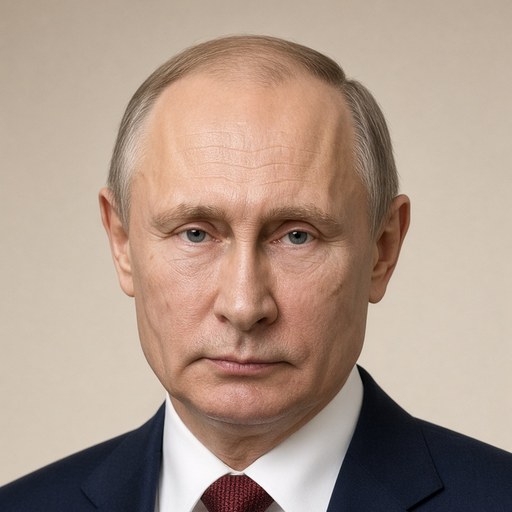
- Putin spoke at Livadia Palace in Crimea on November 18, 2017, at the unveiling of a monument to Emperor Alexander III.
- Main themes
- Alexander III's legacy, Russian national identity, patriotism and statesmanship, historical continuity, industrial and economic development, military modernization, Trans-Siberian Railway, cultural revival, sovereignty and independence, peace through strength, Russian traditions and heritage
- Duration
- ~3 min
- Words
- 416
- Sentences
- 17
- Readability
- 43
- Grade
- 13.3
- Syntax
- 2.92
- Vocabulary
- 2.27
The broad sphere of national life a sentence belongs to. Every sentence has an Arena, so it is the denominator the other indices are read against.
Other17 sentences in 13 paragraphs
Friends,
Today here in Crimea, at the famous Livadia Palace, we are unveiling a monument to Alexander III, an outstanding statesman and patriot, a man of stamina, courage and unwavering will.
He always felt a tremendous personal responsibility for the country’s destiny: he fought for Russia in battlefields, and after he became the ruler, he did everything possible for the progress and strengthening of the nation, to protect it from turmoil, internal and external threats.
Contemporaries called him the Peacemaker tsar. However, according to Sergei Vitte, he gave Russia 13 years of peace not by yielding but by a fair and unwavering firmness. Alexander III stood up for the country’s interests directly and openly, and that policy ensured the growth of Russia’s influence and authority in the world.
The country’s industrial potential was growing dynamically, while a groundbreaking labour law was adopted protecting workers’ rights, a law that was far ahead of legal practices in many other countries.
New factories and plants were opening, new industrial sectors were springing up, and the railways expanded. It was the Emperor’s decree that started the construction of the Great Siberian Road – the Trans-Siberian Railway, which has been Russia’s asset for over a century.
Alexander III also began a major programme for the army’s modernisation. Large-scale shipbuilding projects were implemented, including those for the Black Sea Fleet.
He believed that a strong, sovereign and independent state should rely not only on its economic and military power but also on traditions; that it is crucial for a great nation to preserve its identity whereas any movement forward is impossible without respect for one’s own history, culture and spiritual values.
The reign of Alexander III was called the age of national revival, a true uplift of Russian art, painting, literature, music, education and science, the time of returning to our roots and historical heritage.
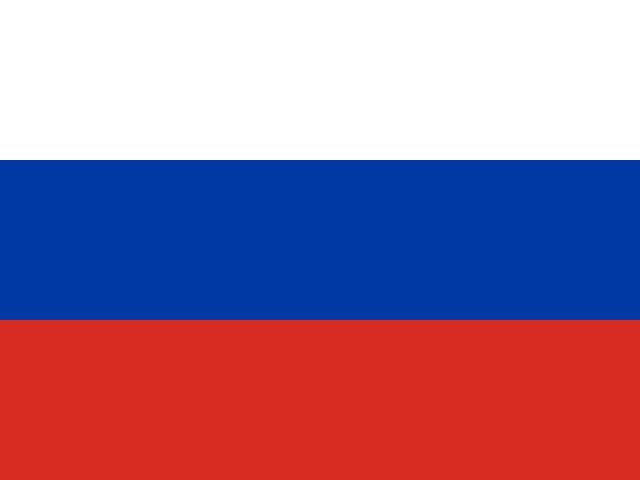
It was under Alexander III that the white-blue-red flag became widely used as the national flag, which has now become one of the major state symbols of our country.
Alexander III loved Russia and believed in it, and by unveiling this monument today we pay tribute to his deeds, achievements and merits, we show our respect for the continuous history of our country, for the people of all ranks and social classes who earnestly served the Fatherland.
I am confident that the current and future generations will do their best for the wellbeing and prosperity of the Fatherland, as much as our great ancestors did.
Thank you.