




Speech at the International Conference "The Policy of Neutrality: International Cooperation for Peace, Security, and Development"
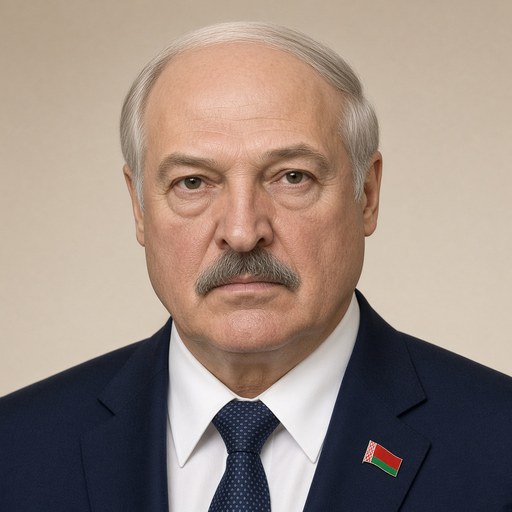
 Alexander Lukashenko · President of Belarus
- Context
- Lukashenko addressed an international conference in Ashgabat on December 12, 2015, marking the 20th anniversary of Turkmenistan's permanent neutrality status.
- Main themes
- Neutrality as state policy, Turkmenistan's 20th anniversary of neutral status, post-Soviet development challenges, regional conflicts and global instability, peace and security, international cooperation, sovereign state-building, Belarus-Turkmenistan relations, economic growth, human rights and social welfare
- Duration
- ~13 min
- Words
- 1,518
- Sentences
- 88
- Readability
- 47
- Grade
- 10.9
- Syntax
- 2.79
- Vocabulary
- 2.21
Translated from Russian
The broad sphere of national life a sentence belongs to. Every sentence has an Arena, so it is the denominator the other indices are read against.
Other88 sentences in 15 paragraphs
Dear Mr. President, esteemed participants and guests of the conference!
Belarus is very pleased to accept the invitation of our friend, the President of Turkmenistan, to participate in today’s conference dedicated to the 20th anniversary of the country’s status as a permanent neutral state. This is indeed a significant event. First of all, because friendly, I would say, brotherly relations have developed between our states and peoples. What is important for our friends is important for us. Secondly, we are sincerely happy for the achievements that the leadership and people of Turkmenistan have made in recent years of independence on the path of neutrality. Thirdly, and this is the main point, the theme of today’s conference is, so to speak, a pressing issue. It is relevant not only for Turkmenistan itself but for the region and the entire world. And I would like to share my thoughts on this matter. Looking back, it can be said that with the collapse of the Soviet Union, all post-Soviet republics found themselves at a painful crossroads in an instant: where and how to go next. The economy was in ruins, and politics was in chaos and anarchy. The people were starving and impoverished. The tasks that fell upon us would have been enough for several generations. Our countries faced a whole series of truly epochal challenges: the need to carry out complex economic transformations, to build their own statehood, and to assert themselves on the international stage.
It was necessary to choose not just a vector of development; it was necessary to determine, in essence, one’s own fate. And 20 years ago, Turkmenistan made what turned out to be a fateful decision for itself—to embark on the path of neutrality. We treated this step with great respect. Belarus not only supported the special resolution of the UN General Assembly on this issue but also became a co-author of this document.
Perhaps the wisdom and foresight of the Turkmen people, as well as, most likely, the blessing of the Almighty, helped Turkmenistan find that optimal unique idea for itself, which subsequently ensured the sustainable and progressive development of the country and its unconditional recognition on the international stage. Look at what is happening today on the planet. My colleagues have already spoken about this in their speeches. It feels as if the world has simply gone mad. The number of regional conflicts is rapidly multiplying, provoking large-scale migration crises. Entire terrorist quasi-states are emerging, posing a threat to the entire world community. Even prosperous Europe today cannot feel safe. Sanction and information wars are taken to the absurd. Leading global players are exercising their martial rhetoric and rattling their weapons. Small and medium-sized states are often artificially faced with a choice, and the specter of new bloc confrontations, undermining the fundamental foundations of global and regional security, looms again. And it is especially sad to realize this in the year marking the 70th anniversary of the end of the bloodiest war in human history—the Second World War. Against this backdrop, the last two decades best demonstrate the wisdom and correctness of the strategic choice made by our Turkmen friends. Turkmenistan has not only achieved impressive successes in building a sovereign and prosperous state, but the country is now developing by leaps and bounds, and one can only envy this with a white envy, as we say. In terms of annual economic growth rates, Turkmenistan has entered the group of world leaders. But most importantly, everything that has been achieved by the current generations will remain for centuries—as a monument to this era, as a testament to the hard work of the Turkmen people and the wisdom of its leaders.
And there are no miracles here. The recipe is absolutely simple and clear. You do not need anything foreign. And you have no claims against either your neighbors or more distant countries. You strive for peace and tranquility not only in Turkmenistan but throughout the entire region. And as a result, thousands of refugees from conflict areas have found shelter and refuge on the fertile Turkmen land.
You do not want to join anyone. But at the same time, you do not want to interfere with anyone’s life. You want to live in peace and tranquility on your land and build happiness for your people. You do not create any problems for your neighbors. This is evident from the speech of the esteemed President of Uzbekistan.
You provide enormous social support to your people, strengthening their faith in their future and the future of their homeland. This is, in fact, the ideal of state development that we should all strive for. This is the provision of genuine, not ephemeral human rights, about which some of our partners love to philosophize so much today.
I reiterate, I am sincerely happy for the successes of our Turkmen brothers. We are also glad that our thoughts and goals resonate. The foundation of Belarusian foreign policy is also based on the desire for peace, mutual respect, and equal interaction with all partners without exception. In essence, our multi-vector approach in foreign policy is akin to Turkmen neutrality. Belarus, like Turkmenistan, advocates for the unconditional priority of political and diplomatic methods in resolving any international conflicts, including those that have erupted in recent days in our region. Our country is making every effort for the peaceful resolution of these conflicts. And the conflict in Ukraine is a testament to this. Minsk has today become that ideal neutral platform where the most serious issues can be resolved. And if this is needed by the world powers in the future, we are ready to play this role. In domestic policy, Belarus is also focused on creating an effective national economy, decent living conditions for its citizens, and evolutionary transformations while maintaining the social responsibility of the state.
What is needed to ensure the progressive development of our young independent states and the well-being of our people today? We, young independent states, do not demand anything supernatural. It is necessary to restore trust in international affairs, without which mutually beneficial cooperation is unthinkable. And cooperation is, first and foremost, dialogue; it is the ability to compromise for the common good. Moreover, international cooperation can only be effective and mutually beneficial on the basis of mutual respect. This is what is catastrophically lacking in the modern world. Today, there is often a lack of basic readiness to respect the choices of others. And the categorical nature with which we are externally imposed supposedly universal models of development is no better than religious fanaticism. At the same time, the historical and cultural peculiarities of both individual states and entire regions are completely disregarded. It is time to understand that we are all, figuratively speaking, in the same boat. Attempts by the powerful of this world to ensure their own prosperity at the expense of other countries and peoples inevitably lead to a dead end from which it is difficult to escape. Today, everything depends on everyone. And if something ignites in one part of the world, it will instantly echo in another. And if we have made mistakes somewhere, we must be able to acknowledge them. And, as the esteemed President of Uzbekistan said, having recognized them, find the strength within ourselves to make concessions and compromises in order to smooth the situation. Mistakes in this turbulent world are inevitable. And they should not be exacerbated but resolved. Forgive me, this also applies to the recent conflict between our Russia and our friendly Turkey. It is necessary to overcome all inflations of passions and find the opportunity to take at least half a step towards each other to begin with. And the problem will be resolved, and the good close relations that existed between these peoples and states will be restored. And they will certainly be.
In this situation, the role of stable, dynamically developing small and medium-sized states increases manifold. And their contribution to sustainable development and ensuring peace and security in their regions is difficult to overestimate.
And that is why it is very important that these words: peace, security, development—are the motto of today’s conference. A successful choice. They should also become the main beacons of our joint actions for the future.
I am convinced that history will rightly appreciate the initiative of the leadership of Turkmenistan in holding this event, which will be an important contribution to the cause of ensuring peace and stability on Earth.
In conclusion, I would like to congratulate the friendly people of Turkmenistan, its leader, the esteemed President Gurbanguly Berdimuhamedow, on the significant date—the 20th anniversary of Turkmenistan’s neutrality, which is so valued and respected in this state.
This event is of enormous historical importance for the Turkmen state, which has defended high ideals of goodness, humanism, and creation since the first days of independence. May this year, declared in Turkmenistan as the Year of Neutrality and Peace, become a starting point for many subsequent centuries of peace and prosperity not only on the hospitable Turkmen land but throughout our entire planet.
Thank you.
The original Russian. The tags above are read on the English translation's sentences.
Уважаемый господин Президент, уважаемые участники и гости конференции!
Беларусь с большим удовольствием приняла приглашение нашего друга Президента Туркменистана, к участию в сегодняшней конференции, посвященной 20-летию со дня обретения страной статуса постоянного нейтралитета. Это действительно знаменательное событие. Во-первых, потому что между нашими государствами и народами сложились дружеские, я бы сказал, братские отношения. А то, что важно для наших друзей, важно и для нас. Во-вторых, мы искренне рады тем достижениям, которые руководство и народ Туркменистана добились за последние годы независимости на пути нейтралитета. В-третьих, и это главное, тематика сегодняшней конференции, что называется, на злобу дня. Она актуальна не только для самого Туркменистана, но для региона и всего мира. И я хотел бы поделиться своими соображениями на этот счет. Оглядываясь в прошлое, можно сказать, что с распадом Советского Союза все постсоветские республики в один миг оказались на мучительном перепутье: куда и как идти дальше. В экономике царила разруха, в политике - хаос и анархия. Народ голодал, нищенствовал. Задач, которые свалились на нас, с лихвой хватило бы на несколько поколений. Наши страны столкнулись с целым рядом поистине эпохальных вызовов: необходимостью проведения сложнейших экономических преобразований, построения собственной государственности и утверждения на международной арене.
Надо было выбирать не просто вектор развития, надо было определять, по сути, свою судьбу. И 20 лет тому назад Туркменистан принял, как оказалось, судьбоносное для себя решение - ступить на путь нейтралитета. Мы с большим уважением отнеслись к этому шагу. Беларусь не просто поддержала специальную резолюцию Генеральной Ассамблеи ООН по этому вопросу, но и стала соавтором этого документа.
Наверное, мудрость и дар предвидения туркменского народа, а также, скорее всего, благословение Всевышнего помогли Туркменистану найти ту оптимальную для себя уникальную идею, которая впоследствии обеспечила устойчивое и поступательное развитие страны, ее безоговорочное признание на международной арене. Посмотрите, что происходит сегодня на планете. Об этом уже мои коллеги говорили в своих выступлениях. Такое ощущение, что мир просто обезумел. Стремительно множится число региональных конфликтов, провоцирующих масштабные миграционные кризисы. Возникают целые террористические квазигосударства, несущие угрозу для всего мирового сообщества. Даже благополучная Европа сегодня не может чувствовать себя в безопасности. Санкционные, информационные войны доводятся до абсурда. Ведущие мировые игроки упражняются в воинственной риторике и бряцании оружием. Малые и средние государства зачастую искусственно сталкиваются с альтернативой выбора, вновь замаячил призрак новых блоковых противостояний, подрывающих фундаментальные основы глобальной и региональной безопасности. И это особенно печально осознавать в год 70-летия окончания самой кровопролитной войны в истории человечества - Второй мировой. На этом фоне последние два десятилетия наилучшим образом демонстрируют мудрость и правильность стратегического выбора наши туркменские друзья. Туркменистан не просто добился впечатляющих успехов в строительстве суверенного и процветающего государства, страна сегодня развивается семимильными шагами, и можно только белой завистью, как у нас говорят, завидовать этому. По ежегодным темпам экономического роста Туркменистан вошел в группу мировых лидеров. Но самое главное: все, что достигнуто нынешними поколениями, останется на века - как монумент этой эпохе, как памятник трудолюбию туркменского народа и мудрости его руководителей.
И здесь нет никаких чудес. Рецепт абсолютно прост и понятен. Вам не нужно ничего чужого. И у вас нет никаких претензий ни к соседям, ни к более дальним странам. Вы стремитесь к тому, чтобы мир и спокойствие царили не только в Туркменистане, но и во всем регионе. И как результат - тысячи беженцев из конфликтных районов в свое время нашли кров и пристанище на благодатной туркменской земле.
Вы ни к кому не хотите присоединяться. Но при этом никому не хотите мешать жить. Вы хотите жить в мире и спокойствии на своей земле и строить счастье для своего народа. Вы не создаете никаких проблем для своих соседей. Это видно из выступления уважаемого Президента Узбекистана.
Вы оказываете огромную социальную поддержку своим людям, укрепляя их веру в свое будущее и будущее родного государства. Вот это и есть фактически тот идеал развития государства, к которому все мы должны стремиться. Это и есть обеспечение подлинных, а не эфемерных прав человека, о которых так много любят сегодня порассуждать некоторые наши партнеры.
Повторюсь, я искренне рад успехам наших туркменских братьев. Мы еще рады тому, что наши мысли и цели созвучны. В основе белорусской внешней политики также лежат стремление к миру, взаимному уважению, равноправному взаимодействию со всеми без исключения партнерами. По сути наша многовекторность во внешней политике сродни туркменскому нейтралитету. Беларусь, как и Туркменистан, выступает за безусловный приоритет политико-дипломатических методов в урегулировании любых международных конфликтов, в том числе разразившихся в последние, можно сказать, дни в нашем регионе. Наша страна прилагает максимум усилий для мирного урегулирования этих конфликтов. И свидетельством тому является конфликт в Украине. Минск сегодня стал той идеальной нейтральной площадкой, на которой могут решаться самые серьезные вопросы. И если впредь это нужно мировым державам, мы готовы играть эту роль. Во внутренней политике Беларусь также нацелена на создание эффективной национальной экономики, достойных условий жизни для своих граждан, эволюционные преобразования при сохранении социальной ответственности государства.
Что нужно для того чтобы обеспечить сегодня поступательное развитие наших молодых независимых государств и благополучие наших людей? Мы, молодые независимые государства, не требуем ничего сверхъестественного. Необходимо возродить доверие в международных делах, без которого немыслимо взаимовыгодное сотрудничество. А сотрудничество - это, прежде всего, диалог, это умение пойти на компромисс ради общего блага. Более того, международное сотрудничество может быть эффективным и взаимовыгодным только на основе взаимного уважения. Это то, чего катастрофически не хватает в современном мире. Сегодня зачастую отсутствует элементарная готовность уважать выбор других. И та категоричность, с которой нам пытаются извне навязать якобы универсальные модели развития, ничем не лучше религиозного фанатизма. При этом абсолютно не учитываются исторические, культурные особенности как отдельных государств, так и целых регионов. Пора понять, что все мы, образно говоря, находимся в одной лодке. Попытки сильных мира сего обеспечить собственное благосостояние за счет других стран и народов ведут непременно в тупик, откуда трудно выбираться. Сегодня всё зависит от всех. И если полыхнет в одной части света, то мгновенно аукнется и в другой. И если мы допустили где-то ошибки, надо их уметь признавать. И, как говорил уважаемый Президент Узбекистана, признав их, найти в себе силы пойти на уступки и компромиссы, для того чтобы сгладить ситуацию. Ошибки в этом бурном мире неизбежны. И их надо не нагнетать, а решать. Простите меня, это касается и последнего конфликта между нашей Россией и дружественной нам Турции. Надо преодолеть всякие нагнетания страстей и найти возможность сделать для начала хотя бы полшага навстречу друг другу. И проблема решится, восстановятся те добрые близкие отношения, которые были между этими народами и государствами. И непременно будут.
В этой ситуации многократно возрастает роль стабильных, динамично развивающихся малых и средних государств. А их вклад в устойчивое развитие и обеспечение мира и безопасности в своих регионах трудно переоценить.
И поэтому очень важно, что именно эти слова: мир, безопасность, развитие - являются девизом сегодняшней конференции. Удачный выбор. Они же должны стать и главными маяками наших совместных действий на будущее.
Убежден, что история по достоинству оценит инициативу руководства Туркменистана в проведении этого мероприятия, которое явится важным вкладом в дело обеспечения мира и стабильности на Земле.
В заключение хочу поздравить дружественный народ Туркменистана, его лидера, уважаемого Президента Гурбангулы Бердымухамедова, со знаменательной датой - 20-летием нейтралитета Туркменистана, который так ценится и уважается в этом государстве.
Это событие огромной исторической важности для туркменского государства, с первых дней независимости отстаивающего высокие идеалы добра, гуманизма и созидания. Пусть нынешний год, объявленный в Туркменистане Годом нейтралитета и мира, станет отправной точкой для многих последующих столетий мира и процветания не только на гостеприимной туркменской земле, но и на всей нашей планете.
Благодарю вас.