




Speech at the joint session of the House of Representatives and the Council of the Republic
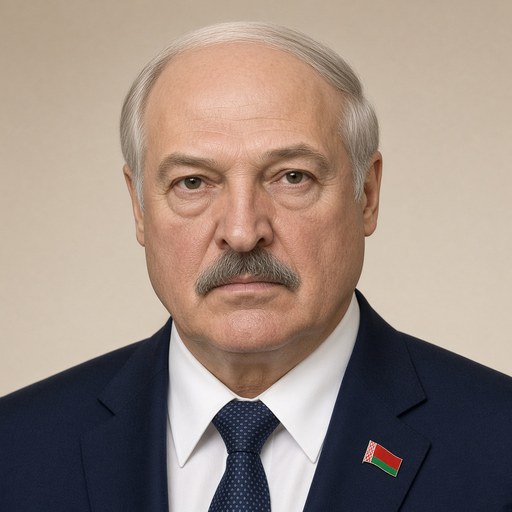
 Alexander Lukashenko · President of Belarus
- Context
- Lukashenko addressed a joint session of the Belarusian Parliament on October 11, 2012, marking the end of the fourth convocation's four-year term.
- Main themes
- Parliamentary achievements, economic resilience and crisis recovery, legislative productivity, Customs Union and Eurasian integration, strong centralized power, constitutional framework, international parliamentary engagement, citizen representation, criticism of Belarusian parliament, stability and national unity
- Duration
- ~27 min
- Words
- 3,257
- Sentences
- 150
- Readability
- 44
- Grade
- 12.5
- Syntax
- 3.16
- Vocabulary
- 2.09
Translated from Russian
The broad sphere of national life a sentence belongs to. Every sentence has an Arena, so it is the denominator the other indices are read against.
Other150 sentences in 53 paragraphs
"Four years of your work have been a challenging time for our country. Crisis phenomena in the global economy have reached Belarus as well. Our external and internal adversaries have constantly attacked the state, trying to destroy the main achievements of the last decade – stability, tranquility, and peace in our society," said the Head of State. "Belarus has withstood all trials, the nation has remained united, we have overcome the crisis and continued the progressive development of the economy. In all this, the Belarusian Parliament has played a significant role."
The President noted that the fourth convocation of Parliament has considered more than 430 laws, including three codes. At the same time, a distinctive feature was the promptness of work on the documents: "For you, it has become the norm to adopt a bill within one year. Laws on the republican budget were adopted before the start of the next financial year, allowing economic entities to prepare in advance for new conditions of operation."
"Of course, it is not about the number of regulatory acts. What is important is that the legislation you have adopted allows for the development of the economy, improves the lives of our people, and protects their rights and interests," emphasized Alexander Lukashenko.
Among the most important documents adopted by parliamentarians over the four years, the Head of State mentioned the Special Part of the Tax Code, the Education Code, the new Housing Code, the law "On Appeals of Citizens and Legal Entities," and "On Advocacy and Advocacy Activities in the Republic of Belarus." The Parliament actively participated in forming the legislative foundations for the effective operation of the Investigative Committee.
In Alexander Lukashenko's opinion, an undeniable achievement of recent years has been the formation of the contractual and legal framework of the Customs Union of Belarus, Kazakhstan, and Russia, and the Single Economic Space.
The people's representatives have also actively participated in international parliamentary activities, including the work of the Parliamentary Assembly of the Union of Belarus and Russia, inter-parliamentary structures of the CIS, the Eurasian Economic Community, and the Collective Security Treaty Organization. "Energetic work has also been carried out in new regions of the world for us. A striking example is our Parliament gaining observer status in the Inter-Parliamentary Assembly of ASEAN," noted the Head of State.
"Your work in the constituencies, receptions of citizens, meetings in labor collectives, and protection of the interests of specific voters have been of exceptionally important significance. In essence, this is the main task for any parliamentarian," emphasized the President. "It is precisely with the deputy that an ordinary person should find protection, and it is the concerns and problems of ordinary voters that should be the compass for the deputy in his legislative activity. Laws are written for people. Without constant communication with the people, everything written by the legislator will remain a dead letter, and only the execution of the will of citizens makes laws wise and alive."
Alexander Lukashenko expressed regret that the important and necessary work of the current Parliament does not always receive due recognition: "It is no secret that the Parliament, as part of the Belarusian power, periodically comes under attack from those who judge the work, the role of a deputy, and Belarusian parliamentarism as a whole too superficially and simplistically. It is often heard that the Parliament does not play a significant role in the governance of the state. The deputy corps has allegedly turned into a voting machine that automatically stamps decisions favorable to the executive power."
"If this were exclusively external criticism, it could be ignored, but sometimes such thoughts are voiced in our society," stated the Head of State, expressing several principled considerations in this regard.
"First of all, the scope of the Parliament's powers is defined by the Constitution of our country, adopted in a nationwide referendum. The Belarusian people made a principled choice in favor of strong power," said the President. "The correctness of this choice has been confirmed by time. And this is not about anyone's personal ambitions. The entire history of humanity – including, by the way, the history of Western countries – shows that the formation of a young nation, the construction of a young state is only possible with strong and centralized power."
According to Alexander Lukashenko, attempts to build a state through parliamentary procedures, endlessly reconciling the interests and ambitions of parties, politicians, and oligarchs, have never ended successfully in any country in the world or in any historical era. To support this thesis, the Head of State cited the example of Great Britain, which is considered the cradle of parliamentary democracy – this country spent centuries to achieve effective parliamentary governance. And during this time, it had to go through turmoil and upheavals.
"In other countries, the situation was even worse. France, after the Great Revolution, took a century and a half to reach its current relatively stable political system, known as the Fifth Republic. At the same time, the Fifth Republic itself emerged as a result of the harshest crisis of the parliamentary model, when the country stood on the brink of complete chaos," noted the President. "As for Germany, which arrived at its current model through a sea of blood from two horrific world wars, I think it is not even worth mentioning."
"These are examples from European history. If we take the rest of the world, it is obvious that only strong power has created the foundation for the emergence of young nations and states and ensured the possibility of modernization," emphasized Alexander Lukashenko.
"In Belarus, our own experience from the early 90s is still fresh in memory. Those were years of noisy parliamentary chaos," noted the Head of State. "Yes, the sessions of the Supreme Soviet were lively and cheerful. But was it fun for our people, who went months without receiving salaries and pensions, froze in their homes, and did not know what tomorrow would bring?"
"Power should not entertain people. It should protect them and give them the opportunity to earn a living. The priority for power should be not words, but deeds," the President is convinced.
"And in the fact that the country has turned from parliamentary 'talking' to a strong state, the deep wisdom of our Belarusian people has manifested itself," noted Alexander Lukashenko. "This idea of a strong country and strong power matured within the framework of that Parliament I just mentioned, where we only shouted, talked, and could not make any decisions."
"The current model of Belarusian statehood has not yet exhausted its possibilities. Thanks to it, we have created the first independent Belarusian state. The next colossal historical task on the agenda is the modernization of the country, breaking it into the elite club of highly developed states," said the President. "Today, this may seem like a fantasy to some, but once the thought that Belarus could exist as a sovereign state, conduct its own independent policy also seemed unattainable."
"Nevertheless, we have achieved this. We will achieve everything else as well. And a strong state with strong presidential power is a necessary tool in achieving the prosperity and well-being of our people," emphasized Alexander Lukashenko.
In his opinion, in the historical perspective, the role of the Parliament in Belarus will undoubtedly strengthen, but this should happen as a result of strengthening statehood and the maturation of civil society.
"I would very much like to hope, and I am an advocate of this, that the Parliament of the fifth convocation will embark on some modernization of our political system," said the Head of State.
According to Alexander Lukashenko, this will depend not only on internal conditions but primarily on the external political situation in which the country will exist. "Under severe external pressure, when the question of whether the state will exist or not is being decided, we will still gather around some personality in a Slavic way to protect ourselves, to defend our piece of land, to ensure a future for our children, so that we can simply exist as a state, as a nation," said the President. "Today, what surprises me is that there are discussions about the fact that, since it is impossible to take them with bare hands, we need to think about other ways to influence Belarus and society."
At the same time, the Head of State believes that there is no need to change the electoral system in Belarus until effective, authoritative parties have formed.
He noted that a majoritarian electoral system has developed in Belarus. According to the Head of State, "a fair, good system that allows each voter to see their deputy, so to speak, 'face to face,' allowing them to vote not just for a particular political platform but for a specific individual." There has been a thought expressed in Belarusian society about a possible transition in the future to a mixed electoral system that uses not only single-member districts but also party lists. This system is widely used in the world and operates effectively in countries with a developed party system. "We have never denied the transition to such a system in the country. But at the same time, it must be understood that elections based on party lists cannot be effective if there are no authoritative parties that are associated in the minds of the people with specific deeds, programs, and platforms," emphasized the President.
"Let's take the lower part of our country's elite, I am not even talking about ordinary people, and ask them the question: how many and what parties are there in our country and how do these parties differ from each other? Who, especially among the people, will answer?" said the President. Alexander Lukashenko believes that apart from the Communist Party and the BPF, people are unlikely to recall any other party.
In the President's opinion, a party should be formed, not artificially created. "I am often told that 'Belaya Rus' is already ready to become a party. If they are ready, let them become one, I have no objections," said Alexander Lukashenko. "But I would not advise them to rush. They can indeed become a centrist force, like the Socialist Party in France or the Social Democratic Party, which is not averse to private property but does not accept the emergence of private property as a result of wild privatization."
According to the President, many postulates from the Communist Party's program have long been known and have not changed. "The BPF – it is clear: the West, nationalization, radicalization, noise, chaos, get rid of everyone, leave only Belarusians. There are proponents of such ideas in our society," noted the Head of State.
Alexander Lukashenko is confident that the central place remains vacant today. "Time is needed; we must give parties the opportunity to form so that they are reflected in the minds of people not just as some organizational structure and name with some leader but are associated with a program and specific actions," believes the Head of State.
"Only then can we generally form the Parliament based on party lists," noted Alexander Lukashenko. "But for now, we cannot go down that path; at least, I am against it." The President added that he does not welcome a transition to a new electoral system also because he has witnessed changes in post-Soviet countries, and after some time, many politicians recognize the erroneousness of such a transition.
"Therefore, let us not rush. It is not for us to determine how. We must make decisions, but the time and the people must determine," emphasized the President.
Alexander Lukashenko noted that the next parliamentary elections in Belarus will take place in four years. In his opinion, this is a sufficient period for deep reflection and comprehensive discussion of the electoral system. "I think that all our public forces, all those willing, including opponents of the current power, can be involved in such a discussion," said the Head of State.
The President believes that the new composition of the Parliament should be more open to society. In his opinion, the discussions that take place and will take place in Parliament need to be brought to the attention of citizens.
"It is absolutely unacceptable to agree that our Parliament is silent and that deputies are voiceless," noted the President. "From the information I have, I know how sharp discussions can be in committees, in sessions. Deputies have their positions and fundamentally defend them in disputes with each other, in discussions with the Government."
Alexander Lukashenko observed that parliamentarians, being polite people, do not always bring this discussion to public attention. "You do not have bombast, no desire to play on cheap populism. You do your work not for the sake of glory among voters but for the interests of the people. These are very valuable and rare qualities for a deputy – a people's representative. And many countries could envy a Parliament where cheap populism is practically reduced to zero," believes the Head of State.
At the same time, the President emphasized that the Parliament is a place for discussions, a place for disputes and doubts: "We do not need thoughtless automatic voting. We do not need universal 'approval.' This harms the country, the people, and personally me as President. We have not had this and will not have it." At the same time, Alexander Lukashenko particularly noted that the country does not need political maneuvering, intrigues, and "talking." "We have long left all this in the past and will never return to it," he added.
Alexander Lukashenko believes that the Parliament in Belarus works more calmly because professionals come here who do their job. "I cannot imagine a head of an enterprise or a specialist coming to the podium and shouting, as was once the case. This is not inherent to them at all. Back then, there were more so-called politicians who could not discuss specific problems of the economy, the life of our state. Many of them were bright orators, but they did not know life. Therefore, if someone proposed something concrete and businesslike and they could not participate in it, not understanding the processes, especially economic ones, they politicized it and shouted," said Alexander Lukashenko, adding that as President, he would not want the country to return to that.
"We need peace," said the Head of State. "When the country is boiling, it is billions of dollars scattered in pockets. And where are they taken from? They are taken from the pockets of people and the economy and distributed and shared."
"Do we need this? Do we have money for this? No. Moreover, this pushes the country back," added the Head of State. At the same time, Alexander Lukashenko emphasized that this in no way means that the Parliament should be silent.
Alexander Lukashenko suggested that parliamentarians, if necessary, work directly with the President, making such meetings regular, for example, once a quarter.
"Therefore, the new Parliament must be focused on the fight for a specific cause, for the independence of the country, for the preservation of the sovereignty of our state, for the rights of our people," believes the Head of State.
Alexander Lukashenko stated that in the recent parliamentary elections, an absolute majority of the population supported those candidates who advocated for peace and tranquility in the country, for the continuation of the socio-economic course based on independence and the protection of the interests of ordinary people.
"The campaign for the so-called 'boycott' of the elections has disgracefully failed, showing the weakness and cowardice of the so-called opposition, the 'fifth column,' which does not even want to imitate the struggle for power," declared the Head of State.
"I have absolutely no reason for gloating here. I sincerely tell you: it is a pity that we still do not have a normal, honest, responsible opposition that cares for the country, not for the siphoning off of foreign handouts," said the President.
Alexander Lukashenko expressed a number of wishes regarding the work of the parliamentarians of the next convocation.
In particular, the Head of State believes it is necessary to ensure continuity in the work of the Council of the Republic and the House of Representatives and to use the legislative and political experience accumulated by their predecessors. "The work of both chambers of Parliament should be as coordinated as possible. All significant issues should be discussed and resolved at the initial stages of work with the draft law," said the President. "It is gratifying that among the elected parliamentarians there are many representatives of the current convocation. After all, the combination of experience and innovation is the key to success."
In addition, the activities of the Parliament should become more open, aimed at interaction with other state bodies, primarily with the Government and republican state administration bodies. "To achieve results, we need to work together. Moreover, lawmaking should be as open as possible to citizens. We have absolutely nothing to hide," said the Head of State.
In the President's opinion, it is necessary to more widely implement public discussion and public expertise procedures for draft laws in the work of the legislative body. "For these purposes, we can and should more actively use the technical capabilities of the Internet, as is done in many foreign countries, including Russia," noted Alexander Lukashenko. The Head of State believes that this will help dispel many myths, increase the accountability of deputies, and make feedback with the population more effective.
Another wish of the President to the parliamentarians of the next convocation is to go to the people, talk directly with them, and necessarily take their opinions into account. "The functions of a deputy and a senator cannot be reduced to formal voting and redirecting documents. We need to 'go to the people,' talk directly with them, and necessarily take their opinions into account, and if someone's legal rights are violated by someone, we must firmly stand up for their protection," emphasized the Head of State.
According to the President, lawmaking must keep pace with the times, and there should be no extremes, no rush for deadlines and quantity in the work on draft laws.
"And perhaps most importantly: the parliamentarians of the fifth convocation must first and foremost ensure the implementation of the tasks defined in the program of socio-economic development of Belarus for the current five-year period at the level of legislative decisions. This is a double responsibility, as the results of parliamentary work will be directly related to the outcomes of the implementation of this program," emphasized Alexander Lukashenko.
The new composition of Parliament must also complete the work on the ratification of international treaties concluded within the framework of the Customs Union and the Single Economic Space. Legislative solutions are also required for issues related to the creation of new high-tech jobs, affordable housing construction, and others.
"I am convinced that the work of the Belarusian Parliament will be subordinated to one sacred goal - the protection of the interests of the people," said the Head of State.
Alexander Lukashenko thanked the parliamentarians of the fourth convocation for their professional and effective work. The Head of State awarded some of them state awards for fruitful and conscientious work, active state and public activity, and significant personal contributions to the development of legislation, parliamentarism, and inter-parliamentary cooperation.
Addressing those who will not continue working in the new composition of the National Assembly, the President said: "Such personnel, who have undergone parliamentary training, are very much needed by the country."
The original Russian. The tags above are read on the English translation's sentences.
«Четыре года вашей работы были непростым временем для нашей страны. Кризисные явления в мировой экономике докатились и до Беларуси. Наши внешние и внутренние недоброжелатели постоянно атаковали государство, пытаясь разрушить главные завоевания последнего десятилетия – стабильность, спокойствие и мир в нашем обществе, – сказал Глава государства. – Беларусь выдержала все испытания, нация осталась единой, мы преодолели кризис и продолжили поступательное развитие экономики. Во всем этом немалая заслуга и белорусского Парламента».
Президент отметил, что Парламентом четвертого созыва рассмотрено более 430 законов, в том числе три кодекса. При этом отличительной особенностью была оперативность работы над документами: «Для вас стало нормой принятие законопроекта в течение одного года. Законы о республиканском бюджете принимались до наступления очередного финансового года, что позволяло субъектам хозяйствования заранее подготовиться к новым условиям деятельности».
«Конечно, дело не в количестве нормативных актов. Важно то, что принятое вами законодательство позволяет развивать экономику, улучшать жизнь наших людей, защищать их права и интересы», – подчеркнул Александр Лукашенко.
Среди важнейших документов, принятых парламентариями за четыре года, Глава государства упомянул Особенную часть Налогового кодекса, Кодекс об образовании, новый Жилищный кодекс, закон «Об обращениях граждан и юридических лиц», «Об адвокатуре и адвокатской деятельности в Республике Беларусь». Парламент принимал активное участие в формировании законодательных основ для эффективной работы Следственного комитета.
По мнению Александра Лукашенко, безусловным достижением последних лет стало формирование договорно-правовой базы Таможенного союза Беларуси, Казахстана и России и Единого экономического пространства.
Активно народные избранники участвовали и в международной парламентской деятельности, в том числе в работе Парламентского Собрания Союза Беларуси и России, межпарламентских структур СНГ, ЕврАзЭС, ОДКБ. «Энергичная работа велась и в новых для нас регионах мира. Показательный пример – обретение нашим Парламентом статуса наблюдателя в Межпарламентской ассамблее АСЕАН», – отметил Глава государства.
«Исключительно важное значение имела ваша работа в округах, приемы граждан, встречи в трудовых коллективах, защита интересов конкретных избирателей. По сути, это и есть главное дело для любого парламентария, – подчеркнул Президент. – Именно у депутата простой человек должен находить защиту, и именно заботы и проблемы рядовых избирателей должны быть компасом для депутата в его законотворческой деятельности. Законы пишутся для людей. Без постоянной связи с народом все написанное законодателем так и останется мертвой буквой, и только исполнение воли граждан делает законы мудрыми и живыми».
Александр Лукашенко выразил сожаление по поводу того, что важная и нужная работа нынешнего Парламента не всегда находит должную оценку: «Не секрет, что Парламент как часть белорусской власти периодически подвергается нападкам со стороны тех, кто слишком поверхностно и упрощенно судит о работе, роли депутата и о белорусском парламентаризме в целом. Нередко можно услышать рассуждения такого рода – мол, Парламент не играет существенной роли в управлении государством. Депутатский корпус якобы превратился в машину для голосования, которая автоматически штампует выгодные исполнительной власти решения».
«Если бы это была исключительно внешняя критика, то на нее можно было бы не обращать внимания, но иногда подобные мысли звучат и в нашем обществе», – констатировал Глава государства, высказав в этой связи несколько принципиальных соображений.
«Во-первых, объем полномочий Парламента определен Конституцией нашей страны, принятой на всенародном референдуме. Белорусский народ сделал принципиальный выбор в пользу сильной власти, – сказал Президент. – Правильность этого выбора подтвердило время. И дело здесь не в чьих-то личных амбициях. Вся история человечества – в том числе, кстати, и история западных стран – показывает: становление молодой нации, строительство молодого государства возможно только при сильной и централизованной власти».
По словам Александра Лукашенко, попытки строить государство через парламентские процедуры, бесконечно согласовывая интересы и амбиции партий, политиков, олигархов, ни в одной стране мира и ни в одну историческую эпоху не оканчивались успешно. В подтверждение этого тезиса Глава государства привел пример Великобритании, которая считается колыбелью парламентской демократии, – эта страна затратила столетия на то, чтобы прийти к эффективному парламентскому правлению. И при этом ей пришлось пройти через смуты и потрясения.
«В других странах дело обстояло еще печальнее. Франция после Великой революции полтора столетия шла к нынешнему относительно стабильному политическому устройству, называемому Пятой республикой. При этом сама Пятая республика появилась в итоге жесточайшего кризиса парламентской модели, когда страна стояла на пороге полного хаоса, – отметил Президент. – О Германии, пришедшей к нынешней модели через море крови двух ужасающих мировых войн, думаю, не стоит и говорить».
«Это примеры европейской истории. Если же брать весь остальной мир, то очевидно – только сильная власть создавала фундамент для появления молодых наций и государств и обеспечивала возможность модернизации», – подчеркнул Александр Лукашенко.
«В Беларуси еще памятен наш собственный опыт начала 90-х. Это были годы шумного парламентского балагана, – отметил Глава государства. – Да, сессии Верховного Совета проходили буйно, весело. Но было ли весело от всей этой бесконечной болтовни нашим людям, которые месяцами не получали зарплат и пенсий, замерзали в своих домах и не знали, что будет завтра?».
«Власть не должна веселить людей. Она должна защитить их и дать возможность заработать себе на жизнь. На первом месте у власти должно стоять не слово, а дело», – уверен Президент.
«И в том, что страна повернула от парламентской «говорильни» к сильному государству, проявилась глубокая мудрость нашего белорусского народа, – отметил Александр Лукашенко. – Эта идея о сильной стране и сильной власти вызрела в рамках того Парламента, о котором я только что сказал, где мы только кричали, говорили и не могли принимать никаких решений».
«Нынешняя модель белорусской государственности далеко не исчерпала свои возможности. Благодаря ей мы создали первое независимое белорусское государство. На повестке дня следующая колоссальная историческая задача – модернизация страны, прорыв ее в элитный клуб высокоразвитых государств, - сказал Президент. – Сегодня это кому-то может показаться фантазией, но когда-то мысль о том, что Беларусь способна существовать как суверенное государство, проводить собственную независимую политику, также казалась несбыточной».
«Тем не менее мы добились этого. Добьемся и всего остального. И крепкое государство с сильной президентской властью – это необходимый инструмент в достижении процветания и благополучия нашего народа», – подчеркнул Александр Лукашенко.
По его мнению, в исторической перспективе роль Парламента в Беларуси будет, безусловно, укрепляться, но это должно происходить как результат укрепления государственности и взросления гражданского общества.
"Я очень бы хотел надеяться, и я сторонник этого, чтобы Парламент пятого созыва приступил к некой модернизации нашей политической системы", - сказал Глава государства.
По словам Александра Лукашенко, это будет зависеть не только от внутренних условий, но прежде всего от того, в какой внешнеполитической ситуации будет существовать страна. "При жестоком давлении со стороны, когда решается вопрос, быть или не быть государству, мы все равно будем по-славянски собираться в кучу вокруг какой-то личности для того, чтобы защититься, чтобы отстоять свой кусок земли, чтобы было будущее у наших детей, чтобы мы просто могли существовать как государство, как нация, - сказал Президент. - Сегодня, что меня удивляет, появляются разговоры о том, что, раз невозможно их взять голыми руками, надо подумать и об иных направлениях воздействия на Беларусь и на общество".
В то же время Глава государства считает, что в Беларуси не стоит менять избирательную систему, пока не сформировались эффективные, авторитетные партии.
Он отметил, что в Беларуси сложилась мажоритарная избирательная система. По словам Главы государства, "честная, хорошая система, позволяющая каждому избирателю видеть своего депутата, что называется, "в лицо", позволяющая голосовать не просто за ту или иную политическую платформу, но и за конкретную личность". В белорусском обществе высказывалась мысль о возможном переходе в будущем на смешанную избирательную систему, использующую не только одномандатные округа, но и партийные списки. Эта система широко используется в мире и эффективно действует в странах с развитой партийной системой. "Мы никогда не отрицали перехода к подобной системе в стране. Но одновременно надо понимать - выборы по партийным спискам не могут быть эффективными, если нет авторитетных партий, которые в умах народа ассоциируются с конкретными делами, программами и платформами", - подчеркнул Президент.
"Возьмем нижнюю часть элиты нашей страны, я даже не говорю простых людей, и зададим им вопрос: сколько и какие партии в нашей стране и чем эти партии друг от друга отличаются? Кто, тем более среди народа, ответит?" - сказал Президент. Александр Лукашенко считает, что помимо Коммунистической партии и БНФ люди вряд ли вспомнят еще какую-то партию.
По мнению Президента, партия должна сформироваться, а не создаваться искусственно. "Мне часто говорят, что у нас "Белая Русь" уже готова стать партией. Готова - пусть становится, я не против, - сказал Александр Лукашенко. - Но я бы не советовал им торопиться. Они могут действительно стать центристской силой, типа социалистической партии во Франции или социал-демократической партией, которой не чужда частная собственность, но которая не приемлет появление частной собственности в результате дикой приватизации".
По словам Президента, многие постулаты из программы Коммунистической партии давно известны и не претерпели изменений. "БНФ – понятно: Запад, национализация, радикализация, гвалт, шум, всех убрать, белорусов только оставить. Есть проводники подобных идей в нашем обществе", - отметил Глава государства.
Александр Лукашенко уверен, что центральное место сегодня остается свободным. "Надо время, надо дать возможность партиям сформироваться, чтобы они в головах людей отразились не только как какая-то организационная структура и название с каким-то лидером, а ассоциировались с программой и конкретными действиями", - считает Глава государства.
"Вот тогда мы можем вообще Парламент формировать по партийным спискам, - отметил Александр Лукашенко. - Но пока нельзя на это идти, по крайней мере, я противник этого". Президент добавил, что он не приветствует переход к новой избирательной системе еще и потому, что на его глазах происходили изменения в постсоветских странах, и спустя некоторое время многие политики признают ошибочность такого перехода.
"Поэтому давайте не будем торопиться. Не мы должны определять - как. Мы должны принимать решения, а определять должны время и народ", - подчеркнул Президент.
Александр Лукашенко отметил, что следующие парламентские выборы в Беларуси пройдут через 4 года. По его мнению, это достаточный срок для глубокого обдумывания и всестороннего обсуждения избирательной системы. "Думаю, что к подобной дискуссии можно привлечь все наши общественные силы, всех желающих, в том числе и оппонентов действующей власти", - сказал Глава государства.
Президент считает, что новому составу Парламента стоило бы быть более открытым для общества. По его мнению, те дискуссии, которые проходят и будут проходить в Парламенте, необходимо выносить на суд граждан.
"Никак нельзя согласиться с тем, что наш Парламент молчалив, а депутаты безгласны, - отметил Президент. - Из той информации, что у меня есть, я знаю, насколько острыми бывают дискуссии в комиссиях, на сессиях. Депутаты имеют свою позицию, принципиально отстаивают ее в спорах друг с другом, в дискуссии с Правительством".
Александр Лукашенко заметил, что парламентарии, будучи людьми корректными, далеко не всегда выносят эту дискуссию на общественное обозрение. "У вас нет фанфаронства, нет желания сыграть на дешевом популизме. Вы делаете свою работу не в расчете на славу среди избирателей, а ради интересов людей. Это очень ценные и редкие качества для депутата - народного избранника. И многие страны могли бы позавидовать Парламенту, в котором дешевый популизм практически сведен к нулю", - считает Глава государства.
В то же время Президент подчеркнул, что Парламент – это место для дискуссий, место споров и сомнений: "Нам не нужно бездумного автоматического голосования. Нам не нужен всеобщий "одобрямс". Это вредит стране, народу и лично мне как Президенту. Такого у нас не было и не будет". В то же время Александр Лукашенко особо отметил, что стране не нужны и политиканство, интриги и "говорильня". "Все это мы давно оставили в прошлом и никогда к этому не вернемся", - добавил он.
Александр Лукашенко считает, что Парламент в Беларуси работает более спокойно потому, что сюда приходят профессионалы, которые выполняют свою работу. "Я не представляю, чтобы руководитель предприятия, специалист вышел к трибуне и гвалтом кричал, как это когда-то было. Это вообще им не присуще. А тогда больше было так называемых политиков, которые не могли рассуждать по конкретным проблемам экономики, жизни нашего государства. Многие из них были яркими ораторами, но они не знали жизнь. Поэтому, если кто-то предлагал конкретное и деловое и они не могли в этом участвовать, не понимая процессов, особенно экономических, они это политизировали и кричали гвалтом", - сказал Александр Лукашенко и добавил, что как Президент не хотел бы возвращения страны к этому.
"Нам нужен покой, - сказал Глава государства. - Когда страна бурлит - это миллиарды долларов, разложенные по карманам. А откуда они изъяты? Они изъяты из карманов людей и экономики и розданы и поделены".
"Нам это надо? У нас что, на это деньги есть? Нет. Более того, это же отбрасывает страну назад", - добавил Глава государства. В то же время Александр Лукашенко подчеркнул, что это ни в коем случае не значит, что Парламент должен быть молчалив.
Александр Лукашенко предложил парламентариям в случае необходимости напрямую работать с Президентом, сделав такие встречи регулярными, к примеру, раз в квартал.
"Поэтому новому Парламенту надо быть нацеленным на борьбу за конкретное дело, за независимость страны, за сохранение суверенитета нашего государства, за права наших людей", - считает Глава государства.
Александр Лукашенко констатировал, что на состоявшихся недавно парламентских выборах абсолютное большинство населения поддержало тех кандидатов, которые выступали за мир и покой в стране, за продолжение социально-экономического курса, основанного на независимости и защите интересов простого человека.
"Кампания по так называемому "бойкоту" выборов позорно провалилась, показав слабость и трусость так называемой оппозиции, "пятой колонны", не желающей даже имитировать борьбу за власть", - заявил Глава государства.
"Поводов для злорадства здесь абсолютно у меня нет. Искренне скажу вам: жаль, что у нас так пока и не появилась нормальная, честная, ответственная оппозиция, болеющая за страну, а не за распил зарубежного подаяния", - сказал Президент.
Александр Лукашенко высказал ряд пожеланий, касающихся работы парламентариев следующего созыва.
В частности, Глава государства считает необходимым обеспечить преемственность в работе Совета Республики и Палаты представителей и использовать накопленный предшественниками законодательный и политический опыт. "Работа обеих палат Парламента должна быть максимально согласованной. Все существенные вопросы следует обсуждать и решать на начальных стадиях работы с законопроектом, - сказал Президент. – Отрадно, что среди избранных парламентариев немало представителей нынешнего созыва. Ведь сочетание опыта и новаторства – это залог успеха".
Кроме того, д еятельность Парламента должна стать более открытой, направленной на взаимодействие с иными государственными органами, в первую очередь с Правительством, республиканскими органами госуправления. "Для достижения результата нужно работать сообща. Кроме того, законотворчество должно быть максимально открытым и для граждан. Скрывать нам абсолютно нечего", - сказал Глава государства.
По мнению Президента, необходимо шире внедрять в практику работы законодательного органа процедуры публичного обсуждения и общественной экспертизы законопроектов. "В этих целях можно и нужно активнее использовать технические возможности Интернета, как это делается во многих зарубежных странах, в том числе в России", - отметил Александр Лукашенко. Глава государства считает, что это позволит развеять многие мифы, повысит ответственность депутатов и сделает обратную связь с населением более эффективной.
Еще одно пожелание Президента парламентариям следующего созыва - идти в народ, прямо разговаривать с людьми и обязательно учитывать их мнение. "Функции депутата и сенатора не могут сводиться к формальному голосованию и перенаправлению документов. Надо "идти в народ", прямо разговаривать с людьми и обязательно учитывать их мнения, а если законное право простого гражданина кем-то нарушено, твердо вставать на его защиту", - подчеркнул Глава государства.
Законотворчество, по словам Президента, должно идти в ногу со временем, а при работе над законопроектами не должно быть крайностей, погони за сроками и количеством.
"И, может быть, самое важное: парламентариям пятого созыва прежде всего предстоит на уровне законодательных решений обеспечить реализацию задач, определенных в программе социально-экономического развития Беларуси на нынешнюю пятилетку. Это двойная ответственность, поскольку результаты парламентской работы будут напрямую связаны с итогами реализации данной программы", - подчеркнул Александр Лукашенко.
Новому составу Парламента также необходимо завершить работу по ратификации международных договоров, заключенных в рамках Таможенного союза и Единого экономического пространства. Законодательного решения требуют и проблемы создания новых высокотехнологичных рабочих мест, доступного жилищного строительства и другие.
"Убежден, что работа белорусского Парламента будет подчинена одной святой цели - защите интересов народа", - сказал Глава государства.
Александр Лукашенко поблагодарил парламентариев четвертого созыва за профессиональную и эффективную работу. Глава государства вручил некоторым из них государственные награды за плодотворную и добросовестную работу, активную государственную и общественную деятельность, значительный личный вклад в развитие законодательства, парламентаризма и межпарламентского сотрудничества.
Обращаясь к тем, кто не продолжит работу в новом составе Национального собрания, Президент сказал: "Такие кадры, прошедшие парламентскую закалку, очень нужны стране".