




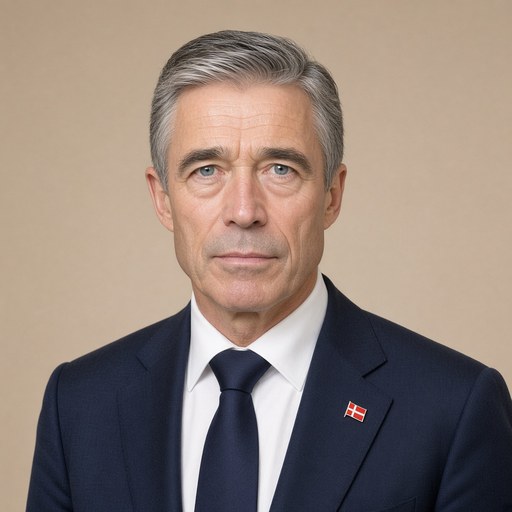
Prime Minister Anders Fogh Rasmussen's closing speech in the Folketing on Thursday, May 30, 2002.
 Anders Fogh Rasmussen · Prime Minister of Denmark
- Context
- Rasmussen delivered his closing speech to the Folketing on May 30, 2002, reviewing the government's first parliamentary session accomplishments and reform agenda.
- Main themes
- Welfare state renewal, tax freeze, freedom of choice in public services, immigration policy reform, budget reprioritization, parliamentary session review, individual freedom, integration efforts, healthcare reform, elderly care, parental leave, labor market reform
- Duration
- ~26 min
- Words
- 3,131
- Sentences
- 243
- Readability
- 51
- Grade
- 9.4
- Syntax
- 2.43
- Vocabulary
- 2.11
Translated from Danish
The broad sphere of national life a sentence belongs to. Every sentence has an Arena, so it is the denominator the other indices are read against.
Other243 sentences in 107 paragraphs
1. Introduction - Renewal and Rethinking
Here at the start of the new century, there is a need for new solutions - for rethinking and reforms that further develop Danish society. There is a need for renewal of the Danish welfare state.
In the parliamentary election last year, voters gave a clear mandate for such renewal.
For a policy that breaks with SystemDenmark and creates the framework for a vibrant society. A society where the individual has greater freedom while we develop a strong community.
The government presented clear goals for renewal upon taking office. The goals were outlined in a comprehensive government program. Within the first 100 days, the government presented the legislative proposals that fulfill the promises made during the election campaign.
Now we can take stock after a busy parliamentary session: The proposals in the 100-day program have largely been translated into legislation.
But the effort does not stop here. The government will now consistently ensure that the goals we have set are actually met. And at the same time, we are now seriously addressing the next phases in the renewal of Danish society.
The government's goal is clear. We have initiated a long-term project that aims to give Danes more freedom over their own lives. This should be a task that everyone can support.
2. Reprioritization to Central Welfare Areas
The government has transferred more money to the central welfare areas. More money has been allocated to hospitals, to the elderly, to families with children, and to vulnerable groups in society. We promised this before the election. And we have delivered after the election. Point by point.
In the finance bill for 2002, we have shifted around 7 billion DKK. This means that we have moved around an amount equivalent to 1 3/4 percent of the total state budget. I mention this because critics of the government's policy have given the impression that the government has been engaged in a significant cutback of the public sector. That is flatly incorrect. The sick and elderly have received more money. In return, savings have been made elsewhere. But over 98 percent of the state budget remains untouched.
3. The Tax Freeze
More money has been allocated to the central welfare areas at the same time as the government has implemented a tax freeze. We said before the election that we would stop the soaring taxes. We have fulfilled that promise. The tax freeze took effect from the government's first day. This means that there will no longer be increases in taxes and duties. Furthermore, the government has removed the additional taxes and duties of over 2 billion DKK that the previous government had planned.
The tax freeze is a historic marker that it has been possible to break the tradition of endless increases in taxes and duties in Denmark. The tax freeze is only the first step.
4. Welfare and Freedom of Choice
The government has initiated a reform of the Danish welfare state under the heading "Welfare and Freedom of Choice." We want to combine the shared responsibility for solving a number of welfare tasks with personal freedom to choose.
Therefore, the government has implemented freedom of choice in several areas. From July 1 of this year, patients have free choice of hospital. If the public hospital system cannot provide treatment within a maximum of two months, the patient has the right to choose another hospital in Denmark or abroad. And the treatment itself does not cost the patient anything.
The elderly will have free choice of home care from January 1, 2003. And for nursing homes and care facilities from July 1 of this year.
Families with children have been given one year of parental leave. It is flexible, allowing families to choose how they want to arrange parental leave and work. Additionally, municipalities have been given the freedom to offer families subsidies to care for their children themselves instead of using a public childcare service.
Greater freedom has been created in the labor market.
5. Firm and Fair Immigration Policy
The governing parties promised before and during the election campaign to ensure a firm and fair immigration policy. We have now implemented this consistently.
With the immigration package, we have made the necessary tightening measures that were clearly needed.
We have modernized immigration policy so that it better matches the problems we encounter in daily life.
The tightening measures will be accompanied by a significant strengthening of the integration efforts.
Much has been said and written about the government's immigration policy. Not least by people who have not taken the time to understand the issues.
We have now done what we set out to do. And I have no doubt that the result will be better integration and less division between the different population groups. To the benefit of everyone in Danish society.
Unfortunately, it was not possible to reach a broad agreement on this point. Parts of the opposition were apparently not ready or were affected by internal disagreements.
6. Security and Safety: Justice Policy and Counter-Terrorism
The barbaric ruthlessness witnessed by the world on September 11 spread a sense of uncertainty and insecurity.
The international community responded promptly.
The government followed up with a comprehensive anti-terror package that contains the necessary tools for effective and timely counter-terrorism.
We have also increased security in the daily lives of individuals. In recent years, we have seen far too many shocking examples of a lax justice policy. Examples that violate common legal sensibilities and create insecurity. Examples where depraved criminals such as violent offenders and rapists have gotten off far too lightly.
The government's position on this point is clear: Society's response to violence and other crime must be consistent and significant.
As a first - and urgent - step, we have therefore presented significant increases in the penalties for, among other things, violence and rape within the first 100 days. We have intensified efforts against violence and youth crime. We have presented initiatives for better protection of witnesses.
With these first steps, we have come significantly closer to a justice system that aligns with contemporary legal perceptions.
7. The Shared Responsibility: Vulnerable Groups
The government has presented an ambitious action program for a strengthened effort for the most vulnerable groups - the homeless, substance abusers, and the most disadvantaged among the mentally ill. It is called "The Shared Responsibility." We have a shared responsibility to help the most vulnerable create a safe and meaningful existence.
The first step in implementing the action program was taken during this year's negotiations on the social pool, where 670 million DKK was allocated over 4 years to the particularly vulnerable groups.
To monitor this effort for the weakest in society, the government has established the Council for Socially Disadvantaged. It will be the voice of the vulnerable.
8. A Better Welfare Society - The Next Step
We have a responsibility to ensure and improve the quality in the vital areas of the welfare society. That the elderly, the sick, and the weakest groups receive the help they are entitled to.
The government is ready to take on the task and do what is necessary. Fortunately, the starting point is good.
Economic growth and higher employment are expected in the coming years. There is a surplus in the balance of payments and in public finances. This means that we can pay down our debt to foreign countries and on public debt. We must maintain that development. Less debt means saved interest expenses, which can be converted into improvements for society.
We will continue the reprioritization of the public sector that we started with the finance bill for 2002.
This means that the growth in the public sector must be reserved for improvements for citizens - and not for unnecessary public administration.
But an active prioritization, strict management of expenses, and better quality for money alone will not suffice. There is also a need for more people to enter the workforce.
Growth and Dynamism
The government is pursuing an offensive business policy. There needs to be new dynamism and growth in Danish society. The government will explore new avenues and implement reforms and structural improvements. It is about creating good conditions for growth.
This can only happen if the desire to create is unleashed. It must be easier to start and run one’s own business.
The culture of self-employment needs a boost.
Danish companies spend a lot of time daily filling out forms, reports, and statistics for public authorities. Constraints and bureaucracy must be broken down. Administrative burdens must be reduced.
And it must pay off to make an extra effort. It must pay off to work and pursue an education. Taxes are too high in Denmark. The government is working to create room for a reduction in the tax on earned income from January 1, 2004.
Research must have better conditions. It is an investment in the future. There is also a need for a comprehensive reform of the organization and management of our universities.
The government will strengthen professionalism throughout the education system. This applies to primary schools, youth education, higher education, and adult and continuing education.
The government will invest in the youth. Our young people should have education that at least matches that of young people abroad. A good educational path for young people requires that they have a place to live. Therefore, the government will prioritize the construction of youth housing in connection with the finance bill for 2003.
More People in Work
More people in work is good for everyone. For the individual who utilizes their abilities. And for others, because there are hands available to perform tasks in companies and to provide the necessary effort.
The government has initiated a dialogue with labor market partners to get more people into work.
All unemployed individuals should have the best opportunities to find employment as quickly as possible. Regardless of whether the unemployed person is on unemployment benefits or social assistance.
Meaningless and poor activation must be eliminated. The many detailed rules must be removed. Activation must ensure that the individual gets a regular job - without detours - and must be directed towards the needs present in the labor market.
9. The Open Society
A modern, democratic society thrives on openness and freedom.
In addition to the areas where the government has already introduced free choice, we will increase the freedom of choice for childcare across municipal borders and introduce a freer choice of doctor.
Citizens must also feel that the justice system is there for them and works quickly, effectively, and fairly. The justice system must reflect a contemporary legal perception.
In the court system, there is a need to test new ways to resolve legal conflicts. Therefore, we are now launching a trial with so-called court mediation, where the focus is more on the concrete problems rather than on rules and paragraphs.
Infringements on individual integrity and privacy have no place in a modern society. There is a need for a legal security reform that ensures fundamental legal guarantees and fair treatment when the public exercises control and supervision.
The Public Access to Information Act also needs a comprehensive modernization.
It is a fundamental prerequisite for a well-functioning democracy that there is an open and free debate and that the public has insight into what is happening in the administration. It is the most effective weapon against bureaucracy and abuse of power.
10. The Realm
Since its inception, the government has placed great emphasis on establishing a positive and equal partnership with the Faroe Islands and Greenland. Good cooperation occurs through dialogue based on mutual respect. The government will live up to that.
During my visits in January, I had the opportunity to discuss the Faroese and Greenlandic aspirations for the future with the Prime Minister and the Minister of Home Affairs, as well as with a number of Faroese and Greenlandic politicians.
Both in the Faroe Islands and in Greenland, there is currently a debate about increased self-government. This is a very natural development. The government's position is very clear. It is up to the Faroese and Greenlandic people to decide the future of the Faroe Islands and Greenland.
The political situation in the Faroe Islands after the election on April 30 remains unresolved. The Prime Minister is currently negotiating to expand the existing coalition government. The government is awaiting the outcome of these negotiations.
In Greenland, the goal of a self-sustaining economy is high on the political agenda. This is a significant challenge that requires a long-term and ambitious policy towards increased market orientation. The Greenlandic Home Rule has taken steps in this direction, and the government is willing to support such development through dialogue and cooperation.
The government has a close collaboration with the Greenlandic Home Rule in the area of foreign policy. The government will contribute to strengthening Greenland's international relations - not least in relation to the EU. In collaboration with the Greenlandic Home Rule, we will hold a conference in Greenland in August focused on the EU's policy towards the Arctic region.
This close cooperation also applies to the defense agreement with the USA, where the government and the Home Rule are in close dialogue.
11. Denmark's International Engagement
One of the new government's first decisions was to seek political support to send Danish soldiers and aircraft to Afghanistan. The task was to participate in the international fight against terrorism.
The consequences of the attack on the USA on September 11 last year have shaped foreign and security policy. The government has continued the previous government's clear line of solidarity with the USA.
Danish military units have been deployed to tasks in Central Asia and Afghanistan. The Danish soldiers, some of whom tragically lost their lives while carrying out their duties, have received recognition for their skill and professionalism.
September 11 has left several marks. Thus, the relationship between NATO and Russia has improved. This was recently marked at the summit in Rome the day before yesterday. The government looks forward to the further adaptation and expansion of NATO, which is on the agenda for the Alliance's summit in Prague in November.
The conflict in the Middle East between Israel and the Palestinians has been particularly acute in recent months. The government has laid out a new, balanced course. Denmark is in dialogue with both parties and will, as the EU presidency, do its part to get the peace process back on track.
The government has implemented a reprioritization of development aid that strengthens poverty alleviation and women's opportunities and promotes democracy, human rights, and the fight against terrorism.
And as I have stated several times: Denmark continues to rank at the top in terms of the size of aid. We are still the country in the world that gives the most in aid.
12. EU Presidency: Active European Policy
Since taking office, the government has devoted significant energy to preparing for the upcoming presidency. The Danish EU presidency has clear lines and aims for concrete results.
The presidency is the main task for the government in the coming six months. It will be a major challenge. But it is also a unique opportunity to influence developments in our part of the world at a crucial time.
The Danish presidency has a comprehensive and heavy agenda.
The main priority of the presidency is to conclude the enlargement negotiations with up to 10 new member states. It was in Copenhagen in 1993 that the conditions for accession to the EU were defined. And it may now be in Copenhagen in 2002 that the negotiations on enlargement are completed.
I am clearly optimistic. We have a unique chance to bind Europe together and put an end to a dark chapter in European history. But if we do not seize the moment and the opportunity, we risk that it will be many years before a new opportunity arises. We must succeed.
The government has also set other goals for the presidency.
First, we will work for greater security and safety. Today, we face a number of new forms of international crime: terrorism, human trafficking, trafficking in women, and child pornography on the Internet. These must be combated through stronger cooperation at the European and global levels.
Second, we will work for sustainable development. This applies both economically, socially, and environmentally.
Third, we will work for safe food. And we will contribute to the further development of the EU's policies in both agriculture and fisheries.
Finally, the EU has a special responsibility for peace and stability in a world that is becoming increasingly interconnected. This is especially true in the fight for a better environment and against poverty.
Our goal is that at the World Summit on Sustainable Development in Johannesburg, we reach a global agreement that commits both rich and poor countries. Preparations for the summit are progressing somewhat slowly. Not everyone is equally ambitious. But we are pushing as hard as we can.
13. Broad Cooperation
The government has called for broad cooperation here in the Folketing. This has largely been successful.
The election was a break with the old-fashioned division of politics into right and left. The government is not constrained by outdated ideological thinking. What matters is not whether a proposal is perceived as right-oriented or left-oriented in an old-fashioned sense. What matters is whether the proposal contributes to solving the problems that people may have in their daily lives.
The government takes its starting point in the everyday lives of individuals. Therefore, the government has presented proposals that strengthen efforts for the sick, the elderly, and the most vulnerable groups. And proposals that increase freedom, security, and safety in everyday life.
The majority of the government's legislative proposals have been adopted with a broad majority in the Folketing. And that is good. The government thanks the parties that have supported the proposals.
The two governing parties campaigned on a number of clear promises. We said what we would do. And after the election, we did what we had said before the election.
It has been crucial for the government to fulfill the election promises. Even if in some cases it has meant that the proposals had to be adopted with a smaller circle of parties.
The government thanks the parties that have contributed to translating the public's desire for renewal into action here in the Folketing.
Now the first session of the Folketing with the new government is coming to an end. The next session will be characterized by the Danish presidency of the EU and the next steps in the government's program for the development and improvement of the Danish welfare state.
The government invites all parties in the Folketing to cooperate on the necessary renewal.
The original Danish. The tags above are read on the English translation's sentences.
1. Indledning - Fornyelse og nytænkning
Her ved starten af det nye århundrede er der brug for nye løsninger - for nytænkning og reformer, som videreudvikler det danske samfund. Der er brug for fornyelse af det danske velfærdssamfund.
Ved folketingsvalget sidste år gav vælgerne et klart mandat til en sådan fornyelse.
Til en politik, der gør op med SystemDanmark og skaber rammerne for et levende samfund. Et samfund, hvor den enkelte får større frihed samtidig med, at vi udvikler et stærkt fællesskab.
Regeringen fremlagde ved sin tiltrædelse klare mål for fornyelse. Målene blev præsenteret i et omfattende regeringsprogram. Inden for de første 100 dage fremlagde regeringen de lovforslag, som opfylder løfterne fra valgkampen.
Nu kan vi gøre status efter en travl folketingssamling: Forslagene i 100 dages programmet er stort set omsat til lovgivning.
Men indsatsen stopper ikke her. Regeringen vil nu konsekvent sikre, at de mål, vi har sat os, rent faktisk bliver opfyldt. Og samtidig tager vi nu for alvor fat på de næste faser i fornyelsen af det danske samfund.
Regeringens mål er klart. Vi har igangsat et mangeårigt projekt, der skal sikre danskerne mere frihed over deres eget liv. Det bør være en opgave som alle kan tilslutte sig.
2. Omprioritering til de centrale velfærdsområder
Regeringen har ført flere penge over til de centrale velfærdsområder. Der er givet flere penge til sygehusene, til de ældre, til børnefamilierne og til de svage grupper i samfundet. Det lovede vi før valget. Og det har vi gjort efter valget. Punkt for punkt.
På finansloven for 2002 har vi flyttet omkring på ca. 7 mia. kr. Det vil sige, at vi har flyttet omkring på et beløb, som svarer til 1 3/4 procent af det samlede statsbudget. Jeg nævner dette, fordi kritikerne af regeringens politik har givet udseende af, at regeringen har været i gang med en kraftig nedskæring af den offentlige sektor. Det er lodret forkert. Syge og ældre har fået flere penge. Til gengæld er der sparet andre steder. Men over 98 procent af statsbudgettet er urørt.
3. Skattestoppet
Der er givet flere penge til de centrale velfærdsområder samtidig med, at regeringen har iværksat et skattestop. Vi sagde før valget, at vi ville stoppe skatternes himmelflugt. Det har vi opfyldt. Skattestoppet trådte i kraft fra regeringens første dag. Det betyder, at der nu ikke længere sker forhøjelser af skatter og afgifter. Desuden har regeringen fjernet de ekstra skatter og afgifter på over 2 mia. kr., som den tidligere regering havde planlagt.
Skattestoppet er en historisk markering af, at det er lykkedes at bryde traditionen med evindelige stigninger i skatter og afgifter i Danmark. Skattestoppet er kun det første skridt.
4. Velfærd og valgfrihed
Regeringen har indledt en reform af det danske velfærdssamfund under overskriften, "Velfærd og valgfrihed". Vi ønsker at kombinere det fælles ansvar for at løse en række velfærdsopgaver med en personlig frihed til at vælge.
Derfor har regeringen gennemført valgfrihed på en række områder. Fra 1. juli i år har patienterne frit valg af sygehus. Hvis det offentlige sygehusvæsen ikke kan klare behandling inden for maksimalt to måneder, har patienten ret til selv at vælge et andet sygehus i Danmark eller i udlandet. Og selve behandlingen koster ikke patienten penge.
De ældre får frit valg af hjemmehjælp fra den 1. januar 2003. Og for plejehjem og plejebolig fra 1. juli i år.
Børnefamilierne har fået ét års barselsorlov. Den er fleksibel, så familierne selv kan vælge, hvordan de vil tilrettelægge barselsorlov og arbejde. Desuden har kommunerne fået frihed til at tilbyde familierne tilskud til selv at passe børnene frem for at bruge et offentligt pasningstilbud.
Der er skabt større frihed på arbejdsmarkedet.
5. Fast og fair udlændingepolitik
Regeringspartierne lovede før og under valgkampen at sikre en fast og fair udlændingepolitik. Det har vi nu gennemført konsekvent.
Med udlændingepakken har vi foretaget de stramninger, som helt åbenbart trængte sig på.
Vi har moderniseret udlændingepolitikken, så den i højere grad matcher de problemer, vi møder i dagligdagen.
Stramningerne vil blive ledsaget af en markant styrkelse af integrationsindsatsen.
Der har været sagt og skrevet meget om regeringens udlændingepolitik. Ikke mindst af folk, der ikke har sat sig ind i tingene.
Vi nu har gjort det, vi satte os for. Og jeg er ikke i tvivl om, at resultatet bliver bedre integration og mindre skel mellem de forskellige befolkningsgrupper. Til glæde for alle i det danske samfund.
Desværre lykkedes det ikke at få en bred aftale i stand på dette punkt. Dele af oppositionen var åbenbart ikke parate eller ramt af intern uenighed.
6. Tryghed og sikkerhed: Retspolitik og terrorbekæmpelse
Den barbariske hensynsløshed, verden var vidne til den 11. september, spredte en følelse af uvished og utryghed.
Det internationale samfund reagerede prompte.
Regeringen fulgte op med en omfattende anti-terrorpakke, der indeholder de nødvendige redskaber til en effektiv og tidssvarende bekæmpelse af terrorisme.
Vi har også øget trygheden i den enkeltes hverdag. Vi har gennem de senere år set alt for mange stødende eksempler på en slap retspolitik. Eksempler, som krænker den almindelige retsfølelse og skaber utryghed. Eksempler, hvor forråede forbrydere som volds- og voldtægtsmænd er sluppet alt, alt for billigt.
Regeringens holdning på dette punkt er klar: Samfundets reaktion over for vold og anden kriminalitet skal falde konsekvent og mærkbart.
Som et første - og akut - skridt har vi derfor inden for de første 100 dage fremlagt markante skærpelser af strafferammerne for bl.a. vold og voldtægt. Vi har forstærket indsatsen mod vold og ungdomskriminalitet. Vi har fremlagt initiativer til bedre beskyttelse af vidner.
Med disse første skridt er vi kommet betydeligt tættere på et retssystem, der stemmer overens med en nutidig retsopfattelse.
7. Det fælles ansvar: De svage grupper
Regeringen har fremlagt et ambitiøst handlingsprogram for en styrket indsats for de svageste grupper - de hjemløse, misbrugere og de mest udsatte blandt de sindslidende. Det hedder, "Det fælles ansvar". Vi har et fælles ansvar for at hjælpe de mest udsatte til at skabe sig en tryg og meningsfuld tilværelse.
Det første skridt til at føre handlingsprogrammet ud i livet blev taget ved dette års satspuljeforhandlinger, hvor der blev afsat 670 mill. kr. over 4 år til de særligt udsatte grupper.
For at overvåge denne indsats for de svageste i samfundet har regeringen nedsat Rådet for socialt udsatte. Det skal være de svages talerør.
8. Et bedre velfærdssamfund - næste skridt
Vi har et ansvar for, at kvaliteten på de vitale områder i velfærdssamfundet sikres og øges. At de ældre, de syge, de svageste grupper får den hjælp, som de har krav på.
Regeringen er klar til at løfte opgaven og gøre det, der er nødvendigt. Udgangspunktet er heldigvis godt.
Der ventes økonomisk fremgang og højere beskæftigelse i de næste år. Der er overskud på betalingsbalancen og de offentlige finanser. Det betyder, at vi kan afdrage på vores gæld til udlandet og på den offentlige gæld. Den udvikling skal vi fastholde. Mindre gæld betyder sparede renteudgifter, som kan veksles til forbedringer af samfundet.
Vi vil fortsætte den omprioritering af den offentlige sektor, som vi startede med finansloven for 2002.
Det betyder, at væksten i den offentlige sektor skal reserveres til forbedringer for borgerne - og ikke til unødig offentlig administration.
Men en aktiv prioritering, en stram styring af udgifterne og bedre kvalitet for pengene gør det ikke alene. Der er også brug for, at flere kommer i arbejde.
Vækst og dynamik
Regeringen fører en offensiv erhvervspolitik. Der skal ny dynamik og vækst i det danske samfund. Regeringen vil gå nye veje og iværksætte reformer og strukturforbedringer. Det handler om at skabe gode betingelser for vækst.
Det kan kun ske, hvis virkelysten sættes fri. Det skal være lettere at starte og drive egen virksomhed.
Selvstændighedskulturen skal have et løft.
Danske virksomheder bruger dagligt meget tid på at udfylde blanketter, opgørelser og statistikker til offentlige myndigheder. Spændetrøjer og bureaukrati skal brydes ned. De administrative byrder skal reduceres.
Og det skal kunne betale sig at yde en ekstra indsats. Det skal kunne betale sig at arbejde og tage en uddannelse. Skatten er for høj i Danmark. Regeringen arbejder på at skabe råderum til, at skatten på arbejdsindkomst kan sænkes fra 1. januar 2004.
Forskningen skal have bedre vilkår. Det er en investering i fremtiden. Der er tillige brug for en gennemgribende reform af organiseringen og ledelsen af vore universiteter.
Regeringen vil styrke faglighed gennem hele uddannelsessystemet. Det være sig i folkeskolen, i ungdomsuddannelserne, i de videregående uddannelser og i voksen- og efteruddannelserne.
Regeringen vil satse på de unge. Vore unge skal have uddannelser, som mindst matcher de unge i udlandet. Et godt uddannelsesforløb for de unge kræver, at de har et sted at bo. Regeringen vil derfor prioritere byggeri af ungdomsboliger i forbindelse med finansloven for 2003.
Flere i arbejde
Flere i arbejde er godt for alle. For den enkelte, der udnytter sine evner. Og for andre, fordi der er hænder til at udføre opgaverne i virksomhederne og til at yde den nødvendige indsats.
Regeringen har indledt en dialog med arbejdsmarkedets parter om at få flere i arbejde.
Alle ledige skal have de bedste muligheder for at komme i beskæftigelse hurtigst muligt. Uafhængigt af, om den ledige er på dagpenge eller kontanthjælp.
Meningsløs og dårlig aktivering skal væk. De mange detailregler skal væk. Aktivering skal både sikre den enkelte et almindeligt job - uden omveje - og rettes mod de behov, der er på arbejdsmarkedet.
9. Det åbne samfund
Et moderne, demokratisk samfund lever af åbenhed og frihed.
Ud over de områder, hvor regeringen allerede har indført frit valg, vil vi øge valgfriheden for børnepasning på tværs af kommunegrænserne og indføre et friere valg af læge.
Borgerne skal også mærke, at retssystemet er til for dem og virker hurtigt, effektivt og retfærdigt. Retssystemet skal afspejle en nutidig retsopfattelse.
I domstolssystemet er der behov for at afprøve nye måder til at løse retslige konflikter . Derfor iværksætter vi nu et forsøg med såkaldt retsmægling, hvor der i højere grad tages udgangspunkt i de konkrete problemer frem for i regler og paragraffer.
Overgreb mod den enkeltes integritet og privatliv hører ikke hjemme i et moderne samfund. Der er brug for en retssikkerhedsreform, som sikrer grundlæggende retsgarantier og en fair behandling, når det offentlige udøver kontrol og tilsyn.
Offentlighedsloven trænger også til en gennemgribende modernisering.
Det er en fundamental forudsætning for et velfungerende demokrati, at der er en åben og fri debat og offentligheden har indsigt med det, der foregår i forvaltningen. Det er det mest effektive våben mod pamperi og magtmisbrug.
10. Rigsfællesskabet
Regeringen har fra sin tiltræden lagt stor vægt på at få etableret et positivt og ligeværdigt samarbejde med Færøerne og Grønland. Et godt samarbejde sker gennem dialog baseret på gensidig respekt. Det vil regeringen leve op til.
Under mine besøg i januar fik jeg lejlighed til at drøfte de færøske og grønlandske ønsker til fremtiden med lagmanden og landsstyreformanden samt med en række af de færøske og grønlandske politikere.
Både på Færøerne og i Grønland er der i disse år en debat om øget selvstyre. Det er en meget naturlig udvikling. Regeringens holdning er meget klar. Det er op til det færøske og det grønlandske folk selv at beslutte fremtiden for Færøerne og Grønland.
Den politiske situation på Færøerne efter valget den 30. april er fortsat uafklaret. Lagmanden forhandler i øjeblikket om at udvide den nuværende landsstyrekoalition. Regeringen afventer resultatet af disse forhandlinger.
I Grønland står målet om en selvbærende økonomi højt på den politiske dagsorden. Der er tale om en stor udfordring, som kræver en langsigtet og ambitiøs politik i retning af en øget markedsorientering. Grønlands Hjemmestyre har taget skridt hertil, og regeringen vil gerne understøtte en sådan udvikling gennem dialog og samarbejde.
Regeringen har et tæt samarbejde med Grønlands Hjemmestyre på det udenrigspolitiske område. Regeringen vil medvirke til, at Grønlands internationale relationer styrkes - ikke mindst i forhold til EU. I samarbejde med Grønlands Hjemmestyre vil vi afholde en konference i Grønland til august med fokus rettet på EU's politik over for det arktiske område.
Det nære samarbejde gælder også forsvarsaftalen med USA, hvor regeringen og Landsstyret er i tæt dialog.
11. Danmarks internationale engagement
En af den nye regerings første beslutninger var at søge politisk tilslutning til at sende danske soldater og fly til Afghanistan. Opgaven var at deltage i den internationale kamp mod terrorisme.
Følgerne af angrebet på USA den 11. september i fjor har præget udenrigs- og sikkerhedspolitikken. Regeringen har fortsat den tidligere regerings klare solidaritetslinje over for USA.
Danske militære enheder er blevet udsendt til opgaver i Centralasien og Afghanistan. De danske soldater, hvoraf nogle tragisk er omkommet under udførelse af deres opgaver, har høstet anerkendelse for deres dygtighed og professionalisme.
Den 11. september har sat sig flere spor. Således er forholdet mellem NATO og Rusland blevet forbedret. Det er netop blevet markeret ved topmødet i Rom i forgårs. Regeringen ser frem til den yderligere tilpasning og udvidelse af NATO, som er på dagsordenen for Alliancens topmøde i Prag til november.
Konflikten i Mellemøsten mellem Israel og palæstinenserne har været særlig akut i de forløbne måneder. Regeringen lagde en ny, balanceret kurs. Danmark har begge parter i tale og vil som EU-formandskab gøre sit til at bringe fredsprocessen tilbage på sporet.
Regeringen har gennemført en nyprioritering af udviklingsbistanden, der styrker fattigdomsbekæmpelse og kvinders muligheder og fremmer demokrati, menneskerettigheder og kampen mod terrorisme.
Og som jeg har slået fast flere gange: Danmark ligger fortsat helt i top med hensyn til bistandens størrelse. Vi er fortsat det land i verden, som giver mest i bistand.
12. EU-formandskabet: Aktiv Europapolitik
Regeringen har siden sin tiltrædelse lagt betydelig energi i at forberede det kommende formandskab. Det danske EU-formandskab har klare linier og går efter konkrete resultater.
Formandskabet er hovedopgaven for regeringen i det kommende halvår. Der bliver tale om en stor udfordring. Men også om en enestående mulighed for at påvirke udviklingen i vor del af verden på et afgørende tidspunkt.
Det danske formandskab har en omfattende og tung dagsorden.
Formandskabets hovedprioritet er at afslutte udvidelsesforhandlingerne med op til 10 nye medlemslande. Det var i København i 1993, at betingelserne for optagelse i EU blev defineret. Og det kan nu blive i København i 2002, at forhandlingerne om udvidelsen gøres færdige.
Jeg er klart optimist. Vi står med en enestående chance for at binde Europa sammen og sætte et punktum for et mørkt kapitel i den europæiske historie. Men griber vi ikke øjeblikket og chancen, risikerer vi, at der vil gå mange år før en ny mulighed viser sig. Det skal lykkes.
Regeringen har også sat sig andre mål for formandskabet.
For det første vil vi arbejde for større sikkerhed og tryghed. Vi står i dag over for en række nye former for international kriminalitet: Terrorisme, menneskesmugling, kvindehandel og børnepornografi på Internettet. De skal bekæmpes gennem et stærkere samarbejde på europæisk og globalt plan.
For det andet vil vi arbejde for bæredygtig udvikling. Det gælder både økonomisk, socialt og miljømæssigt.
For det tredje vil vi arbejde for sikre fødevarer. Og vi vil bidrage til videre udvikling af EU's politik på både landbrugs- og fiskeriområdet.
Endelig har EU et særligt ansvar for fred og stabilitet i en verden, der hænger stadigt tættere sammen. Det gælder ikke mindst i kampen for et bedre miljø og mod fattigdom.
Det er vores mål, at vi på Verdenstopmødet om Bæredygtig Udvikling i Johannesburg indgår en global aftale, som forpligter både rige og fattige lande. Forberedelserne til topmødet foregår lidt trægt. Ikke alle er lige ambitiøse. Men vi presser på så meget, som vi overhovedet kan.
13. Det brede samarbejde
Regeringen har lagt op til et bredt samarbejde her i Folketinget. Det er i vidt omfang lykkedes.
Valget var et opgør med den gammeldags opdeling af politik i højre og venstre. Regeringen er ikke hæmmet af gammeldags ideologisk tænkning. Det afgørende er ikke, om et forslag i gammeldags forstand bliver opfattet som højre-orienteret eller venstre-orienteret. Det afgørende er, om forslaget bidrager til at løse de problemer, som mennesker måtte have i deres hverdag.
Regeringen tager sit udgangspunkt i det enkelte menneskes hverdag. Derfor har regeringen fremlagt forslag, som forstærker indsatsen over for de syge, de ældre og de mest udsatte grupper. Og forslag som øger frihed, tryghed og sikkerhed i hverdagen.
Hovedparten af regeringens lovforslag er vedtaget med et bredt flertal i Folketinget. Og det er godt. Regeringen takker de partier, som har støttet forslagene.
De to regeringspartier gik til valg på en række klare løfter. Vi sagde, hvad vi ville. Og efter valget gjorde vi, hvad vi havde sagt før valget.
Det har været afgørende for regeringen at opfylde valgløfterne. Også selvom det i visse tilfælde har betydet, at forslagene skulle vedtages med en mindre kreds af partier.
Regeringen takker de partier, som har medvirket til, at befolkningens ønske om fornyelse også har kunnet omsættes til handling her i Folketinget.
Nu er den første folketingssamling med den nye regering ved at være slut. Den næste folketingssamling vil være præget af det danske formandskab for EU og de næste skridt i regeringens program for udvikling og forbedring af det danske velfærdssamfund.
Regeringen indbyder alle Folketingets partier til et samarbejde om den nødvendige fornyelse.