




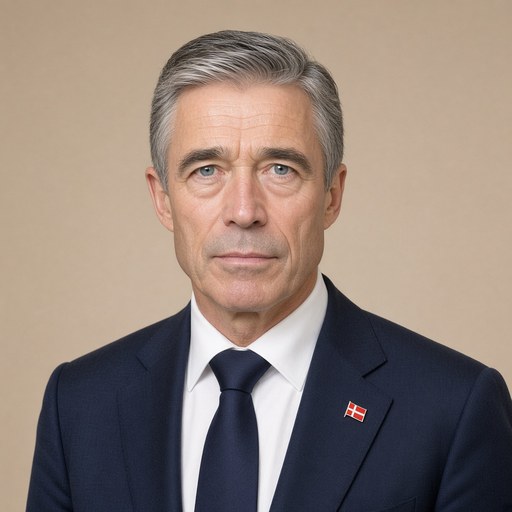
Prime Minister Anders Fogh Rasmussen's closing speech in the Folketing on Tuesday, June 3, 2003.
 Anders Fogh Rasmussen · Prime Minister of Denmark
- Context
- Rasmussen addressed the Danish Folketing on June 3, 2003, delivering his closing speech summarizing the government's domestic reforms and foreign policy achievements over the parliamentary session.
- Main themes
- Welfare state reforms, healthcare system improvements, elderly care, education reform, immigration policy tightening, free choice in public services, integration of foreigners, parental leave, Danish society renewal, fiscal policy, parliamentary session review
- Duration
- ~31 min
- Words
- 3,753
- Sentences
- 269
- Readability
- 50
- Grade
- 9.4
- Syntax
- 2.53
- Vocabulary
- 2.11
Translated from Danish
The broad sphere of national life a sentence belongs to. Every sentence has an Arena, so it is the denominator the other indices are read against.
Other269 sentences in 111 paragraphs
We stand today at the conclusion of an extraordinary parliamentary session. In terms of foreign policy, the past year has been eventful and forward-looking. Domestically, a very large number of reforms have been implemented.
The government is leading a renewal of Danish society. Step by step. According to clear goals and values.
A renewal that takes direct aim at the problems that Danes face in their daily lives.
* * *
The government has created change and renewal in the central welfare areas. More money has been allocated, and Danes have been given greater freedom of choice.
Before the election, we promised to allocate 1.5 billion DKK to hospitals and introduce free choice. That has happened. In addition, hospitals have received an additional 2.6 billion DKK since 2001. This has yielded results. The number of operations increased by 54,000 in 2002. That is an increase of over 10 percent. Waiting times have fallen significantly for a number of operations. Many with cataracts, bad hips, and knees are now getting back to a normal daily life more quickly. Nearly 10,000 people have taken advantage of the expanded free hospital choice since it was introduced in the summer of 2002.
The government will continue to prioritize hospitals highly. We propose that hospitals again in 2004 be the area that receives the most new funding. And the money should go to the hospital departments that make an extra effort.
We have begun to ensure that the Danish hospital system can be among the best in the world. This requires new thinking, courage, and a break with old habits. But the government will not stop until we have a top-class hospital system.
We promised to allocate 500 million DKK per year to elderly care and introduce free choice for home help and nursing homes. That has happened.
A number of other improvements for the elderly have been implemented. The survivor's pension has been reintroduced. The health supplement has been expanded. We expect up to 18,000 new elderly housing units over the course of this year and the next four years.
We have started a reckoning with systemic thinking. Elderly citizens have a right to dignity.
As part of the tax agreement, we have allocated 1 billion DKK, which will be used, among other things, for improvements for pensioners with low incomes.
We promised one year of flexible parental leave. It has now been implemented.
We have given municipalities the opportunity to provide parents with subsidies to care for children at home. So far, 100 municipalities have offered this to parents.
We have expanded the free choice of daycare institutions so that parents can choose a daycare institution outside the municipality where the family lives.
The next step will be to expand free choice to include private daycare institutions.
We promised better quality in the public school system.
A public school reform has now been adopted, which strengthens quality and the academic level in primary education. Clear academic requirements will be set. And now we can openly discuss what children should learn in school.
A gymnasium reform has just been agreed upon, which also strengthens quality and the academic level. In the future, students will have more subjects at a high level. The natural sciences will be strengthened.
A university reform has been adopted, which also aims to raise quality. Among other things, by strengthening the management of our higher education institutions. And universities will be opened up for fruitful interaction with the surrounding society.
For far too many years, there was no significant renewal in Danish education. With these reforms, we have ensured that future generations will receive better education from the first day of school. This is a crucial prerequisite for us to continue to be among the richest societies in the world.
The next step will be to strengthen the use of IT in public schools. The government will present a proposal in the autumn.
We promised to tighten the immigration law. That has happened. And it has worked.
The number of applications for asylum and family reunification has more than halved. Asylum applications have fallen from 1,000 per month in 2001 to 360 per month since the New Year. Applications for family reunification have fallen from 1,300 per month in 2001 to 540 per month since the New Year.
In return, more has been done to secure jobs for the foreigners who are already here. In cooperation with municipalities, the integration effort has been increased. In 2001, only one in three municipalities began activating newly arrived foreigners within the first month. Now it has increased to half of the municipalities.
We need more people in education, more in employment, and more self-sufficient. And we must think of the children. They are the key to integration but often stand between two cultures. They must learn Danish from the start and not be isolated from Danish society. And we must not, in misguided tolerance, turn a blind eye.
The tightening of the immigration law must be followed by swift and consistent repatriation of rejected asylum seekers. And refugees must return home when there is peace in their home country again.
We promised to increase the penalties for violence and rape. That has happened. We are now seeing the first results - a beginning increase in the length of prison sentences for violence.
The police's targeted efforts against drug trafficking have worked. We have seen a significant increase in the number of drug convictions. And the penalties for drug trafficking have become longer.
In return, it is necessary to secure more prison places. The first steps were taken with 100 additional places in the autumn. The government will now ensure an additional 200 prison places so that criminals go to prison and are not on a waiting list.
We will continue the fight against violence and youth crime. There must be more consistent intervention at the first warning signs.
We are taking a hard line against the gangs. Many are moving abroad, and more are in prison.
As the next step, we are now ensuring that the police have new and more effective tools to combat gang crime.
The government will establish order in Christiania and put a stop to illegal activities.
We have put an end to the soft mentality. There must be consequences for breaking the law. And it strengthens the legal awareness that society acts decisively and effectively.
We promised to strengthen the efforts for vulnerable groups. That has happened. Since 2001, approximately 2.5 billion DKK has been allocated for a multi-year effort. Drug addicts have been guaranteed treatment. More psychiatric patients are getting single rooms. Funds have been allocated to reduce waiting times for mentally ill children and young people. The homeless are getting more housing options and shelters.
The special council for socially vulnerable individuals has been established and is now closely monitoring developments in the area together with the government. The council will present its first report on the situation for the most vulnerable groups in August.
The next step is a long-term effort to break the cycle of negative social inheritance. We must acknowledge that the previous efforts over decades have failed. The government will present a new strategy later this month.
A society should be judged by how it treats its weakest citizens.
We promised the most environmental benefit for the money. That is underway.
The government has presented its climate strategy, which aims to ensure that Denmark can meet very ambitious climate policy goals. And that this can happen in a way that maximizes environmental benefit for the money.
The government wishes to maintain very ambitious goals for environmental improvements. But we will also provide the public with assurance that resources for the environment are used efficiently.
We are undergoing a crucial change in mindset. A good environment is no longer just a matter of spending a lot of money without knowing the effects of what one does.
The government will, as the next step, particularly focus on two areas: waste and water environment.
We promised a tax freeze from day one. The tax freeze has now been in effect for 554 days. We have broken with what was almost a natural law - namely that taxes and duties increased year after year. Now they are being kept stable. This provides each family with security.
And the government is now moving forward. From January 1, 2004, the government will initiate a moderate reduction in the tax on earned income. The relief will particularly benefit the lowest earned incomes.
With this government, an effective stop has been put to the endless tax screw. I know it irritates many who have been used to being able to tighten the screw a little more - preferably somewhat secretly. But forget it. We keep our promises. It is over with the tax tightening.
The reduction in the tax on earned income will, of course, be done in such a way that there is also room for modest growth in public consumption.
We promised free choice in central welfare areas. This has now happened in many areas. Hospitals, home help for the elderly, nursing homes, daycare institutions across municipal borders, general practitioners, children's dental care, better financial opportunities for caring for children at home.
Free choice gives individuals greater participation and influence over their own lives. Free choice is the best protection for each individual Dane against centralism and systemic thinking.
The government will give residents in public housing the opportunity to buy their home if they wish. We will give that chance to individuals who otherwise have not had the opportunity to have a foot under their own table.
We will also give our elderly more freedom and more choices regarding retirement from the labor market.
People who, after many years of work, no longer have the strength, health, or opportunities, should be able to choose society's offer of early retirement with a clear conscience.
But the government will also provide opportunities for those Danes who can and have the surplus to continue in the labor market.
In return, the government will work to remove barriers to later and more gradual retirement.
First, we will provide the opportunity to postpone the old-age pension in exchange for a higher pension later.
The proposal follows up on the early retirement reform in 1999, which made it economically attractive to postpone early retirement. But it also marks that the reduction of the old-age pension age to 65 in 2004 is an option for the individual and not a recommendation.
Second, we will work to abolish legally and contractually determined retirement ages in the state and the maximum limits for how many years civil servants can earn a pension in the state.
Third, we will address attitudes that block later retirement.
Older colleagues are a resource and not - as perceived by some - a problem.
Fourth, the government will ensure that the management of state workplaces increases focus on older employees' abilities and the development of their skills.
Fifth, the government will request the Employment Agency to strengthen efforts to quickly secure jobs for older unemployed individuals. Unemployment should not, in itself, cause older individuals to give up the possibility of continued working life.
* * *
Recently, we have seen that a number of larger companies are laying off some of their employees.
For the government, every single unemployed person who wants to work and cannot find a job represents an unfortunate situation.
It appears to be a temporary slowdown in the economy due to poor conditions abroad. The government expects greater growth and more employment next year.
The task is therefore, as much as possible, to mitigate the effects of the slowdown this year. We will make a targeted effort for groups that are particularly threatened by unemployment. The government will, among other things, accelerate state investments and construction.
An extraordinary effort must be made in the case of larger layoffs. This applies to trade unions, companies, and the Employment Agency. The government will ensure better opportunities to offer further education and job search courses.
But the Danish economy is fundamentally sound, and the economic policy remains firm. There is no need for a crisis intervention.
Let me illustrate this: In 1998, the then government said that the Danish economy was overheated. Therefore, it would restrict the purchasing power of Danes. This led to the Pentecost Package with significant increases in taxes and duties. Was it in a situation with lower unemployment than now? No, at that time, unemployment was 20,000 higher than it is now. When the previous government chose to reduce purchasing power in a situation with unemployment of over 180,000, it is, of course, irresponsible overspending to ask the current government to dramatically ease fiscal policy in a situation with unemployment of over 160,000, which is 20,000 lower.
The Iraq crisis created uncertainty and postponed the expected international recovery. Now that we have entered a calmer phase, there is a prospect of an increase in growth and employment in 2004, which will reduce unemployment. At the same time, the reduction in income tax will contribute to increased growth. The decline in interest rates will also contribute to greater investments and more employment.
* * *
Renewal and reform apply not only to Danish society. We are also experiencing renewal and positive development in the Realm with Greenland and the Faroe Islands.
The government and the Greenlandic government have signed a declaration of principles regarding Greenland's involvement in foreign and security policy. A similar declaration has been offered to the Faroese government.
The government aims for discussions regarding a foreign policy mandate for the Faroese and Greenlandic governments to be completed so that legislative proposals can be presented in the autumn.
The government and the Greenlandic government agree to propose to the USA a modernization of the 1951 defense agreement as well as a technical-economic cooperation agreement. We expect to conclude negotiations with the USA in agreement before the upgrade of the Thule radar for use in missile defense takes place.
The Greenlandic self-government commission completed its work in April. The government is prepared to cooperate with the government on solutions that increase Greenland's self-government and lead to a more self-sustaining economy.
This requires a strong and developed business sector. The government and the government have therefore jointly established a committee to make recommendations for strengthening the conditions for business in Greenland.
The government is collaborating with the Faroese government on further transfer of competence and responsibility to the Faroese authorities. We expect to present a bill in the next parliamentary session. The aim is to expand the opportunities for Faroese takeover of matters of significance for the individual Faroese citizen and for the Faroese business community.
* * *
The past parliamentary session was decisively marked by the Danish presidency of the EU.
The Danish EU presidency was the largest foreign policy task for Denmark in recent times. The task was carried out in a manner of which we can be proud. Clear and far-reaching results were achieved. An active and engaged Danish European policy made a difference.
The enlargement was the main task of the presidency. At the summit in Copenhagen last December, we made the historic decision to reunite Europe after the Cold War's division.
In Athens in April this year, we signed the accession treaty itself. And at the moment, we are witnessing a series of referendums in the new countries. So far, the message has been clear: the populations in the new countries support the enlargement.
With last year's decisions to enlarge both NATO and the EU, we have laid the framework for the future of Europe.
The EU occupies a central role. The EU is the new Europe's great democratic forum, where people and viewpoints meet for everyone's benefit. If there has been any doubt before, there can be none now. In the real world, there is no alternative to the EU.
But the EU is not created once and for all. We must continuously ensure that the cooperation can function effectively. And also in the coming year, we face significant European political decisions.
The EU needs a new treaty. It is simply necessary to make the cooperation and community simpler, more effective, and more open.
Denmark has actively participated in the work of the Convention and has influenced the debate. We have achieved clear results. This is reflected in the draft of a new treaty that the Convention's Presidency presented last week.
The Convention presents a proposal – a framework – for a new constitutional treaty for the future EU. The final formulation of the new treaty will take place at a government conference, which will be initiated later in the autumn.
From the Danish side, we have a clear interest in a simpler and clearer treaty that can form the basis for effective and open cooperation in the enlarged EU.
Therefore, we will also actively engage in the work of the government conference. The experiences from the presidency and the Convention are clear. Denmark can contribute to creating results and influencing developments at the European level.
This has largely been successful in the Convention. We must maintain and expand this when the government conference starts. There has been broad agreement here in the Folketing on the Danish position regarding the discussions in the Convention. I would like to express my gratitude for this constructive cooperation.
The government similarly wishes for the broadest possible cooperation on the Danish line in the upcoming negotiations at the government conference. The government will, after the summer recess, invite the parties of the Folketing to negotiations on the formulation of the negotiating basis that will form the background for Denmark's participation in the government conference. I would like to call for constructive cooperation on this important issue today.
* * *
The conflict with Iraq has led to new fault lines internationally and nationally.
From the outset, the government made a clear choice. We chose to contribute to putting maximum pressure on Iraq. Both through the UN and militarily alongside the USA and the UK.
In November last year, the UN Security Council adopted Resolution 1441, which set out a number of clear demands and deadlines for Iraq. They were once again ignored by Iraq. It was clear that there had to be consequences.
The government chose to support the armed action in Iraq: · because Saddam Hussein's tyrannical regime had ignored the international community's demands for disarmament for more than 12 years, · because Saddam Hussein's regime openly failed to meet the international community's demands for active and unconditional cooperation, · because Saddam Hussein's regime had clear connections to terrorists, · because Saddam Hussein's regime was a threat to peace and stability in the region, · because it was too dangerous to simply let things be – it would send a completely wrong signal to the tyrants of this world about a lack of consequences.
Therefore, the government chose to support the international coalition. It was the right choice. The goal was achieved faster than most had expected. I believe that everyone – not least the Iraqi people – agrees that the world has become a better place to live now that Saddam Hussein's dictatorial regime has been removed.
The coalition's efforts were cautious and restrained. The greatest possible consideration was given to the civilian Iraqi population. Saddam Hussein's brutal regime collapsed like a house of cards. His tyranny was broken with a brief and targeted military action.
Now it is about rebuilding Iraqi society. We must help the Iraqi people build a free, modern, and democratic society. The Iraqi population must have self-determination. The government has chosen to actively contribute to the stabilization and reconstruction of Iraq. We will contribute to the international security force. And we will contribute to the civil reconstruction of the country. The work is already underway. It will be a long-term effort.
The government welcomes that the UN is ready to play a central role in the reconstruction and stabilization of Iraq. It is also very positive that the UN Security Council has decided to support the role of the international coalition in Iraq. The successful efforts in Iraq open new perspectives in the Middle East. It is important that we hold on to them. An active and targeted effort should be made to find a solution to the conflict between Palestinians and Israelis. We must hold on to the goal of establishing a peaceful and viable Palestinian state by 2005. This is an important prerequisite for peaceful development throughout the region.
The establishment of democracy in Iraq and the spread of democracy in the Middle East will be of vital importance for the entire region. It will be a significant objective for the government's active foreign policy in the coming years. The government sees positive opportunities in initiating a new process in the Middle East that can promote freedom, peace, stability, and economic progress for ordinary people in the region. It is a project that should be carried out in close cooperation between the countries in the region, Europe, and the USA.
* * *
In my opening speech last October, I invited all parties in the Folketing to cooperate.
It is with great pleasure that I today note that in the past parliamentary year, a long series of necessary reforms and important bills have been passed with broad majorities in the Folketing.
Let me mention: the labor market reform "More in Work," the construction of youth housing and senior housing, reform of consumer policy, work injury reform, complaint and compensation system in the patient area, the public school, universities, and research. Most recently, broad agreements have been reached in the energy sector and regarding high schools.
The string of broad agreements shows that there is a willingness for dialogue and compromise and a genuine desire for influence. This is good – and I would like to thank the parties that have supported the proposals.
In a number of areas, opinions diverge. That is how it is in politics – and that is how it should be. The government has a number of clear political values and positions that we are committed to translating into practical policy. It is crucial for the government to fulfill the promises made to the population.
I would therefore also like to thank the parties that have contributed to implementing the agreements and proposals that could only garner support from a smaller group of parties.
The original Danish. The tags above are read on the English translation's sentences.
Vi står i dag ved afslutningen af en usædvanlig folketingssamling. Udenrigspolitisk har det forløbne år været begivenhedsrigt og fremadrettet. Indenrigspolitisk er der gennemført et meget stort antal reformer.
Regeringen står i spidsen for en fornyelse af det danske samfund. Skridt for skridt. Efter klare mål og værdier.
En fornyelse, som tager direkte udgangspunkt i de problemer, som danskerne møder i deres dagligdag.
* * *
Regeringen har på de centrale velfærdsområder skabt forandring og fornyelse. Der er tilført flere penge, og danskerne har fået større valgfrihed.
Før valget lovede vi at tilføre sygehusene 11⁄2 mia. kr. og indføre frit valg. Det er sket. Herudover er sygehusene tilført yderligere 2,6 mia. kr. siden 2001. Det har givet resultater. Antallet af operationer steg med 54.000 i 2002. Det er en stigning på over 10 pct. Ventetiden er faldet markant for en række operationer. Mange med grå stær, dårlige hofter og knæ får nu hurtigere en normal dagligdag igen. Næsten 10.000 personer har benyttet sig af det udvidede frie sygehusvalg, siden det blev indført i sommeren 2002.
Regeringen vil fortsætte med at prioritere sygehusene højt. Vi foreslår, at sygehusene igen i 2004 bliver det område, som tilføres flest nye midler. Og pengene skal gå til de sygehusafdelinger, som gør en ekstra indsats.
Vi har taget fat på at sikre, at det danske sygehusvæsen kan være blandt de bedste i verden. Det kræver nytænkning, mod og opgør med gammel vanetænkning. Men regeringen stopper ikke, før vi har et sygehusvæsen i topklasse.
Vi lovede at tilføre 500 mio. kr. om året til ældreomsorgen og indføre frit valg til hjemmehjælp og til plejehjem. Det er sket.
En række andre forbedringer for de ældre er gennemført. Efterlevelsespensionen er genindført. Helbredstillægget er udvidet. Vi forventer op imod 18.000 nye ældreboliger i løbet af i år og de næste 4 år.
Vi har startet et opgør med systemtænkningen. Ældre medborgere har krav på værdighed.
Som led i skatteaftalen har vi afsat 1 mia. kr., som blandt andet skal bruges til forbedringer for folkepensionister med lav indkomst.
Vi lovede ét års fleksibel barselsorlov. Den er nu indført.
Vi har givet kommunerne mulighed for at give forældre tilskud til at passe børn i hjemmet. Foreløbig har 100 kommuner givet forældrene dette tilbud.
Vi har udvidet det frie valg af daginstitution, så forældre kan vælge en daginstitution uden for den kommune, hvor familien bor.
Næste skridt bliver at udvide det frie valg til at omfatte private daginstitutioner.
Vi lovede en bedre kvalitet i folkeskolen.
Der er nu vedtaget en folkeskolereform, som styrker kvaliteten og det faglige niveau i grundskolen. Der bliver stillet klare faglige krav. Og nu kan vi tale åbent om, hvad børnene skal lære i skolen.
Der er netop aftalt en gymnasiereform, som også styrker kvaliteten og det faglige niveau. Eleverne vil i fremtiden få flere fag på højt niveau. De naturvidenskabelige fag bliver styrket.
Der er vedtaget en universitetsreform, som også sigter på at højne kvaliteten. Bl.a. ved at styrke ledelsen af vore højere læreanstalter. Og universiteterne åbnes op for et frugtbart samspil med det omgivende samfund.
I al for mange år skete der ingen markant fornyelse i de danske uddannelser. Med disse reformer har vi sikret, at de kommende generationer får bedre uddannelser fra den første skoledag. Det er en helt afgørende forudsætning for, at vi også i fremtiden kan være blandt de rigeste samfund i verden.
Næste skridt bliver at styrke anvendelsen af IT i folkeskolen. Regeringen vil komme med et udspil i efteråret.
Vi lovede at stramme udlændingeloven. Det er sket. Og det har virket.
Antallet af ansøgninger om asyl og familiesammenføring er mere end halveret. Asylansøgningerne er faldet fra 1.000 om måneden i 2001 til 360 om måneden siden nytår. Ansøgninger om familiesammenføring er faldet fra 1.300 om måneden i 2001 til 540 om måneden siden nytår.
Til gengæld er der gjort mere for at skaffe arbejde til de udlændinge, som allerede er her. I samarbejde med kommunerne er integrationsindsatsen øget. I 2001 tog kun hver tredje kommune fat på aktiveringen af nyankomne udlændinge inden for den første måned. Nu er det steget til halvdelen af kommunerne.
Vi skal have flere i uddannelse, flere i beskæftigelse og flere i selvforsørgelse. Og vi skal tænke på børnene. De er nøglen til integrationen, men står ofte mellem to kulturer. De skal fra starten lære dansk og ikke holdes i isolation fra det danske samfund. Og vi skal ikke i misforstået tolerance vende det blinde øje til.
Stramningerne af udlændingeloven skal følges op af hurtig og konsekvent hjemsendelse af afviste asylansøgere. Og flygtninge skal rejse hjem, når der igen er fred i deres hjemland.
Vi lovede at forhøje strafferammerne for vold og voldtægt. Det er sket. Vi ser nu de første resultater - en begyndende stigning i længden af fængselsstraffe for vold.
Politiets målrettede indsats mod narkohandel har virket. Vi har set en markant stigning i antallet af narkodomme. Og straffene for narkohandel er blevet længere.
Til gengæld er det nødvendigt at skaffe flere fængselspladser. De første skridt blev taget med 100 ekstra pladser i efteråret. Regeringen vil nu sikre yderligere 200 fængselspladser så forbrydere kommer i fængsel og ikke på venteliste.
Vi vil fortsætte kampen mod vold og ungdomskriminalitet. Der skal gribes mere konsekvent ind ved de første faresignaler.
Vi sætter hårdt mod hårdt over for rockerne. Mange er ved at flytte til udlandet og flere sidder i fængsel.
Som næste skridt sikrer vi nu politiet nye og mere effektive redskaber til at bekæmpe rockerkriminalitet.
Regeringen vil gennemføre ordnede forhold på Christiania og sætte en stopper for ulovlighederne.
Vi har gjort op med sødsuppe mentaliteten. Det skal have konsekvenser at overtræde lovene. Og det styrker retsbevidstheden, at samfundet handler kontant og effektivt.
Vi lovede at styrke indsatsen over for de svage grupper. Det er sket. Siden 2001 er der afsat ca. 21⁄2 mia. kr. til en flerårig indsats. Narkomaner har fået garanti for behandling. Flere psykiatriske patienter får enestue. Der er afsat penge til at nedbringe ventetiden for psykisk syge børn og unge. De hjemløse får flere botilbud og varmestuer.
Det særlige råd for socialt udsatte er etableret og følger nu – sammen med regeringen – nøje udviklingen på området. Rådet vil i august måned komme med sin første rapport om situationen for de svageste grupper.
Næste skridt er en langsigtet indsats for at bryde den negative sociale arv. Vi må konstatere, at den hidtidige indsats gennem årtier har slået fejl. Regeringen vil senere i denne måned fremlægge en ny strategi.
Et samfund skal bedømmes på, hvordan det behandler sine svageste medborgere.
Vi lovede mest mulig miljø for pengene. Det er i gang.
Regeringen har fremlagt sin klimastrategi, som skal sikre, at Danmark kan leve op til de meget ambitiøse klimapolitiske mål. Og at det kan ske på en måde, hvor vi får mest muligt miljø for pengene.
Regeringen ønsker at holde fast i meget ambitiøse mål for miljøforbedringer. Men vi vil samtidig give befolkningen sikkerhed for, at ressourcerne til miljø bliver brugt effektivt.
Vi er ved at gennemføre en afgørende holdningsændring. Et godt miljø er ik-ke længere blot et spørgsmål om at bruge en masse penge uden at kende effekten af det, man gør.
Regeringen vil som næste skridt særligt tage fat på to områder: Affald og vandmiljø.
Vi lovede et skattestop fra dag ét. Skattestoppet har nu virket i 554 dage. Vi har brudt med det, der nærmest var en naturlov - nemlig at skatter og afgifter steg år efter år. Nu bliver de holdt i ro. Det giver hver enkelt familie tryghed.
Og regeringen går nu videre. Fra 1. januar 2004 vil regeringen indlede en moderat sænkning af skatten på arbejdsindkomst. Lettelsen kommer især de laveste arbejdsindkomster til gode.
Med denne regering er der sat en effektiv stopper for den evindelige skatteskrue. Jeg ved, det irriterer mange, der har været vant til, at man altid lige kunne skrue en ekstra tand – og helst sådan lidt i det skjulte. Men glem det. Vi holder, hvad vi lover. Det er slut med skatteskrueriet.
Lettelsen af skatten på arbejdsindkomst sker vel at mærke på en sådan måde, at der samtidig er plads til en beskeden vækst i det offentlige forbrug.
Vi lovede frit valg på centrale velfærdsområder. Det er nu sket på mange områder. Sygehuse, hjemmehjælp til ældre, plejehjem, daginstitutioner på tværs af kommunegrænser, praktiserende læger, børnetandpleje, bedre økonomiske muligheder for at passe børn i eget hjem.
Frit valg giver den enkelte større medbestemmelse og indflydelse på eget liv. Frit valg er den enkelte danskers bedste værn imod centralisme og systemtænkning.
Regeringen vil give beboere i almene boliger adgang til at købe deres bolig, hvis de ønsker det. Vi vil give den chance til personer, der ellers ikke har haft muligheden for at få foden under eget bord.
Vi vil også give vore ældre mere frihed og flere valgmuligheder med hensyn til tilbagetrækning fra arbejdsmarkedet.
Mennesker, der efter mange års arbejde ikke længere har kræfterne, helbredet eller mulighederne, skal med god samvittighed vælge samfundets tilbud om tidlig tilbagetrækning.
Men regeringen vil også give mulighed for, at de danskere, der kan og har overskuddet, kan fortsætte på arbejdsmarkedet.
Regeringen vil til gengæld arbejde for at fjerne barrierer for senere og mere gradvis tilbagetrækning.
For det første vil vi give mulighed for at udsætte folkepensionen mod en højere pension senere.
Forslaget følger op på efterlønsreformen i 1999, der gjorde det økonomisk attraktivt at udskyde efterløn. Men det markerer også, at nedsættelsen af folkepensionsalderen til 65 år i 2004 er en mulighed for den enkelte og ikke en opfordring.
For det andet vil vi arbejde for at afskaffe lov- og aftalebestemte afgangsaldre i staten og maksimalgrænserne for, hvor mange år tjenestemænd kan optjene pension i staten.
For det tredje vil vi gøre op med holdninger, der blokerer for senere tilbagetrækning.
Ældre kolleger er en ressource og ikke – som det opfattes af nogle – et problem.
For det fjerde vil regeringen sikre, at ledelsen af de statslige arbejdspladser øger fokus på ældre medarbejderes kunnen og udviklingen af deres kompetencer.
For det femte vil regeringen anmode Arbejdsformidlingen om at styrke indsatsen for hurtigt at skaffe job til ældre ledige. Ledighed bør ikke i sig selv få ældre til at opgive muligheden for et fortsat arbejdsliv.
* * *
I den seneste tid har vi oplevet, at en række større virksomheder afskediger en del af deres medarbejdere.
For regeringen er hver eneste ledig, som gerne vil i arbejde og ikke kan komme det, udtryk for en ulykkelig situation.
Efter alt at dømme er det en midlertidig afmatning af økonomien som følge af sløje konjunkturer i udlandet. Regeringen forventer større vækst og mere beskæftigelse næste år.
Opgaven er derfor så vidt muligt at afbøde virkningerne af afmatningen i år. Vi vil gøre en målrettet indsats for grupper, der er særligt truede af ledighed. Regeringen vil blandt andet fremrykke statens investeringer og byggeri.
Der skal ydes en ekstraordinær indsats ved større afskedigelser. Det gælder fagforeninger, virksomheder og Arbejdsformidlingen. Regeringen vil sikre bedre muligheder for at tilbyde efteruddannelse og jobsøgningskurser.
Men dansk økonomi er grundlæggende sund, og den økonomiske politik lig-ger fast. Der er ikke brug for et kriseindgreb.
Lad mig illustrere det: I 1998 sagde den daværende regering, at dansk øko-nomi var overophedet. Derfor ville den indskrænke danskernes købekraft. Det førte til Pinsepakken med kraftige forhøjelser af skatter og afgifter. Var det så i en situation med lavere ledighed end nu? Nej, på det tidspunkt var arbejdsløsheden 20.000 højere, end den er nu. Når den tidligere regering valgte at inddrage købekraft i en situation med en ledighed på godt 180.000, så er det naturligvis uansvarlig overbudspolitik at bede den nuværende regering om at lempe finanspolitikken dramatisk i en situation med en ledighed på godt 160.000, altså 20.000 lavere.
Irak-krisen skabte usikkerhed og udsatte det ventede internationale opsving. Nu, hvor vi er gået ind i en roligere fase, er der udsigt til en stigning i vækst og beskæftigelse i 2004, som vil reducere ledigheden. Samtidig vil sænkningen af indkomstskatten bidrage til øget vækst. Også rentefaldet vil bidrage til større investeringer og mere beskæftigelse
* * *
Fornyelse og reform gælder ikke kun det danske samfund. Også i Rigsfælles-skabet med Grønland og Færøerne oplever vi en fornyelse og positiv udvik-ling.
Regeringen og Grønlands landsstyre har underskrevet en principerklæring om Grønlands inddragelse i udenrigs- og sikkerhedspolitikken. En tilsvarende erklæring er tilbudt Færøernes landsstyre.
Regeringen sigter mod, at drøftelserne om en udenrigspolitisk bemyndigelse til Færøernes og Grønlands landsstyrer kan være færdige, således at der kan fremsættes lovforslag herom til efteråret.
Regeringen og Grønlands landsstyre er enige om at foreslå USA en modernisering af 1951-forsvarsaftalen samt en teknisk-økonomisk samarbejdsaftale. Vi forventer at afslutte forhandlinger med USA i enighed, inden opgradering af Thule-radaren til brug i missilforsvar finder sted.
Den grønlandske selvstyrekommission afsluttede sit arbejde i april. Regeringen er indstillet på at samarbejde med landsstyret om løsninger, som øger Grønlands selvstyre og leder til en mere selvbærende økonomi.
Det kræver et stærkt og udbygget erhvervsliv. Regeringen og landsstyret har derfor i fællesskab nedsat et udvalg, der skal komme med anbefalinger til styrkelse af vilkårene for erhvervsvirksomhed i Grønland.
Regeringen samarbejder med Færøernes landsstyre om yderligere overdra-gelse af kompetence og ansvar til de færøske myndigheder. Vi forventer at fremlægge et lovforslag i næste folketingssamling. Sigtet er at udvide mulighederne for færøsk overtagelse af sager af betydning for den enkelte færing og for færøsk erhvervsliv.
* * *
Den forløbne folketingssamling var afgørende præget af det danske formandskab for EU.
Det danske EU-formandskab var den største udenrigspolitiske opgave for Danmark i nyere tid. Opgaven blev løftet på en måde, som vi kan være bekendt. Der blev skabt klare og vidtrækkende resultater. En aktiv og engageret dansk europapolitik gjorde en forskel.
Udvidelsen var formandskabets hovedopgave. På topmødet i København i december sidste år traf vi den historiske beslutning om genforeningen af Europa efter den Kolde Krigs splittelse.
I Athen i april i år underskrev vi selve tiltrædelsestraktaten. Og i øjeblikket er vi vidne til en række folkeafstemninger i de nye lande. Hidtil har meldingen været klar: befolkningerne i de nye lande går ind for udvidelsen.
Med beslutningerne sidste år om at udvide henholdsvis NATO og EU har vi lagt rammerne for fremtidens Europa.
EU indtager en central rolle. EU er det nye Europas store demokratiske fo-rum, hvor mennesker og synspunkter mødes til alles fordel. Hvis man har været i tvivl tidligere, kan man ikke være det længere. I virkelighedens verden er der ikke noget alternativ til EU.
Men EU er ikke skabt en gang for alle. Vi skal løbende sikre os, at samarbejdet kan fungere effektivt. Og også i det kommende år står vi over for væsentlige europapolitiske beslutninger.
EU skal have en ny traktat. Det er simpelt hen nødvendigt for at gøre samarbejdet og fællesskabet mere enkelt, effektivt og åbent.
Danmark har deltaget aktivt i arbejdet i Konventet og har præget debatten. Vi har opnået klare resultater. Det er afspejlet i det udkast til en ny traktat, Konventets Præsidium fremlagde i sidste uge.
Konventet fremlægger et forslag – en ramme – for en ny forfatningstraktat for fremtidens EU. Den endelige udformning af den nye traktat vil finde sted i en regeringskonference, som bliver indledt hen på efteråret.
Fra dansk side har vi en klar interesse i en enklere og klarere traktat, som kan danne grundlag for et effektivt og åbent samarbejde i det udvidede EU.
Derfor vil vi også gå aktivt ind i arbejdet i regeringskonferencen. Erfaringerne fra formandskabet og Konventet er klare. Danmark kan medvirke til at skabe resultater og påvirke udviklingen på europæisk plan.
Det er langt hen ad vejen lykkedes i Konventet. Det skal vi fastholde og udbygge, når regeringskonferencen starter. Der har været bred enighed her i Folketinget om den danske stillingtagen til drøftelserne i Konventet. Dette konstruktive samarbejde vil jeg gerne kvittere for.
Regeringen ønsker på tilsvarende vis det bredest mulige samarbejde om den danske linie i de kommende forhandlinger i regeringskonferencen. Regeringen vil efter sommerferien indkalde Folketingets partier til forhandlinger om udformningen af det forhandlingsgrundlag, som skal danne baggrund for Danmarks deltagelse i regeringskonferencen. Jeg vil gerne her i dag opfordre til et konstruktivt samarbejde om dette vigtige spørgsmål.
* * *
Konflikten med Irak medførte nye brudlinier internationalt og nationalt.
Regeringen traf fra starten et klart valg. Vi valgte at bidrage til at lægge et maksimalt pres på Irak. Dels gennem FN, dels militært sammen med USA og Storbritannien.
I november sidste år vedtog FN’s Sikkerhedsråd resolution 1441, der stillede en række klare krav og tidsfrister til Irak. De blev på ny ignoreret af Irak. Det var klart, at der måtte drages konsekvenser.
Regeringen valgte at støtte den væbnede aktion i Irak: · fordi Saddam Husseins tyranniske regime i mere end 12 år havde ignoreret det internationale samfunds krav om afrustning, · fordi Saddam Husseins regime åbenlyst ikke levede op til det internationale samfunds krav om aktivt og ubetinget samarbejde, · fordi Saddam Husseins regime havde klare forbindelser til terrorister, · fordi Saddam Husseins regime var en trussel mod fred og stabilitet i regionen, · fordi det var for farligt blot at lade stå til – det ville sende et helt forkert signal til denne verdens tyranner om manglende konsekvens.
Derfor valgte regeringen at støtte den internationale koalition. Det var et rigtigt valg. Målet blev nået hurtigere, end de fleste havde ventet. Jeg tror, at alle - ikke mindst det irakiske folk - er enige om, at verden er blevet et bedre sted at leve, nu hvor Saddam Husseins diktatoriske regime er fjernet.
Koalitionens indsats var forsigtig og mådeholden. Der blev taget størst muligt hensyn til den civile irakiske befolkning. Saddams Husseins brutale styre faldt sammen som et korthus. Hans tyranni blev brudt med en kortvarig og målrettet militær aktion.
Nu handler det om at genopbygge det irakiske samfund. Vi skal hjælpe det irakiske folk med at opbygge et frit, moderne og demokratisk samfund. Den irakiske befolkning skal have selvbestemmelse. Regeringen har valgt at bidrage aktivt til stabiliseringen og genopbygningen af Irak. Vi vil bidrage til den internationale sikringsstyrke. Og vi vil bidrage til den civile genopbygning af landet. Arbejdet er allerede i gang. Det vil være en langsigtet indsats.
Regeringen hilser det velkomment, at FN er klar til at spille en central rolle i genopbygningen og stabiliseringen af Irak. Det er også meget positivt, at FN’s Sikkerhedsråd har besluttet at støtte den internationale koalitions rolle i Irak. Den vellykkede indsats i Irak åbner nye perspektiver i Mellemøsten. Det er vigtigt, at vi holder fast i dem. Der bør gennemføres en aktiv og målrettet indsats for at finde en løsning på konflikten mellem palæstinensere og israelere. Vi skal holde fast i målsætningen om etablering af en fredelig og levedygtig palæstinensisk stat i 2005. Det er en vigtig forudsætning for en fredelig udvikling i hele regionen.
Etableringen af demokrati i Irak og udbredelsen af demokrati i Mellemøsten vil være af vital betydning for hele regionen. Det vil være en væsentlig målsætning for regeringens aktive udenrigspolitik i de kommende år. Regeringen ser positive muligheder i at få indledt en ny proces i Mellemøsten, som kan fremme frihed, fred, stabilitet og økonomisk fremgang for almindelige mennesker i regionen. Det er et projekt, som bør gennemføres i et tæt samarbejde mellem landene i regionen, Europa og USA.
* * *
Jeg inviterede i min åbningstale i oktober sidste år alle Folketingets partier til samarbejde.
Det er med stor glæde, at jeg i dag konstaterer, at der i det forløbne folketingsår er vedtaget en lang række nødvendige reformer og vigtige lovforslag med brede flertal i Folketinget.
Lad mig nævne: Arbejdsmarkedsreformen ”Flere i arbejde”, byggeri af ungdomsboliger og ældreboliger, reform af forbrugerpolitikken, arbejdsskadereform, klage- og erstatningssystem på patientområdet, folkeskolen, universiteter og forskning. Senest er indgået brede aftaler på energiområdet og om gymnasierne.
Striben af brede forlig viser, at der er vilje til dialog og kompromis og et oprigtigt ønske om indflydelse. Det er godt – og jeg vil gerne takke de partier, som har støttet forslagene.
På en række områder skiller vandene. Sådan er det i politik – og sådan skal det være. Regeringen har en række klare politiske værdier og holdninger, som vi har forpligtet os til at omsætte i praktisk politik. Det er afgørende for regeringen at opfylde de løfter, som er givet til befolkningen.
Jeg vil derfor også gerne takke de partier, som har medvirket til at gennemføre de aftaler og forslag, som kun har kunnet samle tilslutning hos en mindre kreds af partier.