




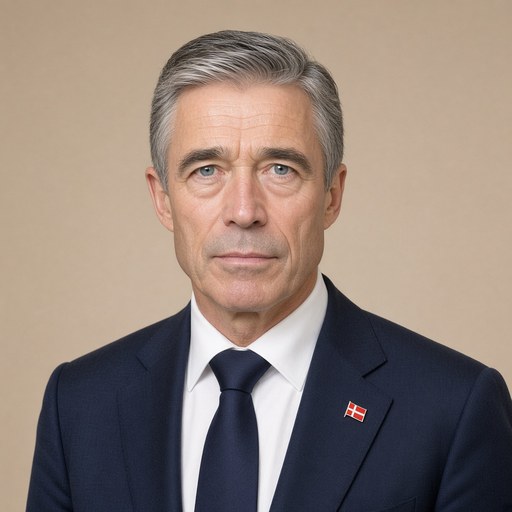
Prime Minister Anders Fogh Rasmussen's speech to "Danes Worldwide." Kronborg, Sunday, August 10, 2003.
 Anders Fogh Rasmussen · Prime Minister of Denmark
- Context
- Rasmussen addressed Danes living abroad at the annual Kronborg Castle gathering on August 10, 2003, reviewing his government's domestic policy achievements.
- Main themes
- Danish diaspora engagement, Danish domestic policy achievements, economic performance, healthcare reform, education reform, immigration policy, tax freeze and cuts, criminal justice policy, family reunification rules, integration challenges, government mandate
- Duration
- ~15 min
- Words
- 1,747
- Sentences
- 129
- Readability
- 56
- Grade
- 8.4
- Syntax
- 2.54
- Vocabulary
- 2.11
Translated from Danish
The broad sphere of national life a sentence belongs to. Every sentence has an Arena, so it is the denominator the other indices are read against.
Other129 sentences in 46 paragraphs
I am glad for this opportunity to speak at Kronborg Castle to Danes from all over the world. The Kronborg meetings are a well-established and fine tradition for the many Danes abroad.
Once, Kronborg was the gateway to the Sound - today, Kronborg stands as a symbol of the Danish journey around the world. We have "Kronborg to starboard" when we return home from the great world.
Things are going well in Denmark. While the global economy has been sluggish and unemployment has risen in many places, we in Denmark have been able to keep the wheels turning. True, we are not unaffected either. Unfortunately, we have experienced a slight increase in unemployment. But we are doing much better than most other countries.
This is partly because our companies are good at exporting, including finding new markets and seizing opportunities around the world where they present themselves. This is not least due to Danes like you.
So, a little over a year and a half ago, we got a new government. I consider that a positive development as well.
The government was elected on a number of clear promises to the voters, which we have consistently implemented.
It was time for change in Denmark. And that change has now truly begun.
Let me mention a number of the concrete changes we have initiated.
We have allocated more money to hospitals, which has led to reduced waiting times for a wide range of treatments. We are far from satisfied, but the government will continue its efforts to bring the Danish healthcare system back among the best in the world.
We have changed the entire mindset in the education sector. In primary schools, there is now more focus on ensuring that children learn something. Professionalism has once again taken center stage, and parents have been given the opportunity to better follow the development and demand accountability from the school. What seemed impossible a few years ago has now been implemented. And throughout the entire educational process, there is now more focus on skills and goal orientation. This is an investment in both the future of the young and society. I both hope and believe that in the future we will no longer lag behind our neighboring countries in various international assessments of schoolchildren's skills.
We have effectively addressed the laxity in criminal justice policy. And we will try to combat the misunderstood lack of consequences that has gradually spread to all parts of Danish society.
We have implemented a tax freeze from the very first day the government took office. And today, it has been 622 days since the Social Democratic tax screw was stopped. The tax freeze is a crucial break with the mindset that prevailed before the government took office. Here, all new initiatives were financed by raising fees, tariffs, or with an extra little twist on the tax screw. That is over now. Now everyone knows what they have to adhere to. And it is extremely effective.
The government has even found money to implement real tax cuts that will take effect on January 1.
We have implemented significant tightening of Danish immigration policy.
Tightening that has had the desired results. The pressure for asylum has decreased significantly, and the number of family reunifications has fallen drastically. This decline is not least due to the introduction of the 24-year rule.
And yes, there has been criticism of the government's 24-year rule regarding spousal reunification. But the rule is necessary to prevent forced marriages and the explosive increase in family reunifications. It is the necessary price to protect young immigrants from being pressured by their parents to marry someone they have not chosen themselves. And the young people are happy with the rules. We hear this especially from immigrant girls. We are aware that Danes abroad can also be affected by the rules. But we cannot discriminate. The rules must be the same for everyone.
And yes, I understand your criticism of the attachment requirement in the immigration law, which can prevent Danes from bringing foreign spouses home to Denmark. The attachment requirement is intended to ensure proper integration. For far too many years, we have seen the fixed pattern of immigrants in this country, generation after generation, bringing spouses from their home countries. This has given us a very large number of immigrant families who do not truly feel like part of Danish society. Many of those who have brought spouses over are Danish citizens. Therefore, an attachment requirement for Danish citizens is necessary to get the integration efforts back on track.
The government has no plans to change immigration policy. It has broad support in the Folketing and among the population. It has put a strong brake on the unfortunate family reunifications, where very young people are arranged into marriages, often with close relatives, to bring them to Denmark.
We have always known that there could be unintended consequences for some Danish citizens living abroad. There are not many cases, but they exist, and they are serious enough. We have closely monitored these problems, and we are ready to consider a possible easing for individuals who meet certain clear criteria that demonstrate a strong and lasting connection to Denmark.
Integration Minister Bertel Haarder is working on a number of proposals and will discuss this with the other political parties. I understand that the integration minister has also discussed this with representatives of Danes Worldwide, and we will find a solution.
I just ask for your understanding that the government would not and will not violate international conventions by treating people differently or discriminating.
* * *
The new government will not only legislate. We will also change attitudes in Danish society.
To change the fundamental attitude in Denmark, there is, however, one law we need to change, preferably abolish entirely: the Law of Jante.
We need to move away from the mindset that you must not believe that you are and can do something. We need to shift to the mindset that each individual Dane believes more in themselves, is more aware of the values our society is built on, and is prouder of what we can do in Denmark.
We have a tendency in Denmark to cultivate an incredible inferiority complex. We sing Kaalund's "on the average, on the average - not in the sky blue."
Another well-known line, where we wholeheartedly cultivate the inferiority complex, goes: "We are not made for height and wind, to stay on the ground serves us best."
I am glad that our young people and children have not adopted these lines when they venture out into the Internet or the world in general.
We need to renew attitudes in Denmark. We need to appreciate our own nationality and express it.
We need to dare to rise above "the average, on the average." And we need to feel more that we are made for height and wind.
Such a popular self-awareness and determination is a prerequisite for making a special Danish contribution to the world around us.
And we have much to offer. Over the summer, an American researcher once again placed Denmark at the very top in the world when it comes to progress, social development, and living conditions.
We should not hide. On the contrary. We should be visible. We should stand tall. Be active. We can achieve a lot if we want to and dare. The government is working for a change in attitudes in Denmark on this point. It is a central goal of the government's cultural campaign. And we are making progress. Things are moving in the right direction in Denmark.
Denmark's presidency of the EU last year showed that a small country can achieve something, can make a difference, when we make an effort, when we know what we want, and when we dare to stand by our beliefs.
Denmark participated in the war against Saddam Hussein and the liberation of the Iraqi people. We did this because Saddam Hussein would not cooperate with the UN, and because he was a threat to the world.
In the struggle between democracy and dictatorship, one cannot remain neutral. We must take the side of democracy against tyranny. Far too often in the course of history, we Danes have simply sailed under the flag of convenience and let others fight for our freedom and peace. If we take our values seriously, with freedom, democracy, and human rights, then we must also actively contribute to defending them.
We have put an end to the humble diplomacy, the miserable adaptation policy, and the embarrassing footnote period.
* * *
You must not underestimate the role that Danes abroad have. You are all our ambassadors. It is positive that many Danes have the courage, abilities, and desire to venture out into the world. Have the abilities and the desire to see, hear, and speak.
Most return home much richer in experience. With important contacts and valuable lessons. You are an enrichment for Danish society. This is important for Denmark. And it is important for Denmark's position in the world.
A small country like Denmark is entirely dependent on keeping the windows open to the rest of the world. Therefore, you have an important role. You are our eyes, ears, and voice in the world. You are our representatives.
As a Dane abroad, one must be careful of self-sufficiency, which is often well-founded in the Danish national soul. It is natural to keep close contact with other Danes abroad. But it is also important not to isolate oneself.
The best means to avoid that is an active effort to learn foreign languages and customs. And then take courage and stick your neck out. Listen, but also express your opinion. Remember that we have much to offer and much to be proud of. It is important to keep up with developments in Denmark. Therefore, I appreciate 'Danes Worldwide.' I appreciate your distance learning and summer schools. 'Danes Worldwide' is a good organization with a good purpose.
* * *
Let me conclude by once again emphasizing that we see you Danes abroad as an asset. The government encourages young Danes to study abroad. We are working to strengthen language education even for the very young. And we are working to implement new electoral rules so that we can give more Danes abroad the opportunity to vote in elections in Denmark.
You are our ambassadors, and we are ready to support you.
The original Danish. The tags above are read on the English translation's sentences.
Jeg er glad for denne lejlighed til at tale på Kronborg Slot til danskere fra hele verden. Kronborg-møderne er en veletableret og fin tradition for de mange danske i udlandet.
Engang var Kronborg porten til Sundet - i dag står Kronborg som symbolet på danskes færden rundt om i verden. Vi har "Kronborg om styrbord", når vi kommer hjem fra den store verden.
Det går godt i Danmark. Mens verdensøkonomien har været på vågeblus og arbejdsløsheden er steget mange steder, har vi i Danmark været i stand til at holde gang i hjulene. Nuvel, heller ikke vi er upåvirkede. desværre har vi oplevet en lille stigning i ledigheden. Men vi klarer os langt bedre end de fleste andre lande.
Det skyldes bl.a., at vor virksomheder er gode til at eksportere, herunder at finde nye markeder og udnytte mulighederne rundt omkring i verden, hvor de byder sig til. Det skyldes ikke mindst danskere som jer.
Så har vi for godt halvandet år siden fået en ny regering. Det regner jeg også som et positivt træk.
Regeringen blev valgt på en række klare løfter til vælgerne som vi konsekvent har gennemført.
Det var tid til forandring i Danmark. Og den forandring er nu for alvor begyndt.
Lad mig nævne en række af de konkrete forandringer vi har igangsat.
Vi har tilført sygehusene flere penge, og det har ført til nedsatte ventetider på en lang række behandlinger. Vi er langt fra tilfredse, men regeringen vil fortsætte bestræbelserne på at bringe det danske sundhedsvæsen tilbage blandt de bedste i verden.
Vi har ændret hele tankegangen i uddannelsessektoren. I folkeskolen er der kommet mere fokus på at børnene skal lære noget. Fagligheden er igen kommet i højsædet, og forældrene har fået mulighed for bedre at kunne følge udviklingen og stille krav til skolen. Hvad der for få år siden lød umuligt er i dag gennemført. Og op gennem hele uddannelsesforløbet er der kommet mere fokus på færdigheder og målrettethed. Det er en investering i både de unges og samfundets fremtid. Jeg både håber og tror, at vi i fremtiden ikke længere skal halte bagefter vore nabolande i diverse internationale undersøgelser af skolebørns færdigheder.
Vi har gjort effektivt op med slapheden i retspolitikken. Og vi vil på alle områder forsøge at komme den misforståede konsekvensløshed til livs som efterhånden havde spredt sig til alle dele af det danske samfund.
Vi har gennemført et skattestop fra den første dag regeringen tiltrådte. Og i dag er det således 622 dage siden den socialdemokratiske skatteskrue blev stoppet. Skattestoppet er et helt afgørende opgør med den tankegang, der herskede før regeringen trådte til. Her blev alle nye tiltag finansieret ved at hæve gebyrer, takster eller med et ekstra lille drej på skatteskruen. Det er slut nu. Nu ved alle, hvad de har at rette sig efter. Og det er uhyre effektivt.
Regeringen har så endda også fundet penge til at gennemføre reelle skattelettelser, der træder i kraft 1. januar.
Vi har gennemført markante opstramninger af den danske udlændingepolitik.
Stramninger, der har haft de ønskede resultater. Asylpresset er aftaget markant og antallet af familiesammenføringer er faldet drastisk. Det fald skyldes ikke mindst indførelsen af 24-års reglen.
Og ja, der har været kritik af regeringens 24-års regel ved ægtefællesammenføring. Men reglen er nødvendig for at forhindre tvangsægteskaber og den eksplosive stigning i familiesammenføringer. Det er den nødvendige pris for at beskytte unge indvandrere mod at blive presset af deres forældre til at gifte sig med en, de ikke selv har valgt. Og de unge er glade for reglerne. Det hører vi ikke mindst fra indvandrerpigerne. Vi er klar over, at også danskere i udlandet kan blive ramt af reglerne. Men vi kan ikke diskriminere. Reglerne skal være ens for alle.
Og ja, jeg forstår jeres kritik af tilknytningskravet i udlændingeloven, som kan hindre danskere i at tage udenlandske ægtefæller med hjem til Danmark. Tilknytningskravet skal sikre en ordentlig integration. Vi har i alt for mange år set det faste mønster, at indvandrere her i landet generation efter generation henter ægtefæller op fra hjemlandet. Det har givet os et meget stort antal indvandrerfamilier, som reelt ikke føler sig som en del af det danske samfund. Mange af dem, der har hentet ægtefæller op, er danske statsborgere. Derfor er et tilknytningskrav for danske statsborgere nødvendigt for at få integrationsindsatsen på rette spor.
Regeringen har ingen planer om at ændre udlændingepolitikken. Den har bred opbakning i Folketinget og befolkningen. Den har lagt en kraftig bremse på de ulykkelige familiesammenføringer, hvor helt unge arrangeres ind i ægteskaber, ofte med nærtbeslægtede, for at få de pågældende til Danmark.
Vi har hele tiden vidst, at der kunne være utilsigtede virkninger for nogle danske statsborgere, der bor i udlandet. Der er ikke tale om mange tilfælde, men de er der, og de er alvorlige nok. De problemer har vi fulgt tæt, og vi er rede til at overveje en mulig lempelse for personer, der opfylder visse klare kriterier, som godtgør en stærk og varig tilknytning til Danmark.
Integrationsminister Bertel Haarder arbejder med en række forslag og vil diskutere dette med de øvrige politiske partier. Jeg forstår, at integrationsministeren også har diskuteret dette med repræsentanter for Danes Worldwide, og vi skal nok finde en løsning.
Jeg beder bare om jeres forståelse for, at regeringen ikke ville og ikke vil overtræde internationale konventioner ved at forskelsbehandle eller diskriminere.
* * *
Den nye regering vil ikke kun lovgive. Vi vil også ændre holdninger i det danske samfund.
For at ændre grundholdning i Danmark er der dog én lov, vi skal ændre, ja, helst helt ophæve: Janteloven.
Vi skal væk fra den indstilling, at du ikke må tro, at du er og kan noget. Vi skal over til den indstilling, at hver enkelt dansker tror mere på sig selv, er mere bevidst om de værdier, vort samfund bygger på, og mere stolt over det, vi kan i Danmark.
Vi har jo i Danmark en tendens til at dyrke et utroligt mindreværdskompleks. Vi synger Kaalunds "på det jævne, på det jævne - ikke i det himmelblå"
En anden kendt strofe, hvor vi af hjertens lyst dyrker mindreværdskomplekset lyder: "Vi er ikke skabte til højhed og blæst, ved jorden at blive det tjener os bedst."
Jeg er glad for, at vore unge og børn ikke har taget disse strofer til sig, når de kaster sig ud på Internettet eller ud i verden generelt.
Vi skal forny holdningerne i Danmark. Vi skal værdsætte vor egen nationalitet og give udtryk for det.
Vi skal turde hæve os over "det jævne, på det jævne". Og vi skal i højere grad føle os skabte til højhed og blæst.
En sådan folkelig selvbevidsthed og målbevidsthed er en forudsætning for at yde et særligt dansk bidrag til verden omkring os.
Og vi har meget at byde på. Over sommeren har en amerikansk forsker endnu en gang placeret Danmark helt i top i verden, når handler om fremskridt, social udvikling og livsvilkår.
Vi skal ikke gemme os. Tværtimod. Vi skal være synlige. Vi skal ranke ryggen. Være aktive. Vi kan nå meget, hvis vi vil og tør. Regeringen arbejder for en holdningsændring i Danmark på dette punkt. Det er et centralt mål for regeringens kulturkamp. Og vi gør fremskridt. Det går den rette vej i Danmark.
Danmarks formandskab for EU sidste år viste, at et lille land kan udrette noget, kan gøre en forskel, når vi gør en indsats, når vi ved, hvad vi vil, og når vi tør stå ved vore holdninger.
Danmark deltog i krigen mod Saddam Hussein og befrielsen af det irakiske folk. Det gjorde vi, fordi Saddam Hussein ikke ville samarbejde med FN, og fordi han var en trussel mod omverdenen.
I kampen mellem demokrati og diktatur kan man ikke stå neutralt. Da må vi tage demokratiets parti mod tyranniet. Alt for ofte i historiens løb har vi danskere blot sejlet under bekvemmelighedsflag og ladet andre slås for vor frihed og fred. Hvis man mener noget alvorligt med vore værdier, med frihed, demokrati og menneskerettigheder, så må vi også selv yde et aktivt bidrag til at forsvare dem.
Vi har gjort op med det ydmyge diplomati, den usle tilpasningspolitik og den flove fodnoteperiode.
* * *
I må ikke undervurdere den rolle, som danskere i udlandet har. I er alle vore ambassadører. Det er positivt, at mange danskere har modet, evnerne og lysten til at drage ud i verden. Har evnerne og lysten til at se, høre og tale.
De fleste vender hjem mange erfaringer rigere. Med vigtige kontakter og vigtig lærdom. I er en berigelse for det danske samfund. Det er vigtigt for Danmark. Og det er vigtigt for Danmarks placering i verden.
Et lille land som Danmark er helt afhængig af at holde vinduerne åbne ud til resten af verden. Derfor har I en vigtig rolle. I er vore øjne, ører og stemme i verden. I er vore repræsentanter.
Som dansker i udlandet skal man passe på selvtilstrækkeligheden, som ofte er godt funderet i den danske folkesjæl. Det er naturligt at holde tæt kontakt med andre danskere i udlandet. Men det er også vigtigt ikke at isolere sig.
Det bedste middel til at undgå det er en aktiv indsats for at lære fremmede sprog og vaner. Og så tage modet til sig og stikke næsen frem. Lytte, men også give sin mening til kende. Huske på at vi har meget at byde på og meget at være stolte over. Det gør det vigtigt også at følge med i udviklingen i Danmark. Derfor sætter jeg pris på 'Danes Worldwide'. Sætter pris på jeres fjernundervisning og sommerskoler. 'Danes Worldwide' er en god organisation med et godt formål.
* * *
Lad mig afslutte med på ny at understrege, at vi ser jer danskere i udlandet som et aktiv. Regeringen opmuntrer unge danske til at studere i udlandet. Vi arbejder på at styrke sprogundervisningen også for de helt unge. Og vi arbejder på at gennemføre nye valgregler, så vi kan give flere danskere i udlandet mulighed for at stemme til valgene i Danmark.
I er vore ambassadører, og vi er rede til at støtte jer.