




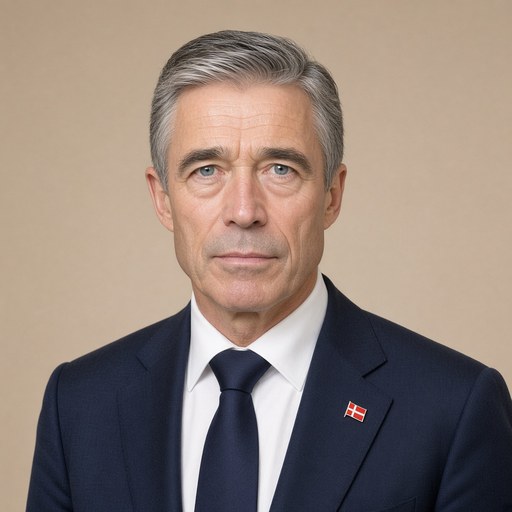
The Prime Minister's speech at DTU's 175th anniversary on September 17, 2004.
 Anders Fogh Rasmussen · Prime Minister of Denmark
- Context
- Rasmussen addressed the Technical University of Denmark (DTU) on September 17, 2004, to celebrate its 175th anniversary and outline Denmark's high-tech ambitions.
- Main themes
- DTU's 175th anniversary, research and education excellence, engineering and technical sciences, Denmark as a high-tech society, university-business collaboration, knowledge transfer and innovation, technology commercialization, university reform, STEM enrollment growth, welfare state and economic growth
- Duration
- ~9 min
- Words
- 1,038
- Sentences
- 70
- Readability
- 48
- Grade
- 10.1
- Syntax
- 2.66
- Vocabulary
- 2.11
Translated from Danish
The broad sphere of national life a sentence belongs to. Every sentence has an Arena, so it is the denominator the other indices are read against.
Other70 sentences in 24 paragraphs
I would like to start by wishing you a big congratulations!
I am very pleased to be here and participate in DTU's 175th birthday celebration.
Seventy-five years ago, Stauning praised the work of the Polytechnic Institute in connection with its 100th anniversary. He spoke of the great wonders of that time - the utilization of electricity, the telephone, the car, the radio, and the airplane. All things we today consider the most natural part of our daily lives.
This is a testament to the development that has taken place and will continue to take place. A development that DTU has already contributed to and will continue to contribute to actively.
You are one of the oldest universities in Denmark and have, throughout the years since H.C. Ørsted established the Polytechnic Institute in 1829, made a strong mark – both nationally and internationally. You can be proud of that.
DTU conducts research and education at the highest international level. And at the same time, you have been able to create innovative environments that serve as great inspiration for other research environments. All to the benefit of your students, the staff, and the business community.
The government has a vision that Denmark should be among the leading high-tech societies in the world within the next 10 years. This is a necessary vision if growth and prosperity are to continue to characterize Danish society.
It is a significant challenge. And it will require a great effort in a wide range of areas. Most of all in the fields of research and education.
Here, DTU plays a crucial role. Each year, you educate around 1,000 individuals – about 350 bachelor's degrees, approximately 500 master's degrees, and over 100 PhDs. At the same time, you have a window facing the world. 400 foreign students each year. This is an important source of knowledge exchange. And you also have an extensive continuing education program. This is important in a time when knowledge ages quickly and upskilling is urgently necessary for all professional groups.
The civil engineers, graduate engineers, and researchers you educate will become the heroes of the high-tech society of the future. Without a sufficient number of engineers with the right competencies, Denmark cannot compete in the international arena.
Engineers are often the driving force when it comes to innovation and development in Danish business. Recently, a study from, among others, the Danish Society of Engineers has shown that one engineer brings five skilled workers into employment. This underscores that the engineers you educate have the competencies that companies demand.
It is of crucial importance for Denmark that DTU continues to be among the best in the world. Both in terms of research and education in the technical sciences.
This requires that we continuously stimulate and communicate interest in the technical sciences. The government is now focusing on how we can strengthen scientific thinking and interest throughout the education system – from primary school to universities.
The programs must be interesting for young people. And it seems that you are succeeding in this. Despite a great interest in the humanities, you have managed to turn several years of decline into an increase in enrollment in engineering studies.
DTU has shown the way and has already created good results. DTU has been a source of inspiration when it comes to the management of universities. You have helped pave the way for some of the elements that the university reform is based on. Your Institute of Micro and Nanotechnology is a brilliant example when it comes to collaboration with the business community. Not to mention your Center for Communication, Optics, and Materials. Here, researchers and business professionals work side by side in DTU's laboratories. You manage to put flesh and blood on how to go from idea to invoice. An ability that many knowledge institutions will envy you.
And that is the path we must take. Close collaboration between the public sector and the private business community is necessary to ensure that good ideas are transformed into products and jobs.
I am liberal by nature and have always held the view that free initiative in business should be the basis for innovation and development. But close collaboration between the public sector and the private business community is necessary to support the welfare state.
With the new law on technological transfer, universities and sector research now have the opportunity to establish their own companies. The companies will ensure that the patents and licenses that arise in research environments are also transformed into production and new jobs. The law provides better frameworks for the private sector to be proactive in relation to DTU's research environments, while the business community can also contribute to the more commercial side, such as marketing and actual production.
The process of transferring knowledge from researcher to business will become more professional. Everyone should do what they do best. Because the good ideas that you create here at DTU should not sit on the shelf in ivory towers. They should go out and be of benefit - they should be transformed into new business opportunities, products, and jobs in our companies.
This mindset also permeates the government's idea with the High Technology Fund. It is precisely intended to promote high-tech research and innovation in areas such as IT, nano, and biotechnology. Areas where DTU is strong. This should happen in collaboration between public research and the business community. The fund should support long-term investments. To the benefit of both large and small companies.
The High Technology Fund will be led by an independent board with members from both the research world and the private business community. And it will be the board that will find and allocate funds to the new promising initiatives.
DTU will be an obvious partner for a number of Danish companies. And I am confident that you are equipped to engage in a number of initiatives that the fund will support. This will be of invaluable benefit to the development of the high-tech society. And it will help ensure Danish prosperity in the future.
As you can understand, I have high expectations for DTU. But I leave here with a good feeling that you can meet those expectations!
Congratulations!
The original Danish. The tags above are read on the English translation's sentences.
Jeg vil starte med at ønske jer et stort tillykke!
Jeg er meget glad for, at jeg må komme her og deltage i DTU’s 175 års fødselsdag.
For 75 år siden stod Stauning og roste den Polytekniske Læreanstalts gerning i forbindelse med 100 års jubilæet. Han talte om den tids store vidundere - udnyttelse af elektriciteten, telefonen, bilen, radioen og flyvemaskinen. Alt sammen ting vi i dag betragter som den mest naturlige del af vores dagligdag.
Det vidner om, hvilken udvikling der er sket og vil ske. En udvikling DTU allerede har og vil bidrage aktivt til.
I er et af de ældste universiteter i Danmark og har gennem alle årene, siden H.C. Ørsted i 1829 oprettede den Polytekniske Læresanstalt, markeret jer stærkt – både nationalt og internationalt. Det kan I være stolte af.
DTU udfører forskning og uddannelse på højeste internationale niveau. Og har samtidig været i stand til at skabe innovative miljøer til stor inspiration for andre forskningsmiljøer. Alt sammen til gavn for jeres studerende, de ansatte og erhvervslivet.
Regeringen har en vision om, at Danmark inden for de næste 10 år skal være at finde blandt de førende højteknologiske samfund i verden. Det er en nødvendig vision, hvis vækst og velstand fortsat skal præge det danske samfund.
Det er en stor udfordring. Og det vil kræve en stor indsats på en lang række områder. Mest af alt på forsknings- og uddannelsesområdet.
Her spiller DTU en afgørende rolle. Hvert år uddanner I omkring 1000 personer – omkring 350 bachelorer, ca. 500 kandidater og over 100 ph.d.’ere. Samtidig har I et vindue vendt mod verden. 400 udenlandske studerende om året. Det er en vigtig kilde til udveksling af viden. Og så har I tilmed et omfattende efteruddannelsesprogram. Det er vigtigt i en tid, hvor viden ældes hurtigt og opkvalificering er tvingende nødvendig for alle faggrupper.
De civilingeniører, diplomingeniører og forskere, I uddanner, vil blive fremtidens helte i det højteknologiske samfund. Uden et tilstrækkeligt antal ingeniører med de rette kompetencer kan Danmark ikke gøre sig gældende i den internationale konkurrence.
Ingeniøren er ofte drivkraften, når det gælder innovation og udvikling i dansk erhvervsliv. Senest har en undersøgelse fra bl.a. Ingeniørforeningen i Danmark påvist, at én ingeniør trækker fem smede med i beskæftigelse. Det understreger, at de ingeniører I uddanner har de kompetencer, virksomhederne efterspørger.
Det er af afgørende betydning for Danmark, at DTU fortsat er blandt de bedste i verden. Både hvad angår forskning og uddannelse inden for de tekniske videnskaber.
Det kræver, at vi til stadighed stimulerer og formidler interessen for de tekniske videnskaber. Regeringen sætter nu fokus på, hvordan vi styrker den naturvidenskabelige tænkning og interessen i hele uddannelsessystemet – lige fra folkeskolen til universiteterne.
Uddannelserne skal nemlig være interessante for de unge. Og det ser ud til at lykkes for jer. Trods stor interesse for de humanistiske fag har I formået at vende flere års fald, til en stigning i optaget på ingeniørstudierne.
DTU har viser vejen og har allerede skabt gode resultater. DTU har været kilde til inspiration, når talen falder på ledelse af universiteterne. I har været med til at bane vejen for nogle af de elementer universitetsreformen bygger på. Jeres institut for mikro- og nanoteknologi er et strålende forbillede, når talen falder på samarbejde med erhvervslivet. For ikke at tale om jeres center for kommunikation, optik og materialer. Her arbejder forskere og erhvervsfolk sammen side om side i DTU’s laboratorier. I formår at sætte kød og blod på, hvordan man kan gå fra tanke til faktura. En evne mange videninstitutioner vil misunde jer.
Og det er den vej vi skal. Et tæt samarbejde mellem det offentlige og det private erhvervsliv er nødvendigt for at sikre, at de gode idéer bliver omsat til produkter og arbejdspladser.
Jeg er liberal af sind og har altid haft den opfattelse, at det frie initiativ i erhvervslivet skulle være basis for innovation og udvikling. Men et tæt samarbejde mellem det offentlige og det private erhvervsliv er nødvendigt for at understøtte velfærdssamfundet.
Med den nye lov om teknologisk overførsel, får universiteterne og sektorforskningen nu mulighed for at etablere egne selskaber. Selskaberne skal sikre, at de patenter og licenser, der bliver til i forskermiljøerne, også bliver omsat til produktion og nye arbejdspladser. Loven giver bedre rammer for, at det private erhvervsliv kan være opsøgende i forhold til DTU’s forskermiljøer og samtidig kan erhvervslivet bidrage til den mere kommercielle side som fx markedsføring og egentlig produktion.
Processen med at overføre viden fra forsker til virksomhed bliver mere professionel. Alle skal gøre det, de er bedst til. For de gode ideer, som I skaber her på DTU, skal ikke ligge på lager i elfenbenstårne. De skal ud og gøre gavn - de skal omsættes til nye forretningsmuligheder, produkter og arbejdspladser ude i vore virksomheder.
Denne tankegang gennemsyrer også regeringens idé med Højteknologifonden. Den skal netop fremme højteknologisk forskning og innovation inden for bl.a. it-, nano- og bioteknologi. Områder hvor DTU står stærkt. Det skal ske i et samspil mellem offentlig forskning og erhvervslivet. Fonden skal støtte langsigtede satsninger. Til glæde for både store og små virksomheder.
Højteknologifonden skal ledes af en selvstændig bestyrelse med personer både fra forskningsverdenen og det private erhvervsliv. Og det bliver bestyrelsen, som skal finde og tildele midler til de nye lovende satsninger.
DTU vil være en oplagt samarbejdspartner for en række danske virksomheder. Og jeg er sikker på, at I er rustet til kunne indgå i en række initiativer, som fonden vil støtte. Det vil være til uvurderlig gavn for udviklingen af det højteknologiske samfund. Og det vil være med til at sikre den danske velstand fremover.
Som I kan forstå har jeg høje forventninger til DTU. Men jeg går herfra med en god fornemmelse af, at I kan indfri forventningerne!
Tillykke!