




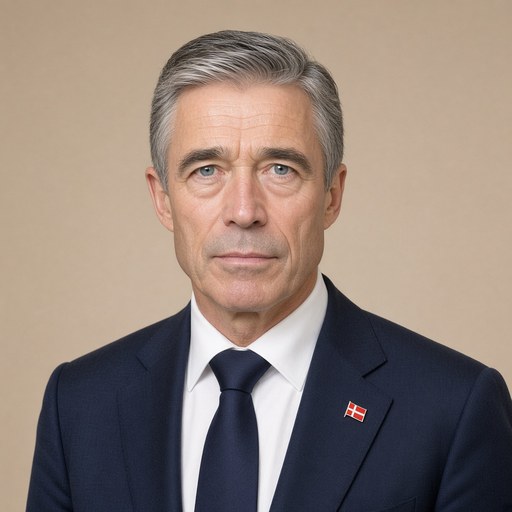
Prime Minister Anders Fogh Rasmussen's speech at the closing debate of the Folketing on June 11, 2008.
 Anders Fogh Rasmussen · Prime Minister of Denmark
- Context
- Rasmussen addressed the Danish Folketing at the closing debate on June 11, 2008, reviewing government reforms and economic policy achievements.
- Main themes
- Danish economic strength, labor market reforms, welfare state sustainability, competitiveness and wage pressures, public sector reform, globalization and education investment, unemployment and employment growth, structural reform, labor supply challenges, fiscal responsibility
- Duration
- ~31 min
- Words
- 3,739
- Sentences
- 299
- Readability
- 52
- Grade
- 8.7
- Syntax
- 2.51
- Vocabulary
- 2.13
Translated from Danish
The broad sphere of national life a sentence belongs to. Every sentence has an Arena, so it is the denominator the other indices are read against.
Other299 sentences in 122 paragraphs
Denmark is a good country to live in. The Danish society is a strong society.
Denmark is a free and peaceful country. And a prosperous country. The Danish economy is among the strongest in Europe.
Unemployment is now below 2 percent. There are fewer than 50,000 unemployed. Never have so many been employed in Denmark. Employment has grown by around 90,000 since the VK government took office at the end of 2001. There is a surplus on the balance of payments. And we are rapidly reducing the state's old debt.
The Danish economy is healthier and stronger than ever. We should, of course, be pleased about that. But the good times put enormous pressure on the economy.
In particular, there is great pressure on the labor market. Wage increases are significantly higher than in the countries we trade with. And that weakens competitiveness.
I would like to emphasize that I wish for all people to have a decent wage. But I am also convinced that most Danes understand the overall economic context.
If wages and other costs continue to rise faster in Denmark than abroad, we cannot sell our goods. Then there will be unemployment. And progress will turn into decline.
It is regrettable that there is still a strike at the country's hospitals and in a number of daycare institutions.
The government urges the parties to bring the conflicts to an end as soon as possible. It must be possible to reach agreements in the health and education sectors within the same framework that the majority of the public labor market has negotiated.
Denmark is a small open economy. We cannot decouple developments at home from what is happening abroad.
But we can be pleased that we are well-equipped for a time when growth in the global economy is declining. We are because we have pursued a responsible economic policy. And because we have made the right decisions at the right time. It is the responsible line that we must continue together.
* * *
Since 2001, we have implemented a series of ambitious reforms.
Reforms aimed at future-proofing the good times. Reforms that, with timely care, prepare Danish society to handle the challenges that lie ahead. Reforms that contribute to constant renewal and dynamism in both the private and public sectors.
We have implemented a structural reform. A reform that creates larger and more sustainable municipalities, regions, police, and judicial districts. The most comprehensive reform of the public sector ever. And it lays a new and modern framework for the Danish welfare state.
We have followed up with a reform of public service. A reform that aims to ensure better quality and better service for citizens. And more attractive workplaces in the public sector. New and strong leadership. Ongoing professional development and upskilling of employees. Deregulation and simplification. And extensive investments in the renewal and modernization of hospitals, schools, elderly housing, and daycare institutions.
We have implemented a long-term welfare reform. A reform that will gradually raise the retirement age from the labor market. A reform that will help ensure the financing of the welfare state in the future. We need our active elderly in all parts of society.
We have implemented a globalization reform. A reform that, until 2012, includes investments in research, education, innovation, and entrepreneurship of nearly 40 billion kroner. A reform that will raise the academic level in education – from primary school to universities. A reform that will help create more growth companies. A reform that will prepare Danish society to handle intensified international competition.
And we have implemented a number of labor market reforms. Reforms that ensure that it pays to work: a cap on social assistance. The start benefit. The 300-hour rule. A more active effort towards the long-term unemployed.
And we are following up with reforms that will secure more labor: easier access for qualified foreigners to work in Denmark. Stricter rules for supplementary unemployment benefits. Special tax reductions for 64-year-olds who have worked full-time.
Few would believe that unemployment could fall below 2 percent. When it has succeeded, it is largely due to this series of initiatives. Collectively, they have contributed to a significant improvement in flexibility in the labor market. Fewer people are locked into passive support. It pays better to work.
And the government wants to move forward. There is a desperate need for more labor in the coming years. The large cohorts are retiring. The small cohorts are entering the labor market. We simply need to secure more hands and heads for both private companies and public institutions.
The government will therefore implement further labor market reforms. Reforms that will secure more labor. We will reduce sick leave by 20 percent. And the government has established a labor market commission. The commission will present its recommendations in about a year. And the government aims to present proposals in the Folketing in the autumn of 2009.
Already at the beginning of 2009, the government will tackle a comprehensive tax reform. It will also have an impact on the labor market. The aim is to significantly lower the tax on work, including the tax on the last earned kroner. It should pay better to work.
We have already taken the first steps. The spring package from 2004 and the tax agreement from 2007 mean that a total of 1.3 million taxpayers will not have to pay middle tax.
Since the VK government took over responsibility in 2001, we have had a tax freeze. A tax freeze that provides security for families and businesses. For no one needs to fear unexpected increases in taxes and duties. And the tax freeze and tax cuts mean that the Danish population will pay 40 billion kroner less in taxes next year. That is more than 7,000 kroner per Dane. Child or adult.
The reduction of the personal tax burden has occurred at the same time as we have allocated more money to welfare. This year, we are spending 45 billion kroner more on public consumption than in 2001.
The next step will be a comprehensive reform of the entire tax system. A reform that will significantly reduce the tax on work. A reform that will, in return, increase the tax on energy and pollution. A reform that is distributionally balanced. It should pay better to work. And it should pay to save energy and improve the environment.
The tax reform will be prepared by a tax commission. It will deliver its recommendations at the beginning of next year. After that, it is the government's intention to present a proposal for tax reform with a view to a broad political agreement before the summer holidays in 2009. So a tax reform can take effect from January 1, 2010.
The period since 2001 is the most active reform period in recent political history in Denmark. And we will continue the reforms. For we want a gradual renewal of Danish society. A renewal that goes hand in hand with security. A renewal that prepares Denmark to handle globalization, so that we can continue to enjoy both prosperity and welfare in the future.
* * *
Denmark's record in employment. Record low unemployment. It is a social revolution. People who have been pushed out of the labor market for years have now been given a chance again. Have found jobs. Have found new meaning in life. New hope. New future perspectives.
It is a unique social advancement. A break with passive welfare policy. And instead, an active employment policy that gives people the freedom and independence that comes from earning their own money.
This social revolution has also meant a significant step forward for the integration of Danes with immigrant backgrounds.
Since 2001, nearly 43,000 more Danes with backgrounds from non-Western countries have found jobs. And as many as 65 percent more women with immigrant backgrounds have entered the workforce.
In fact, Denmark is one of the countries in the world that has experienced the largest decrease in unemployment among people with immigrant backgrounds over the past 10 years. And more and more are pursuing an education.
Since 2001, the number of young Danes with immigrant backgrounds who are engaged in youth education has increased significantly. The proportion who are pursuing higher education has nearly doubled in the same period. And since 2003, the number who have secured an apprenticeship agreement has increased by more than 80 percent.
This is a very encouraging development. Work and education are the keys to succeeding in Danish society. Regardless of where one's parents or grandparents come from. In the year 2000, only half of Danes with immigrant backgrounds felt well integrated in Denmark. Now it is more than two out of three. And while one in six in the year 2000 felt poorly integrated, today it is only one in twenty.
The better integration is a result of the government's firm and fair immigration policy. Fewer are coming to Denmark as a result of family reunification and asylum. In return, we can do more for those who are already here. The number matters.
Therefore, a firm and fair immigration policy is inextricably linked to a successful integration policy.
If one is not prepared to maintain a firm and fair immigration policy, then the rest of the discussion about integration is nothing but hot air.
* * *
The government's reform efforts have also included the realm of the Kingdom with the Faroe Islands and Greenland.
The government starts from the principle of the right to self-determination of peoples.
The government wishes for the Faroe Islands and Greenland to be able to take on further responsibility for their own affairs. As long as the Faroese and Greenlandic people wish for it and can finance it.
Already in 2005, the Folketing passed a takeover law for the Faroe Islands. This means that the Faroe Islands can take on responsibility for all the tasks they wish within the framework of the Kingdom. It is an opportunity that the Faroe Islands are taking advantage of. Currently, the Faroe Islands are preparing to take over, among other things, the area of immigration and border control as well as criminal law.
For Greenland, we are now preparing a self-government law. This is based on the report from the Greenlandic-Danish self-government commission. The self-government law will give Greenland the opportunity to take on responsibility for the areas that Greenland wishes – within the framework of the Kingdom.
The government will work positively with the government of Greenland so that a self-government law for Greenland can come into force on Greenland's national day, June 21, 2009.
In 2001, we initiated a modernization of the Kingdom. Through reforms, we have created a framework for a flourishing Kingdom between Greenland, the Faroe Islands, and Denmark. A framework that also gives the Greenlandic and Faroese people the freedom to determine their own future.
* * *
We Danes are open, outgoing, and liberal-minded.
A survey of Europeans' attitudes towards globalization shows that we are clearly number one in Europe in terms of the proportion of the population that is positive about globalization.
Danes do not fear globalization. We benefit from it.
Also regarding the EU, we are among the most positive in Europe.
The Folketing has voted with a large majority in favor of the Lisbon Treaty. Tomorrow, the treaty will go to a referendum in Ireland. And then there are still a number of countries that need to approve the new treaty. If all EU countries ratify, the Lisbon Treaty can take effect on January 1, 2009.
The new treaty creates a stable framework for EU cooperation for a long time to come.
But at the same time, the treaty means that Denmark's exceptions will increasingly hinder Denmark's influence and interests. The exceptions are preserved unchanged in the Lisbon Treaty. But the impact of the exceptions will be greater with the new treaty than they are today.
EU cooperation has developed significantly since we introduced the exceptions in 1993. With the Lisbon Treaty, there will be large parts of the cooperation that we cannot participate in.
Denmark will be excluded from participating in the EU's efforts to create and maintain peace. We cannot participate in the EU's efforts to create security in the world's hotspots. Such as Bosnia.
And Denmark will be excluded from participating in the common police cooperation. Including combating international terrorism and cross-border crime, such as trafficking in women and child pornography.
Therefore, the exceptions are in direct contradiction to Danish interests. The time has passed for the exceptions. They harm Denmark.
The government's position is very clear: Denmark must be fully and completely involved in Europe. We share fundamental values of freedom, human rights, and democracy. We must be part of solving common problems. That is in our best interest.
Therefore, the government made it clear already in November last year that we will ask voters to consider the EU exceptions in a referendum during this electoral term.
The Danish Institute for International Studies will publish a thorough report on the Danish exceptions at the end of the month. In this way, everyone will have access to thorough and well-documented information in good time before we make a decision.
The government will use the summer to consider the report from the Danish Institute for International Studies. At the beginning of August, it will be natural to consider when and how a vote can best take place.
* * *
Climate change is one of our major international challenges. There is increasing scientific consensus that we must act now if we are to avoid serious consequences for people and for our planet.
The latest report from the UN climate panel states that the majority of global warming over the last few generations is due to human activity. This part of climate change is a political obligation for us to combat and prevent.
If we do not take action on climate change, it will largely be the world's poor who will feel the consequences of the consumption of the industrialized world. And we risk causing irreparable damage to the world's nature.
Therefore, we should restructure the production and consumption of energy so that we emit fewer greenhouse gases.
There is also another reason to reform energy policy. It is a matter of security.
Today, the world's democracies are largely dependent on oil and natural gas imported from unstable regimes. It is enormous sums that are transferred each year to countries that have a questionable relationship with freedom and human rights.
Therefore, we must break the dependence on oil and natural gas.
In general, we should set the ambitious, long-term goal of becoming completely independent of fossil fuels such as oil, gas, and coal.
In Denmark, we have taken an important step with the energy agreement that a broad majority in the Folketing supports.
An agreement that will lead to a significantly increased share of renewable energy. An agreement that will lead to better energy efficiency. An agreement that will help ensure Denmark's continued international leadership in new, renewable, and efficient energy technology.
In December 2009, Denmark will host the UN's major climate conference. The goal is to reach an agreement on a comprehensive global climate agreement that can lead to an effective reduction in greenhouse gas emissions.
It is a significant task that will require considerable political and practical effort over the next year and a half.
If we are to realize the vision of making the planet less dependent on fossil fuels, it requires nothing less than a green technological revolution. An industrial breakthrough for environmentally and climate-friendly technology. A new, green economy that harnesses the business potential within environmentally and energy-efficient solutions.
A green economy that is based on continued growth, development, and job creation. For we must continue to fight global poverty. And we must have the resources to do something for the environment.
* * *
Africa is another of the major international challenges. We should strengthen efforts to help Africa.
We have an obligation to combat deep poverty, especially in sub-Saharan Africa.
We must curb illegal immigration to Europe by ensuring better living conditions for young Africans in their own countries.
We must prevent fundamentalism and extremism in Africa by promoting positive economic, social, and educational development. In this regard, it is crucial to ensure women's rights and opportunities.
The government will increase aid to Africa in the coming years. The goal is for two-thirds of direct aid to go to Africa.
There is a need to focus more on growth and employment in Africa. Therefore, the government has established an international Africa commission.
The commission will work until the summer of 2009. I expect that the recommendations from the commission can not only influence Danish aid but also the entire international community's cooperation with Africa.
* * *
It is a strength for Denmark that we are generally good at making decisions with very broad support.
The welfare reform has been adopted by a very broad majority here in the Folketing.
The same applies to the globalization reform and significant parts of the quality reform.
The structural reform has been implemented with broad support from municipal representatives across the country – across parties.
There is broad support for the government's proposal on Greenlandic self-government.
A long-term agreement on Danish energy policy has been reached with broad backing.
An agreement on Danish European policy has been reached with a very broad majority.
I am pleased with the broad cooperation. Because it provides durability and strength in the renewal of Danish society.
I would like to thank all the parties in the Folketing that have contributed to the reform work.
But of course, I know that besides the Liberal Party and the Conservative Party, there are only two parties that have supported the continuation of the VK government after the last election. They are the Danish People's Party and the New Alliance. I thank the two parties for their support.
Since 2001, the Danish People's Party has been a stable partner. It is largely thanks to the solid efforts of the Danish People's Party that the government has been able to ensure economic progress, fulfill its election promises, and carry out a comprehensive reform effort.
* * *
The past nearly seven years stand as one of the most stable periods in Danish political history from a parliamentary perspective.
And it has been a strength in a time when we had to handle international challenges of extraordinary dimensions.
We took over the responsibility of government just a few months after the terrorist attack on the USA on September 11, 2001. The terrorists had their roots in the Taliban regime in Afghanistan. They could strike anywhere. From the beginning, we have had the clear position that the world's democracies must stand together in the fight against international terrorism.
Therefore, we decided to send Danish soldiers to Afghanistan. To fight the Taliban. To thereby strengthen our own security. And to help develop a peaceful democracy in Afghanistan.
I am glad that a broad majority here in the Folketing supports our engagement in Afghanistan.
And I appeal to the entire Danish population to support our soldiers.
They are making a crucial and valuable effort to create security and a better life for the local population. They bring honor to Denmark. They deserve great thanks and deep respect.
I would like to send a special greeting to the soldiers of Team 5, who are currently deployed in Helmand Province. Like the team before them, Team 5 has unfortunately experienced several losses. And we would like to express our deepest condolences to the families of the soldiers who have lost their lives. Our thoughts also go to the soldiers who have been injured.
I know that many are asking whether it makes a difference.
Yes, it makes a difference. We are making a difference. Progress is being made.
But first and foremost, we must ask what is right. And what is right is to combat dictatorship and promote democracy. And what is right is that we Danes also take shared responsibility for our own security.
Recently, the Danish embassy in Pakistan was subjected to a terrorist attack.
We condemn this cowardly and despicable attack in the strongest terms. An attack that killed and injured several innocent people. Our thoughts and condolences go to the bereaved and the injured.
The attack shows how ruthless, heartless, and inhumane the terrorists are. Terrorists linked to the al-Qaeda network have claimed responsibility for the bombing. And they have used the Muhammad cartoons as justification for their despicable crime.
I would like to make three points clear. First: Regardless of the motive, there is absolutely nothing that justifies terrorist attacks on innocent people. No matter what one may think of the caricatures, it certainly does not justify killing people.
Second: It is not terrorists who should determine how we organize Danish society or what policies we pursue. Danish democracy is based on extensive freedom of expression. There is freedom to think, speak, believe, and draw as one wishes. We stand firm on the freedoms that are the foundation of our free democracy.
Third: When the terrorists throw their bombs, it is crucial that we stand together to reject their attacks. That we stand together in the fight against the terrorists and do not bow to their demands. That we stand together in Denmark. That we stand together with our international partners and allies.
If we capitulate, if we bend, if the terrorists can scare us into changing policies or restricting freedoms, then they have won. And then they will be emboldened to commit even more terror to achieve their goals.
In many countries – also in Europe – people have been killed or threatened for exercising their right and freedom to express themselves on religious issues in the form of books, films, and drawings.
They have stood firm on the principles and values that are the foundation of our free societies: Political and religious freedom, equality for all, democracy, free press, freedom of expression, critical thinking, and a critical approach to information, ideas, and beliefs.
It is these shared values that we must fight for. We must, with all like-minded individuals, unite in defense of freedoms. We must speak with one voice in the fight for freedom and peace in the world. We must stand firm together in the fight against terror.
The original Danish. The tags above are read on the English translation's sentences.
Danmark er et godt land at leve i. Det danske samfund er et stærkt samfund.
Danmark er et frit og fredeligt land. Og et velstående land. Dansk økonomi er blandt de stærkeste i Europa.
Arbejdsløsheden er nu nede under 2 procent. Det er under 50.000 arbejdsløse. Aldrig har så mange været i arbejde i Danmark. Beskæftigelsen er vokset med omkring 90.000 siden VK-regeringen trådte til i slutningen af 2001. Der er overskud på betalingsbalancen. Og vi nedbringer hastigt statens gamle gæld.
Dansk økonomi er sundere og stærkere end nogensinde. Det skal vi naturligvis glæde os over. Men de gode tider lægger et enormt pres på økonomien.
Især er der et stort pres på arbejdsmarkedet. Lønstigningerne er væsentligt højere end i de lande, vi handler med. Og det svækker konkurrenceevnen.
Jeg vil gerne understrege, at jeg under alle mennesker en ordentlig løn. Men jeg er også overbevist om, at de fleste danskere godt forstår de overordnede økonomiske sammenhænge.
Hvis løn og andre omkostninger bliver ved med at stige hurtigere i Danmark end i udlandet, så kan vi ikke sælge vore varer. Så bliver der arbejdsløshed. Og fremgang bliver vendt til nedtur.
Det er beklageligt, at der fortsat er strejke på landets sygehuse og i en række daginstitutioner.
Regeringen opfordrer parterne til hurtigst muligt at bringe konflikterne til ophør. Det må være muligt at indgå overenskomster på sundheds- og pædagogområdet inden for samme ramme som størstedelen af det offentlige arbejdsmarked selv har forhandlet på plads.
Danmark er en lille åben økonomi. Vi kan ikke afkoble udviklingen herhjemme fra det, der sker i udlandet.
Men vi kan glæde os over, at vi er godt rustet til en tid, hvor væksten i verdensøkonomien er på vej ned. Det er vi, fordi vi har ført en ansvarlig økonomisk politik. Og fordi vi har truffet de rigtige beslutninger i rette tid. Det er den ansvarlige linje, vi i fællesskab skal videreføre.
* * *
Siden 2001 har vi gennemført en stribe ambitiøse reformer.
Reformer, som sigter på at fremtidssikre de gode tider. Reformer, som med rettidig omhu ruster det danske samfund til at klare de udfordringer, der kommer i fremtiden. Reformer, som bidrager til konstant fornyelse og dynamik i både den private og den offentlige sektor.
Vi har gennemført en strukturreform. En reform, som skaber større og mere bæredygtige kommuner, regioner, politi- og retskredse. Den mest omfattende reform af den offentlige sektor nogensinde. Og den lægger en ny og moderne ramme om det danske velfærdssamfund.
Vi har fulgt op med en reform af den offentlige service. En reform, der skal sikre bedre kvalitet og bedre service til borgerne. Og mere attraktive arbejdspladser i den offentlige sektor. Ny og stærk ledelse. Løbende faglig udvikling og opkvalificering af medarbejderne. Afbureaukratisering og forenkling. Og omfattende investeringer i fornyelse og modernisering af sygehuse, skoler, ældreboliger og daginstitutioner.
Vi har gennemført en langsigtet velfærdsreform. En reform, som gradvis vil forhøje tilbagetrækningsalderen fra arbejdsmarkedet. En reform, som vil bidrage til at sikre finansiering af velfærdssamfundet i fremtiden. Vi har brug for vore aktive ældre over alt i samfundet.
Vi har gennemført en globaliseringsreform. En reform, som frem til 2012 indeholder investeringer i forskning, uddannelse, innovation og iværksætteri på næsten 40 milliarder kroner. En reform, som vil højne det faglige niveau i uddannelserne – lige fra folkeskolen til universiteterne. En reform, der vil bidrage til at skabe flere vækstvirksomheder. En reform, som vil ruste det danske samfund til at klare den skærpede internationale konkurrence.
Og vi har gennemført en række reformer af arbejdsmarkedet. Reformer, som sikrer, at det kan betale sig at arbejde: Loft over kontanthjælpen. Startydelsen. 300-timers reglen. Mere aktiv indsats over for de langtidsledige.
Og vi følger op med reformer, som skal skaffe mere arbejdskraft: Nemmere adgang for kvalificerede udlændinge til at arbejde i Danmark. Strammere regler for supplerende dagpenge. Særligt skattenedslag for de 64-årige, der har arbejdet på fuld tid.
De færreste ville tro, at arbejdsløsheden kunne komme ned under 2 procent. Når det er lykkedes, skyldes det i høj grad denne serie af initiativer. Samlet har de bidraget til en markant forbedring af fleksibiliteten på arbejdsmarkedet. Færre bliver låst fast i passiv forsørgelse. Det kan bedre betale sig at arbejde.
Og regeringen ønsker at gå videre. Der er et desperat behov for mere arbejdskraft i de kommende år. De store årgange går på pension. De små årgange træder ind på arbejdsmarkedet. Vi er simpelt hen nødt til at skaffe flere hænder og hoveder til både de private virksomheder og de offentlige institutioner.
Regeringen vil derfor gennemføre yderligere reformer af arbejdsmarkedet. Reformer, som skal skaffe mere arbejdskraft. Vi vil nedbringe sygefraværet med 20 procent. Og regeringen har nedsat en arbejdsmarkedskommission. Kommissionen kommer med sine anbefalinger om et års tid. Og regeringen sigter så på at fremlægge forslag i Folketinget i efteråret 2009.
Allerede i begyndelsen af 2009 vil regeringen tage fat på en omfattende skattereform. Den vil også få betydning for arbejdsmarkedet. For sigtet er at sænke skatten på arbejde markant, herunder skatten af den sidst tjente krone. Det skal bedre kunne betale sig at arbejde.
Vi har allerede taget de første skridt. Forårspakken fra 2004 og skatteaftalen fra 2007 betyder samlet, at 1,3 millioner skatteydere slipper for at betale mellemskat.
Siden VK-regeringen overtog ansvaret i 2001, har vi haft et skattestop. Et skattestop, som giver tryghed i familier og virksomheder. For ingen behøver at frygte uventede stigninger i skatter og afgifter. Og skattestoppet og skattelettelserne betyder til sammen, at den danske befolkning til næste år slipper 40 milliarder kroner billigere i skat. Det er mere end 7.000 kroner pr. dansker. Barn som voksen.
Sænkningen af den personlige skattebyrde er sket samtidig med, at vi har afsat flere penge til velfærd. I år bruger vi 45 milliarder kroner mere på offentligt forbrug end i 2001.
Det næste skridt bliver en gennemgribende reform af hele skattesystemet. En reform, som vil nedsætte skatten på arbejde markant. En reform, som til gengæld vil øge skatten på energi og forurening. En reform, som er fordelingsmæssigt afbalanceret. Det skal i højere grad kunne betale sig at arbejde. Og det skal kunne betale sig at spare på energien og forbedre miljøet.
Skattereformen bliver forberedt af en skattekommission. Den afleverer sine anbefalinger i begyndelsen af næste år. Derefter er det regeringens hensigt at fremlægge et forslag til skattereform med henblik på en bred politisk aftale inden sommerferien 2009. Så en skattereform kan træde i kraft fra 1. januar 2010.
Perioden siden 2001 er den mest aktive reformperiode i den nyere politiske Danmarkshistorie. Og vi forsætter reformerne. For vi ønsker en gradvis fornyelse af det danske samfund. En fornyelse, som går hånd i hånd med tryghed. En fornyelse, som ruster Danmark til at klare globaliseringen, så vi også i fremtiden kan nyde gavn af både velstand og velfærd.
* * *
Danmarksrekord i beskæftigelse. Rekordlav arbejdsløshed. Det er en social revolution. Mennesker, som i årevis var stødt ud af arbejdsmarkedet, har nu fået chancen igen. Har fået job. Har fået nyt indhold i tilværelsen. Nyt håb. Nyt fremtidsperspektiv.
Det er et enestående socialt fremskridt. Et opgør med den passive forsørgelsespolitik. Og i stedet en aktiv beskæftigelsespolitik, som giver mennesker den frihed og selvstændighed, som følger af at tjene sine egne penge.
Denne sociale revolution har også betydet et markant skridt fremad for integrationen af danskere med indvandrerbaggrund.
Siden 2001 har næsten 43.000 flere danskere med baggrund fra ikke-vestlige lande fået et job. Og hele 65 procent flere kvinder med indvandrerbaggrund er kommet i arbejde.
Faktisk er Danmark ét af de lande i verden, der i de seneste 10 år har oplevet det største fald i arbejdsløsheden blandt personer med indvandrerbaggrund. Og der er stadig flere, der tager en uddannelse.
Siden 2001 er antallet af unge danskere med indvandrerbaggrund, der er i gang med en ungdomsuddannelse, steget betydeligt. Andelen, der er i gang med en videregående uddannelse, er i samme periode næsten fordoblet. Og siden 2003 er antallet, der får en praktikpladsaftale, steget med mere end 80 procent.
Det er en meget glædelig udvikling. Arbejde og uddannelse er nøglen til at klare sig godt i det danske samfund. Uanset hvor ens forældre eller bedsteforældre kommer fra. I år 2000 var det kun hver anden dansker med indvandrerbaggrund, der følte sig godt integreret i Danmark. Nu er det mere end to ud af tre. Og mens hver sjette i år 2000 følte sig dårligt integreret, gælder det i dag kun hver tyvende.
Den bedre integration er et resultat af regeringens faste og fair udlændingepolitik. Der kommer færre til Danmark som følge af familiesammenføring og asyl. Til gengæld kan vi gøre mere for dem, som allerede er her. Antallet spiller en rolle.
Derfor hører en fast og fair udlændingepolitik uløseligt sammen med en succesfuld integrationspolitik.
Er man ikke er parat til at holde fast i den faste og fair udlændingepolitik, så er resten af snakken om integration ikke andet end varm luft.
* * *
Regeringens reformindsats har også omfattet rigsfællesskabet med Færøerne og Grønland.
Regeringen tager sit udgangspunkt i princippet om folkenes selvbestemmelsesret.
Regeringen ønsker, at Færøerne og Grønland skal kunne overtage yderligere ansvar for egne forhold. I takt med, at det færøske og det grønlandske folk ønsker det og kan finansiere det.
Allerede i 2005 vedtog Folketinget en overtagelseslov for Færøerne. Den betyder, at Færøerne kan overtage ansvaret for alle de opgaver, som Færøerne ønsker inden for rammerne af rigsfællesskabet. Det er en mulighed, som Færøerne gør brug af. Aktuelt forbereder Færøerne sig på at overtage blandt andet udlændingeområdet og grænsekontrollen samt strafferetten.
For Grønlands vedkommende forbereder vi nu en selvstyrelov. Det sker på baggrund af betænkningen fra den grønlandsk-danske selvstyrekommission. Selvstyreloven vil give Grønland mulighed for at overtage ansvaret for de områder, som Grønland ønsker – inden for rammerne af rigsfællesskabet.
Regeringen vil arbejde positivt med landsstyret for, at en selvstyrelov for Grønland kan træde i kraft på Grønlands nationaldag den 21. juni 2009.
I 2001 indledte vi en modernisering af rigsfællesskabet. Gennem reformer har vi skabt en ramme for et blomstrende rigsfællesskab mellem Grønland, Færøerne og Danmark. En ramme, som samtidig giver det grønlandske og det færøske folk frihed til at bestemme sin egen fremtid.
* * *
Vi danskere er åbne, udadvendte og frisindede.
En undersøgelse af europæernes holdning til globalisering viser, at vi er klart nummer ét i Europa målt på andelen af befolkningen, der er positive over for globalisering.
Danskerne frygter ikke globaliseringen. Vi drager fordel af den.
Også når det gælder EU, er vi blandt de mest positive i Europa.
Folketinget har med et stort flertal stemt for Lissabon-traktaten. I morgen skal traktaten så til folkeafstemning i Irland. Og dernæst er der endnu et antal lande, som skal godkende den nye traktat. Hvis alle EU-lande ratificerer, kan Lissabon-traktaten træde i kraft 1. januar 2009.
Den nye traktat skaber en stabil ramme for EU-samarbejdet i lang tid fremover.
Men samtidig betyder traktaten, at de danske undtagelser i endnu større grad vil hæmme Danmarks indflydelse og interesser. Undtagelserne er bevaret uændrede i Lissabon-traktaten. Men virkningen af undtagelserne bliver større med den nye traktat, end de er i dag.
EU-samarbejdet har udviklet sig betydeligt, siden vi indførte undtagelserne i 1993. Med Lissabon-traktaten vil der være store dele af samarbejdet, som vi ikke kan være med til.
Danmark vil være afskåret fra at deltage i EU’s indsats for at skabe og bevare fred. Vi kan ikke deltage i EU’s indsats for at skabe sikkerhed i verdens brændpunkter. Som fx Bosnien.
Og Danmark vil være afskåret fra at deltage i det fælles politisamarbejde. Herunder bekæmpelse af international terrorisme og grænseoverskridende kriminalitet, som fx handel med kvinder og børnepornografi.
Derfor er undtagelserne i direkte modstrid med danske interesser. Tiden er løbet fra undtagelserne. De skader Danmark.
Regeringens holdning er meget klar: Danmark skal være fuldt og helt med i Europa. Vi deler grundlæggende værdier om frihed, menneskerettigheder og demokrati. Vi skal være med til at løse de fælles problemer. Dét er i vores bedste interesse.
Derfor gjorde regeringen det allerede i november sidste år klart, at vi i denne valgperiode vil bede vælgerne om at tage stilling til EU-undtagelserne ved folkeafstemning.
Dansk Institut for Internationale Studier offentliggør sidst på måneden en grundig udredning om de danske undtagelser. På den måde vil alle få adgang til grundig og veldokumenteret information i god tid, inden vi skal træffe beslutning.
Regeringen vil bruge sommeren til at overveje redegørelsen fra Dansk Institut for Internationale Studier. I begyndelsen af august vil det være naturligt at tage stilling til, hvornår og hvordan en afstemning bedst kan finde sted.
* * *
Klimaforandringerne er én af vore store internationale udfordringer. Der er stigende videnskabelig enighed om, at vi skal handle nu, hvis vi skal undgå, at klimaforandringerne får alvorlige konsekvenser for mennesker og for vor klode.
Den seneste rapport fra FN’s klimapanel fastslår, at hovedparten af den globale opvarmning over de sidste par generationer skyldes menneskelig aktivitet. Den del af klimaforandringerne har vi en politisk forpligtelse til at bekæmpe og forebygge.
Får vi ikke gjort noget ved klimaforandringerne, bliver det i høj grad verdens fattige, som kommer til at mærke konsekvenserne af den industrialiserede verdens forbrug. Og vi risikerer at gøre uoprettelig skade på verdens natur.
Derfor bør vi omlægge produktion og forbrug af energi, så vi udleder færre drivhusgasser.
Der er også en anden grund til at omlægge energipolitikken. Det er et spørgsmål om sikkerhed.
I dag er verdens demokratier i høj grad afhængige af olie og naturgas, som er importeret fra ustabile regimer. Det er enorme summer, som hvert år overføres til lande, som har et tvivlsomt forhold til frihed og menneskerettigheder.
Derfor må vi bryde med afhængigheden af olie og naturgas.
I det hele taget bør vi sætte det ambitiøse, langsigtede mål at blive helt uafhængige af fossile brændsler som olie, gas og kul.
I Danmark har vi taget et vigtigt skridt med den energiaftale, som et bredt flertal i Folketinget står bagved.
En aftale, som vil medføre en kraftigt forøget andel af vedvarende energi. En aftale, som vil medføre bedre energieffektivitet. En aftale, som vil bidrage til at sikre Danmark en fortsat international førerposition, når det gælder ny, vedvarende og effektiv energiteknologi.
I december 2009 er Danmark vært ved FN’s store klimakonference. Målet er at opnå enighed om en omfattende global klimaaftale, der kan føre til en effektiv nedbringelse af udledningen af drivhusgasser.
Det er en stor opgave, som vil kræve en betydelig politisk og praktisk indsats det næste halvandet års tid.
Hvis vi skal realisere visionen om at gøre kloden mindre afhængig af fossile brændsler, så kræver det intet mindre end en grøn teknologisk revolution. Et industrielt gennembrud for miljø- og klimavenlig teknologi. En ny, grøn samfundsøkonomi, der udnytter det erhvervsmæssige potentiale inden for miljø- og energieffektive løsninger.
En grøn økonomi, der er baseret på fortsat vækst, udvikling og jobskabelse. For vi skal fortsat bekæmpe den globale fattigdom. Og vi skal have ressourcer til at gøre noget for miljøet.
* * *
Afrika er en anden af de store internationale udfordringer. Vi bør forstærke indsatsen for at hjælpe Afrika.
Vi har en forpligtelse til at bekæmpe den dybe fattigdom, specielt i Afrika syd for Sahara.
Vi skal dæmpe den illegale indvandring til Europa ved at sikre de unge afrikanere bedre livsbetingelser i deres egne lande.
Vi skal forebygge fundamentalisme og ekstremisme i Afrika ved at fremme en positiv økonomisk, social og uddannelsesmæssig udvikling. I den henseende er det helt afgørende at sikre kvindernes rettigheder og muligheder.
Regeringen vil i de kommende år øge bistanden til Afrika. Målet er, at 2/3 af den direkte bistand går til Afrika.
Der er behov for at få sat mere fokus på vækst og beskæftigelse i Afrika. Regeringen har derfor nedsat en international Afrika-kommission.
Kommissionen arbejder frem til sommeren 2009. Jeg forventer, at anbefalingerne fra kommissionen ikke alene kan påvirke dansk bistand, men også hele det internationale samfunds samarbejde med Afrika.
* * *
Det er en styrke for Danmark, at vi i reglen er gode til at træffe beslutninger med meget bred opbakning.
Velfærdsreformen er vedtaget af et meget bredt flertal her i Folketinget.
Det samme gælder globaliseringsreformen og væsentlige dele af kvalitetsreformen.
Strukturreformen er gennemført med bred opbakning fra kommunalfolk over hele landet – på tværs af partier.
Der er bred opbakning til regeringens forslag om grønlandsk selvstyre.
Der er indgået en langsigtet aftale om dansk energipolitik med bredt flertal bagved.
Der er indgået en aftale om dansk Europapolitik med et meget bredt flertal.
Jeg glæder mig over det brede samarbejde. For det giver holdbarhed og styrke i fornyelsen af det danske samfund.
Jeg vil gerne takke alle de partier i Folketinget, som har medvirket til reformarbejdet.
Men selvfølgelig ved jeg godt, at der ud over Venstre og De Konservative kun er to partier, der har støttet fortsættelsen af VK-regeringen efter sidste valg. Det er Dansk Folkeparti og Ny Alliance. Jeg takker de to partier for støtten.
Siden 2001 har Dansk Folkeparti været en stabil samarbejdspartner. Det er i høj grad takket være Dansk Folkepartis solide indsats, at regeringen har kunnet sikre økonomisk fremgang, opfylde sine valgløfter og gennemføre en omfattende reformindsats.
* * *
De forløbne næsten 7 år står som én af de parlamentarisk set mest stabile perioder i dansk politisk historie.
Og det har været en styrke i en tid, hvor vi skulle håndtere internationale udfordringer af ekstraordinære dimensioner.
Vi overtog regeringsansvaret få måneder efter terrorangrebet på USA den 11. september 2001. Terroristerne havde deres rod hos Talebanstyret i Afghanistan. De kunne slå til hvor som helst. Vi har fra starten haft den klare holdning, at verdens demokratier må stå sammen i kampen mod den internationale terrorisme.
Derfor besluttede vi at sende danske soldater til Afghanistan. For at bekæmpe Taleban. For derved at styrke vor egen sikkerhed. Og for at hjælpe med udviklingen af et fredeligt demokrati i Afghanistan.
Jeg er glad for, at et bredt flertal her i Folketinget står bag vores engagement i Afghanistan.
Og jeg appellerer til hele den danske befolkning om at bakke op bag vore soldater.
De yder en afgørende og værdifuld indsats for at skabe sikkerhed og et bedre liv for den lokale befolkning. De gør Danmark ære. De fortjener en stor tak og en dyb respekt.
Jeg vil sende en særlig hilsen til soldaterne på hold 5, der netop nu er sat ind i Helmand-provinsen. Som holdet før dem har hold 5 desværre oplevet flere tab. Og vi vil gerne udtrykke vor dybeste medfølelse til familierne til de soldater, som har mistet livet. Vore tanker går også til de soldater, som er blevet såret.
Jeg ved godt, at mange spørger, om det kan nytte.
Ja, det nytter. Vi gør en forskel. Der sker fremskridt.
Men først og fremmest skal vi spørge om, hvad der er rigtigt. Og det rigtige er at bekæmpe diktatur og fremme demokrati. Og det rigtige er, at vi danskere også selv tager et medansvar for vores egen sikkerhed.
For nylig blev den danske ambassade i Pakistan udsat for et terrorangreb.
Vi fordømmer på det kraftigste dette feje og usle angreb. Et angreb, som dræbte og kvæstede adskillige uskyldige mennesker. Vore tanker og medfølelse går til de efterladte og de sårede.
Angrebet viser, hvor skruppelløse, hjerteløse og umenneskelige terroristerne er. Terrorister med tilknytning til terrornetværket al Qaida har påtaget sig ansvaret for bomben. Og de har brugt Muhammed-tegningerne som begrundelse for deres afskyelige forbrydelse.
Jeg vil gerne slå tre ting fast. For det første: Uanset motiv så er der overhovedet intet, som retfærdiggør terrorangreb på uskyldige mennesker. Uanset hvad man måtte mene om karikatur-tegninger, så berettiger det selvfølgelig ikke at slå mennesker ihjel.
For det andet: Det er ikke terrorister, som skal bestemme, hvordan vi indretter det danske samfund eller hvilken politik, vi fører. Det danske folkestyre bygger på en vidtgående ytringsfrihed. Der er frihed til at tænke, tale, tro og tegne, som man vil. Vi står fast på de frihedsrettigheder, som er grundlaget for vort frie folkestyre.
For det tredje: Når terroristerne smider deres bomber, er det helt afgørende, at vi står sammen om at afvise deres angreb. At vi står sammen i kampen mod terroristerne og ikke bøjer os for deres krav. At vi står sammen i Danmark. At vi står sammen med vore internationale partnere og allierede.
Hvis vi kapitulerer, hvis vi bøjer os, hvis terroristerne kan skræmme os til at ændre politik eller indskrænke frihedsrettighederne, ja, så har de vundet. Og så får de mod på endnu mere terror for at nå deres mål.
I mange lande – også i Europa - er mennesker blevet dræbt eller truet på livet for at udnytte deres ret og frihed til at ytre sig om religiøse emner i form af bøger, film og tegninger.
De har stået fast på de principper og værdier, som er fundamentet for vore frie samfund: Politisk og religiøs frihed, ligeret for alle, folkestyre, fri presse, ytringsfrihed, kritisk tænkning og kritisk tilgang til informationer, idéer og tro.
Det er disse fælles værdier, vi skal kæmpe for. Vi skal med alle ligesindede være fælles i forsvaret for frihedsrettighederne. Vi skal med større styrke tale med én stemme i kampen for frihed og fred i verden. Vi skal med fasthed stå sammen i kampen mod terror.