




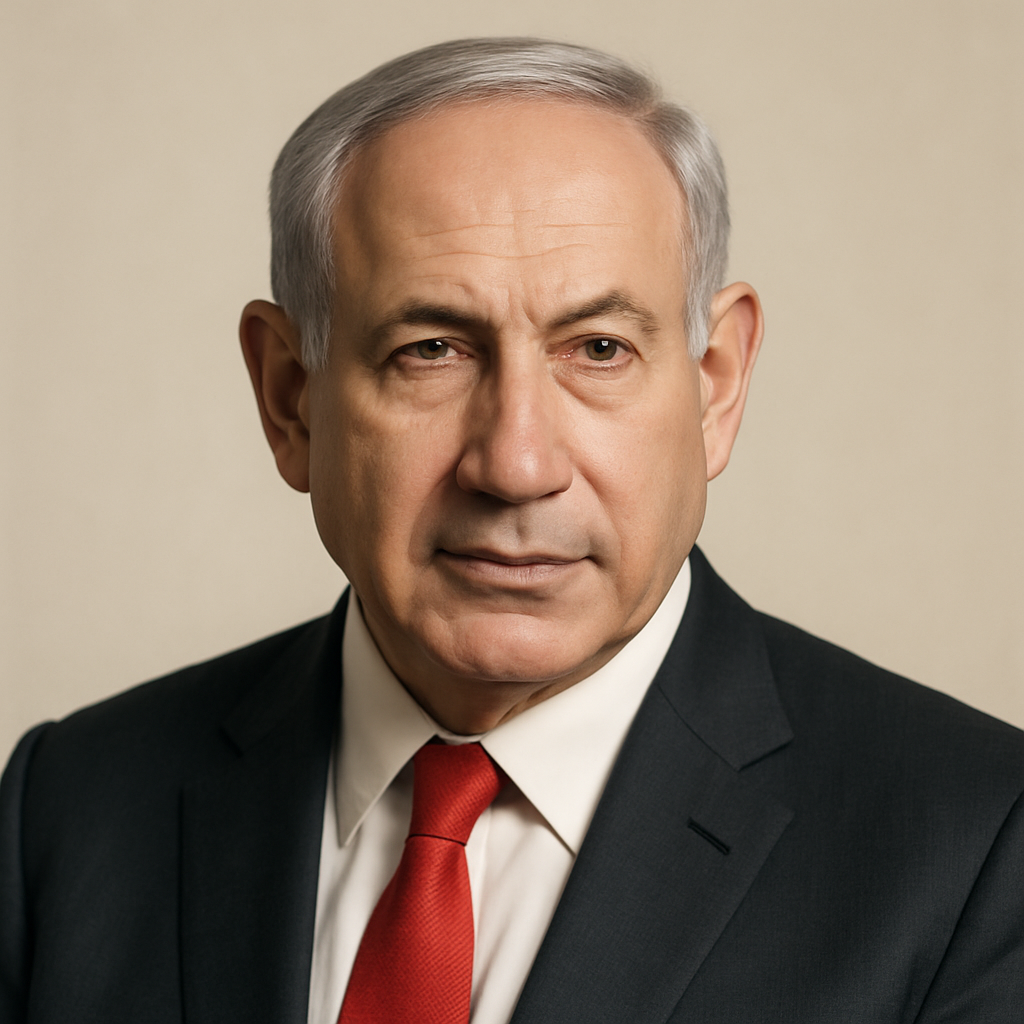
Prime Minister Netanyahu and his wife participated in the state ceremony marking Jerusalem Day at Ammunition Hill in Jerusalem.
 Benjamin Netanyahu · Prime Minister of Israel
- Context
- Netanyahu addressed a state ceremony marking Jerusalem Day at Ammunition Hill, Jerusalem, on June 2, 2019, commemorating the 52nd anniversary of the city's reunification.
- Main themes
- Jerusalem Day commemoration, Six-Day War legacy, Israeli military heroism and sacrifice, normalization with Arab and Muslim countries, Iran's regional aggression and Hezbollah funding, Israel's deterrence and security, historical continuity of Jewish connection to Jerusalem, peace through strength
- Duration
- ~5 min
- Words
- 657
- Sentences
- 42
- Readability
- 57
- Grade
- 9.2
- Syntax
- 2.72
- Vocabulary
- 2.30
Translated from Hebrew
The broad sphere of national life a sentence belongs to. Every sentence has an Arena, so it is the denominator the other indices are read against.
Other42 sentences in 9 paragraphs
"The deer of Israel lies slain on your heights; how the mighty have fallen": Ammunition Hill is a central and important stage – a stage of heroism, where our dear ones, the liberators of Jerusalem, fell 52 years ago. Here they charged with their spirit against those who sought our lives. Here they displayed supreme determination under heavy fire. Here they fought face to face in the stone trenches, here behind us. Here they achieved victory, a victory that will be remembered for generations. Our fighters acted similarly on other fronts of the campaign. Their courage and sacrifice brought us tremendous salvation. The entire nation bows its head in their memory; the entire nation embraces the bereaved families.
The Six Days of Glory in June '67 were the opposite of the days that preceded the war. The extremist elements in our region were stirring up war. They threatened day and night to destroy the State of Israel. The fear and distress were felt in every home. A sharp sword was placed upon our necks, and then something wonderful happened; then tremendous forces erupted from within us. We united in the face of the arrogant provocation. We removed the noose from around our necks. We shattered the enemy's illusions that he would destroy our state. What a distance we have traveled since then.
I can tell you today, I wanted to say it openly, but I will tell you half-heartedly, because I cannot provide you with all the information, but a large number, a very large number, of Arab and Muslim countries have already awakened since then, and today, thanks to our strength, they are cooperating with us in an unprecedented manner. Our strength is paving the true path to coexistence and peace. The old enmity is giving way to a new closeness. We, of course, welcome this; we are engaged in it day and night, mainly at night, and at the same time, we remain sober and alert. There are still those who threaten to destroy us. There are those who have not yet recovered from the poisonous fanaticism.
Iran transfers $700 million annually to its proxy Hezbollah. But it does so in various ways, including through deception. The Iranian Foreign Ministry transfers over $100 million to the terrorist organization as part of this. The money is transferred under diplomatic cover, supposedly innocently, to Lebanon and then from there to Hezbollah.
These vast sums are used to fuel Iran's endless aggression and its proxies in our region. Our neighbors know this; all Arab countries know this, and this is one of the things that brings them closer to us again. We do not underestimate Iran's threats, but we are also not deterred by them, because anyone who tries to harm us will be harmed many times over.
We have proven this many times in the history of our state; we proved it just last night; we proved it during the six miraculous days that returned us to ancient homeland territories.
I just read the book by historian Simon Sebag Montefiore, 'Jerusalem: The Biography.' It should be read to see the continuity of generations and what has happened here. Three thousand years ago, in the days of David and Solomon, as we know, we made Jerusalem our capital. We are the ones who wove beauty and splendor into it, with spirit and sanctity.
What was here after us, in the generations of exile, until we returned to our quarry? Jerusalem passed from hand to hand. I knew this history, but reading it in detail gives a wonderful lesson about our continuity, not randomness, not transfer, and then taking back, and then abandoning – about our continuity. Many rulers caused bloodshed in it, in Jerusalem. They led it to degeneration, to decline, to destruction. And even those who built it never declared it their capital.
Montefiore quotes Winston Churchill, who in the early 1950s told one of his officials:
The original Hebrew. The tags above are read on the English translation's sentences.
הצבי ישראל על במותיך חלל, איך נפלו גיבורים": גבעת התחמושת היא במה מרכזית וחשובה – במת גבורה, עליה נפלו יקירינו, משחררי ירושלים, לפני 52 שנה. כאן הם הסתערו בעוז רוחם על מבקשי נפשנו. כאן גילו נחישות עילאית תחת אש תופת. כאן לחמו פנים אל פנים בתעלות האבן, כאן מאחורינו. כאן השיגו ניצחון, ניצחון שייזכר לדורות. כמוהם נהגו לוחמינו ביתר חזיתות המערכה. תעוזתם והקרבתם הביאו לנו תשועה כבירה. כל העם מרכין ראש לזכרם, כל העם מחבק את המשפחות השכולות.
ששת ימי התהילה ביוני 67' היו היפוכם של הימים שקדמו למלחמה. הגורמים הקיצוניים באזורנו חרחרו מלחמה. הם איימו בוקר וערב להשמיד את מדינת ישראל. החשש והמועקה הורגשו בכל בית. חרב חדה הונחה על צווארנו, ואז קרה משהו מופלא, אז התפרצו מתוכנו עוצמות אדירות. התלכדנו אל מול ההתגרות השחצנית. הסרנו מעלינו את עניבת החנק. ניפצנו את אשליות האויב, שהוא יחריב את מדינתנו. איזו כברת דרך עשינו מאז.
אני יכול לומר לכם היום, רציתי להגיד בפה מלא, אבל אני אומר לכם בחצי פה, כי אינני יכול למסור לכם את כל המידע, אבל מספר רב, גדול מאוד, של מדינות ערביות ומוסלמיות כבר התפכחו מאז, וכיום, בזכות עוצמתנו, הן משתפות איתנו פעולה באופן חסר תקדים. העוצמה שלנו מפלסת את הנתיב האמיתי לדו-קיום ושלום. קיבעון האיבה הישן מפנה את מקומו לקירבה חדשה. אנו כמובן מברכים על כך, אנו עוסקים בכך, יומם ולילה, בעיקר בלילה, ובד בבד אנו נשארים מפוכחים ודרוכים. יש עדיין מי שמאיים להשמיד אותנו. יש מי שטרם נגמל מן הקנאות הרעילה.
איראן מעבירה מדי שנה לבת חסותה חיזבאללה 700 מיליון דולר. אבל היא עושה זאת בדרכים שונות כולל בדרך ההונאה. משרד החוץ האיראני מעביר במסגרת זאת למעלה מ-100 מיליון דולר לידי ארגון הטרור. הכסף מועבר בכיסוי דיפלומטי, כביכול בצורה תמימה, ללבנון ואז משם לחיזבאללה.
סכומי עתק אלה משמשים לתדלוק התוקפנות הבלתי נגמרת של איראן וגרורותיה באזורנו. את זה יודעים שכנינו, את זה יודעות כל מדינות ערב, וזה אחד הדברים שמביא אותן לקרבה מחודשת איתנו. איננו מזלזלים באיומיה של איראן, אבל גם איננו נרתעים מהם, כי מי שינסה לפגוע בנו יפגע בצורה קשה פי כמה.
הוכחנו זאת פעמים רבות בתולדות מדינתנו, הוכחנו זאת רק אמש, הוכחנו זאת בשש היממות המופלאות שהחזירו אותנו לחבלי מולדת עתיקים.
קראתי עכשיו את ספרו של ההיסטוריון סיימון סבאג-מונטיפיורי, 'ירושלים – הביוגרפיה'. צריך לקרוא את זה כדי לראות את רצף הדורות ואת מה שהתרחש כאן. לפני 3,000 שנה, בימי דוד ושלמה, את זה הרי אנחנו מכירים, הפכנו את ירושלים לבירתנו. אנחנו אלו ששזרנו בה את הנוי והיופי, עם הרוח והקדושה.
מה היה כאן אחרינו, בדורות הגלות, עד ששבנו לכור מחצבתנו? ירושלים עברה מיד ליד. הכרתי את ההיסטוריה הזאת, אבל לקרוא אותה בפרטי פרטים, זה נותן שיעור מופלא להמשכיות שלנו, לא לאקראיות, לא למסירה, ואחר כך לקחת מחדש, ואחר כך לנטוש - להמשכיות שלנו. שליטים רבים חוללו בה, בירושלים, מרחץ דמים. הם דרדרו אותה לניוון, לשקיעה, לחורבן. וגם אלה שבנו אותה מעולם לא הכריזו עליה כבירתם.
מונטיפיורי מצטט את וינסטון צ'רצ'יל, שבתחילת שנות ה-50 אמר לאחד מפקידיו: