




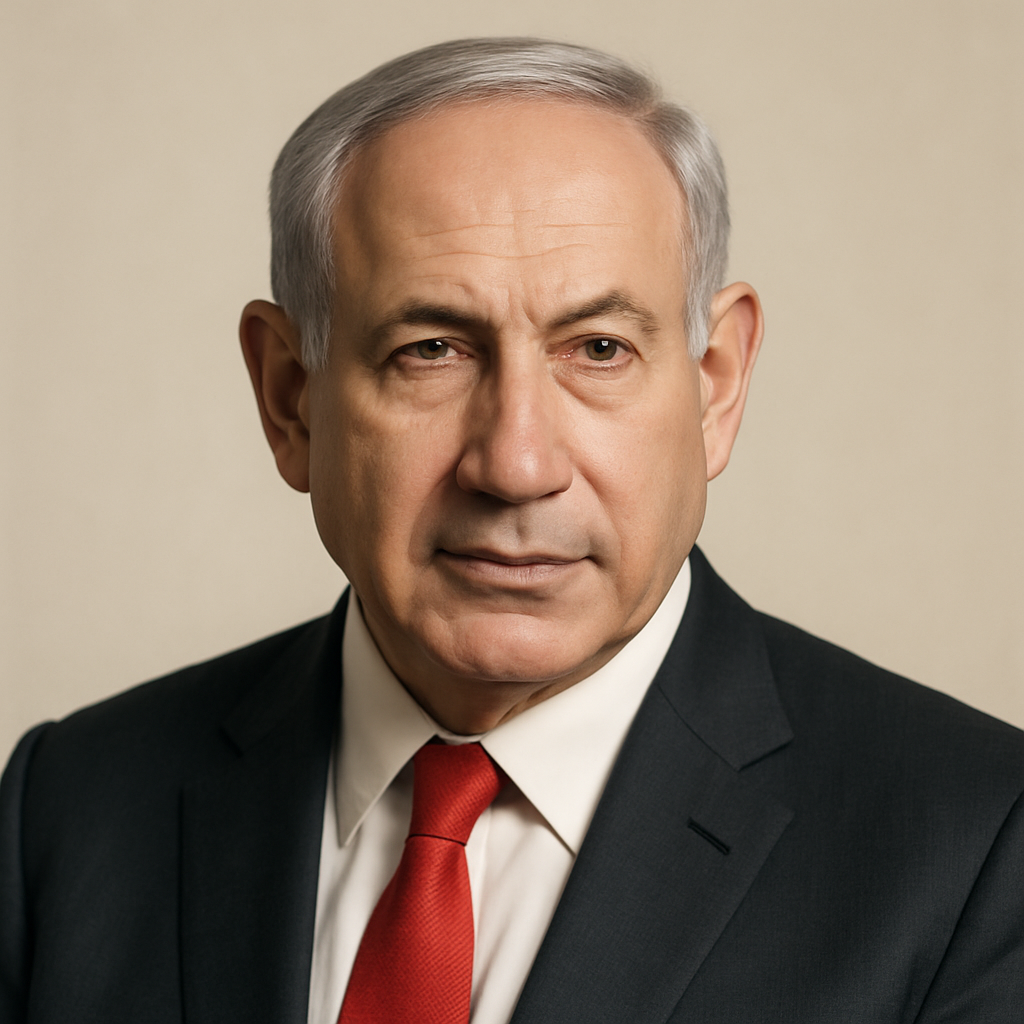
Remarks by Prime Minister Netanyahu at the Memorial Ceremony for the Fallen Soldiers of Israel organized by "Yad Labanim"
 Benjamin Netanyahu · Prime Minister of Israel
- Context
- Netanyahu addressed a Yad Labanim memorial ceremony on April 24, 2023, honoring Israel's fallen soldiers and their bereaved families on Memorial Day.
- Main themes
- Fallen soldiers of Israel, memorial ceremony, sacrifice and loss, brotherhood and mutual responsibility, bereaved families, national unity, children of fallen soldiers, memory and grief, Israel's wars, terror victims
- Duration
- ~2 min
- Words
- 279
- Sentences
- 18
- Readability
- 64
- Grade
- 8.2
- Syntax
- 2.77
- Vocabulary
- 2.05
Translated from Hebrew
The broad sphere of national life a sentence belongs to. Every sentence has an Arena, so it is the denominator the other indices are read against.
Other18 sentences in 5 paragraphs
The children spoke of the desire to continue their father's path; of the effort to cling to every fragment of memory, if such exists, since some of the children were in their mother's womb, or were very small; they also talked about the comparison to other children who have two parents. They are all children who have matured prematurely, and there is a sadness in their eyes. No matter how much effort is made, how hard they try, how much they talk and embrace, that sadness does not disappear.
I told them: unfortunately, life cannot be turned back. Life can only be lived forward. And thanks to your fathers – we all have a future. The nation honors those without whom our fate would have been entirely different. The State of Israel exists because of them.
Dear families, Memorial Day expresses the deep commitment between us: in the name and for the sake of twenty-four thousand two hundred and thirteen fallen soldiers of Israel's wars, and of thousands of victims of terror.
This year, after we lost pairs of wonderful brothers and sisters, the feeling of being brothers should sharpen even more. Yes, brothers. Sometimes we argue, sometimes we get angry, sometimes we drift apart a little. But always, in every situation, we depend on each other.
The central pillar of the transition from individuals to a people is mutual guarantee, responsibility, and brotherhood. Thanks to brotherhood, the fallen charged forward shoulder to shoulder. Thanks to brotherhood, the fallen covered for each other under fire. Thanks to brotherhood, the fallen embraced a hand grenade to protect their friends, even at the cost of their own lives. A psalmist says:
The original Hebrew. The tags above are read on the English translation's sentences.
. הילדים סיפרו על הרצון להמשיך את דרכו של אבא; על המאמץ להיאחז בכל רסיס של זיכרון אם ישנו כזה, שהרי חלק מהילדים היו בבטן אימם, או שהיו קטנים מאוד; הם גם דיברו על ההשוואה לילדים וילדות אחרים, שלהם יש שני הורים. כולם ילדים שהתבגרו בטרם עת, ושתוגה של עצבות בעיניהם. שככל שעושים מאמצים, משתדלים, מדברים ומחבקים התוגה הזאת לא נמחקת.
אמרתי להם: לצערנו, את החיים אי-אפשר להחזיר אחורה. את החיים אפשר לחיות רק קדימה. והודות לאבות שלכם – יש לכולנו עתיד. העם מוקיר את מי שאלמלא הם גורלנו היה אחר לחלוטין. מדינת ישראל בזכותם קיימת.
משפחות יקרות, יום הזיכרון מבטא את המחויבות העמוקה בינינו: בשמם ולמענם של עשרים וארבעה אלף מאתיים ושלושה-עשר חללי מערכות ישראל, ושל אלפי חללי פעולות האיבה.
השנה, אחרי שאיבדנו זוגות של אחים ואחיות נפלאים, תחושת היותנו אחים צריכה להתחדד ביתר שאת. כן, אחים. לפעמים מתווכחים, לפעמים מתרגזים, לפעמים קצת מתרחקים. אבל תמיד, בכל מצב, תלויים זה בזה.
הבריח התיכון של המעבר מיחידים לעם הוא ערבות הדדית, אחריות ואחווה. בזכות האחווה הסתערו הנופלים קדימה כתף-אל-כתף. בזכות האחווה חיפו הנופלים זה על זה, תחת אש. בזכות האחווה אימצו הנופלים אל גופם רימון-יד כדי שחבריהם לא ייפגעו, גם במחיר חייהם שלהם. אומר משורר תהילים: