




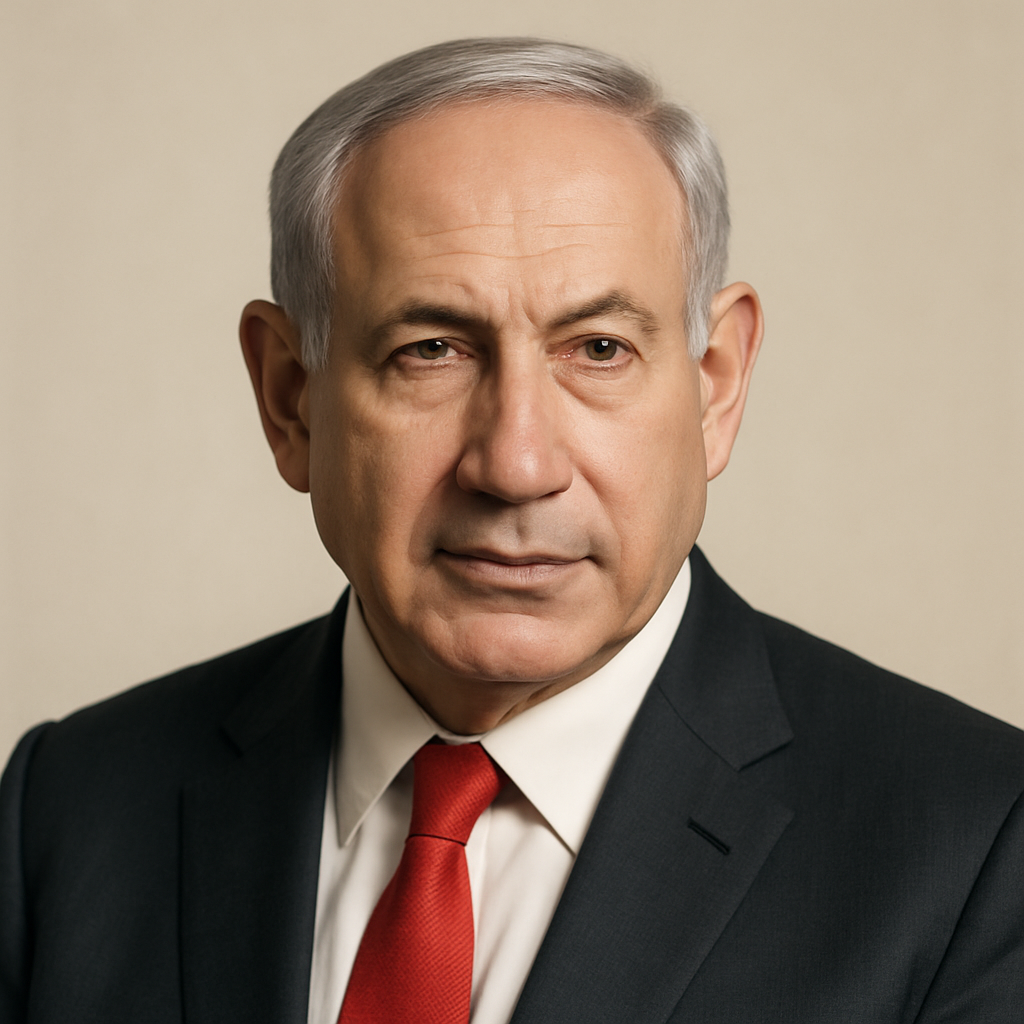
Prime Minister Netanyahu's remarks in a statement to the media regarding the coronavirus.
 Benjamin Netanyahu · Prime Minister of Israel
- Context
- Netanyahu addressed Israeli citizens on April 13, 2020, providing a media statement on Israel's coronavirus situation during the Passover holiday period.
- Main themes
- COVID-19 pandemic response, public health guidelines, infection rate statistics, reinfection and immunity concerns, Israel's pandemic performance, outbreak hotspots, mourning of Rabbi Bakshi-Doron, elderly population protection, caution and discipline
- Duration
- ~4 min
- Words
- 476
- Sentences
- 28
- Readability
- 56
- Grade
- 9.7
- Syntax
- 2.81
- Vocabulary
- 2.24
Translated from Hebrew
The broad sphere of national life a sentence belongs to. Every sentence has an Arena, so it is the denominator the other indices are read against.
Other28 sentences in 7 paragraphs
Israeli citizens, happy holidays. First, I want to express deep sorrow on behalf of all of you for the passing of the former Chief Rabbi of Israel, Eliyahu Bakshi-Doron, may his memory be a blessing. Rabbi Bakshi passed away last night from COVID-19. He was a symbol of tolerance, of love for humanity, and of love for Israel. I remember our meetings with great warmth and immense respect for the rabbi, for his personality, for his leadership.
In normal times, tens of thousands would accompany him on his final journey, but these are not normal times. His family and admirers have strictly adhered to the guidelines regarding a limited funeral. I thank them for that, and I send them my condolences.
In the global and national struggle against COVID-19, there is no respite. A fierce battle is being waged here between the chances of success and the danger of failure. I want to share with you one piece of data that the government of South Korea published in recent days: it reported that 91 people who recovered from the disease were diagnosed again as infected. We are examining this data. If it is correct, the reality is much more complex than is commonly thought, because it may be that immunity to the virus is not automatic immunity. It may be that the virus can awaken again and cause infections on a wide scale.
Therefore, we are all commanded to continue to act with utmost caution; we must all avoid any relaxation of discipline. Relaxation of discipline is a human thing, it is a natural thing, but in the war against COVID-19, there is no choice.
I must tell you that we have notable successes in this war; Israel ranks among the safest countries in the world in all metrics relative to the size of the population. I will give you one example: a few weeks ago, at the peak, we stood at a 22% daily increase in the infection rate. Today we stand at 4%. The rate of infection is in a constant trend of improvement, and it is relatively low compared to most countries in the world. So too the mortality rate, the rate of severe cases, the rate of those on ventilators. For anyone who needs it, there is a ventilator available. So too our relative number of tests compared to the population. But if we retreat prematurely from essential measures that are still required, we may pay a very heavy price in human lives.
There are also outbreak hotspots of COVID-19 that we are giving special attention to. I am talking about certain neighborhoods in Israeli cities, where we have imposed entry and exit restrictions.
Additionally, our attention is focused on nursing homes, on the protected housing of the elderly population. I want you to know that throughout Europe and the United States...
The original Hebrew. The tags above are read on the English translation's sentences.
אזרחי ישראל, מועדים לשמחה. ראשית אני מבקש להביע צער עמוק בשם כולכם על פטירתו של הראשון לציון, הרב הראשי לישראל לשעבר, אליהו בקשי דורון, זכר צדיק לברכה. הרב בקשי נפטר אמש ממחלת הקורונה. הוא היה סמל לסובלנות, לאהבת הבריות ולאהבת ישראל. אני זוכר את הפגישות שלנו בחום רב, ובהערכה עצומה כלפי הרב, כלפי אישיותו, כלפי מנהיגותו.
בימים רגילים, רבבות היו מלווים אותו בדרכו האחרונה, אבל אלה אינם ימים רגילים. בני משפחתו ומוקיריו הקפידו הקפדה יתרה על ההנחיות בדבר הלוויה מצומצמת. אני מודה להם על כך, אני שולח להם את תנחומיי.
במאבק העולמי והלאומי במלחמה בקורונה אין הפוגה. מתנהל כאן קרב איתנים בין סיכויי ההצלחה לסכנת הכישלון. אני רוצה לשתף אתכם בנתון אחד שממשלת דרום קוריאה פרסמה בימים האחרונים: היא פרסמה ש-91 בני אדם שהחלימו מן המחלה אובחנו שוב כחולים. אנחנו בודקים את הנתון הזה. אם הוא נכון, המציאות היא הרבה יותר מורכבת ממה שנוהגים לחשוב, כי יכול להיות שהחסינות מפני הנגיף איננה חסינות אוטומטית. יכול להיות שהנגיף יכול להתעורר מחדש ולחולל הידבקות במעגלים רחבים.
לכן, כולנו מצווים להמשיך לנהוג במשנה זהירות, כולנו חייבים להימנע מהתרופפות המשמעת. התרופפות המשמעת זה דבר אנושי, זה דבר טבעי, אבל במלחמה בקורונה אין ברירה.
אני חייב להגיד לכם שיש לנו הצלחות בולטות במלחמה הזאת, ישראל מדורגת בצמרת המדינות הבטוחות בעולם בכל המדדים יחסית לגודל האוכלוסייה. אני אתן לכם דוגמה אחת: לפני כמה שבועות, בנקודת השיא, עמדנו על 22% של גידול יומי בשיעור הנדבקים. היום אנחנו עומדים על 4%. קצב ההידבקות במגמת שיפור מתמדת, והוא נמוך יחסית, ביחס לרוב מדינות העולם. כך גם שיעור התמותה, שיעור החולים הקשים, שיעור המונשמים. לכל מי שנזקק לכך יש מכונת הנשמה. כך גם מספר הבדיקות היחסי שלנו ביחס לאוכלוסייה. אבל אם אנחנו ניסוג לפני הזמן מצעדים חיוניים שעדיין נדרשים, אנו עלולים לשלם מחיר כבד מאוד בחיי אדם.
ישנם גם מוקדי התפרצות של הקורונה שאנחנו נותנים להם טיפול מיוחד. אני מדבר על שכונות מסוימות בערי ישראל, שהטלנו עליהן מגבלות כניסה ויציאה.
כמו כן, תשומת הלב שלנו ממוקדת בבתי האבות, בדיור המוגן של האוכלוסייה המבוגרת. אני רוצה שתדעו שבכל רחבי אירופה ובארה