





- Context
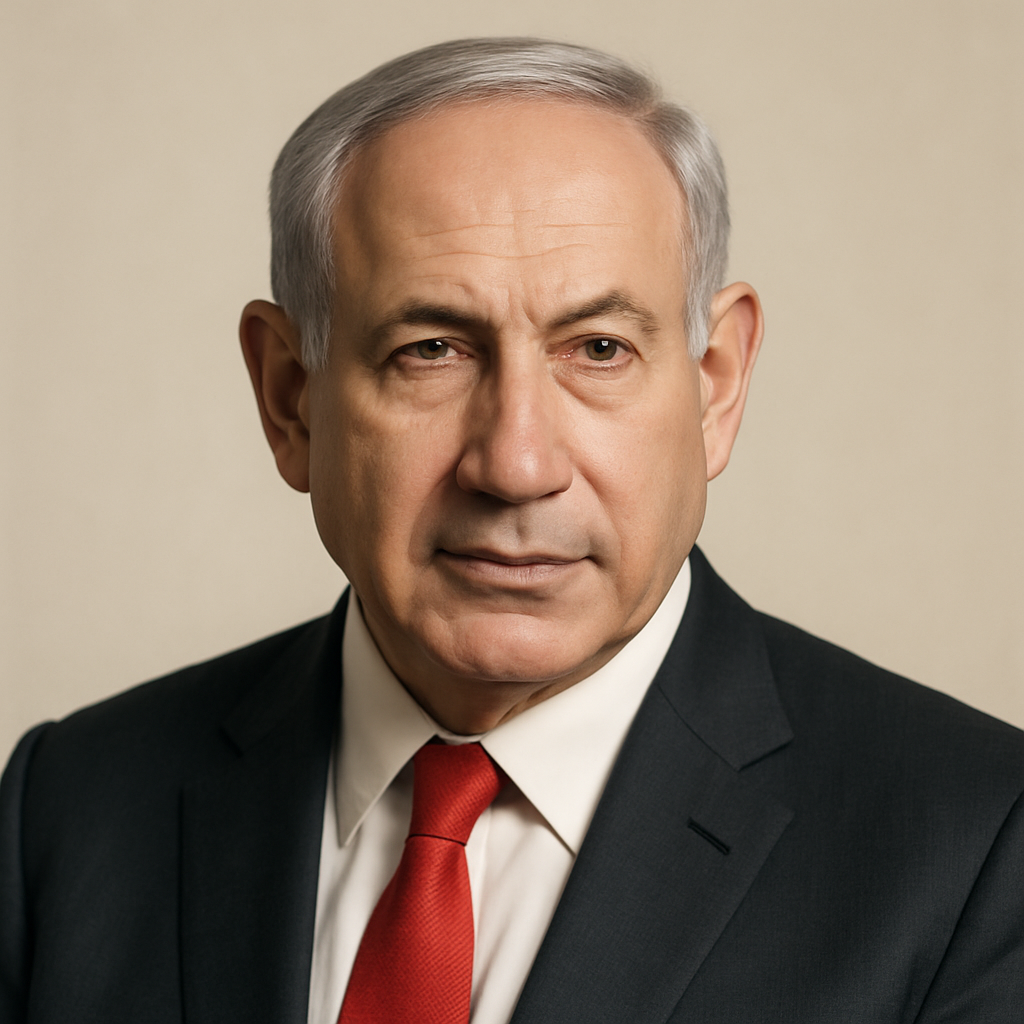
- Netanyahu addressed Israeli citizens on July 9, 2020, outlining COVID-19 health restrictions and a new economic safety net plan amid rising infection rates.
- Main themes
- COVID-19 pandemic response, economic relief measures, public health guidelines, unemployment benefits, lockdown prevention, mask wearing, social gathering restrictions, support for self-employed workers, economic safety net, Haredi community outreach, bureaucratic reform, personal responsibility
- Duration
- ~11 min
- Words
- 1,260
- Sentences
- 66
- Readability
- 53
- Grade
- 10.7
- Syntax
- 3.03
- Vocabulary
- 2.15
Translated from Arabic
The broad sphere of national life a sentence belongs to. Every sentence has an Arena, so it is the denominator the other indices are read against.
Other66 sentences in 6 paragraphs
"Why did you initiate the opening?" But we did this not because of them, but because we listened to the distress you have experienced, citizens of Israel, and in order to return as many people as possible to work. I take responsibility for this step, as I take responsibility for correcting it. Therefore, we have now closed social gathering places in enclosed spaces, and we will take further measures if necessary. I would like to address all citizens of Israel, including our dear brothers from the Haredi community, saying that all our decisions are made on a professional and objective basis, based on statistics, stemming from a genuine concern for the health of all citizens of Israel, where our decisions are free from any discrimination against any specific public.
Unfortunately, contrary to the last instructions we issued, I received news that various crowds have randomly initiated large wedding celebrations in villas and private homes instead of halls. I urge you to refrain from that. The pandemic cannot be deceived. We prohibit weddings to avoid funerals. Hold small weddings, and do not gather more than 20 people anywhere. Wear masks, as research has shown that whenever two people wear masks and maintain a distance of two meters from each other, the probability of infection is zero. Therefore, I urge you again, citizens of Israel, to cooperate and wear masks, and maintain distance. If we adhere to health instructions with great care, we will be able to limit the rise in infection rates. But I know that even if we do this, the rise is coming because infections have already occurred, and only after a certain period or several weeks will they perhaps decrease again. We are doing everything we can to avoid imposing a complete lockdown. This is up to all of us. We must show personal responsibility and solidarity. The government will continue to learn lessons, take control measures, expand monitoring, and shorten the time needed to obtain results from coronavirus tests. But remember that following the instructions is the necessary condition for achieving success. This is regarding health matters. Now let me address the economic issue and the economic safety net for the coming year, for you, citizens of Israel. I am listening to your concerns. I hear the noise. I talk to you via Zoom and face-to-face. I have candid, genuine, and insightful conversations with you. I am determined to find solutions. I keep in mind the restaurant owner, the taxi driver, the falafel seller, the barber and the plastic surgeon, the theater staff and artists, the businesswomen and business owners, the managers and workers. I work day and night for you.
Since the beginning of the crisis, we have proposed various plans for economic assistance. We expanded eligibility for unemployment benefits and provided incentives to return to work, as well as allocated extensive grants and many loans as well. We have made tremendous efforts to overcome the Israeli bureaucratic procedures. Believe me, it is like wrestling with a heavyweight, even a sumo battle. I know that the last few weeks have been marked by some disruptions and delays, which are due to the severe labor pains associated with the previous plans we proposed, and to the chronic bureaucracy present in the system. Some delays are still present. Therefore, I instructed, along with the Minister of Finance yesterday, the Tax Authority to expedite and increase the advances provided to business owners whose examination procedures have not yet been completed in order to transfer the funds to them as quickly as possible.
Here are the principles we are guided by: First, certainty for the coming year, second, the speed of transferring funds, and third, I want you to hear me because I know you are looking at this – an immediate grant for self-employed workers. People are waiting to receive the funds, and therefore we insisted on providing an immediate grant for self-employed workers. I will elaborate on this shortly. What is required now is to present a follow-up plan that provides economic certainty for the coming year, and for the next 12 months, and transfers funds quickly to accounts. It is a safety net for all citizens of Israel. I want each and every one of you to know that the state will do everything in its power to alleviate economic distress. I will outline the main points of the new plan, where Minister of Finance Israel Katz will provide more details about it later. The first component is the safety net for wage workers, whether unemployed or placed on unpaid leave. Through the plan we will present to the government next week for approval, you will receive unemployment benefits until the end of June 2021. This means we are extending eligibility for unemployment benefits, and the validity of all the facilitation measures we have provided since the beginning of the crisis. It is very important to note that all of this will remain in effect until unemployment rates fall below 10%. We hope to achieve that, as we are working to make it happen.
The second component is the safety net for the coming year, whether for self-employed workers or business owners who were harmed by the coronavirus. First, as I said earlier, I instructed to provide an immediate grant, which will reach your bank accounts by next week. We also had to overcome some almost impossible bureaucratic obstacles in this matter. We had to summon the head of computing, the head of income tax, the legal advisors of the Ministry of Finance, the officials of the Ministry of Finance and the National Insurance Institute and gather them in one room so that we could ultimately overcome it. Next week we will provide advances of up to 7,500 shekels for those people we assisted at the beginning of May without conducting new calculations, or new programming or new conditions. It is the immediate payment you see here. The Minister of Finance will address the rest of the entitlements for self-employed workers and business owners for the upcoming period of this year. The third component of the new plan is the additional safety net for businesses during the coming year. Businesses that were harmed, with an annual turnover of up to 300,000 new shekels, will receive a grant of up to 6,000 new shekels once every two months. Meanwhile, larger businesses that were harmed, with an annual turnover between 300,000 new shekels and 100 million new shekels, will receive support in financing their ongoing expenses, which may reach up to 500,000 new shekels once every two months. However, the amounts of support depend, as you know, on the extent of the damages incurred by the business, of course.
In addition, we will present more decisions to the government for approval next week, such as canceling the need to renew the business license during the coming year, and the dramatic increase in loans guaranteed by the state and under improved conditions. If necessary, we will present more plans in the coming weeks. We are talking about this. In both the economic and health fields. We can do this and invest these huge amounts of money because the Israeli economy is very strong. It has earned its good reputation thanks to the reforms we initiated and the unique development we have achieved. I am very proud of that, but it allows us the ability to provide loans at a very low-interest rate. Stanley Fischer, the economist who served as the Governor of the Bank of Israel, told me yesterday that
The original Arabic. The tags above are read on the English translation's sentences.
لماذا بادرتم إلى الفتح؟". لكننا قمنا بذلك ليس بسببهم، وإنما بسبب إصغائنا للضيق الذي عشتموه، مواطني إسرائيل، وفي سبيل إعادة أكبر قدر ممكن من الأشخاص إلى العمل. إنني أتحمل المسؤولية عن هذه الخطوة، كما أتحمل المسؤولية عن تصحيحها. لذا قمنا الآن بإغلاق أماكن التجمعات الاجتماعية في الفضاءات المغلقة، وسنتخذ مزيدًا من الإجراءات إذا لزم الأمر. أود مخاطبة جميع مواطني إسرائيل، بمن فيهم أشقائنا الأعزاء من أبناء مجتمع الحريديم، قائلاً إن كافة قراراتنا يتم اتخاذها على أساس مهني وموضوعي، وبناءً على الإحصائيات، انطلاقًا من الحرص الحقيقي على صحة جميع مواطني إسرائيل، حيث لا يشوب القرارات الصادرة عنا أي تمييز بحق جمهور معيّن.
للأسف، وخلافًا لآخر التعليمات التي أصدرناها وردني خبر أن جماهير مختلفة بادرت بصورة عشوائية إلى إقامة حفلات الزفاف الكبيرة في الفيلات والمنازل الخاصة بدلاً من القاعات. أناشدكم الامتناع عن ذلك. لا يمكن خداع الوباء. إننا نحظر حفلات الزفاف لتجنب الجنازات. أقيموا الأعراس الصغيرة، ولا تتجمهروا بعدد يتجاوز 20 شخصًا في أي مكان. وضعوا الكمامات فقد أثبتت الأبحاث أنه كلما وضع شخصان الكمامات وحافظا على مسافة مترين بين بعضهما البعض فبلغ احتمال الإصابة الصفر. لذا أناشدكم مجددًا، مواطني إسرائيل، للتعاون ووضع الكمامات، والحفاظ على المسافة. فإذا التزمنا بالتعليمات الصحية بكل حرص، سنتمكن من الحد من ارتفاع معدلات الإصابة. لكنني أدري أنه حتى إذا قمنا بذلك فإن الارتفاع آتٍ نظرًا لأن الإصابات قد وقعت بالفعل وفقط بعد مرور فترة معيّنة أو عدة أسابيع ربما ستنخفض من جديد. إننا نبذل كل ما بوسعنا لتجنب فرض إغلاق كامل. وهذا منوط بنا جميعًا. فيتعين علينا التحلي بالمسؤولية الشخصية وبالتكافل. ستواصل الحكومة الاستفادة من الدروس، واتخاذ إجراءات التحكم، وبسط المراقبة، وتقصير الفترة اللازمة للحصول على نتائج فحوصات تشخيص الإصابة بالكورونا. لكن تذكروا أن اتباع التعليمات هو الشرط الضروري لتحقيق النجاح. هذا فيما يخص موضوع الصحة. الآن دعوني أتطرق إلى الموضوع الاقتصادي وإلى شبكة الأمان الاقتصادية للعام المقبل، لأجلكم مواطني إسرائيل. إنني أصغي إلى شواغلكم. وأسمع الزعيق. وأتحدث معكم عبر الزوم ووجهًا لوجه. وأجري محادثات صريحة، وحقيقية وثاقبة معكم. إنني مصمم على إيجاد حلول. وأضع نصب عينيّ صاحب المطعم، وسائق السيارة الأجرة، وبائع الفلافل، والحلاق وجراحة التجميل، وموظفي المسارح والفنانين والفنانات، وصاحبات المصالح التجارية وأصحاب المصلحة التجارية، والمدراء والعمال. حيث أعمل ليل نهار من أجلكم.
منذ بداية الأزمة طرحنا خطط مختلفة للمساعدة الاقتصادية. ووسعنا استحقاق الحصول على مخصصات البطالة وقدمنا التحفيزات للعودة إلى العمل كما خصصنا المنح الواسعة النطاق، والعديد من القروض أيضًا. وقد بذلنا مساعي ضخمة من أجل التغلب على الإجراءات البيروقراطية الإسرائيلية. صدقوني أنها بمثابة المصارعة بالوزن الثقيل، بل معركة سومو. أعرف أن الأسابيع الأخيرة تخللها بعض الأعطال والتأخيرات، التي عادت إلى المخاض الشديد الذي ارتبط بالخطط السابقة التي طرحناها، وإلى البيروقراطية المزمنة الموجودة في النظام. بعض التأخيرات ما زالت حاضرة. وبالتالي فقد أوعزت مع وزير المالية أمس إلى سلطة الضرائب بتعجيل وزيادة السلفيات المقدمة لأصحاب المصالح التجارية الذين لم تُستكمل إجراءات الفحص بشأنهم بعدُ بغية تحويل الأموال إليهم بأسرع وفت ممكن.
وإليكم المبادئ التي نسترشد بها: أول شيء اليقين للعام المقبل، وسرعة تحويل الأموال، وثالثًا أودّ أن تسمعوني لأنني أعرف أنكم تنظرون إلى ذلك – منحة فورية للعمال المستقلين. الأشخاص في انتظار الحصول على الأموال، ولذا أصررنا على تقديم منحة فورية للعمال المستقلين. وسأشير إلى ذلك باستفاضة بعد قليل. أي أن الأمر المطلوب الآن هو طرح خطة متابعة، تمنح اليقين الاقتصادي للعام المقبل، وللـ 12 شهرًا القادمة، وتنقل الأموال سريعًا إلى الحساب. إنها شبكة أمان لجميع مواطني إسرائيل. وأودّ أن كل واحد وواحدة منكم ستعرفون أن الدولة ستبذل كل ما بوسعها من أجل التخفيف من الضيق الاقتصادي. سأطرح النقاط الرئيسية للخطة الجديدة حيث سيقدم وزير المالية يسرائيل كاتس مزيدًا من التفاصيل حولها لاحقًا. المكون الأول هو شبكة الأمان للعمال الأجيرين، سواء العاطلين عن العمل أو الذين تمت إحالتهم إلى إجازة غير مدفوعة الأجر. من خلال الخطة التي سنرفعها للحكومة خلال الأسبوع القادم لتتم المصادقة عليها فإنكم ستحصلون على مخصصات البطالة حتى نهاية شهر يونيو 2021. بمعنى أننا نمدد استحقاق الحصول على مخصصات البطالة، وسريان مفعول كافة التسهيلات التي أتحناه منذ بداية الأزمة. وفي غاية الأهمية الإشارة إلى أن كل ذلك سيكون ساري المفعول حتى تنخفض معدلات البطالة إلى ما دون الـ 10%. ونأمل بلوغ ذلك، كما نعمل على إنجازه.
أما المكوّن الثاني فهو شبكة الأمان للعام المقبل، سواء للعمال المستقلين أو أصحاب المصالح الذين تضرروا بالكورونا. أولاً وكما قلت سابقًا لقد أوعزت بتقديم منحة فورية، والتي ستصل حساب البنك الخاص بكم بحلول الأسبوع القادم. وقد اضطررنا في هذه المسألة أيضًا إلى التغلب على بعض العقبات البيروقراطية شبه المستحيلة. وكنا قد اضطررنا لاستدعاء المسؤولة عن الحوسبة، والمسؤول عن ضريبة الدخل، والمستشارين القضائيين لوزارة المالية، ومسؤولي وزارة المالية ومؤسسة التأمين الوطني وجمعهم في غرفة واحدة لنتمكن في نهاية المطاف من تجاوزها. خلال الأسبوع المقبل سنقدم السلفيات بقدر لا يتجاوز 7500 شيكل لأولئك الأشخاص الذين ساعدناهم في بداية شهر مايو بدون القيام بعمليات حساب جديدة، أو برمجة جديدة أو شروط جديدة. إنها الدفعة الفورية التي تشاهدونها هنا. سيتطرق وزير المالية إلى بقية المستحقات للعمال المستقلين وأصحاب المصالح التجارية للفترة المقبلة من هذا العام. المكون الثالث من الخطة الجديدة هو شبكة الأمان الإضافية للمصالح التجارية خلال العام المقبل. حيث ستحصل المصالح التجارية التي تضررت، ذات دورة سنوية قدرها حتى 300 ألف شيكل جديد، على منحة بواقع حتى 6,000 شيكل جديد مرة واحدة كل شهرين. بينما ستحصل المصالح التجارية الأكبر حجمًا التي تضررت، ذات دورة سنوية تبلغ بين 300 ألف شيكل جديد و100 مليون شيكل جديد على دعم في تمويل نفقاتها الدائمة، والذي قد يبلغ حتى 500 ألف شيكل جديد مرة واحدة كل شهرين. إلا أن مبالغ الدعم تعتمد، كما تعلمون، على حجم الأضرار التي تكبدتها المصلحة التجارية طبعًا.
ما عدا ذلك سنطرح في الأسبوع القادم مزيدًا من القرارات على الحكومة لتتم المصادقة عليها، مثل إلغاء الحاجة إلى تجديد رخصة المصلحة التجارية خلال العام المقبل، والزيادة الدراماتيكية في القروض بكفالة الدولة وحسب شروط محسنة. وإذا لزم الأمر فسنطرح مزيدًا من الخطط خلال الأسابيع القليلة المقبلة. نحن نتحدث عن ذلك. في مجال الاقتصاد ومجال الصحة على حد سواء. يمكننا القيام بذلك واستثمار هذه المبالغ المالية الطائلة لأن الاقتصاد الإسرائيلي متين للغاية. وقد نال سمعته الجيدة بفضل الإصلاحات التي بادرنا إليها والتنمية الفريدة التي حققناها. إنني أفتخر بذلك كثيرًا، لكن يتيح لنا ذلك القدرة على توفير قروض مقابل مستوى فائدة منخفض جدًا. وقال لي ستانلي فيشير، رجل الاقتصاد الذي شغل منصب محافظ بنك إسرائيل، أمس إنه