




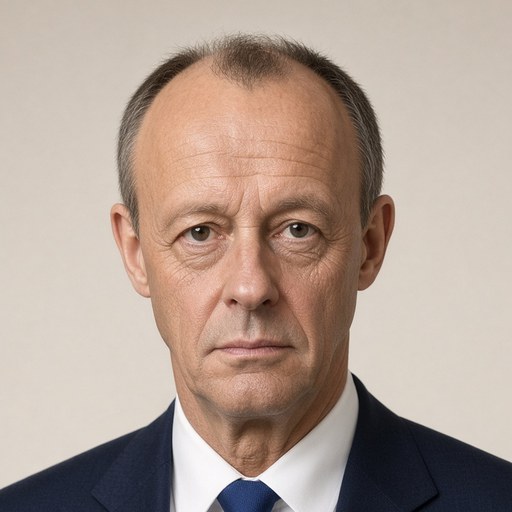
Address by the Federal Chancellor on the occasion of the award of the Great Stutenkerl "This is a piece of German culture": Merz honors the baking craft.
 Friedrich Merz · Chancellor of Germany
- Context
- Merz addressed baking trade representatives in Dortmund on January 18, 2026, upon receiving the Great Stutenkerl award honoring German baking culture.
- Main themes
- German baking craft and cultural heritage, small and medium-sized enterprises, German resilience and post-war reconstruction, optimism for 2026, global order transformation, labor market and social security reform, Ruhr area identity and immigration history, work ethic and craftsmanship, regulatory framework for businesses
- Duration
- ~13 min
- Words
- 1,601
- Sentences
- 98
- Readability
- 67
- Grade
- 8.1
- Syntax
- 2.75
- Vocabulary
- 2.01
Translated from German
The broad sphere of national life a sentence belongs to. Every sentence has an Arena, so it is the denominator the other indices are read against.
Other98 sentences in 34 paragraphs
Ladies and gentlemen,
dear Mr. Hinkelmann,
Mr. von Polheim,
Mr. Bartilla,
Mr. Funke,
Mr. Ermer,
Mr. Uhlig,
dear Aki Watzke,
ladies and gentlemen from the baking trade,
thank you very much for the warm welcome and the very kind greeting this morning here in Dortmund. I am very pleased that we have the opportunity to celebrate the award together, albeit a bit late. I appreciate that and I am very happy about it. Even though the Advent and Christmas season is already behind us, it is still a good opportunity to celebrate the presentation of the Great Stutenkerl this morning together.
I gladly and gratefully accept this award because it corresponds to my political thinking that we are a country that does not only live from large industry, but at least as much from small and medium-sized enterprises, crafts, owner-managed businesses, and companies that take initiative. I mentioned this in our little preliminary conversation this morning: I do not often have the opportunity to go to a bakery myself – I usually do this by bicycle – but when I do have that opportunity, I always feel a deep respect for what you do in these craft businesses: getting up early in the morning, baking bread, baking cakes, and then being ready with fresh baked goods, fresh bread, as early as seven or even earlier, to provide the population with this basic food.
I want to take this opportunity to sincerely thank you, especially those of you sitting here in white jackets, for the work you do for all of us in our country. You embody a piece of German culture. Thank you very much for that.
Even though it is already January 16, I do not want to miss the opportunity to wish you all a good course of the year 2026. It is a year that, at least for me – I suspect for many of you as well – has felt like it began just a few hours after the turn of the year with the events we see in the world, which occupy us, which weigh on us, but with which we must deal, which we must solve, and which we can also solve. So I enter this new year 2026 with the firm belief that many challenges await us, but that most of the tasks that need to be solved are also in our hands. This concerns the everyday matters of life, the work in our companies, the challenges we face in the labor market, the challenges we have in the social security systems, but it also concerns foreign and security policy.
Of course, we are confronted with a fundamental change in the global order, and we will probably only understand in retrospect, in a few years, what is happening out there in the world during these years of 2025 and 2026. But perhaps I can take it with the words of a great Swiss author who once said: Every generation experiences a turning point.
We have not experienced this turning point in Germany – at least in this part of Germany where we live – in the last 80 years. But now it is here. And with that, every generation is affected again, including those like me, Aki, and many others sitting here, who have had the good fortune not to have to experience such a turning point for six, seven, or eight decades. But now it is here. We are witnesses to this profound turning point. But once again: Who says we cannot do it again?
Our parents did not complain either when they faced the reconstruction of the Federal Republic of Germany after the Second World War. They rolled up their sleeves. They got to work. And where do I say this? Right in the heart of the Ruhr area.
We all still remember from history books, from many picture books, what it looked like here, what this Ruhr area looked like: lying on the ground and destroyed. Were they desperate back then? Did they resign? Did they talk about
Work-Life Balance
and a four-day week? Or did they roll up their sleeves and get to work?
That is the mentality we have known from North Rhine-Westphalia, from the Ruhr area, from Westphalia for decades, if not centuries. By the way, this is also something I always say, even outside of North Rhine-Westphalia: The history of this region, where we are, would not have been written without immigration, and not just after the Second World War, but for over 100 years.
By the way, the history of the football clubs would have been written differently as well. The
BVB
– I dare to say the word – and Schalke 04 would not have been the same if it had not been for the football players who came, especially from Eastern Europe.
So the essence of this is: There is no reason for pessimism. There is reason for optimism that we can trust ourselves to solve the challenges of our time together. And these are not just the big questions, but also the everyday questions that we, that you deal with.
Perhaps I may also say this in conclusion in the last part of my short speech: I have said something about crafts, about small and medium-sized enterprises, about family-run businesses. We must significantly improve the framework conditions for these companies. We need to tackle the Working Hours Act. We need to give you the opportunity to work and bake on Sundays in family-run businesses. I cannot understand why you can buy baked goods that are reheated 24 hours a day in every discount store, at every highway rest area, and in every airport, but those who make them from scratch are limited to three or four hours on the weekend. You know how to handle responsibility for yourselves. You know how to handle responsibility for your employees.
By the way, we have now become an employee market. We are missing these skilled workers. And if you do not offer them good working conditions, you will not win them over. Why should we regulate all of this legally? You can do it much better in your businesses. So I really enter this year with some optimism.
However, I want to give two notes to my laudator. The first is: I must indignantly reject the notion that there are dark forces in my party. Such a thing does not exist in the
CDU
of Germany.
The second is: Yes, the times have become faster-paced. How fast-paced they have become, I see in the preparation for a government consultation that we will have this Friday in Rome. My staff have given me the schedule for the first trip of Chancellor Konrad Adenauer in June 1951 to Rome. He stayed in Rome for seven days. Twice, breakfast did not start until 2:30 PM. One time, “Kött” and cylinder hats were required. The trip ended with two free days at the disposal of the Chancellor. Ladies and gentlemen, yes, today’s times are different. I will only be in Rome for one day on Friday.
But I also want to say in conclusion: My commitment within the European Union and also outside the European Union does not serve my unyielding desire to get to know other parts of the world; after all, I know most of them. It serves solely the purpose of ensuring that we here, in the heart of Europe, on a peaceful continent, have the privilege of continuing to live in peace, in freedom, and in prosperity, not only for the last eight decades but also for the next.
This is not possible for a country like the Federal Republic of Germany if we only think we can manage it alone. Based on all the experiences we have had in Germany since the 1950s – and these experiences continue to this day – it can only be done in close coordination with our European partners and friends. I would also like to ask you to do this. Because I am aware of the many partnerships, connections, also from the craft sector, to other countries, to European partner cities and cooperations. It is more necessary than ever that we Germans show that we do not only work for ourselves, but that we also work for ourselves by thinking of others and by strengthening this European Union and keeping it stable in a world that is changing so fundamentally, so that lasting peace, freedom, prosperity, and social security are also possible on our continent. That drives me.
In ten years, when we look back on this decade of the 2020s, we will not be judged by whether the limit line in pension insurance has been maintained until 2031 or 2032. We will be judged by whether we have created the conditions to live in a country of peace, freedom, openness, liberalism, freedom of expression, and not least in a country of prosperity and social peace. Working for that, striving for that, fighting for that should not be left to us, the politicians, alone. It requires a society that is willing to commit to these values. I know I am in a house that follows this thought, also from the historical references. But, ladies and gentlemen, this is a task for everyone and for all every day, also with your employees, also with your friends, with your families. We have no time left for pessimism. We must now move forward with confidence. You are doing that. We are doing that. Let us do it together.
Thank you very much.
The original German. The tags above are read on the English translation's sentences.
Meine Damen und Herren,
sehr geehrter Herr Hinkelmann,
Herr von Polheim,
Herr Bartilla,
Herr Funke,
Herr Ermer,
Herr Uhlig,
lieber Aki Watzke,
meine Damen und Herren aus dem Bäckerhandwerk,
herzlichen Dank für das freundliche Willkommen und die sehr liebenswürdige Begrüßung heute Morgen hier in Dortmund. Ich freue mich sehr, dass wir etwas verspätet Gelegenheit haben, die Auszeichnung miteinander zu feiern. Ich bedanke mich dafür und freue mich sehr darüber. Auch wenn die Advents- und Weihnachtszeit schon zurückliegt, ist es immer noch eine gute Gelegenheit, die Verleihung des Großen Stutenkerls heute Morgen miteinander zu feiern.
Ich nehme diese Auszeichnung gerne und dankbar an, weil sie auch meinem politischen Denken entspricht, dass wir ein Land sind, das nicht nur von großer Industrie lebt, sondern mindestens genauso von Mittelstand, Handwerk, von eigentümergeführten Betrieben, von Unternehmen, die etwas unternehmen. Ich habe das schon in unserem kleinen Vorgespräch heute Morgen gesagt: Ich habe nicht mehr ganz häufig die Gelegenheit, selbst zum Bäcker zu fahren – meistens mache ich das mit dem Fahrrad –, aber wenn ich diese Gelegenheit habe, dann habe ich doch jedes Mal im Inneren Respekt vor dem, was Sie in diesen Handwerksbetrieben leisten: morgens in aller Herrgottsfrühe aufzustehen, Brot zu backen, Kuchen zu backen und dann mit Öffnung schon um sieben oder noch früher mit frischen Backwaren, frischem Brot bereitzustehen, um die Bevölkerung mit diesem Grundlebensmittel zu versorgen.
Ich will die Gelegenheit nutzen, um vor allen Dingen Ihnen, die Sie hier mit weißer Jacke sitzen, einmal ganz herzlich für die Arbeit zu danken, die Sie für uns alle in unserem Lande leisten. Das ist ein Stück deutsche Kultur, die Sie verkörpern. Herzlichen Dank dafür.
Auch wenn wir schon den 16. Januar haben, so will ich es nicht versäumen, Ihnen allen einen guten Verlauf des Jahres 2026 zu wünschen. Es ist ein Jahr, das jedenfalls für mich – ich vermute, für viele von Ihnen auch – gefühlt wenige Stunden nach dem Jahreswechsel wieder mit den Ereignissen begonnen hat, die wir auf der Welt sehen, die uns beschäftigen, die uns auch beschweren, aber mit denen wir umgehen müssen, die wir lösen müssen und die wir auch lösen können. So gehe ich jedenfalls in dieses neue Jahr 2026, in dem sicheren Bewusstsein, dass viele Herausforderungen auf uns warten, aber die meisten Aufgaben, die gelöst werden müssen, auch in unserer Hand liegen. Das betrifft die Alltagsdinge des Lebens, das betrifft die Arbeit in unseren Unternehmen, die wir haben, das betrifft die Herausforderungen, die wir im Arbeitsmarkt haben, die wir in den sozialen Sicherungssystemen haben, aber das betrifft auch die Außen- und Sicherheitspolitik.
Natürlich sind wir mit einer fundamentalen Veränderung der globalen Ordnung konfrontiert, und wir werden wahrscheinlich erst in einigen Jahren in der Rückschau auf diese Jahre 2025 und 2026 wirklich verstehen, was da draußen auf der Welt passiert. Aber vielleicht nehme ich es mal mit den Worten eines großen Schweizer Autors, der einmal gesagt hat: Jede Generation erlebt einen Umbruch.
Wir haben diesen Umbruch in Deutschland – jedenfalls in diesem Teil Deutschlands, in dem wir leben – in den letzten 80 Jahren nicht erlebt. Aber jetzt ist er da. Und damit ist jede Generation wieder betroffen, ebenso diejenigen, die so wie ich, Aki, und viele andere, die hier sitzen, über sechs, sieben, acht Jahrzehnte das Glück gehabt haben, einen solchen Umbruch nicht erleben zu müssen. Aber jetzt ist er da. Wir sind Zeitzeuge dieses tiefen Umbruchs. Aber noch einmal: Wer sagt denn, dass wir das nicht erneut schaffen?
Unsere Eltern haben sich auch nicht beklagt, als sie nach dem Zweiten Weltkrieg vor dem Neuaufbau der Bundesrepublik Deutschland standen. Sie haben angepackt. Sie haben die Ärmel hochgekrempelt. Und wo sage ich das? Mitten im Ruhrgebiet.
Wir alle haben doch noch aus den Geschichtsbüchern, aus vielen Bildbänden in Erinnerung, wie es hier aussah, wie dieses Ruhrgebiet aussah: am Boden gelegen und zerstört. Waren sie damals verzweifelt? Haben sie damals resigniert? Haben sie über
Work-Life-Balance
und Vier-Tage-Woche gesprochen? Oder haben sie die Ärmel hochgekrempelt und angepackt?
Das ist doch die Mentalität, die wir aus Nordrhein-Westfalen, aus dem Ruhrgebiet, aus Westfalen seit Jahrzehnten, wenn nicht seit Jahrhunderten kennen. Übrigens ist auch das etwas, was ich immer wieder sage, auch außerhalb des Landes Nordrhein-Westfalen: Die Geschichte dieser Region, in der wir hier sind, wäre ohne Einwanderung nicht so geschrieben worden, und zwar nicht erst nach dem Zweiten Weltkrieg, sondern schon seit über 100 Jahren.
Übrigens wäre auch die Geschichte der Fußballvereine anders geschrieben worden. Der
BVB
– ich nehme das Wort in den Mund – und auch Schalke 04 wären nicht so gewesen, wenn es nicht die Fußballspieler gegeben hätte, die insbesondere aus Osteuropa gekommen sind.
Also die Quintessenz daraus: Es gibt keinen Grund für Pessimismus. Es gibt Grund für Zuversicht, dass wir es uns zutrauen können, die Herausforderungen unserer Zeit gemeinsam zu lösen. Und das sind nicht nur die großen Fragen, sondern es sind auch die Fragen des Alltags, mit denen wir uns, mit denen Sie sich beschäftigen.
Vielleicht darf ich auch das abschließend im letzten Teil meiner kurzen Rede sagen: Ich habe etwas zum Handwerk, zum Mittelstand, zu den familiengeführten Unternehmen gesagt. Wir müssen die Rahmenbedingungen für diese Unternehmen deutlich verbessern. Wir müssen das Arbeitszeitgesetz anpacken. Wir müssen Ihnen die Möglichkeit geben, auch in den familiengeführten Betrieben sonntags zu arbeiten und zu backen. Ich kann nicht nachvollziehen, warum man in jedem Discounter, an jeder Autobahnraststätte und in jedem Flughafen 24 Stunden am Tag Backwaren kaufen kann, die aufgebacken werden, aber diejenigen, die es noch im Original machen, auf drei oder vier Stunden am Wochenende beschränkt sind. Sie wissen, mit sich selbst verantwortungsvoll umzugehen. Sie wissen, mit Ihren Mitarbeiterinnen und Mitarbeitern verantwortungsvoll umzugehen.
Wir sind im Übrigen mittlerweile ein Arbeitnehmermarkt geworden. Es fehlen uns diese Fachkräfte. Und wenn Sie denen nicht gute Arbeitsbedingungen anbieten, dann werden Sie sie nicht gewinnen. Warum sollen wir das alles gesetzlich regeln? Das können Sie in Ihren Betrieben viel besser. So gehe ich wirklich mit einiger Zuversicht in dieses Jahr.
Ich will allerdings zwei Hinweise an meinen Laudator geben. Das eine ist: Ich muss mit Empörung zurückweisen, dass es in meiner Partei finstere Mächte gibt. So etwas gibt es in der
CDU
Deutschlands nicht.
Das Zweite ist: Ja, die Zeit ist schnelllebiger geworden. Wie schnelllebiger sie geworden ist, das sehe ich an der Vorbereitung einer Regierungskonsultation, die wir am Freitag dieser Woche in Rom haben werden. Meine Mitarbeiterinnen und Mitarbeiter haben mir den Ablaufplan für die erste Reise des Bundeskanzlers Konrad Adenauer im Juni 1951 nach Rom gegeben. Er ist sieben Tage in Rom geblieben. Zweimal fing das Frühstück erst um 14.30 Uhr an. Das eine Mal waren „Kött“ und Zylinder vorgeschrieben. Die Reise endete mit zwei freien Tagen zur Disposition des Herrn Bundeskanzlers. Meine Damen und Herren, ja, die Zeit heute ist eine andere. Ich werde am Freitag nur einen Tag in Rom sein.
Aber auch dies will ich abschließend sagen: Mein Engagement innerhalb der Europäischen Union und auch außerhalb der Europäischen Union bedient nicht meinen unbedingten Willen, noch andere Teile der Welt kennenzulernen; die meisten kenne ich schließlich. Es dient einzig und allein dem Zweck, dafür zu sorgen, dass wir hier, in der Mitte Europas, auf einem friedvollen Kontinent das Privileg haben, weiter in Frieden, in Freiheit und in Wohlstand zu leben, und zwar nicht nur die letzten acht Jahrzehnte, sondern auch die nächsten.
Das geht für ein Land wie die Bundesrepublik Deutschland nicht, wenn wir nur alleine meinen, es bewältigen zu können. Das geht nach allen Erfahrungen, die wir seit den 1950er-Jahren in Deutschland gemacht haben – und es sind diese Erfahrungen bis zum heutigen Tag –, nur in enger Abstimmung mit unseren europäischen Partnern und Freunden. Das möchte ich auch Sie bitten zu tun. Denn ich weiß um vielfältige Partnerschaften, Verbindungen, auch aus dem Handwerk heraus, in andere Länder, in europäische Partnerstädte und Kooperationen. Es ist notwendiger denn je, dass wir Deutsche zeigen, dass wir nicht nur für uns selbst arbeiten, sondern dass wir auch für uns selbst arbeiten, indem wir für andere mitdenken und indem wir diese Europäische Union stärken und sie in einer Welt, die sich so fundamental verändert, so stabil halten, dass auf Dauer Friede, Freiheit, Wohlstand, soziale Sicherheit auch auf unserem Kontinent möglich sind. Das treibt mich an.
Wir werden in zehn Jahren in der Rückschau auf diese 20er-Jahre nicht danach beurteilt, ob die Haltelinie in der Rentenversicherung bis zum Jahr 2031 oder bis zum Jahr 2032 gehalten hat. Wir werden danach beurteilt, ob wir die Voraussetzungen dafür geschaffen haben, in einem Land des Friedens, der Freiheit, der Offenheit, der Liberalität, der Meinungsfreiheit und nicht zuletzt in einem Land des Wohlstandes und des sozialen Friedens zu leben. Dafür zu arbeiten, dafür sich anzustrengen, dafür zu kämpfen, das sollten Sie bitte nicht allein uns, der Politik, überlassen. Das erfordert eine Gesellschaft, die bereit ist, sich für diese Werte einzusetzen. Ich weiß mich hier in einem Haus, das diesem Gedanken folgt, auch aus den geschichtlichen, historischen Bezügen heraus. Aber, meine Damen und Herren, das ist eine Aufgabe von jedem und von allen an jedem Tag, auch mit Ihren Belegschaften, auch mit Ihren Freunden, mit Ihren Familien. Für Pessimismus haben wir keine Zeit mehr. Wir müssen jetzt mit Zuversicht den Weg nach vorne gehen. Sie tun das. Wir tun das. Lassen Sie uns das gemeinsam tun.
Herzlichen Dank.