




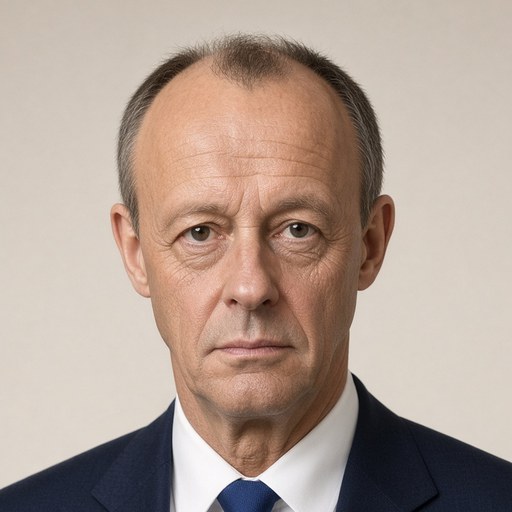
Speech by the Chancellor at the New Year's Reception of the IHK Halle-Dessau and the Chamber of Crafts Halle More performance, less bureaucracy in business and the middle class
 Friedrich Merz · Chancellor of Germany
- Context
- Merz addressed the New Year's reception of IHK Halle-Dessau and the Chamber of Crafts Halle in January 2026, focusing on economic performance and deregulation.
- Main themes
- Bureaucracy reduction, middle class and SME support, economic transformation, German federalism, regional development of Saxony-Anhalt, business confidence, Western alliance and security, political transition in Saxony-Anhalt, German unity legacy, global order challenges
- Duration
- ~34 min
- Words
- 4,107
- Sentences
- 184
- Readability
- 55
- Grade
- 11.0
- Syntax
- 3.10
- Vocabulary
- 1.96
Translated from German
The broad sphere of national life a sentence belongs to. Every sentence has an Arena, so it is the denominator the other indices are read against.
Other184 sentences in 53 paragraphs
Dear Prime Minister, dear Reiner Haseloff,
dear Minister, dear Sven Schulze,
Ministers of the State Cabinet in Saxony-Anhalt,
dear colleagues from the German Bundestag and the State Parliament of Saxony-Anhalt, but above all, dear Mr. President of the
IHK
Halle-Dessau, dear Mr. Gläßer,
Mr. President of the Chamber of Crafts Halle, dear Mr. Keindorf, ladies and gentlemen, first of all, I wish you all a good year 2026! This year is already two weeks old, and it begins more turbulently than the past year ended. But before I address that, let me say two things.
First: I wish you personally, but also in your companies, a good year 2026. I wish you and your families happiness and health! Enter this year 2026 with confidence!
Dear Reiner Haseloff, this is not the right place to say goodbye. But I want to say it here: I also thank you for many years of intensive, good personal collaboration, not only in the years since I returned to politics but also in the years before. Because during that time, we have jointly initiated many projects in Saxony-Anhalt. I have been here several times during the years when you were still Minister of Economics and then became Prime Minister, also for professional reasons, and I say it as I feel it: I find it hard to say goodbye. You have been a reliable partner, not least in leading our joint party. I sincerely thank you for what you have done for Germany, for what you have done for Saxony-Anhalt. I also want to personally thank you for the friendship that has developed from this. I will miss you.
To you, dear Sven Schulze, I wish a smooth transition to the office of Prime Minister of Saxony-Anhalt! To good cooperation in the federal state of the Federal Republic of Germany!
Ladies and gentlemen, the Prime Ministers never tire of pointing out that the Federal Republic of Germany was founded by the states and consists of the states. I say this with the utmost respect. Because it is a great strength of our country that this federal structure, this good cooperation between the federal government and the states, between the states and the federal government has become such a pillar of our democratic state over the years and decades. To you too, dear Sven, to good cooperation in the role you are to take on in two weeks in Saxony-Anhalt!
Now you, Mr. President Gläßer, and you, Mr. Keindorf, have pointed out: Indeed, I have been to Saxony-Anhalt several times in recent months, also multiple times in Halle. Therefore, I would like to begin my short speech this evening by saying and repeating what I said during my visit to Halle in November. It was the invitation of your Prime Minister to conduct my visit to Saxony-Anhalt not in the capital Magdeburg, but here in Halle. I said back then and repeat it here: This region here, Halle, Dessau, southern Saxony-Anhalt, is a powerhouse in the heart of Germany.
Thank you very much, Mr. Gläßer, for once again emphatically pointing out what you have achieved in this region over the last 35 years. Ladies and gentlemen, it is truly a great achievement, and it is the merit of the people, it is the merit of the workers, and it is the merit of the entrepreneurs; it is above all the great merit of the middle class, of the craft businesses, of the industrial companies, of the medium-sized, owner-managed businesses, that in 35 years of German unity, what we all see here today in this region, especially in this region, could come to be. Simply heartfelt thanks for what you have achieved! Thank you very much, Mr. President, for speaking so positively about it!
But not only this region, not only Saxony-Anhalt, southern Saxony-Anhalt, Halle, Dessau, but all of Germany, ladies and gentlemen, is undergoing another profound transformation. We all feel that a tremendous economic change is taking place. This is happening amidst a deep transformation of the global order worldwide. Many are starting the year 2026 with doubts, fears, and concerns about the peace and freedom of our country. Therefore, let me say something about this right at the beginning.
This challenge occupies my mind as well. I also face it with some worries. But I have the firm conviction that the strength both in our country and in the European Union, and not least in NATO, this Western defense alliance, which has always been more than just a military alliance – it has always also been, and above all, a community of values of the West; and this West was not meant geographically, but normatively – is sufficient to meet the challenges we have been facing for some time now. In any case, I have great confidence that all our efforts, which we undertake together, to maintain peace, to preserve freedom, to enable economic prosperity, and to ensure social security for the coming years and decades will ultimately be successful. You contribute to this, also with your confidence in your companies, and, ladies and gentlemen, we in politics want to contribute and do our part.
Let me also say this very clearly: Yes, we all know that we face great challenges. But let us be honest with each other! We have already mastered challenges of at least the same magnitude in Germany. After the Second World War, after reunification, the Germans have always shown: They rise to their best form precisely when it is necessary, when the challenges are particularly great, when efforts are particularly required, and that is exactly where we stand today. In any case, we in the federal government have worked hard in recent months to improve both the defense capability of our country and, above all, the competitiveness of our economy. These remain the most important tasks for this year and perhaps also for the time beyond: to maintain our will to defend our country, our freedom, our democracy against all enemies from outside and from within.
To defend means, ladies and gentlemen, also to make efforts to maintain our military defense capability and to regain it where it has been lost. I repeat this sentence over and over again: We want to be able to defend ourselves so that we do not have to defend ourselves.
That was right. That has allowed us in the West 75 years of peace and freedom. The firm integration into the European Union has created the trust that made German unity under these conditions – to become and remain a member of the European Union, a member of NATO – possible in the first place. I stand today as Chancellor on exactly this foundation of great trust. I would not be where I currently am in the European Union, I would not have the trust of so many colleagues in the European Council and beyond this European Union, if I were not standing on this foundation laid by Konrad Adenauer and Helmut Kohl, who always believed that Germany must have its firm place in the midst of the peaceful peoples of this world and that Germany must always be ready to live together with European neighbors in the best understanding, in peace and in freedom. Ladies and gentlemen, this is for me a great encouragement and motivation to continue this task not only in Germany but for all of us in our best common interest in the European Union and beyond. When much is being said today about foreign policy and necessarily about defense policy, it is always about ensuring all possibilities for our economy to grow, to be stable, and to enable prosperity and social security in the long term.
You may have noticed: I returned last night from a very successful two-day visit to India. Ladies and gentlemen, this country with 1.4 billion inhabitants looks at the world and sees Germany and wants to work closely with us in high technology, in nanotechnology, in the field of IT development, in the whole area we currently see with quantum computing and artificial intelligence.
But there are also many young Indians who want to come to Germany and work here. I said there yesterday exactly what I repeat here today: Yes, we want and we must push back irregular migration, and we are on a good path in the federal government. We have already halved the numbers by the end of 2025. But we want and we must also remain a country that welcomes people from other countries of the world if they want to live and work in Germany and contribute to our prosperity in our country. These are two sides of the same coin that belong together for immigration and migration, ladies and gentlemen.
We all know that the situation of the German economy at the beginning of the year 2026 is very critical in many areas. I am the last one to deny that. However, we also see that there are first signs of hope for the year 2026. Let me simply name a few:
The inflation rate at the end of 2025 has fallen to below two percent. The great fear of the people of the devaluation of their money, their assets has thus become unfounded again.
We see that a large number of young companies are being founded. The number of start-up companies newly founded in 2025 was one-third higher than in the previous year.
We see that orders in the industry, down to the medium-sized sector, have significantly increased in November and December.
We see that there are new jobs in new companies. But we also see that jobs in traditional industries are at risk. It is precisely at this point that we are focusing on what we are doing. We know that the competitiveness of our economy is not where it should be. We know that we have missed some things together in our country over the last few years, perhaps decades. We are now catching up on that. Some things take time. However, we have already implemented some measures at the turn of the year 2025/2026.
We are lowering energy prices. The burden of energy prices in 2026 will be around ten billion euros lower than in 2025. We just received the news this morning in Berlin that the
EU
Commission will approve the power plant strategy, the electricity price compensation, and the industrial electricity price on a large scale. The combination of several options will also be approved by the European Commission. This must be approved because we are providing substantial subsidies for reducing industrial electricity prices, for electricity price compensation. The gas storage levy has also been abolished and will be financed from the federal budget in the future.
All of this, ladies and gentlemen, are the first steps of many that will follow and must follow. Therefore, I want to briefly touch on four major areas where we need solutions.
The first is: We need solutions for our very high energy costs. In the long run, we cannot subsidize them from tax revenues. We need energy generation capacities. Dear Reiner Haseloff, thank you for the insights you provided regarding self-sufficiency in Saxony-Anhalt! If you allow, I would be happy to pass them on to the relevant person. He will be very pleased about it. Because in the south of our country, not in the south of Saxony-Anhalt, but in the south of the Federal Republic of Germany, the biggest problems with energy supply are arising.
We know that we must tackle the issue of bureaucratic costs decisively, and, ladies and gentlemen, we have made the first decisions. The relief from bureaucracy, from reporting obligations, from supply chain due diligence obligations at the European and national levels has been decided. Just before Christmas, we initiated a planning acceleration law and brought it into parliamentary discussions.
You may remember the images. In my other home, in South Westphalia, a large highway bridge was spectacularly closed just before Christmas four years ago. Six months later, it was blown up because it was no longer passable. Ladies and gentlemen, two days before Christmas, after a construction period of three years, on the A
We celebrated the new construction and reopening of this bridge on the A45, the so-called Sauerland Line. I said it there and I repeat it here: What was possible in three years with this highway bridge, which is one of the most important north-south connections in the entire Rhine-Ruhr area, between the Ruhr area and the Rhine-Main area, should become a permanent state and a regular experience in Germany with the rapid expansion of our infrastructure. The money is there, and we will now also create the necessary planning conditions for it.
Let me put it this way: What you were able to do 35 years ago with the Traffic Route Planning Acceleration Act in the East, we should have maintained for all of Germany instead of abolishing it in East Germany. We are now doing something quite similar with the Planning Acceleration Act as we did 35 years ago in the East, but this time for all of Germany, so that it finally goes faster and with less bureaucracy than in recent years.
In any case, this bureaucracy is one of the essential reasons why our economy is so sluggish, why processes take so long, and why many investments take so long to materialize.
At this point, I would like to address the European Union. Ladies and gentlemen, I myself was a member of this European Parliament for five years. My entire thinking and feeling is European. I know what this European Union can do. But I also know what it cannot do. Just as we launched the European internal market 30 years ago, which came into force on January 1, 1993, that was not the intention. We wanted an open space of freedom for the movement of capital, the movement of goods, the free movement of people, and the freedom to provide services, not an over-regulated Europe that uses the internal market as an excuse to burden every aspect of life, every investment, every company, every process that takes place somewhere with excessive European regulation. That must stop!
That is why I am so committed at the European level. On February 12, we will have a special council of European heads of state and government in Brussels, where, at my urging, we will only deal with the question of how we can sustainably strengthen and improve the competitiveness of the European economy and thus also the German economy, so that we can overcome this weakness in growth in our economy. This cannot be done solely in Germany. We cannot decide this only in Germany in the German Bundestag. The European Union must also decide this. I am firmly determined to continue on this path so that we can ensure in Brussels and Strasbourg that the old idea of free movement in the European Union is revived and that the excess of European regulation is stopped and rolled back, ladies and gentlemen.
In this context, I would like to make a recommendation. If Sven Schulze becomes Minister-President in two weeks, he will be one of the few Minister-Presidents – if I see it correctly, Sven will even be the only one – who brings this European experience to his office as Minister-President. From day one, Sven Schulze will be one of the Minister-Presidents who can make his word count in Brussels because he knows the structures. He too was in the European Parliament and had the same experiences as I did.
Dear Sven, I look forward to working together, especially at the European level. Because we must act together from the states and the federal government so that this European Union – I say it a bit pointedly – is turned upside down and that what we have set out to achieve is made possible again, namely a competitive space of freedom, of companies, of success for the European Union as a whole and thus also for the Federal Republic of Germany.
Ladies and gentlemen, I know that reducing bureaucracy and lowering energy prices alone will not be enough. We need to talk about taxes, and we need to talk about labor costs.
Let me say a word about taxes: Germany is a high-tax country. We have taken the first steps to reduce the tax burden on companies. As of July 1, 2025, we will implement the highest depreciation options that have ever existed for companies for new investments, three times 30 percent in the years 2025, 2026, and 2027. You can depreciate investments in your companies as quickly and as highly as has not been possible in Germany in recent decades. But now everyone knows, at least most people here in the hall, in Berlin many, not all: Investments must also be earned. Depreciation alone is of no use if the revenues that must be generated in the companies are not there.
That is why we must not only talk about taxes, but we must also talk about labor costs. Labor costs in our country are simply too high, and we need to come down from this high level. One of the best ways to reduce labor costs is for all of us to promise each other within the given time that we will collectively achieve a higher economic output in Germany through more work and more performance.
Ladies and gentlemen, I know how prone to misunderstandings such formulations are. That is why I say it very clearly here: There are millions of employees in your companies, in hospitals, in the police, in the Bundeswehr, in nursing facilities, in many companies, who work very hard and also do a lot of overtime. But overall, the labor performance of our economy is not high enough. To put it even more clearly: With work-life balance and a four-day week, we cannot maintain the prosperity of our country that we have today in the future, and that is why we must work more!
We must set the right incentives to work more, and the first decision in this regard has been made and has been in effect for 14 days. Those who decide to stay longer in your companies as employees subject to social security beyond the regular working time can do so starting January 1. You probably all know it, but hardly anyone outside knows: We had a pre-employment ban. People who wanted to work longer in your companies were not allowed to do so by law beyond the regular working time. We have lifted this so-called pre-employment ban, and those who are with you and want to work longer than until the regular working time limit, that is, beyond the retirement limit, can now do so and receive an additional €2,000 per month in tax-free earned income.
Ladies and gentlemen, these are the right incentives, and I also say this – I will try to convey this from my thinking: We want to give people an incentive to work more and longer. Not the entire German population consists of roofers and tilers. Many are among them, yes, but there are also many who are healthy, who are diligent, who want to work longer, and starting January 1, 2026, these people will have the opportunity to earn up to €24,000 a year additionally tax-free with these high tax allowances. I am firmly convinced that many will take advantage of this opportunity.
This is how we will now make the necessary decisions step by step to make our country fit again, to make it competitive again, and we are also particularly focused on small and medium-sized enterprises. Yes, Germany has large industry and – Reiner Haseloff mentioned it with the chemical triangle – large industrial companies, large chemical companies that are also active here in Saxony-Anhalt, in Saxony, in Brandenburg. But around them exists such a large network of small and medium-sized enterprises. The real basis, the real backbone of our economy is not only the large industrial companies, but especially the medium-sized and small companies, the companies that you represent here today, from the trades, from the middle class, from the owner-managed businesses.
That is why I would like to ask my and our coalition partner not to bring additional uncertainty into the population and especially into the medium-sized enterprises with tax policy proposals in these days when it comes to the question of succession for the next generation in these companies. We should not make it more difficult. We should enable and encourage it, and, dear friends, ladies and gentlemen, if I may say so: Let us wait and see. The Federal Constitutional Court will decide on inheritance tax at some point in the course of 2026. Then we may have to make political decisions in light of these decisions. I do not want the transfer of businesses within families to be made more difficult by tax burdens. If the Federal Constitutional Court does not allow it as we currently do – by the way, we are currently doing it in strict separation between private assets and business assets; we do not relieve the high private assets, but we relieve the business assets when they secure jobs for the future; that is the reason for the distinction between the tax burdens on private assets and business assets – then we should do everything we can to enable succession in businesses so that it is also facilitated by taxes and not made more difficult by taxes. I stand for the fact that we should go this way together.
Last, but not least, we necessarily face larger reforms in pension insurance, health insurance, and long-term care insurance this year. Yes, one may criticize that much is initially being worked out by commissions, and at the end of the day, it is not commissions that decide, but it is politics, it is the federal government, and then the German Bundestag. But we must also be clear about this: The demographic development of our population alone, the fact that the baby boomer generation is now retiring, the medical and technological progress, the possibilities we have in the care of older people, all of this requires a high level of funding. We have the second most expensive healthcare system in the world and are still quite dissatisfied with it.
So we are facing really significant reforms, and I have the heartfelt request and I also connect this with the hope that we can achieve this without major social conflicts. I invite the trade unions represented here in the room, as well as the employers, to participate in this necessary discussion and to look for ways in which we can ensure the long-term security of people in old age, in illness, and in care while maintaining the affordability of jobs in our country – because these are the social security contributions that must contribute.
I am certainly optimistic that we will succeed, that further reforms will succeed in 2026, and that at the end of 2026 we can jointly state: Of course, we have struggled, we have also had some disagreements, but at the end of the day, we have made decisions that will make this country fit for the coming years and decades, and with that, I want to conclude.
The substance of our country, the substance of this economy is still large and stable, and both presidents have just briefly reported to you about their respective areas of responsibility in the Chamber of Crafts and in the Chamber of Industry and Commerce. You all represent what makes our country strong, both in large and small ways. My firm conviction is: On this foundation, we can build, on this foundation, we can shape our future.
If we can also ensure that peace and freedom return to Europe, that we finally find a balance with our largest European neighbor, namely Russia, in the longer term – I do not say this because I am here in the East; I say it at every other place in Germany as well: Russia is a European country – when peace prevails, when freedom is guaranteed, when we succeed in all of this, ladies and gentlemen, then this European Union, then we in the Federal Republic of Germany will have passed another test, and then we can also look forward with great confidence beyond the year 2026. I wish us that. I am sure we will succeed. Contribute to it!
I wish you and all of us a good year 2026.
The original German. The tags above are read on the English translation's sentences.
Sehr geehrter Herr Ministerpräsident, lieber Reiner Haseloff,
sehr geehrter Herr Minister, lieber Sven Schulze,
Ministerinnen und Minister des Landeskabinetts in Sachsen-Anhalt,
liebe Kolleginnen und Kollegen aus dem Deutschen Bundestag und dem Landtag von Sachsen-Anhalt,
aber vor allen Dingen sehr geehrter Herr Präsident der
IHK
Halle-Dessau, lieber Herr Gläßer,
Herr Präsident der Handwerkskammer Halle, lieber Herr Keindorf,
meine Damen und Herren,
zunächst Ihnen allen ein gutes Jahr 2026! Dieses Jahr ist schon zwei Wochen alt, und es beginnt turbulenter als das vergangene Jahr beendet worden ist. Aber bevor ich darauf zu sprechen komme, lassen Sie mich zwei Dinge sagen.
Zunächst: Ich wünsche Ihnen persönlich, aber auch in Ihren Unternehmen ein gutes Jahr 2026. Ihnen und Ihren Familien Glück und Gesundheit! Gehen Sie mit Zuversicht in dieses Jahr 2026!
Lieber Reiner Haseloff, es ist nicht der richtige Ort, um dich zu verabschieden. Aber ich will es an dieser Stelle doch sagen: Auch ich bedanke mich für viele Jahre der intensiven, guten persönlichen Zusammenarbeit, längst nicht nur in den Jahren, seitdem ich in die Politik zurückgekehrt bin, sondern auch in den Jahren zuvor. Denn wir haben in dieser Zeit manches Projekt in Sachsen-Anhalt gemeinsam auf den Weg gebracht. Ich bin in den Jahren, als du noch Wirtschaftsminister warst und dann Ministerpräsident wurdest, einige Male hier gewesen, auch aus beruflichen Gründen, und ich sage es so, wie ich es empfinde: Mir fällt der Abschied schwer. Du warst ein verlässlicher Partner, nicht zuletzt auch in der Führung unserer gemeinsamen Partei. Ich sage dir herzlich dank für das, was du für Deutschland getan hast, für das, was du für Sachsen-Anhalt getan hast. Ich möchte dir auch persönlich für die Freundschaft danken, die daraus geworden ist. Du wirst mir fehlen.
Dir, lieber Sven Schulze, eine gute Übergabe des Amtes des Ministerpräsidenten des Landes Sachsen-Anhalt! Auf gute Zusammenarbeit im föderalen Staate der Bundesrepublik Deutschland!
Meine Damen und Herren, die Ministerpräsidentinnen und Ministerpräsidenten werden nicht müde, immer wieder darauf hinzuweisen, dass die Bundesrepublik Deutschland von den Ländern gegründet worden ist und sich aus den Ländern zusammensetzt. Das sage ich mit größtem Respekt. Denn es ist eine große Stärke unseres Landes, dass dieser föderale Staatsaufbau, dass dieses gute Miteinander zwischen Bund und Ländern, zwischen den Ländern und dem Bund über die Jahre und Jahrzehnte auch eine solche tragende Säule unseres demokratischen Staates geworden ist. Auch dir, lieber Sven, auf gute Zusammenarbeit in der Funktion, die du in zwei Wochen in Sachsen-Anhalt übernehmen sollst!
Nun haben Sie, Herr Präsident Gläßer, und auch Sie, Herr Keindorf, darauf hingewiesen: In der Tat, ich bin in den letzten Monaten einige Male in Sachsen-Anhalt gewesen, auch mehrfach in Halle. Deswegen möchte ich zu Beginn meiner kurzen Ansprache heute Abend gern sagen und wiederholen, was ich bei meinem Länderbesuch in Halle im November gesagt habe. Es war die Einladung Ihres Ministerpräsidenten, meinen Länderbesuch in Sachsen-Anhalt nicht in der Hauptstadt Magdeburg, sondern hier in Halle zu absolvieren. Ich habe damals gesagt und wiederhole es hier: Diese Region hier, Halle, Dessau, das südliche Sachsen-Anhalt, sie ist ein Kraftzentrum mitten in Deutschland.
Haben Sie herzlichen Dank, Herr Gläßer, dass Sie noch einmal so nachdrücklich auf das hingewiesen haben, was Sie in den letzten 35 Jahren hier in dieser Region erreicht haben. Meine Damen und Herren, es ist wirklich eine große Leistung, und es ist das Verdienst der Menschen, es ist das Verdienst der Arbeitnehmerinnen und Arbeitnehmer, und es ist das Verdienst der Unternehmerinnen und Unternehmer, es ist vor allem das große Verdienst des Mittelstandes, der Handwerksbetriebe, der Industriebetriebe, der mittelständisch geführten, der eigentümergeführten Betriebe, dass in 35 Jahren Deutscher Einheit das daraus werden konnte, was wir alle heute hier in dieser Region sehen, vor allem in dieser Region. Ganz einfach herzlichen Dank für das, was Sie erreicht haben! Herzlichen Dank, Herr Präsident, dass Sie so positiv darüber gesprochen haben!
Aber nicht nur diese Region, nicht nur Sachsen-Anhalt, das südliche Sachsen-Anhalt, Halle, Dessau, sondern ganz Deutschland, meine Damen und Herren, befindet sich in einer weiteren tiefgreifenden Transformation. Wir alle spüren, dass ein gewaltiger wirtschaftlicher Wandel stattfindet. Das Ganze findet in einer tiefgreifenden Veränderung der globalen Ordnung auf der ganzen Welt statt. Viele beginnen das Jahr 2026 mit Zweifeln, mit Ängsten, auch mit Befürchtungen um den Frieden und die Freiheit unseres Landes. Lassen Sie mich deswegen gleich zu Beginn etwas dazu sagen.
Mich beschäftigt diese Herausforderung ebenso. Auch ich begegne ihr mit einigen Sorgen. Aber ich habe die feste Überzeugung, dass die Kraft sowohl in unserem Land als auch in der Europäischen Union und nicht zuletzt in der
NATO
, diesem westlichen Verteidigungsbündnis, das immer mehr war als nur ein Militärbündnis – es war immer auch und vor allem eine Wertegemeinschaft des Westens; und dieser Westen war nicht geografisch gemeint, sondern er war normativ gedacht und gemeint – ausreicht, um die Herausforderungen zu bestehen, denen wir jetzt seit einiger Zeit begegnen. Ich habe jedenfalls die große Zuversicht, dass alle unsere Bemühungen, die wir gemeinsam unternehmen, den Frieden zu erhalten, die Freiheit zu erhalten, wirtschaftliche Prosperität zu ermöglichen, soziale Sicherheit auch für die nächsten Jahre und Jahrzehnte zu gewährleisten, am Ende erfolgreich sein werden. Dazu tragen Sie bei, auch mit Ihrer Zuversicht in Ihren Unternehmen, und, meine Damen und Herren, dazu wollen wir in der Politik beitragen und unseren Beitrag dazu leisten.
Lassen Sie mich auch dies sehr deutlich sagen: Ja, wir alle wissen, dass wir vor großen Herausforderungen stehen. Aber seien wir ehrlich miteinander! Wir haben in Deutschland schon mindestens genauso große Herausforderungen gemeistert. Nach dem Zweiten Weltkrieg, nach der Wiedervereinigung, die Deutschen haben es immer gezeigt: Sie laufen gerade dann zur Hochform auf, wenn es nötig ist, wenn die Herausforderungen besonders groß sind, wenn Anstrengungen in besonderer Weise gefordert sind, und genauso stehen wir heute da. Wir haben jedenfalls in der Bundesregierung in den letzten Monaten hart daran gearbeitet, beides zu verbessern, die Verteidigungsfähigkeit unseres Landes, aber auch und vor allem die Wettbewerbsfähigkeit unserer Volkswirtschaft. Das bleiben die wichtigsten Aufgaben für dieses Jahr und vielleicht auch für die Zeit darüber hinaus: der Erhalt unseres Willens, unser Land, unsere Freiheit, unsere Demokratie gegen alle Feinde von außen und von innen zu verteidigen.
Zu verteidigen, das heißt, meine Damen und Herren, auch Anstrengungen zu unternehmen, unsere militärische Verteidigungsfähigkeit zu erhalten und dort, wo sie verloren gegangen ist, wiederzugewinnen. Ich wiederhole diesen Satz immer und immer wieder: Wir wollen uns verteidigen können, damit wir uns nicht verteidigen müssen.
Das war richtig. Das hat uns im Westen 75 Jahre Frieden und Freiheit ermöglicht. Die feste Integration in die Europäische Union hat das Vertrauen geschaffen, das die Deutsche Einheit unter diesen Vorzeichen – Mitglied der Europäischen Union, Mitglied der
NATO
zu werden, zu bleiben – überhaupt erst möglich gemacht hat. Ich stehe heute als Bundeskanzler auf genau diesem Fundament eines großen Vertrauens. Ich wäre nicht da, wo ich gegenwärtig in der Europäischen Union bin, ich hätte nicht das Vertrauen so vieler Kolleginnen und Kollegen im Europäischen Rat und über diese Europäische Union hinaus, wenn ich nicht auf diesem Fundament stände, gelegt von Konrad Adenauer und Helmut Kohl, die immer daran geglaubt haben, dass Deutschland seinen festen Platz in der Mitte der friedlichen Völker dieser Welt haben muss und dass Deutschland immer auch bereit sein muss, mit europäischen Nachbarn im besten Einvernehmen, im Frieden und in Freiheit zusammenzuleben. Meine Damen und Herren, das ist für mich eine große Ermutigung und Ermunterung, diese Aufgabe nicht nur in Deutschland, sondern für uns alle in unserem besten gemeinsamen Interesse in der Europäischen Union und darüber hinaus fortzusetzen. Wenn heute viel über Außenpolitik und notwendigerweise über Verteidigungspolitik gesprochen wird, dann ist es auch immer die Gewährleistung aller Möglichkeiten für unsere Volkswirtschaft, zu wachsen, stabil zu sein und Wohlstand und soziale Sicherung auch auf Dauer zu ermöglichen.
Sie werden es mitbekommen haben: Ich bin in der vergangenen Nacht von einem sehr erfolgreichen zweitägigen Besuch aus Indien zurückgekehrt. Meine Damen und Herren, dieses Land mit 1,4 Milliarden Einwohnern schaut auf die Welt und sieht Deutschland und möchte mit uns eng zusammenarbeiten, in der Hochtechnologie, in der Nanotechnologie, im Bereich der
IT
-Entwicklung, in dem ganzen Bereich, den wir im Augenblick mit Quantencomputing und künstlicher Intelligenz sehen.
Aber es gibt auch viele junge Inderinnen und Inder, die nach Deutschland kommen und hier arbeiten wollen. Ich habe dort gestern genau das gesagt, was ich heute hier wiederhole: Ja, wir wollen und wir müssen die irreguläre Migration zurückdrängen, und wir sind in der Bundesregierung auf einem guten Weg. Wir haben die Zahlen zum Ende des Jahres 2025 bereits halbiert. Aber wir wollen und wir müssen auch ein Land bleiben, das Menschen aus anderen Ländern der Welt willkommen heißt, wenn sie denn in Deutschland leben und arbeiten und zu unserem Wohlstand in unserem Lande beitragen wollen. Das sind zwei Seiten derselben Medaille, die für Einwanderung und Migration zusammengehören, meine Damen und Herren.
Wir alle wissen, dass die Lage der deutschen Wirtschaft zu Beginn des Jahres 2026 in vielen Bereichen sehr kritisch ist. Ich bin der Letzte, der das bestreiten würde. Wir sehen aber auch, dass es erste Hoffnungszeichen für das Jahr 2026 gibt. Lassen Sie mich ganz einfach einige wenige nennen:
Die Inflationsrate zu Ende des Jahres 2025 ist auf unter zwei Prozent gesunken. Die große Angst der Menschen vor der Entwertung ihres Geldes, ihres Vermögens ist damit erneut wieder unbegründet geworden.
Wir sehen, dass eine große Zahl junger Unternehmen gegründet wird. Die Zahl der im Jahr 2025 neu gegründeten
Start-up
-Unternehmen war um ein Drittel höher als im Jahr zuvor.
Wir sehen, dass der Auftragseingang in der Industrie bis hinunter in den Mittelstand in den Monaten November und Dezember deutlich angestiegen ist.
Wir sehen, dass es neue Arbeitsplätze in neuen Unternehmen gibt. Aber wir sehen auch, dass Arbeitsplätze in der herkömmlichen Industrie gefährdet sind. An genau dieser Stelle setzen wir mit dem an, was wir tun. Wir wissen, dass die Wettbewerbsfähigkeit unserer Volkswirtschaft nicht da ist, wo sie sein sollte. Wir wissen, dass wir in den letzten Jahren, vielleicht Jahrzehnten gemeinsam in unserem Land einiges versäumt haben. Das holen wir jetzt nach. Manches braucht Zeit. Manches haben wir aber auch bereits zum Jahreswechsel 2025/2026 in Kraft gesetzt.
Wir senken die Energiepreise. Die Energiepreisbelastung im Jahr 2026 wird um rund zehn Milliarden Euro geringer sein als im Jahr 2025. Wir haben gerade heute Morgen in Berlin die Nachricht erhalten, dass die
EU
-Kommission die Kraftwerkstrategie, die Strompreiskompensation und den Industriestrompreis in großem Umfang genehmigen wird. Auch die Kombination mehrerer Möglichkeiten wird von der Europäischen Kommission genehmigt werden. Das muss genehmigt werden, weil wir in großem Umfang Beihilfen für die Industriestrompreissenkung, für die Strompreiskompensation leisten. Auch die Gasspeicherumlage ist abgeschafft und wird in Zukunft aus dem Bundeshaushalt finanziert.
Das alles, meine Damen und Herren, sind erste Schritte von vielen, die weiter folgen werden und folgen müssen. Ich will deswegen vier große Themenbereiche kurz anschneiden, in denen wir Lösungen brauchen.
Das Erste ist: Wir brauchen Lösungen für unsere sehr hohen Energiekosten. Auf Dauer werden wir sie nicht aus Steuermitteln heruntersubventionieren können. Wir brauchen Energieerzeugungskapazitäten. Lieber Reiner Haseloff, vielen Dank für die Hinweise, die du zur Selbstversorgung in Sachsen-Anhalt gegeben hast! Wenn du erlaubst, trage ich sie bei Gelegenheit gern zu dem weiter, den es angeht. Er wird sich darüber sehr freuen. Denn im Süden unseres Landes, nicht im Süden des Landes Sachsen-Anhalt, aber im Süden der Bundesrepublik Deutschland, entstehen die größten Probleme bei der Energieversorgung.
Wir wissen, dass wir im Bereich der Bürokratiekosten beherzt vorgehen müssen, und, meine Damen und Herren, wir haben die ersten Entscheidungen getroffen. Die Entlastung von Bürokratie, von Berichtspflichten, von Lieferkettensorgfaltspflichten auf europäischer und auf nationaler Ebene ist beschlossen. Wir haben noch kurz vor Weihnachten ein Planungsbeschleunigungsgesetz auf den Weg und in die parlamentarischen Beratungen gebracht.
Sie werden sich vielleicht an die Bilder erinnern. In meiner weiteren Heimat, in Südwestfalen, ist vor vier Jahren spektakulär kurz vor Weihnachten eine große Autobahnbrücke gesperrt worden. Ein halbes Jahr später ist sie gesprengt worden, weil sie nicht mehr befahrbar war. Meine Damen und Herren, wir haben zwei Tage vor Weihnachten, nach einer Bauzeit von drei Jahren, auf der
A
45, der sogenannten Sauerlandlinie, den Neubau und die Wiedereröffnung dieser Brücke gefeiert. Ich habe es dort gesagt und wiederhole es hier: Was in einer Ausnahmesituation mit dieser Autobahnbrücke, die eine der wichtigsten Nord-Süd-Verbindungen im gesamten Rhein-Ruhr-Raum, zwischen dem Ruhrgebiet und dem Rhein-Main-Gebiet ist, in drei Jahren möglich war, das soll in Zukunft zum Dauerzustand und zur regelmäßigen Erfahrung werden, die wir in Deutschland mit dem schnellen Ausbau unserer Infrastruktur machen. Das Geld ist da, und wir werden dafür jetzt auch die notwendigen Planungsvoraussetzungen schaffen.
Ich will es so sagen: Das, was Sie vor 35 Jahren mit dem Verkehrswegeplanungsbeschleunigungsgesetz im Osten machen konnten, hätten wir besser für ganz Deutschland bestehen lassen sollen, als es in Ostdeutschland wieder abzuschaffen. Wir machen jetzt mit dem Planungsbeschleunigungsgesetz etwas ziemlich genau Gleiches wie vor 35 Jahren im Osten, diesmal aber für ganz Deutschland, damit es endlich schnell und unbürokratischer geht als in den letzten Jahren.
Ohnehin ist diese Bürokratie einer der wesentlichen Gründe dafür, dass unsere Volkswirtschaft so schwerfällig ist, dass die Prozesse so lange dauern und dass viele Investitionen so lange auf sich warten lassen.
Ich möchte an dieser Stelle ein Wort an die Europäische Union richten. Meine Damen und Herren, ich bin selbst fünf Jahre Mitglied dieses Europäischen Parlaments gewesen. Mein ganzes Denken und Fühlen ist europäisch. Ich weiß, was diese Europäische Union kann. Ich weiß aber auch, was sie nicht kann. So, wie wir vor 30 Jahren den europäischen Binnenmarkt auf den Weg gebracht haben, am 1. Januar 1993 in Kraft getreten, war das nicht gemeint. Wir wollten einen offenen Raum der Kapitalverkehrsfreiheit, der Warenverkehrsfreiheit, der Personenfreizügigkeit und der Dienstleistungsfreiheit haben, nicht ein überreguliertes Europa, das den Binnenmarkt zum Anlass nimmt, mit einem Übermaß an Regulierung jeden Lebenssachverhalt, jede Investition, jedes Unternehmen, jeden Vorgang, der irgendwo stattfindet, mit europäischer Regelung zu überfrachten. Das muss aufhören!
Deshalb bin ich so engagiert auf der europäischen Ebene. Wir werden am 12. Februar einen Sonderrat der europäischen Staats- und Regierungschefs in Brüssel haben, auf dem wir uns auf mein Betreiben hin nur mit der Frage beschäftigen werden, wie wir die Wettbewerbsfähigkeit der europäischen Wirtschaft und damit auch der deutschen Wirtschaft nachhaltig stärken und verbessern können, damit wir aus dieser Wachstumsschwäche unserer Volkswirtschaft herauskommen. Das geht nicht nur allein in Deutschland. Das können wir nicht nur in Deutschland im Deutschen Bundestag entscheiden. Das muss auch die Europäische Union entscheiden. Ich bin fest entschlossen, diesen Weg weiterzugehen, damit wir in Brüssel und in Straßburg dafür sorgen, dass der alte Gedanke der Freizügigkeit in der Europäischen Union wiederbelebt und das Übermaß an europäischer Regulierung gestoppt und zurückgenommen wird, meine Damen und Herren.
In diesem Zusammenhang will ich eine Empfehlung aussprechen. Wenn Sven Schulze in zwei Wochen Ministerpräsident wird, dann wird er einer der wenigen Ministerpräsidenten sein – wenn ich es richtig sehe, wird Sven sogar der einzige sein –, der diese europäische Erfahrung in sein Amt als Ministerpräsident mitbringt. Sven Schulze wird vom ersten Tag an einer der Ministerpräsidenten sein, der in Brüssel sein Wort machen kann, weil er die Strukturen kennt. Denn auch er war im Europäischen Parlament und hat dort dieselben Erfahrungen gemacht wie ich.
Lieber Sven, ich freue mich auf die Zusammenarbeit, gerade auch auf europäischer Ebene. Denn wir müssen von den Ländern und vom Bund aus gemeinsam tätig werden, damit diese Europäische Union – ich sage es einmal etwas zugespitzt – vom Kopf auf die Füße gestellt wird und das wieder ermöglicht wird, was wir uns vorgenommen haben, nämlich ein wettbewerbsfähiger Raum der Freiheit, der Unternehmen, des Erfolges für die Europäische Union im Ganzen und damit eben auch für die Bundesrepublik Deutschland.
Meine Damen und Herren, ich weiß, dass der Rückbau der Bürokratie, dass die Absenkung der Energiepreise allein noch nicht ausreichen. Wir müssen uns über die Steuern unterhalten, und wir müssen uns über die Arbeitskosten unterhalten.
Lassen Sie mich zu den Steuern ein Wort sagen: Deutschland ist ein Hochsteuerland. Wir haben die ersten Schritte unternommen, um die Steuerlast der Unternehmen zu senken. Wir haben zum 1. Juli 2025 die höchsten Abschreibungsmöglichkeiten, die es jemals für Unternehmen für Neuinvestitionen gab, in Kraft gesetzt, dreimal 30 Prozent in den Jahren 2025, 2026 und 2027. Sie können Investitionen in Ihre Unternehmen so schnell und so hoch abschreiben, wie es in den letzten Jahrzehnten in Deutschland nicht möglich war. Aber nun weiß jeder auch, die meisten jedenfalls, hier im Saal alle, in Berlin viele, nicht alle: Investitionen muss man auch verdienen. Abschreibungen allein nützen gar nichts, wenn die Erträge nicht da sind, die in den Unternehmen erwirtschaftet werden müssen.
Deswegen müssen wir nicht nur über die Steuern reden, sondern wir müssen auch über die Arbeitskosten sprechen. Die Arbeitskosten in unserem Land sind einfach zu hoch, und wir müssen von diesem hohen Niveau herunterkommen. Eine der besten Möglichkeiten, die Arbeitskosten zu senken, ist, dass wir uns alle in der vorgegebenen Zeit gegenseitig versprechen, dass wir insgesamt wieder durch mehr Arbeit, durch mehr Leistung eine höhere volkswirtschaftliche Leistung in Deutschland erbringen.
Meine Damen und Herren, ich weiß, wie anfällig für Missverständnisse solche Formulierungen sind. Deswegen sage ich es hier sehr klar: Es gibt Millionen von Arbeitnehmerinnen und Arbeitnehmern in Ihren Betrieben, in den Krankenhäusern, bei der Polizei, bei der Bundeswehr, in den Pflegeeinrichtungen, in vielen Unternehmen, die sehr viel arbeiten und auch sehr viele Überstunden machen. Aber insgesamt ist die Arbeitsleistung unserer Volkswirtschaft nicht hoch genug. Um es noch deutlicher zu sagen: Mit
Work-Life-Balance
und Viertagewoche lässt sich der Wohlstand unseres Landes, den wir heute haben, in Zukunft nicht erhalten, und deswegen müssen wir mehr arbeiten!
Wir müssen die richtigen Anreize setzen, mehr zu arbeiten, und die erste Entscheidung dazu haben wir getroffen und ist seit 14 Tagen in Kraft. Diejenigen, die sich entschließen, über die Regelarbeitszeitgrenze hinaus als sozialversicherungspflichtig Beschäftigte länger in Ihren Betrieben zu bleiben, können dies ab dem 1. Januar in Ihren Unternehmen tun. Sie werden es wahrscheinlich alle wissen, aber draußen weiß es kaum jemand: Wir hatten ein Vorbeschäftigungsverbot. Menschen, die in Ihren Betrieben länger arbeiten wollten, durften es von Gesetzes wegen über die Regelarbeitszeitgrenze hinaus nicht. Dieses sogenannte Vorbeschäftigungsverbot haben wir aufgehoben, und diejenigen, die bei Ihnen sind und länger arbeiten wollen als bis zur Regelarbeitszeitgrenze, also über die Verrentungsgrenze hinaus, können es jetzt tun und bekommen 2.000 Euro im Monat zusätzlich steuerfreies Erwerbseinkommen.
Meine Damen und Herren, das sind die richtigen Anreize, und ich sage auch dies – ich will versuchen, Ihnen das aus meinem Denken heraus zu vermitteln –: Wir wollen den Menschen einen Anreiz geben, mehr und länger zu arbeiten. Es besteht nicht das ganze deutsche Volk aus Dachdeckern und Fliesenlegern. Es sind viele dabei, ja, aber es sind auch viele dabei, die gesund sind, die fleißig sind, die länger arbeiten wollen, und seit dem 1. Januar 2026 haben diese Menschen die Möglichkeit, mit diesen hohen Steuerfreibeträgen bis zu 24.000 Euro im Jahr zusätzlich steuerfrei zu erarbeiten. Ich bin fest davon überzeugt, dass viele davon Gebrauch machen werden und diese Möglichkeit in Anspruch nehmen.
So werden wir Schritt für Schritt jetzt die Entscheidungen treffen, die notwendig sind, um unser Land wieder fit zu machen, wieder wettbewerbsfähig zu machen, und dabei haben wir auch und insbesondere die kleinen und die mittleren Betriebe im Blick. Ja, Deutschland hat große Industrie und – Reiner Haseloff hat es mit dem Chemiedreieck angesprochen – große Industrieunternehmen, große chemische Industrieunternehmen, die auch und gerade hier in Sachsen-Anhalt, in Sachsen, in Brandenburg tätig sind. Aber darum herum besteht solch ein großes Geflecht von kleinen und mittleren Unternehmen. Die eigentliche Basis, das eigentliche Rückgrat unserer Volkswirtschaft sind nicht allein die großen Industrieunternehmen, sondern sind vor allem die mittleren und die kleinen Unternehmen, die Unternehmen, die Sie heute hier vertreten, aus dem Handwerk, aus dem Mittelstand, aus den personengeführten Unternehmen.
Deswegen möchte ich meinen und unseren Koalitionspartner darum bitten, durch steuerpolitische Vorschläge in diesen Tagen nicht eine zusätzliche Verunsicherung in die Bevölkerung und insbesondere in die mittelständischen Betriebe hineinzubringen, wenn es denn um die Frage der Nachfolge der nächsten Generation in diesen Unternehmen geht. Wir sollten es nicht erschweren. Wir sollten es ermöglichen und ermutigen, und, liebe Freunde, meine Damen und Herren, wenn ich es so sagen darf: Lassen Sie uns einmal abwarten. Das Bundesverfassungsgericht wird irgendwann im Laufe des Jahres 2026 zur Erbschaftssteuer entscheiden. Dann müssen wir im Lichte dieser Entscheidungen möglicherweise politische Entscheidungen treffen. Ich möchte nicht, dass die Weitergabe von Betrieben in den Familien durch Steuerlasten zusätzlich erschwert wird. Wenn das Bundesverfassungsgericht es nicht so erlaubt, wie wir es gegenwärtig machen – übrigens machen wir es im Augenblick in der strikten Trennung zwischen Privatvermögen und Betriebsvermögen; wir entlasten nicht die hohen Privatvermögen, sondern wir entlasten die Betriebsvermögen dann, wenn sie Arbeitsplätze für die Zukunft sichern; das ist der Grund für die Unterscheidung zwischen den Steuerlasten bei Privatvermögen und Betriebsvermögen –, dann sollten wir alles dafür tun, um die Nachfolge in den Betrieben so zu ermöglichen, dass sie auch steuerlich erleichtert wird und nicht steuerlich zusätzlich erschwert wird. Ich stehe jedenfalls dafür, dass wir diesen Weg gemeinsam gehen.
Last, but not least
, stehen uns in diesem Jahr notwendigerweise größere Reformen in der Rentenversicherung, in der Krankenversicherung und in der Pflegeversicherung bevor. Ja, man mag es kritisieren, dass dabei vieles zunächst einmal von Kommissionen erarbeitet wird, und am Ende des Tages sind nicht Kommissionen diejenigen, die es entscheiden, sondern es ist die Politik, es ist die Bundesregierung und dann der Deutsche Bundestag. Aber auch darüber müssen wir uns im Klaren sein: Allein die demografische Entwicklung unserer Bevölkerung, allein die Tatsache, dass jetzt die geburtenstarken Jahrgänge in den Ruhestand gehen, der medizinisch-technische Fortschritt, die Möglichkeiten, die wir auch in der Betreuung von älteren Menschen haben, das alles erfordert einen hohen Mitteleinsatz. Wir haben das zweitteuerste Gesundheitssystem der Welt und sind trotzdem ziemlich unzufrieden damit.
Wir stehen also vor wirklich größeren Reformen, und ich habe die herzliche Bitte und verbinde dies auch mit der Hoffnung, dass uns das ohne gesellschaftspolitische Großkonflikte gelingt. Ich lade die Gewerkschaften, die hier im Raum vertreten sind, genauso wie die Arbeitgeberinnen und Arbeitgeber dazu ein, an dieser notwendigen Diskussion teilzunehmen und nach Wegen zu suchen, wie wir zum einen die Absicherung der Menschen im Alter, in der Krankheit, bei Pflege auf Dauer gewährleisten können und gleichzeitig die Bezahlbarkeit von Arbeitsplätzen in unserem Land – denn das sind die Sozialversicherungsbeiträge, die den Beitrag leisten müssen – erhalten bleibt.
Ich bin jedenfalls zuversichtlich, dass uns dies gelingt, dass uns Reformen, weitere Reformen, im Jahr 2026 gelingen und dass wir dann am Ende des Jahres 2026 gemeinsam feststellen können: Natürlich haben wir gerungen, wir haben auch den ein oder anderen Meinungsstreit miteinander ausgetragen, aber am Ende des Tages sind wir zu Entscheidungen gekommen, die dieses Land auch für die nächsten Jahre und Jahrzehnte fit machen, und damit will ich schließen.
Die Substanz unseres Landes, die Substanz dieser Volkswirtschaft ist nach wie vor groß und stabil, und beide Präsidenten haben Ihnen eben kurz über ihre jeweiligen Verantwortungsbereiche in der Handwerkskammer und in der
IHK
berichtet. Sie alle repräsentieren das, was unser Land im Großen wie im Kleinen stark macht. Meine feste Zuversicht ist: Auf diesem Fundament lässt sich aufbauen, auf diesem Fundament lässt sich unsere Zukunft gestalten.
Wenn es uns dann noch gelingt, dafür zu sorgen, dass Frieden und Freiheit nach Europa zurückkehren, dass wir endlich auch wieder mit unserem größten europäischen Nachbarn, nämlich mit Russland, in der längeren Perspektive einen Ausgleich finden – ich sage es nicht, weil ich hier im Osten bin; ich sage es an jeder anderen Stelle in Deutschland auch: Russland ist ein europäisches Land –, wenn Frieden herrscht, wenn Freiheit gewährleistet ist, wenn uns das alles gelingt, meine Damen und Herren, dann hat diese Europäische Union, dann haben wir auch in der Bundesrepublik Deutschland eine weitere Bewährungsprobe bestanden, und dann können wir auch über das Jahr 2026 hinaus mit großer Zuversicht nach vorn blicken. Ich wünsche uns das. Ich bin mir sicher, dass es gelingt. Tragen Sie dazu bei!
Ich wünsche Ihnen und uns allen ein gutes Jahr 2026.