




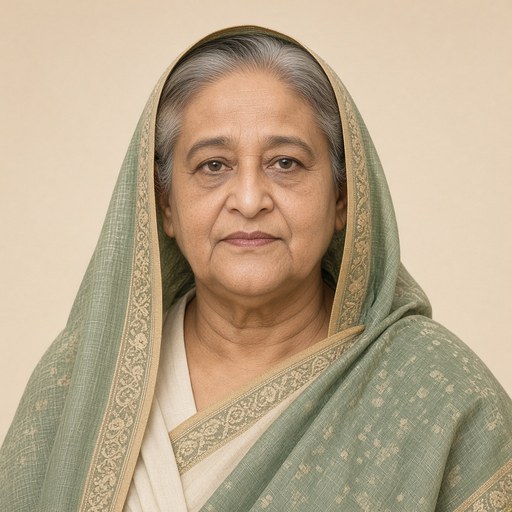
The final recommendations of the United Nations for Bangladesh's elevation to the status of a developing country: Remarks by Honorable Prime Minister Sheikh Hasina at the press conference.
 Sheikh Hasina · Prime Minister of Bangladesh
- Context
- Hasina addressed a virtual press conference on 27 February 2021 to announce Bangladesh's UN-endorsed graduation from least developed to developing country status.
- Main themes
- Graduation from least developed to developing country status, UN final recommendation, Bangabandhu Sheikh Mujibur Rahman's legacy, national pride and achievement, independence golden jubilee, birth centenary celebrations, economic development and progress, liberation war history, Pakistani exploitation and inequality, rural development neglect, dedication to future generations
- Duration
- ~17 min
- Words
- 2,084
- Sentences
- 135
- Readability
- 48
- Grade
- 10.1
- Syntax
- 2.75
- Vocabulary
- 2.30
Translated from Bangla
The broad sphere of national life a sentence belongs to. Every sentence has an Arena, so it is the denominator the other indices are read against.
Other135 sentences in 44 paragraphs
In the name of Allah, the Most Gracious, the Most Merciful.
Dear journalist brothers and sisters, Assalamu Alaikum.
I have come before you after almost a year due to the coronavirus pandemic. However, not in person; virtually. Today, I have come before you to share the good news of a noble and glorious achievement of Bangladesh.
Yesterday, Bangladesh received the final recommendation from the United Nations for graduation from a least developed country to a developing country. We have fully qualified for this elevation to a developing country.
This is a moment of great joy and pride for the entire nation. Our graduation has occurred at a time when we are celebrating the birth centenary of the greatest Bengali of all time, the Father of the Nation, Bangabandhu Sheikh Mujibur Rahman; we are on the brink of celebrating the golden jubilee of our great independence.
This graduation is a historic event for Bangladesh. The Father of the Nation, Bangabandhu Sheikh Mujib, lifted war-torn Bangladesh from the rubble to the ranks of least developed countries in just three and a half years. On the 50th anniversary of independence, the Bangladesh Awami League, which he founded, has elevated the country to the status of a developing nation.
This achievement belongs to the common people of this country. Through the collective efforts of all, we have been able to reach this milestone. At this auspicious moment, I extend my heartfelt congratulations to all citizens of Bangladesh, both at home and abroad. I thank our development partners. As the daughter of the Father of the Nation, and as a humble servant of the people, I feel blessed to be associated with this achievement. I express my gratitude to the Almighty Allah.
I dedicate this achievement to the new generation of our country. They will take today’s Bangladesh forward and build it into a prosperous and developed nation.
I pay deep respect to the Father of the Nation, Bangabandhu Sheikh Mujibur Rahman, the greatest Bengali of all time. I remember the four national leaders - Syed Nazrul Islam, Tajuddin Ahmed, Captain M Mansur Ali, and AHM Qamaruzzaman.
I pay my respects to the 3 million martyrs and the 200,000 tortured mothers and sisters. I salute the brave freedom fighters. In this month of the language movement, I respectfully remember the great language martyrs.
I remember with deep sorrow my mother, Sheikh Fazilatunnesa Mujib, who was killed by assassins on August 15, 1975, along with my three brothers, Captain Sheikh Kamal, Lt. Sheikh Jamal, and ten-year-old Sheikh Russel, as well as my two sisters-in-law, Sultana Kamal and Rozi Jamal, my uncle Sheikh Abu Naser, and all the martyrs of that night.
Dear journalists,
The eastern part of Pakistan was not only neglected, but its resources were being taken to enrich West Pakistan. 25-30 percent of the resources were spent for 56 percent of the population, while 70-75 percent was spent for 44 percent of the population in West Pakistan. The Father of the Nation, Bangabandhu Sheikh Mujib, was the first to raise his voice against this inequality and exploitation. He started the political-economic liberation movement. In the course of that movement, through a nine-month bloody liberation war in 1971 and at the cost of the blood of 3 million martyrs, we achieved an independent and sovereign Bangladesh.
However, the Pakistani junta, knowing their defeat was certain, destroyed all the infrastructure of Bangladesh. There were no roads, railways, bridges, or culverts; the seaports and river ports were dysfunctional; factories were closed; offices and courts were destroyed. He very quickly transformed the administration of a province into one suitable for an independent country and began the work of rebuilding the country from scratch. He rehabilitated nearly 3.5 crore people who had become refugees within the country, including one crore refugees returning from India. He extended a helping hand to the families of martyrs, tortured families, freedom fighters, and all those who had lost their homes. During Bangabandhu's government, the GDP growth rate exceeded 7 percent. Bangladesh entered the highway of development.
But on August 15, 1975, the anti-independence conspirators, by killing him along with most of his family members, not only destroyed the spirit of the liberation war but also halted the development progress of Bangladesh. You have seen the evidence of this in the twenty-one years following August 15, 1975.
At that time, Bangladesh was known in the outside world as a country of floods, droughts, disasters, and beggars. A large part of the annual budget came from foreign aid. The governments after 75 were dependent on foreign aid for food.
The villages were the most neglected. There was no one to look after the rural people. There were no roads for communication, no electricity, and no jobs for the people. People spent their days in hunger and half-starvation. After working all day, they could not even get 2 seers of rice.
After six years of exile, when I returned to the country in 1981, I traveled extensively to the remote areas of the country. At that time, I vowed that if Allah ever gave me the opportunity to govern the country, I would prioritize rural development. I would do something for the development of the rural people. At that time, 70-80 percent of the population lived in villages. I thought that if I could free them from poverty, then Bangladesh would be free from poverty.
In 1996, I formed the government for the first time with the people's mandate and tried to turn my thoughts and ideas into reality. I adopted new plans and programs. Through the introduction of social safety net programs, I brought the poor and marginalized people under government allowances. By placing special emphasis on agricultural production, I made the country self-sufficient in food production.
In between, the BNP-Jamaat coalition was in power for five years. You know what they did. Since taking office in 2009, we have been continuously working for the people. Today's achievement, the graduation from a least developed country to a developing country, is the result of our relentless planning, hard work, and efforts over the past 12 years. The people of the country have accomplished this. We, in government, have only created opportunities by providing policy support.
Dear journalists,
The United Nations reviews the graduation from a least developed country based on three indicators: per capita income, human resources, and economic and environmental vulnerability. In the first triennial review meeting held in 2018, Bangladesh formally met all three criteria for graduation from a least developed country for the first time. In line with that, in this year's triennial review meeting, Bangladesh again successfully met all the criteria, thereby qualifying for graduation from a least developed country.
In the UN review, the per capita income criterion was set at 1,222 US dollars in 2019. That year, Bangladesh's per capita income was 1,827 dollars. And currently, our per capita income is 2,064 dollars. That is, almost 1.7 times the criterion. The criterion for the human resources index was set at 66, while Bangladesh achieved 75.4. The criterion for economic and environmental vulnerability was set at 32 or less. However, at that time, Bangladesh's position was 27.
Dear journalists,
The Father of the Nation, Bangabandhu Sheikh Mujib, dreamed of a poverty-free, hunger-free, illiteracy-free, and secular Bangladesh. The Bangladesh Awami League government is working to realize that dream.
Bangladesh of a decade ago is not the same as today's Bangladesh. Today's Bangladesh is a transformed Bangladesh. Look at the financial and other indicators. In the fiscal year 2008-09, the size of the GDP was only 103.5 billion US dollars. In 2019-20, it increased to 330.2 billion US dollars. In these 12 years, government expenditure has increased 4.7 times, from 87,960 crore to 4,15,550 crore taka in 2019-20. In the fiscal year 2008-09, the amount of export earnings was 15.57 billion dollars. And in 2018-19, it increased to 40.54 billion dollars. Foreign exchange reserves have increased from 7.47 billion dollars in 2008-09 to 44.03 billion dollars now. In 2001, the poverty rate in our country was 48.9 percent, and the extreme poverty rate was 34.3 percent. By 2019, the poverty rate had decreased to 20.5 percent, and the extreme poverty rate to 10.5 percent.
Bangladesh is now self-sufficient in food production. In the fiscal year 2019-20, the production of coarse food grains was 45.344 million metric tons. Bangladesh ranks third in the world in rice production and is self-sufficient in fish, meat, eggs, and vegetables. In the rate of fish production in open water bodies, Bangladesh ranks second, and among the 11 countries producing hilsa, Bangladesh ranks first.
In the fiscal year 2009-10, the installed capacity of electricity was only 5,271 megawatts. Currently, the electricity production capacity has increased to 24,421 megawatts. The percentage of the population benefiting from electricity has increased from 47 to 99 percent.
The average life expectancy has increased from 69.61 years in 2009-10 to 72.6 years in 2019-20. The under-five mortality rate has halved compared to 2009-10, standing at 28 per thousand. The maternal mortality rate has decreased to 165 per lakh, which was 280 in 2009-10.
In Bangladesh's development journey, the benefits of 'Digital Bangladesh' have now spread from cities to remote villages. Broadband facilities are being provided to even the most remote villages. Utilizing the benefits of the 'Bangabandhu Satellite', a revolutionary change has been brought about in the information technology sector.
On the occasion of the Mujib Year, a program is underway to provide homes to all the homeless in the country, with 892,000 homeless people being provided with houses. So far, 70,000 houses have been handed over. The construction of another 50,000 houses is ongoing. From 1996 to date, a total of 998,346 families have been provided with housing.
In the current budget, 95,574 crore taka has been allocated for the social safety net sector, which is 16.83 percent of the budget and 3.01 percent of the GDP. Approximately 32.5 million beneficiaries receive assistance. Scholarships and stipends are provided to 25.3 million students from primary to higher education.
During the coronavirus pandemic, cash and other assistance have been provided to nearly 25 million people from various marginalized groups, including mosque imams, religious institution workers, non-MPO school, college, and madrasa teachers, artists, and journalists.
Today, Bangladeshi women are self-reliant. In the Gender Gap Index, Bangladesh ranks 50th among 153 countries, and 7th in women's political empowerment.
The year 2020 was a crisis year not only for us but for the entire world due to the coronavirus pandemic. I pray for the forgiveness and peace of those who have died in this pandemic. We have already started vaccination. As of last Thursday, 28,50,940 people have received the first dose of the vaccine.
To keep the wheels of the economy moving, we have so far announced 23 stimulus packages totaling 1,24,000 crore taka, which is 4.44 percent of the total GDP.
Dear journalists,
With the graduation from a least developed country to a developing country, Bangladesh will establish itself as a confident and dignified nation in the outside world. We must consolidate and sustain this achievement. Achieving the Sustainable Development Goals by 2030, elevating to a middle-income country by 2031, and becoming a developed country by 2041 is a special step for us.
We have already adopted the eighth five-year plan. Various strategies have been included in it for sustainable graduation. Several mega projects, including the Padma Bridge, Metro Rail, Elevated Expressway, tunnel under the Karnaphuli River, Rooppur Nuclear Power Project, and the Maheshkhali-Matarbari Integrated Development Project, are being implemented. Some of these will be inaugurated this year or at the beginning of next year.
In addition, the construction of one hundred special economic zones, more than two dozen hi-tech parks, and IT villages is progressing across the country. The implementation of these will create employment and further accelerate our economy.
The Bengali nation is a nation of heroes. In just nine months, we snatched our independence. I firmly believe that if we can maintain this momentum of development, Bangladesh will soon be established as a developed and prosperous nation in the global arena, InshaAllah.
Let us, regardless of party affiliation, pledge to unite in this moment of the birth centenary of the Father of the Nation and the golden jubilee of independence to establish Bangladesh as the golden Bangladesh of the Father of the Nation, Bangabandhu Sheikh Mujibur Rahman. Thank you all. Khoda Hafiz.
Joy Bangla, Joy Bangabandhu, may Bangladesh live forever.
Dhaka, Saturday, 14 Falgun 1427, 27 February 2021.
The original Bangla. The tags above are read on the English translation's sentences.
বিসমিল্লাহির রাহমানির রাহিম
প্রিয় সাংবাদিক ভাই ও বোনেরা, আসসালামু আলাইকুম।
করোনাভাইরাসের মহামারির কারণে প্রায় এক বছর পর আপনাদের সামনে হাজির হয়েছি। তবুও সরাসরি নয়; ভার্চুয়ালি। আজ অবশ্য আমি আপনাদের সামনে উপস্থিত হয়েছি বাংলাদেশের একটি মহৎ এবং গৌরবোজ্জ্বল অর্জনের সুসংবাদ দেওয়ার জন্য।
বাংলাদেশ গতকাল স্বল্পোন্নত দেশ থেকে উন্নয়নশীল দেশে উত্তরণের জন্য জাতিসংঘের চূড়ান্ত সুপারিশ লাভ করেছে। আমরা উন্নয়নশীল দেশে উন্নীত হওয়ার পূর্ণ যোগ্যতা অর্জন করেছি।
সমগ্র জাতির জন্য এটা অত্যন্ত আনন্দের এবং গর্বের। আমাদের এই উত্তরণ এমন এক সময়ে ঘটলো, যখন আমরা সর্বকালের সর্বশ্রেষ্ঠ বাঙালি, জাতির পিতা বঙ্গবন্ধু শেখ মুজিবুর রহমানের জন্মশতবার্ষিকী উদযাপন করছি; আমরা মহান স্বাধীনতার সুবর্ণজয়ন্তী উদযাপনের দ্বারপ্রান্তে।
বাংলাদেশের জন্য এ উত্তরণ এক ঐতিহাসিক ঘটনা। জাতির পিতা বঙ্গবন্ধু শেখ মুজিব মাত্র সাড়ে তিন বছরে যুদ্ধবিধ্বস্ত বাংলাদেশকে ধ্বংসস্তুপের মধ্যে থেকে টেনে তুলে স্বল্পোন্নত দেশের কাতারে নিয়ে গিয়েছিলেন। স্বাধীনতার ৫০ বছর পূর্র্তিতে তাঁরই হাতে গড়া বাংলাদেশ আওয়ামী লীগ দেশকে উন্নয়নশীল দেশের মর্যাদায় উন্নীত করলো।
এ কৃতিত্ব এ দেশের আপামর জনসাধারণের। সকলের সম্মিলিত প্রচেষ্টায় আমরা এই মাইলফলক অর্জন করতে পেরেছি। এই শুভ মুহূর্তে আমি দেশ ও দেশের বাইরে অবস্থানরত বাংলাদেশের সকল নাগরিককে আন্তরিক অভিনন্দন জানাচ্ছি। আমাদের উন্নয়ন সহযোগীদের ধন্যবাদ জানাচ্ছি। জাতির পিতার কন্যা হিসেবে, জনগণের একজন নগণ্য সেবক হিসেবে এই কৃতিত্ব অর্জনের সঙ্গে সম্পৃক্ত থাকতে পেরে আমি নিজেকে ধন্য মনে করছি। মহান আল্লাহতায়ালার দরবারে শুকরিয়া আদায় করছি।
আমি এই অর্জনকে উৎসর্গ করছি আমাদের দেশের নতুন প্রজন্মকে। যারা আজকের বাংলাদেশকে আরও সামনে এগিয়ে নিয়ে উন্নত-সমৃদ্ধ বাংলাদেশ হিসেবে গড়ে তুলবে।
আমি গভীর শ্রদ্ধার সঙ্গে স্মরণ করছি সর্বকালের সর্বশ্রেষ্ঠ বাঙালি জাতির পিতা বঙ্গবন্ধু শেখ মুজিবুর রহমানকে। স্মরণ করছি জাতীয় চার নেতা- সৈয়দ নজরুল ইসলাম, তাজউদ্দিন আহমদ, ক্যাপ্টেন এম মনসুর আলী এবং এএইচএম কামারুজ্জামানকে।
শ্রদ্ধা জানাচ্ছি ৩০-লাখ শহিদ এবং ২-লাখ নির্যাতিত মা-বোনের প্রতি। বীর মুক্তিযোদ্ধাদের প্রতি আমার সশ্রদ্ধ সালাম। এ ভাষা আন্দোলনের মাসে আমি শ্রদ্ধার সঙ্গে স্মরণ করছি মহান ভাষা শহিদদের।
আমি গভীর বেদনার সঙ্গে স্মরণ করছি ১৯৭৫ সালের ১৫ই আগস্ট ঘাতকদের হাতে নিহত আমার মা শেখ ফজিলাতুন্নেসা মুজিব, তিন ভাই ক্যাপ্টেন শেখ কামাল, লে. শেখ জামাল ও দশ বছরের শেখ রাসের, দুই ভ্রাতৃবধূ সুলতানা কামাল ও রোজী জামাল, চাচা শেখ আবু নাসের-সহ সেই রাতের সকল শহিদদের।
প্রিয় সাংবাদিকবৃন্দ,
পাকিস্তান রাষ্ট্রের পূর্ববঙ্গ শুধু অবহেলিতই ছিল না, এখানকার সম্পদ নিয়ে গিয়ে পশ্চিম পাকিস্তানকে সমৃদ্ধ করা হচ্ছিল। শতকরা ৫৬ ভাগ মানুষের জন্য ব্যয় করা হতো ২৫-৩০ ভাগ সম্পদ। আর পশ্চিম পাকিস্তানের ৪৪ শতাংশ জনগণের জন্য ৭০-৭৫ ভাগ। জাতির পিতা বঙ্গবন্ধু শেখ মুজিব এই বৈষম্য এবং শোষণের বিরুদ্ধে সর্বপ্রথম সোচ্চার হন। শুরু করেন রাজনৈতিক-অর্থনৈতিক মুক্তির আন্দোলন। সেই আন্দোলনের ধারাবাহিকতায় ১৯৭১ সালে ৯ মাসের রক্তক্ষয়ী মুক্তিযুদ্ধের মাধ্যমে এবং ৩০ লাখ শহিদের রক্তের বিনিময়ে আমরা অর্জন করি স্বাধীন-সার্বভৌম বাংলাদেশ।
কিন্তু পাকিস্তানী জান্তারা পরাজয় নিশ্চিত জেনে বাংলাদেশের সব অবকাঠামো ধ্বংস করে দিয়ে যায়। রাস্তা-ঘাট নেই, রেললাইন-ব্রিজ-কালভার্ট ধ্বংসপ্রাপ্ত, সমুদ্রবন্দর-নদীবন্দর অচল, কলকারখানা বন্ধ, অফিস-আদালত ধ্বংস। একটা প্রদেশের প্রশাসনকে তিনি অত্যন্ত দ্রুততম সময়ে একটা স্বাধীন দেশের উপযোগী করে একেবারে শূন্য হাতে দেশের পুনর্গঠনের কাজ শুরু করেন। ভারত থেকে ফিরে আসা এক কোটি শরণার্থীসহ দেশের অভ্যন্তরে উদ্বাস্তু হয়ে পড়া প্রায় সাড়ে তিন কোটি মানুষকে পুনর্বাসন করেন। শহিদ পরিবার, নির্যাতিত পরিবার, মুক্তিযোদ্ধা, ঘরবাড়ি হারানো সকলকে সহযোগিতার হাত বাড়িয়ে দেন। বঙ্গবন্ধু সরকারের সময় জিডিপি প্রবৃদ্ধি হার ৭ শতাংশ অতিক্রম করে। বাংলাদেশ উন্নয়নের মহাসড়কে প্রবেশ করে।
কিন্তু ১৯৭৫ সালের ১৫ই আগস্ট স্বাধীনতা বিরোধী কুচক্রীরা তাঁকে পরিবারের অধিকাংশ সদস্যসহ হত্যার মাধ্যমে শুধু মুক্তিযুদ্ধের চেতনাকেই ধ্বংস করেনি, তারা বাংলাদেশের উন্নয়ন অগ্রযাত্রাকে স্তব্ধ করে দেয়। এর প্রমাণ আপনারা দেখেছেন ১৯৭৫ সালের ১৫ই আগস্টের পর একুশ বছরে।
তখন বহির্বিশ্বে বাংলাদেশের পরিচিতি ছিল বন্যা-খরা, দুর্যোগ, ভিক্ষুকের দেশ হিসেবে। বার্ষিক বাজেটের একটা বড় অংশ আসতো বিদেশি সাহায্য থেকে। খাদ্যের জন্য বিদেশি সাহায্যের দিকে তাকিয়ে থাকতে ৭৫-পরবর্তী সরকারগুলো।
গ্রামগুলো ছিল সবচেয়ে অবহেলিত। গ্রামের মানুষের দিকে তাকানোর কেউ ছিল না। যোগাযোগের জন্য রাস্তা ছিল না, বিদ্যুৎ ছিল না, মানুষের হাতে কাজ ছিল না। অনাহারে, অর্ধাহারে মানুষ দিন পার করতো। সারাদিন মজুরি খেটে ২ সের চালও জুটতো না।
৬ বছর নির্বাসিত জীবন শেষে ১৯৮১ সালে দেশে আসার পর আমি ব্যাপকভাবে দেশের প্রত্যন্ত এলাকা সফর করি। আমি সে সময়ই প্রতিজ্ঞা করি যদি কোনদিন আল্লাহ আমাকে সুযোগ দেন দেশ পরিচালনার, তাহলে গ্রামোন্নয়নকে সর্বোচ্চ অগ্রাধিকার দেব। গ্রামের মানুষের উন্নয়নে কিছু করবো। তখন ৭০-৮০ ভাগ মানুষ গ্রামে বাস করতো। আমার মনে হয়েছিল এদের যদি দারিদ্র্যমুক্ত করতে পারি, তাহলেই বাংলাদেশ দারিদ্র্যমুক্ত হবে।
১৯৯৬ সালে জনগণের রায় নিয়ে আমি প্রথমবার সরকার গঠন করে আমার চিন্তা-চেতনাকে বাস্তবে রূপ দেওয়ার চেষ্টা করেছি। নতুন নতুন পরিকল্পনা, কর্মসূচি গ্রহণ করেছি। সামাজিক সুরক্ষা কর্মসূচি প্রবর্তনের মাধ্যমে গরিব, প্রান্তিক মানুষদের সরকারি ভাতার আওতায় নিয়ে এসেছি। কৃষি উৎপাদনের উপর বিশেষ জোর দিয়ে দেশকে খাদ্য উৎপাদনে স্বয়ং-সম্পূর্ণ করেছিলাম।
মাঝখানে ৫ বছর বিএনপি-জামাত জোট ক্ষমতায় ছিল। তারা কী করেছিল আপনারা জানেন। ২০০৯ সালে দায়িত্ব নিয়ে আমরা অব্যাহতভাবে মানুষের জন্য কাজ করে যাচ্ছি। আজকের যে অর্জন, স্বল্পোন্নত দেশ থেকে উন্নয়নশীল দেশে উত্তরণ, তা আমাদের বিগত ১২ বছরের নিরলস পরিকল্পনা, পরিশ্রম এবং প্রচেষ্টার ফসল। দেশের মানুষই এসব করেছেন। আমরা সরকারে থেকে শুধু নীতি-সহায়তা দিয়ে সুযোগ তৈরি করে দিয়েছি।
প্রিয় সাংবাদিকগণ,
মাথাপিছু আয়, মানবসম্পদ এবং অর্থনৈতিক ও পরিবেশগত ভঙ্গুরতা - এই তিনটি সূচকের ভিত্তিতে জাতিসংঘ স্বল্পোন্নত দেশ থেকে উত্তরণের বিষয়টি পর্যালোচনা করে। ২০১৮ সালে অনুষ্ঠিত প্রথম ত্রিবার্ষিক পর্যালোচনা সভায় বাংলাদেশ প্রথমবারের মত আনুষ্ঠানিকভাবে স্বল্পোন্নত দেশ থেকে উত্তরণের তিনটি মানদণ্ডই খুব ভালোভাবে পূরণ করে। তারই ধারাবাহিকতায় এ বছর অনুষ্ঠিত ত্রিবার্ষিক পর্যালোচনা সভায় বাংলাদেশ পুনরায় সকল মানদণ্ড অত্যন্ত সফলতার সঙ্গে পূরণের মাধ্যমে স্বল্পোন্নত দেশ হতে উত্তরণের যোগ্যতা অর্জন করলো।
জাতিসংঘের পর্যালোচনায় ২০১৯ সালে মাথাপিছু আয়ের মানদণ্ড নির্ধারিত ছিল ১ হাজার ২২২ মার্কিন ডলার। ঐ বছর বাংলাদেশের মাথাপিছু আয় ছিল ১ হাজার ৮২৭ ডলার। আর বর্তমানে আমাদের মাথাপিছু আয় ২ হাজার ৬৪ ডলার। অর্থাৎ মানদণ্ডের প্রায় ১.৭ গুণ। মানবসম্পদ সূচকে নির্ধারিত মানদণ্ড ৬৬-এর বিপরীতে বাংলাদেশের অর্জন ৭৫.৪। অর্থনৈতিক ও পরিবেশগত ভঙ্গুরতা সূচকে উত্তরণের জন্য মানদণ্ড নির্ধারিত ছিল ৩২ বা তার কম। কিন্তু ঐ সময়ে এক্ষেত্রে বাংলাদেশের অবস্থান ছিল ২৭।
প্রিয় সাংবাদিকবৃন্দ,
জাতির পিতা বঙ্গবন্ধু শেখ মুজিব দারিদ্র্য, ক্ষুধা, নিরক্ষাতামুক্ত একটি অসাম্প্রদায়িক বাংলাদেশের স্বপ্ন দেখেছিলেন। বাংলাদেশ আওয়ামী লীগ সরকার তাঁর সেই স্বপ্ন বাস্তবায়নের লক্ষ্যেই কাজ করে যাচ্ছে।
এক যুগ আগের বাংলাদেশ আর আজকের বাংলাদেশ এক নয়। আজকের বাংলাদেশ এক বদলে যাওয়া বাংলাদেশ। আর্থিক এবং অন্যান্য সূচকগুলির দিকে লক্ষ্য করুন। ২০০৮-০৯ বছরে জিডিপি’র আকার ছিল মাত্র ১০৩.৫ বিলিয়ন মার্কিন ডলার। ২০১৯-২০ সালে তা ৩৩০.২ বিলিয়ন মার্কিন ডলারে উন্নীত হয়েছে। এই ১২ বছরে সরকারি ব্যয় ৪.৭ গুণ বৃদ্ধি পেয়ে ৮৭ হাজার ৯৬০ কোটি থেকে ২০১৯-২০ বছরে ৪ লাখ ১৫ হাজার ৫৫০ কোটি টাকা হয়েছে। ২০০৮-০৯ বছরে রপ্তানি আয়ের পরিমাণ ছিল ১৫.৫৭ বিলিয়ন ডলার। আর ২০১৮-১৯ বছরে তা ৪০ দশমিক পাঁচ-চার বিলিয়ন ডলারে বৃদ্ধি পায়। বৈদেশিক মুদ্রার রিজার্ভ ২০০৮-০৯ বছরের ৭ দশমিক চার-সাত বিলিয়ন মার্কিন ডলার থেকে বৃদ্ধি পেয়ে বর্তমানে ৪৪ দশমিক শূন্য-তিন বিলিয়ন ডলারে উন্নীত হয়েছে। ২০০১ সালে আমাদের দেশের দারিদ্র্যের হার ছিল ৪৮.৯ শতাংশ এবং হত-দারিদ্র্যের হার ছিল ৩৪.৩ শতাংশ। ২০১৯ সালে দারিদ্র্যের হার কমে দাঁড়িয়েছে শতকরা ২০.৫ ভাগ এবং হত-দারিদ্র্যের হার ১০.৫ শতাংশে।
খাদ্য উৎপাদনে বাংলাদেশ আজ স্বয়ং-সম্পূর্ণ। ২০১৯-২০ অর্থবছরে দানাদার খাদ্যশস্য উৎপাদনের পরিমাণ ছিল ৪ কোটি ৫৩ লাখ ৪৪ হাজার মেট্রিক টন। বাংলাদেশ বিশ্বে ধান উৎপাদনে ৩য় এবং মাছ-মাংস, ডিম, শাকসবজি উৎপাদনেও স্বয়ং-সম্পূর্ণ। অভ্যন্তরীণ মুক্ত জলাশয়ে মাছ উৎপাদন বৃদ্ধির হারে বাংলাদেশ দ্বিতীয় স্থানে এবং ইলিশ উৎপাদনকারী ১১ দেশের মধ্যে বাংলাদেশের অবস্থান প্রথম।
২০০৯-১০ বছরে বিদ্যুতের স্থাপিত ক্ষমতা ছিল মাত্র ৫,২৭১ মেগাওয়াট। বর্তমানে বিদ্যুৎ উৎপাদন সক্ষমতা ২৪ হাজার ৪২১ মেগাওয়াটে উন্নীত হয়েছে। বিদ্যুৎ সুবিধাভোগী জনসংখ্যা ৪৭ থেকে ৯৯ শতাংশে উন্নীত হয়েছে।
মানুষের গড় আয়ু ২০০৯-১০ বছরের ৬৯ দশমিক ছয়-এক বছর থেকে বৃদ্ধি পেয়ে ২০১৯-২০ সালে দাঁড়িয়েছে ৭২.৬ বছর। ২০০৯-১০ বছরের তুলনায় ৫-বছর বয়সী শিশুমৃত্যুর হার অর্ধেক কমে দাঁড়িয়েছে প্রতি হাজারে ২৮। মাতৃমৃত্যুর হার কমে দাঁড়িয়েছে লাখে ১৬৫ জনে যা ২০০৯-১০-এ ছিল ২৮০ জন।
বাংলাদেশের উন্নয়ন অভিযাত্রায় ’ডিজিটাল বাংলাদেশ’ এর সুবিধা আজ শহর থেকে প্রান্তিক গ্রাম পর্যায়ে বিস্তৃৃত হয়েছে। প্রত্যন্ত গ্রাম পর্যন্ত ব্রডব্যান্ড সুবিধা পৌঁছে দেওয়া হচ্ছে। ‘বঙ্গবন্ধু স্যাটেলাইট’ এর সুবিধা কাজে লাগিয়ে তথ্যপ্রযুক্তি খাতে এক বৈপ্লবিক পরিবর্তন সূচিত হয়েছে।
মুজিব শতবর্ষ উপলক্ষে দেশের সকল গৃহহীনদের ঘর প্রদান কর্মসূচির আওতায় ৮ লক্ষ ৯২ হাজার গৃহহীনকে ঘর প্রদান করা হচ্ছে। ইতোমধ্যে ৭০ হাজার ঘর হস্তান্তর করা হয়েছে। আরও ৫০ হাজার গৃহ নির্মাণের কার্যক্রম চলমান রয়েছে। ১৯৯৬ সাল থেকে এ পর্যন্ত মোট ৯ লাখ ৯৮ হাজার ৩৪৬ পরিবারকে বাসস্থানের ব্যবস্থা করে দেওয়া হয়েছে।
সামাজিক নিরাপত্তা বেষ্টনি খাতে চলতি বাজেটে ৯৫ হাজার ৫৭৪ কোটি টাকা বরাদ্দ রাখা হয়েছে যা বাজেটের ১৬ দশমিক আট-তিন শতাংশ এবং জিডিপির ৩ দশমিক শূন্য-এক শতাংশ। উপকারভোগীর সংখ্যা প্রায় ৩ কোটি ২৫ লাখ। প্রাথমিক থেকে উচ্চ শিক্ষা পর্যন্ত ২ কোটি ৫৩ লাখ শিক্ষার্থীকে বৃত্তি, উপ-বৃত্তি প্রদান করা হয়।
করোনাকালে মসজিদের ইমাম-মোয়াজ্জিন, অন্যান্য ধর্মীয় প্রতিষ্ঠানের কর্মী, নন-এমপিও-ভুক্ত স্কুল-কলেজে-মাদ্রাসার শিক্ষক, শিল্পী, সাংবাদিকসহ বিভিন্ন প্রান্তিক জনগোষ্টির প্রায় আড়াই কোটি মানুষকে নগদ ও অন্যান্য সহায়তা দেওয়া হয়েছে।
বাংলাদেশের নারীরা আজ স্বাবলম্বী। জেন্ডার গ্যাপ ইনডেক্সে ১৫৩টি দেশের মধ্যে বাংলাদেশের অবস্থান ৫০তম এবং নারীর রাজনৈতিক ক্ষমতায়নে ৭ম।
করোনাভাইরাসের মহামারির কারণে ২০২০ সাল শুধু আমাদের জন্য নয় গোটি বিশ্বের জন্য ছিল সঙ্কটময়। এ মহামারিতে যাঁদের মৃতু হয়েছে আমি তাঁদের আত্মার মাগফিরাত ও শান্তি কামনা করছি। আমরা ইতোমধ্যে টিকা প্রদান শুরু করেছি। গত বৃহস্পতিবার পর্যন্ত ২৮ লাখ ৫০ হাজার ৯৪০ জনকে প্রথম ডোজ টিকা প্রদান করা হয়েছে।
অর্থনীতির চাকাকে সচল রাখতে এখন পর্যন্ত আমরা ১ লাখ ২৪ হাজার কোটি টাকার ২৩টি প্রণোদনা প্যাকেজ ঘোষণা করেছি, যা মোট জিডিপি’র ৪.৪৪ শতাংশ।
প্রিয় সাংবাদিকবৃন্দ,
স্বল্পোন্নত দেশ থেকে উন্নয়নশীল দেশে উত্তরণের ফলে বহির্বিশ্বে বাংলাদেশ একটি প্রত্যয়ী ও মর্যাদাশীল দেশ হিসেবে জায়গা করে নেবে। আমাদের এ অর্জনকে সুসংহত এবং টেকসই করতে হবে। ২০৩০ সালের মধ্যে টেকসই উন্নয়ন অভীষ্ট অর্জন, ২০৩১ সালের মধ্যে উচ্চমধ্যম আয়ের দেশে উন্নীত হওয়া এবং ২০৪১ সালের মধ্যে উন্নত দেশে পরিণত হওয়ার ক্ষেত্রে আমাদের জন্য এটি একটি বিশেষ ধাপ।
ইতোমধ্যে আমরা অষ্টম পঞ্চবার্ষিক পরিকল্পনা গ্র্রহণ করেছি। টেকসই উত্তরণের লক্ষ্যে বিভিন্ন কৌশল এতে অন্তর্ভুক্ত করা হয়েছে। পদ্মা সেতু, মেট্রোরেল, এলিভেটেড এক্সপ্রেসওয়ে, কর্ণফুলি নদীর তলদেশে ট্যানেল, রূপপুর পারমাণবিক বিদ্যুৎ প্রকল্প, মহেশখালী-মাতারবাড়ি সমন্বিত উন্নয়ন প্রকল্পসহ বেশকিছু মেগা প্রকল্প বাস্তবায়ন হচ্ছে। এগুলোর কতগুলি এ বছর বা আগামি বছরের শুরুতে চালু হবে।
এছাড়া সারা দেশে একশত বিশেষ অর্থনৈতিক অঞ্চল, দুই ডজনের বেশি হাইটেক পার্ক এবং আইটি ভিলেজ নির্মাণের কাজ এগিয়ে চলছে। এসব বাস্তবায়ন হলে কর্মসংস্থান তৈরিসহ আমাদের অর্থনীতিতে আরও গতি সঞ্চার হবে।
বাঙালি বীরের জাতি। মাত্র নয় মাসে আমরা আমাদের স্বাধীনতার লাল সূর্যকে ছিনিয়ে এনেছি। আমি দৃঢ়ভাবে বিশ্বাস করি আমাদের এই উন্নয়নের গতিধারা অব্যাহত থাকলে বিশ্ব দরবারে বাংলাদেশ অচিরেই একটি উন্নত-সমৃদ্ধ মর্যাদাশীল দেশ হিসেবে প্রতিষ্ঠিত হবে, ইনশাআল্লাহ।
আসুন, দলমত নির্বিশেষে জাতির পিতার জন্মশতবার্ষিকী এবং স্বাধীনতার সুবর্ণজয়ন্তীর এ মাহেন্দ্রক্ষণে আমরা সকলে ঐক্যবদ্ধভাবে বাংলাদেশকে জাতির পিতা বঙ্গবন্ধু শেখ মুজিবের স্বপ্নের সোনার বাংলাদেশ হিসেবে প্রতিষ্ঠার অঙ্গীকার করি। সবাইকে ধন্যবাদ। খোদা হাফেজ।
জয় বাংলা, জয় বঙ্গবন্ধু বাংলাদেশ চিরজীবী হোক।
ঢাকা শনিবার ১৪ ফাল্গুন ১৪২৭ ২৭ ফেব্রুয়ারি ২০২১