




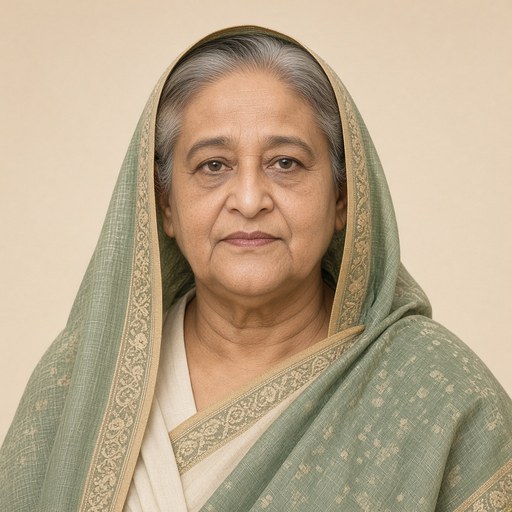
Speech by Prime Minister Sheikh Hasina at the 76th Session of the United Nations General Assembly
 Sheikh Hasina · Prime Minister of Bangladesh
- Context
- Sheikh Hasina addressed the 76th UN General Assembly on September 25, 2021, highlighting Bangladesh's development milestones, COVID-19 response, and global justice commitments.
- Main themes
- COVID-19 pandemic response, multilateralism and the United Nations, Bangladesh's golden jubilee of independence, legacy of Bangabandhu Sheikh Mujibur Rahman, socio-economic development of Bangladesh, vaccine equity, Rohingya crisis, climate justice, women's empowerment, digital Bangladesh, sustainable development goals, least developed country graduation
- Duration
- ~20 min
- Words
- 2,347
- Sentences
- 146
- Readability
- 38
- Grade
- 11.8
- Syntax
- 2.74
- Vocabulary
- 2.35
Translated from Bangla
The broad sphere of national life a sentence belongs to. Every sentence has an Arena, so it is the denominator the other indices are read against.
Other146 sentences in 50 paragraphs
Honorable President,
Assalamu Alaikum.
I congratulate you on your election as the President of the 76th session of the United Nations General Assembly. We firmly believe that your ‘Presidency of Hope’ will lead us forward through sustainable recovery where no one will be left behind.
Despite unprecedented adversities, I congratulate the outgoing President Volkan Bozkir for his leadership during the historic 76th session of the General Assembly.
It is a great pride for me to represent my country, Bangladesh, at the United Nations for the 17th time.
This 76th session of the General Assembly is taking place at a time when COVID-19 continues to claim lives around the world. Many countries are experiencing repeated infections through new variants of the virus. The health systems and economies of the entire world have been devastated by this pandemic.
During this crisis, I pay my respects to all frontline warriors for their dedicated service and sacrifice. In the context of the brutal reality of COVID-19, the theme of this session, ‘Hope,’ has become very timely. As a strong supporter of multilateralism and the United Nations system, Bangladesh sees the UN as a symbol of hope and aspiration during this crisis. We must rise together as a ‘united humanity,’ putting aside all differences, and harness our collective strength to build a prosperous world for all once again.
Mr. President,
This year is particularly significant for us. We are celebrating the golden jubilee of our independence. At the same time, we are celebrating the birth centenary of our Father of the Nation, Bangabandhu Sheikh Mujibur Rahman, the ‘Mujib Year.’
I respectfully remember the Father of the Nation, Bangabandhu Sheikh Mujibur Rahman. His lifelong selfless struggle and visionary leadership have brought us the dream of independence.
I pay tribute to the brave freedom fighters, whose immense courage and sacrifice have liberated our motherland. Our Father of the Nation was a staunch supporter of multilateralism. He considered the United Nations as the ‘center of hope and aspiration’ for the people. On the first day of our journey with the United Nations, in his historic speech delivered at the UN on September 25, 1974, he said, “Self-reliance is our goal. The united and collective efforts of the people will determine our course of action. There is no doubt that international cooperation and partnership in resources and technology can facilitate our work and alleviate the sufferings of the people.”
Bangabandhu called for the creation of a world free from economic disparity, social injustice, aggression, and the threat of nuclear war. His call from forty-seven years ago is still equally relevant today. For this, we continue to support and lead any initiative aimed at building an inclusive and equitable society. Demanding equitable access to COVID-19 vaccines, taking a firm stand against any form of injustice towards the Palestinians, seeking a solution to the Rohingya crisis, and establishing climate justice are just a few examples of our global commitments.
We are tirelessly working to realize the unfulfilled dreams of Father of the Nation Bangabandhu Sheikh Mujib. Bangladesh is now one of the fastest-growing economies in the world. We rank 41st in GDP. Over the past decade, we have reduced the poverty rate from 31.5% to 20.5%.
During this time, our per capita income has tripled to $2,227. Our foreign exchange reserves have surpassed an all-time high of $48 billion.
Over the past decade, Bangladesh has achieved remarkable success in socio-economic sectors and women's empowerment. The child mortality rate has decreased to 23.67 per thousand. The maternal mortality rate has been reduced to 173 per 100,000 live births. The average life expectancy has increased to 73 years.
According to the World Economic Forum, Bangladesh ranks 7th in women's political empowerment globally. Since 2014, Bangladesh has been ahead of its regional neighbors in this index.
Our ‘Digital Bangladesh’ initiative has generated unprecedented responses in various areas, including socio-economic development, education, disaster risk reduction, and women's empowerment. We have significantly expanded our ‘social safety net’ programs. According to the ‘Sustainable Development Report 2021,’ since 2015, Bangladesh has made progress in many areas of the Sustainable Development Goals. The cornerstone of this success has been substantial investment in women's development and empowerment. This investment has made a significant contribution to our transformative development.
This year, we have achieved a milestone in graduating from the list of least developed countries. Now our dream is to transform Bangladesh into a knowledge-based developed country by 2041 and into a prosperous and sustainable delta by 2100.
The impact of the COVID-19 pandemic in Bangladesh has been much less than feared. This has been made possible due to our robust health system at the grassroots level. Additionally, our timely, coordinated, and multifaceted initiatives to combat this pandemic have played an effective role. To maintain the balance between life and livelihood, we had to make several tough decisions initially. To keep the economy afloat, we have allocated nearly $14.6 billion through 28 stimulus packages, which is 4.44% of our GDP. For the procurement of COVID-19 vaccines, we have allocated $1.61 billion in the current fiscal year's budget.
We have taken adequate measures for the vulnerable sections of society, such as the ultra-poor, persons with disabilities, returnee migrants, and destitute women. Since the onset of the pandemic last year, we have provided cash and other assistance to nearly 40 million people. Due to timely measures and our people's capacity to cope with adverse situations, we achieved over 5% economic growth even in 2020.
Honorable President,
Since time immemorial, humanity has been facing natural disasters, pandemics, and various conflicts and calamities. Yet, with hope and confidence in our hearts, humanity has survived these monumental challenges.
This pandemic is also a crisis from which many inspiring examples of survival and generosity have emerged. Unfortunately, it seems that this pandemic will last for some time longer. Therefore, we must adopt new, inclusive, and global plans now more than ever to combat this common enemy. In this regard, I would like to put forward a few specific proposals:
First, we must ensure universal and affordable access to vaccines to build a COVID-free world. Last year, at this noble assembly, I called for considering COVID-19 vaccines as a ‘global public good.’ Many world leaders agreed with this at that time.
However, that appeal did not receive much response. Instead, we have seen an increase in vaccine inequality between rich and poor countries. According to the World Bank, 84% of the vaccines produced so far have reached people in high and upper-middle-income countries. In contrast, low-income countries have received less than 1% of the vaccines.
This vaccine inequality must be urgently addressed. It is impossible to achieve sustainable recovery while millions of people remain unvaccinated. We will not be completely safe either.
Therefore, I reiterate the call to ensure equitable and affordable access to vaccines for all. Immediate transfer of vaccine technology could be a way to ensure vaccine equity. With technology support and waiver of intellectual property rights, Bangladesh can also produce vaccines in large quantities.
Second, this pandemic has disproportionately affected countries at risk from climate change. The report of the Intergovernmental Panel on Climate Change’s Working Group I paints a grim picture of our planet's future.
Without swift action, it will be difficult to overcome the devastating impacts of climate change. No country, rich or poor, is safe from its adverse effects. Therefore, I call upon developed and industrialized countries to reduce carbon emissions, provide compensation for emissions, and ensure the free transfer of finance and technology for sustainable adaptation.
As the President of the Climate Vulnerable Forum and the Vulnerable-20 Group of Ministers of Finance, we have initiated the ‘Mujib Climate Prosperity Plan - Decade 2030.’ This plan aims to turn climate risks into drivers of prosperity for Bangladesh.
The 26th Conference of the Parties (COP) to be held in Glasgow can provide an excellent opportunity to garner support for our new inclusive plans. I urge everyone to seize this opportunity.
Third, our education system has been severely disrupted by the pandemic. According to UNICEF, nearly half of the world's students have been affected due to partial or complete school closures during the pandemic. Millions of students in low-income countries lack the capacity and technology to participate in remote learning, putting achievements like enrollment and literacy rates at risk.
We must invest in digital tools and services, improve access to the internet, and enhance teachers' skills. For this, we call upon the United Nations to ensure partnerships and necessary resources.
Fourth, amidst the unprecedented adversities of the COVID-19 pandemic, we are on the path to graduating from the list of least developed countries. However, this pandemic has jeopardized the aspirations of many countries to graduate. We hope for further assistance from development partners in formulating a stimulus-based graduation framework to accelerate the sustainable graduation of LDCs. As one of the co-chairs of the preparatory committee for the LDC-5 conference, we hope that the specific outcomes of the Doha conference will empower more countries to sustainably graduate from the category of least developed countries.
Fifth, during the pandemic, migrants have made significant contributions as essential workers in health and other critical services. They too are frontline warriors. Yet, many of them are suffering due to job losses, wage cuts, lack of access to health and other social services, and forced returns. During this crisis, I urge the host countries to treat migrants fairly and ensure their employment, health, and welfare.
Sixth, the Rohingya crisis has now entered its fifth year. Yet, not a single forcibly displaced Myanmar citizen has been able to return to Myanmar. Despite recent political changes in Myanmar creating uncertainty, we hope for a strong role and continued cooperation from the international community to find a permanent solution to this problem. Myanmar must create a conducive environment for the return of its citizens. We are always ready to cooperate with the international community on this important issue.
To ensure their temporary stay in safety and security, we have relocated some forcibly displaced Myanmar citizens to ‘Bhashan Char.’ All eligible individuals in the refugee camps have been included in the national vaccination program to prevent the spread of COVID-19.
I have said before, and I say again - the creation of the Rohingya crisis is in Myanmar, and the solution also lies in Myanmar. The only permanent solution to this crisis can be through their safe, sustainable, and dignified return to their homeland in Rakhine State. For this, the international community must take constructive initiatives.
We hope that the leaders of ASEAN will expedite the efforts taken regarding the issue of displaced Myanmar citizens. On the other hand, the international community must support all actions taken to ensure accountability for those responsible for human rights violations.
Mr. President,
We dream of a peaceful, stable, and prosperous South Asia. We firmly believe that the reconstruction of Afghanistan and the determination of its future path depend on the Afghan people. Bangladesh is always ready to work with the people of Afghanistan and the international community for the socio-economic development of Afghanistan.
At the heart of Bangladesh's foreign policy is peace. As the main proponent of the ‘Culture of Peace’ initiative, we are committed to building a peaceful society. Peace and security are being disrupted in various parts of the world due to the scourge of terrorism and violent extremism. Therefore, we have maintained a ‘zero tolerance policy’ against terrorism and violence. As a leading troop-contributing country, we take pride in our contributions to global peacekeeping. Despite the unprecedented adversities of the pandemic, our peacekeepers are diligently and professionally fulfilling their duties in the most challenging environments around the world. The international community must take all possible measures to ensure their safety and security.
In line with our constitution, we have always been unwavering supporters of complete disarmament. We firmly believe that ensuring international peace and security is possible through the total elimination of nuclear and other weapons of mass destruction. From this conviction, we have signed the Treaty on the Prohibition of Nuclear Weapons. The treaty came into force earlier this year.
Honorable President,
The COVID-19 pandemic has highlighted the lack of effective global initiatives to address urgent situations. At the same time, it has underscored the need for global solidarity and cooperation.
We must work together on universal issues. We need to create new partnerships and avenues for problem-solving. Member states from various regions can start this right here on the platform of the United Nations, rising above narrow political interests. Only then can we achieve meaningful cooperation towards a resilient and inclusive recovery.
In this critical moment, let the United Nations be our best center of hope. Let us all work hand in hand to keep that hope alive.
Before concluding, I would like to bring to the attention of this great organization, which aims to establish peace and justice around the world, my expectation of justice for the brutal murder of my family members nearly 46 years ago. In the early hours of August 15, 1975, a group of misguided assassins brutally killed my father, the then President of Bangladesh and the Father of the Nation, Bangabandhu Sheikh Mujibur Rahman, my beloved mother Begum Fazilatun Nessa Mujib, my three brothers, freedom fighters Captain Sheikh Kamal, freedom fighter Lt. Sheikh Jamal, 10-year-old Sheikh Russell, my uncle freedom fighter Sheikh Abu Naser, along with 18 family members and close relatives.
My younger sister Sheikh Rehana and I survived as we were abroad at that time. We were not allowed to return to the country for six years. Carrying the pain of losing loved ones, I lived in exile on foreign soil. Upon returning to the country, I began the struggle for the rights of the people to vote and to food. I continue to work towards realizing the dream of the Father of the Nation for a happy and prosperous Golden Bangladesh. As long as I live, I will work for the welfare of the people, InshaAllah. Thank you all once again. Khoda Hafiz.
Joy Bangla, Joy Bangabandhu, Long Live Bangladesh.
The original Bangla. The tags above are read on the English translation's sentences.
মাননীয় সভাপতি,
আসসালামু আলাইকুম।
জাতিসংঘের সাধারণ পরিষদের ৭৬তম অধিবেশনের সভাপতি নির্বাচিত হওয়ায় আপনাকে অভিনন্দন জানাচ্ছি। আমাদের দৃঢ় বিশ্বাস আপনার ‘Presidency of Hope’ (প্রত্যাশার নেতৃত্ব) টেকসই পুনরুদ্ধারের মাধ্যমে এগিয়ে নিয়ে যাবে যেখানে কেউ পেছনে পড়ে থাকবে না।
নজিরবিহীন প্রতিকূলতা সত্ত্বেও সাধারণ পরিষদের ঐতিহাসিক ৭৬তম অধিবেশনে নেতৃত্ব প্রদানের জন্য বিদায়ী সভাপতি ভোলকান বোজকির'কে অভিনন্দন জানাচ্ছি।
এটা আমার জন্য অত্যন্ত গর্বের যে, আমি এ নিয়ে ১৭ বার জাতিসংঘের সাধারণ অধিবেশনে আমার দেশ বাংলাদেশকে প্রতিনিধিত্ব করছি।
সাধারণ পরিষদের এই ৭৬তম অধিবেশনটি এমন এক সময়ে অনুষ্ঠিত হচ্ছে যখন কোভিড-১৯ বিশ্বজুড়ে অব্যাহতভাবে মানুষের প্রাণ কেড়ে নিচ্ছে। করোনার নতুন ধরনের মাধ্যমে অনেক দেশ বার বার সংক্রমিত হচ্ছে। এ মহামারিতে গোটা বিশ্বের স্বাস্থ্য ব্যবস্থা ও অর্থনীতি বিপর্যস্ত হয়ে পড়েছে।
এ সঙ্কটকালে নিবেদিত সেবা ও আত্মত্যাগের জন্য আমি সম্মুখসারির সকল যোদ্ধার প্রতি শ্রদ্ধা জানাই। কোভিড-১৯-এর নির্মম বাস্তবতার প্রেক্ষাপটে এ অধিবেশনের প্রতিপাদ্য ‘প্রত্যাশা’ অত্যন্ত সময়োপযোগী হয়েছে। বহুপাক্ষিকতাবাদ ও জাতিসংঘ ব্যবস্থার দৃঢ় সমর্থক হিসেবে বাংলাদেশ এই সঙ্কটকালে জাতিসংঘকে আশা ও আকাঙ্ক্ষার প্রতীক হিসেবে দেখে। সব ধরনের মতভেদ ভুলে গিয়ে আমাদের অবশ্যই ‘অভিন্ন মানবজাতি’ হিসেবে মাথা তুলে দাঁড়াতে হবে; সম্মিলিত শক্তিকে কাজে লাগিয়ে সবার জন্য আবারও এক সমৃদ্ধ বিশ্ব গড়ে তুলতে হবে।
সভাপতি মহোদয়,
এ বছরটি আমাদের জন্য একটি বিশেষ গুরুত্বপূর্ণ বছর। এ বছর আমরা স্বাধীনতার সুবর্ণজয়ন্তী উদযাপন করছি। একইসঙ্গে আমরা আমাদের জাতির পিতা বঙ্গবন্ধু শেখ মুজিবুর রহমানের জন্মশতবার্ষিকী ‘মুজিববর্ষ’ উদযাপন করছি।
আমি শ্রদ্ধাভরে স্মরণ করছি জাতির পিতা বঙ্গবন্ধু শেখ মুজিবুর রহমানকে। তাঁর আজীবন নিঃস্বার্থ সংগ্রাম ও দূরদর্শী নেতৃত্ব আমাদের এনে দিয়েছে স্বপ্নের স্বাধীনতা।
আমি শ্রদ্ধা জানাই বীর মুক্তিযোদ্ধাদের প্রতি, যাঁদের অসীম বীরত্ব ও আত্মত্যাগে আমাদের মাতৃভূমি স্বাধীন হয়েছে। আমাদের জাতির পিতা ছিলেন বহুপাক্ষিকতাবাদের একজন দৃঢ় সমর্থক। তিনি জাতিসংঘকে জনগণের ‘আশা-আকাঙ্ক্ষার কেন্দ্র’ মনে করতেন। আমাদের জাতিসংঘ অভিযাত্রার প্রথম দিনে ১৯৭৪ সালের ২৫-এ সেপ্টেম্বর জাতিসংঘে প্রদত্ত তাঁর ঐতিহাসিক একমাত্র ভাষণে তিনি বলেছিলেন, “আত্মনির্ভরশীলতাই আমাদের লক্ষ্য। জনগণের ঐক্যবদ্ধ ও যৌথ উদ্যোগই আমাদের নির্ধারিত কর্মধারা। এতে সন্দেহের কোনো অবকাশ নেই যে, আন্তর্জাতিক সহযোগিতা এবং সম্পদ ও প্রযুক্তিবিদ্যায় অংশীদারিত্ব আমাদের কাজকে সহজতর করতে পারে, জনগণের দুঃখকষ্ট লাঘব করতে পারে। ”
বঙ্গবন্ধু এমন একটি বিশ্ব গঠনের আহ্বান জানিয়েছিলেন যেখানে অর্থনৈতিক বৈষম্য, সামাজিক অবিচার, আগ্রাসন ও পারমাণবিক যুদ্ধের হুমকি থাকবে না। সাতচল্লিশ বছর আগের তাঁর সে আহ্বান আজও সমভাবে প্রযোজ্য। এ জন্য আমরা অন্তর্ভুক্তিমূলক ও সমতাভিত্তিক সমাজ গঠনের যে কোনো উদ্যোগে সমর্থন ও নেতৃত্ব দিয়ে যাচ্ছি। করোনাভাইরাসের টিকার ন্যায্য হিস্যা দাবি, ফিলিস্তিনিদের প্রতি যেকোনো ধরনের অবিচারের বিরুদ্ধে আমাদের দৃঢ় অবস্থান, রোহিঙ্গা সঙ্কটের সমাধান, জলবায়ু ন্যায়বিচার প্রতিষ্ঠা- এসব আমাদের বৈশ্বিক অঙ্গীকারের কতিপয় উদাহরণ মাত্র।
জাতির পিতা বঙ্গবন্ধু শেখ মুজিবের অপূর্ণ স্বপ্ন বাস্তবায়নে আমরা নিরলসভাবে কাজ করে যাচ্ছি। বাংলাদেশ এখন বিশ্বের দ্রুত বর্ধনশীল পাঁচটি অর্থনীতির মধ্যে অন্যতম। জিডিপি-তে আমরা বিশ্বের ৪১তম। গত এক দশকে আমরা দারিদ্র্যের হার ৩১ দশমিক ৫ থেকে ২০ দশমিক ৫ শতাংশে নামিয়ে এনেছি।
এ সময়ে আমাদের মাথাপিছু আয় তিনগুণ বৃদ্ধি পেয়ে ২,২২৭ মার্কিন ডলারে উন্নীত হয়েছে। আমাদের বৈদেশিক মুদ্রার মজুদ সর্বকালের সর্বোচ্চ ৪৮ বিলিয়ন মার্কিন ডলার অতিক্রম করেছি।
গত এক দশকে আর্থ-সামাজিক খাতে ও নারীর ক্ষমতায়নে বাংলাদেশ অভাবনীয় সাফল্য অর্জন করেছে। শিশুমৃত্যু হার প্রতি হাজারে ২৩ দশমিক ৬৭-এ কমে এসেছে। প্রতি লাখ জীবিত জন্মে মাতৃমৃত্যুর হার ১৭৩-এ হ্রাস পেয়েছে। মানুষের গড় আয়ু বেড়ে হয়েছে ৭৩ বছর।
বিশ্ব অর্থনৈতিক ফোরামের তথ্য মতে, নারীর রাজনৈতিক ক্ষমতায়নে বিশ্বে বাংলাদেশের অবস্থান ৭ম। ২০১৪ সাল থেকে এ সূচকে বাংলাদেশ আঞ্চলিক প্রতিবেশি দেশগুলোর চাইতে এগিয়ে আছে।
আমাদের ‘ডিজিটাল বাংলাদেশ’ উদ্যোগ আর্থ-সামাজিক উন্নয়ন, শিক্ষা, দুর্যোগ ঝুঁকিহ্রাস, নারীর ক্ষমতায়নসহ অন্যান্য অনেক ক্ষেত্রে অভূতপূর্ব সাড়া জাগিয়েছে। আমরা ব্যাপকভাবে ‘সামাজিক নিরাপত্তা বেষ্টনী’ কর্মসূচির সম্প্রসারণ করেছি। ‘টেকসই উন্নয়ন প্রতিবেদন ২০২১’ অনুযায়ী ২০১৫ সাল থেকে টেকসই উন্নয়ন অভীষ্ট লক্ষ্যমাত্রার সূচকে বাংলাদেশ অনেক ক্ষেত্রেই এগিয়ে আছে। এ সাফল্যের মূলে রয়েছে নারীর উন্নতি ও ক্ষমতায়নে বিপুল বিনিয়োগ। এ বিনিয়োগ আমাদের রূপান্তরসক্ষম উন্নয়নে বিপুল অবদান রেখেছে।
এ বছর আমরা স্বল্পোন্নত দেশের তালিকা থেকে উত্তরণের মাইলফলক অর্জন করেছি। এখন আমাদের স্বপ্ন বাংলাদেশকে ২০৪১ সালের মধ্যে একটি জ্ঞানভিত্তিক উন্নত দেশ ও ২১০০ সালের মধ্যে সমৃদ্ধ ও টেকসই বদ্বীপে রূপান্তর করা।
বাংলাদেশে কোভিড-১৯ মহামারির প্রকোপ আশঙ্কার চেয়ে অনেক কম হয়েছে। তৃণমূল পর্যায় থেকে আমাদের শক্তিশালী স্বাস্থ্য ব্যবস্থার কারণে এটা সম্ভব হয়েছে। এছাড়া, এ মহামারি মোকাবিলায় আমাদের সময়োচিত, সমন্বিত ও বহুমুখী উদ্যোগ কার্যকর ভূমিকা রেখেছে। জীবন ও জীবিকার ভারসাম্য রক্ষা করতে শুরুতে আমাদের বেশ কিছু কঠোর সিদ্ধান্ত নিতে হয়েছিল। অর্থনীতিকে সচল রাখতে বিভিন্ন সময়ে আমরা ২৮টি প্রণোদনা প্যাকেজের মাধ্যমে প্রায় ১ হাজার ৪৬০ কোটি মার্কিন ডলার বরাদ্দ দিয়েছি, যা মোট দেশজ উৎপাদনের ৪ দশমিক ৪৪ শতাংশ। করোনাভাইরাসের টিকা সংগ্রহের জন্য চলতি অর্থবছরে বাজেটে ১৬১ কোটি মার্কিন ডলারের সংস্থান রাখা হয়েছে।
অতি দরিদ্র, বিশেষ চাহিদাসম্পন্ন, বিদেশ-ফেরত প্রবাসী ও অসহায় নারীদের মতো সমাজের দুর্বলতর জনগোষ্ঠীর জন্যে পর্যাপ্ত উদ্যোগ গ্রহণ করেছি। গত বছর মহামারির প্রাদুর্ভাবের শুরু থেকে আমরা প্রায় ৪ কোটি মানুষকে নগদ অর্থসহ অন্যান্য সহায়তা দিয়েছি। সময়োচিত পদক্ষেপ ও আমাদের জনগণের বিরূপ পরিস্থিতি মোকাবিলার সক্ষমতার কারণে ২০২০ সালেও আমরা ৫ শতাংশের বেশি অর্থনৈতিক প্রবৃদ্ধি অর্জন করেছি।
মাননীয় সভাপতি,
অনাদিকাল হতে মানবজাতি প্রাকৃতিক দুর্যোগ, মহামারি এবং মানবসৃষ্ট নানা সংঘাত ও দুর্যোগ মোকাবিলা করে আসছে। এতদসত্ত্বেও বুকে আশা এবং আত্মবিশ্বাস নিয়ে মানবজাতি এসব পাহাড়সম সমস্যা অতিক্রম করে টিকে রয়েছে।
এই মহামারিও এমনি একটি সঙ্কট যেখান থেকে বহু মানুষের টিকে থাকার অনুপ্রেরণামূলক এবং উদারতার উদাহরণ সৃষ্টি হয়েছে। দুঃখজনক হলেও এই মহামারি আরও বেশ কিছুদিন স্থায়ী হবে বলে মনে হচ্ছে। সেজন্য এ অভিন্ন শত্রুকে মোকাবিলা করার জন্য অতীতের যেকোনো সময়ের চেয়ে এখন আমাদের অনেক বেশি নতুন, অন্তর্ভুক্তিমূলক ও বৈশ্বিক পরিকল্পনা গ্রহণ করতে হবে। এ বিষয়ে আমি কয়েকটি সুনির্দিষ্ট প্রস্তাব তুলে ধরছি :
প্রথমত, কোভিডমুক্ত একটি বিশ্ব গড়ে তোলার লক্ষ্যে টিকার সর্বজনীন ও সাশ্রয়ী মূল্যে প্রাপ্যতা নিশ্চিত করতে হবে। গত বছর এ মহতী অধিবেশনে আমি কোভিড-১৯ টিকাকে ‘বৈশ্বিক সম্পদ’ হিসেবে বিবেচনা করার আহ্বান জানিয়েছিলাম। বিশ্বনেতাদের অনেকে তখন এ বিষয়ে সহমত পোষণ করেছিলেন।
সে আবেদনে তেমন সাড়া পাওয়া যায়নি। বরং আমরা ধনী ও দরিদ্র দেশগুলোর মধ্যে টিকা বৈষম্য বাড়তে দেখেছি। বিশ্বব্যাংকের তথ্য মতে, এ যাবৎ উৎপাদিত টিকার ৮৪ শতাংশ উচ্চ ও উচ্চ-মধ্যম আয়ের দেশগুলোর মানুষের কাছে পৌঁছেছে। অন্যদিকে, নিম্ন আয়ের দেশগুলো ১ শতাংশেরও কম টিকা পেয়েছে।
জরুরিভিত্তিতে এ টিকা বৈষম্য দূর করতে হবে। লক্ষ লক্ষ মানুষকে টিকা থেকে দূরে রেখে কখনই টেকসই পুনরুদ্ধার সম্ভব নয়। আমরা পুরোপুরি নিরাপদও থাকতে পারবো না।
তাই আমি আবারও আহ্বান জানাচ্ছি, সবার জন্য ন্যায়সঙ্গত ও সাশ্রয়ী মূল্যে টিকার প্রাপ্যতা নিশ্চিত করতে হবে। অবিলম্বে টিকা প্রযুক্তি হস্তান্তর টিকার সমতা নিশ্চিত করার একটি উপায় হতে পারে। প্রযুক্তি সহায়তা ও মেধাস্বত্ত্বে ছাড় পেলে বাংলাদেশও ব্যাপক পরিমাণে টিকা তৈরি করতে সক্ষম।
দ্বিতীয়ত, এ মহামারি জলবায়ু পরিবর্তনের ঝুঁকিতে থাকা দেশগুলোকে অধিকমাত্রায় ক্ষতিগ্রস্ত করেছে। জলবায়ু পরিবর্তন বিষয়ক Intergovernmental Panel on Climate Change-এর ওয়ার্কিং গ্রুপ-১ এর প্রতিবেদনে আমাদের এ গ্রহের ভবিষ্যতের এক ভয়াল চিত্র ফুটে উঠেছে।
দ্রুত ব্যবস্থা না নিলে জলবায়ু পরিবর্তনের ধ্বংসাত্মক প্রভাব কাটিয়ে উঠা কঠিন হবে। ধনী অথবা দরিদ্র - কোন দেশই এর বিরূপ প্রতিক্রিয়া থেকে নিরাপদ নয়। তাই আমি ধনী ও শিল্পোন্নত দেশগুলোকে কার্বন নিঃসরণ হ্রাস, নিঃসরণের জন্য ক্ষতিপূরণ প্রদান এবং টেকসই অভিযোজনের জন্য অর্থায়ন ও প্রযুক্তির অবাধ হস্তান্তরের আহ্বান জানাচ্ছি।
ক্লাইমেট ভালনারেবল ফোরাম এবং ভালনারেবল-২০ গ্রুপ অব মিনিস্টারস অব ফাইন্যান্স-এর সভাপতি হিসেবে আমরা ‘মুজিব জলবায়ু সমৃদ্ধি পরিকল্পনা- দশক ২০৩০’ এর কার্যক্রম শুরু করেছি। এ পরিকল্পনায় বাংলাদেশের জন্য জলবায়ুকে ঝুঁকির কারণ নয়, বরং সমৃদ্ধির নিয়ামক হিসেবে পরিণত করার কর্মসূচি গৃহীত হয়েছে।
গ্লাসগোতে অনুষ্ঠিতব্য ‘কনফারেন্স অব পার্টিজ’ (COP) এর ২৬তম শীর্ষ সম্মেলন আমাদের নতুন নতুন অন্তর্ভুক্তিমূলক পরিকল্পনার পক্ষে সমর্থন আদায়ের অপার সুযোগ করে দিতে পারে। এ সুযোগ কাজে লাগানোর জন্য সবাইকে আহ্বান জানাই।
তৃতীয়ত, মহামারির প্রকোপে আমাদের শিক্ষাব্যবস্থা চরমভাবে বিপর্যস্ত। জাতিসংঘ শিশু তহবিলের তথ্য অনুযায়ী, করোনাকালে আংশিক বা পুরোপুরি বিদ্যালয় বন্ধের কারণে বিশ্বের প্রায় অর্ধেক শিক্ষার্থী ক্ষতিগ্রস্ত হয়েছে। নিম্ন আয়ের দেশগুলোর লক্ষ লক্ষ ছাত্রছাত্রীর দূরশিক্ষণে অংশগ্রহণের সক্ষমতা ও প্রযুক্তি না থাকায় ভর্তি, স্বাক্ষরতার হার ইত্যাদি অর্জনগুলো হুমকির মুখে পড়েছে।
ডিজিটাল সরঞ্জামাদি ও সেবা, ইন্টারনেটের সুযোগ-সুবিধার সহজলভ্যতা ও শিক্ষকদের দক্ষতা বৃদ্ধিতে বিনিয়োগ করতে হবে। এ জন্য আমরা জাতিসংঘকে অংশীদারিত্ব ও প্রয়োজনীয় সম্পদ নিশ্চিত করার জন্য আহ্বান জানাই।
চতুর্থত, কোভিড-১৯ অতিমারির নজিরবিহীন প্রতিকূল পরিস্থিতির মধ্যে আমরা স্বল্পোন্নত দেশের তালিকা থেকে উত্তরণের পথে রয়েছি। তবে, এ মহামারি অনেক দেশের উত্তরণের আকাঙ্ক্ষাকে বিপন্ন করেছে। স্বল্পোন্নত দেশের টেকসই উত্তরণ ত্বরান্বিত করার জন্য উন্নয়ন সহযোগীদের কাছ থেকে আমরা প্রণোদনাভিত্তিক উত্তরণ কাঠামো প্রণয়নে আরও সহায়তা আশা করি। এলডিসি-৫ সম্মেলনের প্রস্তুতিমূলক কমিটির অন্যতম সভাপতি হিসেবে, আমরা আশা করি যে দোহা সম্মেলনের সুনির্দিষ্ট ফলাফল আরও বেশি সংখ্যক দেশকে সক্ষমতা দান করবে, যেন তারা স্বল্পোন্নত দেশের কাতার থেকে টেকসইভাবে উত্তরণ করতে পারে।
পঞ্চমত, মহামারিকালে প্রবাসীরা অপরিহার্য কর্মী হিসেবে স্বাস্থ্য ও অন্যান্য জরুরি সেবাখাতে গুরুত্বপূর্ণ অবদান রাখছেন। তাঁরাও সম্মুখসারির যোদ্ধা। তবুও তাঁদের অনেকে চাকরিচ্যুতি, বেতন কর্তন, স্বাস্থ্য ও অন্যান্য সামাজিক সেবার সহজলভ্যতার অভাব ও বাধ্যতামূলক প্রত্যাবর্তনের ফলে ক্ষতিগ্রস্ত হচ্ছে। এই সঙ্কটকালে অভিবাসীগ্রহণকারী দেশগুলোকে অভিবাসীদের সঙ্গে ন্যায়সঙ্গত আচরণ করার এবং তাঁদের কর্মসংস্থান, স্বাস্থ্য এবং কল্যাণকে নিশ্চিত করার জন্য আহ্বান জানাচ্ছি।
ষষ্ঠত, রোহিঙ্গা সঙ্কট এবার পঞ্চম বছরে পড়লো। কিন্তু এখন পর্যন্ত বলপূর্বক বাস্তুচ্যুত মিয়ানমার নাগরিকদের একজনকেও মিয়ানমারে ফেরত পাঠানো সম্ভব হয়নি। মিয়ানমারে সাম্প্রতিক রাজনৈতিক পট পরিবর্তনে অনিশ্চয়তা তৈরি হলেও এ সমস্যার একটি স্থায়ী সমাধান খুঁজে বের করতে আমরা আন্তর্জাতিক সম্প্রদায়ের জোরালো ভূমিকা ও অব্যাহত সহযোগিতা আশা করি। মিয়ানমারকে অবশ্যই তার নাগরিকদের প্রত্যাবর্তনের অনুকূল পরিবেশ তৈরি করতে হবে। এই গুরুত্বপূর্ণ বিষয়ে আমরা আন্তর্জাতিক সম্প্রদায়কে সহযোগিতা করতে সদা প্রস্তুত।
বাংলাদেশে তাদের সাময়িক অবস্থানকে নিরাপদ ও সুরক্ষিত রাখতে কিছু সংখ্যক বলপূর্বক বাস্তুচ্যুত মিয়ানমার নাগরিককে আমরা ‘ভাষানচর’-এ স্থানান্তর করেছি। আশ্রয় শিবিরে কোভিড-১৯ মহামারির বিস্তাররোধে টিকালাভের যোগ্য সকলকে জাতীয় টিকাদান কর্মসূচিতে অন্তর্ভুক্ত করা হয়েছে।
আগেও বলেছি, আবারও বলছি- রোহিঙ্গা সঙ্কটের সৃষ্টি মিয়ানমারে, সমাধানও রয়েছে মিয়ানমারে। রাখাইন রাজ্যে তাদের মাতৃভূমিতে নিরাপদ, টেকসই ও মর্যাদাপূর্ণ প্রত্যাবর্তনের মাধ্যমেই কেবল এ সঙ্কটের স্থায়ী সমাধান হতে পারে। এ জন্য আন্তর্জাতিক সম্প্রদায়কে অবশ্যই গঠনমূলক উদ্যোগ গ্রহণ করতে হবে।
আমরা আশা করি আসিয়ানের নেতৃবৃন্দ বাস্তুচ্যুত মিয়ানমার নাগরিক ইস্যুতে গৃহীত প্রচেষ্টাকে আরও বেগবান করবেন। অন্যদিকে, আন্তর্জাতিক সম্প্রদায়কে মানবাধিকার লঙ্ঘনের জন্য দায়ীদের জবাদদিহি নিশ্চিতকরণে গৃহীত সকল কর্মকাণ্ডে সহযোগিতা করতে হবে।
সভাপতি মহোদয়,
আমরা একটি শান্তিপূর্ণ, স্থিতিশীল এবং সমৃদ্ধ দক্ষিণ এশিয়ার স্বপ্ন দেখি। আমরা দৃঢ়ভাবে বিশ্বাস করি যে, আফগানিস্তানের বিনির্মাণ এবং ভবিষ্যতের গতিপথ নির্ধারণ আফগানিস্তানের জনগণের উপরই নির্ভর করে। আফগানিস্তানের আর্থ-সামাজিক উন্নয়নের জন্য দেশটির জনগণ এবং আন্তর্জাতিক সম্প্রদায়ের সাথে কাজ করে যেতে বাংলাদেশ সদা প্রস্তুত।
বাংলাদেশের পররাষ্ট্রনীতির কেন্দ্রবিন্দুতে রয়েছে শান্তি। ‘শান্তির সংস্কৃতি’ প্রস্তাবনার প্রধান প্রবক্তা হিসেবে আমরা শান্তিময় সমাজ বিনির্মাণে প্রতিশ্রুতিবদ্ধ। সন্ত্রাসবাদ ও সহিংস উগ্রবাদের করাল থাবায় বিশ্বের বিভিন্ন স্থানে শান্তি ও নিরাপত্তা বিঘ্নিত হচ্ছে। তাই আমরা সন্ত্রাসবাদ ও সহিংসতার বিরুদ্ধে ‘জিরো টলারেন্স নীতি’ বজায় রেখেছি। শীর্ষস্থানীয় শান্তিরক্ষী প্রেরণকারী দেশ হিসেবে বৈশ্বিক শান্তিরক্ষায় অবদানের জন্য আজ আমরা গর্ববোধ করি। মহমারির নজিরবিহীন প্রতিকূলতা সত্ত্বেও আমাদের শান্তিরক্ষীরা বিশ্বজুড়ে কঠিনতম পরিবেশে নিষ্ঠা ও পেশাদারিত্বের সঙ্গে দায়িত্ব পালন করছেন। তাঁদের নিরাপত্তা ও সুরক্ষা বজায় রাখতে আন্তর্জাতিক সম্প্রদায়কে সম্ভাব্য সকল পদক্ষেপ গ্রহণ করতে হবে।
সংবিধানের আলোকে আমরা সর্বদা সম্পূর্ণ নিরস্ত্রীকরণের অবিচল সমর্থক। আমরা দৃঢ়ভাবে বিশ্বাস করি যে, পারমাণবিক ও অন্যান্য গণবিধ্বংসী অস্ত্রের সম্পূর্ণ নির্মূলের মাধ্যমে আন্তর্জাতিক শান্তি ও নিরাপত্তা নিশ্চিত করা সম্ভব। এই প্রত্যয় থেকেই আমরা ‘পারমাণবিক অস্ত্র নিষিদ্ধকরণ চুক্তি’ অনুস্বাক্ষর করেছি। এ বছরের শুরুতে চুক্তিটি কার্যকর হয়েছে।
মাননীয় সভাপতি,
কোভিড-১৯ মহামারি জরুরি পরিস্থিতি মোকাবিলায় কার্যকর বৈশ্বিক উদ্যোগের ঘাটতির বিষয়টিকে সামনে নিয়ে এসেছে। একইসঙ্গে এটি বৈশ্বিক সংহতি ও সহযোগিতার প্রয়োজনীয়তার উপরেও আলোকপাত করেছে।
সর্বজনীন বিষয়গুলোতে আমাদের অবশ্যই একসঙ্গে কাজ করতে হবে। নতুন নতুন অংশীদারিত্ব ও সমস্যা সমাধানের ক্ষেত্র প্রস্তুত করতে হবে। সঙ্কীর্ণ রাজনৈতিক স্বার্থের ঊর্ধ্বে উঠে বিভিন্ন অঞ্চলের সদস্য দেশগুলো এই জাতিসংঘের মঞ্চ থেকেই তা শুরু করতে পারে। তবেই আমরা সহনশীল ও অন্তর্ভুক্তিমূলক উত্তরণের লক্ষ্যে একটি অর্থবহ সহযোগিতা অর্জন করতে পারবো।
এই ক্রান্তিলগ্নে জাতিসংঘই হোক আমাদের ভরসার সর্বোত্তম কেন্দ্রস্থল। আসুন, সেই ভরসাকে বাঁচিয়ে রাখার প্রত্যয়ে আমরা সবাই হাতে হাত মিলিয়ে একযোগে কাজ করি।
শেষ করার আগে, সারা বিশ্বে শান্তি ও ন্যায় বিচার প্রতিষ্ঠার এই মহান সংস্থার সামনে বিগত প্রায় ৪৬ বছর আগে আমার পরিবারের সদস্যদের নির্মমভাবে হত্যার ন্যায়বিচার পাওয়ার প্রত্যাশার কথা তুলে ধরতে চাই। ১৯৭৫ সালের ১৫ই আগস্ট ভোরে একদল বিপথগামী ঘাতক আমার পিতা, বাংলাদেশের তৎকালীন রাষ্ট্রপতি জাতির পিতা বঙ্গবন্ধু শেখ মুজিবুর রহমান, আমার স্নেহময়ী মা বেগম ফজিলাতুন নেছা মুজিব, তিন ভাই মুক্তিযোদ্ধা ক্যাপ্টেন শেখ কামাল, মুক্তিযোদ্ধা লে. শেখ জামাল, ১০ বছরের শেখ রাসেল, চাচা মুক্তিযোদ্ধা শেখ আবু নাসেরসহ পরিবারের ১৮ জন সদস্য ও নিকটাত্মীয়কে নির্মমভাবে হত্যা করে।
আমি ও আমার ছোটবোন শেখ রেহানা সে সময় বিদেশে অবস্থান করায় বেঁচে যাই। আমাদের ৬ বছর দেশে ফিরতে দেওয়া হয়নি। স্বজন হারানোর বেদনা বুকে নিয়ে বিদেশের মাটিতে নির্বাসিত জীবন কাটিয়েছি। দেশে ফিরে আমি মানুষের ভোট ও ভাতের অধিকার আদায়ের সংগ্রাম শুরু করি। জাতির পিতার স্বপ্ন সুখী-সমৃদ্ধ সোনার বাংলাদেশ প্রতিষ্ঠার জন্যে আজও আমি কাজ করে যাচ্ছি। যতদিন বেঁচে থাকবো, মানুষের কল্যাণের জন্য কাজ করে যাব, ইনশাআল্লাহ। সবাইকে আবারও ধন্যবাদ। খোদা হাফেজ।
জয় বাংলা জয় বঙ্গবন্ধু বাংলাদেশ চিরজীবী হোক