




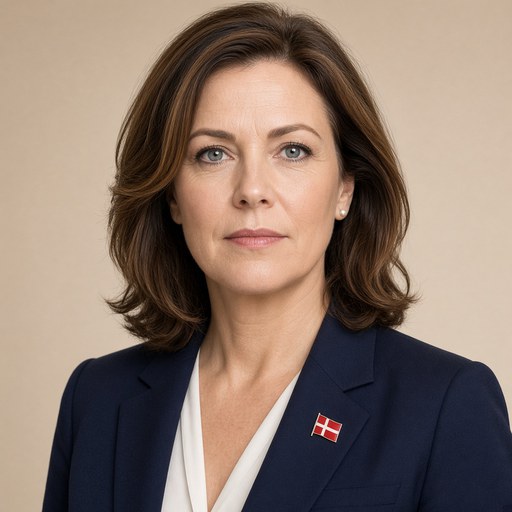
The Prime Minister's speech at the conclusion of the Folketing on May 30, 2012.
 Helle Thorning-Schmidt · Prime Minister of Denmark
- Context
- Thorning-Schmidt addressed the Folketing at the close of its session on 30 May 2012, outlining the government's economic reform agenda for Denmark.
- Main themes
- Employment and workforce participation, economic competitiveness, tax reform, public finance sustainability, welfare society, demographic challenges, business investment incentives, historical resilience and cooperation, employment deductions, entrepreneurship
- Duration
- ~33 min
- Words
- 3,947
- Sentences
- 347
- Readability
- 60
- Grade
- 7.3
- Syntax
- 2.40
- Vocabulary
- 2.00
Translated from Danish
The broad sphere of national life a sentence belongs to. Every sentence has an Arena, so it is the denominator the other indices are read against.
Other347 sentences in 183 paragraphs
Denmark must get to work. And we all need to be involved.
Why is this so important?
Well, it is quite simple:
When more of us work, the community is stronger. When we work more, we become richer. And when we are richer, we can better afford the society we want.
That is why we must collectively make an extra effort. It requires action. It requires hard work. It requires close cooperation.
But we can do it. Because we have done it before. In times that were more difficult than today.
When Denmark moved forward after the crisis of the 1930s, it was precisely due to our ability to cooperate. At a time when totalitarian forces had free rein in other countries, Danish politicians came together across ideological divides.
They met in the Prime Minister's apartment in Østerbro and reached agreements. The Kanslergade Agreement kickstarted the economy and jobs in a socially just way.
And when Denmark pulled itself up after the Second World War and created a unique welfare society, it was due to our collective work effort. We became better educated. We used new technology. And women entered the labor market.
Throughout history, we have responded to crises by standing together. By making difficult decisions. By moving Denmark forward.
We must do that again. Because standing still is not an option. We cannot do things tomorrow the same way we do today.
We all need to contribute what we can to the community.
* * *
From day one, the government has told the Danish people openly and honestly that we will have to make difficult decisions.
When the crisis hit Denmark, we were not properly prepared. Our earnings fell more than many other countries. We lost tens of thousands of jobs.
And we cannot just sit down and wait for the economy to turn around. We must not believe that our jobs will return on their own.
For we have three major challenges that extend beyond the current crisis:
The first is our declining competitiveness.
In the years leading up to the crisis, the economy ran amok. A bubble was created in the housing market, where prices kept rising. It benefited some while it lasted. But it was a fleeting joy. That is how bubbles are.
The economy became overheated. Companies' costs rose more than productivity. Our competitiveness deteriorated by 20 percent in the 2000s. This hampers our opportunities today.
Therefore, there is a need for major reforms.
The poor competitiveness is our first challenge. The second challenge is the workforce.
In the early 2000s, there were four people in the workforce for every pensioner. By 2020, there will only be three.
Therefore, we need to work more.
The third challenge is to ensure a healthy public economy. At the same time, we must create room to develop welfare and invest in the future.
Therefore, we must find financing for every single krone we spend.
We have significant challenges. And that is why the decisions we make today are so important. Our choices today determine what kind of society we will have, not just in the promised year 2020, but also for future generations.
I sense that the Danish people are ready to make the difficult choices and take the extra effort needed to get Denmark to work. The spring agreements show that many are ready. And I can say with certainty: The government is ready.
* * *
We have just presented a tax reform.
The headline for the tax reform is the same as for all our other reforms: Denmark in work. The government's decisions are about one thing: We must work our way to a richer Denmark.
Therefore, our businesses must have good conditions.
We will give companies the opportunity for extra depreciation for investments in machinery. This will apply for the rest of this year and all of next year.
This will lead to extra investments in the billions. It will mean more Danish jobs.
And it must be the end of the entrepreneur tax that the previous government introduced. It is a tax that stifles the desire to create. What is needed is the opposite. Our entrepreneurs are the growth layer from which new successes must emerge.
The government's tax proposal provides businesses with better conditions to create jobs.
We will also reward the Danish people's work effort and diligence. For who ensures that there are goods in the stores, that we are cared for when we are sick, and that our everyday life functions? And who sells green solutions to Korea and enzymes to India and brings money back to the country?
It is all the Danes who get up every morning and go to work.
That is why there should be a greater benefit to working.
The government will increase the employment deduction—almost to double its size. This will benefit people with very ordinary incomes. Industrial workers. Social and health care assistants. Hairdressers.
And we will provide an extra deduction for single parents. A single mother or father will thus not double, but triple their employment deduction. This provides a greater incentive to enter the workforce, so fewer remain stuck in a life without work.
We will also raise the threshold for the top tax.
Fewer craftsmen, clinic assistants, and school teachers should be held back by tax thresholds when they consider working a few extra hours.
The government's overall proposal for a tax reform will provide an ordinary family with two children over 7,000 kr. more per year.
And the financing is in place. When we give money in one place, we find it in another. We do not provide tax cuts that we cannot afford.
The tax reform will increase employment by what corresponds to nearly 15,000 more in work.
Here, some may ask: Why should a craftsman work more when there are craftsmen unemployed at the same time? Why should a secretary take an extra shift when there are unemployed secretaries ready to take over?
I have two answers to that question:
My first answer is about today.
Of course, we must do what we can right now to ensure that there is work for the unemployed craftsmen and secretaries. We do this with a kickstart. By initiating renovations of homes. With investments in infrastructure. With the extra depreciation for investments that is part of the tax reform.
My second answer is that we must also look further ahead.
It does not help to solve problems only when they arise. We must not be so shortsighted.
We know that the large cohorts are reaching retirement age and will be replaced by smaller cohorts of young people. That is a fact. And if we do not act today, we will lack labor tomorrow. This will hinder our opportunities when the recovery comes.
Therefore, we must work more.
* * *
Twenty-five years ago, a tripartite agreement was made regarding the Common Declaration. It was a forward-looking agreement. An agreement that celebrated job creation instead of wage increases. An agreement that also laid the foundation for one of the world's most robust and comprehensive pension systems.
Now it is our turn. Now our generation of labor leaders, employers, and elected officials must live up to our responsibility. We must lay the foundation for more jobs and better education.
Last week, the government initiated tripartite negotiations with the labor market parties.
Specifically, the goal is to increase the work effort by what corresponds to 20,000 jobs by 2020. That is the framework for the negotiations.
How will we reach that goal?
It will be necessary for the Danes to work more. Only in this way can we find the money for the things we want.
To ensure that those who did not receive much education can get more education.
To ensure that the unemployed can receive better assistance to get into work.
To ensure that more young people can get an internship and complete their vocational education.
For no group has been hit harder by the crisis than the young. We must do something about that. Young people must have a chance to educate themselves, hold a job, and show what they can do. The government has presented a youth package that will be part of the tripartite negotiations.
Some of what we negotiate will require new laws here in the Folketing. And some of the themes we will address are covered by political agreements. The government will, of course, respect that.
But I also expect that the Folketing will welcome an agreement among important actors in our society.
It is our common task to move Denmark forward.
* * *
The tax reform and the tripartite agreement are two important steps in the series of reforms that will set Denmark to work.
The government has also presented a proposal for a reform of early retirement and flexible jobs.
We will present a reform of the cash assistance area.
We will present a reform that will help young people finish their education faster.
The series of reforms are steps on the way to the goals we have set in the government's very ambitious 2020 plan "Denmark in Work."
The government is not only focused on getting the numbers in the state accounts to match on a bottom line eight years into the future. We want much more than that. We also want to build up.
First, we will create the basis for solid growth and good jobs, especially in the private sector. Our goal is that total employment will grow by what corresponds to 180,000 more in work by 2020.
Second, we will strengthen public finances so that we can develop our welfare, invest in education, and invest in the future.
Let me mention some important examples:
The government will invest in health. With more money for the treatment of more elderly people. With telemedicine that gives patients less hassle, doctors greater efficiency, and the term "ward rounds" a new meaning.
The government wants a green Denmark. A Denmark where coal is replaced by wind. And where Danish companies share in the growing global market and create green jobs and new exports.
We have entered into an energy agreement that is broader, greener, and more forward-looking than ever in Denmark's history.
And we have entered into a broad transport agreement. An agreement that provides a boost of one billion kroner a year for better and cheaper public transport.
The government will invest in education. Education is and will remain the best insurance for young people in a labor market where demands are growing and growing.
We must include everyone. And we must start with the children.
I have great respect for all the teachers who do a great job every day in instilling a love of learning and knowledge in our children. All our children.
Also the boy or girl who is struggling.
But when one in six leaves school without having acquired the most basic skills in reading and mathematics, that is not good enough.
We must do better together. The government has set the goal that all children should become better at Danish and mathematics.
This will be included in the public school proposal we will present in the fall. We will emphasize broad support. Among school leaders, teachers, parents, and students. And here in the Folketing.
* * *
My message is that it is possible to preserve and develop the Denmark we love. But only if we work hard for it.
All Danes must contribute in different ways. And we all get something in return.
The ordinary wage earner must work more and will receive tax cuts that can be felt in the family's finances.
Young people must pursue an education, and they must complete it faster. In return, they will receive an education paid for by the community and a daily life to wake up to.
And the elderly – the generation that has contributed with a 40-hour work week and three weeks of vacation, and who were not included in the labor market pensions – will receive improved pensions and a larger elderly check. That is part of our tax reform.
Denmark's businesses must create new jobs and provide internships for young people. In return, they will get employees with better skills.
And we all get a safe and supportive Denmark.
* * *
We must make difficult decisions. And we must always remember why we do it. We do it for our common welfare.
That is the red thread in the government's work.
We have been in government for nearly eight months. We have achieved a lot.
We are supporting Danish jobs. With a kickstart that creates activity this year and next year.
We are strengthening loan financing for our businesses with new capital in the billions.
Previously, an unskilled unemployed person could not get a forklift certificate or a bus driving license. Now we have removed the price cap on self-chosen education. Because better education gives a greater chance of getting a job.
Everyone who works in Denmark must comply with Danish rules. We are combating social dumping.
Our children must have a safe start in life. We have secured funding for more adults in nurseries and kindergartens.
We are ensuring 3,000 extra school internship places this year. That is double the number from last year.
The third or fourth child is not less valuable than the first and second. We have removed the cap on the child benefit.
We are ensuring more money for the municipalities that have the greatest problems to tackle and the most vulnerable children.
We are a government that treats everyone fairly. Also children who have gone off track. One of our first bills raised the criminal age from 14 to 15 years.
We have introduced a new balance in immigration policy. Not with euphemisms like "start assistance" and "immigrant services." But with new action. We do not believe that people should receive a particularly low cash assistance just because they come from another country.
In two weeks, the first gay and lesbian couples will be able to marry in a church. That is modern Denmark.
And all childless couples should have access to treatment. Not just those who can pay for it themselves.
We are a government that wants to cooperate with our neighbors. We will not hide behind border barriers.
We have set a new direction for Denmark. I would like to thank the Red-Green Alliance today for a good and constructive collaboration on many important results.
I would also like to emphasize that we are a government that will cooperate broadly where possible.
And I would therefore also like to take this opportunity to thank all the parties here in the Folketing. You have all been involved in agreements on one or more of the results I have mentioned.
Now we are moving on to the next steps. Tax reform. Tripartite negotiations. Reforms of early retirement and flexible jobs.
Here, the government is reaching out for broad cooperation.
For think about what we can achieve together. The reforms will increase labor participation. They will provide funding for welfare and education. But the purpose is also greater than the direct effect. The purpose is also to create trust. To create a shared belief in the future.
Think of the Denmark that is within our reach. A Denmark where businesses invest again, creating new jobs. Where consumers spend money again because they believe in the future. A Denmark where everyone benefits from new prosperity.
A Denmark at work.
* * *
In the EU, the challenge is also to make important decisions to ensure the community.
One might encounter the viewpoint that Europe must choose between economic responsibility on one side and growth on the other.
But has the debt crisis in Europe not precisely shown that irresponsible economic policy is the greatest threat to growth and jobs? And thus to the people who need the community the most?
Fortunately, the European debate is much more nuanced.
There are no easy solutions that will mean that young people get jobs. We cannot magically get the wheels turning again. We cannot create growth in Europe from one day to the next.
It is a long, tough haul. We must act on multiple fronts. And things are closely interconnected.
First, all EU countries must maintain focus on getting their economies in order and ensuring sound public finances.
Second, countries must implement the necessary national reforms of, for example, their labor markets.
And third, we must be better at exploiting our common growth opportunities in the EU.
This has been the Danish presidency's approach from day one.
Denmark has now held the presidency of the EU for five months. These are five months during which important decisions have been made to both get the economy in order and kickstart growth and jobs.
We have adopted a Fiscal Compact, which was absolutely necessary to restore confidence in the European economy. And it is a crucial prerequisite for new growth.
Financial regulation has been strengthened. So we are curbing speculation that could lead to new crises.
And at the summit a week ago, the Danish presidency received a strong mandate to continue the work on a comprehensive growth package.
I would like to highlight three important areas in the growth package:
First, we need to focus on how we can strengthen employment. We must, among other things, better utilize structural fund resources. They should be targeted at initiatives that create jobs.
Second, we need to get more out of the EU's funding for projects and businesses. We have agreed on a trial with project bonds, which will secure funding for new infrastructure. And we will improve the European Investment Bank's ability to provide loans to small and medium-sized enterprises.
Third, we must remove the barriers that currently prevent us from fully benefiting from the internal market. The internal market is the EU's growth engine. It has provided great benefits for European businesses and consumers. But we can reap even greater rewards.
We have already reached an agreement that will mean much lower mobile phone prices. And we are close to achieving a number of other initiatives. The standardization package. The proposal for an internal market for venture capital. And the European patent.
Even though one might think we should find some catchier headlines, these are the proposals that will strengthen growth.
It is the government's ambition that all this work will culminate in us being able to adopt a comprehensive growth package for Europe at the summit in June.
If we succeed, we can look back on a Danish presidency where important decisions have been made to meet Europe's double challenge: To ensure confidence in economic policy. And to create new growth and jobs.
* * *
Denmark is a small country, but we take a big responsibility in the world.
In January, I had the opportunity to meet again with the Danish soldiers, police officers, advisors, doctors, and nurses in Afghanistan. And I was once again impressed by their great commitment. They know that their task is dangerous, but they do not back down.
I would like to send a greeting today to those deployed in Afghanistan: You are making an important and brave effort.
And I know that the broad support from the Folketing means an incredible amount to our deployed personnel.
During my visit in January, I also spoke with two Afghan women – one a parliamentarian, the other the head of an organization that advises on women's rights.
One of the women told me about her daughter, who had never experienced living under the Taliban regime. The daughter had never experienced the hell it was to be a woman under the Taliban. And she should never have to experience it.
The women's message was that the Afghan people would not allow the Taliban to gain a foothold again. But of course, fear was present in their bodies.
Meeting the two women that January day in snow-covered Kabul was a reminder to me of why we are in Afghanistan. We are there to prevent the country from becoming a haven for terrorists again. We are there to give mothers and daughters hope that they can live a life in freedom.
It is those women I think of when Denmark triples our contribution to the financing of the Afghan security forces.
It is those women I think of when Denmark increases development aid to Afghanistan until 2017.
We are working towards NATO's goal: That the Afghans take over responsibility for their own security in 2014. In the coming years, our efforts will gradually shift from combat to training and assistance.
We are finding a new balance. But we are not turning our backs on the Afghans.
This new balance characterizes the entire government's foreign policy.
We are ready to participate in sharp military tasks when necessary.
There is great international recognition for our efforts in Afghanistan, in Libya, and our fight against piracy off the Horn of Africa. I experienced this most recently when I attended the NATO summit in Chicago just over a week ago.
But we also want to strengthen the more long-term efforts and, if possible, prevent new violent conflicts.
That is why the government has increased development aid.
That is why the promotion of human rights is an important element in our new strategy for development aid.
And that is why we support freedom and democracy, for example, through an increased effort in North Africa and the Middle East.
Denmark takes responsibility for peace and democracy in the world. A responsibility that goes beyond our size. A responsibility that is supported by broad cooperation in the Folketing.
We can all be proud of that.
* * *
We can also be proud of our cooperation in the Realm. The cooperation between Denmark, Greenland, and the Faroe Islands is based on much more than laws and regulations. It is based on a shared history. It is based on community among people. On bonds between families. On strong friendships.
Let me provide some current examples of how the Realm has proven its worth.
Most recently, the Greenlandic government, with the government's assistance, negotiated a renewal of the fisheries agreement with the EU.
And consideration for the Faroe Islands and the Realm weighed heavily when the government decided in April not to vote when the EU proposed sanctions against countries that they assess do not fish sustainably.
This is a matter of great significance for the Faroe Islands.
I would like to take this opportunity to thank the Faroese government for the good and close dialogue we have had all along.
And I look forward to the Realm meeting in Greenland this summer, where I will meet with the Premier and the Lagmand.
* * *
I will conclude by emphasizing that the government will bring Denmark out of the crisis while maintaining our solidarity-based welfare society.
We can only achieve that goal if we all contribute what we can. And a little more.
When we look beyond Denmark's borders, Europe is still hard hit by the crisis. I have no doubt that the countries that manage to make the difficult and necessary decisions will also be the countries that will come out well on the other side.
Denmark has the opportunity to be one of those countries.
We must seize that opportunity. As we have done before in our history.
I urge that we here in the Folketing reach for what unites us. I urge for broad and open cooperation on the necessary decisions. I urge that we achieve results together.
Denmark needs that.
The original Danish. The tags above are read on the English translation's sentences.
Danmark skal i arbejde. Og vi skal alle sammen være med.
Hvorfor er det så vigtigt?
Ja, det er sådan set enkelt nok:
Når vi er flere, der arbejder, er fællesskabet stærkere. Når vi arbejder mere, bliver vi rigere. Og når vi er rigere, så har vi bedre råd til det samfund, vi ønsker.
Derfor skal vi i fællesskab gøre en ekstra indsats. Det kræver handling. Det kræver hårdt arbejde. Det kræver tæt samarbejde.
Men vi kan gøre det. For vi har gjort det før. I tider, som var mere vanskelige end i dag.
Når Danmark kom videre efter krisen i 1930’erne, så skyldtes det netop vores evne til at samarbejde. På en tid hvor totalitære kræfter havde frit spil i andre lande, så satte danske politikere sig sammen på tværs af ideologiske skel.
De mødtes i statsministerens lejlighed på Østerbro og indgik forlig. Kanslergadeforliget satte skub i økonomi og arbejdspladser på en socialt retfærdig måde.
Og når Danmark fik trukket sig op efter anden verdenskrig og skabt et unikt velfærdssamfund, så skyldtes det vores samlede arbejdsindsats. Vi blev bedre uddannede. Vi brugte ny teknologi. Og kvinderne kom ud på arbejdsmarkedet.
Gennem historien har vi reageret på kriser ved at stå sammen. Ved at træffe svære beslutninger. Ved at flytte Danmark.
Det skal vi gøre igen. For det er ikke en mulighed at stå stille. Vi kan ikke gøre tingene i morgen på samme måde som i dag.
Vi skal alle sammen yde det, vi kan til fællesskabet.
* * *
Regeringen har fra første dag sagt åbent og ærligt til danskerne, at vi kommer til at træffe svære beslutninger.
Da krisen ramte Danmark, var vi ikke ordentligt forberedt. Vores indtjening faldt mere end mange andre landes. Vi tabte titusindvis af arbejdspladser.
Og vi kan ikke bare sætte os ned og vente på, at konjunkturerne vender. Vi må ikke tro, at vores arbejdspladser kommer retur af sig selv.
For vi har tre store udfordringer, som rækker ud over den aktuelle krise:
Den første er vores skrantende konkurrenceevne.
I årene op til krisen løb økonomien løbsk. Der blev skabt en boble på boligmarkedet, hvor priserne steg og steg. Det kom nogle til gavn, så længe det varede. Men det var en stakket glæde. Sådan er det med bobler.
Økonomien blev overophedet. Virksomhedernes omkostninger steg mere end produktiviteten. Vores konkurrenceevne blev forværret med 20 procent i 00’erne. Det hæmmer vores muligheder i dag.
Derfor er der brug for store reformer.
Den dårlige konkurrenceevne er vores første udfordring. Den anden udfordring er arbejdsstyrken.
I starten af 00’erne var der fire personer i arbejdsstyrken for hver folkepensionist. Frem mod 2020 vil der kun være tre.
Derfor skal vi arbejde mere.
Den tredje udfordring er at sikre en sund offentlig økonomi. Samtidig med, at vi skaber plads til at udvikle velfærden og investere i fremtiden.
Derfor skal vi finde finansiering for hver en krone, vi bruger.
Vi har store udfordringer. Og derfor er de beslutninger, vi træffer i dag så vigtige. Vores valg i dag bestemmer, hvilket samfund vi får, ikke bare i det forjættede år 2020, men også for de kommende generationer.
Jeg oplever, at danskerne er parate til at træffe de svære valg og tage den ekstra tørn, der skal til for at få Danmark i arbejde. Forårets overenskomster viser, at mange er parate. Og jeg kan sige med sikkerhed: Regeringen er parat.
* * *
Vi har netop fremlagt en skattereform.
Overskriften for skattereformen er den samme som for alle vores andre reformer: Danmark i arbejde. Regeringens beslutninger handler om én ting: Vi skal arbejde os til et rigere Danmark.
Derfor skal vores virksomheder have gode vilkår.
Vi vil give virksomhederne mulighed for ekstra afskrivninger for investeringer i maskiner. Det skal gælde resten af i år og hele næste år.
Det vil give ekstra investeringer i milliardklassen. Det vil betyde flere danske arbejdspladser.
Og så skal det være slut med den iværksætterskat, som den tidligere regering indførte. Det er en skat, der hæmmer virkelysten. Det er det modsatte, der er brug for. Vores iværksættere er det vækstlag, som nye succeser skal vokse ud af.
Regeringens skatteudspil giver erhvervslivet bedre vilkår for at skabe arbejdspladser.
Vi vil også belønne danskernes arbejdsindsats og flid. For hvem sørger for, at der er varer i butikkerne, at vi bliver passet, når vi er syge, og at hele vores hverdag fungerer? Og hvem sælger grønne løsninger til Korea og enzymer til Indien og tjener penge hjem til landet?
Det gør alle de danskere, der hver morgen står op og går på arbejde.
Derfor skal der være en større gevinst ved at arbejde.
Regeringen vil øge beskæftigelses-fradraget – næsten til dobbelt størrelse. Det vil gavne folk med helt almindelige indkomster. Industriarbejdere. Sosu-hjælpere. Frisører.
Og vi vil give et ekstra fradrag til de enlige forsørgere. En enlig mor eller far får dermed ikke fordoblet, men tredoblet sit beskæftigelses-fradrag. Det giver en større gevinst ved at komme i arbejde, så færre sidder fast i et liv uden arbejde.
Vi vil også rykke grænsen for topskat op.
Færre håndværkere, klinikassistenter og skolelærere skal bremses af skattegrænser, når de overvejer at arbejde et par timer ekstra.
Regeringens samlede udspil til en skattereform vil give en almindelig familie med to børn over 7.000 kr. mere om året.
Og finansieringen er på plads. Når vi giver penge ét sted, så finder vi dem et andet sted. Vi giver ikke skattelettelser, som vi ikke har råd til.
Skattereformen vil øge beskæftigelse med det, der svarer til næsten 15.000 flere i arbejde.
Her er der nogen, som spørger: Hvorfor skal en håndværker arbejde mere, når der samtidig går håndværkere ledige? Hvorfor skal en sekretær tage en ekstra tørn, når der står arbejdsløse sekretærer klar til at tage over?
Jeg har to svar på det spørgsmål:
Mit første svar handler om i dag.
Selvfølgelig skal vi her og nu gøre, hvad vi kan, for at der bliver arbejde til de ledige håndværkere og sekretærer. Det gør vi med en kickstart. Ved at sætte gang i renovering af boliger. Med investeringer i infrastruktur. Med de ekstra afskrivninger for investeringer, som er en del af skattereformen.
Mit andet svar er, at vi også skal se længere frem.
Det nytter ikke noget, at vi først løser problemerne, når de er der. Så kortsynede må vi ikke være.
Vi ved, at de store årgange når pensionsalderen og bliver afløst af små årgange af unge. Det er en kendsgerning. Og hvis vi ikke handler i dag, så vil vi mangle arbejdskraft i morgen. Det vil bremse vores muligheder, når opsvinget kommer.
Derfor skal vi arbejde mere.
* * *
For 25 år siden blev der indgået en trepartsaftale om Fælleserklæringen. Det var en fremsynet aftale. En aftale, som fejrede jobfest i stedet for lønfest. En aftale, som også støbte fundamentet til et af verdens mest robuste og omfattende pensionssystemer.
Nu er det vores tur. Nu skal vores generation af faglige ledere, arbejdsgivere og folkevalgte leve op til vores ansvar. Vi skal støbe fundamentet til flere arbejdspladser og bedre uddannelser.
I sidste uge satte regeringen gang i trepartsforhandlingerne med arbejdsmarkedets parter.
Helt konkret er det målet at øge arbejdsindsatsen med det, der svarer til 20.000 arbejdspladser frem til 2020. Det er rammen om forhandlingerne.
Hvordan skal vi nå det mål?
Det bliver nødvendigt, at danskerne arbejder mere. Kun på den måde kan vi finde penge til de ting, vi gerne vil.
Til at de, der ikke fik så meget uddannelse, kan få mere uddannelse.
Til at de ledige kan få en bedre hjælp til at komme i arbejde.
Til at flere unge kan få en praktikplads og gøre deres erhvervsuddannelse færdig.
For ingen gruppe er ramt hårdere af krisen end de unge. Det skal vi gøre noget ved. De unge skal have en chance for at uddanne sig, passe et arbejde og vise, hvad de kan. Regeringen har fremlagt en ungepakke, der vil indgå i trepartsforhandlingerne.
Noget af det, vi forhandler om, vil kræve nye love her i Folketinget. Og nogle af de temaer, vi vil tage op, er omfattet af politiske aftaler. Det vil regeringen naturligvis respektere.
Men jeg forventer også, at Folketinget tager godt imod en aftale mellem vigtige aktører i vores samfund.
Det er vores fælles opgave at bringe Danmark videre.
* * *
Skattereform og trepartsaftale er to vigtige skridt i den række af reformer, som skal sætte Danmark i arbejde.
Regeringen har også fremlagt et udspil til en reform af førtidspension og fleksjob.
Vi vil fremlægge en reform af kontanthjælpsområdet.
Vi vil fremlægge en reform, der skal få de unge til at blive hurtigere færdige med uddannelsen.
Rækken af reformer er skridt på vejen mod de mål, vi har sat os i regeringens meget ambitiøse 2020-plan ”Danmark i arbejde”.
Regeringen er ikke kun optaget af at få tallene i statens regnskab til at stemme på en bundlinje otte år ude i fremtiden. Vi vil meget mere end det. Vi vil også bygge op.
For det første vil vi skabe grundlag for en solid vækst og gode arbejdspladser, især i den private sektor. Det er vores mål, at den samlede beskæftigelse frem mod 2020 skal vokse med det, der svarer til 180.000 flere i arbejde.
For det andet vil vi styrke de offentlige finanser, så vi kan udvikle vores velfærd, satse på uddannelse og investere i fremtiden.
Lad mig nævne nogle vigtige eksempler:
Regeringen vil investere i sundhed. Med flere penge til behandling af flere ældre. Med telemedicin, der giver patienterne mindre besvær, lægerne større effektivitet og ordet stuegang en ny betydning.
Regeringen vil et grønt Danmark. Et Danmark, hvor kul er skiftet ud med vind. Og hvor danske virksomheder har del i det voksende globale marked og skaber grønne arbejdspladser og ny eksport.
Vi har indgået en energiaftale, der er bredere, grønnere og mere perspektivrig end nogensinde i Danmarks historie.
Og vi har indgået en bred trafikaftale. En aftale, der giver et løft på en milliard kroner om året til bedre og billigere kollektiv trafik.
Regeringen vil satse på uddannelser. Uddannelse er og bliver de unges bedste forsikring på et arbejdsmarked, hvor kravene vokser og vokser.
Vi skal have alle med. Og vi skal starte med børnene.
Jeg har stor respekt for alle de lærere, der hver dag gør et godt stykke arbejde med at give vores børn lærelyst og lærdom. Alle vores børn.
Også den dreng eller pige, der har det svært.
Men når hver sjette går ud af skolen uden at have fået de helt basale færdigheder i læsning og matematik, så er det ikke godt nok.
Det skal vi gøre bedre sammen. Regeringen har opstillet det mål, at alle børn skal blive dygtigere til dansk og matematik.
Det vil indgå i det folkeskoleudspil, vi vil lægge frem til efteråret. Vi vil lægge vægt på en bred opbakning. Blandt skoleledere, lærere, forældre og elever. Og her i Folketinget.
* * *
Mit budskab er, at det er muligt at bevare og udvikle det Danmark, vi holder af. Men kun, hvis vi arbejder hårdt for det.
Alle danskere må yde deres på forskellig måde. Og vi får alle sammen noget igen.
Den almindelige lønmodtager skal arbejde mere og får til gengæld skattelettelser, der kan mærkes i familiens økonomi.
De unge skal tage en uddannelse, og de skal gøre den hurtigere færdig. De får til gengæld en uddannelse betalt af fællesskabet og en hverdag at stå op til.
Og de ældre – den generation, der har ydet deres med 40 timers arbejdsuge og tre ugers ferie, og som ikke kom med i arbejdsmarkedspensionerne – de får forbedret deres pension og en større ældrecheck. Det er en del af vores skattereform.
Danmarks virksomheder skal skabe nye arbejdspladser og skaffe praktikpladser til de unge. De får til gengæld medarbejdere med bedre kompetencer
Og vi får alle sammen et trygt og solidarisk Danmark.
* * *
Vi skal træffe svære beslutninger. Og vi skal hele tiden huske, hvorfor vi gør det. Vi gør det for vores fælles velfærd.
Det er den røde tråd i regeringens arbejde.
Vi har været regering i snart otte måneder. Vi har nået meget.
Vi holder hånden under danske arbejdspladser. Med en kickstart, der skaber aktivitet i år og til næste år.
Vi styrker lånefinansiering til vores virksomheder med ny kapital i milliardklassen.
Før kunne en ufaglært ledig ikke få et truckcertikat eller buskørekort. Nu har vi afskaffet prisloftet på selvvalgt uddannelse. For bedre uddannelse giver større chance for at få et arbejde.
Alle, der arbejder i Danmark, skal overholde danske regler. Vi bekæmper social dumping.
Vores børn skal have en tryg start på livet. Vi har skaffet penge til flere voksne i vuggestuer og børnehaver.
Vi sikrer 3.000 ekstra skolepraktikpladser i år. Det er dobbelt så mange som sidste år.
Barn nummer tre eller fire er ikke mindre værd end nummer et og to. Vi har fjernet loftet over børnechecken.
Vi sikrer flere penge til de kommuner, der har de største problemer at kæmpe med og flest udsatte børn.
Vi er en regering, der behandler alle ordentligt. Også børn, der er kommet ud ad et forkert spor. Et af vores første lovforslag hævede den kriminelle lavalder fra 14 til 15 år.
Vi har indført en ny balance i udlændingepolitikken. Ikke med nysprog som ”starthjælp” og ”udlændingeservice”. Men med ny handling. Vi tror ikke på, at mennesker skal have en særligt lav kontanthjælp, fordi de kommer fra et andet land.
Om to uger vil de første bøsser og lesbiske kunne blive viet i en kirke. Det er det moderne Danmark.
Og alle barnløse skal have mulighed for behandling. Ikke kun dem, der selv kan betale.
Vi er en regering, der vil samarbejde med vores naboer. Vi vil ikke gemme os bag grænsebomme.
Vi har sat en ny retning for Danmark. Jeg vil gerne i dag takke Enhedslisten for et godt og konstruktivt samarbejde om mange vigtige resultater.
Jeg vil også understrege, at vi er en regering, som vil samarbejde bredt, hvor det er muligt.
Og jeg vil derfor også benytte lejligheden til at takke alle partier her i folketinget. I har alle været med i aftaler om et eller flere af de resultater, jeg har nævnt.
Nu er vi i gang med de næste skridt. Skattereform. Trepartsforhandlinger. Reformer af førtidspension og fleksjob.
Her rækker regeringen hånden ud til et bredt samarbejde.
For tænk på, hvad vi kan nå sammen. Reformerne vil øge arbejdsindsatsen. De vil give penge til velfærd og uddannelse. Men formålet er også større end den direkte effekt. Formålet er også at skabe tillid. At skabe en fælles tro på fremtiden.
Tænk på det Danmark, som er inden for vores rækkevidde. Et Danmark, hvor virksomhederne investerer igen, så der kommer nye arbejdspladser. Hvor forbrugerne bruger penge igen, fordi de tror på fremtiden. Et Danmark, hvor alle nyder godt af ny fremgang.
Et Danmark i arbejde.
* * *
I EU er udfordringen også at træffe vigtige beslutninger for at sikre fællesskabet.
Man kan møde det synspunkt, at Europa skal vælge mellem økonomisk ansvarlighed på den ene side og vækst på den anden side.
Men har gældskrisen i Europa ikke netop vist, at uansvarlig økonomisk politik er den største trussel mod vækst og arbejdspladser? Og dermed mod de mennesker, der har mest brug for fællesskabet?
Den europæiske debat er heldigvis langt mere nuanceret.
Der findes ingen lette løsninger, som vil betyde, at de unge kommer i arbejde. Vi kan ikke med et trylleslag få hjulene til at snurre igen. Vi kan ikke skabe vækst i Europa fra den ene dag til den anden.
Det er et langt sejt træk. Vi må sætte ind på flere fronter. Og tingene hænger tæt sammen.
For det første skal alle EU-lande bevare fokus på at få styr på deres økonomi og sikre sunde offentlige finanser.
For det andet skal landene gennemføre de nødvendige nationale reformer af f.eks. deres arbejdsmarkeder.
Og for det tredje skal vi være bedre til at udnytte vores fælles vækstmuligheder i EU.
Det har været det danske formandskabs tilgang fra dag ét.
Danmark har nu haft formandskabet for EU i fem måneder. Det er fem måneder, hvor der er truffet vigtige beslutninger for både at få styr på økonomien og gang i vækst og arbejdspladser.
Vi har vedtaget en Finanspagt, som var helt nødvendig for at genoprette tilliden til europæisk økonomi. Og det er en afgørende forudsætning for ny vækst.
Den finansielle regulering er blevet styrket. Så vi dæmmer op for, at spekulation igen kan føre til nye kriser.
Og på topmødet for en uge siden fik det danske formandskab et stærkt mandat til at forsætte arbejdet med en samlet vækstpakke.
Jeg vil fremhæve tre vigtige områder i vækstpakken:
For det første skal vi have fokus på, hvordan vi kan styrke beskæftigelsen. Vi skal blandt andet udnytte strukturfondsmidlerne bedre. De skal målrettes initiativer, som skaber arbejdspladser.
For det andet skal vi have mere ud af EU’s finansiering til projekter og virksomheder. Vi har aftalt et forsøg med projektobligationer, som skal sikre penge til ny infrastruktur. Og vi vil forbedre Den Europæiske Investeringsbanks muligheder for at yde lån til de små og mellemstore virksomheder.
For det tredje skal vi fjerne de barrierer, der i dag forhindrer, at vi får det fulde udbytte af det indre marked. Det indre marked er EU’s vækstmotor. Det har givet store fordele for europæiske virksomheder og forbrugere. Men vi kan høste endnu større gevinster.
Vi har allerede indgået en aftale, der vil betyde meget lavere mobilpriser. Og vi er tæt på at være i mål med en række andre initiativer. Standardiseringspakken. Forslaget om et indre marked for venture kapital. Og det europæiske patent.
Selv om man måske burde finde nogle mere mundrette overskrifter, så er det forslag, som vil styrke væksten.
Det er regeringens ambition, at hele det arbejde skal munde ud i, at vi på topmødet i juni kan vedtage en samlet vækstpakke for Europa.
Hvis det lykkedes, kan vi se tilbage på et dansk formandskab, hvor der er taget vigtige beslutninger for at møde Europas dobbelte udfordring: At sikre tillid til den økonomiske politik. Og at skabe ny vækst og arbejdspladser.
* * *
Danmark er et lille land, men vi tager et stort ansvar i verden.
I januar måned havde jeg igen muligheden for at møde de danske soldater, politifolk, rådgivere, læger og sygeplejersker i Afghanistan. Og jeg blev igen imponeret over deres store engagement. De ved, at deres opgave er farlig, men de viger ikke tilbage.
Jeg vil her i dag sende en hilsen til de udsendte i Afghanistan: I gør en vigtig og modig indsats.
Og jeg ved, at Folketingets brede opbakning betyder utroligt meget for vores udsendte.
Under mit besøg i januar talte jeg også med to afghanske kvinder – den ene parlamentariker, den anden leder af en organisation, der rådgiver om kvinders rettigheder.
Den ene af kvinderne fortalte om sin datter, der aldrig havde prøvet at leve under Talebans regime. Datteren havde aldrig oplevet det helvede, det var at være kvinde under Taleban. Og det skulle hun heller aldrig opleve.
Kvindernes budskab var, at det afghanske folk ikke ville tillade, at Taleban fik fodfæste igen. Men selvfølgelig sad frygten dem i kroppen.
Mødet med de to kvinder den januardag i det sneklædte Kabul var for mig en påmindelse om, hvorfor vi er i Afghanistan. Vi er der for at forhindre, at landet igen bliver et helle for terrorister. Vi er der for at give mødre og døtre en tro på, at de kan leve et liv i frihed.
Det er de kvinder, jeg tænker på, når Danmark tredobler vores bidrag til finansieringen af de afghanske sikkerhedsstyrker.
Det er de kvinder, jeg tænker på, når Danmark øger udviklingsbistanden til Afghanistan frem til 2017.
Vi arbejder hen mod NATO’s mål: At afghanerne i 2014 overtager ansvaret for egen sikkerhed. I de kommende år skifter vores indsats gradvist fra kamp til træning og bistand.
Vi finder en ny balance. Men vi vender ikke afghanerne ryggen.
Den nye balance kendetegner hele regeringens udenrigspolitik.
Vi er parate til at deltage i de skarpe militære opgaver, når det er nødvendigt.
Der er stor international anerkendelse for vores indsats i Afghanistan, i Libyen og vores kamp mod pirateri ud for Afrikas Horn. Det oplevede jeg senest, da jeg var til NATO-topmødet i Chicago for lidt over en uge siden.
Men vi ønsker samtidig at styrke den mere langsigtede indsats og om muligt forbygge nye voldelige konflikter.
Derfor har regeringen øget udviklingsbistanden.
Derfor er fremme af menneskerettigheder et vigtigt element i vores nye strategi for udviklingsbistanden.
Og derfor bakker vi op om frihed og demokrati, f.eks. gennem en øget indsats i Nordafrika og Mellemøsten.
Danmark tager et ansvar for fred og demokrati i verden. Et ansvar, der rækker ud over vores størrelse. Et ansvar, der støttes af et bredt samarbejde i Folketinget.
Det kan vi alle sammen være stolte af.
* * *
Vi kan også være stolte af vores samarbejde i Rigsfællesskabet. Samarbejdet mellem Danmark, Grønland og Færøerne bygger på langt mere end love og regler. Det bygger på en fælles historie. Det bygger på fællesskab mellem mennesker. På bånd mellem familier. På stærke venskaber.
Lad mig komme med nogle aktuelle eksempler på, at rigsfællesskabet har vist sit værd.
Senest har Grønlands landsstyre med regeringens medvirken forhandlet en fornyelse af fiskeriaftalen med EU på plads.
Og hensynet til Færøerne og rigsfællesskabet vejede tungt, da regeringen i april måned besluttede at undlade at stemme, når EU vil give mulighed for sanktioner over for lande, som de vurderer ikke fisker bæredygtigt.
Det er en sag, som har meget stor betydning for Færøerne.
Jeg vil benytte lejligheden til at takke det færøske landsstyre for den gode og tætte dialog, som vi har haft hele vejen.
Og så glæder jeg mig til rigsmødet i Grønland til sommer, hvor jeg skal mødes med landsstyreformanden og lagmanden.
* * *
Jeg vil slutte af med at understrege, at regeringen vil bringe Danmark ud af krisen med vores solidariske velfærdssamfund i behold.
Det mål kan vi kun nå, hvis vi alle yder det, vi kan. Og lidt til.
Når vi ser ud over Danmarks grænser, så er Europa stadig hårdt ramt af krisen. Jeg er ikke i tvivl om, at de lande, der formår at træffe de svære og nødvendige beslutninger, også vil være de lande, der vil komme godt ud på den anden side.
Danmark har muligheden for at være et af de lande.
Den mulighed skal vi gribe. Som vi har gjort det før i vores historie.
Jeg vil opfordre til, at vi her i Folketinget rækker ud efter det, der samler os. Jeg vil opfordre til et bredt og fordomsfrit samarbejde om de nødvendige beslutninger. Jeg vil opfordre til, at vi når resultater sammen.
Det har Danmark brug for.