




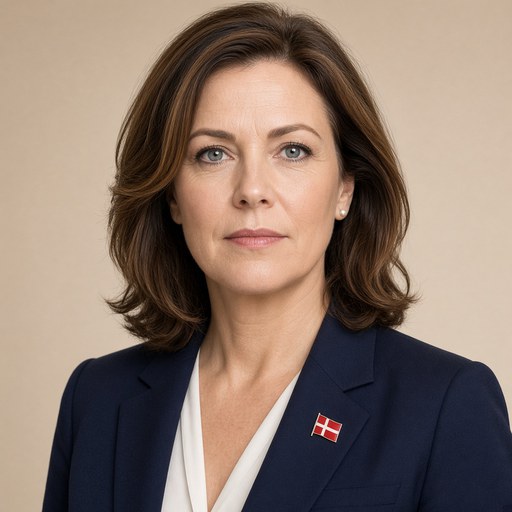
Prime Minister Helle Thorning-Schmidt's speech at the Crafts Council's representative meeting on May 16, 2012.
 Helle Thorning-Schmidt · Prime Minister of Denmark
- Context
- Thorning-Schmidt addressed the Crafts Council's annual representative meeting in Denmark on May 16, 2012, outlining her government's economic reform agenda.
- Main themes
- Craft businesses and economic growth, Denmark 2020 plan, labor market reform, competitiveness, public finances, workforce challenges, housing renovation, job creation, private sector growth, kickstart investments
- Duration
- ~20 min
- Words
- 2,350
- Sentences
- 217
- Readability
- 63
- Grade
- 6.9
- Syntax
- 2.37
- Vocabulary
- 1.97
Translated from Danish
The broad sphere of national life a sentence belongs to. Every sentence has an Arena, so it is the denominator the other indices are read against.
Other217 sentences in 99 paragraphs
Thank you for the invitation to join your representatives' meeting again this year.
Denmark's craft businesses are a driving force and a growth layer that is of great importance to all of Denmark. It is always a pleasure to meet with you.
From bakers to violin makers or auto repair shops, you have the joy every day of creating something very concrete, seeing the results of it, and experiencing customer satisfaction with what you do. You follow a straight line from effort to return.
Your job is not just a job. It is a lifestyle. I can relate to that from my own work.
A lot has happened since I attended your meeting a year ago. Back then, I was the leader of the opposition. Now I am the leader of a government that is in the midst of extensive reform work.
Last week, the government published the 2020 plan "Denmark at Work." A plan that not only aims to close the gap in the state budget. We are more ambitious. We also want growth. We also want jobs. And most new jobs must be created in the private sector.
For this to succeed, difficult and significant decisions are needed.
Today, I would like to take the opportunity to elaborate on the background and content of the government's decisions.
And also, where I see your role and your responsibility. You are an important part of Denmark. Today and in the future.
* * *
First, the background for our reforms.
From day one, the government has openly and honestly told the Danish people that we will have to make difficult decisions.
When the crisis hit Denmark, we were not sufficiently prepared. In the years following the crisis, our total earnings fell by 8 percent. That is more than many other countries.
As one of the first actions, the government implemented a kickstart, where we brought forward investments worth billions. The kickstart supports Danish jobs. It creates activity this year and next year. Also in many of your businesses.
Now we continue the effort by increasing investments in housing renovation by 4.1 billion kroner already this year. We are raising the framework for the National Building Fund.
There is a great need to renovate public housing. There are many good projects just waiting for the money to get started.
It is now, when there is a shortage of jobs, that we must stimulate construction. Your businesses will have more to do. You need to start modernizing public housing.
The kickstart and the larger renovation of public housing will create thousands of new jobs in Denmark.
This is necessary here and now. But in the long term, more is needed.
We cannot just sit down and wait for the economic cycle to turn. Good economic conditions are no guarantee that Denmark can attract and retain attractive jobs. There is also a need for decisions aimed at long-term challenges.
And when we look ahead, the government is not only focused on closing the gap in the state budget. We want more than that. We also want to build up. We want to develop our common society.
Fundamentally, Denmark has three major challenges:
The first is our declining competitiveness.
During the economic boom leading up to the crisis, Danish companies' costs rose more than in most other countries. This happened especially during the overheating in the last years before the crisis.
A bubble was created in the housing market, where prices kept rising. Many benefited from it while it lasted. But it was a fleeting joy. That is how bubbles are.
Along with weak productivity development, the overheating has weakened companies' competitiveness. And that hampers opportunities today.
The next major challenge is our workforce.
In the early 2000s, there were four people in the workforce for every pensioner. By 2020, there will only be three.
At the same time, we in Denmark work fewer hours than in most other wealthy countries. Perhaps not you specifically. But Danes more generally.
When the economic cycle turns, there will again be a shortage of hands. Also in your businesses.
Therefore, we need to increase the overall labor effort. So you can create growth and jobs.
The third major challenge is public finances.
If there is not complete control over public finances, trust in the Danish economy can falter. Then interest rates will rise. This will weaken your growth. It will mean fewer new jobs. That must not happen.
But if we instead create new growth and new jobs, we will also gain room for improvements. A room that the government will use for what we want more of in Denmark, for example, our skills and our education. So you can get the qualified workforce you need.
Competitiveness, workforce, and public finances are the three major challenges.
They can be summarized very briefly:
The 2010s are new times compared to the 1990s and 2000s. And we should not expect that we are heading into the happy 2020s.
Therefore, we must make difficult decisions. We must reform our society.
* * *
The government's reforms have two main objectives:
First, the reforms must create the basis for solid growth and good jobs, especially in the private sector. This is the focal point for the development of Danish society.
With the government's reforms, total employment can grow by 180,000 more people in work by 2020.
Second, the reforms must strengthen public finances so that we can develop our welfare, invest in education, and invest in the future.
This is the framework we are laying with the 2020 plan "Denmark at Work."
Therefore, my message today is that it is possible to maintain and develop our welfare state. But it can only happen if more Danes get to work.
That is why the government has presented a proposal for a reform of early retirement and flexible jobs. The line is that young people should not go on early retirement, and that more should have the opportunity to utilize the work ability they have.
We will also present a reform of the cash assistance area. With the goal that people should not be stuck in cash assistance year after year.
And we will come up with a proposal for a tax reform. Lower taxes on work should increase growth and employment.
Denmark must get to work.
We need everyone in Denmark. Everyone must be included. Everyone must have a chance. Including the young.
No group has been hit harder by the crisis than the young. In just a few years, the number of young people living on public assistance has risen to more than 100,000.
That is why the government has presented a youth package aimed at reducing unemployment. The package is part of our 2020 plan.
We will expand the job rotation scheme. We will enter into partnership agreements with the defense and police regarding new training positions. And we will strengthen the knowledge pilot scheme so that more small and medium-sized enterprises can receive support to hire a highly educated employee.
We must also ensure that more young people receive vocational training. You need skilled tradespeople. Denmark needs skilled tradespeople.
Therefore, the dropout rate in vocational education is a serious problem. The government takes responsibility. But it is also a societal responsibility. We have too few internships. We must not fail the young.
I understand that it is difficult to provide internships in times of crisis. But I will also appeal to businesses to take greater responsibility. Many of you are already doing so.
The entire youth package and initiatives for more internships will be part of the tripartite negotiations that the government will soon convene. But I would already today encourage you to take on the responsibility.
Overall, the tripartite negotiations should create a greater labor effort and better competitiveness. Issues that you business owners have a strong interest in.
An important goal of the negotiations will be to increase working hours.
But I must also say plainly: Everyone – both employers and employees – must be able to recognize themselves in the final result. And it will, among other things, involve results in education and internships.
That is how negotiations work. Everyone must contribute so that everyone can take something home.
It is important to gain broad support for all of the government's reforms and agreements. There are two reasons for this.
First, we all have a responsibility to get Denmark to work. And second, broad support is crucial because the purpose of a reform is greater than the direct effect.
The purpose is also to create trust. To create faith in the future.
So that you businesses invest and create new jobs. So that consumers spend money instead of saving. So that we can maintain a low interest rate to the benefit of businesses. And so we can show the outside world that Denmark is capable of acting.
* * *
The government's 2020 plan is fundamentally a plan for growth and jobs. And the reforms will particularly provide more labor for private companies.
The plan assumes that we all contribute what we can to the community. All Danes, all employees, all businesses.
An important step has been taken with the collective agreements in the private labor market. I would like to acknowledge that. The agreements are a crucial step towards improving Danish competitiveness and creating new jobs.
There is a need for you to also take a step forward in another important area: Productivity.
There are areas within your industries where competition is not strong enough to drive productivity. A craftsman is not exposed to competition from China to the same extent as a wind turbine manufacturer.
This gives you an extra obligation to constantly be aware of how you can become more efficient and innovative. I am fully aware that this is something you are doing in your daily work out there.
But when prices from subcontractors are high, it affects the competitiveness of export industries. When competitive pressure is not strong enough, it affects ingenuity.
I do not say this to provoke. But because your effort and your drive are important for Denmark's development.
All parts of Danish society must make an extra effort. You also have a task ahead of you.
In return, you can demand from the government that you get the best conditions for running your business.
Your work should not be unnecessarily hindered by cumbersome regulations. It is the government's goal that administrative burdens in 2015 should be lower than today.
You should be able to finance good ideas. It has become more difficult in the wake of the crisis. I know that this is a topic you will discuss at the conference this afternoon.
The government has strengthened loan financing for small and medium-sized enterprises.
I can mention that we have reached a broad political agreement to strengthen the growth guarantee scheme – the scheme where the Growth Fund guarantees part of the company's loans. And where we give the Growth Fund the opportunity to issue so-called responsible loans to small and medium-sized enterprises. The idea is that financial institutions will come up with additional capital on top.
In total, new capital in the billions will come to small and medium-sized enterprises. This will give a boost to more investments, jobs, and growth. You need that. Denmark needs that.
Another element concerns fair competition.
You should not see orders pass you by because a competitor does not pay taxes and VAT. You should not lose jobs to companies that thrive by neglecting working conditions.
Social dumping is unfair competition against all of you who comply with the rules, pay taxes and VAT, and ensure a proper working environment.
That is why the government has initiated a strengthened and better-coordinated effort from the Working Environment Authority, the Tax Agency, and the police.
Two nationwide actions against social dumping have already been carried out this year. The latest two weeks ago [May 2].
During the action, the Working Environment Authority inspected more than 100 workplaces, some of them within your industries. The action day meant that some foreign companies can now expect a police report and a fine.
And we also need your help to clean up: The effort against social dumping and fraud also involves those who carry out construction projects or purchase services setting clear demands on suppliers. Demands that laws and regulations must be followed.
Denmark faces great challenges. All parts of society must take a collective responsibility.
The welfare society we have created in Denmark is built on a balance between, on the one hand, security for the individual and, on the other hand, the obligation to contribute what one can to the community.
That balance is threatened every time there is cheating on the scales.
And our welfare society is built on the fact that businesses like yours create jobs and earnings. We all must contribute. In mutual respect. Under proper conditions. And within the framework of our solidarity-based society.
* * *
I will conclude with a look at the world. In Europe, many countries are still hard hit by the crisis. In many places, welfare is being cut deeply.
That is not the case in Denmark. We are in a more favorable situation. We have the opportunity to maintain our welfare. We must seize that opportunity.
But it requires action and difficult decisions. It requires that we all contribute what we can.
It also requires that we look at things as a whole. We should not just aim for a balance in the public accounts by 2020. The government's ambition is much broader. We need to get growth and jobs going in businesses.
The hammers must ring. The machines must spin. The wheels must turn. Denmark must get to work. And we must ensure that work and growth come in the private sector so that we can finance welfare. That is the goal of our 2020 plan. I hope that you will join in the collaboration towards that goal.
Thank you for your attention. It was, as I said, nice to meet you again.
The original Danish. The tags above are read on the English translation's sentences.
Tak for invitationen til at være med på jeres repræsentantskabsmøde igen i år.
Danmarks håndværksvirksomheder udgør en drivkraft og et vækstlag, som har stor betydning for hele Danmark. Det er altid en fornøjelse at mødes med jer.
Fra bagermester til violinbygger eller autoværksted har I hver dag den glæde at skabe noget helt konkret, se resultatet af det og opleve kundernes tilfredshed ved det, I laver. I følger en lige linje fra indsats til afkast.
Jeres job er ikke bare et job. Det er en livsstil. Den side kan jeg nikke genkendende til fra mit eget arbejde.
Der er sket en hel del, siden jeg deltog i jeres møde for et år siden. Dengang var det som oppositionsleder. Nu er det som leder af en regering, der står midt i et omfattende reformarbejde.
I sidste uge offentliggjorde regeringen 2020-planen ”Danmark i arbejde”. En plan, der ikke bare sigter mod at lukke hullet i statskassen. Vi er mere ambitiøse. Vi vil også vækst. Vi vil også job. Og de fleste nye job skal skabes i de private virksomheder.
For at det kan lykkes, er der brug for store og svære beslutninger.
Jeg vil i dag benytte lejligheden til at uddybe baggrunden for og indholdet af regeringens beslutninger.
Og også, hvor jeg ser jeres rolle og jeres ansvar. I er en vigtig del af Danmark. I dag og i fremtiden.
* * *
Først baggrunden for vores reformer.
Regeringen har fra første dag sagt åbent og ærligt til danskerne, at vi kommer til at træffe svære beslutninger.
Da krisen ramte Danmark, var vi ikke tilstrækkelig forberedt. I årene efter krisen faldt vores samlede indtjening med 8 procent. Det er mere end mange andre lande.
Regeringen gennemførte som noget af det første en kickstart, hvor vi fremrykkede investeringer for milliarder. Kickstarten holder hånden under danske job. Den skaber aktivitet i år og til næste år. Også i mange af jeres virksomheder.
Nu fortsætter vi indsatsen ved at øge investeringerne til boligrenovering med 4,1 mia. kr. allerede i år. Vi forhøjer rammen for Landsbyggefonden.
Der er et stort behov for at renovere almene boliger. Der er rigtig mange gode projekter, der bare venter på pengene for at komme i gang.
Det er nu, hvor der er mangel på job, at vi skal stimulere byggeriet. Jeres virksomheder vil få mere at bestille. I skal i gang med at modernisere de almene boliger.
Kickstarten og den større renovering af almene boliger skaber tusindvis af nye job i Danmark.
Det er nødvendigt her og nu. Men på længere sigt skal der mere til.
Vi kan ikke bare sætte os ned og vente på, at konjunkturerne vender. Gode konjunkturer er ingen garanti for, at Danmark kan tiltrække og fastholde attraktive job. Der er også behov for beslutninger rettet mod de langsigtede udfordringer.
Og når vi ser frem i tiden, er regeringen ikke kun optagede af at lukke hullet i statskassen. Vi vil mere end det. Vi vil også bygge op. Vi vil udvikle vores fælles samfund.
Helt grundlæggende har Danmark tre store udfordringer:
Den første er vores skrantende konkurrenceevne.
Under højkonjunkturen op til krisen steg danske virksomheders omkostninger mere end i de fleste andre lande. Det skete ikke mindst under overophedningen i de sidste år før krisen.
Der blev skabt en boble på boligmarkedet, hvor priserne steg og steg. Det kom mange til gavn, så længe det varede. Men det var en stakket glæde. Sådan er det med bobler.
Sammen med en svag produktivitetsudvikling har overophedningen svækket virksomhedernes konkurrenceevne. Og det hæmmer mulighederne i dag.
Den næste store udfordring er vores arbejdsstyrke.
I starten af 00’erne var der fire personer i arbejdsstyrken for hver folkepensionist. Frem mod 2020 vil der kun være tre.
Samtidig arbejder vi i Danmark færre timer, end man gør det i de fleste andre rige lande. Måske ikke lige jer. Men danskerne mere generelt.
Når konjunkturerne vender, vil der igen mangle hænder. Også i jeres virksomheder.
Derfor skal vi øge den samlede arbejdsindsats. Så I kan skabe vækst og job.
Den tredje store udfordring er den offentlige økonomi.
Hvis der ikke er fuldstændig styr på de offentlige finanser, så kan tilliden til dansk økonomi svigte. Så vil renten stige. Det vil svække jeres vækst. Det vil betyde færre nye job. Det må ikke ske.
Men hvis vi derimod får skabt ny vækst og nye job, så får vi også et råderum til forbedringer. Et råderum, som regeringen vil bruge på det, vi vil have mere af i Danmark, fx vores kompetencer og vores uddannelser. Så I kan få den kvalificerede arbejdskraft, I har brug for.
Konkurrenceevne, arbejdsstyrke og offentlig økonomi er de tre store udfordringer.
De kan sammenfattes helt kort:
10’erne er nye tider sammenlignet med 90’erne og 00’erne. Og vi skal heller ikke regne med, at vi går de glade 20’ere i møde.
Derfor skal vi træffe svære beslutninger. Vi skal reformere vores samfund.
* * *
Regeringens reformer har to hovedformål:
For det første skal reformerne skabe grundlag for en solid vækst og gode job, især i den private sektor. Det er omdrejningspunktet for udviklingen af det danske samfund.
Med regeringens reformer kan den samlede beskæftigelse frem mod 2020 vokse svarende til 180.000 flere i arbejde.
For det andet skal reformerne styrke de offentlige finanser, så vi kan udvikle vores velfærd, satse på uddannelse og investere i fremtiden.
Det er den ramme, vi lægger med 2020-planen ”Danmark i arbejde”.
Derfor er mit budskab i dag, at det er muligt at bevare og udvikle vores velfærdssamfund. Men det kan kun ske, hvis flere danskere kommer i arbejde.
Derfor har regeringen fremlagt et udspil til en reform af førtidspension og fleksjob. Linjen er, at unge ikke skal på førtidspension, og at flere skal have mulighed for at udnytte den arbejdsevne, de har.
Vi vil også fremlægge en reform af kontanthjælpsområdet. Med det mål, at mennesker ikke må hænge fast i kontanthjælpen år ud og år ind.
Og vi vil komme med et udspil til en skattereform. Lavere skat på arbejde skal øge vækst og beskæftigelse.
Danmark skal i arbejde.
Vi har brug for alle i Danmark. Alle skal være med. Alle skal have en chance. Også de unge.
Ingen gruppe er ramt hårdere af krisen end de unge. På få år er antallet af unge, som lever af offentlig forsørgelse, steget til mere end 100.000.
Derfor har regeringen fremlagt en ungepakke, der skal begrænse ledigheden. Pakken er en del af vores 2020-plan.
Vi vil udvide jobrotationsordningen. Vi vil indgå partnerskabsaftaler med forsvar og politi om nye uddannelsespladser. Og vi vil styrke videnpilotordningen, så flere små og mellemstore virksomheder kan få støtte til at ansætte en højt uddannet medarbejder.
Vi skal også sørge for, at flere unge får en erhvervsuddannelse. I har brug for dygtige faglærte. Danmark har brug for dygtige faglærte.
Derfor er frafaldet på erhvervsuddannelserne et alvorligt problem. Regeringen påtager sig et ansvar. Men det er også et samfundsansvar. Vi har for få praktikpladser. Vi må ikke svigte de unge.
Jeg har forståelse for, at det er vanskeligt at levere praktikpladser i krisetider. Men jeg vil også appellere til, at virksomhederne tager et større ansvar. Mange af jer gør det allerede.
Hele ungepakken og tiltagene til flere praktikpladser skal indgå i de trepartsforhandlinger, som regeringen snart vil indkalde til. Men jeg vil allerede i dag opfordre jer til at tage ansvaret på jer.
Samlet skal trepartsforhandlingerne skabe en større arbejdsindsats og en bedre konkurrenceevne. Emner, som I erhvervsdrivende har en stærk interesse i.
Et vigtigt mål med forhandlingerne bliver at øge arbejdstiden.
Men jeg må også sige ligeud: Alle – både arbejdsgivere og lønmodtagere –
skal kunne genkende sig selv i det færdige resultat. Og det vil blandt andet handle om resultater på uddannelse og på praktikpladser.
Sådan er forhandlinger. Alle skal yde, så alle kan få noget med hjem.
Det er vigtigt at få bred opbakning bag alle regeringens reformer og aftaler. Det er det af to grunde.
For det første har vi alle sammen et ansvar for at få Danmark i arbejde. Og for det andet er bred opbakning afgørende, fordi formålet med en reform er større end den direkte effekt.
Formålet er også at skabe tillid. At skabe tro på fremtiden.
Så I virksomheder investerer og skaber nye job. Så forbrugerne bruger penge i stedet for at spare op. Så vi kan fastholde en lav rente til gavn for erhvervslivet. Og så vi kan vise omverdenen, at Danmark er i stand til at handle.
* * *
Regeringens 2020-plan er i bund og grund en plan for vækst og arbejdspladser. Og reformerne vil især give mere arbejdskraft til de private virksomheder.
Planen forudsætter, at vi alle sammen yder det, vi kan til fællesskabet. Alle danskere, alle lønmodtagere, alle virksomheder.
Der er taget et vigtigt skridt med overenskomstaftalerne på det private arbejdsmarked. Det vil jeg gerne kvittere for. Overenskomsterne er et afgørende skridt mod at forbedre dansk konkurrenceevne og få nye job.
Der er behov for, at I også tager et skridt fremad på et andet vigtigt område: Produktiviteten.
Der er områder inden for jeres brancher, hvor konkurrencen ikke er stærk nok til at drive produktiviteten. En håndværksmester er ikke udsat for konkurrence fra Kina i ligeså høj grad som en vindmølleproducent.
Det giver jer en ekstra forpligtelse til hele tiden selv at være opmærksomme på, hvordan I kan blive mere effektive og innovative. Det er jeg helt klar over, at man er i dagligdagen derude.
Men når priserne hos underleverandører er høje, så går det ud over eksporterhvervenes konkurrenceevne. Når konkurrencepresset ikke er stærkt nok, så går det ud over opfindsomheden.
Det siger jeg ikke for at provokere. Men fordi jeres indsats og jeres drivkraft er vigtig for Danmarks udvikling.
Alle dele af det danske samfund må gøre en ekstra indsats. I har også en opgave foran jer.
Til gengæld kan I så kræve af regeringen, at I får de bedste rammer for at drive jeres virksomhed.
Jeres arbejde skal ikke unødigt hæmmes af besværlige regler. Det er regeringens mål, at de administrative byrder i 2015 skal være lavere end i dag.
I skal kunne finansiere gode idéer. Det er blevet sværere i kølvandet på krisen. Det, ved jeg, er et emne, I skal diskutere på konferencen i eftermiddag.
Regeringen har styrket lånefinansieringen til små og mellemstore virksomheder.
Jeg kan nævne, at vi har indgået en bred politisk aftale, hvor vi styrker vækstkautionsordningen – den ordning, hvor Vækstfonden garanterer for en del af virksomhedens lån. Og hvor vi giver Vækstfonden mulighed for at udstede såkaldte ansvarlige lån til små og mellemstore virksomheder. Det er så meningen, at de finansielle institutter skal komme med yderligere kapital oveni.
Samlet kommer der ny kapital i milliardklassen til små og mellemstore virksomheder. Det vil give et skub til flere investeringer, job og vækst. Det har I brug for. Det har Danmark brug for.
Et andet element handler om fair konkurrence.
I skal ikke se ordrerne gå jeres næse forbi, fordi konkurrenten ikke betaler skat og moms. I skal ikke tabe arbejdspladser til virksomheder, der lever af at svigte arbejdsmiljøet.
Social dumping er unfair konkurrence over for alle jer, der overholder reglerne, betaler skat og moms og sørger for et ordentligt arbejdsmiljø.
Derfor har regeringen sat ind med en styrket og bedre koordineret indsats fra Arbejdstilsynet, SKAT og politiet.
Der er allerede gennemført to landsdækkende aktioner i år mod social dumping. Den seneste for to uger siden [2. maj]
Under aktionen kontrollerede Arbejdstilsynet mere end 100 arbejdspladser, en del af dem inden for jeres brancher. Aktionsdagen betød, at en del udenlandske virksomheder nu kan regne med en politianmeldelse og en bøde.
Og vi har også brug for jeres hjælp til at rydde op: Indsatsen i forhold til social dumping og snyd handler også om, at de, der gennemfører bygge- og anlægsprojekter eller køber ydelser, stiller klare krav til leverandørerne. Krav om, at love og regler skal overholdes.
Danmark står over for store udfordringer. Alle dele af samfundet må tage et solidarisk ansvar.
Det velfærdssamfund, vi har skabt i Danmark, bygger på en balance mellem på den ene side tryghed for den enkelte og på den anden side forpligtigelsen til at yde, hvad man kan til fællesskabet.
Den balance er truet, hver gang der bliver snydt på vægten.
Og vores velfærdssamfund bygger på, at virksomheder som jeres skaber job og indtjening. Vi skal alle sammen yde vores. I gensidig respekt. Under ordentlige forhold. Og inden for rammerne af vores solidariske samfund.
* * *
Jeg vil slutte af med et blik ud i verden. I Europa er mange lande stadig ramt hårdt af krisen. Mange steder bliver der skåret dybt i velfærden.
Sådan er det ikke i Danmark. Vi står i en gunstigere situation. Vi har muligheden for at holde fast i vores velfærd. Den mulighed skal vi gribe.
Men det kræver handling og svære beslutninger. Det kræver, at vi alle
yder det, vi kan.
Det kræver også, at vi ser på tingene som en helhed. Vi skal ikke bare sigte mod en balance på det offentlige regnskab i 2020. Regeringens ambition er langt bredere. Vi skal have gang i vækst og job i virksomhederne.
Hamrene skal klinge. Maskinerne skal snurre. Hjulene skal dreje. Danmark skal i arbejde. Og vi skal sikre, at arbejde og vækst kommer i den private sektor, så vi kan finansiere velfærden. Det er målet i vores 2020-plan. Jeg håber, at I vil være med i samarbejdet mod det mål.
Tak for ordet. Det var som sagt rart at møde jer igen.