




Panama — Statement to the General Debate of the 81st Session of the United Nations General Assembly (2026)
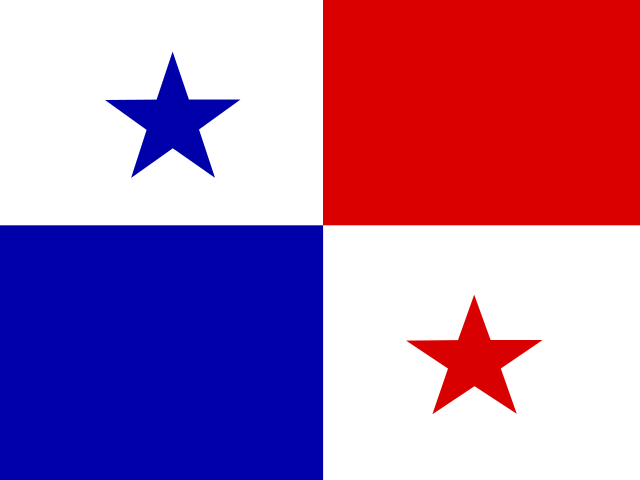 José Raúl Mulino Quintero · President
- Context
- Mulino, President of Panama, addressed the General Debate of the 81st UN General Assembly in New York on September 23, 2026, announcing that Panama would lead an international effort to recognize the Universal Rights of Nature.
- Main themes
- Restoring trust in the United Nations, Darién illegal migration and its 99% reduction, Panama Canal and world trade, Río Indio reservoir project, climate change and carbon-negative status, Universal Rights of Nature initiative, Strait of Hormuz crisis, Canal Treaty of Neutrality, Panama's Security Council term, Latin American representation on the Security Council, election of the next Secretary-General, drug trafficking and Colombia, port and pipeline investment
- Duration
- ~15 min
- Words
- 1,858
- Sentences
- 71
- Readability
- 41
- Grade
- 14.0
- Syntax
- 3.29
- Vocabulary
- 2.25
UN General Assembly Translated from Spanish Source: gadebate.un.org ↗
The broad sphere of national life a sentence belongs to. Every sentence has an Arena, so it is the denominator the other indices are read against.
Other71 sentences in 38 paragraphs
I appear once again before this Assembly on behalf of the Republic of Panama, a nation whose very geography defined its destiny: to be the bridge of the world and a connection between continents, cultures and markets.
At a moment in history when geopolitical fractures threaten to polarize us dangerously, Panama reaffirms its historic vocation to unite and to seek common understanding.
I must say that these polarizations are accompanied by a great mass of people who feel that international organizations have forgotten the values and priorities of the majority of citizens.
I am referring to those who wish to prosper in peace, to be able to work and to return to their homes safely.
Also to those who defend the institution of the family, who have their creed and a culture forged over centuries that is today being called into question. The majority feel pressured by actions of progressive multiculturalism that a large part of society is not willing to accept in a quasi-coercive manner.
This is said to you by a president who comes from a small great nation that is a melting pot of races and cultural heritages that blend into a society open to the world with a strong conviction for peace. But this was achieved over the years without impositions, that is to say, naturally.
I am convinced that the UN has immense potential in a world with so much volatility and such marked asymmetries, but it must regain leadership in order to carry out preventive and corrective actions efficiently. I am a man who believes in and defends multilateralism; I am convinced that the peace and prosperity of nations must be based on international law as the guiding axis of relations between countries. And those theoretical arguments must also be expressed in tangible results. Today we must recognize that citizens do not believe that meetings of this kind are beneficial to them. Herein lies one of the reasons why trust must be recovered. I want to give a concrete example to illustrate what I am saying.
Since 2021, this Organization had produced documents, complaints and recommendations on illegal migration through the Darién. In fact, it set up a humanitarian aid base in what looked more like a concentration camp in the middle of the 21st century. But in practical terms, the transit of people increased in 2022, and grew further in 2023 and in the first half of 2024. That is to say, it went from being an uncontrolled migration to an immense illegal migration with a checkpoint.
Human trafficking organizations linked to drug trafficking took advantage of this space to transport more families. The result: women violated and children left orphaned in one of the greatest social catastrophes my country can remember.
To this we must add the ecological damage caused to a biodiversity reserve such as Darién National Park, used by more than a million people to dump waste of every kind.
From the first day I knew that I had to resolve this matter on our own, because it was beyond the capacity of this Organization. For that reason, at the start of my administration I signed an MOU with the Government of the United States. After all, this was a border issue of that country, but one that was playing out in ours.
That is how, in the second half of 2024, with an immense effort by our country, we achieved a 50% decrease compared to the first half of the same year. In 2025, when restrictive measures were implemented in the United States and we worked with greater coordination, the drop was 99%. This meant putting an end to one of the greatest humanitarian tragedies Panama has experienced in its history. We put an end to the breakup of families and we also ended the profiteering of criminals, who will never be either rights or human.
This description should not be seen as an isolated criticism, but as a turning point for understanding the ever-widening gap between what citizens expect and what they get from this Organization, on issues such as illegal migration, for example.
Ladies and gentlemen: to recover trust, we must move forward together on central issues that benefit citizens. World trade is, without a doubt, one of the greatest expressions of the freedom to produce, transport and trade products from one nation to another.
We are proud to be a country of connection for world trade, to have the Canal that unites oceans, that transports goods from all countries without any distinction, and that is an icon of integration. This strategic route for the free world is suffering, once again, the consequences of climate change. A fact that is completely paradoxical, since we are a carbon-negative country, one of the few in the world, but that does not exempt us from having to face severe droughts followed by intense rains that cause flooding.
This leads us to a reflection: there is a wide range of assistance for nations that join the laudable goal of decarbonization. But we do not benefit from economic assistance, even though we remove more carbon than we produce.
It will be the Panama Canal itself, which grew and was expanded under the control of Panamanian hands, that must take on a multibillion investment to develop the Río Indio project, a water reservoir to guarantee the use of the Canal, provide predictability for international trade and supply water to thousands of citizens.
It is also the task of the United Nations to support socially and environmentally responsible projects that represent the real progress of our countries. It is essential not to give in to pressure from organizations that seek extortion under the guise of social struggles and shelter under international bodies, such as the ILO, for example.
Distinguished delegates: Panama is a global leader in the conservation of biodiversity and natural heritage as the foundation of our sustainable development.
We are a country that protects 33% of our territory and 54% of our seas.
Last year we announced here our Pact with Nature and the Natural Panama Fund, initiatives on which we are already making progress. Today I announce that Panama will lead, at the international level, an effort to recognize the Universal Rights of Nature. I ask all of you to join us in this initiative.
As Heads of State we know well that trust is not decreed through resolutions; trust is earned on the ground, when institutions deliver, when international law is applied without selectivity and when peoples see that the multilateral system translates into concrete actions.
We firmly believe in a useful multilateralism, one that is not an end in itself, but an effective tool for growth, the development of peoples and the preservation of peace.
What is happening in the Strait of Hormuz is a clear demonstration of the failures in the application of international law, of the inability to bring solutions at the first symptoms of crisis, and of the global harm this situation is causing.
It would be very convenient for me not to speak about this issue, since the Panama Canal has benefited from greater ship transit. But I have never been guided by a selfish spirit, much less a speculative one.
The reality is harmful, not only because of the attacks on innocent people, such as the crews of merchant vessels. It is also harmful for millions of people whose food becomes more expensive; for farmers who pay more to fertilize their land and workers whose fuel for getting around goes up in price, generating inflation: the most regressive tax there is.
I view this with just indignation from the Panamanian point of view, for we are staunch defenders of national sovereignty, but we also have a Treaty of Neutrality of the Canal, with constitutional rank, which was, is and will be the guarantee of free trade and of the equity of this route for all the nations of the world. As you can see, Panama does not only preach these principles, but works actively to make them work.
Next December, our country will complete its term as a non-permanent member of the Security Council. On assuming this high honor, our premise was clear: we did not go to the Council to choose sides, we went to defend principles.
Sovereignty, territorial integrity, the peaceful settlement of disputes and the protection of civilians are the rules that protect the very existence of States, especially the smallest ones.
I wish to reiterate before this General Assembly the need for Latin America and the Caribbean to occupy places with greater decision-making power in the Security Council. We are a leading region in food, minerals, biodiversity and in a deep conviction of peace and integration. Our conclusion is unequivocal: the world does not need less United Nations, it needs a United Nations Organization that works better, that acts with preventive diplomacy and that can deliver concrete results in the short term.
We are at a pivotal moment in our history: the election of whoever holds the post of Secretary-General will be key in determining the new agenda and in generating strong and lasting trust, with an understanding of the new global balance.
That is why we maintain that the war in Ukraine must end through dialogue and formal diplomacy. In the Middle East, we seek a lasting peace that can be the definitive foundation between nations that seek harmonious coexistence with the free world.
At the regional level, we reiterate the call for the strengthening of participatory democracy throughout Latin America and the Caribbean, which will be possible within the framework of respect for free, open and transparent elections.
As for security in our region, we will continue working in coordination with our allies in the fight against drug trafficking, a source of violence and social disintegration. We categorically support the Government of Colombia in its actions to reduce cocaine production. Ladies and gentlemen: on a planet marked by strategic competition among the great powers, Panama chooses, by history and by conviction, to remain the meeting point where humanity builds a future of peace and shared development.
We are a nation that receives people from different cultures, that receives migratory birds, whales, ships and containers from all over the world. Panama is host to the world and invites all free nations that want prosperity for their peoples and that wish to be more global in trade, but more autonomous in decisions about their values and traditions, to work together.
We are also host to investment, with a new stage of national development to improve global logistics: the Panama Canal gas pipeline; the concessions of five ports, including two of the three largest in Latin America; and the expansion of the services of Petroterminal, a strategic asset for transferring hydrocarbons from the Atlantic Ocean to the Pacific, recently acquired in its entirety by Panama.
As has been made clear in this speech, whether in world trade, in investment, in the fight against drug trafficking and terrorism, or in respect for sovereignty and peace, all the member countries of the UN can count on Panama.
Thank you very much.
The original Spanish. The tags above are read on the English translation's sentences.
Comparezco nuevamente ante esta Asamblea en nombre de la República de Panamá, una nación cuya propia geografía definió su destino: ser el puente del mundo y conexión de continentes, culturas y mercados.
En un momento de la historia en el que las fracturas geopolíticas amenazan con polarizarnos de forma peligrosa, Panamá reafirma su vocación histórica de unir y de buscar entendimientos comunes.
Debo decir que las polarizaciones son acompañadas por una gran masa de personas que sienten que los organismos internacionales se han olvidado de los valores y las prioridades de la mayoría de los ciudadanos.
Me refiero a quienes desean progresar en paz, poder trabajar y regresar a sus hogares de manera segura.
También a quienes defienden la institución de la familia, que tienen su credo y una cultura forjadas durante siglos que, hoy, se pone en tela de juicio. La mayoría se siente presionada por acciones del multiculturalismo progresista que gran parte de la sociedad no está dispuesta a aceptar de forma cuasicoercitiva.
Se lo dice un presidente que viene de una pequeña gran nación que es un crisol de razas y de herencias culturales que se fusionan en una sociedad abierta al mundo de fuerte convicción de paz. Pero esto se logró a través de los años sin imposiciones, es decir, de forma natural.
Estoy convencido de que la ONU tiene un potencial inmenso en un mundo con tanta volatilidad y tan marcadas asimetrías, pero debe retomar el liderazgo para realizar acciones preventivas y correctivas de manera eficiente. Soy un hombre que cree y defiende el multilateralismo; estoy convencido de que la paz y la prosperidad de las naciones se deben basar en el derecho internacional como eje rector de las relaciones entre países. Y esos argumentos teóricos también deben expresarse con resultados palpables. Actualmente debemos reconocer que los ciudadanos no creen que este tipo de encuentros sean beneficiosos para ellos. Aquí radica una de las razones por las que se debe recuperar la confianza. Quiero poner un ejemplo concreto para ilustrar lo que estoy diciendo.
Desde 2021, esta Organización había elaborado escritos, denuncias y recomendaciones sobre la migración ilegal por el Darién. De hecho, instaló una base de ayuda humanitaria en lo que parecía más un campo de concentración en pleno siglo XXI. Pero en términosprácticos, el tránsito de personas aumentó en 2022, avanzó más en 2023 y en el primer semestre de 2024. Es decir, pasó de ser una migración descontrolada a una inmensa migración ilegal con un puesto de control.
Las organizaciones de trata de personas vinculadas al narcotráficoaprovecharon este espacio para transportar más familias. El resultado: mujeres ultrajadas y niños que quedaron huérfanos en una de las mayores catástrofes sociales que recuerde mi país.
A ello debemos sumarle los daños ecológicos producidos en una reserva de biodiversidad como es el Parque Nacional del Darién, usado para dejar desechos de todo tipo por más de un millón de personas.
Desde el primer día supe que debía resolver este asunto de manera individual, porque no estaba en la posibilidad de esta Organización. Por esa razón, al inicio de mi gestión firmé un MOU con el Gobierno de los Estados Unidos. Al final, este era un tema fronterizo de ese país, pero que se desarrollaba en el nuestro.
Fue así como, en el segundo semestre de 2024, con un inmenso esfuerzo de nuestro país logramos un descenso del 50% con respecto al primer semestre del mismo año. En 2025, cuando se implementaron medidas restrictivas en los Estados Unidos y trabajamos con mayor coordinación, la caída fue del 99%. Esto significó terminar con una de las mayores desgracias humanitarias que haya vivido Panamá en su historia. Pusimos fin a la desintegración familiar y también terminamos con el lucro de criminales, que nunca serán ni derechos ni humanos.
Esta descripción no debe ser vista como una crítica aislada, sino como un punto de inflexión para entender la brecha, cada vez mayor,entre lo que la ciudadanía espera y lo que obtiene de esta Organización, en temas como el de la migración ilegal, por ejemplo.
Señoras y señores: para recuperar la confianza, debemos avanzar juntos en temas centrales que favorezcan a los ciudadanos. El comercio mundial es, sin lugar a dudas, una de las mayores expresiones de la libertad de producir, transportar y comerciar productos de una nación a otra.
Estamos orgullosos de ser un país de conexión para el comercio mundial, de tener el Canal que une océanos, que transporta mercaderías de todos los países, sin distinción alguna, y que es un ícono de la integración. Esta vía estratégica para el mundo libre sufre, una vez más, las consecuencias del cambio climático. Un hecho que es completamente paradójico, pues somos un país carbononegativo, uno de los pocos en el mundo, pero eso no nos exime de tener que enfrentar fuertes sequías seguidas de lluvias intensas que provocan inundaciones.
Esto nos lleva a una reflexión: existen múltiples ayudas a naciones que se suman al loable objetivo de la descarbonización. Pero nosotros no nos beneficiamos de ayuda económica, a pesar de que retiramos más carbono del que producimos.
Será el propio Canal de Panamá —que creció y se amplió bajo el control de manos panameñas— quien deba hacer frente a una inversión billonaria para desarrollar el proyecto de Río Indio, un reservorio de agua para garantizar el uso del Canal, dar previsibilidad al comercio internacional y abastecer de agua a miles de ciudadanos.
Es tarea también de las Naciones Unidas apoyar proyectos responsables, social y ambientalmente, que representan el progreso real de nuestros países. Es fundamental no ceder ante presiones de organizaciones que buscan la extorsión bajo el disfraz de luchassociales y se cobijan bajo organismos internacionales, como la OIT,por ejemplo.
Distinguidos delegados: Panamá es un líder global en la conservación de la biodiversidad y la herencia natural como base de nuestro desarrollo sostenible.
Somos un país que protege el 33% de nuestro territorio y el 54% de nuestros mares.
El año pasado anunciamos aquí nuestro Pacto con la Naturaleza y el Fondo Panamá Natural, iniciativas en las que ya estamos avanzando. Hoy anuncio que Panamá liderará, a nivel internacional, un esfuerzo para reconocer los Derechos Universales de la Naturaleza. Les pido a todos que nos acompañen en esta iniciativa.
Como Jefes de Estado sabemos bien que la confianza no se decreta mediante resoluciones; la confianza se gana en el terreno, cuando las instituciones cumplen, cuando el derecho internacional se aplica sin selectividad y cuando los pueblos comprueban que el sistema multilateral se traduce en acciones concretas.
Creemos firmemente en un multilateralismo útil, que no sea un fin en sí mismo, sino una herramienta eficaz para el crecimiento, el desarrollo de los pueblos y la preservación de la paz.
Lo que ocurre en el estrecho de Ormuz es una clara muestra de las fallas en la aplicación del derecho internacional, de la imposibilidad de llevar soluciones ante los primeros síntomas de crisis y del perjuicio global que esta situación está provocando.
Sería muy conveniente para mí no hablar de este tema, pues el Canal de Panamá se ha beneficiado con un mayor tránsito de buques. Pero nunca me ha guiado un espíritu egoísta ni mucho menos especulativo.
La realidad es perjudicial, no solo por los ataques a inocentes, como la tripulación de buques comerciales. Lo es también para millones de personas a quienes se les encarecen los alimentos; agricultores que pagan más para fertilizar sus tierras y trabajadores a los que lesaumenta el combustible que usan para transportarse, generando inflación: el impuesto más regresivo que existe.
Veo esto con justa indignación desde el punto de vista panameño, pues somos férreos defensores de la soberanía nacional, pero también tenemos un Tratado de Neutralidad del Canal, de rango constitucional, que fue, es y será la garantía del libre comercio y la equidad de esta vía ante todas las naciones del mundo. Como ven, Panamá no solo predica estos principios, sino que trabaja activamente para que funcionen.
En diciembre próximo, nuestro país culminará su mandato como miembro no permanente del Consejo de Seguridad. Al asumir este alto honor nuestra premisa fue clara: no fuimos al Consejo a escoger bandos, fuimos a defender principios.
La soberanía, la integridad territorial, la solución pacífica de las controversias y la protección de los civiles son las reglas que protegen la existencia misma de los Estados, especialmente de los más pequeños.
Deseo reiterar ante esta Asamblea General la necesidad de que América Latina y el Caribe ocupen lugares con mayor poder de decisión en el Consejo de Seguridad. Somos una región protagonista en alimentos, minerales, biodiversidad y en una profunda convicciónde paz e integración. Nuestra conclusión es inequívoca: el mundo no necesita menos Naciones Unidas, necesita una Organización de las Naciones Unidas que funcione mejor, que actúe con diplomacia preventiva y que pueda entregar resultados concretos en el corto plazo.
Estamos en un momento bisagra de nuestra historia: la elección de quien ocupe la Secretaría General será clave para determinar la nueva agenda y la generación de una confianza fuerte y duradera, entendiendo el nuevo equilibrio mundial.
Por ello sostenemos que la guerra en Ucrania debe finalizar mediante el diálogo y la diplomacia formal. En el Medio Oriente, buscamos una paz perdurable que pueda ser la base definitiva entre naciones que busquen armónica convivencia con el mundo libre.
En el plano regional, reiteramos el pedido del fortalecimiento de la democracia participativa en toda América Latina y el Caribe, que seráposible en el marco del respeto a las elecciones libres, abiertas y transparentes.
En cuanto a la seguridad en nuestra región, seguiremos trabajando en coordinación con nuestros aliados en la lucha contra el narcotráfico, fuente de violencia y desintegración social. Apoyamos de manera categórica al Gobierno de Colombia en sus acciones para disminuir la producción de cocaína. Señoras y señores: en un planeta marcado por la competencia estratégica de las grandes potencias, Panamá elige, por historia y por convicción, seguir siendo el punto de encuentro donde la humanidad edifique un futuro de paz y desarrollo compartido.
Somos una nación que recibe personas de distintas culturas, que recibe aves migratorias, ballenas, barcos y contenedores de todo el mundo. Panamá es anfitrión del mundo e invita a todas las naciones libres que quieran la prosperidad de sus pueblos y que deseen ser másglobales en el comercio, pero más autónomas en las decisiones sobre sus valores y tradiciones, a trabajar juntas.
También somos anfitriones de las inversiones, con una nueva etapa de desarrollo nacional para mejorar la logística mundial: El gasoducto del Canal de Panamá; las concesiones de cinco puertos, entre ellos dos de los tres mayores de América Latina; y la expansión de los servicios de Petroterminal, un activo estratégico para el trasiego de hidrocarburos desde el Océano Atlántico al Pacífico, recientemente adquirido por Panamá en su totalidad.
Como fue puesto de manifiesto en este discurso, sea en el comercio mundial, en las inversiones, en la lucha contra el narcotráfico y el terrorismo; en el respeto a la soberanía y la paz, todos los paísesmiembros de la ONU cuentan con Panamá.
Muchas gracias.