




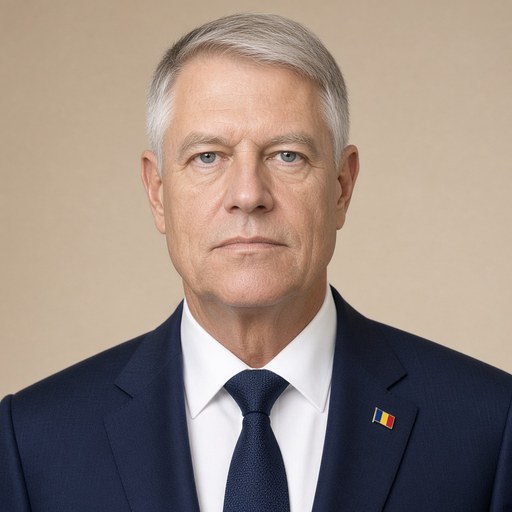
The speech of the President of Romania, Mr. Klaus Iohannis, delivered at the conference "Educated Romania - public policies and coordination of funding sources."
 Klaus Iohannis · President of Romania
- Context
- Iohannis spoke at Cotroceni Palace on January 29, 2020, launching OECD policy documents for the Educated Romania project at a conference on education funding coordination.
- Main themes
- Education reform in Romania, Educated Romania project, OECD public policy documents, teaching career and school management, equity in education, early childhood education, vocational and dual education, functional illiteracy, knowledge-based economy, funding coordination, PISA results, teacher training
- Duration
- ~10 min
- Words
- 1,204
- Sentences
- 42
- Readability
- 19
- Grade
- 17.8
- Syntax
- 3.23
- Vocabulary
- 2.16
Translated from Romanian
The broad sphere of national life a sentence belongs to. Every sentence has an Arena, so it is the denominator the other indices are read against.
Other42 sentences in 23 paragraphs
Ladies and gentlemen ministers,
The "Educated Romania" project is advancing and, as of today, enters a new phase. Education is, as you well know, one of the pillars that I consider fundamental for the long-term development of our country, and therefore, I am pleased to launch here, at the Cotroceni Palace, the four public policy documents developed by experts from the Organization for Economic Cooperation and Development, with the financial support of the European Commission.
In our efforts to make the education system more effective, we have the opportunity to draw on the existing knowledge in the educational field. These documents that we are now putting up for public discussion are valuable precisely because they are based on Romanian realities, but also on the identification of examples of good practice from the international environment.
The four areas covered in these documents, namely the teaching career, school management, equity, and early education, are crucial for the positive transformation of education in Romania. The PISA results, published less than two months ago, represent one of the undeniable arguments for the urgency of quick and thorough solutions. The lack of quality education that is accessible to all children in our country is becoming a threat to Romania's long-term development.
To ensure our citizens the standard of living they desire, the path we must commit to in the coming decades is that of a knowledge-based economy.
In these conditions, we cannot, in the age of artificial intelligence, have an endemic problem of functional illiteracy among our population. Nor can we, in the context of an already pronounced aging of the population, leave hundreds of thousands of young people unprepared for the rigors of a globalized and constantly changing economy, as well as for a society that, if it does not develop sustainably, will simply cease to exist in its current form.
The documents launched today are very important because they provide decision-makers in education with a series of useful benchmarks for improving the quality of the educational process. We need new approaches in the selection and training of teaching staff, as well as in transforming school management from administrative work into leadership and initiative. Equally, it is essential to reduce inequity from the very first years that children spend in kindergartens and schools in Romania.
At the same time, we must accept that we do not have unlimited financial resources at our disposal. We cannot solve all the problems in education overnight, no matter how much we would like to do so.
Our efforts to improve the quality of education will need to be primarily directed towards sectors that have been neglected in the past or that have the potential to generate indirect benefits in other areas of education.
One initial example is vocational education, which was on the brink of complete dissolution just a decade ago. Currently, as a result of the modernization of the Romanian economy and the increased importance of skilled labor, vocational education, especially dual education, represents an important opportunity for thousands of young Romanians.
Efforts to develop quality school management and to train well-prepared teaching staff must also take into account the specific needs of this form of education, which is often treated as a poor relative of the theoretical pathway.
Another flaw in Romanian education is the lack of an educational sector dedicated to high-level skilled professions. Vocational education is still associated with completing studies after 11 grades in our country.
Moreover, although there is a legal possibility to have dual programs for levels 4 and 5 of qualification, it has never been turned into reality, despite the evident need in the economy. The diversity of the modern economy increasingly requires the expansion of this educational alternative to allow for the training of highly qualified specialists and technicians. Tertiary vocational education in dual form is absolutely necessary and cannot be replaced by the theoretical education in current university programs.
We must also admit that some forms of education are quasi-nonexistent or are severely underrepresented in Romania and change this situation. For example, pre-school education is nonexistent or severely underfunded in many localities in Romania.
Throughout almost the entire European Union, conditions are created for parents to return to their professional paths, while in Romania, returning to work often entails additional difficulties in finding a place in a nursery. This leads to a series of other social problems that have a major impact on the lives of families in our country.
Also in the category of issues that we can no longer postpone is the introduction of a distinct specialization regarding the training of teaching staff, given that Romania is among the few countries that lack such a branch in the education system.
A few hours of methodology and pedagogy and a low level of practice offered to students cannot substitute for an education strictly directed towards teacher training. The teaching profession is not and should not be a secondary alternative for university graduates, but a primary choice.
Clearly, the list of challenges we face in the area of education is much longer than that, but I am convinced that the dialogue I am initiating today will contribute to a comprehensive reform of education. After all, whatever objectives we may have for the education system, it is clear that they cannot be achieved without well-prepared teaching staff, without managers capable of generating change at the school level, without finding options for the education and care of children under 3 years old, and, in general, without a concerted effort to reduce inequities in Romanian schools.
The results of the studies presented today can certainly help us better identify the direction of positive change. The presence of the Prime Minister and members of the Government, as well as representatives of relevant national and international institutions, is a very good signal for openness to collaboration and dialogue, because only in this way can priorities be established and initiatives be launched to find the necessary funding and apply it.
To resolve the specific problems of education in Romania more quickly and effectively, it is very useful to discuss the solutions that other countries have already identified and to familiarize ourselves with the latest innovations in education from European and other OECD member states. We will achieve an "Educated Romania" through a long-term plan, from which we should not deviate through permanent and chaotic changes in legislation, as has happened until now.
It is essential that the establishment and adoption of priorities for the future of education do not remain just on paper, and this can be ensured by aligning the criteria for granting funds from various funding sources with the results of the "Educated Romania" project. The natural consequence of the social agreement must be a political commitment, which is also measured by how we invest money so that every child in Romania has access to quality inclusive education.
I wish you much success and thank you all for your involvement in making "Educated Romania" a reality!
The four public policy documents resulting from the project "Strengthening the capacity of public authorities to address key issues in education and reaching the connected goals set for 2030" can be consulted here, in the "Results of Phase III" section.
The original Romanian. The tags above are read on the English translation's sentences.
Doamnelor și domnilor miniștri,
Proiectul „România Educată” avansează și intră, de astăzi, într-o nouă etapă. Educația este, știți bine, unul dintre pilonii pe care îi consider fundamentali pentru dezvoltarea țării noastre pe termen lung și, de aceea, mă bucur să lansăm aici, la Palatul Cotroceni, cele patru documente de politică publică elaborate de către experții Organizației pentru Cooperare şi Dezvoltare Economică, cu sprijinul financiar al Comisiei Europene.
În demersul nostru de a face performant sistemul de educație, avem șansa de a ne folosi de cunoașterea existentă deja în domeniul educațional. Aceste documente pe care le punem acum în discuție publică sunt valoroase tocmai pentru că sunt bazate pe realitățile românești, dar și pe identificarea de exemple de bună practică din mediul internațional.
Cele patru domenii acoperite în aceste documente, respectiv cariera didactică, managementul școlar, echitatea și educația timpurie, sunt cruciale pentru transformarea în bine a învățământului din România. Rezultatele PISA, publicate în urmă cu mai puțin de două luni, reprezintă unul dintre argumentele de netăgăduit pentru urgența soluțiilor rapide și temeinice. Lipsa unei educații de calitate, care să fie accesibilă pentru toți copiii din țara noastră, devine o amenințare pentru dezvoltarea României pe termen lung.
Pentru a le asigura cetățenilor noștri nivelul de trai pe care și-l doresc, drumul pe care trebuie să ne angajăm în următoarele decenii este cel al unei economii bazate pe cunoaștere.
În aceste condiții, nu putem, în epoca inteligenței artificiale, să avem o problemă endemică de analfabetism funcțional în rândul populației noastre. Și nici nu putem, în contextul unei îmbătrâniri și așa pronunțate a populației, să lăsăm sute de mii de tineri nepregătiți pentru rigorile unei economii globalizate și aflate în schimbare continuă, dar și ale unei societăți care, dacă nu se va dezvolta sustenabil, va înceta pur și simplu să mai existe în forma actuală.
Documentele lansate astăzi sunt foarte importante, fiindcă le oferă decidenților din educație o serie de repere utile în vederea ameliorării calității procesului educațional. Avem nevoie de noi abordări în selecția și formarea cadrelor didactice, dar și în transformarea managementului școlar din muncă de administrație în leadership și inițiativă. În egală măsură, este esențială o reducere a inechității încă din primii ani petrecuți de copii în grădinițele și școlile din România.
În același timp, trebuie să acceptăm că nu avem la dispoziție resurse financiare nelimitate. Nu putem rezolva toate problemele din educație peste noapte, indiferent cât de mult ne-am dori acest lucru.
Eforturile noastre de a îmbunătăți calitatea educației vor trebui să fie orientate cu precădere spre sectoarele care au fost neglijate în trecut sau care au potențialul de a genera beneficii indirecte și în alte zone din educație.
Un prim exemplu este educația profesională, ajunsă în urmă cu doar un deceniu în pragul desființării complete. În prezent, ca urmare a modernizării economiei românești și a importanței crescute a muncii calificate, învățământul profesional, și mai ales cel dual, reprezintă o importantă șansă pentru mii de tineri români.
Eforturile de a dezvolta un management școlar de calitate și de a forma cadre didactice cât mai bine pregătite trebuie să țină cont și de nevoile specifice acestei forme de educație, adesea tratată ca o rudă săracă a filierei teoretice.
O altă hibă a învățământului românesc este lipsa sectorului educațional dedicat meseriilor cu nivel înalt de calificare. Educația profesională este încă la noi asociată cu terminarea studiilor după 11 clase.
Mai mult, deși există posibilitatea legală pentru a avea programe în regim dual pentru nivelurile 4 și 5 de calificare, ea nu a fost niciodată transformată în realitate, în ciuda nevoii evidente din economie. Diversitatea economiei moderne necesită din ce în ce mai mult extinderea acestei alternative educaționale, pentru a permite formarea de specialiști și tehnicieni înalt calificați. Învățământul profesional de nivel terțiar în regim dual este absolut necesar și nu poate fi suplinit de educația teoretică din programele universitare actuale.
Trebuie, de asemenea, să admitem că unele forme de educație sunt cvasi-inexistente sau sunt puternic subreprezentate în România și să schimbăm această situație. Spre exemplu, educația ante-preșcolară este inexistentă sau grav subdimensionată în foarte multe localități din România.
În aproape întreaga Uniune Europeană sunt create condiții pentru ca părinții să poată reveni la parcursul lor profesional, pe când în România reîntoarcerea la muncă presupune adesea dificultăți suplimentare în a găsi un loc într-o creșă. De aici derivă o serie de alte probleme sociale care au impact major în viața familiilor din țara noastră.
Tot în categoria chestiunilor pe care nu le mai putem amâna este introducerea unei specializări distincte privind pregătirea cadrelor didactice, în condițiile în care România se află printre puținele țări cărora le lipsește o astfel de ramură în sistemul de educație.
Câteva ore de metodică și pedagogie și un nivel redus de practică oferit studenților nu pot substitui o educație direcționată strict către formarea profesorilor. Profesia didactică nu este și nu trebuie să fie o alternativă secundară pentru absolvenții de facultate, ci o alegere principală.
Evident, lista provocărilor cu care ne confruntăm în zona educației este mai lungă, mult mai lungă de atât, dar sunt convins că dialogul pe care îl inițiez astăzi va contribui la o reformă comprehensivă a educației. La urma urmei, orice obiective am avea pentru sistemul de educație, este clar că ele nu pot fi atinse fără cadre didactice bine pregătite, fără manageri capabili de a genera schimbare la nivelul școlii, fără găsirea de opțiuni de educare și îngrijire a copiilor mai mici de 3 ani și, în general, fără un efort concertat de reducere a inechităților din școala românească.
Rezultatele studiilor prezentate astăzi ne pot ajuta cu siguranță să identificăm mai bine direcția de schimbare în bine. Prezența Premierului și a membrilor Guvernului, dar și a reprezentanților instituțiilor naționale și internaționale relevante este un semnal foarte bun pentru deschiderea la colaborare și dialog, pentru că doar astfel se pot stabili prioritățile și se pot iniția demersurile pentru găsirea finanțărilor necesare și aplicarea acestora.
Pentru a rezolva mai repede și mai bine problemele specifice educației din România, este foarte util să discutăm despre soluțiile pe care le-au identificat deja alte țări și să ne familiarizăm cu ultimele inovații din învățământul european și al altor state membre ale OCDE. Vom ajunge o „Românie Educată” printr-un plan pe termen lung, de la care să nu ne abatem prin schimbări permanente și haotice ale legislației, așa cum s-a întâmplat până acum.
Este esențial ca stabilirea și adoptarea priorităților pentru viitorul educației să nu rămână doar pe hârtie, iar acest lucru se poate asigura prin alinierea criteriilor de acordare a fondurilor din diferitele surse de finanțare cu rezultatele proiectului „România Educată”. Urmarea firească a acordului social trebuie să fie un angajament politic, care se măsoară și prin modul în care investim banii pentru ca fiecare copil din România să aibă acces la educație incluzivă de calitate.
Vă doresc mult succes și vă mulțumesc tuturor pentru implicarea dumneavoastră în a face din „România Educată” o realitate!
Cele patru documente de politică publică rezultate în urma proiectului „Creșterea capacității autorităților publice de a aborda probleme cheie din educație pentru a atinge obiectivele propuse pentru 2030” („Strengthening the capacity of public authorities of addressing key issues in education and reaching the connected goals set for 2030”) pot fi consultate aici , la secțiunea „Rezultate etapa a III-a”.