




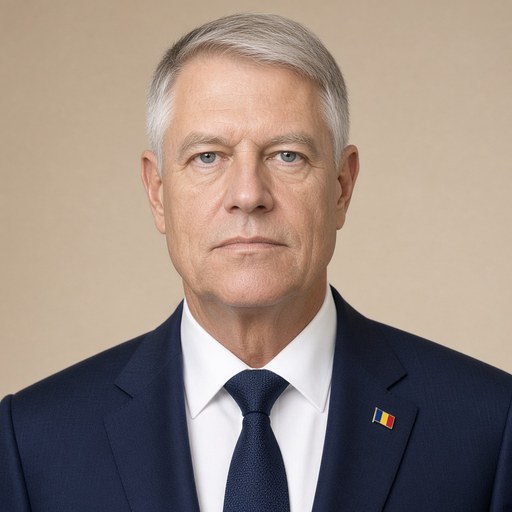
The speech of the President of Romania, Mr. Klaus Iohannis, delivered at the event organized on the occasion of National Culture Day.
 Klaus Iohannis · President of Romania
- Context
- Iohannis addressed a ceremony at the Romanian Athenaeum on National Culture Day, marking the 170th anniversary of poet Mihai Eminescu's birth, at the start of his second presidential term.
- Main themes
- Romanian national culture, Mihai Eminescu anniversary, cultural heritage preservation, Europeanization of Romania, national identity, cultural infrastructure, cultural rights, Great Union legacy, diversity of cultural expressions, national security and culture, European integration, cultural strategy
- Duration
- ~8 min
- Words
- 936
- Sentences
- 34
- Readability
- 23
- Grade
- 16.7
- Syntax
- 3.31
- Vocabulary
- 2.34
Translated from Romanian
The broad sphere of national life a sentence belongs to. Every sentence has an Arena, so it is the denominator the other indices are read against.
Other34 sentences in 23 paragraphs
Mr. Prime Minister, Mr. Minister of Culture, Mr. President Constantinescu, Mr. President of the Romanian Academy, Honorable Members of Parliament, Excellencies,
Ladies and gentlemen, the National Culture Day and the 170th anniversary of the birth of Mihai Eminescu provide me, at the beginning of a new term as President of Romania, with the happy opportunity to address the creators, personalities, and officials in the field of culture and cultural heritage in Romania.
I am pleased to congratulate all those who have enriched the treasury of Romanian spirituality in the past year.
2019 was, among other things, the year of the Romania–France Cultural Season, the Europalia project, and the International "George Enescu" Festival.
I applaud those who have brought brilliance to the expressions of the diversity of Romanian culture in front of audiences both at home and abroad.
In this special context, I wish to express the respect of our entire nation for the contribution of culture to the modernization and Europeanization of Romania. Culture has played a fundamental role in the most important historical process of Romanian society in the last two centuries.
It is enough to raise our gaze to the dome of this hall to see how important the mission of culture was in the young independent Romania: supported by the work of Enlightenment scholars, enriched by the elites of the 1848 generation, artistic creation meets education and scientific knowledge, giving impetus to trades and the major sectors of the economy.
It is no coincidence that here, at the Romanian Athenaeum, the Great Union of all Romanians was legislated, a moment we recently celebrated a century since. One hundred years ago, in this temple of the arts, a legal acknowledgment was made of a state of affairs that, before being political, social, and of international law, had taken shape as a pronounced cultural reality.
Anticipated by Romanian cultural elites and made possible through the social assimilation of Western European values, the Union, the great national project accomplished a century ago, generated a broad unleashing of the creative energies of the nation. It encouraged and was simultaneously favored by the inclusion of Romanian creators in the great European and global currents of the arts, where Romanian culture distinguished itself through exceptional contributions. Education and the Romanian school accompanied and enhanced this process.
Worthy of this legacy, today’s Romania is obliged to manage it responsibly and to enrich it!
During my first term as President of Romania, I acted for the preservation of national memory, for the respect and valorization of all cultural identities, including those of citizens belonging to ethnic minorities. The rights of creators and unrestricted access to culture have been constantly at the center of my concerns.
These remain important pillars of my action in the new term and will continue to be within the spectrum of our national security interests. The preservation and valorization of cultural heritage will represent, from an internal perspective, one of the national security objectives.
This positioning of fundamental cultural rights among the most important interests and objectives of the nation must be reinforced by a medium- and long-term strategy for the field of culture and national heritage. I will support such an approach based on sustainable solutions through all my constitutional prerogatives.
I committed during the presidential campaign to a broad reconstruction project that will make Romania a society of normality, a country where the state works for its citizens, and their rights, including cultural rights, are guaranteed in their daily exercise.
National heritage, creativity, and the diversity of cultural expressions are among the strategic resources of a normal Romania. However, they can be better utilized than they have been so far.
Romania must overcome its cultural paradoxes that, unfortunately, have characterized it in recent decades: on one hand, artists who assert themselves and enjoy success in front of audiences from all over the globe, poets and prose writers praised at international fairs, and on the other hand, an unbalanced cultural consumption and an insufficient and underperforming material base.
Romanian culture deserves a functional infrastructure, a stable administrative framework, and the creation of conditions for a human resource evenly distributed territorially. I expect that those responsible and specialists in the cultural field will soon establish the priorities and concrete objectives for the modernization of the national cultural infrastructure and provide realistic content for its multiannual funding, including through the use of European funds.
Romanian culture and heritage give substance to the unity in diversity of Europe and contribute to the viability of the European project.
Far from being opposed to our national identity or that specific to ethnic minorities, our membership in the European Union has led to a beneficial and active cultural dialogue, to the opening of Romanian creation to new segments of the public, and to the valorization of the cultural heritage of communities.
From this perspective, I will seek within the European Council to translate into action the commitment from the European Union's Strategic Agenda for the period 2019–2024, which states that "we will invest in culture and in our cultural heritage, which are the foundation of our European identity."
One hundred seventy years ago, in Ipotești, the genius of universal poetry, Mihai Eminescu, was born. The day of his birth, which our great poet gifted, like a bridge across time, to national culture, is a reason for cohesion, a precious opportunity for consensus and solidarity.
Under the light of the Evening Star, let us make this moment inspire us, and may the year that has just begun be a prosperous one for Romanian culture and for its servants!
Thank you! Happy New Year!
The original Romanian. The tags above are read on the English translation's sentences.
Domnule Prim-ministru, Domnule ministru al culturii, Domnule Președinte Constantinescu, Domnule Președinte al Academiei Române, Onorați parlamentari, Excelențe,
Doamnelor și domnilor,Ziua Culturii Naționale și aniversarea a 170 de ani de la nașterea lui Mihai Eminescu îmi oferă, la începutul unui nou mandat de Președinte al României, fericitul prilej de a mă adresa creatorilor, personalităților și responsabililor din domeniul culturii și patrimoniului cultural din România.
Mă bucur să-i pot felicita pe toți cei care au îmbogățit în anul care a trecut zestrea spiritualității românești.
2019 a fost, printre altele, anul Sezonului cultural România–Franța, al proiectului Europalia, al Festivalului Internațional „George Enescu”.
Îi aplaud pe cei care au dat strălucire, în fața publicului din țară și de peste hotare, expresiilor diversității culturii românești.
În acest cadru deosebit, doresc să exprim respectul întregii noastre națiuni față de contribuția culturii la modernizarea și europenizarea României. Cultura a jucat un rol fundamental în cel mai important proces istoric al societății românești din ultimele două secole.
Este suficient să ridicăm privirea spre cupola acestei săli pentru a constata cât de importantă era misiunea culturii în tânăra Românie independentă: sprijinită pe opera cărturarilor iluminiști, îmbogățită de elitele pașoptiste, creația artistică se întâlnește cu educația și cunoașterea științifică, pentru a da impuls meseriilor și marilor sectoare ale economiei.
Nu întâmplător aici, la Ateneul Român, s-a legiferat Marea Unire a tuturor românilor, moment de la care am aniversat de curând un secol. Acum o sută de ani, în acest templu al artelor, se consfințea, din punct de vedere juridic, o stare de fapt care, înainte de a fi una politică, socială și de drept internațional, se conturase ca o pregnantă realitate culturală.
Anticipată de elitele culturale românești și făcută posibilă prin asimilarea socială a valorilor occidentului european, Unirea, marele proiect de țară înfăptuit acum un secol, a generat o amplă descătușare a energiilor creatoare ale națiunii. Ea a încurajat și în același timp a fost favorizată de înscrierea creatorilor români în marile curente europene și mondiale ale artelor, unde cultura românească s-a distins prin excepționalele contribuții. Educația şi școala românească au acompaniat şi au potențat acest proces.
Demnă de această moștenire, România de astăzi este datoare să o gestioneze cu responsabilitate și să o îmbogățească!
Pe parcursul primului meu mandat de Președinte al României, am acționat pentru prezervarea memoriei naționale, pentru respectarea și valorificarea tuturor identităților culturale, inclusiv cele ale cetățenilor aparținând minorităților etnice. Drepturile creatorilor și accesul neîngrădit la cultură s-au aflat în mod constant în centrul preocupărilor mele.
Aceștia rămân piloni importanți ai acțiunii mele și în noul mandat și se vor afla în continuare în spectrul intereselor noastre de securitate națională. Prezervarea și valorificarea patrimoniului cultural va reprezenta, din perspectivă internă, unul dintre obiectivele naționale de securitate.
Această plasare a drepturilor culturale fundamentale între cele mai importante interese și obiective ale națiunii va trebui consolidată de o strategie pe termen mediu și lung a domeniului culturii și patrimoniului național. Voi sprijini o astfel de abordare bazată pe soluții durabile prin toate prerogativele mele constituționale.
M-am angajat în campania prezidențială la un amplu proiect de reconstrucție, care să facă din România o societate a normalității, o țară în care statul să lucreze pentru cetățeni, iar drepturile acestora, inclusiv cele culturale, să fie, în exercițiul lor de zi de zi, garantate.
Patrimoniul național, creativitatea și diversitatea expresiilor culturale se află printre resursele strategice ale României normale. Ele pot fi însă fructificate mult mai bine decât până acum.
România trebuie să-și depășească paradoxurile culturale care, din nefericire, au caracterizat-o în ultimele decenii: pe de o parte, artiști care se afirmă și se bucură de succes în fața publicului de pe toate meridianele globului, poeți și prozatori elogiați la târgurile internaționale, iar pe de altă parte, un consum cultural dezechilibrat și o bază materială insuficientă și neperformantă.
Cultura românească merită o infrastructură funcțională, un cadru administrativ stabil și crearea condițiilor pentru o resursă umană echilibrat distribuită teritorial. Mă aștept ca responsabilii și specialiștii domeniului cultural să stabilească cât de curând prioritățile și obiectivele concrete ale modernizării infrastructurii culturale naționale și să dea un conținut realist finanțării multianuale a acestora, inclusiv prin utilizarea fondurilor europene.
Cultura și patrimoniul românesc dau substanță unității în diversitate a Europei și contribuie la viabilitatea proiectului european.
Departe de a fi contrapusă identității noastre naționale ori a celei specifice a minorităților etnice, apartenența noastră la Uniunea Europeană a condus la un dialog cultural benefic și activ, la deschiderea creației românești către noi segmente de public, la punerea în valoare a patrimoniului cultural al comunităților.
Din această perspectivă, voi urmări în cadrul Consiliului European să transpunem în fapte angajamentul din Agenda strategică a Uniunii Europene pentru perioada 2019–2024, care stipulează că „vom investi în cultura și în patrimoniul nostru cultural, care stau la baza identității noastre europene".
În urmă cu 170 de ani se năștea, la Ipotești, geniul poeziei universale, Mihai Eminescu. Ziua nașterii sale, pe care marele nostru poet a dăruit-o, ca un arc peste timp, culturii naționale, ne este un motiv de coeziune, un prețios prilej de consens și solidaritate.
Sub lumina Luceafărului, să facem ca acest moment să ne inspire, iar anul care tocmai a început să fie unul fast pentru cultura românească și pentru slujitorii ei!
Vă mulțumesc! La mulți ani!