




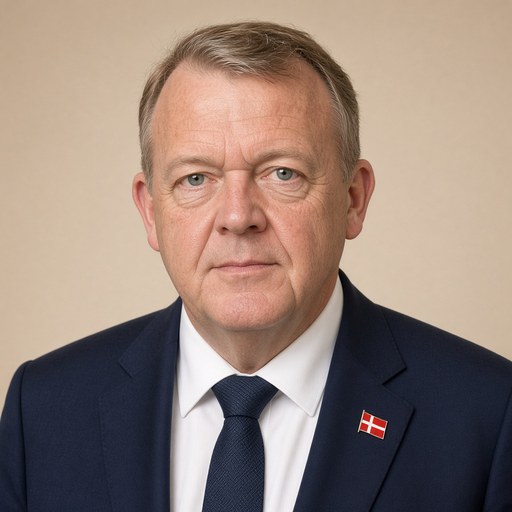
The Prime Minister's speech at the conclusion of the Folketing on May 31, 2011.
 Lars Løkke Rasmussen · Prime Minister of Denmark
- Context
- Rasmussen addressed the Danish Folketing at its conclusion on May 31, 2011, reviewing government economic reforms, healthcare initiatives, and growth strategies.
- Main themes
- Economic growth and reform, healthcare improvements and particle therapy, fiscal responsibility and budget stability, unemployment reduction, export promotion and trade ambassadors, business environment and corporate tax reduction, EU economic cooperation, renewable energy and biomass innovation, workforce and labor market reforms, Danish competitiveness in global markets
- Duration
- ~26 min
- Words
- 3,082
- Sentences
- 297
- Readability
- 62
- Grade
- 6.9
- Syntax
- 2.33
- Vocabulary
- 2.13
Translated from Danish
The broad sphere of national life a sentence belongs to. Every sentence has an Arena, so it is the denominator the other indices are read against.
Other297 sentences in 119 paragraphs
her life. At the end of the email, her husband wrote: "Everything took under 30 days – it cannot be done better."
We have come a long way. But we must go further than that.
As part of the new health package, we will establish a center for particle therapy. This will happen in a public-private partnership.
Particle therapy effectively kills cancer cells, but gently for the patient. Especially children affected by cancer will benefit from the new treatment. Particle therapy will also reduce the risk of children and young people developing cancer later in life. The money cannot go to a better purpose.
With the government's reforms, we ensure stable revenues to cover fixed expenses.
And we create room in the economy for more health. So we can keep up with new medicines and new treatments – like particle therapy.
* * *
In Bogense, 6,000 residents of Funen receive heat from a special biomass oven. That is what they warm themselves with. And it warms my heart that the oven's inventor has been awarded the European Patent Prize. This honor was bestowed upon Jens Dall Bentzen 12 days ago – on May 19.
High-flyers like Dall Bentzen create growth.
And we need growth! So that businesses can create jobs. So that Danes can earn more money. So that we have more opportunities.
Growth is the key to developing our society. But growth does not open all doors. Growth does not solve the problem that we have few young people and many elderly. And growth does not provide 47 billion kroner in the treasury.
Therefore, we must first have the reforms that ensure that businesses get the workforce they need to create growth. So that growth rests on a solid economic foundation.
The government's concrete budget means that we will not surprise Danes with unpaid bills. With the government, you know what you get.
And the government's concrete budget maintains foreign confidence in the Danish economy. It is our protection against sudden interest rate increases. It ensures homeowners' peace of mind at night. It protects business owners from unexpected bills.
Elsewhere in Europe, we can see how wrong things can go when the economy goes off track. It costs jobs. It costs welfare. It leads to human tragedies.
That is why the EU has strengthened economic cooperation. It is in Denmark's clear interest. Our largest markets are in European countries. Sound economics is the focus of the Euro Plus Pact, which Denmark has joined.
The government solves problems in the right order. With the economic foundation in place, we have taken the next step: A long series of growth initiatives that here and now will support the progress that is emerging after the crisis.
Consumers again have confidence in the future. Businesses are selling more goods. Growth is starting to pick up. Unemployment has fallen for seven consecutive months. Just last month, 4,000 Danes came out of the unemployment queue.
Unemployment has peaked. And businesses believe in the future. Expectations in construction, industry, and services have strengthened and point to increased activity. We are moving forward.
This progress is propelled by the government's growth initiatives:
A Housing Job scheme, where we turn black work into white work. And shift do-it-yourself work from families to businesses.
This will relieve busy families. It will create new jobs in crafts and services. Also jobs for Danes who have not taken a long theoretical education.
With "Denmark as a Growth Nation," we follow up with even more concrete growth initiatives:
First, we strengthen Danish exports to the rapidly growing economies in Asia and South America. Most of our exports to the new growth countries are concentrated in a few large companies. We need to include the smaller companies.
To lead this effort, the government has just appointed the first three of a total of five export ambassadors: One for Brazil. One for Russia. One for China. And to strengthen Danish businesses' opportunities, a strategy will be developed for each of these countries with specific areas where Denmark can market what we are particularly good at. If we can reach the German level for exports to the new growth economies, we can create 15,000 to 20,000 new Danish jobs.
Second, we will attract more companies from abroad. So we get high-productivity jobs to Denmark.
We will work for a fully financed reduction of the corporate tax from 25 to 20 percent over a number of years. We will find the money by restructuring business support. And we will provide tax credits to help especially start-up companies with investments in research and development. Small businesses need to invest in becoming large so they can make money and create jobs.
Third, we will make it easier to run a business. We will introduce a three-year regulatory freeze for small and start-up companies. It is a strong signal to businesses that we need to get growth going again. Now you will have peace from us for three years. Now you will have a breather to enter a solid growth trajectory.
Initially, this applies to all new national regulations. And we will work to ensure that all new EU legislation can also be included in the scheme.
Fourth, we will leverage Denmark's expertise in welfare technology and welfare services. We need to develop a dynamic and open collaboration between the public and private sectors. So we can build a new private platform as a basis for export.
This is the same path we are taking with the competition package, where we also increase competition in the public sector.
And fifth, the education system must better support our young people learning what private companies need to grow.
With "Denmark as a Growth Nation," we make it more attractive to invest and create jobs in Denmark. So our businesses can get the growth we so desperately need.
The new initiatives build on the government's other efforts:
Billion investments in the Metro City Ring and the Fehmarn Belt. Hundreds of new kilometers of roads and tracks. People and goods must be able to move around easily. We invest in growth. We invest in jobs.
Billion investments in new super hospitals. And thousands of new elderly and care homes, youth housing, and family housing. We invest in welfare. We invest in jobs.
Public investments are now twice as large as at the beginning of the 1990s. And investments will continue to remain at a high level until 2020.
Energy Plan 2050 – where we lay out concrete plans for phasing out oil, coal, and gas. In the next ten years, we will increase the share of renewable energy to 33 percent from just under 20 percent today.
We have built a huge offshore wind farm at Horns Rev and Rødsand. And we are building an even larger one at Anholt.
We need even more wind turbines at sea. The share of biofuels in the transport sector must be doubled. Livestock manure must be converted into biogas.
All of this provides green benefits that we must exploit internationally and convert into new jobs and new export revenues. We are well underway. Recently, I entered into an alliance with South Korea's President Lee Myung-bak to strengthen cooperation on green technology.
The list of growth initiatives is long.
And many of the initiatives have broad support. We can quickly agree to support growth.
But the interesting question is whether the growth is sustainable. And here there is a clear dividing line in Danish politics.
The government's Reform Package 2020 lays out a concrete long-term budget for Denmark. We have a growth plan that holds. Because it rests on strong reforms.
A growth plan cannot stand alone. Without a solid foundation, growth will slip away.
We cannot build our future on faith, hope, and debt.
* * *
Sustainable growth. That is growth where we all are included. Whether our family has roots in Denmark or in another country.
In recent years, more and more Danes with roots in non-Western countries have found work. Especially more women.
More and more Danes with roots in non-Western countries have started an education. Especially more women.
The government sets demands. You take responsibility. I want to say to all of you: Well done!
Integration has come a long way.
For Denmark is an open society. But not wide open. Open in a wise way.
This means that we set demands on people who want to come here. When you come to Denmark, you must contribute to the community. This promotes integration. It is common sense.
We have a welfare society with high social benefits. This makes us vulnerable when more people move here. Therefore, we will require a certain time in Denmark before one receives the full package. You must contribute before you can enjoy. It is common sense.
We set demands. We give responsibility. It is part of the extensive freedom and wide opportunities we have in Denmark.
Therefore, we will not tolerate that there are gaps in the map of Denmark. That there are areas where Danish values and norms are under pressure. Where people's freedom is under pressure.
I have visited ghettos in Denmark. I have spoken with people who have personally experienced what it means to be unfree. People who appreciate the freedom we offer in Denmark. We must welcome these people – not just into our society, but also into our daily lives – yes, into our hearts. Their lives and opportunities must not be limited by living in a ghetto where some even fight against Danish norms.
This is the background for the ambitious ghetto strategy that was agreed upon last autumn.
We will open the ghettos to society. We do not want isolated stone deserts, but vibrant and open neighborhoods.
And the residents support this. In several ghetto areas, residents have approved demolitions. This applies in Gellerup near Aarhus, where three apartment blocks will make way for, among other things, a completely new street. This applies in Rosenhøj near Aarhus. And in Askerød near Greve. In all these places, residents are ready to break down the wall.
We are also changing the rules behind the bricks. Municipalities have been given new and better opportunities to manage the composition of residents in vulnerable housing areas.
We open the ghetto to society.
In December, I visited some local boys in Askerød – one of the ghettos. And a month later, the boys visited me at Marienborg. I had also invited several business leaders. The meetings were followed up with job visits in Gellerupparken and Vollsmose.
People meet, and employment contracts arise.
Last week, I visited the boys from Askerød again. Here I spoke with Ali Mohammad Mahmoud. Ali has now gotten a part-time job at Bilka. Some of his friends have too. They are happy about it. It is a concrete result of our meetings. It is gratifying.
The sad thing is that Ali has previously had difficulty getting a job. He says himself: "It is as if when people hear you live in the ghetto, you are a criminal."
Stop right there. It must not be like that. We must judge people for who they are. Not judge them based on their postal code. We must also set demands on ourselves.
I brought home several positive stories from Askerød. The building's regular glazier recently called the administration. He wondered why he was no longer called out to replace broken windows in the area. "Had they changed suppliers?" he asked worriedly. "No, the boys in Askerød have just stopped breaking windows and are instead doing something sensible."
* * *
We must set demands on ourselves. We must set demands on each other. And there must be consequences when demands are not met.
The government is cracking down hard on those who violate others' freedom:
We will not just stand by while Danes feel unsafe in their own homes.
That is why we have agreed on a security package, where we take action against criminal gangs and organized crime. We strengthen police efforts. We tighten penalties.
And therefore, we will curb weapons, drugs, and other crime. We will strengthen customs control. And we will ensure that the police assist customs officers when they discover crime. And this will, of course, be done with respect for EU rules.
Denmark must be a safe country.
* * *
The safety and rights we have in Denmark are unfortunately far from granted to all the world's people.
But we see new hope in parts of the world. In North Africa and the Middle East.
The Arab Spring has initiated a development that cannot be reversed. We are witnessing a historic thaw comparable to the fall of the Berlin Wall in Europe.
Brave populations in Egypt and Tunisia have chosen the path of democracy. A path that should lead to free elections. A path where the populations themselves create their future.
The upheavals in these countries are a historic opportunity for democratic forces.
But in some countries, legitimate demands for reforms have been met with violence and repression. In Libya, we see how a brutal dictator refuses to loosen his iron grip on the population. Over Libya, Danish planes are participating in NATO's enforcement of the Security Council's resolution. With broad support from this Parliament. We take responsibility.
Denmark and the EU must support the democratic development in the region. The EU can contribute to creating growth in the region – especially through increased market access and trade. The EU must structure its cooperation with the countries so that it is clear that democracy and reforms pay off.
It is in the interest of the Middle Eastern and North African countries. It is in Europe's interest. It is in Denmark's interest.
Since 2003, Denmark has supported the forces that are now working for democratic reforms in the region. We can be proud of that. And the government will strengthen the effort, among other things with funds from the freedom pool.
Denmark is also aware of its responsibility in the fight against international terrorism.
The American action against bin Laden was a landmark event in the fight against terrorism. It is the culmination of several years of systematic effort. Of strong international cooperation that has put al-Qaeda under pressure.
But we must not be naive. The threat of terrorist attacks has not disappeared. Not even in Denmark.
Al-Qaeda and other terrorist groups will continue. We must still do everything to protect Danish society from terror. We must maintain pressure on the terrorist groups.
The international effort in Afghanistan is central in the fight against terror. The task is not finished, but we are entering a new phase.
The Afghans have begun to take over responsibility for their country's security this year. We are already training the Afghans so that they can take full responsibility by the end of 2014. I am very pleased that a broad majority here in the Folketing agreed in the spring on a gradual transition of the Danish contribution towards 2014.
During my visits to Afghanistan, I have had the opportunity to speak with the deployed personnel. I have sensed a strong commitment from each and every one of them.
I want to say to all of you who are deployed to the world's hotspots: You are making a tremendous effort. And your efforts are making a difference.
Together with personnel from other countries, you have created significant improvements for the Afghan population: Since we started the mission, ten times as many have gained access to healthcare. More than half of the children are now in school – including girls. And more than 140 million schoolbooks have been printed.
Your efforts are making a difference! You deserve our greatest recognition and respect.
* * *
The EU is an important framework for safeguarding Denmark's interests in the world.
Denmark will take over the presidency of the EU on January 1, 2012. This will ensure us a central platform in European politics in the coming year.
We have three significant challenges:
First, we must create momentum in the negotiations on the EU's budget for 2014–2020.
Second, we need to expand the internal market and thereby strengthen growth. Good framework conditions for businesses, consumer confidence, and innovation are key elements.
Third, we must implement the better coordination of countries' economic policies that we have agreed upon.
The economic challenges are in focus in the EU as well as in Denmark. Europe is in dire need of creating growth and jobs. And our progress here at home also depends on us being part of a region that is advancing.
* * *
In the Kingdom, our strength is the sum of self-determination and cooperation.
The Arctic will gain increasing importance both internally in the Kingdom and in our foreign policy. It is the government's ambition to present a comprehensive strategy for the Arctic towards 2020 in the near future. A strategy that we have closely collaborated on with the regional governments.
During our presidency of the Arctic Council, Denmark, together with Greenland and the Faroe Islands, has worked to strengthen international cooperation on how we handle the new opportunities and challenges in the Arctic.
As a conclusion to the presidency, we have just held a foreign ministers' meeting in Nuuk. At the meeting, we made important decisions, including a new binding agreement on search and rescue. This bodes well for future cooperation in the region.
Alongside the cooperation in the Kingdom, there is a development of the self-governing territories. The Faroe Islands will take over the pilotage service in August. In Greenland, the regional government has initiated a major reform process regarding welfare, taxation, and infrastructure.
* * *
Denmark is developing from north to south. After the crisis, there is once again hope and progress.
And behind the progress are, of course, people. Danes who are making a great effort in our businesses, in our schools, in our nursing homes.
For progress requires an effort from all of us. Everyone who can must pull their weight. It is necessary. It is solidarity. It is fair.
We have made important agreements that support progress.
Thank you to the parties and members of the Folketing who take responsibility. Who have shown historic courage. Who have set aside short-term party tactical considerations.
Together, we have secured a solid long-term budget for Denmark. We have ensured sustainable growth. We have secured lasting welfare.
The future now looks significantly brighter for all of us.
The original Danish. The tags above are read on the English translation's sentences.
hendes liv. Til sidst i mailen skrev hendes mand: ”Alt sammen tog under 30 dage – det kan ikke gøres bedre.”
Vi er nået et stykke vej. Men vi skal videre end det.
Som et led i den nye sundhedspakke vil vi etablere et center for partikelterapi. Det vil ske i et offentligt-privat samarbejde.
Partikelterapi dræber kræftceller effektivt, men skånsomt for patienten. Særligt kræftramte børn vil have gavn af den nye behandling. Partikelterapi vil også reducere risikoen for, at børn og unge udvikler kræft senere i livet. Pengene kan ikke gå til et bedre formål.
Med regeringens reformer sikrer vi faste indtægter til at betale de faste udgifter.
Og vi skaber luft i økonomien til mere sundhed. Så vi kan følge med ny medicin og nye behandlinger – som partikelterapi.
* * *
I Bogense får 6.000 fynboer varme fra en særlig biomasseovn. Det varmer de sig ved. Og det varmer mig, at ovnens opfinder har fået tildelt Den Europæiske Patentpris. Den ære tilfaldt Jens Dall Bentzen for 12 dage siden – den 19. maj.
Højdespringere som Dall Bentzen skaber vækst.
Og vi skal have vækst! Så virksomhederne kan skabe jobs. Så danskerne kan tjene flere penge. Så vi får flere muligheder.
Vækst er nøglen til at udvikle vores samfund. Men vækst åbner ikke alle døre. Vækst løser ikke det problem, at vi er få unge og mange ældre. Og vækst skaffer ikke 47 mia. kr. i kassen.
Derfor skal vi først have de reformer, der sikrer, at virksomhederne får den arbejdskraft, der skal til for at skabe væksten. Så væksten hviler på et fast økonomisk grundlag.
Regeringens kontante budget betyder, at vi ikke kommer til at overrumple danskerne med ubetalte regninger. Hos regeringen ved man, hvad man får.
Og regeringens kontante budget fastholder udlandets tillid til dansk økonomi. Det er vores værn mod pludselige rentestigninger. Det sikrer boligejernes nattesøvn. Det sikrer virksomhedsejerne mod uventede regninger.
Andre steder i Europa kan vi se, hvor galt det kan gå, når økonomien kører af sporet. Det koster jobs. Det koster velfærd. Det fører til menneskelige tragedier.
Derfor har EU styrket det økonomiske samarbejde. Det er i Danmarks klare interesse. Vores største markeder er i de europæiske lande. Sund økonomi er i fokus i den Europlus-pagt, som Danmark har tilsluttet sig.
Regeringen løser problemerne i den rigtige rækkefølge. Med det økonomiske grundlag på plads har vi taget det næste skridt: En lang række vækstindsatser, der her og nu skal understøtte den fremgang, som spirer frem efter krisen.
Forbrugerne har igen tillid til fremtiden. Virksomhederne får solgt flere varer. Der er ved at komme gang i væksten. Ledigheden er faldet syv måneder i træk. Alene i sidste måned kom 4.000 danskere ud af arbejdsløshedskøen.
Arbejdsløsheden er toppet. Og virksomhederne tror på fremtiden. Forventningerne i byggeri, industri og serviceerhvervene er styrket og peger på øget aktivitet. Det går fremad.
Den fremgang skubber regeringens væksttiltag på:
En BoligJob-ordning, hvor vi gør sort arbejde til hvidt arbejde. Og flytter gør-det-selv arbejde fra familierne over i virksomhederne.
Det vil aflaste travle familier. Det vil skabe nye jobs i håndværk og service. Også jobs til danskere, der ikke har taget en lang teoretisk uddannelse.
Med ”Danmark som Vækstnation” følger vi op med endnu flere konkrete væksttiltag:
For det første styrker vi dansk eksport til de hastigt voksende økonomier i Asien og Sydamerika. Det meste af vores eksport til de nye vækstlande er koncentreret på få store virksomheder. Vi skal have de mindre virksomheder med.
Til at stå i spidsen for indsatsen har regeringen netop udpeget de første tre af i alt fem eksportambassadører: En for Brasilien. En for Rusland. En for Kina. Og for at styrke dansk erhvervslivs muligheder vil der for hvert af de lande blive udarbejdet en strategi med konkrete områder, hvor Danmark kan markedsføre det, vi er særligt dygtige til. Hvis vi kan nå det tyske niveau for eksport til de nye vækstøkonomier, så kan vi skabe 15 – 20.000 nye danske arbejdspladser.
For det andet vil vi tiltrække flere virksomheder fra udlandet. Så vi får højproduktive jobs til Danmark.
Vi vil arbejde for en fuldt finansieret sænkning af selskabsskatten fra 25 til 20 pct. over en årrække. Vi vil finde pengene ved at omlægge erhvervsstøtten. Og vi vil give skattekreditter for at hjælpe især nystartede virksomheder med investeringer i forskning og udvikling. For små virksomheder skal investere i at blive store, så de kan tjene penge og skabe arbejdspladser.
For det tredje vil vi gøre det lettere at drive virksomhed. Vi indfører et tre-årigt regelstop for små og nystartede virksomheder. Det er et stærkt signal til virksomhederne om, at nu skal vi have gang i væksten igen. Nu får I fred for os i tre år. Nu får I et pusterum til at komme ind i et solidt vækstforløb.
I første omgang gælder det alle nye nationale regler. Og vi vil arbejde for, at al ny lovgivning fra EU også kan blive omfattet af ordningen.
For det fjerde vil vi udnytte Danmarks ekspertise inden for velfærdsteknologi og velfærdsservice. Vi skal udvikle et dynamisk og fordomsfrit samarbejde mellem det offentlige og de private virksomheder. Så vi kan bygge en ny privat platform som afsæt for eksport.
Det er samme vej, vi går med konkurrencepakken, hvor vi også øger konkurrencen i den offentlige sektor.
Og for det femte skal uddannelserne i højere grad understøtte, at vores unge lærer det, som de private virksomheder behøver for at vokse.
Med ”Danmark som vækstnation” gør vi det mere attraktivt at investere og skabe jobs i Danmark. Så vores virksomheder kan få gang i den vækst, vi har så hårdt brug for.
De nye tiltag bygger oven på regeringens øvrige indsats:
Milliardinvesteringer i Metro Cityring og Femern Bælt. I hundredvis af nye kilometer veje og skinner. Mennesker og varer skal nemt kunne komme rundt. Vi investerer i vækst. Vi investerer i jobs.
Milliardinvesteringer i nye supersygehuse. Og tusindvis af nye ældre- og plejeboliger, ungdomsboliger og familieboliger. Vi investerer i velfærd. Vi investerer i jobs.
De offentlige investeringer er nu dobbelt så store som i begyndelsen af 90’erne. Og investeringerne vil fortsat ligge på det høje niveau frem mod 2020.
Energiplan 2050 – hvor vi lægger konkrete planer for udfasning af olie, kul og gas. Allerede de næste ti år vil vi øge andelen af vedvarende energi til 33 procent mod i dag knapt 20 pct.
Vi har bygget en kæmpe vindmøllepark i havet ved Horns Rev og Rødsand. Og vi er ved at bygge en endnu større ved Anholt.
Vi skal have endnu flere vindmøller på havet. Andelen af biobrændstoffer i transportsektoren skal fordobles. Husdyrenes gødning skal blive til biogas.
Det giver alt sammen grønne fordele, som vi skal udnytte internationalt og veksle til nye jobs og nye eksportindtægter. Vi er godt i gang. Senest indgik jeg en alliance med Sydkoreas præsident Lee Myung-bak om at styrke samarbejdet om grøn teknologi.
Rækken af vækstinitiativer er lang.
Og mange af initiativerne er der bred opbakning til. Vi kan hurtigt blive enige om at gå ind for vækst.
Men det interessante spørgsmål er, om væksten er holdbar. Og her går der en klar skillelinje i dansk politik.
Regeringens Reformpakke 2020 lægger et kontant langtidsbudget for Danmark. Vi har en plan for vækst, der holder. Fordi den hviler på stærke reformer.
En vækstplan kan ikke stå alene. Uden en fast grund vil væksten skride.
Vi kan ikke bygge vores fremtid på tro, håb og gældsætning.
* * *
Holdbar vækst. Det er vækst, hvor vi alle sammen er med. Uanset om vores familie har rødder i Danmark eller i et andet land.
De seneste år har stadig flere danskere med rødder i ikke-vestlige lande fundet arbejde. Især flere kvinder.
Stadig flere danskere med rødder i ikke-vestlige lande er gået i gang med en uddannelse. Især flere kvinder.
Regeringen stiller krav. I tager ansvaret op. Jeg vil sige til jer alle sammen: Det er godt gået!
Integrationen er nået langt.
For Danmark er et åbent samfund. Men ikke pivåbent. Åbent på en klog måde.
Det betyder, at vi stiller krav til mennesker, der vil hertil. Når man kommer til Danmark skal man bidrage til fællesskabet. Det fremmer integrationen. Det er sund fornuft.
Vi har et velfærdssamfund med høje sociale ydelser. Det gør os sårbare, når flere flytter hertil. Derfor vil vi stille krav om en vis tid i Danmark, før man får den fulde pakke. Man skal yde, før man kan nyde. Det er sund fornuft.
Vi stiller krav. Vi giver ansvar. Det er en del af den udstrakte frihed og de vide muligheder, vi har i Danmark.
Derfor vil vi ikke finde os i, at der er huller i Danmarkskortet. At der er områder, hvor danske værdier og normer er trængt. Hvor menneskers frihed bliver trængt.
Jeg har besøgt ghettoer i Danmark. Jeg har talt med mennesker, der på egen krop har mærket, hvad det vil sige at være ufri. Mennesker, som sætter pris på den frihed, vi tilbyder i Danmark. De mennesker skal vi lukke ind – ikke bare i vores samfund, men også i vores dagligdag – ja i vores hjerter. Deres liv og muligheder skal ikke begrænses af, at de bor i en ghetto, hvor nogen ligefrem bekæmper danske normer.
Det er baggrunden for den ambitiøse ghettostrategi, som blev aftalt i efteråret.
Vi vil åbne ghettoerne mod samfundet. Vi vil ikke have isolerede stenørkener, men levende og åbne bydele.
Og det bakker beboerne op om. I flere ghetto-områder har beboerne godkendt nedrivninger. Det gælder i Gellerup ved Århus, hvor tre boligblokke skal vige for blandt andet at give plads til en helt ny bygade. Det gælder i Rosenhøj ved Århus. Og i Askerød ved Greve. Alle disse steder er beboerne klar til at bryde muren ned.
Vi ændrer også reglerne bag murstenene. Kommunerne har fået nye og bedre muligheder for at styre beboersammensætningen i de udsatte boligområder.
Vi åbner ghettoen mod samfundet.
I december besøgte jeg nogle lokale drenge i Askerød – en af ghettoerne. Og en måned senere besøgte drengene mig på Marienborg. Jeg havde også inviteret flere virksomhedsledere. Møderne blev fulgt op med job-besøg i Gellerupparken og i Vollsmose.
Mennesker mødes, og ansættelseskontrakter opstår.
I sidste uge besøgte jeg igen drengene fra Askerød. Her talte jeg med Ali Mohammad Mahmoud. Ali har nu fået fritidsjob i Bilka. Det har nogle af hans kammerater også. Det er de glade for. Det er et kontant resultat af vores møder. Det er glædeligt.
Det sørgelige er så, at Ali tidligere har haft svært ved at få job. Han siger selv: ”Det er som om, at når folk hører, man bor i ghettoen, så er man kriminel.”
Stop engang. Sådan må det ikke være. Vi skal bedømme mennesker, for hvem de er. Ikke dømme dem ud fra deres postnummer. Vi må også stille krav til os selv.
Jeg fik flere positive historier med hjem fra Askerød. Bebyggelsens faste glarmester ringede for nylig til administrationen. Han undrede sig over, at han ikke længere blev kaldt ud for at skifte knuste ruder i området. ”Havde de skiftet leverandør?” spurgte han bekymret. "Nej, drengene i Askerød er bare holdt op med at knuse ruder og foretager sig i stedet noget fornuftigt."
* * *
Vi skal stille krav til os selv. Vi skal stille krav til hinanden. Og det skal have konsekvenser, når krav ikke bliver opfyldt.
Regeringen slår hårdt ned på dem, der forbryder sig mod andres frihed:
Vi vil ikke bare se til, mens danskere er utrygge i deres egne hjem.
Derfor har vi aftalt en tryghedspakke, hvor vi sætter ind over for kriminelle bander og organiseret kriminalitet. Vi styrker den politimæssige indsats. Vi skærper straffene.
Og derfor vil vi dæmme op for våben, narkotika og anden kriminalitet. Vi vil styrke toldkontrollen. Og vi vil sikre, at politiet bistår tolderne, når de opdager kriminalitet. Og det sker naturligvis med respekt for EU-reglerne.
Danmark skal være et trygt land.
* * *
Den tryghed og de rettigheder, vi har i Danmark, er desværre langt fra alle verdens mennesker forundt.
Men vi ser nyt håb i dele af verden. I Nordafrika og i Mellemøsten.
Det arabiske forår har sat gang i en udvikling, som ikke lader sig skrue tilbage. Vi er vidne til et historisk tøbrud på højde med Berlinmurens fald i Europa.
Modige befolkninger i Egypten og Tunesien har valgt demokratiets vej. En vej, som skal lede frem mod frie valg. En vej, hvor befolkningerne selv skaber deres fremtid.
Omvæltningerne i disse lande er en historisk chance for de demokratiske kræfter.
Men i nogle lande er legitime krav om reformer blevet mødt med vold og undertrykkelse. I Libyen ser vi, hvordan en brutal diktator nægter at løsne sit jerngreb om befolkningen. Over Libyen deltager danske fly i NATO’s håndhævelse af Sikkerhedsrådets resolution. Med bred opbakning her fra Folketinget. Vi tager ansvar.
Danmark og EU skal bakke op om den demokratiske udvikling i regionen. EU kan bidrage til at skabe vækst i regionen – især gennem øget markedsadgang og samhandel. EU skal indrette sit samarbejde med landene, så det står klart, at demokrati og reformer betaler sig.
Det er i de mellemøstlige og nordafrikanske landes interesse. Det er i Europas interesse. Det er i Danmarks interesse.
Siden 2003 har Danmark støttet de kræfter, der nu arbejder for demokratiske reformer i regionen. Det kan vi være stolte af. Og regeringen vil styrke indsatsen, blandt andet med midler fra frihedspuljen.
Danmark er også sit ansvar bevidst i kampen mod den internationale terrorisme.
Den amerikanske aktion mod bin Laden var en skelsættende begivenhed i indsatsen mod terrorisme. Den er kulminationen på flere års systematisk indsats. På et stærkt internationalt samarbejde, der har sat al-Qaida under pres.
Men vi må ikke være naive. Faren for terrorangreb er ikke forsvundet. Heller ikke i Danmark.
Al-Qaida og andre terrorgrupper vil fortsætte. Vi skal stadig gøre alt for at beskytte det danske samfund mod terror. Vi skal opretholde presset mod terrorgrupperne.
Den internationale indsats i Afghanistan er helt central i kampen mod terror. Opgaven er ikke færdig, men vi er på vej ind i en ny fase.
Afghanerne er i år begyndt at overtage ansvaret for deres lands sikkerhed. Vi træner allerede afghanerne, så de kan overtage det fulde ansvar med udgangen af 2014. Jeg er meget tilfreds med, at et bredt flertal her i Folketinget i foråret blev enige om en gradvis omstilling af det danske bidrag frem mod 2014.
Under mine besøg i Afghanistan har jeg haft lejlighed til at tale med de udsendte. Jeg har mærket et stærkt engagement hos hver og én.
Jeg vil sige til alle jer, der er udsendt til verdens brændpunkter: I yder en kæmpe indsats. Og jeres indsats nytter.
I har sammen med udsendte fra de andre lande skabt store forbedringer for den afghanske befolkning: Siden vi startede opgaven, har ti gange så mange fået adgang til sundhed. Over halvdelen af børnene går nu i skole – også pigerne. Og der er trykt mere end 140 mio. skolebøger.
Jeres indsats nytter! I fortjener vores største anerkendelse og respekt.
* * *
EU er en vigtig ramme for varetagelsen af Danmarks interesser i verden.
Danmark overtager formandskabet i EU den 1. januar 2012. Det vil sikre os en central platform i europæisk politik i det kommende år.
Vi har tre væsentlige udfordringer:
For det første skal vi skabe fremdrift i forhandlingerne om EU's budget for 2014–2020.
For det andet skal vi udbygge det indre marked og derigennem styrke væksten. Gode rammevilkår for erhvervslivet, forbrugertillid og innovation er nøgleelementer.
For det tredje skal vi gennemføre den bedre koordination af landenes økonomiske politik, som vi har aftalt.
De økonomiske udfordringer er i fokus i EU som i Danmark. Europa har hårdt brug for at skabe vækst og job. Og vores fremgang herhjemme afhænger også af, at vi er en del af en region i fremgang.
* * *
I rigsfællesskabet er vores styrke summen af selvbestemmelse og samarbejde.
Arktis vil få stigende betydning internt i rigsfællesskabet og i vores udenrigspolitik. Det er regeringens ambition inden længe at præsentere en samlet strategi for Arktis frem mod 2020. En strategi, som vi har samarbejdet tæt med landsstyrerne om.
Under vores formandskab for Arktisk Råd har Danmark sammen med Grønland og Færøerne arbejdet for at styrke det internationale samarbejde om, hvordan vi håndterer de nye muligheder og udfordringer i Arktis.
Som afslutning på formandskabet har vi netop holdt udenrigsministermøde i Nuuk. På mødet fik vi truffet vigtige beslutninger, bl.a. en ny, bindende aftale om søredning. Det lover godt for det fremtidige samarbejde i regionen.
Sideløbende med samarbejdet i rigsfællesskabet, sker der en udvikling af selvstyrerne. Færøerne overtager lodsvæsenet i august. I Grønland har landsstyret indledt et større reformarbejde om velfærd, skat og infrastruktur.
* * *
Danmark er i udvikling fra nord til syd. Efter krisen er der igen håb og fremgang.
Og bag fremgangen står selvfølgelig mennesker. Danskere, der gør en stor indsats i vores virksomheder, på vores skoler, på vores plejehjem.
For fremgang kræver en indsats af os alle sammen. Alle, der kan, må trække. Det er nødvendigt. Det er solidarisk. Det er fair.
Vi har indgået vigtige aftaler, der støtter fremgangen.
Tak til de partier og medlemmer af Folketinget, der tager ansvar. Der har udvist et historisk mod. Der har tilsidesat kortsigtede partitaktiske hensyn.
Vi har sammen sikret et kontant langtidsbudget for Danmark. Vi har sikret holdbar vækst. Vi har sikret varig velfærd.
Fremtiden ser nu væsentligt lysere ud for os alle sammen.