




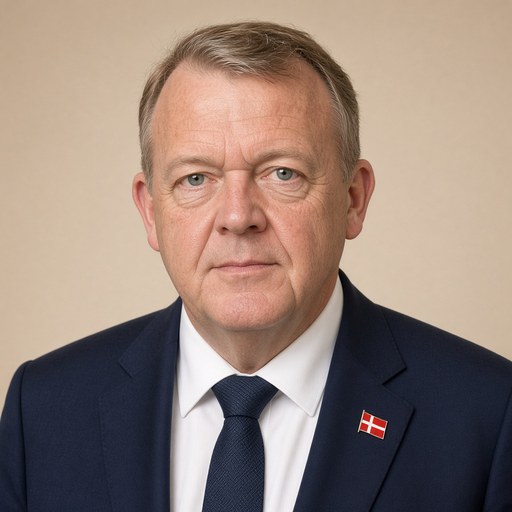
The Prime Minister's welcome speech on Midsummer's Eve at Marienborg on June 23, 2011.
 Lars Løkke Rasmussen · Prime Minister of Denmark
- Context
- Rasmussen addressed guests at the annual Midsummer's Eve gathering at Marienborg on June 23, 2011, celebrating Danish tradition and national unity.
- Main themes
- Midsummer's Eve celebration, Danish national unity, economic recovery and resilience, struggle and progress, Danish values, immigration and integration, community and togetherness, freedom and responsibility, Denmark's future, cultural identity
- Duration
- ~10 min
- Words
- 1,190
- Sentences
- 113
- Readability
- 65
- Grade
- 6.4
- Syntax
- 2.47
- Vocabulary
- 2.08
Translated from Danish
The broad sphere of national life a sentence belongs to. Every sentence has an Arena, so it is the denominator the other indices are read against.
Other113 sentences in 46 paragraphs
Dear everyone.
I am happy to once again welcome you to Midsummer's Eve at Marienborg. Midsummer's celebration two years in a row – then it is indeed a tradition!
And thank you to all of you who contribute to the tradition.
Thank you to the children from Børnehuset Nybrogård. You have made a fantastic witch. It is almost a shame that it has to be burned. It was lovely to have your visit yesterday. And I hope that many of you are here tonight.
Thank you to all of you who will entertain throughout the evening: To the Lyngby-Taarbæk Brass Band. To the Elverhøj choir. And to the KFUM scouts.
And finally, thank you to Mayor Søren P. Rasmussen and to the entire municipal council for your local support of our Midsummer's celebration.
* * *
That was a long list of acknowledgments. But doesn’t it show very well what Midsummer's Eve is all about?
Midsummer's Eve is a celebration that brings us all together. It unites us as Danes. It brings us together across all the boxes we might otherwise be busy putting ourselves and each other into. Depending on whether we are young or old, men or women, or who we vote for.
Tonight, we have jumped out of the boxes. And perhaps we should try to do that on other dates than just June 23rd.
Because we need to stand together.
We have been through a severe international crisis that has now loosened its grip. Hope and optimism are sprouting. But even though many of us have greater confidence in the future, even though businesses are selling more, and even though unemployment is falling, the road ahead can be bumpy. Even though the main line is clear, the economic figures move up and down.
It is a bit like the Danish summer weather. But unlike the weather, we can do something about our situation.
Growth and progress require effort.
In about an hour, there will be a community song on the program. "The Danish Song." One of the verses goes, "And times change, and customs soften, but art and struggle still require steel."
Struggle still requires steel. Struggle – that is an old-fashioned word. Is it relevant today?
Denmark is a good country. Not perfect – but one of the best in the world. When we have created a society where few have too much and fewer have too little, what is there left to fight for?
Yes, we must fight for tomorrow's Denmark. Because no matter what we do, Denmark will be different tomorrow than it is today. And we can help determine what kind of Denmark we want.
It is not given that Denmark will always be among the richest.
It is no law that Denmark remains among the safest.
It is not a natural law that Denmark should be counted among the best societies in the world in the future as well.
That is why I belong to those who believe that "struggle" is just as relevant today as it has always been. Struggle has the same significance today as when the cooperative movement created freer conditions for farmers. When the labor movement secured decent conditions for the many. And when women fought for an equal place in society.
Without struggle, we come to a standstill.
That is why we must fight to make the right, responsible decisions. Decisions that make Denmark a better country tomorrow.
In Denmark, we have a strong common foundation in our values. These are not values that one particular party has a monopoly on. They are Danish values that bind us together.
Freedom. Responsibility. Community.
That is what we gather around when we rise above the everyday challenges. That is what brings us together tonight.
I will fight for our common values. Through responsible change. Through economic responsibility. For without economic freedom, there is no personal freedom. That is my path.
If we, who are gathered here tonight, are like most Danes, then we do not agree on the path, the government, and early retirement. But we agree on the values. We celebrate Midsummer's Eve together because "we love our country," as the Midsummer song will sound across Denmark tonight.
* * *
We love our country. And that is regardless of whether our roots are nourished in Danish soil or in lands far from here.
In a moment, there will be community singing with "The Danish Song" to Carl Nielsen's lovely melody. And I am proud that one of the world's very best orchestras – the New York Philharmonic – will now record all of Carl Nielsen's symphonies. That is just one example. Denmark leaves its mark in the world.
And the world leaves its mark in Denmark. "The Danish song is a young blonde girl," we sing. True enough. But the Danish song also has other colors. That is how it is. And that is how it should be.
People come to Denmark from all over the world. Because they need us. And because we need them.
But when one has chosen Denmark, one has also chosen freedom, responsibility, and community. I expect those values to be respected. I set demands on the people who come here.
But we must also set demands on ourselves. I will not accept that there are areas in Denmark where residents do not have the same opportunities as the rest of us.
I have had some back-and-forth contact with a group of boys in Askerød. One of the housing areas that can be called a ghetto. They have been here, and I have been there.
The last time I was out there, I spoke with one of the boys, Ali Mohammad Mahmoud. Ali has top grades from high school and is in every way a boy who takes responsibility and uses his opportunities. Yet he has had difficulty getting a job. Because he has been put into a box that has stamped his postal code in large letters on all sides.
Now, Ali has managed to get a part-time job at Bilka. And several of his friends have also gotten part-time jobs. This is the result of some meetings that have been held with the boys and local businesses, including here at Marienborg.
Because when people meet, one discovers that the boxes are of no use. Away with them.
Several things have succeeded in Askerød: The building's regular glazier called the administration some time ago. He is no longer called out to replace broken windows in the area. "Have you changed suppliers?" he asked worriedly. No, the boys in Askerød have just stopped breaking windows. They are breaking down prejudices instead.
See, that gives hope in everyday life and faith in the future.
* * *
I will conclude by wishing everyone a really good evening. I have to move on to a meeting in Brussels. I am glad that the Minister of Foreign Affairs has agreed to give the bonfire speech this year.
And of course, I hope that I can take revenge next year and give the bonfire speech here at Marienborg.
Have a really good Midsummer's Eve, everyone!
The original Danish. The tags above are read on the English translation's sentences.
Kære alle sammen.
Jeg er glad for igen i år at kunne byde velkommen til sankthansaften på Marienborg. Sankthansfest to år i træk – så er det da en tradition!
Og tak til alle jer, der bidrager til traditionen.
Tak til børnene fra Børnehuset Nybrogård. I har lavet en fantastisk flot heks. Det er næsten synd, at den skal brændes af. Det var dejligt at have besøg af jer i går. Og jeg håber, at rigtig mange af jer er med i aften.
Tak til alle jer, der underholder gennem aftenen: Til Lyngby-Taarbæk Brass Band. Til Elverhøj koret. Og til KFUM spejderne.
Og endelig tak til borgmester Søren P. Rasmussen og til hele kommunalbestyrelsen, fordi I lokalt bakker op om vores sankthansfest.
* * *
Det var en lang række af taksigelser. Men viser den ikke meget godt, hvad sankthansaften er for en størrelse?
Sankthansaften er en fest, der samler os alle sammen. Der samler os som danskere. Der samler os på tværs af alle de kasser, vi måske ellers har travlt med at putte os selv og hinanden ned i. Alt efter om vi er unge eller gamle, mænd eller kvinder, eller hvem vi stemmer på.
I aften er vi hoppet ud af kasserne. Og det skal vi måske også prøve på andre datoer end lige netop den 23. juni.
For vi har brug for at stå sammen.
Vi har været igennem en voldsom international krise, der nu har sluppet sit greb. Håb og optimisme spirer frem. Men selvom mange af os har større tillid til fremtiden, selvom virksomhederne sælger mere, og selvom ledigheden falder, så kan vejen frem blive bumlet. Selvom hovedlinjen er klar, så bevæger de økonomiske tal sig op og ned.
Det er lidt ligesom med det danske sommervejr. Men til forskel fra vejret, så kan vi gøre noget ved vores situation.
Vækst og fremgang kræver en indsats.
Om en times tid er der fællessang på programmet. ”Den danske sang”. Her lyder en af stroferne ”Og tider skifter, og sæder mildnes, men kunst og kamp kræver stadig stål.”
Kamp kræver stadig stål. Kamp – det er et gammeldags ord. Er det relevant i dag?
Danmark er et jo et godt land. Ikke perfekt – men et af de bedste i verden. Når vi har skabt et samfund, hvor få har for meget og færre for lidt, hvad er der så mere at kæmpe for?
Jo, vi skal kæmpe for morgendagens Danmark. For ligegyldigt hvad vi gør, så vil Danmark være et andet i morgen end i dag. Og vi kan selv være med til at bestemme, hvad det er for et Danmark, som vi vil have.
Det er ikke givet, at Danmark altid vil være blandt de rigeste.
Det er ingen lovmæssighed, at Danmark forbliver blandt de tryggeste.
Det er ikke nogen naturlov, at Danmark skal tælles blandt de bedste samfund i verden også i fremtiden.
Derfor hører jeg til dem, der mener, at ”kamp” er lige så relevant i dag, som det altid har været. Kamp har samme betydning i dag, som da andelsbevægelsen skabte friere rammer for bønderne. Da arbejderbevægelsen sikrede ordentlige forhold for de mange. Og da kvinderne kæmpede sig til en lige plads i samfundet.
Uden kamp går vi i stå.
Derfor skal vi kæmpe for at tage de rigtige, ansvarlige beslutninger. Beslutninger, der gør Danmark til et bedre land i morgen.
I Danmark har vi et stærkt fælles udgangspunkt i vores værdier. Det er ikke værdier, som ét bestemt parti har patent på. Det er danske værdier, der binder os på tværs.
Frihed. Ansvar. Fællesskab.
Det, vi samles om, når vi hæver os op over hverdagens genvordigheder. Det, der samler os i aften.
Jeg vil kæmpe for vores fælles værdier. Gennem ansvarlig forandring. Gennem økonomisk ansvarlighed. For uden økonomisk frihed, ingen personlig frihed. Det er min vej.
Hvis vi, der er samlet her i aften, er som danskerne flest, så er vi ikke enige om vejen, regeringen og efterlønnen. Men vi er enige om værdierne. Vi fejrer sankthansaften sammen, fordi ”vi elsker vort land”, som Midsommervisen i aften vil lyde over hele Danmark.
* * *
Vi elsker vort land. Og det uanset om vores rødder er næret i den danske muld eller i jorde langt herfra.
Om lidt er der fællessang med ”Den danske sang” på Carl Nielsens dejlige melodi. Og jeg er da stolt over, at et af verdens allerbedste orkestre – New York Filharmonikerne – nu vil indspille alle Carl Nielsens symfonier. Det er bare ét eksempel. Danmark sætter spor ude i verden.
Og verden sætter spor i Danmark. ”Den danske sang er en ung blond pige” synger vi. Sandt nok. Men den danske sang har også andre kulører. Sådan er det. Og sådan skal det være.
Mennesker kommer til Danmark fra hele verden. Fordi de har brug for os. Og fordi vi har brug for dem.
Men når man har valgt Danmark, så har man også valgt friheden, ansvaret og fællesskabet. Jeg forventer, at de værdier bliver respekteret. Jeg stiller krav til de mennesker, der kommer hertil.
Men vi skal også stille krav til os selv. Jeg vil ikke acceptere, at der er områder i Danmark, hvor beboerne ikke har samme muligheder som vi andre.
Jeg har haft noget kontakt frem og tilbage med en gruppe drenge i Askerød. Et af de boligområder, man kan kalde en ghetto. De har været her, og jeg har været der.
Sidst jeg var derude, talte jeg med en af drengene, Ali Mohammad Mahmoud. Ali har topkarakterer fra gymnasiet og er på alle måder en dreng, der tager ansvar og bruger sine muligheder. Alligevel har han haft svært ved at få et job. Fordi han er blevet puttet ned i en kasse, der har stemplet hans postnummer med store typer på alle sider.
Nu er det så lykkedes Ali at få et fritidsjob i Bilka. Og flere af hans kammerater har også fået fritidsjob. Det er resultatet af nogle møder, der er blevet holdt med drengene og lokale virksomheder, blandt andet her på Marienborg.
For når mennesker mødes, så opdager man, at man ikke kan bruge kasserne til noget. Væk med dem.
Flere ting er lykkedes i Askerød: Bebyggelsens faste glarmester ringede for noget tid siden til administrationen. Han bliver ikke længere kaldt ud for at skifte knuste ruder i området. ”Har I skiftet leverandør?” spurgte han bekymret. Nej, drengene i Askerød er bare holdt op med at knuse ruder. De knuser fordomme i stedet for.
Se, det giver håb i hverdagen og tro på fremtiden.
* * *
Jeg vil slutte af med at ønske alle en rigtig god aften. Jeg er nødt til at tage videre til et møde i Bruxelles. Jeg er glad for, at udenrigsministeren har sagt ja til at holde båltalen i år.
Og så håber jeg naturligvis, at jeg kan tage revanche til næste år og holde båltalen her på Marienborg.
Kan I have en rigtig god sankthansaften alle sammen!