




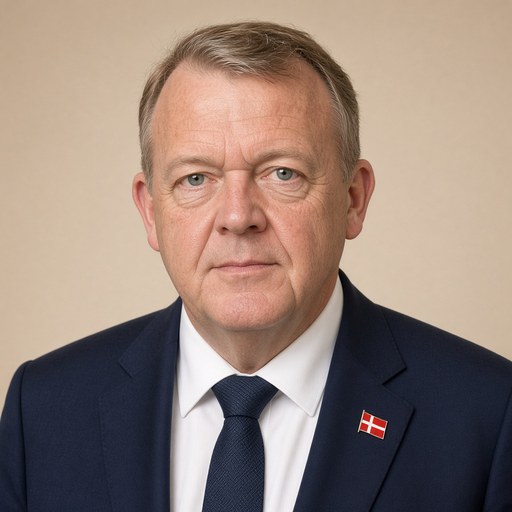
The Prime Minister's speech at the Agriculture & Food annual meeting on June 7, 2011.
 Lars Løkke Rasmussen · Prime Minister of Denmark
- Context
- Rasmussen addressed the Agriculture & Food annual meeting on June 7, 2011, outlining government economic reforms and their importance for Denmark's recovery and fiscal sustainability.
- Main themes
- Economic reforms, agriculture and food industry, Danish economy recovery, fiscal sustainability, retirement reform, job creation, public expenditure control, welfare funding, private sector growth, crisis management
- Duration
- ~20 min
- Words
- 2,373
- Sentences
- 217
- Readability
- 63
- Grade
- 6.9
- Syntax
- 2.44
- Vocabulary
- 2.08
Translated from Danish
The broad sphere of national life a sentence belongs to. Every sentence has an Arena, so it is the denominator the other indices are read against.
Other217 sentences in 71 paragraphs
Thank you for the invitation to speak at the Agriculture & Food annual meeting today. I have been looking forward to it.
For you are an important industry for Denmark. With 100 billion DKK in export revenues. With more than 150,000 jobs. And with huge significance for Danish society.
You secure jobs. You secure income for Denmark. And we need that when we are to create new progress.
* * *
And how do we best achieve new progress in a situation where we have just come through the worst economic crisis in many years, indeed in generations?
I have three suggestions: Reforms. Reforms. And reforms.
When I became Prime Minister two years ago, it coincided with the international crisis crashing into Denmark. The task was to get Denmark safely through the crisis. That task we have accomplished.
The government implemented a series of offensive crisis packages. We have extended business credits. We have reduced the tax on work, fully financed. We have accelerated investments in infrastructure. Public investments are now almost double what they were at the beginning of the 1990s. And we have created economic room to maintain that high level. The government’s crisis packages have worked. According to all we know, unemployment has now peaked with 40,000 fewer than we feared.
Crisis policy worked. But it was expensive. The bill had to be paid. That task we have also solved.
Together with the Danish People’s Party, the government implemented the Recovery Package, where we paid the immediate crisis bill. Where we maintained trust in the Danish economy. Where we kept interest rates down. To the benefit of homeowners, farmers, and the many who have borrowed money.
With the crisis behind us, our task this year has been to look ahead. To create balance between public expenditures and revenues in 2020. That task we have also solved.
In my New Year’s speech, I proposed that we phase out early retirement. And last month, the government, the Danish People’s Party, and the Radical Left reached an agreement on early retirement and retirement age. A retirement reform.
It has hardly escaped anyone’s attention. For it is a historic agreement. It is an important agreement. It is a responsible agreement.
The retirement reform and the agreements that were otherwise reached over six weeks of intensive negotiations in the Ministry of Finance regarding, among other things, student grants and flexible jobs, bring us to the goal of ensuring balance between expenditures and revenues in 2020. And the agreements we have just made with municipalities and regions respect the overall framework.
The government’s reforms provide sustainable growth and cash security for Denmark’s welfare.
As we have structured our society today, each of us contributes less to the common pot over our life course than we receive back. What we pay in taxes cannot cover all that we receive – from daycare to nursing homes. The math simply does not add up.
That is why the government wants reforms. We want progress.
What would Denmark look like without reforms? Let us conduct the thought experiment that the government’s reforms were rolled back.
What would happen if taxes were raised again? Then Danes would work less.
If the unemployment benefit period were extended? Then unemployment would rise.
If we fail to implement the reforms of retirement, student grants, and flexible jobs, which a majority supports? Well, then neither money nor labor would suffice.
There is no free lunch. You cannot run a country on faith, hope, and debt.
The government’s policy and reforms create room for 125,000 new jobs in the private sector. Jobs that will be created when the reforms and better times kickstart sustainable growth. We will become richer.
The reforms will certainly free up the billions we need for education, for research, for health. So we can develop our society. I do not want a country with a sour austerity agenda year after year.
And the reforms bring us to the challenge: 47 billion DKK. We can pay our bills.
The challenge is 47 billion DKK in 2020. Mind you, if we curb the growth in public expenditures in the coming years. If, on the other hand, we allow the public sector to grow and grow and grow, then the seriousness is entirely different. Then the challenge is not 47 billion DKK. It is much larger.
Under Poul Nyrup Rasmussen, it was such that every time you wanted to spend an extra crown on public service, a couple of extra crowns were added on top. Under Anders Fogh Rasmussen, it was such that every time you spent a crown, an extra crown was added on top. Now it must be such that when we need to spend an extra crown, we must spend one extra crown.
That is the prerequisite for us to have a credible tax stop. So that we can make room for private companies to grow and create jobs. So we have a sustainable foundation under our economy. That provides security.
* * *
I want to solve the problems in the right order. With the reforms in place, our next step is a series of growth initiatives that can support the progress and optimism that is emerging after the crisis.
For we need growth! So that companies can create more jobs. So that Danes can earn more money. So that we have more opportunities.
Growth is the key to developing our society. But one is mistaken if one thinks that it is a key that can unlock any door. Growth does not solve the problem that we have few young people and many elderly. And growth does not provide 47 billion DKK in the coffers.
That is why we must first have the reforms that ensure that companies get the labor they need to create growth. So that growth rests on a solid economic foundation.
The government’s solid budget maintains the trust of the outside world in the Danish economy. It is our protection against sudden interest rate hikes. It ensures homeowners’ sleep at night. It ensures farmers’ sleep at night, as there are one or two farmers who still have debt. It protects you businesses against unexpected bills. With the government, you know what you get.
Elsewhere in Europe, we can see how badly it can go when the economy goes off the rails. We must not become the new Greece or Portugal.
The government solves the problems in the right order. With the economic foundation in place, we have taken the next step: A long series of growth initiatives that here and now must support the progress that is emerging after the crisis.
We are moving forward. Since mid-2009, the gross domestic product has grown moderately by 3 percent. And the expectation is that 2011 will also be a year of progress. I admit that the road ahead may be a bit bumpy. The latest preliminary figures – with a decline in GDP in the first quarter – have also shown that. I emphasize that this is a very preliminary assessment, which also surprisingly shows that the public is spending far less money than anticipated.
But underlying, we are moving forward. That is the consistent expectation in the Economic Council, the National Bank, and the Ministry of Finance.
And that is shown by the new figures for retail sales, which came the day after the national accounts figures. This is the largest increase in more than three years. Both consumers and businesses have confidence in the future. Private employment rose in the first quarter. Unemployment has fallen for seven months in a row. Most recently by 4,000 people in April. So there is reason for moderate optimism as we look ahead.
We must push that progress:
That is why we have entered into an agreement on Denmark as a growth nation. With a series of concrete and tangible initiatives. We must make it easier to run a business in Denmark. We must make it easier to finance healthy projects. And we must strengthen our export efforts, especially in the new growth markets. These are initiatives that will benefit you.
We will introduce a three-year regulatory stop. Small and newly established businesses will be exempt from new national regulations for three years. It is a strong signal that there should be room to let things grow. You will be free from Christiansborg. A breather to get into a solid growth trajectory.
This initially applies to new national regulations. We will also work to ensure that it applies to new EU regulations, which indeed take up a lot of space in your area.
We will reduce the administrative burdens by an additional 10 percent by 2015. We have already eased the burden for Danish businesses by almost 25 percent since 2001. Now we are adding 10 percent on top. So you can spend your time running a business. Not filling out paperwork.
We will strengthen the growth guarantee scheme with an additional 600 million DKK, making it easier to finance good projects – also for agriculture and the food sector.
We will strengthen export efforts in the new growth markets. To lead the effort, the government has just appointed the first three of a total of five export ambassadors: One for Brazil. One for Russia. One for China. And for each of the countries, a strategy will be developed with concrete areas where Denmark can market what we are particularly good at – and that is not least what you can do in your industry.
If we can reach the German level for exports to the new growth economies, we can create 15,000 to 20,000 new Danish jobs. Some of them within agriculture and food.
We will strengthen research and development. We have secured the funds to continue investing 1 percent of the country’s production in public research. And we need to have a much stronger connection between research, technology, and innovation within strategic research.
We will provide particularly small and medium-sized enterprises with tax credits for research and development activities. So it becomes more attractive for small businesses to turn good ideas into new products – also in your sector.
We will also ensure a more efficient environmental case processing. So that one does not have to wait for years for a permit to expand livestock production. And so that there is certainty that the conditions one applies under are also the ones that apply when one receives the permit. It is reasonable. It is fair.
And then we will lower the corporate tax rate over a number of years from 25 to 20 percent. I know that it is not your sector that will benefit the most from it. But it will strengthen Denmark’s international competitiveness – not least in terms of attracting more investments. All industries will benefit from it – including agriculture.
These are just some of the many concrete initiatives in “Denmark as a growth nation,” which naturally follow from the government’s reforms.
***
My approach to growth is quite simple: Private companies know best what the market demands.
Therefore, the task is to create the best, fair, and equal framework conditions for Danish business. For the entire business community. Not selected sectors that clever politicians designate as tomorrow’s winning industries. With the risk that politicians may be wrong.
Denmark must fully benefit from our strengths. We have skilled companies in food, green energy, health, and biotech. We have competencies in welfare technology. We must of course utilize that. But I trust that the private sector is best at developing new business beacons – and maintaining those we already have. It should not be designed from Christiansborg.
I will say it plainly: I am concerned that it has become fashionable among politicians to designate winning industries and throw millions in subsidies at them. Also because the flip side of that coin is new taxes, fees, and prohibitions against other industries.
Does it create growth in Denmark to introduce a new stock transaction tax? No. Because it moves stock trading from the Copenhagen Stock Exchange out into the world. In fact, it is so unreasonable that the previous Social Democratic government realized this and abolished it.
Does it create growth to increase taxation of the financial sector? No. Because who pays the price for more expensive financing? It is those who have borrowed money. Some of them are sitting here today.
Does it create growth to overtax agricultural production by raising land taxes and pesticide fees at the same time? No. Because who will pay? You will.
I have the approach that the environmental and nature task must be lifted and solved. With the fewest possible costs for society – and for you. That is why the government has proposed to restructure the pesticide tax and reduce nitrogen emissions. But in return, we also reduce your payment of land taxes.
I have the view that all jobs in the private sector are equal. There are no winning or losing industries.
In my world, there are private jobs that generate income for Denmark. That create growth. We desperately need that.
***
Everyone talks about growth. Everyone supports growth. But the interesting question is whether the growth is sustainable. Here there is a clear dividing line in Danish politics.
Sustainable growth cannot be based on promises of gold and green growth. For beneath the promises lie higher taxes, higher fees, and stronger regulation. And then the bill ends up in the stable and in the production hall.
A growth plan cannot stand alone. Without a solid foundation, growth will slip. We cannot build our future on faith, hope, and debt.
The government stands for a solid foundation under growth. With reforms that ensure order in the economy. With growth initiatives that improve your conditions.
I am proud of our agricultural and food production in Denmark. Last year I was in Japan and South Korea, also with companies from the food cluster. Your companies are respected around the world.
You must have the best opportunities to develop your industry. To create jobs. To create growth. To the benefit and advantage of you. To the benefit and advantage of all of us.
Thank you for allowing me to be here today!
The original Danish. The tags above are read on the English translation's sentences.
Tak for invitationen til at tale på Landbrug & Fødevarers årsmøde i dag. Det har jeg glædet mig til.
For I er et vigtigt erhverv for Danmark. Med 100 mia. kr. i eksportindtægter. Med mere end 150.000 jobs. Og med kæmpe betydning for det danske samfund.
I sikrer arbejdspladser. I sikrer indtjening til Danmark. Og det har vi brug for, når vi skal skabe ny fremgang.
* * *
Og hvordan opnår vi bedst ny fremgang i en situation, hvor vi netop er kommet igennem den værste økonomiske krise i mange år, ja i generationer?
Jeg har tre bud: Reformer. Reformer. Og reformer.
Da jeg blev statsminister for to år siden faldt det sammen med, at den internationale krise væltede ind over Danmark. Opgaven var at få Danmark sikkert gennem krisen. Den opgave har vi løst.
Regeringen gennemførte en stribe af offensive krisepakker. Vi har forlænget erhvervskreditter. Vi har lettet skatten på arbejde, fuldt finansieret. Vi har fremrykket investeringer i infrastruktur. De offentlige investeringer er nu næsten dobbelt så store som i begyndelsen af 90’erne. Og vi har skabt økonomisk råderum til at fastholde det høje niveau. Regeringens krisepakker har virket. Efter alt hvad vi ved, er ledigheden nu toppet med 40.000 færre, end vi frygtede.
Krisepolitikken virkede. Men den var dyr. Regningen skulle betales. Den opgave har vi også løst.
Sammen med Dansk Folkeparti gennemførte regeringen Genopretningspakken, hvor vi betalte den umiddelbare kriseregning. Hvor vi bevarede tilliden til dansk økonomi. Hvor vi holdt renten nede. Til glæde for husejere, landmænd og de mange, der har lånt penge.
Med krisen bag os har vores opgave i år været at se frem. At skabe balance mellem offentlige udgifter og indtægter i 2020. Den opgave har vi også løst.
I min nytårstale foreslog jeg, at vi skulle udfase efterlønnen. Og i sidste måned indgik regeringen, Dansk Folkeparti og Det Radikale Venstre en aftale om efterløn og pensionsalder. En tilbagetrækningsreform.
Det har næppe undgået nogens opmærksomhed. For det er en historisk aftale. Det er en vigtig aftale. Det er en ansvarlig aftale.
Tilbagetrækningsreformen og de aftaler, der i øvrigt blev indgået over seks ugers intensivt forhandlingsforløb i Finansministeriet om bl.a. SU og fleksjob, bringer os i mål med at sikre balance mellem udgifter og indtægter i 2020. Og de aftaler, vi netop har indgået med kommuner og regioner, respekterer den overordnede ramme.
Regeringens reformer giver holdbar vækst og kontant sikring af Danmarks velfærd.
Sådan som vi har indrettet vores samfund i dag, bidrager vi hver især over vores livsforløb med mindre til den fælles kasse, end vi får tilbage. Det, vi betaler i skat, kan ikke dække alt det, vi får – fra vuggestue til plejehjem. Regnestykket hænger simpelthen ikke sammen.
Derfor vil regeringen reformer. Vi vil fremskridt.
Hvordan ville Danmark se ud uden reformer? Lad os foretage det tankeeksperiment, at regeringens reformer blev rullet tilbage.
Hvad ville der ske, hvis skatten blev sat op igen? Så ville danskerne arbejde mindre.
Hvis dagpengeperioden blev forlænget? Så ville ledigheden stige.
Hvis vi undlader at gennemføre de reformer af tilbagetrækning, SU og fleksjob, som et flertal står bag? Ja, så ville hverken penge eller arbejdskraft slå til.
Der findes ingen gratis omgang. Man kan ikke lede et land på tro, håb og gældsætning.
Regeringens politik og reformer skaber plads til 125.000 nye jobs i den private sektor. Jobs, der vil blive skabt, når reformerne og bedre tider sætter gang i en holdbar vækst. Vi bliver rigere.
Reformerne frigør med sikkerhed de milliarder, vi skal bruge til uddannelse, til forskning, til sundhed. Så vi kan udvikle vores samfund. Jeg ønsker ikke et land med en sur nedskæringsdagsorden år for år.
Og reformerne bringer os i mål med udfordringen: 47 mia. kr. Vi kan betale vores regninger.
Udfordringen er 47 mia. kr. i 2020. Vel at mærke, hvis vi dæmper væksten i de offentlige udgifter i de kommende år. Hvis man derimod lader den offentlige sektor vokse og vokse og vokse, så er alvoren en helt anden. Så er udfordringen ikke 47 mia. kr. Så er den langt større.
Under Poul Nyrup Rasmussen var det sådan, at hver gang, man ville bruge en krone ekstra til offentlig service, røg der et par kroner ekstra oveni. Under Anders Fogh Rasmussen var det sådan, at hver gang man brugte en krone, røg der en krone ekstra oveni. Nu må det være sådan, at når vi skal bruge en krone ekstra, så skal vi bruge én krone ekstra.
Det er forudsætningen for, at vi kan have et troværdigt skattestop. For at vi kan give plads til, at de private virksomheder kan vokse og skabe arbejdspladser. Så vi har et holdbart grundlag under vores økonomi. Det giver tryghed.
* * *
Jeg ønsker at løse problemerne i den rigtige rækkefølge. Med reformerne på plads er vores næste skridt en række vækstindsatser, der kan understøtte den fremgang og optimisme, som spirer frem efter krisen.
For vi skal have vækst! Så virksomhederne kan skabe flere jobs. Så danskerne kan tjene flere penge. Så vi får flere muligheder.
Vækst er nøglen til at udvikle vores samfund. Men man tager fejl, hvis man tror, at det er en nøgle, der kan låse en hvilken som helst dør op. Vækst løser ikke det problem, at vi er få unge og mange ældre. Og vækst skaffer ikke 47 mia. kr. i kassen.
Derfor skal vi først have de reformer, der sikrer, at virksomhederne får den arbejdskraft, der skal til for at skabe væksten. Så væksten hviler på et fast økonomisk grundlag.
Regeringens kontante budget fastholder udlandets tillid til dansk økonomi. Det er vores værn mod pludselige rentestigninger. Det sikrer boligejernes nattesøvn. Det sikrer landmændenes nattesøvn, da der er en og anden landmand, der stadig har gæld. Det sikrer jer virksomheder mod uventede regninger. Hos regeringen ved man, hvad man får.
Andre steder i Europa kan vi se, hvor galt det kan gå, når økonomien kører af sporet. Vi skal ikke være det nye Grækenland eller Portugal.
Regeringen løser problemerne i den rigtige rækkefølge. Med det økonomiske grundlag på plads har vi taget det næste skridt: En lang række vækstindsatser, der her og nu skal understøtte den fremgang, som spirer frem efter krisen.
Vi er på vej frem. Siden midten af 2009 er bruttonationalproduktet vokset moderat med 3 pct. Og forventningen er, at 2011 også vil blive et år med fremgang. Jeg medgiver, at vejen frem kan blive lidt bumlet. Det har de seneste foreløbige tal - med fald i BNP i 1. kvartal - også vist. Jeg understreger, at der er tale om en meget foreløbig opgørelse, som også meget overraskende viser, at det offentlige bruger langt færre penge end forudset.
Men underliggende er vi på vej frem. Det er den samstemmende forventning i Det Økonomiske Råd, Nationalbanken og Finansministeriet.
Og det viser de nye tal for detailomsætningen, der kom dagen efter nationalregnskabstallene. Der er tale om den største stigning i mere end tre år. Både forbrugere og virksomheder har tillid til fremtiden. Den private beskæftigelse steg i 1. kvartal. Arbejdsløsheden er faldet syv måneder i træk. Senest med 4.000 personer i april. Så der er grund til moderat optimisme, når vi ser fremad.
Den fremgang skal vi skubbe på:
Derfor har vi indgået en aftale om Danmark som vækstnation. Med en række konkrete og håndfaste initiativer. Vi skal gøre det nemmere at drive virksomhed i Danmark. Vi skal gøre det lettere at finansiere sunde projekter. Og vi skal styrke vores eksportindsats særligt på de nye vækstmarkeder. Det er initiativer, som vil komme jer til gode.
Vi vil indføre et tre-årigt regelstop. Små og nystartede virksomheder skal fritages for ny national regulering i tre år. Det er et stærkt signal om, at der skal være ro til at få ting til at gro. I får fred for Christiansborg. Et pusterum til at komme ind i et solidt vækstforløb.
Det gælder i første omgang ny national regulering. Vi vil også arbejde for, at det kommer til at gælde for ny EU-regulering, som jo fylder meget på jeres område.
Vi vil reducere de administrative byrder med yderligere 10 pct. frem mod 2015. Vi har allerede lettet bøvlet for de danske virksomheder med næsten 25 pct. siden 2001. Nu lægger vi altså 10 pct. oveni. Så I kan bruge tiden på at drive forretning. Ikke på at udfylde papirer.
Vi skal styrke vækstkautionsordningen med yderligere 600 mio. kr., så det bliver lettere at få finansieret gode projekter – også for landbruget og fødevaresektoren.
Vi skal styrke eksportindsatsen på de nye vækstmarkeder. Til at stå i spidsen for indsatsen har regeringen netop udpeget de første tre af i alt fem eksportambassadører: En for Brasilien. En for Rusland. En for Kina. Og for hvert af landene vil der blive udarbejdet en strategi med konkrete områder, hvor Danmark kan markedsføre det, vi er særligt dygtige til – og det er jo ikke mindst det, I kan i jeres erhverv.
Hvis vi kan nå det tyske niveau for eksport til de nye vækstøkonomier, så kan vi skabe 15 – 20.000 nye danske arbejdspladser. En del af dem inden for landbrug og fødevarer.
Vi vil styrke forskningen og udviklingen. Vi har sikret pengene til, at vi fortsat kan investere 1 pct. af landets produktion i offentlig forskning. Og vi skal have en meget stærkere kobling mellem forskning, teknologi og innovation inden for den strategiske forskning.
Vi vil give særligt de små og mellemstore virksomheder skattekreditter for forsknings- og udviklingsaktiviteter. Så det bliver mere attraktivt for de små virksomheder at få omsat den gode ide til nye produkter – også i jeres branche.
Vi vil også sikre en mere effektiv miljøsagsbehandling. Så man ikke skal vente i årevis på en tilladelse til at udvide sin husdyrproduktion. Og så der er sikkerhed for, at de vilkår man ansøger efter, også er dem, der gælder, når man får tilladelsen. Det er rimeligt. Det er fair.
Og så vil vi sænke selskabsskatten over en årrække fra 25 til 20 procent. Jeg ved godt, at det ikke er jeres sektor, som får størst glæde af det. Men det vil styrke Danmarks internationale konkurrenceevne – ikke mindst i forhold til at skaffe flere investeringer. Det vil alle erhverv få glæde af – også landbruget.
Det er alene nogle af de mange konkrete initiativer i ”Danmark som vækstnation”, som ligger i naturlig forlængelse af regeringens reformer.
***
Min tilgang til vækst er ret enkel: De private virksomheder ved bedst, hvad markedet efterspørger.
Derfor er opgaven at skabe de bedste, fair og lige rammevilkår for dansk erhvervsliv. Hele erhvervslivet. Ikke udvalgte sektorer, som kloge politikere udnævner til morgendagens vinderbrancher. Med risiko for, at politikerne tager fejl.
Danmark skal have fuldt udbytte af vores styrkepositioner. Vi har dygtige virksomheder inden for fødevarer, grøn energi, sundhed og biotek. Vi har kompetencer inden for velfærdsteknologi. Det skal vi selvfølgelig udnytte. Men jeg har tillid til, at den private sektor er de bedste til at udvikle nye erhvervsmæssige fyrtårne – og vedligeholde dem, vi allerede har. Det skal ikke designes fra Christiansborg.
Jeg vil sige det ligeud: Jeg er bekymret over, at det er kommet på mode blandt politikere at udnævne vinderbrancher og kaste millioner af tilskudskroner efter dem. Også fordi den anden side af den mønt er nye skatter, afgifter og forbud over for andre brancher.
Skaber det vækst i Danmark at indføre en ny aktieomsætningsafgift? Nej. For det flytter aktiehandel fra Københavns fondsbørs og ud i verden. Faktisk er det så ufornuftigt, at den tidligere socialdemokratiske regering indså det, og afskaffede den.
Skaber det vækst at øge beskatningen af den finansielle sektor? Nej. For hvem betaler prisen for dyrere finansiering? Det gør dem, der har lånt penge. Nogen af dem sidder her i dag.
Skaber det vækst at brandbeskatte landbrugsproduktion ved at hæve jordskatter og pesticidafgifter på én gang Nej. For hvem skal betale? Det skal I.
Jeg har den tilgang, at miljø- og naturopgaven skal løftes og løses. Med færrest mulige omkostninger for samfundet – og for jer. Derfor har regeringen foreslået at omlægge pesticidafgiften og reducere udledningen af kvælstof. Men til gengæld reducerer vi også jeres betaling af jordskatter.
Jeg har den opfattelse, at alle jobs i den private sektor er ligeværdige. Der findes ikke vinder- eller taber-brancher.
I min verden findes der private jobs, der skaffer indtjening til Danmark. Der skaber vækst. Det har vi hårdt brug for.
***
Alle taler om vækst. Alle går ind for vækst. Men det interessante spørgsmål er, om væksten er holdbar. Her går der en klar skillelinje i dansk politik.
Holdbar vækst kan ikke baseres på løfter om guld og grøn vækst. For under løfterne gemmer sig højere skatter, højere afgifter og stærkere regulering. Og så ender regningen i stalden og i produktionshallen.
En vækstplan kan ikke stå alene. Uden en fast grund vil væksten skride. Vi kan ikke bygge vores fremtid på tro, håb og gældsætning.
Regeringen står for et solidt fundament under væksten. Med reformer, der sikrer orden i økonomien. Med vækstinitiativer, der forbedrer jeres vilkår.
Jeg er stolt af vores landbrugs- og fødevareproduktion i Danmark. Sidste år var jeg i Japan og Sydkorea, også med virksomheder fra fødevareklyngen. Der står respekt om jeres virksomheder ude i verden.
I skal have de bedste muligheder for at udvikle jeres erhverv. For at skabe jobs. For at skabe vækst. Til glæde og gavn for jer. Til glæde og gavn for os alle sammen.
Tak, fordi jeg måtte være med i dag!