




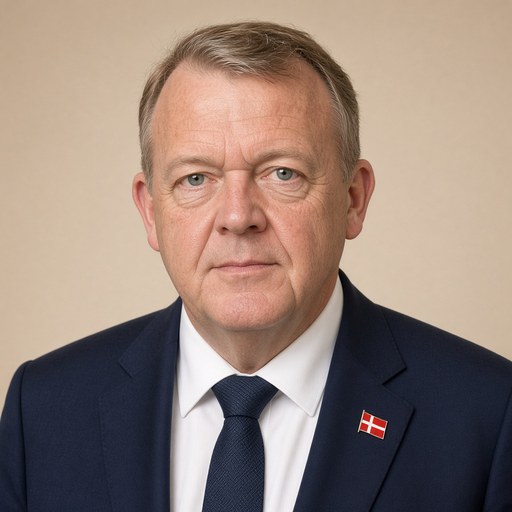
The Prime Minister's speech at the final debate of the Folketing on June 2, 2010.
 Lars Løkke Rasmussen · Prime Minister of Denmark
- Context
- Rasmussen addressed the Danish Folketing at its final debate on June 2, 2010, presenting a recovery package to address the economic crisis.
- Main themes
- Economic recovery, fiscal consolidation, crisis debt, globalization and prosperity, government crisis policy, public investment, Danish economic resilience, political responsibility, opposition criticism, European debt comparison, growth and hope
- Duration
- ~43 min
- Words
- 5,140
- Sentences
- 405
- Readability
- 57
- Grade
- 8.5
- Syntax
- 2.53
- Vocabulary
- 2.14
Translated from Danish
The broad sphere of national life a sentence belongs to. Every sentence has an Arena, so it is the denominator the other indices are read against.
Other405 sentences in 175 paragraphs
For many years, Denmark has been favored by the gentle winds of globalization. World trade increased, the economy grew, and prosperity reached unprecedented levels. These were good years.
Unfortunately, the international crisis of the past two years has taken a toll on our prosperity. We have become poorer. These have been hard years.
Now we stand at a political crossroads. It is now that we decide whether hope will be ignited and growth will sprout again. Or whether the first signs of growth will wither and hope will be extinguished.
Whether hope is ignited or extinguished depends on our ability – and courage – to make the necessary, serious, and realistic decisions. Not the clever ones. Not the popular ones. But the right ones. The necessary ones. The decisions that are in Denmark's true interest!
* * *
From day one, the government has focused all efforts on reducing the human costs of the crisis:
We have brought forward public investments to a historically high level. With massive state investments in railways and roads.
We have given the largest boost to municipal investments seen in a generation. With new investments in schools and nursing homes.
We have released the special pension savings.
We have implemented a fully funded tax reform.
We have allocated a renovation fund.
We have enacted a bank package and a credit package.
We have extended credit for businesses.
We have improved export loan opportunities.
We have supported the municipalities' finances.
In short, we have pursued Europe's most expansive crisis policy. A crisis policy that has protected 85,000 Danish jobs.
And it has worked. Denmark's economy is improving. Unemployment seems to be rising less than we feared. Consumers are more optimistic about the future. Our exports to foreign markets are growing.
The dark shadow of the financial crisis is beginning to loosen its grip. It is slowly starting to sprout and grow around our country. Yes, perhaps even to the extent that the awareness of the crisis has disappeared?
However, the bill for the crisis has not.
Anyone who has ever incurred debt knows that it does not get smaller by ignoring the envelopes. If you have drawn on your credit line, it is essential to quickly go to the bank and make an agreement to pay the money back. It only gets more expensive to wait.
Therefore, the crisis debt must be dealt with now, so we can lift our gaze towards the future again.
Therefore, it is time for realism in Danish politics – not wishful thinking. It is time for concrete action – not airy plans.
The Recovery Package – the bill must be paid
We are faced with a crisis bill of significant size. I will not hide that.
The increase in unemployment alone has meant that expenses for unemployment benefits and social assistance have grown by 16 billion kroner. And the government's expansive crisis policy has immediately cost 60 billion kroner.
But compared to many other countries, Denmark is in a favorable situation. Because we used the good years to cut down on debt and save for harder times.
In 2001, the public net debt was 268 billion kroner. That is about one-fifth of our collective wealth – the gross domestic product. By 2008, the debt was gone. Completely gone. Therefore, we were well prepared when the economic tsunami hit our shores.
In the good times, there was no shortage of proposals for what all those lovely billions could be used for. The money was almost burning a hole in the opposition's pockets. The surplus in public finances was too tempting. It should immediately be squandered in a grand consumption fest – so thought the left.
I count myself fortunate that the government chose the responsible course and set aside funds when times were good.
If it had been up to the Social Democrats and the Socialist People's Party – not to mention the Red-Green Alliance – Denmark would have been in a much more serious situation when the crisis hit us. And it would have hurt a lot.
In other countries, the bulwark was thinner, and the crisis hit harder. In other countries, they almost have to overhaul their entire society. In other countries, they must cut drastically – even in the salaries of public employees.
If Denmark were to improve its public budgets as much as the Netherlands, we would need to find 37 billion kroner adjusted to Danish conditions. If we were to improve the budgets as much as Ireland, we would need to find in the order of 170 billion kroner. If our situation were like Greece's, the task would be 275 billion kroner.
In Denmark, we need to find 24.
It is not easy. I would rather do without it. But it is feasible. We paid down the debt when we had a surplus. And therefore, we will also rid ourselves of the crisis debt in a far less dramatic way in Denmark than in the rest of Europe.
In Denmark, the government and the Danish People's Party have reached an agreement on a recovery package.
A package that, with a series of resolute and concrete initiatives, picks up the bill penny for penny, while maintaining a manageable size.
A package where we reallocate to make room for an additional 10 billion kroner for health, for the most vulnerable in society, and for our education system.
A package where we begin to address the forward-looking challenges with a reform of unemployment benefits. A package that overall increases the labor supply by 11,000 people. That corresponds to almost two-thirds of the effect from the tax reform.
I would like to thank the Radicals and the Liberal Alliance for joining this part of the agreement.
Overall, the agreement on the recovery package means that we simultaneously save on expenses, increase tax revenues, and reform the economy. In a realistic, reasonable, and socially balanced way.
The government and the Danish People's Party take responsibility. Not through airy headlines. Not in the form of vague declarations of intent. But through a series of concrete and down-to-earth solutions that will balance the budget again and provide hands and minds for future growth.
In contrast, we have an opposition that wants to let the hole in the state treasury grow by an additional over 25 billion kroner, thereby increasing Denmark's debt problems.
An opposition that believes that one can consume one's way out of the crisis with borrowed money. That large bank debt should be handled with more bank debt. That does not hold in the real world. With that attitude towards life, the opposition should rather sign up for the TV program "Luksusfælden" (The Luxury Trap).
Here, one can learn that economic problems only grow larger if one waits to address them.
The opposition pretends that Denmark's problems will be solved with a snap of the fingers if we just work 12 minutes more a day in a few years.
But how should that be approached concretely? Should Danes have one week less vacation? – no, they say themselves. Should the factory worker stand 12 minutes longer at the assembly line every day? – no, they say themselves. Should the educator be forced to stay 12 minutes longer in the daycare? – no, they say themselves.
So, a vague declaration of intent. The outcome is deposited with the labor movement. And the conclusion is clear: The opposition has not understood the seriousness of the situation. They just want to increase the debt and postpone the bill.
But then interest and compound interest will accrue. Then an ever-increasing share of our economy will be spent on nothing, instead of being used for schools, hospitals, and elderly care.
If we just did as the opposition suggests, the national debt would grow by an additional 70 billion kroner in 2014. And the interest alone would amount to an extra 3 billion kroner annually. That corresponds to half the cost of the new super hospital in Aarhus. Or 10,000 extra apprenticeship positions. Or the total budget for the prison service.
We know well that Denmark's problems cannot be solved in 12 minutes. We know well that it requires hard work.
The opposition's plan is not fair. It is "the Emperor's New Clothes."
We must continue to develop our welfare
Denmark must roll up its sleeves. And it is not woven from lofty headlines and dream fabric. It must be sewn from the strong thread of realistic decisions. Decisions made based on a realistic assessment of Denmark's strengths and weaknesses. Anything else is bluff.
We must pay the bill for the crisis now. It is crucial for us to afford our welfare society. Today and in the future.
For we need money for welfare.
The challenge is to develop the public sector within a fixed economic framework, so that budgets do not repeatedly go awry, and so that the bill does not – also here – just get passed on.
We need a well-functioning public sector. A public sector that is primarily measured by its ability to solve real problems for real people. So that we have smarter and happier school students. Healthier Danes. More satisfied elderly.
Money is part of the prerequisite. But the way we use the money is equally important. We cannot afford waste. We cannot afford unnecessary bureaucracy. And we cannot afford to just do things the way we have always done.
The government will allocate an additional 10 billion kroner to strengthen three high-priority areas: Health, the most vulnerable Danes, and education.
In the health sector, the government has since 2001 addressed the issue of whether the performance of the payment card should determine the length of the queue. We have overcome the ideological fear of private hospitals. Patients have been given expanded free choice of hospitals. 300,000 Danes have directly benefited from this.
And the free choice has initiated a positive spiral that has benefited even more. For when Danes can choose for themselves, the system must adapt to the choices of the Danes. It provides quality. It provides efficiency. It provides greater satisfaction.
The Social Democrats and the Socialist People's Party will undermine that development. They propose that we divide patients into an A-team and a B-team, where the B-team consists of Danes with so-called "less serious illnesses." This last category will then have to wait several months for a new hip or cataract surgery. In practice, this would mean that those who can afford it will jump the queue. In practice, the opposition's proposal would divide Danes into teams based on the size of their wallets.
That would be a serious weakening of both the new dynamics in the Danish healthcare system and of patients' rights.
The government will maintain the positive development where doctors perform more surgeries – 100,000 more today than in 2001. Where the survival rates for Danish cancer patients have improved for seven out of eight cancer types.
Where we are drawing a new map of Denmark with super hospitals. Where we spread a safe and efficient emergency preparedness among the new hospitals.
We are well underway. But the task is also great. There is still much we need to do better. Therefore, the government is allocating more money to the health sector, even in financially strained times. A total of 5 billion kroner extra from 2011 to 2013.
In a similar manner, we are allocating extra money to the most vulnerable in society. It is a heartbreaking dilemma that in our rich society, there are Danes who are poor – who live on the edge of society. Children who are vulnerable. Families struggling with addiction problems.
We must help and lift them up. But not by limiting others who have had a happier starting point or a luckier hand in life. For one person's death is not another's bread. No, one person's success is another's opportunity. That is the dynamic in a society with equal opportunities for all. It is the dynamic in Denmark – the world's most equal society.
Since 2001, the government has worked purposefully to improve the conditions for those who need it most. Just with the social pool agreements for 2009 and 2010, 5.3 billion kroner have been allocated over five years specifically for alcohol abusers, drug addicts, sex workers, the homeless, the mentally ill, and vulnerable children and young people.
But to help best, we must know who is in greatest need. And here it is not enough to look at the size of the bank account. A student on social assistance who can look forward to a solid income as a doctor or lawyer is not poor. Real poverty stems from the individual person or family not having the capacity to manage everyday life – and not having a prospect of being able to manage everyday life.
Therefore, we have initiated work to develop real, operational poverty indicators for Denmark. We must include all relevant factors – not just money, but also health, education, job opportunities...
We must be even better at utilizing the potential that all people possess. This also applies to the many who have chosen Denmark and who have not been destined by lineage or fate to be Danes for generations.
Even though Denmark is in the lead when it comes to results in the area of integration, challenges still remain.
Both socially and culturally, parallel societies have emerged in a number of our social housing areas. Parallel societies where norms and values do not reflect Danish society. Far too many children and young people from different ethnic backgrounds do not speak the language well enough, even though they have grown up in Denmark. Far too many boys from different ethnic backgrounds leave primary school without being able to cope. We must correct this, for we need everyone – everyone who wants to.
Therefore, the government will develop a comprehensive ghetto strategy that specifically addresses both the physical conditions and the composition of residents in ghetto areas.
It should be easier to consolidate the most outdated rental properties. It should be easier to demolish "black spots." It should be easier to help vulnerable families move out of the ghetto. It should be easier to attract resourceful residents. We do not want more patchwork solutions. We want lasting solutions.
The government will allocate an additional 3 billion kroner to vulnerable groups over the next three years.
In a similar manner, we are allocating an additional 2 billion kroner to education, which is our third high priority.
Prosperity – how do we ensure future growth?
In the midst of a crisis, we future-proof Denmark by having the courage to prioritize differently. Some up. Some down. But we must go beyond that. We must show the ability and willingness to develop our welfare. We must fundamentally ensure that welfare rests on a solid foundation. That is part of conducting a realistic policy.
Our welfare society rests on a foundation of skilled and innovative businesses. Without private companies, no prosperity. Without private companies, no tax revenues. Without private companies, no welfare. It is that simple.
Denmark is a country with room and heart for each of its citizens.
We have built and expanded our welfare, generation after generation.
We have added floor after floor to our common home, Denmark.
We have taken it for granted that the foundation held. But it is not a given.
The crisis has worn down the foundation: Denmark's production fell by 5 percent in 2009. A corresponding decline has not been seen in the history of statistics.
Danish companies are set to lose 200,000 jobs due to the crisis.
And the crisis has made it crystal clear that we are up against fierce international competition. The new growth economies, especially in Asia, have continued to thrive, while Europe and the USA have been underperforming. And the new economies are competitive throughout the entire value chain. From assembly line production to advanced research.
Denmark is also challenged here. We must also be realistic here. We must also face the fact that a shift has occurred.
A Dutch person creates 25 percent more value per hour worked than a Dane.
A Finn works two hours more per week than a Dane.
A Korean begins their higher education four years earlier than a Dane.
Against this background, the government's goal for Denmark to be one of the world's 10 richest countries by 2020 is very ambitious. Denmark's prosperity and welfare are not a given. It will require comprehensive reforms to achieve such a goal. The government will look openly at all proposals that can kickstart growth and bring us closer to our goal. The entire autumn will be focused on growth.
The government has established a Growth Forum of leading business leaders, researchers, and organizational representatives.
Together, we will arrive at an honest and in-depth analysis of Denmark's starting point for new growth after the crisis. We will paint a realistic picture of Denmark. So we have a true basis for making the decisions necessary to strengthen the foundation under the house of welfare. To reclaim growth. To restore hope and drive.
We must create growth by being more diligent. We must create growth by being more skilled and better educated. We must create growth by implementing a green transition of our society. We must create growth by mobilizing all our resources, no matter where in the country they are found.
We must create growth by being more diligent.
We must prepare Denmark for the time when we will again need hands and brains. That will drive future growth.
Since 2001, the government has gradually gotten more people into jobs by ensuring that it pays better to work. With the Welfare Agreement. With the tax reform. We resisted the opposition's scare tactics when we capped cash benefits, introduced the start allowance, and the 450-hour rule. When we tightened the availability rules and the rules for supplementary unemployment benefits.
The result is that we have more than halved the number of Danes for whom it is not or only poorly pays to work.
We have agreed on a reform of the unemployment benefit system as part of the recovery package.
We are in the process of implementing our work program Denmark 2020:
We have presented concrete proposals that will make it easier for highly educated individuals to come to Denmark to work or study.
We have put forward a package of nearly half a billion kroner with new initiatives aimed at combating long-term unemployment. Among other things, through job-oriented education and active offers in workplaces.
We will present our proposals for adjustments to the student grant rules after the summer, so that young people are encouraged to complete their education earlier.
And we will propose a change to early retirement pensions, so that fewer – especially fewer young people – end up on early retirement due to conditions that can actually be treated.
Yes, the government takes the challenge of getting more people into work very seriously. And we are meeting it with concrete solutions.
We must create growth by making education the fuel.
When countries like South Korea and Singapore are surging ahead, it is because they are investing massively and successfully in education.
When Denmark is falling behind, it is because we are not getting enough out of our education.
The government has already implemented significant reforms throughout the education system. We have made strong efforts to improve the academic level in primary schools. This is already clearly reflected in the reading results at the middle school level. We have reformed vocational education, upper secondary education, and higher education.
But the demands are increasing. Therefore, it is urgent to address the problems that still exist. We must make our expensive Danish education much better. So we all rise. So Denmark can keep pace in global competition.
The education supply chain starts with primary school. Therefore, I look forward to receiving the report from the School's Traveling Team this Friday. The traveling team we have sent around the country to map the strengths and weaknesses of the Danish primary school. And to provide recommendations on how we can make a good primary school even better.
This working method will generally permeate the educational policy proposals that the government will present in the near future. We will objectively analyze where the problems lie. We will realistically and openly investigate what has a concrete effect.
We must create growth by implementing a green transition of our society.
The government is determined to carry out a total green transition that phases out the use of coal, oil, and natural gas. We must do this in a way that continues to support strong green positions in Denmark. That is organized so that Denmark gets the most for its money. And that does not unnecessarily burden public finances.
The government has the realistic approach that to get to a certain place, one must know the way and be able to walk on one's own legs. Therefore, we will both set a date for when we must be independent of fossil fuels. And present a concrete strategy for how we will organize the effort.
These are big steps that require thorough analysis and many considerations. Therefore, we will wait for the input that the Climate Commission will provide in September.
We must create growth and development throughout Denmark.
For Denmark is such a small country that we must utilize our entire territory. Not as part of a misunderstood social assistance, but as part of a national strategy that can mobilize all our resources, no matter where in the country they are found. From Karup to Copenhagen. From Skagen to Svaneke.
But the crisis has hit hardest in the sectors that weigh heavily in the peripheral areas: industry, crafts, agriculture.
There are areas in Denmark that are being left behind in development. First, the baker closes. Then the local grocery store closes. Then the young people move away. Then the house cannot be sold.
The government will not accept a Denmark with large regional differences. Where peripheral areas stand as ghost towns with the wind whistling through broken windows in abandoned houses.
Therefore, we have presented an agricultural package that provides a hand to a struggling industry that is of great importance in rural areas. Where was the opposition that day?
Therefore, we will ensure educational opportunities throughout the country. We are already working to establish a medical education in Aalborg.
Therefore, we will facilitate business development through a special investment fund under the Growth Fund targeted at peripheral Denmark.
Therefore, all Danes must have access to high-speed broadband by the end of 2020.
The government will work concretely for growth throughout Denmark for the benefit of all Danes.
The EU's growth strategy:
We must also look beyond Denmark's borders. A national growth strategy cannot stand alone.
As a small and open economy, we create our prosperity through trade and cooperation with the rest of the world. And here, our closest neighbors play a special role, of course. Denmark can become a winning nation if Europe is also a winning region.
It is therefore positive that EU countries have tackled the crisis through cooperation and coordination all along.
The latest example is the extensive loan packages to Greece – and other countries with significant debt problems. It was a completely necessary decision. For at one point, there was a real risk that the debt crisis in Southern Europe could lead to a new global public finance crisis.
It should be emphasized that the loan packages are help for self-help. Greece has had to commit to very dramatic measures and close monitoring from the EU and the International Monetary Fund.
There is a clear expectation that all countries respect their obligations under the Stability and Growth Pact – this naturally also applies to Denmark.
At the same time, it is crucial that we get growth and employment going in Europe. Therefore, the government supports the work of developing an ambitious and targeted European growth strategy – the EU's 2020 strategy.
The strategy aligns with Danish priorities: green growth, free and fair competition, and strengthened education and research.
We must fight for our interests and values internationally.
We cannot rely solely on ourselves. We are deeply dependent on decisions made outside of Denmark. On the stock exchange in New York, in the boardroom in Singapore, on the battlefield in Afghanistan.
Therefore, we must follow what we do in Denmark with an effective and targeted foreign and security policy. There, we must have the courage to step forward to the front line – with the risk of bruises that it may bring.
The core of our active foreign policy is to promote Danish values. Freedom. Democracy. Equality between women and men. We must contribute to making a difference in the world. We must bear our share of the burden.
But we must be targeted and realistic. We cannot do it all. We must do the right thing at the right time.
And of course, we cannot do it all alone. We must achieve influence and create results in cooperation with others.
The EU is the central framework for promoting our interests and values. But the EU is not yet the strong actor on the international stage that we need and want. Denmark must therefore actively and persistently work to strengthen the EU's global role.
Equally crucial is working for a continued strong and effective transatlantic cooperation, also within NATO.
The world view is today rapidly changing. Economic power is shifting. And with money comes power. Political power is being spread to more centers in the world.
Therefore, Denmark must also create strong partnerships outside the EU's borders. With China, Russia, Brazil, India, and South Africa. That is the way to influence international decisions.
Afghanistan is an example of how Denmark, through significant international engagement, is helping to make a difference while defending our national security and interests. Danish soldiers continue to perform admirably under very difficult conditions. They always deserve our deepest respect.
Just yesterday, we were reminded that Danish soldiers risk their lives for our security and safety and for the Afghan people's hope for a better future. I would like to express my deepest condolences to the bereaved and the injured.
Denmark has as a nation paid a high price for its efforts in Afghanistan. A price that must be commensurate with the results. We therefore expect a significant development in Afghanistan, not only militarily but also civically. Development in Afghanistan or elsewhere in the world cannot rely solely on military means.
Security and development go hand in hand. This requires, among other things, an active development policy strategy. We now have that. A strategy that combines Danish interests and values and realistically looks at where we can help and where we can make a difference. I regret that the opposition has not wanted to take shared responsibility for Denmark's efforts in the third world.
Foreign policy has taken up a lot of space this parliamentary year.
The COP15 negotiations were difficult and dramatic. With very strong opposing interests, we could not reach as far as we had hoped and worked for. With things at a distance, I would like to highlight that quite a bit actually succeeded:
- For the first time ever, we engaged the world's heads of state and government in a direct and serious discussion of how we can curb man-made climate change.
- And we reached an agreement that contains crucial elements in a new global cooperation on climate: the 2-degree target, the political framework, and the individual countries' concrete contributions.
We all agree that the Copenhagen Accord only constitutes a first political step, and that the level of ambition must be raised to reach the two-degree target. But with support from more than 130 countries covering 90 percent of the world economy, we created in Copenhagen, after all, the most comprehensive agreement ever reached in the climate area.
And I am pleased that it is already being implemented, most recently with the recent adoption in Oslo of a new global partnership to protect our forests.
The Realm
Also in relation to the realm, new opportunities are being realized.
The Faroe Islands and Greenland are using the opportunities we have created together to develop self-government. This year, the Faroe Islands have taken over areas concerning property law, copyright, and criminal law, and Greenland the raw materials sector and working conditions for offshore work.
The strength of the realm is that we make our own choices about the development of our societies within a common framework. But it is also a strength that we stand together in international cooperation.
Often, participation in international organizations will mean that we cannot meet the wishes of all parts of the realm at once.
For example, Denmark largely follows Greenlandic and Faroese interests in matters of whaling. In other situations, it will be Greenlandic or Faroese wishes that must yield. But overall, I am convinced that we all – and not least Greenland and the Faroe Islands – will benefit positively from standing together.
Conclusion
From north to south, Denmark as a society faces great challenges.
The government has presented an ambitious work program "Denmark 2020" with concrete proposals on how we can meet these challenges. Proposals that we are fully engaged in implementing. While the opposition moves in the enticing heights of catchy headlines.
The Danes fundamentally have a great deal of patience with us politicians. But I understand well that they grow tired of us when far too much is about what is smart marketing and what can be explained in 12 minutes – and far too little is about what is important and right. The Danes are entitled to clear answers in an uncertain time. We should present them with solutions that concretely, realistically, and down-to-earth address doing what is right for Denmark and the Danes.
That is the government's approach.
We do not choose the short-term, cheap shortcuts that prove useless when it comes down to it.
We choose solid and sustainable solutions.
So we have the strength to withstand crises. And so we can lay the foundation for new growth in more favorable times.
We will build our common home – Denmark – on solid ground and not on sand.
So we can withstand the floods that always threaten.
And so we can confidently continue to build on the good society we have achieved, in the secure knowledge that prosperity is the only sustainable foundation for our welfare.
Thank you to the parties that have taken on responsibility and have collaborated with us in the parliamentary year that has passed. Your names are engraved on the pedestal of the good society that Denmark is – and must continue to be.
The original Danish. The tags above are read on the English translation's sentences.
Gennem mange år har Danmark været begunstiget af globaliseringens milde vinde. Verdenshandlen steg, økonomien voksede og velstanden blev større end nogensinde. Det var gode år.
Desværre har de seneste to års internationale krise gjort indhug i vores velstand. Vi er blevet fattigere. Det har været hårde år.
Nu står vi ved en politisk skillevej. Det er nu, vi afgør, om håbet skal tændes og væksten spire frem igen. Eller om de første vækstspirer skal visne og håbet slukkes.
Om håbet skal tændes eller slukkes afhænger af vores evne – og mod – til at træffe de nødvendige, alvorlige og realistiske beslutninger. Ikke de smarte. Ikke de populære. Men de rigtige. De nødvendige. De beslutninger, der er i Danmarks sande interesse!
* * *
Regeringen har fra dag ét sat alt ind på at mindske de menneskelige omkostninger ved krisen:
Vi har fremrykket offentlige investeringer til et historisk højt niveau. Med massive statslige investeringer i jernbaner og veje.
Vi har givet det største løft i de kommunale investeringer, der er set i en generation. Med nye investeringer i skoler og plejehjem.
Vi har frigivet den særlige pensionsopsparing.
Vi har gennemført en fuldt finansieret skattereform.
Vi har udmøntet en renoveringspulje.
Vi har gennemført en bankpakke og en kreditpakke.
Vi har forlænget kreditter for virksomhederne.
Vi har forbedret eksportlånemulighederne.
Vi har holdt hånden under kommunernes økonomi.
Vi har – kort sagt - ført Europas mest ekspansive krisepolitik. En krisepolitik, som har skærmet 85.000 danskeres job.
Og det har virket. Danmarks økonomi er i bedring. Ledigheden ser ud til at stige mindre, end vi frygtede. Forbrugerne tror mere på fremtiden. Vores eksport til udlandet vokser.
Finanskrisens mørke er ved at slippe sit greb. Det er så småt begyndt igen at spire og gro rundt omkring i vores land. Ja måske endda så meget, at krisebevidstheden er forsvundet?
Det er regningen for krisen til gengæld ikke.
Enhver, der har prøvet at stifte gæld, ved, at den ikke bliver mindre af, at man lader være med at åbne rudekuverterne. Hvis man har trukket på sin kassekredit, så gælder det om at komme hurtigt ned i banken og få lavet en aftale om at betale pengene tilbage. Det bliver kun dyrere af at vente.
Derfor skal krisegælden væk nu, så vi kan løfte blikket mod fremtiden igen.
Derfor er det tid til realisme i dansk politik – ikke til ønsketænkning. Det er tid til konkret handling – ikke til luftige planer.
GenopretningsPakken – regningen skal betales
Vi står med en kriseregning af en betydelig størrelse. Det vil jeg ikke lægge skjul på.
Alene de flere arbejdsløse har betydet, at udgifterne til dagpenge og kontanthjælp er vokset med 16 mia. kr. Og regeringens ekspansive krisepolitik har umiddelbart kostet 60 mia. kr.
Men sammenlignet med mange andre lande er Danmark i en gunstig situation. Fordi vi brugte de gode år til at skære gælden væk og spare op til dårligere tider.
I 2001 var den offentlige nettogæld på 268 mia. kr. Det er omkring en femtedel af vores fælles velstand – bruttonationalproduktet. I 2008 var gælden væk. Helt væk. Derfor var vi godt forberedt, da den økonomiske tsunami slog mod vores kyster.
I de gode tider skortede det ellers ikke på forslag om, hvad alle de dejlige milliarder kunne bruges til. Pengene brændte nærmest i lommen på oppositionen. Overskuddet på de offentlige finanser var for fristende. Det skulle straks formøbles i en stor forbrugsfest – mente venstrefløjen.
Jeg priser mig lykkelig for, at regeringen valgte den ansvarlige kurs og lagde til side, da tiderne var gode.
Hvis det stod til Socialdemokraterne og Socialistisk Folkeparti – for ikke at tale om Enhedslisten – så havde Danmark været i en meget alvorligere situation, da krisen ramte os. Og så havde det gjort rigtig, rigtig ondt.
I andre lande var bolværket tyndere, og krisen slog hårdere. I andre lande skal de nærmest omkalfatre hele deres samfund. I andre lande må de skære drastisk ned – også i de offentligt ansattes løn.
Hvis Danmark skulle forbedre de offentlige budgetter lige så meget som Holland, så skulle vi finde 37 mia. kr. omregnet til danske forhold. Hvis vi skulle forbedre budgetterne lige så meget som Irland, så skulle vi finde i størrelsesordenen 170 mia. kr. Hvis vores situation var ligesom Grækenlands, var opgaven 275 mia. kr.
I Danmark skal vi finde 24.
Det er ikke let. Jeg ville hellere have været det foruden. Men det er lade-sig-gørligt. Vi betalte af på gælden, da vi havde overskud. Og derfor slipper vi også af med krisegælden på en langt mindre dramatisk måde i Danmark end i resten af Europa.
I Danmark er regeringen og Dansk Folkeparti nemlig nået til enighed om en genopretningspakke.
En pakke, der med en række resolutte og konkrete initiativer krone for krone samler regningen op, mens den har en håndterbar størrelse.
En pakke, hvor vi omprioriterer, så der bliver plads til 10 mia. kr. ekstra til sundhed, til samfundets svageste og til vores uddannelser.
En pakke, hvor vi tager hul på at løse de fremadrettede udfordringer med en reform af dagpengene. En pakke, der samlet set øger udbuddet af arbejdskraft med 11.000 personer. Det svarer til næsten to tredjedele af effekten fra skattereformen.
Jeg vil gerne takke de radikale og Liberal Alliance for at tilslutte sig denne del af aftalen.
Samlet betyder aftalen om genopretningspakken, at vi på én gang sparer på udgifterne, øger skatteindtægterne og reformerer økonomien. På en realistisk, rimelig og socialt velafbalanceret måde.
Regeringen og Dansk Folkeparti tager ansvaret på sig. Ikke ved luftige overskrifter. Ikke i form af løse hensigtserklæringer. Men ved en række helt konkrete og jordnære løsninger, der får kassen til at stemme igen og skaffer hænder og hjerner til fremtidens vækst.
Over for det har vi en opposition, der vil lade hullet i statskassen vokse med yderligere over 25 milliarder kroner, og dermed øge Danmarks gældsproblemer.
En opposition, der tror, at man kan forbruge sig ud af krisen for lånte penge. At stor bankgæld skal håndteres med mere bankgæld. Det holder ikke i virkelighedens verden. Med den indstilling til tilværelsen, burde oppositionen snarere melde sig til tv-programmet ”Luksusfælden”.
Her kan man lære, at økonomiske problemer kun vokser sig større, hvis man venter med at gøre noget ved dem.
Oppositionen lader, som om Danmarks problemer vil være løst med et fingerknips, hvis vi bare om nogle år arbejder 12 minutter mere om dagen.
Men hvordan skal det konkret gribes an? Skal danskerne have en uges mindre ferie? – nej, siger de selv. Skal industriarbejderen stå 12 minutter længere ved samlebåndet hver dag? – nej, siger de selv. Skal pædagogen tvinges til at blive 12 minutter længere i vuggestuen? – nej, siger de selv.
Altså en løs hensigtserklæring. Udfaldet er deponeret hos fagbevægelsen. Og konklusionen lige for: Oppositionen har ikke forstået situationens alvor. Man vil bare øge gælden og vente med regningen.
Men så løber der renter og renters rente på. Så vil en stadig større andel af vores økonomi blive brugt på ingenting, i stedet for at blive brugt på skoler, på sygehuse og på ældrepleje.
Hvis vi bare gjorde som oppositionen, ville statsgælden vokse med ekstra 70 mia. kr. i 2014. Og alene renterne ville løbe op i 3 mia. kr. ekstra årligt. Det svarer til halvdelen af prisen på det nye supersygehus i Århus. Eller 10.000 ekstra praktikpladser. Eller det samlede budget for kriminalforsorgen.
Vi ved godt, at Danmarks problemer ikke kan løses på 12 minutter. Vi ved godt, at det kræver hårdt arbejde.
Oppositionens plan er ikke fair. Den er kejserens nye klær’.
Vi skal fortsat udvikle vores velfærd
Danmark skal i arbejdstøjet. Og det væves ikke af vidtløftige overskrifter og drømmestof. Der skal sys af de realistiske beslutningers stærke tråd. Beslutninger truffet på grundlag af en realistisk vurdering af Danmarks styrker og svagheder. Alt andet er bluff.
Vi skal have betalt regningen for krisen nu. Det er helt afgørende for, at vi har råd til vores velfærdssamfund. I dag og i fremtiden.
For vi skal have penge til velfærd.
Udfordringen består i at udvikle den offentlige sektor inden for en fast økonomisk ramme, så budgetterne ikke skrider gang på gang, og så regningen ikke – også her – bare bliver sendt videre.
Vi skal have en velfungerende offentlig sektor. En offentlig sektor, som først og fremmest måles på sin evne til at løse rigtige menneskers rigtige problemer. Så vi får dygtigere og gladere skoleelever. Sundere danskere. Mere tilfredse ældre.
Penge er en del af forudsætningen. Men måden, vi bruger pengene, er lige så vigtig. Vi har ikke råd til spild. Vi har ikke råd til unødigt bureaukrati. Og vi har ikke råd til bare at gøre tingene, sådan som vi altid har gjort.
Regeringen vil sætte 10 mia. kr. ekstra af til at styrke tre højtprioriterede områder: Sundhed, de svageste danskere og undervisning.
På
sundhedsområdet
har regeringen siden 2001 gjort op med, at dankortets ydeevne skal bestemme køens længde. Vi har gjort op med den ideologiske frygt for private sygehuse. Patienterne har fået udvidet frit sygehusvalg. Det har 300.000 danskere haft direkte glæde af.
Og det frie valg har sat en positiv spiral i gang, som har gavnet endnu flere. For når danskerne selv kan vælge, er systemet nødt til at tilpasse sig danskernes valg. Det giver kvalitet. Det giver effektivitet. Det giver større tilfredshed.
Den udvikling vil Socialdemokraterne og Socialistisk Folkeparti spænde ben for. De foreslår, at vi deler patienterne op i et A-hold og et B-hold, hvor B-holdet er danskere med såkaldt ”mindre alvorlige sygdomme”. Den sidste kategori skal så igen vente flere måneder på en ny hofte eller en operation for grå stær. I praksis vil det betyde, at de, der har pengene til det, vil springe køen over. I praksis vil oppositionens forslag dele danskerne op i hold efter pengepungens størrelse.
Det vil være en alvorlig svækkelse af både den nye dynamik i det danske sundhedssystem og af patienternes rettigheder.
Regeringen vil holde fast i den positive udvikling, hvor lægerne udfører flere operationer – 100.000 flere i dag end i 2001. Hvor overlevelseschancerne for danske kræftpatienter er forbedret for syv ud af otte kræftformer.
Hvor vi tegner et nyt Danmarkskort af supersygehuse. Hvor vi spreder et trygt og effektivt akutberedskab ud mellem de nye sygehuse.
Vi er godt i gang. Men opgaven er også stor. Der er stadig meget, vi skal gøre bedre. Derfor sætter regeringen flere penge af til sundhedsområdet, også i økonomisk trængte tider. I alt 5 milliarder kroner ekstra fra 2011 til 2013.
På tilsvarende vis sætter vi ekstra penge af til
samfundets svageste. Det er et hjerteskærende dilemma, at vi i vores rige samfund har danskere, som er fattige – som lever på kanten af samfundet. Børn, der er udsatte. Familier, som kæmper med misbrugsproblemer.
Dem skal vi hjælpe og løfte op. Men ikke ved at begrænse andre, der har haft et lykkeligere udgangspunkt eller en heldigere hånd i livet. For den enes død er ikke den andens brød. Nej, den enes succes er den andens chance. Dét er dynamikken i et samfund med lige muligheder til alle. Det er dynamikken i Danmark – verdens mest lige samfund.
Regeringen har siden 2001 arbejdet målrettet på at forbedre vilkårene for dem, der har mest brug for det. Alene med satspuljeaftalerne for 2009 og 2010 er der afsat 5,3 mia. kr. over fem år målrettet alkoholmisbrugere, stofmisbrugere, prostituerede, hjemløse, sindslidende og udsatte børn og unge.
Men for at hjælpe bedst, skal vi vide, hvem der trænger mest. Og her er det ikke nok at se på bankkontoens størrelse. En studerende på SU, der kan se frem til en solid indtægt som læge eller jurist, er ikke fattig. Reel fattigdom bunder i, at det enkelte menneske eller den enkelte familie ikke har overskud til at klare hverdagen – og ikke udsigt til at komme til at klare hverdagen.
Derfor har vi sat et arbejde i gang, der skal udvikle reelle, operative fattigdomsindikatorer for Danmark. Vi skal have alle relevante forhold med – ikke kun penge, men også sundhed, uddannelse, jobchancer...
Vi skal være endnu bedre til at bruge de muligheder, som alle mennesker rummer. Det gælder også de mange, der har valgt Danmark til, og som ikke i generationer har været slægts- eller skæbnebestemt til at være danskere.
Selv om Danmark ligger i førerfeltet, når det handler om resultater på integrationsområdet, så er der fortsat udfordringer.
Både socialt og kulturelt er der opstået parallelsamfund i en række af vores sociale boligområder. Parallelsamfund, hvor normer og værdier ikke afspejler det danske samfund. Alt for mange børn og unge med anden etnisk baggrund kan ikke sproget godt nok, selv om de er vokset op i Danmark. Alt for mange drenge med anden etnisk baggrund går ud af folkeskolen uden at kunne klare sig. Det skal vi rette op, for vi har brug for alle – alle, der vil.
Derfor vil regeringen udarbejde en samlet ghettostrategi, der sætter målrettet ind over for både fysiske rammer og beboersammensætning i ghettoområder.
Det skal være lettere at lægge de mest utidssvarende lejemål sammen. Det skal være lettere at rive ”sorte pletter” ned. Det skal være lettere at hjælpe udsatte familier til at flytte fra ghettoen. Det skal være lettere at få ressourcestærke beboere ind. Vi vil ikke flere lappeløsninger. Vi vil varige løsninger.
Regeringen vil sætte 3 mia. kr. ekstra af til svage grupper over de næste tre år.
På tilsvarende vis sætter vi 2 mia. kr. ekstra af til uddannelser, som er vores tredje høje prioritet.
Velstand – hvordan sikrer vi fremtidens vækst?
Midt i en krisetid fremtidssikrer vi Danmark ved at have modet til at prioritere om. Noget op. Noget ned. Men vi skal videre end det. Vi skal vise evnen og viljen til at udvikle vores velfærd. Vi skal helt grundlæggende sørge for, at velfærden hviler på et solidt fundament. Det er en del af at føre en realistisk politik.
Vores velfærdssamfund hviler på et fundament af dygtige og idérige virksomheder. For uden private virksomheder, ingen velstand. Uden private virksomheder, ingen skatteindtægter. Uden private virksomheder, ingen velfærd. Så enkelt er det.
Danmark er et land med husrum og hjerterum til hver af sine borgere.
Vi har opbygget og udbygget vores velfærd, generation efter generation.
Vi har lagt etage efter etage på vores fælles hjem, Danmark.
Vi har taget det som en selvfølge, at fundamentet holdt. Men det er ikke en selvfølge.
Krisen har tæret på fundamentet: Danmarks produktion er faldet med 5 procent i 2009. Et tilsvarende fald er ikke set i statistikkens historie.
Danske virksomheder står til at miste 200.000 arbejdspladser på grund af krisen.
Og krisen har gjort det krystalklart, at vi er oppe mod en benhård international konkurrence. De nye vækstøkonomier, især i Asien, har forsat haft fremgang, mens Europa og USA har ligget underdrejet. Og de nye økonomier er konkurrencedygtige op gennem hele værdikæden. Fra samlebåndsproduktion til avanceret forskning.
Også her er Danmark udfordret. Også her må vi være realistiske. Også her må vi se i øjnene, at der er sket et sceneskifte.
En hollænder skaber hver arbejdstime 25 procent mere værdi end en dansker.
En finne arbejder to timer mere om ugen end en dansker.
En koreaner påbegynder sin videregående uddannelse fire år tidligere end en dansker.
På den baggrund er regeringens mål, om at Danmark i 2020 skal være et af verdens 10 rigeste lande, meget ambitiøst. Danmarks velstand og velfærd er ikke naturgiven. Det vil kræve gennemgribende reformer at nå så langt. Regeringen vil se fordomsfrit på alle forslag, der kan sætte skub i væksten og bringe os nærmere vores mål. Hele efteråret vil stå i vækstens tegn.
Regeringen har nedsat et
Vækstforum
af førende erhvervsledere, forskere og organisationsfolk.
I fællesskab skal vi nå frem til en ærlig og tilbundsgående analyse af Danmarks udgangspunkt for ny vækst efter krisen. Vi vil male det realistiske Danmarksbillede. Så vi har et sandt grundlag for at træffe de beslutninger, der er nødvendige for at styrke fundamentet under velfærdens hus. For at erobre væksten tilbage. For at genskabe håbet og drivkraften.
Vi skal skabe vækst ved at være flittigere. Vi skal skabe vækst ved at være dygtigere og bedre uddannet. Vi skal skabe vækst ved at gennemføre en grøn omstilling af vores samfund. Vi skal skabe vækst ved at mobilisere alle vores ressourcer, uanset hvor i landet de findes.
Vi skal skabe vækst ved at være flittigere.
Vi skal forberede Danmark på, at vi igen får brug for hænder og hjerner. Det skal drive fremtidens vækst.
Siden 2001 har regeringen skridt for skridt fået flere i job ved at sikre, at det bedre kan betale sig at arbejde. Med Velfærdsaftalen. Med skatteomlægningen. Vi modstod oppositionens skræmmebilleder, da vi lagde loft over kontanthjælpen, indførte startydelsen og 450-timers reglen. Da vi strammede rådighedsreglerne og reglerne for supplerende dagpenge.
Resultatet er, at vi har mere end halveret antallet af danskere, for hvem det ikke eller kun dårligt kan betale sig at arbejde.
Vi har aftalt en reform af dagpengesystemet som en del af genopretningspakken.
Vi er i gang med at udmønte vores arbejdsprogram Danmark 2020:
Vi har fremlagt konkrete forslag, der vil gøre det lettere for højtuddannede at komme til Danmark for at arbejde eller studere.
Vi har spillet ud med en pakke til knap en halv milliard kroner med nye initiativer, der skal bekæmpe langtidsledigheden. Blandt andet ved jobrettet uddannelse og aktive tilbud ude på arbejdspladserne.
Vi vil efter sommer fremlægge vores bud på justeringer af SU-reglerne, så de unge tilskyndes til at blive tidligere færdige med deres uddannelse.
Og vi vil foreslå en ændring af førtidspensionen, så færre – særligt færre unge – ender på førtidspension på grund af lidelser, der rent faktisk kan behandles.
Jo, regeringen tager udfordringen om flere i arbejde meget alvorligt. Og vi møder den med konkrete løsninger.
Vi skal skabe vækst ved at gøre uddannelse til brændstoffet.
Når lande som Sydkorea og Singapore i disse år stormer frem, er det fordi de satser massivt og succesfuldt på uddannelse.
Når Danmark er ved at sakke bagud, er det fordi vi ikke får nok ud af vores uddannelser.
Regeringen har allerede gennemført betydelige omlægninger gennem hele uddannelsessystemet. Vi har sat kraftigt ind for at forbedre det faglige niveau i folkeskolen. Det viser sig allerede tydeligt i resultaterne for læsning på mellemtrinnet. Vi har reformeret erhvervsuddannelserne, de gymnasiale uddannelser og de videregående uddannelser.
Men kravene bliver skærpet. Det haster derfor med at tage fat på de problemer, der fortsat er. Vi skal gøre meget dyre danske uddannelser meget bedre. Så vi løfter os alle. Så Danmark kan stå distancen i den globale konkurrence.
Uddannelsernes fødekæde starter med folkeskolen. Derfor ser jeg frem til allerede på fredag at få afrapporteringen fra Skolens Rejsehold. Det rejsehold, vi har sendt rundt i landet for at kortlægge styrker og svagheder ved den danske folkeskole. Og til at komme med anbefalinger om, hvordan vi kan gøre en god folkeskole endnu bedre.
Den arbejdsform vil i det hele taget gennemsyre de uddannelsespolitiske forslag, som regeringen vil fremlægge i den næste tid. Vi vil nøgternt analysere, hvor den er gal. Vi vil realistisk og fordomsfrit undersøge, hvad der har en konkret effekt.
Vi skal skabe vækst ved at gennemføre en grøn omstilling af vores samfund.
Regeringen er stålsat på at gennemføre en total grøn omstilling, som udfaser brugen af kul, olie og naturgas. Vi skal gøre det på en måde, som fortsat understøtter grønne danske styrkepositioner. Som tilrettelægges, så Danmark får mest for pengene. Og som ikke belaster de offentlige finanser unødigt.
Regeringen har den realistiske tilgang, at for at komme et bestemt sted hen, så skal man kende vejen og kunne gå på sine ben. Derfor vil vi både sætte en dato på, hvornår vi skal være uafhængige af fossile brændsler. Og fremlægge en konkret strategi for, hvordan vi skal tilrettelægge indsatsen.
Det er store skridt, der kræver grundig analyse og mange overvejelser. Derfor vil vi vente på det indspil, som Klimakommissionen kommer med til september.
Vi skal skabe vækst og udvikling i hele Danmark.
For Danmark er så lille et land, at vi må udnytte hele vores territorium. Ikke som led i en misforstået socialhjælp, men som led i en national strategi, der kan mobilisere alle vore ressourcer, uanset hvor i landet, de findes. Fra Karup til København. Fra Skagen til Svaneke.
Men krisen har ramt hårdest i de brancher, der vejer tungt i yderområderne: industri, håndværk, landbrug.
Der er områder i Danmark, som hægtes af udviklingen. Først lukker bageren. Så lukker Brugsen. Så flytter de unge væk. Så kan huset ikke sælges.
Regeringen vil ikke acceptere et Danmark med store regionale forskelle. Hvor udkantsområder står som spøgelsesbyer med vinden susende gennem knuste ruder i forladte huse.
Derfor har vi fremlagt en landbrugspakke, som giver en hånd til et trængt erhverv, der har stor betydning i landdistrikterne. Hvor var oppositionen den dag?
Derfor vil vi sikre uddannelsesmuligheder i hele landet. Vi er allerede i gang med at få etableret en lægeuddannelse i Ålborg.
Derfor vil vi lette erhvervsudviklingen gennem en særlig investeringspulje under Vækstfonden målrettet udkantsdanmark.
Derfor skal alle danskere have adgang til højhastigheds bredbånd inden udgangen af 2020.
Regeringen vil arbejde konkret for vækst i hele Danmark til gavn for alle danskere.
EU’s vækststrategi:
Vi skal også se ud over Danmarks grænser. En national vækststrategi kan ikke stå alene.
Som en lille og åben økonomi skaber vi vores velstand gennem samhandel og samarbejde med resten af verden. Og her spiller vores nærmeste naboer selvfølgelig en særlig rolle. Danmark kan kunne blive en vindernation, hvis også Europa er en vinderregion.
Det er derfor positivt, at EU-landene hele vejen igennem har tacklet krisen gennem samarbejde og koordination.
Det seneste eksempel er de omfattende lånepakker til Grækenland – og andre lande med store gældsproblemer. Det var en helt nødvendig beslutning. For på et tidspunkt var der en reel risiko for, at gældskrisen i Sydeuropa kunne føre til en ny global offentlig finanskrise.
Det skal understreges, at lånepakkerne er hjælp til selvhjælp. Grækenland har måttet forpligte sig til meget dramatiske tiltag og tæt overvågning fra EU og fra Den internationale Valutafond.
Der er en klar forventning om, at alle lande respekterer deres forpligtelser inden for stabilitets- og vækstpagten – det gælder naturligvis også Danmark.
Samtidig er det afgørende, at vi får gang i vækst og beskæftigelse i Europa. Derfor støtter regeringen arbejdet med at udvikle en ambitiøs og målrettet europæisk vækststrategi – EU’s 2020-strategi.
Strategien flugter med de danske prioriteter: grøn vækst, fri og lige konkurrence og styrket uddannelse og forskning.
Vi skal kæmpe for vores interesser og værdier internationalt
Vi kan ikke have nok i os selv. Vi er dybt afhængige af beslutninger, der træffes uden for Danmark. På børsen i New York, i bestyrelseslokalet i Singapore, på slagmarken i Afghanistan.
Derfor skal vi følge det, vi gør i Danmark, op med en effektiv og målrettet udenrigs- og sikkerhedspolitik. Dér skal vi have modet til at træde frem i forreste linje – med den risiko for knubs, det kan give.
Kernen i vores aktive udenrigspolitik er at fremme danske værdier. Frihed. Demokrati. Ligestilling mellem kvinder og mænd. Vi skal bidrage til at gøre en forskel i verden. Vi skal bære vores del af byrden.
Men vi skal være målrettede og realistiske. Vi kan ikke gøre det hele. Vi skal gøre det rigtige på det rigtige tidspunkt.
Og vi kan selvfølgelig heller ikke gøre det hele alene. Vi skal opnå indflydelse og skabe resultater i samarbejde med andre.
EU er den centrale ramme til fremme af vores interesser og værdier. Men EU er endnu ikke den stærke aktør på den internationale scene, som vi har brug for og ønsker. Danmark skal derfor aktivt og vedholdende arbejde for at styrke EU’s globale rolle.
Ligeså afgørende er det at arbejde for et fortsat stærkt og effektivt
transatlantisk samarbejde, også inden for NATO.
Verdensbilledet er i dag i hastig forandring. Den økonomiske magt forskubber sig. Og med pengene følger magten. Den politiske magt bliver spredt til flere centre i verden.
Derfor skal Danmark også skabe stærke partnerskaber uden for EU’s grænser. Med Kina, Rusland, Brasilien, Indien og Sydafrika. Det er vejen til indflydelse på internationale beslutninger.
Afghanistan
er et eksempel på, at Danmark gennem et markant internationalt engagement er med til at gøre en forskel samtidig med, at vores nationale sikkerhed og interesser forsvares. De danske soldater yder til stadighed en flot indsats under meget vanskelige vilkår. De fortjener altid vores dybeste respekt.
Så sent som i går blev vi mindet om, at danske soldater risikerer deres liv for vores sikkerhed og tryghed og for det afghanske folks håb om en bedre fremtid. Jeg vil gerne udtrykke min dybeste medfølelse med de efterladte og de sårede.
Danmark har som nation betalt en høj pris for indsatsen i Afghanistan. En pris, der skal stå mål med resultaterne. Vi forventer derfor en markant udvikling i Afghanistan, ikke kun militært, men også civilt. Udvikling i Afghanistan eller andre steder i verden kan ikke basere sig på militære midler alene.
Sikkerhed og udvikling går hånd i hånd. Det kræver blandt andet en aktiv udviklingspolitisk strategi. Den har vi nu. En strategi, der kombinerer danske interesser og værdier og ser realistisk på, hvor vi kan hjælpe, og hvor vi kan gøre en forskel. Jeg beklager, at oppositionen ikke har villet tage et medansvar for Danmarks indsats i den tredje verden.
Udenrigspolitikken har fyldt meget i dette folketingsår.
COP15-forhandlingerne blev vanskelige og dramatiske. Med meget stærke interessemodsætninger kunne vi ikke nå så langt, som vi havde håbet på og arbejdet for. Med tingene på afstand, vil jeg dog fremhæve, at en hel del faktisk lykkedes:
- Vi fik for første gang nogensinde engageret verdens stats- og regeringschefer i en direkte og alvorlig drøftelse af, hvordan vi kan dæmme op for menneskeskabte klimaændringer.
- Og vi nåede frem til en aftale, der rummer helt afgørende elementer i et nyt, globalt samarbejde om klima: 2 graders-målsætningen, den politiske ramme og de enkelte landes konkrete bidrag.
Vi er alle enige om, at Copenhagen Accord kun udgør et første, politisk skridt, og at ambitionsniveauet skal hæves for at nå to-gradersmålet. Men med opbakning fra mere end 130 lande, der dækker 90 pct. af verdensøkonomien, fik vi i København trods alt skabt den mest omfattende aftale, der hidtil er indgået på klimaområdet.
Og jeg glæder mig over, at den allerede er ved at blive ført ud i livet, senest med vedtagelsen for nylig i Oslo af et nyt globalt partnerskab til beskyttelse af vores skove.
Rigsfællesskabet
Også i forhold til rigsfællesskabet bliver nye muligheder ført ud i livet.
Færøerne og Grønland bruger de muligheder, som vi har skabt sammen for at udvikle selvstyret. I år har Færøerne overtaget områderne vedrørende formueret, ophavsret og strafferet, og Grønland råstofområdet og arbejdsmiljø for offshore-arbejde.
Det er rigsfællesskabets styrke, at vi træffer egne valg om udviklingen af vores samfund inden for en fælles ramme. Men det er også en styrke, at vi står sammen i det internationale samarbejde.
Ofte vil deltagelsen i internationale organisationer betyde, at vi ikke kan opfylde ønsker fra alle dele af riget på én gang.
F.eks. følger Danmark i spørgsmål om hvalfangst i vidt omfang grønlandske og færøske interesser. I andre situationer vil det være grønlandske eller færøske ønsker, der må vige. Men samlet er jeg overbevist om, at vi alle – og ikke mindst Grønland og Færøerne – får et positivt udbytte af at stå sammen.
Afslutning
Fra nord til syd står Danmark som samfund over for store udfordringer.
Regeringen har fremlagt et ambitiøst arbejdsprogram ”Danmark 2020” med konkrete forslag til, hvordan vi kan møde udfordringerne. Forslag, som vi er i fuld gang med at føre ud i livet. Mens oppositionen bevæger sig i de besnærende overskrifters højere luftlag.
Danskerne har grundlæggende meget stor tålmodighed med os politikere. Men jeg forstå godt, at de bliver trætte af os, når alt for meget handler om, hvad der er smart markedsføring, og hvad man lige kan forklare på 12 minutter - og alt for lidt, der handler om, hvad der er vigtigt og rigtigt. Danskerne har krav på klare svar i en usikker tid. Vi bør præsentere dem for løsninger, der konkret, realistisk og jordnært handler om at gøre det rigtige for Danmark og danskerne.
Sådan er regeringens tilgang.
Vi vælger ikke de kortsigtede, letkøbte smutveje, som viser sig ubrugelige, når det kommer til stykket.
Vi vælger de solide og holdbare løsninger.
Så vi har kræfter til at stå imod kriser. Og så vi kan lægge grunden til ny vækst i gunstigere tider.
Vi vil bygge vores fælles hjem - Danmark - på klippegrund og ikke på sand.
Så vi kan modstå de oversvømmelser, der altid truer.
Og så vi trygt kan bygge videre på det gode samfund, vi har opnået, i sikker forvisning om, at velstand er det eneste holdbare fundament for vores velfærd.
Tak til de partier, der har påtaget sig et ansvar, og som har samarbejdet med os i det folketingsår, der er gået. Jeres navne står indgraveret på soklen til det gode samfund, som Danmark er - og skal vedblive med at være.