





- Context
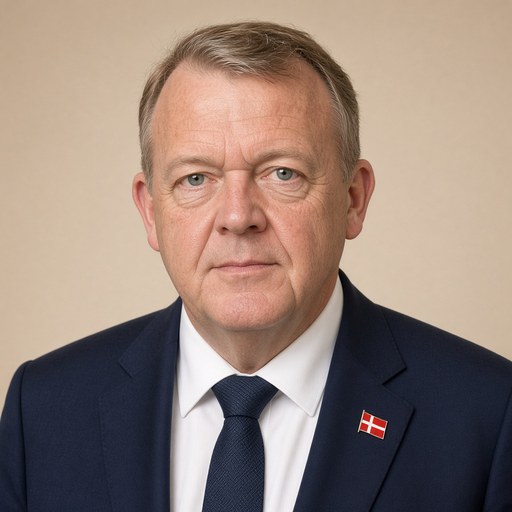
- Rasmussen addressed a Constitution Day audience on June 5, 2010, reflecting on Danish democracy, national identity, and economic challenges amid the European financial crisis.
- Main themes
- Danish constitutional democracy, economic crisis and fiscal responsibility, Denmark's global position, threats to Western democracy, rise of Asian economies, national identity and homogeneity, labor market reform, economic self-discipline, Denmark's historical resilience
- Duration
- ~25 min
- Words
- 3,004
- Sentences
- 239
- Readability
- 61
- Grade
- 7.8
- Syntax
- 2.55
- Vocabulary
- 2.08
Translated from Danish
The broad sphere of national life a sentence belongs to. Every sentence has an Arena, so it is the denominator the other indices are read against.
Other239 sentences in 117 paragraphs
"I was born in Denmark, there I have my home." Thus wrote Hans Christian Andersen 160 years ago, in 1850.
The song was written in a difficult time - just after the First Schleswig War.
The song was also written in a politically turbulent time - just after the adoption of the first Danish constitution in 1849.
I love that song.
I remember how we in the Youth of the Liberal Party recorded a campaign video that the Liberal Party made before the so-called NATO election in 1988.
The song has many lovely passages. One of them that I like the most is the verse that goes like this:
"Once you were lord over all of the North, commanded over England, now you are called weak. A small country and yet so far around the world, still the Danish song and chisel's strike is heard."
The verse reminds me a bit of the situation we find ourselves in right now.
The development is rapid.
The crisis that has hit Europe so hard has almost gone unnoticed by the large new growth economies in Asia. China, India, and South Korea are booming, and if they continue to grow faster than us, the economic balance will change.
So will the political balance.
For history did not stop with the Fall of the Wall in 1989, when democracy and market economy triumphed across the world. A wise man claimed back then that history was over. Now everything was for the best in the best of all worlds.
He was wrong. History is never over. New threats constantly arise. So do new competitors.
After the Fall of the Wall, it was said that Western democracy had triumphed and stood alone on the stage. Today, the reality is more nuanced.
Some of the world's most populous countries are not exactly democracies in the Western sense.
What will that mean for the future of democracy? Is democracy at risk of encountering problems because it is linked to stagnating nations in Europe? Is Europe on a downward slope - and democracy along with us? Are Western democracies threatened because we are not able to reform ourselves quickly enough?
Will other new strong economies like China begin to emerge as viable models for the large group of poor countries in the world? Is that an external threat?
And what about the internal threats? What does it mean for our Western, Danish democracy that Denmark is no longer quite as homogeneous a people? What does it mean for our democracy that we do not necessarily share some common norms, which are the foundation for a well-functioning political system with a common culture of trust?
Denmark stands at a crossroads. Politically and economically.
"A small country and yet so far around the world - still the Danish song and chisel's strike is heard."
Thus wrote Hans Christian Andersen back then, 160 years ago.
And that is how we must think today. We may be small. Some might even call us weak.
But we can and will take our fate into our own hands. We can do more than we might think. Especially if we rise above the pettiness of politics in Christiansborg and make some of the decisions that prepare our country to succeed internationally.
It is no secret that Denmark has been through a significant economic storm. The international crisis has hit us with full force. Fortunately, we have kept order in the economy. Up until the outbreak of the crisis in 2008, we had ten years of solid surpluses in the public budgets. And we did not succumb to the temptation to spend the surplus, but paid down debt. Purposefully and persistently.
In 2001, the public net debt was 268 billion DKK. That is about one-fifth of our collective wealth - the gross domestic product. When the crisis hit us, the debt was gone. Completely gone. Therefore, we were well prepared when the economic tsunami struck our shores. We should be grateful for that. We had not mortgaged our country.
I count myself fortunate that we chose the responsible course and set aside funds when times were good.
In other countries, the bulwark was thinner, and the crisis hit harder. Look around Europe and see how they are now in the process of restructuring entire societies and making drastic cuts - even in the salaries of public employees.
The crisis has been tough on Denmark, but not tougher than we can rectify the situation ourselves. We have the opportunity to eliminate the debt again - before it grows large and unmanageable, with interest and compound interest.
It requires economic self-discipline.
It requires that we postpone some of the good and pleasant tax cuts we had in sight.
And it requires that we create a more functional labor market, where people do not get stuck in the unemployment benefit system for years, but instead get jobs.
More self-discipline is not fun. It is not easy. It is certainly not popular everywhere. But it is absolutely necessary.
We will get through the crisis with fewer human costs than what is seen in other countries. We have protected 85,000 Danes from losing their jobs. That was important and right. But it was also expensive. We have created a crisis bill. It must be paid now.
An envelope does not become cheaper by not opening it. On the contrary. Interest accumulates. And compound interest.
Denmark is an open economy, and if we do not pay the bill now, we risk higher interest rates and speculation against the krone. That will hit businesses and homeowners - and cost Danish jobs. That must not happen.
Therefore, we will pay the bill now once and for all and show that Denmark has control over the economy. We have tried to make the plan as lenient as possible, but when you have to pay a bill of 24 billion DKK, it can be felt. It is not easy, but it is necessary.
When we are to be completely free of the crisis, the solution is not to turn inward and try to limit globalization.
The solution to the crisis is also not to loosen the public finances or abandon central Danish values. On the contrary.
The solution to the crisis is precisely the same as what will give Denmark a new foothold in international competition. Namely, the good classic bourgeois virtues. Moderation, diligence, frugality, respect, ambition.
Especially in times of crisis, we need a society with strong values.
A society where we cooperate and have trust in and respect for each other.
We need a global outlook and national anchoring.
We need economic responsibility in both public finances and in businesses.
We need greater willingness to act. To work, educate ourselves, save, invest, and initiate.
These virtues are the foundation of a well-functioning society.
Denmark must roll up its sleeves. And it is not woven from grand headlines and dream stuff. It must be sewn from the strong thread of realistic decisions. We must have the political courage to prioritize.
We cannot afford to just do things the way we have always done.
Therefore, we have made it clear that we will allocate an additional 10 billion DKK to strengthen three high-priority areas: Health, the weakest Danes, and education.
We will further develop the positive trend where doctors perform thousands more operations today than in 2001. We must help and lift the poor, who live on the edge of society, back up again. Children who are vulnerable. Families struggling with addiction problems.
In the autumn, we will launch a comprehensive ghetto strategy, where we confront the cultural and social parallel societies that have arisen in a number of our social housing projects.
And we will take a firm stand against those who repeatedly show that they do not want to. Those who threaten and harass their fellow citizens but excuse themselves by claiming they are victims of their immigrant background.
In Denmark, no one is born a victim. We are born as Danes, with the privileges and opportunities that it gives us. We need everyone - who wants to.
**
Therefore, we must have the courage to prioritize differently. Some up. Some down. But we must go beyond that. We must show the ability and willingness to develop our welfare. We must fundamentally ensure that welfare rests on a solid foundation. That is part of conducting a realistic policy.
Leading up to the summer holidays, we have therefore made a number of tough decisions to bring order to the economy here and now. After the summer holidays, our agenda must focus on the future. How we ensure Denmark a place among the richest countries in the world.
The government has already implemented significant reforms throughout the education system. We have made strong efforts to improve the academic level in primary schools. This is already clearly reflected in the results for reading in the middle grades. We have reformed vocational education, upper secondary education, and higher education.
But the demands are increasing. It is therefore urgent to address the problems that still exist. We must make the very expensive Danish education much better. So we all rise. So Denmark can stand the distance in global competition.
We must do more than just restore. We must lay the foundation for new growth and welfare. Therefore, we remove the stones that block the way to the society we dream of. For we still dream - and we must remember our dreams. Especially in times when the prospect of envelopes can make everyday life burdensome. Every time we put an envelope behind us, we are closer to realizing our dreams.
"The Danish dream" is a beautiful common dream.
It is based on the Constitution in the sense that it springs from our freedom. Our freedom to go our own ways, alone or together with others.
It is not an airy dream. It is also about how we create a livelihood for ourselves, for our families, for our local communities. And it depends on us taking immediate economic responsibility so that the dream can become a reality.
We Danes dream of a dream of prosperity that benefits everyone.
We dream of equal opportunities, so it is not Harvard for some and Community College for others.
We dream of freedom with equality. That everyone should have a real chance to seek happiness.
We dream of the security that comes from being able to support oneself and take care of one's family.
The dream - the Danish dream - has grown in tandem with the development of the open, free, socially just, and liberal Denmark that we know today. The Denmark that stands so solidly on the foundation of the Constitution of the Kingdom of Denmark.
But, as mentioned, it is also built on prosperity. The prosperity that has been nurtured and cared for by successive governments since the 1980s. We should acknowledge that. We should appreciate it. For recent times have unfortunately shown that three decades of solidarity across all divides - political and ideological - regarding economic responsibility have broken down.
Currently, three decades of solid responsibility are giving way to a - admittedly - catchy slogan about 12 minutes.
I find it sad. History has taught us that nothing comes from nothing except pocket lint - as Storm P said. You do not solve Denmark's real economic problems with clever slogans, but through hard work and real priorities.
I hold on to three decades of lessons. For I remember the 1970s.
It was a time when we spent huge amounts of tax money just to pay interest - without getting good public service for the money.
It was a time when we approached the edge of the abyss because leading politicians did not dare to take economic responsibility.
It was a time when a good society like the Danish began to dissolve because political strength and steadfastness were completely lacking. Because Danes were lured into believing that all problems could be solved by consuming a little more and incurring a little more debt.
It was a sad epoch for Denmark. And I remember the image of a prime minister who had given up and opted out, who got on his bicycle and rolled away from Christiansborg and away from responsibility.
Today, the opposition does not quietly roll away from responsibility. They sprint away - with their eyes wide open.
I will be the first to admit that it has become difficult to make the necessary decisions. We have all gotten used to the idea that economic problems were a thing of the past. We have gotten used to the idea that any problem could, if not solved, then soothed with a check. We have gotten used to the idea that the trees grew - if not into the sky, then at least that everything just kept going up, and up, and up.
Perhaps we had also gotten used to the idea that "contract politics" was perceived as if nothing should be different. And if something did change, it could only get better.
But the world is different now. Our situation is different. Our conditions have changed - and we must take that into account. Anything else would be irresponsible.
And let me remind you that contract politics is not about politicians promising to be passive.
Contract politics is also about Danes being able to count on politicians doing the right thing.
My contract with the Danes does not rest on unopened and unpaid envelopes.
My contract with the Danes does not rest on unsupported checks.
My contract with the Danes is based on a promise that we will do everything in our power to bring Denmark safely through the crisis.
I am completely confident that the Danes can understand that.
For a well-functioning democracy must be able to handle both good times and less good times.
And in a well-functioning democracy, one must tell the voters the truth, even when it is uncomfortable.
Some believe that Danish democracy has long since passed what is called "the point of no return." They say that it is impossible to reform anything because one will inevitably step on some toes.
But I do not believe that the only way to power consists of behaving irresponsibly and short-sightedly.
I have decided to prove that Danish democracy is viable in practice.
I know that the Danes are wise, and I have decided to prove that the voters are too.
That is why I have decided to prove that it is possible for a government to be re-elected by doing what is important and right - not just what is smart and popular.
I do not want to pass the bill on to younger generations. I do not want to close my eyes to the envelope and wait for the collection agency to show up. I do not want to leave Denmark at the mercy of speculators, just because we did not intervene in time and correct the economy.
Denmark must take its fate into its own hands. We must not develop into a new "Greek tragedy."
The Greeks can boast of having Europe's most magnificent democratic past. In return, they have Europe's most troublesome present.
What good is it to be the cradle of democracy if you mortgage your entire economic freedom?
"God grant you a future as He gave you memories."
Thus wrote Hans Christian Andersen about our country.
True, Denmark does not have the same glorious democratic past as the Greeks. But we have something that is at least as important. We have a centuries-old tradition of freedom that stretches back to the Jyske Lov.
"With Law shall the Land be built. But if everyone would be content with their own - and let others enjoy the same Right - then no Law would be needed."
So it is stated in the introduction to the Jyske Lov.
I believe that the introduction says a lot about why we have a constitution.
We have it precisely because humans are not perfect. It is also an emphasis that people need something to hold us steady. An anchor in existence. Something that should prevent us from going too far astray. Neither as citizens nor as politicians.
Our constitution does not say much about how to conduct economic policy. It says nothing about politicians needing to refrain from indebting the country.
On the other hand, the constitution makes it clear that we politicians are accountable to the people.
I share our constitution's trust in the people. The Danish people are a wise people. And as the old saying goes: The wise do not need to ask; they just remember.
It may be that others see the people's memory, wisdom, and judgment as a threat. For me, it brings peace of mind.
I believe that Denmark - through honest communication between politicians and voters - can be a role model for the rest of the world, both democratically and economically.
We will show the world that Western democracies are capable of reforming themselves.
We will show the world that Western democracies can make the decisions that lay the groundwork for new growth.
We will show the world that the Western democratic model is the best - both in terms of economic freedom, our social freedom, and our freedom of thought.
It will not be in Denmark that the Western democratic model suffers defeat.
***
And let me conclude where I began, namely with Hans Christian Andersen.
"You land, where I was born, where I have my home, where I have my roots, from where my world goes, where the language is my mother's soft voice and like sweet music reaches my heart."
We have a completely unique community in Denmark. A community that is not built on coercion and oppression, but on trust and honesty. Therefore, the language is like sweet music.
Let us renew our Danish community by using the music of language to speak honestly about things.
Happy Constitution Day!
The original Danish. The tags above are read on the English translation's sentences.
”I Danmark er jeg født, dér har jeg hjemme”. Sådan skrev HC Andersen for 160 år siden, i 1850.
Sangen blev skrevet i en svær tid - lige efter den første slesvigske krig.
Sangen blev også skrevet i en politisk turbulent tid - lige efter vedtagelsen af den første danske grundlov i 1849.
Jeg elsker den sang.
Jeg husker, hvordan vi i Venstres Ungdom indspillede en valgvideo, som Venstre lavede før det såkaldte NATO-valg i 1988.
Sangen har mange dejlige passager. En af dem, jeg synes allerbedst om, er det vers, der lyder sådan hér:
”Engang du herre var i hele Norden, bød over England, nu du kaldes svag. Et lille land og dog så vidt om jorden, end høres danskens sang og mejselslag”.
Verset minder mig lidt om den situation, vi står lige midt i.
Udviklingen går stærkt.
Den krise, der har ramt Europa så hårdt, er nærmest gået ubemærket henover de store nye vækstøkonomier i Asien. Kina, Indien og Sydkorea buldrer frem, og hvis de fortsætter med at vokse hurtigere end os, vil den økonomiske balance ændre sig.
Det vil den politiske også.
For historien stoppede ikke ved Murens Fald i 1989, hvor demokrati og markedsøkonomi gik sin sejrsgang over hele verden. Godt nok påstod en klog mand dengang, at historien var slut. Nu var alt for det bedste i den bedste af alle verdener.
Han tog fejl. Historien er aldrig slut. Nye trusler dukker ustandselig op. Det gør nye konkurrenter også.
Efter Murens fald sagde man, at det vestlige demokrati havde sejret og stod alene tilbage på scenen. I dag er virkeligheden mere nuanceret.
Nogle af verdens mest folkerige lande er ikke just demokratier i vestlig forstand.
Hvad vil det betyde for demokratiets fremtid? Risikerer demokratiet at komme i problemer, fordi det er koblet sammen med stagnerende nationer i Europa? Er Europa på vej ned ad bakke - og demokratiet sammen med os? Er de vestlige demokratier truet, fordi vi ikke hurtigt nok er i stand til at reformere os selv?
Vil andre nye stærke økonomier som Kina begynde at fremstå som brugbare modeller for den store gruppe af verdens lande, som er fattige? Er det en ydre trussel?
Og hvad så med de indre trusler? Hvad betyder det for vores vestlige, danske demokrati, at Danmark ikke længere er helt så homogent et folk? Hvad betyder det for vores demokrati, at vi ikke nødvendigvis deler nogle fælles normer, som er grundlaget for et velfungerende politisk system med en fælles tillidskultur?
Danmark står i et vadested. Politisk og økonomisk.
”Et lille land og dog så vidt om jorden - end høres danskens sang og mejselslag”.
Sådan skrev HC Andersen dengang for 160 år siden.
Og sådan skal vi tænke den dag i dag. Nok er vi små. Nogle vil måske kalde os svage.
Men vi både kan og vil tage skæbnen i egne hænder. Vi kan mere, end vi måske tror. Især hvis vi hæver os op over Christiansborg-politikkens smålighed og træffer nogle af de beslutninger, der ruster vores land til at klare sig internationalt.
Det er ingen hemmelighed, at Danmark har været ude i et stort økonomisk uvejr. Den internationale krise har ramt os med fuld styrke. Lykkeligvis har vi holdt orden i økonomien. Op til krisens udbrud i 2008 havde vi ti år med solide overskud på de offentlige budgetter. Og vi faldt ikke for fristelsen til at bruge overskuddet, men afviklede gæld. Målbevidst og vedholdende.
I 2001 var den offentlige nettogæld på 268 mia. kr. Det er omkring en femtedel af vores fælles velstand – bruttonationalproduktet. Da krisen ramte os, var gælden væk. Helt væk. Derfor var vi godt forberedt, da den økonomiske tsunami slog mod vores kyster. Det skal vi glæde os over. Vi havde ikke pantsat vores land.
Jeg priser mig lykkelig over, at vi valgte den ansvarlige kurs og lagde til side, da tiderne var gode.
I andre lande var bolværket tyndere, og krisen slog hårdere. Kig rundt i Europa og se, hvordan de nu er i gang med at omkalfatre hele samfund og skære drastisk ned – også i de offentligt ansattes løn.
Krisen har været hård ved Danmark, men ikke hårdere, end at vi selv kan rette op på situationen. Vi har selv muligheden for bringe gælden ud af verden igen - inden den vokser sig stor og uoverskuelig, med renter og renters rente.
Det kræver økonomisk selvdisciplin.
Det kræver, at vi udskyder nogle af de gode og rare skattelettelser, vi havde i udsigt.
Og det kræver, at vi får et mere velfungerende arbejdsmarked, hvor folk ikke kommer til at hænge fast i dagpengesystemet i årevis, men derimod kommer i job.
Mere selvdisciplin er ikke morsomt. Det er ikke let. Det er givetvis heller ikke lige populært alle steder. Men det er aldeles nødvendigt.
Vi kommer igennem krisen med færre menneskelige omkostninger, end det man ser i andre lande. Vi har beskyttet 85.000 danskere fra at miste deres job. Det var vigtigt og rigtigt. Men det var også dyrt. Vi har skabt en kriseregning. Den skal betales nu.
En rudekuvert bliver ikke billigere af, at man lader være med at åbne den. Tværtimod. Der løber renter på. Og renters renter.
Danmark er en åben økonomi, og hvis ikke vi betaler regningen nu, risikerer vi højere renter og spekulation mod kronen. Det vil ramme virksomheder og boligejere – og koste danske arbejdspladser. Det må ikke ske.
Derfor betaler vi nu regningen én gang for alle og viser, at Danmark har styr på økonomien. Vi har forsøgt at gøre planen så lempelig som muligt, men når man skal betale en regning på 24 mia. kr., kan det mærkes. Det er ikke nemt, men det er nødvendigt.
Når vi skal helt fri af krisen, er løsningen ikke at vende sig indad og forsøge at begrænse globaliseringen.
Løsningen på krisen er heller ikke at give los for de offentlige finanser eller opgive centrale danske værdier. Tværtimod.
Løsningen på krisen er præcis den samme som det, der skal give Danmark et nyt afsæt i den internationale konkurrence. Nemlig de gode klassiske borgerlige dyder. Mådehold, flid, sparsommelighed, respekt, ambition.
Ikke mindst i krisetider har vi brug for et samfund med stærke værdier.
Et samfund, hvor vi samarbejder og har tillid til og respekt for hinanden.
Vi har brug for globalt udsyn og national forankring.
Vi har brug for økonomisk ansvarlighed i såvel den offentlige økonomi som i virksomhederne.
Vi har brug for større virkelyst. Til at arbejde, uddanne os, spare op, investere og sætte i gang.
De dyder er fundamentet under et velfungerende samfund.
Danmark skal i arbejdstøjet. Og det væves ikke af vidtløftige overskrifter og drømmestof. Der skal sys af de realistiske beslutningers stærke tråd. Vi skal have det politiske mod til at prioritere.
Vi har ikke råd til bare at gøre tingene, sådan som vi altid har gjort.
Derfor har vi gjort det klart, at vi vil sætte 10 mia. kr. ekstra af til at styrke tre højtprioriterede områder: Sundhed, de svageste danskere og undervisning.
Vi vil videreudvikle den positive udvikling, hvor lægerne udfører tusindvis af flere operationer i dag end i 2001. Vi skal hjælpe og løfte fattige, som lever på kanten af samfundet op igen. Børn, der er udsatte. Familier, som kæmper med misbrugsproblemer.
I efteråret vil vi lancere en samlet ghettostrategi, hvor vi tager et opgør med de kulturelle og sociale parallelsamfund, der er opstået i en række af vores sociale boligbyggerier.
Og vi vil sætte foden hårdt ned overfor dem, der gang på gang viser, at de ikke vil. Dem, der truer og chikanerer deres medborgere, men undskylder sig med, at de selv er ofre for deres indvandrerbaggrund.
I Danmark er ingen født som ofre. Vi er født som danskere, med de privilegier og de muligheder, det giver os. Vi har brug for alle – der vil.
**
Derfor skal vi have modet til at prioritere om. Noget op. Noget ned. Men vi skal videre end det. Vi skal vise evnen og viljen til at udvikle vores velfærd. Vi skal helt grundlæggende sørge for, at velfærden hviler på et solidt fundament. Det er en del af at føre en realistisk politik.
Frem mod sommerferien har vi derfor taget en række hårde beslutninger for at bringe orden i økonomien her og nu. Efter sommerferien skal vores dagsorden handle om det fremadrettede. Hvordan vi sikrer Danmark en plads blandt de rigeste lande i verden.
Regeringen har allerede gennemført betydelige omlægninger gennem hele uddannelsessystemet. Vi har sat kraftigt ind for at forbedre det faglige niveau i folkeskolen. Det viser sig allerede tydeligt i resultaterne for læsning på mellemtrinnet. Vi har reformeret erhvervsuddannelserne, de gymnasiale uddannelser og de videregående uddannelser.
Men kravene bliver skærpet. Det haster derfor med at tage fat på de problemer, der fortsat er. Vi skal gøre de meget dyre danske uddannelser meget bedre. Så vi løfter os alle. Så Danmark kan stå distancen i den globale konkurrence.
Vi skal mere end at genoprette. Vi skal lægge fundamentet for ny vækst og velfærd. Derfor fjerner vi de sten, der blokerer vejen til det samfund, vi drømmer om. For vi drømmer stadig – og vi skal huske vores drømme. Ikke mindst i tider, hvor udsigten til rudekuverter kan gøre hverdagen slidsom. Hver gang vi lægger en rudekuvert bag os, er vi tættere på at realisere vores drømme.
”Den danske drøm” er en smuk fælles drøm.
Den bygger på Grundloven i den forstand, at den udspringer af vores frihed. Vores frihed til at gå vores egne veje, alene eller sammen med andre.
Det er ikke en luftig drøm. Den handler også om, hvordan vi skaber et udkomme til os selv, til vores familier, til vores lokalsamfund. Og den afhænger af, at vi tager det øjeblikkelige økonomiske ansvar på os, så drømmen kan blive til virkelighed.
Vi danskere drømmer jo en drøm om velstand, der kommer alle til gode.
Vi drømmer om lige muligheder, så det ikke bliver Harvard til nogle og Community College til andre.
Vi drømmer om frihed med ligeværd. Om at alle skal have en reel chance for at søge lykken.
Vi drømmer om den tryghed der ligger i, at vi kan have tillid til vores medmennesker.
Vi drømmer om det ansvar, der kommer af at kunne forsørge sig selv og tage vare på sin familie.
Drømmen - den danske drøm - er vokset i takt med udviklingen af det åbne, frie, socialt retfærdige og liberale Danmark, vi kender i dag. Det Danmark, der står så solidt på Danmarks riges grundlov.
Men det er, som sagt, også bygget på velstand. Den velstand, der er blevet plejet og passet af skiftende regeringer siden 1980’erne. Det bør vi anerkende. Det bør vi værdsætte. For den seneste tid har desværre vist, at tre årtiers sammenhold på tværs af alle skel – politiske og ideologiske - om økonomisk ansvarlighed, er brudt.
For tiden viger tre årtiers solide ansvarlighed pladen for et – indrømmet – fængende slogan om 12 minutter.
Jeg synes, det er trist. Historien har lært os, at intet kommer af intet undtagen lommeuld - som Storm P sagde. Man løser ikke Danmarks reelle økonomiske problemer med fikse slogans, men ved hårdt arbejde og reelle prioriteringer.
Jeg holder fast i tre årtiers lærdom. For jeg husker 1970’erne.
Det var en tid, hvor vi brugte kæmpe mængder skattekroner alene på at betale renter - uden at få god offentlig service for pengene.
Det var en tid, hvor vi nærmede os afgrundens rand, fordi ledende politikere ikke turde tage økonomisk ansvar.
Det var en tid, hvor et godt samfund som det danske begyndte at gå i opløsning, fordi den politiske råstyrke og standhaftighed fuldstændig manglede. Fordi danskerne blev lokket til at tro, at alle problemer kunne løses ved at forbruge noget mere og stifte noget mere gæld.
Det var en trist epoke for Danmark. Og jeg husker billedet af en statsminister, der havde givet op og meldt fra, der steg på sin cykel og trillede væk fra Christiansborg og væk fra ansvaret.
I dag triller oppositionen ikke stilfærdigt væk fra ansvaret. De spurter væk – og med åbne øjne.
Jeg skal være den første til at indrømme, at det er blevet svært at tage de nødvendige beslutninger. Vi har alle sammen vænnet os til, at økonomiske problemer var en saga blot. Vi har vænnet os til, at ethvert problem kunne om ikke løses, så dulmes med en check. Vi har vænnet os til, at træerne voksede – om ikke ind i himlen, så dog at alt bare gik op, og op, og op.
Måske havde vi også vænnet os til, at ”kontraktpolitik” blev opfattet som om, at intet måtte være anderledes. Og hvis noget alligevel blev forandret, så kunne det kun blive bedre.
Men verden er en anden nu. Vores situation er en anden. Vores vilkår er forandret – og det skal vi tage bestik af. Alt andet ville være uansvarligt.
Og lad mig minde om, at kontraktpolitik ikke handler om, at politikerne lover at være passive.
Kontraktpolitik handler også om, at danskerne skal kunne regne med, at politikerne vil gøre det rigtige.
Min kontrakt med danskerne hviler ikke på uåbnede og ubetalte rudekuverter.
Min kontrakt med danskerne hviler ikke på dækningsløse checks.
Min kontrakt med danskerne er baseret på et løfte om, at vi vil gøre alt, hvad der står i vores magt, for at bringe Danmark sikkert gennem krisen.
Det er jeg helt sikker på, at danskerne kan forstå.
For et velfungerende demokrati skal være i stand til at håndtere såvel de gode tider som de mindre gode tider.
Og i et velfungerende demokrati skal man fortælle vælgerne sandheden, også når den er ubehagelig.
Nogle mener, at det danske demokrati for længst er kommet forbi det, som man kalder ”the point of no return”. De siger, at det ikke kan lade sig gøre at reformere noget som helst, fordi man uvilkårligt vil komme til at træde nogle over tæerne.
Men jeg tror ikke på, at den eneste vej til magten består i at opføre sig uansvarligt og kortsigtet.
Jeg har besluttet mig for at bevise, at det danske demokrati er levedygtigt i praksis.
Jeg ved, at danskerne er kloge, og jeg har besluttet mig for at bevise, at det er vælgerne også.
Det er derfor, jeg har besluttet mig for at bevise, at det kan lade sig gøre for en regering at blive genvalgt på at gøre det vigtige og det rigtige – ikke kun det smarte og populære.
Jeg vil ikke være med til at sende regningen videre til yngre generationer. Jeg vil ikke lukke øjnene for rudekuverten og vente til inkassobureauet dukker op. Jeg vil ikke være med til at overlade Danmark i spekulanternes vold, bare fordi vi ikke i tide greb ind og rettede økonomien op.
Danmark skal tage sin skæbne i egne hænder. Vi skal ikke udvikle os til en ny ”græsk tragedie”.
Grækerne kan prale af at have Europas flotteste demokratiske fortid. Til gengæld har de Europas mest besværlige nutid.
Hvad nytter det at være demokratiets vugge, hvis man pantsætter hele sin økonomiske frihed?
”Gud giv dig fremtid som han gav dig minder”.
Sådan skrev HC Andersen om vores land.
Nok har Danmark ikke samme glorværdige demokratiske fortid som grækerne. Men vi har noget, der er mindst lige så vigtigt. Vi har en århundreder gammel frihedstradition, som strækker sig tilbage til Jyske Lov.
"Med Lov skal Land bygges. Men ville enhver nøjes med sit eget - og lade andre nyde samme Ret - da behøvedes ingen Lov."
Sådan står der i indledningen til Jyske Lov.
Jeg synes, at indledningen siger meget om, hvorfor vi har en grundlov.
Vi har den netop, fordi mennesker ikke er perfekte. Det er også en understregning af, at mennesker har brug for noget, der skal holde os fast. Et anker i tilværelsen. Noget der skal hindre os i at skeje for kraftigt ud. Hverken som borgere eller som politikere.
I vores grundlov står der ikke meget om, hvordan man skal føre økonomisk politik. Der står intet om, at politikerne skal holde sig tilbage med at gældssætte landet.
Til gengæld skærer grundloven ud i pap, at vi politikere står til ansvar for folket.
Jeg deler vores grundlovs tillid til folket. Det danske folk er et klogt folk. Og som det gamle ordsprog siger: Den kloge behøver ikke at spørge, han husker bare.
Det kan være, at andre ser folkets hukommelse, klogskab og dom som en trussel. Hos mig giver det ro i sindet.
Jeg tror på, at Danmark - i kraft af en ærlig kommunikation mellem politikere og vælgere - kan være et forbillede for resten af verden, både demokratisk og økonomisk.
Vi vil vise verden, at vestlige demokratier evner at reformere sig selv.
Vi vil vise verden, at vestlige demokratier kan tage de beslutninger, der lægger grobunden for ny vækst.
Vi vil vise verden, at den vestlige demokratiske model er den bedste - både i kraft af økonomiske frihed, vores sociale frihed, og vores åndsfrihed.
Det bliver ikke i Danmark, at den vestlige demokratiske model lider nederlag
***
Og lad mig så slutte, hvor jeg begyndte, nemlig hos HC Andersen.
”Du land, hvor jeg blev født, hvor jeg har hjemme, hvor jeg har rod, hvorfra min verden går, hvor sproget er min moders bløde stemme og som en sød musik mit hjerte når.”
Vi har et helt unikt fællesskab i Danmark. Et fællesskab, der ikke bygger på tvang og undertrykkelse, men på tillid og ærlighed. Derfor er sproget som en sød musik.
Lad os forny vores danske fællesskab ved at bruge sprogets musik til at tale ærligt om tingene.
God grundlovsdag!