




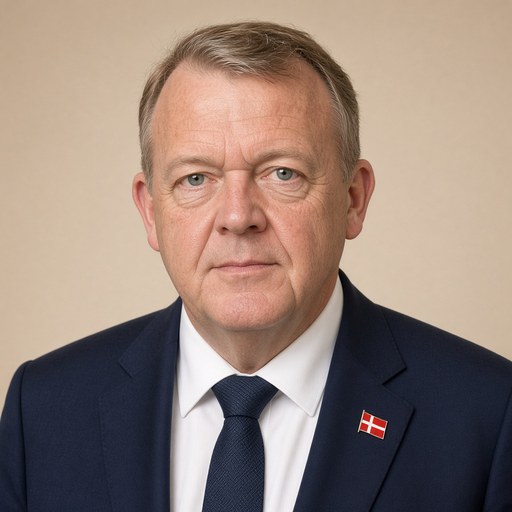
Prime Minister Lars Løkke Rasmussen's speech at the closing debate of the Folketing on May 27, 2009.
 Lars Løkke Rasmussen · Prime Minister of Denmark
- Context
- Rasmussen addressed the Danish Folketing at the closing debate of the 2008-09 parliamentary year on May 27, 2009, reviewing the government's crisis response.
- Main themes
- Economic crisis management, government crisis policy, parliamentary year review, financial sector stabilization, business liquidity support, tax cuts and family finances, reform policy, unemployment, Danish competitiveness, export support, special pension scheme withdrawal
- Duration
- ~41 min
- Words
- 4,931
- Sentences
- 360
- Readability
- 58
- Grade
- 8.6
- Syntax
- 2.57
- Vocabulary
- 2.05
Translated from Danish
The broad sphere of national life a sentence belongs to. Every sentence has an Arena, so it is the denominator the other indices are read against.
Other360 sentences in 134 paragraphs
Today we conclude the parliamentary year 2008-09. It has been a year marked by the economic crisis. A year in which unemployment has risen. A year in which more Danish families have felt insecurity in their daily lives.
It has also been a year in which the government has pursued a responsible and carefully measured crisis policy. Where we have taken initiatives worth billions of kroner. Where we have closely followed the developments throughout.
For our most important task is to contain the international crisis, so that the human costs of the crisis here in Denmark are kept to a minimum.
At the same time, the government has continued a strong reform policy. Where we give each individual Dane greater freedom. Where we strengthen our community. And where we prepare ourselves for the next upswing.
In Denmark, we are in such a favorable position that the crisis comes after a long and stable growth period. A period in which more and more Danes have found work – including people who normally have difficulty finding a job.
These are fantastic results that we must protect. Not least now that things are not going quite as well. We must maintain freedom, dynamism, and activity. And we must preserve a community where everyone is included in the warmth. Denmark must get through the crisis as best as possible. That is the most important task for all of us right now.
1. In the parliamentary year 2008-09, the government has both pursued an active crisis policy and implemented a number of important reforms.
When I look back on the parliamentary year, managing the crisis has been the task that has overshadowed all others.
Throughout the year, it has been difficult to predict the depth of the crisis, the course of the crisis, and the length of the crisis. It still is. We might as well say it plainly to each other: We do not know when it will turn around. And it will get worse before it gets better.
Therefore, we must constantly look at our policy with fresh eyes. And adjust where necessary.
When the crisis hit Denmark last autumn, I was sitting as finance minister in the eye of the storm. At that time, we chose to rethink the entire budget proposal due to the new situation. The budget proposal we adopted in December was much more focused on keeping the wheels turning than the one we originally presented in August.
That is a reflection of the year that has passed. This is how the government has continuously followed the crisis, revised our proposals, and intervened with new ones when necessary.
Denmark has a good starting point for handling the crisis. Yes, according to a brand new international study, Denmark is the world champion in crisis preparedness. That is the assessment from the Swiss World Competitiveness Centre.
But a world championship does not mean that we can lean back. It is a championship that must be defended.
The government has already taken a long series of growth initiatives. Initiatives aimed at the financial sector, businesses, and family finances.
The international crisis first hit the financial sector. There was a need to push the banks' lending to keep society moving. To ensure money for sensible businesses and ideas.
We did this with two bank packages, one in October and one in January. We have guaranteed bank customers full security for deposits in Danish financial institutions. And we have made available nearly 100 billion kroner as responsible capital.
We have done this together with a broad majority in the Folketing. I would like to express my gratitude for that.
During the year, many Danish businesses faced problems with liquidity. With making the accounts balance.
Therefore, the government has extended the credit periods for VAT and A-tax. This has increased the liquidity of businesses by 60 billion kroner. Initially, the extension applied until August. And we have now proposed to extend the scheme into the autumn.
The crisis is international. And therefore, export companies are particularly vulnerable. We have also strengthened the export credit scheme by 30 billion kroner.
The government has reached out a hand to Danish businesses. Would it not have been obvious to have broad support from the parties in the Folketing?
More families feel that the economy has tightened a bit. More are insecure about their own finances. We must restore families' confidence in their finances.
Therefore, the government has given Danes tax cuts totaling 9 billion kroner already this year.
And we have also provided the opportunity to withdraw from the special pension scheme. ATP is in the process of sending letters to the 2.9 million Danes who have an SP account. The letters simply contain a form that one can sign and send back to ATP. Then one can receive their money within about three weeks. It is that easy.
A completely unbureaucratic way to stimulate consumption and optimism. To give families the opportunity to bolster their finances.
The government has chosen to lend a helping hand to Danish families. Would it not have been obvious to have broad support from the parties in the Folketing?
The government has stimulated investments in society. We have brought forward public investments. We have lifted the municipal investment ceiling. We have allocated one and a half billion kroner to a renovation fund.
I thought everyone agreed that this is the way we should go. That we should use the available hands to build schools, nursing homes, and hospitals. And to make our homes more energy-efficient.
The government has specifically pushed for investments. Would it not have been obvious to have broad support from the parties in the Folketing?
Overall, this long series of initiatives means that we are pursuing a very expansive policy in Denmark. One of the most expansive in all of the EU.
When this has been possible, it is because the government has chosen to keep its ears closed when the opposition has called for spending the large surpluses and increasing public consumption. That gives us room to maneuver now.
At the same time as we have managed the crisis and taken stronger action than most other European countries, we have also implemented a number of forward-looking reforms. Reforms that pave the way for us to fully benefit from the next upswing. Reforms that strengthen dynamism, freedom, and community.
In this parliamentary year, the government has presented an ambitious tax reform, which is expected to be adopted in the Folketing tomorrow. A reform where we stimulate the economy in 2010, but which is of course fully financed over a number of years.
We are making the largest reduction in the tax on labor ever. So Mrs. Jensen can keep more of the money she earns – because that naturally gives a greater desire to work and take initiative.
And we are significantly raising the tax on pollution. So it pays better for Mr. Hansen to insulate his house. Or to switch to energy-saving light bulbs. Or to think about the environment and climate in his actions.
We have chosen to tax more of what we want less of: pollution. And tax less of what we want more of: work.
These are two sensible lines that are a clear continuation of the tax policy that the government has pursued since 2001. And which means that 2 million Danes will be exempt from paying middle tax from 2010. And nearly 400,000 will be exempt from the top tax from 2011.
At the same time, we maintain the tax freeze, which provides the security about taxes that is more important than ever in a time of crisis.
It should pay to earn money. It should pay to save energy. There should be security about taxes. Is not everyone in agreement on that? Would it not have been obvious to have a broad agreement behind the tax reform?
The government has also taken several important steps along the green path. It is the government's ambitious goal – it does not get more ambitious – that Denmark should eventually be completely independent of polluting fuels such as coal, oil, and gas.
In this parliamentary year, we have taken important steps towards that goal:
We have entered into a broad green transport agreement. Where we bring forward green traffic investments of 5 billion kroner, so we create activity. And where we shift demand from polluting cars to public transport and less polluting cars.
We have presented an offensive proposal for green growth. A proposal where we give agriculture modern growth opportunities. And where we will simultaneously solve environmental problems in waterways and nature. We are in the process of negotiating a green growth agreement. The goal is an agreement within a very short time.
In this parliamentary year, we have also laid the groundwork for new major hospital investments. This is an important step in the government's work to strengthen the welfare state. Yes, in fact, it is the largest overall investment effort in the hospital sector ever. We are allocating a total of 25 billion kroner to new hospital investments, when we include the regions' share.
And we will build even more in the coming years. Hospital investments will receive a boost of a total of 40 billion kroner until 2018.
With these massive investments, we are consolidating specialized treatment and emergency care. Not all hospitals can be world champions in everything. When we, for example, want the world's best cancer treatment, we must adapt the hospital structure accordingly.
But if your child falls from a pear tree and sprains their foot, that should be manageable in the local area. Therefore, the government is also strengthening the local healthcare system. With injury clinics and medical centers in areas with large distances. With medical helicopters to islands and remote areas.
In this way, we create a division of labor between the highly specialized and the local. It is not an either-or. We need and must have both-and.
Overall, in the parliamentary year 2008-09, we have both managed a serious international crisis and reformed Danish society so that we are better prepared for the next upswing.
We have made important decisions. We have made costly decisions. That is gratifying. It is, however, sad when party-political tactics interfere with important matters. Perhaps this happens based on the belief that one can win the battle with good tactics. Perhaps one can. But winning an entire war requires a strategy. We have a serious economic crisis to overcome together.
2. Important tasks ahead – focus on the economic crisis, the everyday lives of Danes, and the climate conference.
In the coming period, we also face important tasks:
First, we must continue to take action to contain the economic crisis. That is the main task.
The government has, as I have described, pursued a responsible economic policy, where we have intervened with carefully measured doses. Therefore, we still have economic room for new doses in the new year, if it proves necessary.
I know that some believe it would have been better to intervene with one large crisis package. If it were in any way possible to eliminate the crisis by writing a large check, I would be the first to write that check. And I am confident that the Danish People's Party, which has taken responsibility all along, and the Liberal Alliance, which has helped carry the budget, would be ready to do the same. But it is not that simple.
A large check here and now could, on the contrary, throw the Danish economy off course. Lead to irresponsible indebtedness. Harm businesses' ability to compete.
The government's policy is therefore still a responsible and targeted growth policy. I have said it before, and I will say it again: One unemployed person is one too many. We must do everything we can to reduce the human costs of the crisis. But we must also keep a sharp eye on what Denmark looks like when the international crisis ends. When that happens, we must – also – be strong. With competitiveness intact. With healthy public finances intact. For responsible policy also means thinking a little further ahead. Thinking beyond the end of the election period.
That is my approach to things. And I am grateful that a majority here in the Chamber – although one could certainly wish it were larger – shares that fundamental understanding. Shares that approach to politics. Shares that approach to acting economically and politically responsibly.
A healthy economy is the foundation for us to continue improving Danish society in the areas that matter to the everyday lives of Danes: health, education, and security. That is the government's second focus area in the coming year.
We have a value-based framework across all these areas that shapes our approach to things. The government's values are freedom and community. Individual freedom in a strong community.
Freedom is the right to diversity – also to religious and cultural diversity – but with respect for others' corresponding freedom. Community is taking responsibility for each other – and not least taking responsibility for the vulnerable in society.
And the Danish community is particularly characterized by a set of fundamental values that we must protect – that we must demand respect for. And that we will not accept being compromised. The right to speak, think, and believe. Gender equality. Respect for the democratic values that Danish society is built upon. These are fundamental values that we will not accept being violated. If that happens, we must stand firm and say no. Whether we are challenged domestically or the challenge comes from outside.
Based on these values, the government will continue to develop and expand welfare. The core areas of welfare have been a significant part of my entire political life. It will also be a significant part of that part of my life where I have the privilege of being Prime Minister.
We are in the process of negotiating new economic agreements with the municipalities. Including the planned and announced billion investments in schools, childcare institutions, and the elderly sector.
We are looking with fresh eyes at whether more should be done that both increases welfare and simultaneously provides jobs and activity around the country.
Here and now, the most important welfare task is to get the hospitals functioning fully again. We must address the aftereffects of the hospital conflict.
After last spring's strikes in the healthcare sector, we had to suspend the extended free choice. Now we are reintroducing it from July 1. Free choice has so far been a huge success. More than a quarter of a million Danes have directly benefited from the scheme. From 2001 until the strikes last year, waiting times fell by about a third.
Free choice is based on a view of humanity that puts people before the system. Not the system before the person.
Before we came to power, we had a divided healthcare system. An A-team and a B-team. The B-team was on the waiting list, while the A-team – those with equity, payment ability, and randomly drawn health insurance – could choose to skip the queue.
We took a stand against that. If health insurance is to be taken out, it must be for everyone – from the director in the mahogany corridor to the unskilled worker in the warehouse. And private treatment – if the public hospital system cannot provide quick and timely treatment – must be an option for all. Not just an option for the well-off. As it was before the government came to power.
Free choice is based on a sense of justice, where it should not be the wallet that determines one's place in the queue.
It has been a huge success. Not just for the more than a quarter of a million patients who have used it, for it extends further. It has created a whole new consequence in the Danish healthcare system: The patient can move. The patient can take part of the money with them. This also spurs the public healthcare system, which is the backbone of the Danish healthcare system – and it has benefited even more patients. That is why we are now operating a record number of patients. That is why we saw – until the strikes set us back – waiting lists getting shorter and shorter.
Therefore, there is reason to be pleased that there is only a little over a month until patients again regain the right that is quite unique and exceptional.
At the same time, we must fully take advantage of the fact that we are no longer burdened by the strange notion that the fight against private hospitals is more important than the fight against waiting lists. Therefore, the rates for treatment in private settings will henceforth not be based on what it costs to perform a similar operation in the public sector, but on what it costs at the most efficient public hospitals.
The hospitals must function. And they will. But the greatest success is, of course, if fewer Danes need to go to the hospital. Therefore, we must prevent diseases.
The Prevention Commission presented their report in April. The next step is for the government to come up with a national action plan for prevention in the autumn. A plan that shows the way to achieve the government's goal: That the average life expectancy of Danes should increase by 3 years by 2017.
Personal responsibility is central here if we are to succeed with prevention. And it will be central in the government's proposal for better prevention.
We cannot force Danes to live healthily. But we can give everyone the freedom to – and the opportunity to – choose a healthy life. That is society's responsibility.
The government will work to ensure that we have a broad majority in the Folketing behind an effective and ambitious prevention policy.
Another important part of the welfare society is the opportunity to pursue an education.
Since 2001, the government has improved education throughout.
We have strengthened professionalism in primary schools – not least for the benefit of the weaker students who need a strong foundation to break the cycle of social inheritance.
Students now read as well in 3rd grade as they previously did in 4th grade. And students are just as skilled in science in 4th grade as they previously were in 5th grade.
We have reformed vocational education – so fewer drop out along the way.
We have given students the opportunity to study at recognized universities abroad – so they can learn from the best.
We have directed research towards the needs of society – so that businesses can compete on new knowledge.
We have achieved good results all the way. But we must also openly say where it is not good enough.
Together with a broad majority in the Folketing, the government has set the goal that all young people should complete at least one youth education. We are far from reaching that goal.
Twenty years ago, 8 out of 10 Danes completed at least one youth education. That was good. That was really good. Back then. Today, the number is just over 8 out of 10. And that is not good enough. Neither for today's society nor for future competition.
In the autumn, we plan to allocate more funds from the globalization pool. The pool we have set aside to implement the government's major globalization reform, where we strengthen education and research. When we allocate the money, we must carefully consider whether we should do something extra to reach the ambitious goals in the education sector.
We must reduce dropout rates in vocational schools even further. We must do even more to ensure that the weak and school-weary students also receive a youth education. We must ensure even more that the education is tailored to this group – and not the other way around, trying to force and fit the young people into the education system exactly as it is right now.
The government will work to ensure that we can also gather a broad majority in the Folketing here.
We also have a shared responsibility to ensure that young people who start a vocational education can get an internship and complete their education. We must not risk that young people are squeezed by the crisis.
Therefore, the government has just entered into a broad political agreement to create more internships. With the agreement, we are giving businesses a helping hand to take in more students. We are targeting the subsidy to the schools' outreach work to secure internships. We are establishing more internships in the public sector. And we are improving the funding of the basic vocational education for the weakest young people.
The government will also continue to focus strongly on ensuring that there are enough internships.
For we must not lose a single person. It is difficult – some would say impossible – to find something positive to say about the economic crisis. If one were to find one thing, however, there is the side benefit that the crisis motivates more people to pursue an education. Because the competition for jobs becomes tougher. Because the opportunity to gain a foothold in the labor market without an education becomes smaller. We must seize that side benefit.
Everyone must be included in the community. Everyone must have the freedom to take care of themselves that comes with a solid education.
Freedom also means being able to move safely and securely on the street. We will not accept that gangs of criminals take over our streets and create insecurity.
With the gang package, the government has tightened the hard and consistent legal policy even further. In addition – and probably both most important and most difficult – there is a need for a long-term and preventive effort.
The government will present a comprehensive strategy for a significantly strengthened effort against gang and youth crime after the summer holidays. An effort that will focus on two legs: Both targeting the specific effort towards young people who are or are on their way into crime. And on the general effort, where we take care of families in need as early as possible. This can be as early as the first visit from the health visitor.
The question of the age of criminal responsibility will be addressed in the government's overall strategy. We will also consider the question of municipal co-financing of the Prison and Probation Service. For we need to sharpen the municipalities' and the local community's focus on early preventive efforts.
Isn't it likely that we can still find broad support in the Folketing for these issues?
An important task in the coming months will also be the preparation for the climate summit in Copenhagen in December. The task at the meeting is to reach an international climate agreement that aligns the desire for global growth and prosperity with nature's demands that we take care of our planet.
The climate summit in December will be the largest meeting ever held in Denmark. And if we succeed in obtaining a new international climate agreement, the meeting in Copenhagen could set a new standard for how we solve global problems.
But it will be difficult to get that far. I will say that outright. Over the past year, the entire global political scene has changed. Significantly darker backdrops have been set. That is the stage we must perform on.
If we are to succeed in the absolutely necessary efforts against climate change, it is not enough to paint doomsday on the wall and make the backdrops even darker. On the contrary, we must shine the spotlight on the opportunities. The opportunities that lie in a new global green growth economy.
I note that there is a clear and encouraging point in the cold figures for CO2 emissions: Namely, that there is no clear correlation between a country's wealth and a country's CO2 emissions.
Each American emits 20 tons of CO2 per year. Each Dane emits 11 tons. The CO2 emissions per Dane are therefore almost half that of an American, even though we are roughly equally wealthy.
You can achieve the same wealth with 11 tons of CO2 as with 20 tons of CO2. How can we then reduce to 4 or 2 or 0 tons, without it affecting wealth? That is one of the major questions of the future.
The regions, countries, and companies that respond most intelligently to this question will be the strongest in future competition.
The entire climate agenda is thus closely linked to growth. To how we create growth in a new way. With new technologies, with new ideas, with new energy sources – and with new policies.
That is the path we have taken in Denmark with some success. That is the path we must show the rest of the world.
The government is tirelessly working to ensure that we achieve an ambitious agreement in Copenhagen in December. Much of the government's time, including my own, will be spent on preparation over the next six months.
I am pleased with the broad support for the climate agenda, both in and outside the Folketing. We face a great task that will require all the international engagement that Denmark is respected for in the world if we are to succeed.
And Denmark has a significant international profile. And it is a profile that we must maintain.
We must also keep this in mind as we currently negotiate defense agreements. A new defense agreement that will form the basis for continuing Denmark's strong international engagement over the next five years. I strongly encourage and will work for us to reach a broad agreement that ensures a balance between the defense's tasks and the defense's resources. This requires more resources. And it rests on a broad acceptance of what is the task of Danish defense in the modern, internationalized society – namely also to fight for our security, values, and democracy, wherever the front line is. Even when it is far from Denmark's geographical borders.
We owe it to the Danish soldiers who risk their lives and health in Afghanistan. We owe it to the young men and women who choose to leave the safe Danish community to bring peace, freedom, and progress to people who are far from having the same opportunities and rights as we do. The Danish soldiers deserve our recognition and respect.
An important part of Denmark's international engagement and cooperation takes place through our membership in the EU. The EU is and will be the focal point for safeguarding Danish interests.
Even during the economic crisis we are currently in, the EU has proven its worth. We have adopted common guidelines to ensure that our national aid packages support each other. We have adopted aid programs for the countries that are particularly hard hit. And we are in the process of strengthening the regulation of the financial sector to prevent similar crises from occurring in the future.
It is actually quite remarkable. For history is full of examples of countries isolating themselves when the crisis hits. History is full of examples of protectionism and national selfishness, which only have the certain effect of prolonging the crisis.
That is why it is unique. And that is why it was important for Denmark to join the European cooperation in 1972.
The government still believes that Denmark should be fully engaged in Europe and in the euro. It is in our own best political and economic interest.
Therefore, it is still the government's goal to hold a referendum on Denmark's exceptions at a time when it makes sense. That is to say, when two fundamental conditions are met.
First, there must be clarity about the framework for cooperation in the EU.
Second, there must be a broad and solid majority behind the viewpoint in Denmark.
I will convene the parties for a meeting on European policy before the summer holidays.
Conclusion
Let me finally remind you that next week we will go to the polls. I would like to encourage everyone to vote, both in the European Parliament election and in the referendum on changing the succession law. Both votes are on June 7, which is Sunday eight days from now.
The entire Folketing stands behind the proposal to change the succession law. A proposal that ensures full equality between princes and princesses in the right to inherit the throne.
The Constitution requires that a majority and at least 4 out of 10 of all eligible voters vote yes. If too many stay home in the garden on that hopefully lovely summer Sunday, then we will continue to be the only Nordic country without equality in the right to inherit the throne. Therefore: a strong call to show up and vote.
Another important vote took place in Greenland on November 25 last year, where Greenlanders voted clearly in favor of the new self-government arrangement. I look forward to going to Greenland and participating in the celebration on June 21.
Together with the Faroese takeover law and the mandates for the Faroe Islands in foreign affairs from 2005, we now have a contemporary basis for the entire realm. I look forward to continuing the good cooperation – both with Greenland and with the Faroe Islands.
Yes, it has been a challenging year for Denmark. But one thing is certain: There are also great challenges ahead of us. I look forward to a good collaboration here in the Folketing on the many important tasks.
The original Danish. The tags above are read on the English translation's sentences.
I dag afslutter vi folketingsåret 2008-09. Det har været et år præget af den økonomiske krise. Et år, hvor ledigheden er steget. Et år, hvor flere danske familier har mærket utrygheden i dagligdagen.
Det har også været et år, hvor regeringen har ført en ansvarlig og nøje doseret krisepolitik. Hvor vi har taget initiativer for milliarder af kroner. Hvor vi hele vejen igennem har fulgt udviklingen tæt.
For vores vigtigste opgave er at dæmme op for den internationale krise, så de menneskelige omkostninger af krisen her i Danmark bliver mindst mulige.
Samtidig har regeringen fortsat en stærk reformpolitik. Hvor vi giver den enkelte dansker større frihed. Hvor vi styrker vores fællesskab. Og hvor vi ruster os til det næste opsving.
I Danmark er vi så gunstigt stillede, at krisen kommer efter en lang og stabil vækstperiode. En periode, hvor flere og flere danskere er kommet i arbejde – også folk, der normalt har svært ved at finde et job.
Det er fantastiske resultater, som vi skal værne om. Ikke mindst når det nu går knap så godt. Vi skal fastholde frihed, dynamik og aktivitet. Og vi skal bevare et fællesskab, hvor alle er med inde i varmen. Danmark skal bedst muligt gennem krisen. Det er den vigtigste opgave for os alle lige nu.
1. I folketingsåret 2008-09 har regeringen både ført en aktiv krisepolitik og gennemført en række vigtige reformer
Når jeg ser tilbage på folketingsåret, har håndteringen af krisen været den opgave, der har overskygget alle andre.
Gennem året har det været vanskeligt at forudse krisens dybde, krisens forløb og krisens længde. Det er det stadigvæk. Vi kan lige så godt sige det ligeud til hinanden: Vi ved ikke, hvornår det vender. Og det bliver værre, før det bliver bedre.
Derfor må vi hele tiden se på vores politik med friske øjne. Og justere, hvor der er behov for det.
Da krisen ramte Danmark sidste efterår, sad jeg som finansminister i orkanens øje. Dengang valgte vi at gentænke hele finanslovsforslaget på grund af den nye situation. Det finanslovforslag, vi vedtog i december, var langt mere møntet på at holde gang i hjulene end det, vi oprindeligt lagde frem i august.
Det er et billede på det år, der er gået. Sådan har regeringen løbende fulgt krisen, revideret vores udspil og sat ind med nye, når der var behov.
Danmark har et godt udgangspunkt for at klare krisen. Ja, ifølge en spritny international undersøgelse er Danmark verdensmester i kriseparathed. Det er vurderingen fra det schweiziske World Competitiveness Centre.
Men et verdensmesterskab betyder ikke, at vi kan læne os tilbage. Det er et verdensmesterskab, der skal forsvares.
Regeringen har allerede taget en lang række vækstinitiativer. Initiativer rettet mod finanssektoren, erhvervslivet og familiernes økonomi.
Den internationale krise slog først igennem i
finanssektoren. Der var behov for at skubbe til bankernes udlån for at holde gang i samfundet. For at sikre penge til fornuftige virksomheder og idéer.
Det gjorde vi med to bankpakker, én i oktober og én i januar. Vi har garanteret bankkunderne fuld sikkerhed for indeståender i danske pengeinstitutter. Og vi har stillet op mod 100 milliarder kroner til rådighed som ansvarlig kapital.
Det har vi gjort sammen med et bredt flertal i Folketinget. Det vil jeg gerne kvittere for.
I løbet af året fik mange danske
virksomheder
problemer med at få likviditeten til at række. At få regnskabet til at hænge sammen.
Derfor har regeringen forlænget kredittiderne for moms og A-skat. Det har øget erhvervslivets likviditet med 60 milliarder kroner. I første omgang gjaldt forlængelsen til august. Og vi har nu foreslået at forlænge ordningen ind i efteråret.
Krisen er international. Og derfor er eksportvirksomhederne særligt udsatte. Vi har derfor også styrket eksportkreditordningen med 30 milliarder kroner.
Regeringen har rakt en hånd til dansk erhvervsliv. Havde det egentligt ikke været oplagt med en bred opbakning fra Folketingets partier?
Flere
familier
mærker, at økonomien er strammet lidt til. Flere er utrygge ved deres egen økonomi. Vi skal gengive familierne tilliden til deres økonomi.
Derfor har regeringen givet danskerne skattelettelser for i alt 9 milliarder kroner allerede i år.
Og vi har også givet mulighed for at få udbetalt den særlige pensionsordning. ATP er i gang med at sende breve ud til de 2,9 millioner danskere, der har en SP-konto. Brevene indeholder simpelthen en blanket, som man kan skrive under og sende tilbage til ATP. Så kan man få sine penge inden for cirka tre uger. Så nemt er det.
En helt ubureaukratisk vej til at stimulere forbruget og optimismen. Til at give familierne mulighed for at polstre deres økonomi.
Regeringen har valgt at give en håndsrækning til danske familier. Havde det ikke været oplagt med en bred opbakning fra Folketingets partier?
Regeringen har stimuleret
investeringer i samfundet. Vi har fremrykket offentlige investeringer. Vi har ophævet den kommunale anlægsramme. Vi har sat halvanden milliard kroner af til en renoveringspulje.
Jeg troede, at alle var enige om, at det er den vej, vi skal gå. At vi skal bruge de ledige hænder til at bygge skoler, plejehjem og sygehuse. Og til at gøre vores boliger mere energibesparende.
Regeringen har målrettet skubbet på investeringerne. Havde det ikke været oplagt med en bred opbakning fra Folketingets partier?
Samlet betyder hele denne lange række af initiativer, at vi fører en meget ekspansiv politik i Danmark. En af de allermest ekspansive i hele EU.
Når det har kunnet lade sig gøre, er det fordi regeringen har valgt at holde sig for ørerne, når oppositionen har efterlyst, at der blev brugt løs af de store overskud og øge det offentlige forbrug. Det giver os et råderum nu.
Samtidig med, at vi har håndteret krisen og sat stærkere ind end de fleste andre europæiske lande, har vi også gennemført en række
fremadrettede reformer. Reformer, som bereder vejen, så vi kan få fuldt udbytte af det næste opsving. Reformer, der styrker dynamik, frihed og fællesskab.
I dette folketingsår har regeringen fremlagt
en ambitiøs skattereform, som forventeligt vedtages i Folketinget her i morgen. En reform, hvor vi stimulerer økonomien i 2010, men som selvfølgelig er fuldt finansieret set over en årrække.
Vi foretager den største sænkning af skatten på arbejde nogensinde. Så fru Jensen selv får lov til at beholde flere af de penge, hun tjener – for det giver nu engang en større lyst til at arbejde og tage initiativ.
Og vi hæver skatten på forurening markant. Så det bedre kan betale sig for hr. Hansen at isolere sit hus. Eller at skifte til el-sparepærer. Eller på anden måde tænke miljø og klima ind i sin gøren og laden.
Vi har valgt at beskatte mere, det vil have mindre af: forurening. Og beskatte mindre det vi vil have mere af: arbejde.
Det er to fornuftige linjer, som ligger i klar forlængelse af den skattepolitik, som regeringen har ført siden 2001. Og som betyder, at 2 millioner danskere slipper for at betale mellemskat fra 2010. Og næsten 400.000 slipper for topskatten fra 2011.
Samtidig fastholder vi med skattestoppet den tryghed om skatten, som er vigtigere end nogensinde i en krisetid.
Det skal kunne betale sig at tjene penge. Det skal kunne betale sig at spare på energien. Der skal være tryghed om skatten. Er de fleste ikke enige i det? Havde det ikke været oplagt med et bredt forlig bag skattereformen?
Regeringen har også taget flere vigtige skridt ad
den grønne vej. Det er regeringens ambitiøse mål – det fås ikke mere ambitiøst – at Danmark på sigt skal være helt uafhængig af forurenende brændsler som kul, olie og gas.
I dette folketingsår har vi taget vigtige skridt på vejen mod målet:
Vi har indgået en bred grøn transportaftale. Hvor vi fremrykker grønne trafikinvesteringer for 5 milliarder kroner, så vi skaber aktivitet. Og hvor vi drejer efterspørgslen fra forurenende biler mod kollektiv trafik og mindre forurenende biler.
Vi har fremlagt et offensivt udspil om grøn vækst. Et udspil, hvor vi giver landbruget moderne vækstmuligheder. Og hvor vi samtidig vil løse miljøproblemerne i vandløb og natur. Vi er i gang med at forhandle en grøn vækstaftale på plads. Målet er en aftale inden for meget kort tid.
I dette folketingsår har vi også lagt sporene ud til
nye store sygehusinvesteringer. Det er et vigtigt skridt i regeringens arbejde for at styrke velfærdssamfundet. Ja, faktisk er det den største samlede investeringsindsats på sygehusområdet nogensinde. Vi fordeler i alt 25 milliarder kroner til nye sygehusinvesteringer, når vi regner regionernes andel med.
Og vi vil bygge endnu mere i de kommende år. Sygehusinvesteringerne vil frem til 2018 få et løft på i alt 40 milliarder kroner.
Med de massive investeringer samler vi den specialiserede behandling og akutbehandlingen. For alle sygehuse kan ikke være verdensmestre i det hele. Når vi f.eks. vil have verdens bedste kræftbehandling, så må vi tilpasse sygehusstrukturen derefter.
Men hvis ens barn derimod falder ned fra pæretræet og forstuver foden, så skal det kunne klares i nærområdet. Derfor styrker regeringen også det nære sundhedsvæsen. Med skadeklinikker og lægehuse i områder med store afstande. Med lægehelikoptere til øer og udkantsområder.
På den måde laver vi en arbejdsdeling mellem det højt specialiserede og det nære. Det er ikke et enten-eller. Vi får og skal have både-og.
Samlet har vi i folketingsåret 2008-09 både håndteret en alvorlig international krise og reformeret det danske samfund, så vi er bedre rustet til næste opsving.
Vi har truffet vigtige beslutninger. Vi har truffet dyre beslutninger. Det er glædeligt. Det er til gengæld trist, når der går partipolitisk taktik i vigtige sager. Måske sker det ud fra devisen om, at man tror man kan vinde slaget med en god taktik. Det kan man måske. Men at vinde en hel krig kræver en strategi. Vi har en alvorlig økonomisk krise at overvinde sammen.
2. Vigtige opgaver fremover – fokus på den økonomiske krise, danskernes hverdag og klimakonferencen
I den kommende tid står vi også over for vigtige opgaver:
For det første skal vi fortsat sætte ind for at dæmme op for
den økonomiske krise. Det er hovedopgaven.
Regeringen har, som jeg har beskrevet det, ført en ansvarlig økonomisk politik, hvor vi har sat ind med nøje afmålte doser. Derfor har vi stadig økonomisk råderum til nye doser i det nye år, hvis det viser sig at være nødvendigt.
Jeg ved godt, at nogle mener, at det havde være bedre at sætte ind med én stor krisepakke. Hvis det på nogen måde var muligt at fjerne krisen ved at skrive en stor check ud, så ville jeg være den første til at skrive den check. Og jeg føler mig sikker på, at Dansk Folkeparti, der har taget ansvar hele vejen igennem, og Liberal Alliance, der har været med til at bære finansloven, ville være parat til at gøre det samme. Men så nemt er det ikke.
En stor check her og nu kunne tværtimod slå dansk økonomi ud af kurs. Føre til uansvarlig gældsætning. Skade virksomhedernes mulighed for at konkurrere.
Regeringens politik er derfor fortsat en ansvarlig og målrettet vækstpolitik. Jeg har sagt det før, og jeg vil sige det igen: Én arbejdsløs er én for mange. Vi skal sætte alt ind for at mindske de menneskelige omkostninger ved krisen. Men vi skal også have et skarpt øje for, hvordan Danmark ser ud, når den internationale krise ophører igen. Når det sker, skal vi – også – stå stærkt. Med konkurrenceevnen i behold. Med sunde offentlige finanser i behold. For ansvarlig politik er også, at tænke lidt videre. At tænke henover valgperiodens ophør.
Det er min tilgang til tingene. Og jeg er taknemlig over, at et flertal her i Salen – om end man bestemt kunne ønske sig det større – deler den grundopfattelse. Deler den tilgang til politik. Deler den tilgang til at handle økonomisk-politisk ansvarligt.
En sund økonomi er fundamentet for, at vi fortsat kan forbedre det danske samfund på
de områder, der betyder noget for danskernes hverdag: sundhed, uddannelse og tryghed. Det er regeringens andet fokusområde i det kommende år.
Vi har en værdipolitisk overligger hen over alle disse områder, der præger vores tilgang til tingene. Regeringens værdier er frihed og fællesskab. Individuel frihed i et stærkt fællesskab.
Frihed er retten til forskellighed - også til religiøs og kulturel forskellighed – men med respekt for andres tilsvarende frihed. Fællesskab er at tage ansvar for hinanden – og ikke mindst tage ansvar for de svage i samfundet.
Og det danske fællesskab er i særlig grad kendetegnet ved et sæt grundlæggende værdier, vi skal værne om – som vi skal kræve respekt for. Og som vi ikke vil acceptere, at man går på akkord med. Retten til at tale, tænke og tro. Kønnenes ligestilling. Respekten for de demokratiske værdier, det danske samfund er bygget op på. Det er helt grundlæggende værdier, som vi ikke vil acceptere, at der gøres vold mod. Sker det, skal vi sætte foden ned og sige fra. Hvad enten vi udfordres indenlandsk, eller udfordringen kommer udefra.
Med afsæt i de værdier vil regeringen fortsat udvikle og udbygge
velfærden. Velfærdens kerneområder har fyldt meget i hele mit politiske liv. Det vil også fylde meget i den del af mit liv, hvor jeg har det privilegium at være statsminister.
Vi er ved at forhandle de nye økonomiske aftaler med kommunerne. Herunder de planlagte og annoncerede milliardinvesteringer i skoler, børneinstitutioner og ældreområdet.
Vi ser med friske øjne på, om der skal gøres mere, der både øger velfærden og samtidig giver arbejdspladser og aktivitet rundt omkring i landet.
Her og nu er den vigtigste velfærdsopgave at få
sygehusene
til at fungere fuldt igen. Vi skal efterdønningerne af sygehuskonflikten til livs.
Efter sidste forårs strejker i sundhedssektoren var vi nødt til at suspendere det udvidede frie valg. Nu genindfører vi det fra den 1. juli. Frit valg har jo hidtil været en kæmpe succes. Mere end en kvart million danskere har haft direkte glæde af ordningen. Fra 2001 og frem til strejkerne sidste år faldt ventetiderne med omkring en tredjedel.
Frit valg bygger på et menneskesyn, der sætter mennesker før systemet. Ikke systemet før mennesket.
Før vi kom til, havde vi et opdelt sundhedsvæsen. Et A- og et B-hold. B-holdet stod på venteliste, mens A-holdet – dem med friværdi, betalingsevne og tilfældigt tegnede sundhedsforsikringer – kunne vælge køen fra.
Det tog vi et opgør med. Skal der tegnes sundhedsforsikringer, skal det være til alle – fra direktøren på mahogni-gangen til den ufaglærte i lagerhallen. Og privat behandling – hvis det offentlige sygehusvæsen ikke kan levere hurtig og rettidig behandling – skal være en mulighed for alle. Ikke kun en mulighed for de velstillede. Sådan som det var, før regeringen kom til.
Frit valg bygger på et retfærdighedssyn, hvor det ikke skal være pengepungen, der afgør ens plads i køen.
Det har været en kæmpe succes. Ikke bare til gavn for den mere end en kvart million patienter, der har gjort brug af det, for det rækker videre. Det har skabt en helt ny konsekvens i det danske sundhedsvæsen: Patienten kan flytte sig. Patienten kan tage end del af pengene med. Det ansporer også det offentlige sundhedsvæsen, som er rygraden i det danske sundhedsvæsen – og det har været til gavn for endnu flere patienter. Derfor opererer vi nu et rekordstort antal patienter. Derfor så vi – indtil strejkerne satte os tilbage – ventelisterne blive kortere og kortere.
Der er derfor grund til at glæde sig over, at der kun er godt en måned til, at patienterne igen får den rettighed tilbage, som er ganske enestående og unik.
Samtidig skal vi så drage de fulde fordele af, at vi ikke længere lider under den mærkelige forestilling, at kampen mod privathospitaler er vigtigere end kampen mod ventelister. Derfor tager taksterne for behandling i privat regi fremadrettet ikke udgangspunkt i, hvad det koster at lave en lignende operation i det offentlige, men hvad det koster på de allermest effektive offentlige sygehuse.
Sygehusene skal fungere. Og det kommer de til. Men den største succes er naturligvis, hvis færre danskere har brug for at komme på sygehuset. Derfor skal vi
forebygge sygdomme.
Forebyggelseskommissionen fremlagde deres rapport i april. Næste skridt er, at regeringen kommer med en national handlingsplan for forebyggelse til efteråret. En plan, der viser vejen til at nå regeringens mål: At danskernes middellevetid skal forøges med 3 år frem til 2017.
Det personlige ansvar står her som noget helt centralt, hvis vi skal lykkes med forebyggelsen. Og det vil stå helt centralt i regeringens udspil til bedre forebyggelse.
Vi kan ikke tvinge danskerne til at leve sundt. Men vi kan give alle friheden til – og muligheden for – at vælge det sunde liv. Det er det, der er samfundets ansvar.
Regeringen vil arbejde for, at vi får et bredt flertal i Folketinget bag en effektiv og ambitiøs forebyggelsespolitik.
En anden vigtig del af velfærdssamfundet er muligheden for at tage en
uddannelse.
Siden 2001 har regeringen forbedret uddannelserne hele vejen igennem.
Vi har styrket fagligheden i folkeskolen – ikke mindst til glæde for de svage elever, der behøver et stærkt fundament for at bryde den sociale arv.
Eleverne læser nu ligeså godt i 3. klasse, som de tidligere gjorde i 4. klasse. Og eleverne er lige så dygtige i naturfag i 4. klasse, som de tidligere var i 5. klasse.
Vi har reformeret erhvervsuddannelserne – så færre falder af i svinget.
Vi har givet studerende mulighed for at læse på anerkendte universiteter i udlandet – så de kan lære af de bedste.
Vi har rettet forskningen mod samfundets behov – så virksomhederne kan konkurrere på ny viden.
Vi har opnået gode resultater hele vejen. Men vi må også åbent sige, hvor det ikke er godt nok.
Sammen med et bredt flertal i Folketinget har regeringen sat det mål, at alle unge skal gennemføre i hvert fald en ungdomsuddannelse. Det mål er vi for langt fra at nå.
For 20 år siden gennemførte 8 ud af 10 danskere mindst en ungdomsuddannelse. Det var godt. Det var rigtig godt. Dengang. I dag er tallet kun lige over 8 ud af 10. Og det er slet ikke godt nok. Hverken til nutidens samfund eller til fremtidens konkurrence.
Til efteråret skal vi efter planen udmønte flere midler fra globaliseringspuljen. Den pulje, vi har sat af til at gennemføre regeringens store globaliseringsreform, hvor vi styrker uddannelse og forskning. Når vi udmønter pengene må vi nøje overveje, om vi skal gøre noget ekstra for at nå de ambitiøse mål på uddannelsesområdet.
Vi skal have frafaldet på erhvervsskolerne endnu længere ned. Vi skal gøre endnu mere for, at også de svage og skoletrætte elever får en ungdomsuddannelse. Vi skal i endnu højere grad sikre uddannelser, der er tilpasset denne gruppe – og ikke den anden vej rundt, forsøge at presse og passe de unge ind i uddannelsessystemet præcis som det er lige nu.
Regeringen vil arbejde for, at vi også her kan samle et bredt flertal i Folketinget.
Vi har også et fælles ansvar for, at de unge, som begynder på en erhvervsuddannelse, kan få en praktikplads og gøre uddannelsen færdig. Vi må ikke risikere, at de unge bliver klemt af krisen.
Derfor har regeringen netop indgået en bred politisk aftale, som skal skaffe flere praktikpladser. Med aftalen giver vi virksomhederne en håndsrækning til at tage flere elever ind. Vi målretter tilskuddet til skolernes opsøgende arbejde for at skaffe praktikpladser. Vi etablerer flere praktikpladser i det offentlige. Og vi forbedrer finansieringen af erhvervsgrunduddannelsen for de allersvageste unge.
Regeringen vil også fremover have et stærkt fokus på, at der er praktikpladser nok.
For vi må ikke tabe en eneste på gulvet. Det er svært – nogle vil sige umuligt - at finde noget positivt at sige om den økonomiske krise. Skal man finde én ting, er der dog den ene sidegevinst, at krisen motiverer flere til at tage en uddannelse. Fordi konkurrencen om jobbene bliver hårdere. Fordi muligheden for at få fodfæste på arbejdsmarkedet uden uddannelse bliver mindre. Den sidegevinst skal vi gribe ud efter.
Alle skal med i fællesskabet. Alle skal have den frihed til at klare sig selv, som følger med en solid uddannelse.
Frihed er også at kunne
færdes trygt og sikkert på gaden. Vi vil ikke acceptere, at bander af kriminelle indtager vores gader og skaber utryghed.
Med bandepakken har regeringen strammet den hårde og konsekvente retspolitik yderligere. Derudover – og nok både vigtigst og sværest – er der brug for en langsigtet og forebyggende indsats.
Regeringen vil efter sommerferien fremlægge en samlet strategi for en markant styrket indsats mod bande- og ungdomskriminalitet. En indsats, som skal går på to ben: Både fokusere på den målrettede indsats over for unge, som er eller er på vej ud i kriminalitet. Og på den generelle indsats, hvor vi så tidligt som muligt tager hånd om familier, som har behov for det. Det kan være allerede fra sundhedsplejerskens første besøg.
Spørgsmålet om den kriminelle lavalder vil blive adresseret i regeringens samlede strategi. Vi vil også overveje spørgsmålet om en kommunal medfinansiering af Kriminalforsorgen. For vi er nødt til at skærpe kommunernes og det nære samfunds fokus på den tidlige forebyggende indsats.
Mon ikke vi fortsat kan finde en bred opbakning i folketingssalen om disse spørgsmål?
En vigtig opgave i de kommende måneder bliver også forberedelsen af
klimatopmødet i København
i december. Opgaven på mødet er at nå frem til en international klimaaftale, der får ønsket om global vækst og velstand til at gå hånd i hånd med naturens krav om, at vi passer på vores jord.
Klimatopmødet i december bliver det største møde afholdt i Danmark nogensinde. Og hvis vi lykkes med at få en ny international klimaaftale, vil mødet i København kunne sætte en ny standard for, hvordan vi løser globale problemer.
Men det bliver vanskeligt at nå så langt. Det vil jeg sige ligeud. I løbet af det seneste år er hele den verdenspolitiske scene skiftet. Der er sat betydeligt mørkere kulisser op. Det er den scene, vi skal spille på.
Hvis vi skal lykkes med den helt nødvendige indsats mod klimaforandringerne, så er det ikke nok at male dommedag på væggen og gøre kulisserne endnu mørkere. Vi skal tværtimod rette spotlightet mod mulighederne. De muligheder der gemmer sig i en ny global grøn vækstøkonomi.
Jeg hæfter mig ved, at der i de kolde tal for CO2-udledning er en klar og opmuntrende pointe: Nemlig at der ikke er nogen klar sammenhæng mellem et lands velstand og et lands CO2 udledning.
Hver amerikaner udleder 20 tons CO2 om året. Hver dansker udleder 11 tons. CO2-udledningen per dansker er altså næsten den halve af amerikanerens, selvom vi er cirka lige rige.
Man kan få den samme velstand for 11 tons CO2 som for 20 tons CO2. Hvordan kan man så komme ned på 4 eller 2 eller 0 tons, uden det går ud over velstanden? Det er et af fremtidens helt store spørgsmål.
De regioner, lande og virksomheder, der svarer mest begavet på spørgsmålet, vil stå stærkest i fremtidens konkurrence.
Hele klimadagsordenen er altså i høj grad kædet sammen med vækst. Med hvordan vi skaber vækst på en ny måde. Med nye teknologier, med nye ideer, med nye energikilder – og med nye politikker.
Det er den vej, vi er gået i Danmark med en vis succes. Det er den vej, vi skal vise resten af verden.
Regeringen arbejder utrætteligt for, at det skal lykkes at få en ambitiøs aftale i København i december. Meget af regeringens tid, også af min egen tid, vil det næste halve år gå med forberedelsen.
Jeg glæder mig over den brede opbakning til klimadagsordenen, både i og uden for Folketinget. Vi står over for en stor opgave, som vil kræve hele det internationale engagement, som Danmark er respekteret for i verden, hvis vi skal lykkes.
Og Danmark har en markant international profil. Og det er en profil, som vi skal opretholde.
Det skal vi også have i baghovedet, når vi aktuelt skal forhandle
forsvarsforlig. Et nyt forsvarsforlig som skal danne grundlag for at fortsætte Danmarks stærke internationale engagement de næste fem år. Jeg vil meget stærkt opfordre til og arbejde for, at vi får et bredt forlig, der sikrer balance mellem forsvarets opgaver og forsvarets ressourcer. Det kræver flere ressourcer. Og som hviler på en bred accept af, hvad der i det moderne, internationaliserede samfund er dansk forsvars opgave – nemlig også at kæmpe for vores sikkerhed, værdier og demokrati, der hvor fronten står. Også når den står langt fra Danmarks geografiske grænse.
Det skylder vi de danske soldater, der sætter liv og helbred på spil i Afghanistan. Det skylder vi de unge mænd og kvinder, der vælger at forlade det trygge danske fællesskab for at bringe fred, frihed og fremgang til mennesker, som langt fra har de samme muligheder og rettigheder som vi. De danske soldater fortjener vores anerkendelse og respekt.
En vigtig del af Danmarks internationale engagement og samarbejde foregår via vores medlemskab i
EU. EU er og vil være omdrejningspunktet for varetagelsen af danske interesser.
Også under den økonomiske krise, vi befinder os midt i, har EU vist sit værd. Vi har vedtaget fælles retningslinjer for at sikre, at vores nationale hjælpepakker understøtter hinanden. Vi har vedtaget hjælpeprogrammer til de lande, som er særlig hårdt ramt. Og vi er i færd med at styrke reguleringen af den finansielle sektor for at forbygge lignende kriser at opstå i fremtiden.
Det er faktisk ret enestående. For historien er fuld af eksempler på, at lande isolerer sig, når krisen kradser. Historien er fuld af eksempler på protektionisme og national egoisme, som kun har den sikre effekt, at det forlænger krisen.
Derfor er det unikt. Og derfor var det vigtigt, at Danmark tilsluttede sig det europæiske samarbejde i 1972.
Regeringen mener fortsat, at Danmark skal være helt og fuldt med i Europa og i euroen. Det er i vores egen bedste politiske og økonomiske interesse.
Derfor er det stadig regeringens mål, at der holdes folkeafstemning om de danske undtagelser på et tidspunkt, hvor det giver mening. Det vil sige, at to grundlæggende betingelser er opfyldt.
For det første skal der være klarhed over rammerne for samarbejdet i EU.
For det andet skal der være et bredt og solidt flertal bag synspunktet i Danmark.
Jeg vil inden sommerferien indkalde partierne til et møde om Europapolitikken.
Afslutning
Lad mig til sidst minde om, at vi i næste uge skal til stemmeurnerne. Jeg vil gerne opfordre alle til at stemme, både til Europa-Parlamentsvalget og til folkeafstemningen om ændring af tronfølgeloven. Begge afstemninger er den 7. juni, det vil sige søndag otte dage.
Der står et samlet Folketing bag forslaget om at ændre tronfølgeloven. Et forslag som sikrer fuld ligestilling mellem prinser og prinsesser i retten til at arve tronen.
Grundloven kræver, at et flertal og mindst 4 ud af 10 af alle stemmeberettigede stemmer ja. Hvis for mange bliver hjemme i haven på den forhåbentligt dejlige sommersøndag, ja så vil vi fortsat være det eneste nordiske land uden ligestilling i retten til at arve tronen. Derfor: en stærk opfordring om at møde op og stemme.
En anden vigtig afstemning har fundet sted i Grønland den 25. november sidste år, hvor grønlænderne stemte klart ja til den ny selvstyreordning. Jeg glæder mig til at komme til Grønland og deltage i fejringen den 21. juni.
Sammen med den færøske overtagelseslov og fuldmagterne til Færøerne på udenrigsområdet fra 2005, så har vi nu et tidssvarende grundlag for hele rigsfællesskabet. Jeg ser frem til en fortsættelse af det gode samarbejde – både med Grønland og med Færøerne.
Jo, det har været et udfordrende år for Danmark. Men en ting er sikkert: Der ligger også store udfordringer foran os. Jeg ser frem til et godt samarbejde her i Folketinget om de mange vigtige opgaver.