




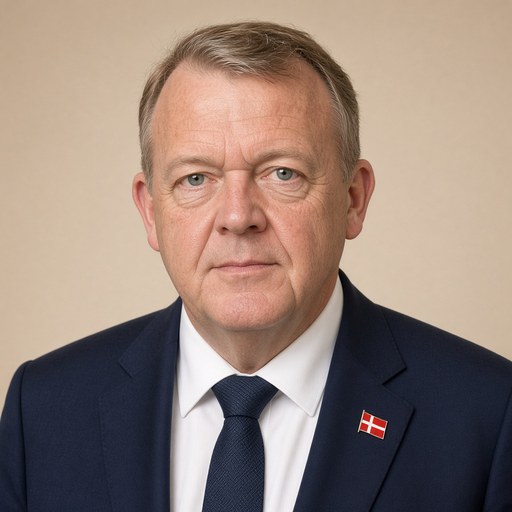
Prime Minister Lars Løkke Rasmussen's speech at the DI Top Meeting on September 18, 2018.
 Lars Løkke Rasmussen · Prime Minister of Denmark
- Context
- Rasmussen addressed Danish business leaders at the DI Top Meeting on September 18, 2018, discussing employment, economic growth, and government reforms.
- Main themes
- Workforce inclusion and employment, economic growth and prosperity, labor market reforms, Danish welfare model, business community engagement, tax relief and fiscal policy, education and vocational training, immigration and labor supply, social responsibility, Danish competitiveness
- Duration
- ~15 min
- Words
- 1,819
- Sentences
- 155
- Readability
- 62
- Grade
- 7.2
- Syntax
- 2.42
- Vocabulary
- 1.97
Translated from Danish
The broad sphere of national life a sentence belongs to. Every sentence has an Arena, so it is the denominator the other indices are read against.
Other155 sentences in 104 paragraphs
Thank you for the invitation.
It is always a pleasure to stand in front of a huge audience of business leaders.
It is you, together with your employees, who create the prosperity that the rest of us are so privileged to manage for a time.
The equation is simple. Without growth, no prosperity. Without prosperity, no welfare.
Denmark is a good society. A lovely country. Not perfect, but one of the best there is.
The older I get, the clearer it becomes to me. The more I learn about conditions elsewhere on the globe. The more foreign heads of state I have visiting.
Most recently, President Macron, who with barely concealed envy gave our country these words to take with us:
"I came to find inspiration in the Danish model. It is about economic results and a social model that you know how to combine."
We like to hear that in Denmark.
Macron also said something about the adaptable Lutheran Danes compared to the more stubborn Gauls.
That was not so well received in France. But that is another story.
The Denmark that I cherish, and to which I have dedicated my political life in an attempt to contribute, is a free country – a land of opportunities. Where individuals can pursue their dreams.
A rich society – built on dynamism, ideas, and a global outlook.
A safe society – where everyone who can takes responsibility. Not just for themselves. But also for those who cannot.
And if I have to find one parameter, one means to achieve multiple goals at once – a freer, richer, and safer Denmark – it is:
That more people are included in the workforce.
I am convinced that the best thing you can do for a person is to give him or her something to get up for. To straighten their back. A new self-esteem.
It was positive to see four engaged companies here on stage a little while ago. Thank you for taking responsibility to include more people.
Now that we have the lowest number on public assistance in ten years, it is a huge social policy advance.
When more refugees are in work, it is a boost to future integration.
When employment sets new records month after month.
And when 145,000 more private wage jobs have been created since 2015.
It gives us more opportunities as a country.
Denmark is at work.
I think it is a good headline you have set for the summit today.
As a snapshot. And as a vision for the future.
For the fourth year in a row, the government has presented a budget where we will lower taxes and duties.
On top of the relief of around 20 billion kroner that we have already implemented since the parliamentary election.
We have high ambitions for the future.
We invest in people. So that together we can seize the opportunities of the future.
Last week, we launched a public school initiative – with more hours for the natural sciences.
Also last week, a vocational education initiative – we need to encourage far more young people to become the skilled workers you need.
Just yesterday, a follow-up on the university committee – which will provide a much better connection to the business community.
Future employees must have the qualifications that you demand in companies.
* * *
We need more people to earn the money. In short: more people to work.
That was actually what I pointed out back in 2011 when I made some proposals about early retirement.
The idea was conceived. The proposal was formulated. The agreement was made – even though the Social Democrats stayed away. All before the election in 2011.
But it was the next speaker here at the summit, the current leader of the Social Democrats and then Minister of Employment – who signed the bill after the election. Even though they seemed to campaign on the opposite.
I am glad that the Social Democrats at that time took some shared responsibility. It is sad that they no longer do.
I am old enough in politics to experience the effects of some of the decisions I have been involved in making.
All the major reforms we have implemented since I was first Prime Minister – retirement reform, tax reforms, unemployment benefit reform, social assistance reforms – have together increased the labor supply by more than 100,000 people.
The phasing in of reforms that we have historically decided contributes to the workforce growing by almost 40,000 people this year alone.
Next year, with an additional 25,000 on top.
The reforms we decided back then are supporting the recovery we are experiencing right now.
It is essentially perfect timing.
Few believed it. But at the turn of the millennium, only one-third of those aged 60 to 64 were in work. Today, it is half.
One should not be so afraid of reforms.
They work.
* * *
Danish companies must be able to hire the employees you need. Even if you have to look a bit out into the world.
Provided, of course, that it happens on fair terms and in respect for the Danish model.
That is why it is sad that a majority outside the government is hindering you from filling the vacant positions that we do not have people for here at home.
These are orders straight out of your books. Money straight out of the state’s pockets. Wasted opportunities.
Each foreigner on the salary scheme contributes on average more than 300,000 kroner a year to the public coffers.
In total, that amounts to nearly one and a half billion kroner every year.
Money that we can use directly for better education, business conditions, and more and better welfare.
It impresses me when a company like Grundfos considers whether it is even worth it to bring people from their offices around the world back to Bjerringbro for a shorter period.
The requirement for a Danish bank account simply creates too much administrative hassle.
I would like to do something about that.
NOVO had a foreign student who worked too much for a period. That resulted in a fine of 20,000 kroner. And an exclusion from the fast track scheme for 2 years – for 2 years!
I believe we need a much more flexible and balanced fast track scheme.
The positive list of job titles that one may recruit for only includes highly educated labor. But Danish companies also need people like welders or industrial technicians.
I will modernize the positive list. Make it much more flexible.
And I said this last year at the DI summit. And I will say it again this year: It was a big mistake and a sad decision that the Social Democrats and the Danish People’s Party, outside the government, raised the salary threshold.
I want to go the opposite way. In full respect for the fact that we must be mindful that these are people who want to contribute to Danish society. We need to lower the salary threshold in an intelligent way.
These are some of the ideas the government is currently working on.
We have discussed them in the Disruption Council – also with DI.
Just recently, we discussed them with the labor market partners – also with DI.
Deep within the labor movement, there is an understanding that there should not be too much bureaucratic hassle for companies when they want to hire qualified labor from abroad.
The government will soon present a proposal with the goal: To give you better conditions for recruiting foreign labor.
It is positive that the Social Democrats are ready on some of the points. I would like to acknowledge that.
I hope that I can stand here at DI’s summit next year – as Prime Minister – and rejoice that you have had the opportunity to hire the employees you need.
* * *
The government must provide the best foundation for a strong business community in Denmark.
But there are some things we do not control. Like when a large and important partner in the EU decides to leave the cooperation.
I know that Brexit occupies your minds a lot. It occupies ours a lot.
The government is working for as close a relationship as possible between the EU and the United Kingdom after Brexit.
But not at any cost. I do not work for the interests of the British government. I work for Denmark.
For Danish citizens. Danish companies.
There must be a fair balance between rights and obligations.
Tomorrow, I will travel to Salzburg to discuss the status of the Brexit negotiations with the other heads of state and government.
I hope for progress – but I fear stagnation.
Brexit is and will remain a tragedy. And it is doubly sad when some here at home see Brexit as an inspiration. I would strongly advise against that.
Denmark is a small open economy. We have enormous advantages from cooperation in Europe.
The same rules for large and small countries. Uniform standards.
Common approval procedures. Goods can flow freely.
What would your companies do without free movement?
More than half of Denmark's total export of goods and services goes to the internal market. According to DI, it is linked to around 530,000 Danish jobs.
And what would we do without a strong EU on the global stage?
The large countries can always push around the small ones – if they do not face resistance.
That is why it pleases me – against a sad backdrop, with sad signals from the USA – that a united EU has stepped forward on the scene. Firm in the belief that free trade works and benefits everyone.
While others are busy pulling the rug out from under free trade agreements, the EU is entering into new ambitious agreements with important markets – most recently Japan.
That is a huge advantage for Danish companies.
* * *
We must constantly move towards a Denmark where companies have better conditions to create jobs.
Where Danes – all Danes – have better conditions to work, develop, and realize their own dreams.
Where more participate – and fewer are left out.
Where we do not close ourselves off – but are open to the world.
I am fundamentally optimistic. And I am convinced that this is the Denmark that the majority of Danes support.
Danes are an open people. Optimistic about the possibilities of the world. Positive towards Europe and international cooperation.
And it is precisely because – and this is the unique Danish and Scandinavian aspect that made Macron envious – it is precisely because we have succeeded in distributing the benefits of globalization so that they benefit everyone. And because we have secured our economy through timely prudence.
That is why we have a free, rich, and safe Denmark.
Thank you for the collaboration and have a good summit.
The original Danish. The tags above are read on the English translation's sentences.
Tak for invitationen.
Det er altid en fornøjelse at stå foran et kæmpe publikum af erhvervsledere.
Det er jer, der sammen med jeres medarbejdere skaber den velstand, som vi andre er så privilegerede at få lov til at forvalte for en tid.
Ligningen er enkel. Uden vækst, ingen velstand. Uden velstand, ingen velfærd.
Danmark er et godt samfund. Et dejligt land. Ikke perfekt, men et af de bedste der findes.
Det bliver tydeligere for mig, jo ældre jeg bliver. Jo mere jeg lærer om betingelser andre steder på kloden. Jo flere udenlandske statsledere, jeg får besøg af.
Senest præsident Macron, der med slet skjult misundelse gav vores land disse ord med på vejen:
”Jeg kom for at finde inspiration i den danske model. Det handler om økonomiske resultater og en social model, som I forstår at kombinere.”
Det kan vi lide at høre i Danmark.
Macron sagde også noget om de omstillingsparate lutheranske danskere over for de mere trodsige gallere.
Det kunne man ikke så godt lide at høre i Frankrig. Men det er en anden historie.
Det Danmark, jeg holder af, og som jeg har dedikeret mit politiske liv til at forsøge at bidrage til, er et frit land – mulighedernes land. Hvor den enkelte kan forfølge sine drømme.
Et rigt samfund – bygget på dynamik, ideer og globalt udsyn.
Et trygt samfund – hvor alle, der kan, tager ansvar. Ikke bare for sig selv. Men også for dem, der ikke kan.
Og hvis jeg skal finde én parameter, ét middel til at nå flere mål på en gang – et friere, rigere og mere trygt Danmark – så er det:
At flere er med i arbejdsfællesskabet.
Jeg er overbevist om, at det bedste man kan gøre for et menneske, er at give ham eller hende noget at stå op til. Ranke ryggen. Et nyt selvværd.
Det var positivt at opleve fire engagerede virksomheder her på scenen for lidt siden. Tak, fordi I tager ansvar for at få flere med.
Når vi nu har det laveste antal på offentlig forsørgelse i ti år. Så er det et kæmpe socialpolitisk fremskridt.
Når flere flygtninge er i arbejde. Så er det et rygstød til fremtidens integration.
Når beskæftigelsen måned for måned sætter ny Danmarksrekord.
Og når der nu er skabt 145.000 flere private lønmodtagerjob siden 2015.
Så giver det os flere muligheder som land.
Danmark er på arbejde.
Jeg synes, det er en god overskrift, I har sat for topmødet i dag.
Som et øjebliksbillede. Og som en vision for fremtiden.
Regeringen har for fjerde år i træk lagt en finanslov frem, hvor vi vil sænke skatter og afgifter.
Oven i de lettelser på omkring 20 mia. kr. vi allerede har gennemført siden folketingsvalget.
Vi har høje ambitioner for fremtiden.
Vi investerer i mennesker. Så vi i fællesskab kan gribe fremtidens muligheder.
I sidste uge lancerede vi et folkeskoleudspil – med flere timer til de naturvidenskabelige fag.
Også i sidste uge et erhvervsuddannelsesudspil – vi skal anspore langt flere unge til at blive de dygtige faglærte, I har brug for.
Så sent som i går en opfølgning på universitetsudvalget – der skal give en langt bedre kobling til erhvervslivet.
Fremtidens medarbejdere skal have de kvalifikationer, som I efterspørger i virksomhederne.
* * *
Vi skal være flere til at tjene pengene. Kort sagt: flere til at arbejde.
Det var egentlig det, jeg påpegede allerede tilbage i 2011, da jeg kom med nogle forslag om efterlønnen.
Tanken blev tænkt. Forslaget udformet. Aftalen indgået – selvom Socialdemokraterne holdt sig væk. Alt sammen inden valget i 2011.
Men det blev så alligevel den næste taler her på topmødet, Socialdemokratiets nuværende formand og daværende beskæftigelsesminister – der underskrev lovforslaget efter valget. Selvom de vist gik til valg på det modsatte.
Jeg er glad for, at Socialdemokraterne på lige det tidspunkt tog et medansvar. Det er trist, de ikke gør det længere.
Jeg er selv så gammel i politik, at jeg oplever effekten af nogle af de beslutninger, jeg har været med til at træffe.
Alle de store reformer, vi har gennemført, siden jeg var statsminister første gang – tilbagetrækningsreform, skattereformer, dagpengereform, kontanthjælpsreformer – har til sammen øget arbejdsudbuddet med mere end 100.000 personer.
Indfasningen af reformer, som vi har besluttet historisk, bidrager til, at arbejdsstyrken alene i år vokser med næsten 40.000 personer.
Til næste år med yderligere 25.000 oveni.
De reformer, vi besluttede dengang, holder hånden under det opsving, vi har lige nu.
Det er sådan set perfekt timing.
Få troede på det. Men ved årtusindskiftet var kun en tredjedel af de 60 til 64-årige i arbejde. I dag er det halvdelen.
Man skal ikke være så bange for reformer.
De virker.
* * *
Danske virksomheder skal kunne ansætte de medarbejdere, I har brug for. Også hvis I må se et stykke ud i verden.
Forudsat selvfølgelig, at det sker på ordentlige vilkår og i respekt for den danske model.
Derfor er det trist, at et flertal uden om regeringen bremser jer i at få besat de ledige stillinger, som vi ikke har folk til herhjemme.
Det er ordrer lige ud af jeres bøger. Penge lige ud af statens lommer. Spildte muligheder.
Hver udlænding på beløbsordningen bidrager i gennemsnit med mere end 300.000 kr. om året til de offentlige kasser.
Samlet bliver det tæt på halvanden milliard kroner hvert år.
Penge, som vi kan bruge direkte til bedre uddannelse, erhvervsvilkår og mere og bedre velfærd.
Det gør indtryk på mig, når en virksomhed som Grundfos overvejer, om det overhovedet kan betale sig at få folk fra deres kontorer ude i verden hjem til Bjerringbro for en kortere periode.
Kravet om en dansk bankkonto giver simpelthen for meget administrativt bøvl.
Det vil jeg gerne gøre noget ved.
NOVO havde en udenlandsk student, som i en periode arbejdede for meget. Det gav en bøde på 20.000 kr. Og en udelukkelse fra fast track-ordningen i 2 år – i 2 år!
Jeg mener, vi har brug for en langt mere smidig og balanceret fast track-ordning.
Positivlisten over de stillingsbetegnelser, man må rekruttere til, omfatter kun højtuddannet arbejdskraft. Men danske virksomheder mangler også folk som smede eller industriteknikere.
Jeg vil modernisere positivlisten. Gøre den langt mere smidig.
Og så sagde jeg det sidste år til DI topmødet. Og jeg vil sige det igen i år: Det var en stor fejl og en trist beslutning, at Socialdemokraterne og Dansk Folkeparti uden om regeringen hævede beløbsgrænsen.
Jeg ønsker at gå den modsatte vej. I fuld respekt for, at vi skal have blik for, at det er mennesker, der vil det danske samfund. Vi skal sætte beløbsgrænsen ned på en intelligent måde.
Det er nogle af de ideer, regeringen arbejder med lige nu.
Vi har drøftet dem i Disruptionrådet – også med DI.
Helt aktuelt har vi lige drøftet dem med arbejdsmarkedets parter – også med DI.
Langt ind i fagbevægelsen er der forståelse for, at der ikke må være for meget bureaukratisk bøvl for virksomhederne, når de vil ansætte kvalificeret arbejdskraft udefra.
Regeringen vil om kort tid fremlægge et udspil med det mål: At give jer bedre vilkår for at rekruttere udenlandsk arbejdskraft.
Det er positivt, at Socialdemokraterne på nogle af punkterne melder sig klar. Det vil jeg gerne kvittere for.
Jeg håber, at jeg kan stå her på DI’s topmøde til næste år – som statsminister – og glæde mig over, at I har fået mulighed for at ansætte de medarbejdere, I har brug for.
* * *
Regeringen skal levere det bedste grundlag for et stærkt erhvervsliv i Danmark.
Men nogle ting er vi ikke herre over. Som når en stor og vigtig partner i EU beslutter sig for at forlade samarbejdet.
Jeg ved, at Brexit optager jer meget. Det optager os meget.
Regeringen arbejder for et så tæt forhold som muligt mellem EU og Storbritannien efter Brexit.
Men ikke for enhver pris. Jeg arbejder ikke for den britiske regerings interesser. Jeg arbejder for Danmark.
For danske borgere. Danske virksomheder.
Der skal være en fair balance mellem rettigheder og forpligtelser.
I morgen rejser jeg til Salzburg for at drøfte status for Brexit-forhandlingerne med de øvrige stats- og regeringschefer.
Jeg håber på fremdrift – men jeg frygter stilstand.
Brexit er og bliver en tragedie. Og det er dobbelt trist, når nogen herhjemme ser Brexit som en inspiration. Det vil jeg advare kraftigt imod.
Danmark er en lille åben økonomi. Vi har enorme fordele af samarbejdet i Europa.
Samme spilleregler for store og små lande. Ens standarder.
Fælles godkendelsesprocedurer. Varerne kan flyde frit.
Hvad skulle jeres virksomheder gøre uden den fri bevægelighed?
Over halvdelen af den samlede danske eksport af varer og tjenesteydelser går til det indre marked. Ifølge DI er det knyttet til omkring 530.000 danske arbejdspladser.
Og hvad skulle vi gøre uden et stærkt EU på den globale scene?
De store lande kan altid skubbe rundt med de små – hvis de ikke får modstand.
Derfor glæder det mig – på en trist baggrund, med triste signaler fra USA – at et samlet EU er trådt frem på scenen. Fast i troen på at frihandel virker og er til gavn for alle.
Mens andre har travlt med at trække tæppet væk under frihandelsaftaler, så indgår EU nye ambitiøse aftaler med vigtige markeder – senest Japan.
Det er en kæmpe fordel for danske virksomheder.
* * *
Vi skal hele tiden bevæge os mod et Danmark, hvor virksomhederne har bedre vilkår for at skabe job.
Hvor danskerne – alle danskere – har bedre forudsætninger for at arbejde, udvikle sig og for at udleve egne drømme.
Hvor flere deltager – og færre står udenfor.
Hvor vi ikke lukker os om os selv – men er åbne mod verden.
Jeg er grundlæggende optimist. Og jeg er overbevist om, at det er dét Danmark, flertallet af danskerne bakker op om.
Danskerne er et åbent folk. Optimistiske om verdens muligheder. Positive over for Europa og internationalt samarbejde.
Og det er netop, fordi – og det er det unikke danske og skandinaviske, som gjorde Macron misundelig – det er netop, fordi det er lykkedes at fordele fordelene ved globaliseringen, så de kommer alle til gode. Og fordi vi har sikret vores økonomi gennem rettidig omhu.
Derfor har vi et frit, rigt og trygt Danmark.
Tak for samarbejdet og godt topmøde.