




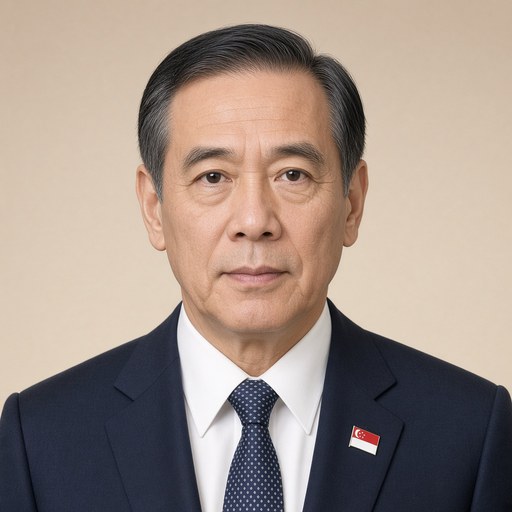
PM Lee Hsien Loong on the COVID-19 situation in Singapore on 8 February 2020
 Lee Hsien Loong · Prime Minister of Singapore
- Context
- PM Lee Hsien Loong addressed Singaporeans on 8 February 2020 to explain the government's response to the COVID-19 outbreak and the raising of DORSCON to Orange.
- Main themes
- COVID-19 outbreak response, public health preparedness, community solidarity and resilience, DORSCON Orange alert, contact tracing and quarantine, comparison with SARS, social cohesion, personal hygiene measures, hospital capacity, psychological readiness, government transparency
- Duration
- ~13 min
- Words
- 1,594
- Sentences
- 112
- Readability
- 62
- Grade
- 8.1
- Syntax
- 2.71
- Vocabulary
- 2.18
Translated from Multiple languages
The broad sphere of national life a sentence belongs to. Every sentence has an Arena, so it is the denominator the other indices are read against.
Other112 sentences in 22 paragraphs
We have faced the new coronavirus (nCoV) situation for about two weeks now.
The Ministerial Task Force, advised by DPM Heng Swee Keat, has been leading the Government’s response to this outbreak. They have been dealing with new developments every day, and holding regular press briefings to keep Singaporeans informed every step of the way. Today, I want to speak to you directly, to explain where we are, and what may lie ahead.
We went through SARS 17 years ago, so we are much better prepared to deal with nCoV this time. Practically, we have stockpiled adequate supplies of masks and Personal Protective Equipment (PPE). We have expanded and upgraded our medical facilities, including the new National Centre for Infectious Diseases (NCID). We have more advanced research capabilities to study the virus. We have more well trained doctors and nurses to deal with this situation. We are psychologically better prepared too. Singaporeans know what to expect, and how to react. Most importantly, having overcome SARS once, we know that we can pull through this too.
The new coronavirus is similar to SARS, but with two important differences. First, the new virus is more infectious than SARS. Therefore it is harder to stop it from spreading. Second, the new virus is much less dangerous than SARS. About 10 per cent of those who caught SARS died. With the new virus, outside of Hubei province, the mortality rate is so far only 0.2 per cent. In comparison, seasonal influenza has a death rate of 0.1 per cent. So in terms of mortality, the new virus is much closer to influenza than SARS.
But the situation is still evolving. Every day brings new developments, and we have to respond promptly and dynamically. So far, most of our cases have either been imported from China, or can be traced to imported cases. When we discover them, we have isolated the patients, done contact tracing and quarantined close contacts. This has contained the spread and helped stamp out several local clusters. But in the last few days, we have seen some cases which cannot be traced to the source of infection. These worried us, because it showed that the virus is probably already circulating in our own population. This is why we raised the DORSCON to Orange yesterday, and are stepping up measures. We are reducing mingling in schools. We are tightening up access to our hospitals. We are taking extra precautions at large public events. I have already postponed my Chinese New Year Istana Garden Party for grassroots leaders, which was to be held tomorrow. We have raised DORSCON to Orange before. You may not remember, but this was in 2009, for the H1N1 swine flu. So there is no need to panic. We are not locking down the city or confining everybody to stay at home. We have ample supplies, so there is no need to stock up with instant noodles, tinned food, or toilet paper, as some people did yesterday.
Whatever the situation, we can each do our part. One, observe personal hygiene – wash your hands often, and avoid touching your eyes or face unnecessarily. Two, take your temperature twice daily. And three, if you are not well, please avoid crowded places and see a doctor immediately. These simple steps do not take much effort, but if we all do them, they will go a long way towards containing the spread of the virus.
Right now, we are continuing to do contact tracing and to quarantine close contacts. But I expect to see more cases with no known contacts in the coming days.
If the numbers keep growing, at some point we will have to reconsider our strategy. If the virus is widespread, it is futile to try to trace every contact. If we still hospitalise and isolate every suspect case, our hospitals will be overwhelmed. At that point, provided that the fatality rate stays low like flu, we should shift our approach. Encourage those who only have mild symptoms to see their family GP, and rest at home instead of going to the hospital, and let hospitals and healthcare workers focus on the most vulnerable patients – the elderly, young children, and those with medical complications.
We are not at that point yet. It may or may not happen, but we are thinking ahead and anticipating the next few steps. And I am sharing these possibilities with you, so that we are all mentally prepared for what may come.
I am confident of the medical outcome of this outbreak. Most Singaporeans should remain well, and of those who get ill most should expect to recover. Among those who have been hospitalised so far, most are stable or improving. Several have already recovered and been discharged, although a few remain in critical condition.
But the real test is to our social cohesion and psychological resilience. Fear and anxiety are natural human reactions. We all want to protect ourselves and our families from what is still a new and unknown disease. But fear can do more harm than the virus itself. It can make us panic, or do things which make matters worse, like circulating rumours online, hoarding facemasks or food, or blaming particular groups for the outbreak. We should take courage and see through this stressful time together.
That is in fact what many Singaporeans are doing. Grassroots leaders and Team Nila volunteers have stepped forward to help distribute masks to households. University students are delivering food daily to schoolmates confined to their dorms on leave of absence. Healthcare workers are on the front line, treating patients in hospitals and clinics and helping them get well again. Business federations, unions, public transport workers, are going the extra mile to maintain services, take care of workers, and keep Singapore running. They are inspirations to all of us. This is what it means to be Singaporean. This is who we are.
Let us stay united and resolute in this new coronavirus outbreak. Take sensible precautions, help one another, stay calm, and carry on with our lives.
No matter the situation, each of us must do our part. First and foremost, we must adhere to personal health practices – wash your hands frequently, avoid touching your eyes or face unnecessarily. Secondly, take your temperature twice a day. Thirdly, if you are unwell, do not go to crowded places, and see a doctor immediately. These simple actions do not require much effort. However, if we all do these, we will greatly help in controlling the spread of the virus.
Currently, we are continuing to trace contacts and are placing those who have been in direct contact under quarantine. I expect that in the coming days, there will be many more cases that are not yet known.
If the numbers continue to rise, at some point we will need to reassess our approach. If the virus spreads widely, it would be futile to try to trace every contact. If we were to admit everyone suspected of having the virus to hospitals and isolate them, our hospitals would not be able to cope. At that point, if the death rate remains low like that of a flu, we would need to recalibrate our approach. Those with mild symptoms could be encouraged to see their regular private doctor instead of going to the hospital, and to rest at home. This way, hospitals and healthcare workers can focus on the more vulnerable patients, such as the elderly, young children, and those with medical issues.
We have not yet reached that stage. It may happen or it may not. Nevertheless, we are preparing for the next phase of action with a forward-looking mindset. I share these possibilities with you so that we can all be mentally prepared for whatever may happen.
I have confidence in the medical outcomes of this virus outbreak. Most Singaporeans will remain well, and we can expect that the majority of those who fall ill will recover. So far, the condition of most of those admitted to hospitals is stable or improving. While some are in serious condition, many have already recovered and returned home.
However, our social connections and psychological resilience face the real test. Fear and anxiety are natural human responses. We all want to protect ourselves and our families from a new, poorly understood disease. However, fear can cause more harm than the virus itself. Fear can make us anxious, or lead us to do things that worsen the situation. For example, spreading rumors online, hoarding masks or food, or blaming specific groups for the outbreak. We must all come together and bravely navigate this challenging period.
That is what many Singaporeans are doing. Ground leaders and “Team Nila” volunteers have stepped forward to distribute masks door to door. University students are going to the rooms of fellow students who are on mandatory leave to provide them with meals daily. Healthcare workers are on the front lines, treating patients in hospitals and clinics, helping them recover. Business associations, trade unions, and public transport workers are all making extra efforts to continue services, look after employees, and keep Singapore running as usual. They are an inspiration to all of us. This is the uniqueness of Singapore. This is who we are.
In this time of the new coronavirus outbreak, we must all remain united with a strong spirit. By taking sensible precautionary measures, helping one another, and not succumbing to anxiety, we will continue to lead our lives as we always have.
PRIME MINISTER’S OFFICE 8 FEBRUARY 2020
The original Multiple languages. The tags above are read on the English translation's sentences.
Chinese
Malay
Tamil
We have faced the new coronavirus (nCoV) situation for about two weeks now.
The Ministerial Task Force, advised by DPM Heng Swee Keat, has been leading the Government’s response to this outbreak. They have been dealing with new developments every day, and holding regular press briefings to keep Singaporeans informed every step of the way. Today, I want to speak to you directly, to explain where we are, and what may lie ahead.
We went through SARS 17 years ago, so we are much better prepared to deal with nCoV this time. Practically, we have stockpiled adequate supplies of masks and Personal Protective Equipment (PPE). We have expanded and upgraded our medical facilities, including the new National Centre for Infectious Diseases (NCID). We have more advanced research capabilities to study the virus. We have more well trained doctors and nurses to deal with this situation. We are psychologically better prepared too. Singaporeans know what to expect, and how to react. Most importantly, having overcome SARS once, we know that we can pull through this too.
The new coronavirus is similar to SARS, but with two important differences. First, the new virus is more infectious than SARS. Therefore it is harder to stop it from spreading. Second, the new virus is much less dangerous than SARS. About 10 per cent of those who caught SARS died. With the new virus, outside of Hubei province, the mortality rate is so far only 0.2 per cent. In comparison, seasonal influenza has a death rate of 0.1 per cent. So in terms of mortality, the new virus is much closer to influenza than SARS.
But the situation is still evolving. Every day brings new developments, and we have to respond promptly and dynamically. So far, most of our cases have either been imported from China, or can be traced to imported cases. When we discover them, we have isolated the patients, done contact tracing and quarantined close contacts. This has contained the spread and helped stamp out several local clusters. But in the last few days, we have seen some cases which cannot be traced to the source of infection. These worried us, because it showed that the virus is probably already circulating in our own population. This is why we raised the DORSCON to Orange yesterday, and are stepping up measures. We are reducing mingling in schools. We are tightening up access to our hospitals. We are taking extra precautions at large public events. I have already postponed my Chinese New Year Istana Garden Party for grassroots leaders, which was to be held tomorrow. We have raised DORSCON to Orange before. You may not remember, but this was in 2009, for the H1N1 swine flu. So there is no need to panic. We are not locking down the city or confining everybody to stay at home. We have ample supplies, so there is no need to stock up with instant noodles, tinned food, or toilet paper, as some people did yesterday.
Whatever the situation, we can each do our part. One, observe personal hygiene – wash your hands often, and avoid touching your eyes or face unnecessarily. Two, take your temperature twice daily. And three, if you are not well, please avoid crowded places and see a doctor immediately. These simple steps do not take much effort, but if we all do them, they will go a long way towards containing the spread of the virus.
Right now, we are continuing to do contact tracing and to quarantine close contacts. But I expect to see more cases with no known contacts in the coming days.
If the numbers keep growing, at some point we will have to reconsider our strategy. If the virus is widespread, it is futile to try to trace every contact. If we still hospitalise and isolate every suspect case, our hospitals will be overwhelmed. At that point, provided that the fatality rate stays low like flu, we should shift our approach. Encourage those who only have mild symptoms to see their family GP, and rest at home instead of going to the hospital, and let hospitals and healthcare workers focus on the most vulnerable patients – the elderly, young children, and those with medical complications.
We are not at that point yet. It may or may not happen, but we are thinking ahead and anticipating the next few steps. And I am sharing these possibilities with you, so that we are all mentally prepared for what may come.
I am confident of the medical outcome of this outbreak. Most Singaporeans should remain well, and of those who get ill most should expect to recover. Among those who have been hospitalised so far, most are stable or improving. Several have already recovered and been discharged, although a few remain in critical condition.
But the real test is to our social cohesion and psychological resilience. Fear and anxiety are natural human reactions. We all want to protect ourselves and our families from what is still a new and unknown disease. But fear can do more harm than the virus itself. It can make us panic, or do things which make matters worse, like circulating rumours online, hoarding facemasks or food, or blaming particular groups for the outbreak. We should take courage and see through this stressful time together.
That is in fact what many Singaporeans are doing. Grassroots leaders and Team Nila volunteers have stepped forward to help distribute masks to households. University students are delivering food daily to schoolmates confined to their dorms on leave of absence. Healthcare workers are on the front line, treating patients in hospitals and clinics and helping them get well again. Business federations, unions, public transport workers, are going the extra mile to maintain services, take care of workers, and keep Singapore running. They are inspirations to all of us. This is what it means to be Singaporean. This is who we are.
Let us stay united and resolute in this new coronavirus outbreak. Take sensible precautions, help one another, stay calm, and carry on with our lives.
Remarks in Chinese by PM Lee Hsien Loong on the Novel Coronavirus (nCoV) Situation in Singapore on 8 February 2020
两个星期前,新加坡发现了第一起新型冠状病毒确诊病例。政府成立了跨部门工作小组,统筹防疫措施。这里我要跟大家谈一谈我对本地局势的看法,同时,也要告诉大家,我们要如何同心协力,共同抗炎。
我们在应对传染病疫情方面已经更有把握。因为从十七年前暴发的 SARS 疫情,我们吸取到非常宝贵的经验。从那个时候开始,我们就做了许 多准备,严阵以待。而且现在医疗科技发达,能够更有效的治疗病患。
这个新型冠状病毒和 SARS 病毒有类似的地方,也有不同之处。新病 毒的致命率比 SARS 病毒来得低。但是新病毒的传染力或许比 SARS 病毒强。而且,患者在没有出现症状的潜伏期就可能会传播病毒。造成防止传播的 工作更加艰巨。因此当我们注意到有源头不明的病例,我们就决定把 DORSCON 警戒级别从黄色调高到橙色。
警戒级别是橙色的话,我们必须做的防范措施就包括:建议每个人都 要每天量体温两次,注意自己的健康情况。大型活动也暂时取消,以免病 毒扩散。但是政府并没有规定大家一定要留在家里,不准出门。防范措施 多一些,活动少一些,不过大家还是可以照常生活。
所以请大家不要慌张,不要囤积食物及日常用品。我们有足够的柴米 油盐。快熟面、罐装食品和,连卫生纸也货源充足。但如果大家都去超市 抢购的话,那就肯定无法满足需求了。
局势是不停的演变。在追踪同确诊病例有密切接触的人时,可能就会发现新病例。根据情况,我们会采取适当的应对措施,例如暂时关闭某所 学校或工作场所。最重要的就是保障大家的健康和安全。
应该做的,能够做的,政府一定会去做,我们也需要大家配合,维持 自己的个人卫生和健康,万众一心,消灭病毒。请记得经常用肥皂洗手, 避免触摸自己的脸或眼睛。在这段时间,请记得量体温。如果身体不舒服, 请立刻去看医生。但是,如果没有生病,请大家做好防范,继续过正常的 生活。
虽然现在警戒级别是橙色,但我们都希望,国家和人民的生活可以早 日回到以往的情况。不过,在我看来,按照当前的疫情,这肯定还需要一 段时间。因此我们必须做好心理准备,随时应对任何新状况。
其实,最大的考验不是病毒的问题,而是我们如何维护我国的社会凝 聚力,做好心理防备,共同抗炎。面对新病毒的惶恐,我能够理解。但是 如果变成惊慌失措,这无济于事。希望大家可以用平常心对待,不用急着 大量囤积生活必需品,请让其他人也有机会购买他们所需要的东西。也不 要轻易的相信假新闻,或上传没有确认过的消息。
要战胜这个病毒,就需要全国人民万众一心。我很欣慰,也有不少国 人,发挥爱心,互相关怀。例如:帮助被隔离的同学送三餐、把口罩送给 陌生人。这种雪中送炭的精神值得表扬。我也要感谢我们的医疗团队,无 微不至,细心照顾病人。在他们专业的照料下,已经有几位患者康复出院 了。
只要大家团结一致,处变不惊,我有信心,在控制疫情方面,我们可 以取得成功。
Remarks in Malay by PM Lee Hsien Loong on the Novel Coronavirus (nCoV) Situation in Singapore on 8 February 2020
Saudara-saudari sekalian, kita telah menaikkan tahap DORSCON ke jingga. Ini kerana Pemerintah mahu melindungi rakyat Singapura sebaik mungkin.
Ancaman virus korona baru ini sedang pesat berkembang. Kita mesti berani untuk segera bertindak dan dengan sewajarnya, termasuk mengambil langkah-langkah tegas.
Dan kita harus yakin bahawa bersama-sama, kita boleh mengatasinya. Kita pernah menewaskan wabak SARS dahulu. Kini, kita lebih bersedia menangani virus baru ini.
Setiap kita ada peranan. Ikuti nasihat Kementerian Kesihatan dan dapatkan maklumat terkini dari sumber yang sahih seperti MUIS dan khidmat WhatsApp Gov.sg. Jaga kebersihan diri sendiri, keluarga dan sekitaran kita, dan ambil langkah berjaga-jaga. Jika anda tidak sihat, segeralah berjumpa doktor. Teruskan kehidupan anda seperti biasa.
Pemerintah akan melipat gandakan usaha untuk mengekang ancaman ini dengan sedaya upaya. Namun kita juga harus bersedia jika keadaan menjadi bertambah buruk.
Kita belum sampai ke tahap itu, dan mungkin ia tidak akan berlaku.
Namun, cabaran sebenar ancaman ini ialah kesannya terhadap perpaduan sosial dan daya tahan psikologi kita. Sifat takut dan cemas adalah suatu yang semulajadi. Saya faham penyakit ini baru, dan kita semua mahu melindungi diri sendiri dan orang-orang yang kita sayangi. Tetapi, rasa cemas itu boleh menjadi lebih bahaya daripada virus itu sendiri. Jadi, jangan biarkan rasa cemas membuat kita panik atau mengambil tindakan yang memburukkan lagi keadaan. Jangan sebarkan berita palsu. Jangan membeli bekalan pelitup dan makanan dengan berlebihan. Jangan menuduh mana-mana kumpulan bagi apa yang sedang berlaku sekarang.
Sebaliknya, ayuh kita bantu membantu sesama jiran tetangga, sahabat handai dan rakyat yang lain, khususnya mereka yang lebih memerlukan.
Dalam masa-masa sukar ini, saya terharu melihat ramai rakyat Singapura yang menghulurkan bantuan. Ada yang memberikan pelitup secara percuma kepada orang ramai. Ada pelajar yang membekalkan makanan kepada teman-teman yang menjalani cuti ketidakhadiran. Dan para pekerja kesihatan yang bertarung nyawa di barisan hadapan merawat pesakit-pesakit kita. Terima kasih atas pengorbanan anda. Anda menjadi sumber inspirasi kita semua.
Ayuh kita terus bertenang dan bersatu-padu. Saya yakin bersama-sama, kita boleh mengatasi apa jua cabaran.
Terima kasih.
Tamil translation of remarks by PM Lee Hsien Loong on the Novel Coronavirus (nCoV) Situation in Singapore on 8 February 2020
அன்பார்ந்த சக சிங்கப்பூரர்களே, நாம் சுமார் இரண்டு வார காலமாகப் புதிய கொரோனா கிருமித்தொற்று நிலவரத்தை எதிர்நோக்கி வருகிறோம்.
இந்தக் கிருமித்தொற்று தொடர்பிலான அரசாங்கத்தின் செயற்பாடுகளை, துணைப்பிரதமர் ஹெங் சுவீ கியட்டின் ஆலோசனையின்படி, அமைச்சர்நிலை பணிக்குழு வழிநடத்தி வருகிறது. பணிக்குழுவினர் தினமும் புதிய நிலவரங்களைக் கையாளுகின்றனர். ஒவ்வொரு கட்டத்திலும் சிங்கப்பூரர்களுக்குத் தகவலளிக்க, செய்தியாளர் கூட்டங்களையும் நடத்தி வருகின்றனர். இன்று, நானே உங்களிடம் நேரடியாகப் பேசி, நமது தற்போதைய நிலை பற்றியும், எதிர்வரவிருப்பவை பற்றியும் விளக்கமளிக்க விரும்புகிறேன்.
நாம் 17 ஆண்டுகளுக்கு முன் சார்ஸ் கிருமிப் பரவலைச் சமாளித்தோம். அதனால், இம்முறை கொவிட்-19 கிருமியைக் கையாளக்கூடிய தயார்நிலையில் இருக்கிறோம். நம்மிடம் முகக் கவசங்களும் தனிநபர் பாதுகாப்புச் சாதனங்களும் போதிய அளவில் இருப்பில் உள்ளன. புதிய தேசிய தொற்றுநோய் நிலையம் உள்ளிட்ட மருத்துவ நிலையங்களை விரிவுபடுத்தி, மேம்படுத்தியிருக்கிறோம். கிருமியை ஆராய்ச்சி செய்வதற்கு நம்மிடம் முன்பைவிட அதிநவீன ஆய்வுத்திறன்கள் உள்ளன. இந்நிலவரத்தைக் கையாளுவதற்கு நன்கு பயிற்சி பெற்ற அதிகமான மருத்துவர்களும் தாதிகளும் உள்ளனர். நாம் மனோவியல் ரீதியாகவும் முன்பைவிட மேம்பட்ட தயார்நிலையில் இருக்கிறோம். எதை எதிர்பார்க்கவேண்டும், எப்படிச் செயல்படவேண்டும் என்பதை சிங்கப்பூரர்கள் அறிந்திருக்கிறார்கள். எல்லாவற்றிலும் முக்கியமாக, ஏற்கனவே ஒரு முறை சார்ஸ் கிருமிப் பரவலிலிருந்து மீண்டெழுந்த நம்மால், இம்முறையும் இதனைக் கடந்து வரமுடியும் என்பதை நாம் அறிவோம்.
புதிய கொரோனா கிருமி சார்ஸ் கிருமியைப் போல இருந்தாலும், இரு முக்கிய வேறுபாடுகள் உள்ளன. முதலாவதாக, புதிய கிருமி சார்ஸைவிட அதிகமாகப் பரவுகிறது. அதனால், அதன் பரவலைக் கட்டுப்படுத்துவது அதிக சிரமமாக இருக்கிறது. இரண்டாவதாக, புதிய கிருமி சார்ஸைவிட ஆபத்து குறைவானது. சார்ஸ் கிருமி தொற்றியவர்களில் சுமார் 10 விழுக்காட்டினர் உயிரிழந்தனர். ஆனால், ஹூபெய் மாநிலத்திற்கு வெளியில், புதிய கிருமியால் பாதிக்கப்பட்டவர்களில் 0.2 விழுக்காட்டினர் மட்டுமே இதுவரை மரணமடைந்துள்ளனர். குறிப்பிட்ட பருவகாலங்களில் பரவும் வழக்கமான சளிக்காய்ச்சலின் இறப்பு விகிதம் 0.1 விழுக்காடு. எனவே, இறப்பு விகிதத்தின் அடிப்படையில், புதிய கிருமி சார்ஸைவிட சாதாரண சளிக்காய்ச்சலை அதிகமாக ஒத்திருப்பதாகச் சொல்லலாம்.
இருந்தாலும், நிலவரம் மாறிக்கொண்டே இருக்கிறது. ஒவ்வொரு நாளும் புதிதாக ஏதாவது நிகழ்வதால், நாமும் உடனுக்குடன் இயக்காற்றலுடன் பதில் நடவடிக்கை எடுக்கவேண்டும். இதுவரை, சிங்கப்பூரில் பாதிக்கப்பட்டவர்களில் பெரும்பாலோர் சீனாவிலிருந்து வந்தவர்களாக, அல்லது, அவர்களுடன் தொடர்பில் இருந்தவர்களாக உள்ளனர். அவர்களை நாங்கள் கண்டறிந்தவுடன், நோயாளிகளைத் தனிமைப்படுத்தி, அவர்களுடன் தொடர்பில் இருந்தவர்களின் தடங்களைத் தேடி அறிந்து, நேரடித் தொடர்பிலிருந்தவர்களைத் தடைக்காப்பில் வைத்தோம். கிருமித்தொற்று பரவலைக் கட்டுப்படுத்தவும், சில உள்ளூர் பரவல் குழுமங்களை நீக்கவும் இந்நடவடிக்கை உதவியது. ஆனால், கடந்த சில நாட்களில், கிருமித்தொற்று எவ்வாறு பரவியது என்பதைக் கண்டறிய முடியாத சில சம்பவங்கள் ஏற்பட்டுள்ளன. இது நமக்குக் கவலையளித்தது. ஏனெனில், கிருமி நமது சொந்த மக்களிடையில் ஏற்கனவே பரவத் தொடங்கியிருப்பதை இது காட்டுகிறது. அதனால்தான், நோய்ப்பரவல் நிலவரத்தை நேற்று ஆரஞ்சு விழிப்புநிலைக்கு உயர்த்தி, நடவடிக்கைகளை முடுக்கிவிட்டோம். நாங்கள் பள்ளிகளில் கலந்துறவாடலைக் குறைக்கிறோம். மருத்துவமனைகளில் அணுகலைக் கட்டுப்படுத்துகிறோம். அதிகமானோர் கூடும் பொது நிகழ்ச்சிகளில் கூடுதலான முன்னெச்சரிக்கை நடவடிக்கைகளை மேற்கொள்கிறோம். நாளை நடைபெறவிருந்த அடித்தளத் தலைவர்களுக்கான சீனப் புத்தாண்டு இஸ்தானா தோட்ட விருந்தை நான் ஏற்கனவே ஒத்தி வைத்துவிட்டேன். நாம் இதற்கு முன்பாகவும் நோய்ப்பரவல் நிலவரத்தை ஆரஞ்சு விழிப்புநிலைக்கு உயர்த்தியிருக்கிறோம். அது உங்களுக்கு நினைவில்லாமல் இருக்கலாம். ஹெச்1என்1 பன்றிக்காய்ச்சலுக்காக 2009-ல் அவ்வாறு செய்தோம். எனவே, பதற்றமடையவேண்டிய அவசியமில்லை. நாங்கள் ஊரடங்கு விதிக்கவோ அல்லது அனைவரையும் வீட்டிலேயே இருக்கச்சொல்லவோ இல்லை. நம்மிடம் போதுமான பொருள் இருப்புகள் உள்ளன. அதனால், நேற்று சிலர் செய்ததுபோல, திடீர் நூடல்ஸ், டின் உணவுகள், அல்லது கழிவறைத்தாள் போன்றவற்றை வாங்கிப் பதுக்கி வைக்கவேண்டிய அவசியமில்லை.
நிலைமை எப்படி இருந்தாலும், நாம் ஒவ்வொருவரும் நமது பங்கை ஆற்றவேண்டும். முதலாவதாக, தனிப்பட்ட சுகாதாரப் பழக்கங்களைக் கடைப்பிடிக்கவேண்டும் – உங்கள் கைகளை அடிக்கடி கழுவுங்கள், தேவையில்லாமல் கண்களையோ முகத்தையோ தொடாதீர்கள். இரண்டாவதாக, தினமும் இரண்டு முறை உடல்வெப்பப் பரிசோதனை செய்யுங்கள். மூன்றாவதாக, உங்களுக்கு உடல்நலமில்லாவிட்டால், கூட்டமான இடங்களுக்குச் செல்லாமல், உடனடியாக மருத்துவரைச் சென்று பாருங்கள். இந்த எளிய காரியங்களைச் செய்வதற்கு அதிக முயற்சி தேவைப்படாது. ஆனால், நாம் அனைவரும் இவற்றைச் செய்தால், கிருமியின் பரவலைக் கட்டுப்படுத்த பெரிதும் துணை புரியும்.
தற்போது, நாங்கள் தொடர்ந்து தொடர்புகளின் தடங்களைத் தேடி அறிந்து, நேரடித் தொடர்பில் இருந்தவர்களைத் தடைக்காப்பில் வைத்து வருகிறோம். எதிர்வரும் நாட்களில், தொடர்புகள் அறியப்படாத இன்னும் பல சம்பவங்கள் நேரும் என எதிர்பார்க்கிறேன்.
எண்ணிக்கை கூடிக்கொண்டே இருந்தால், ஏதாவதொரு கட்டத்தில் நமது அணுகுமுறையை நாம் மறுபரிசீலிக்க வேண்டும். கிருமி பரவலாகப் பரவினால், ஒவ்வொரு தொடர்பையும் தேடி அறிய முயற்சி செய்வது வீண். கிருமித்தொற்று இருக்கலாம் என சந்தேகிக்கப்படும் ஒவ்வொருவரையும் மருத்துவமனையில் சேர்த்து, தனிமைப்படுத்துவதாக இருந்தால், நமது மருத்துவமனைகளால் சமாளிக்க முடியாது. அந்தக் கட்டத்தில், இறப்பு விகிதம் சளிக்காய்ச்சலைப் போல இப்படியே குறைவாக இருக்குமானால், நமது அணுகுமுறையை நாம் மாற்றியமைக்கவேண்டும். அறிகுறிகள் மிதமாக இருப்பவர்கள் மருத்துவமனைக்குச் செல்வதற்குப் பதிலாக வழக்கமாகச் செல்லும் தனியார் மருத்துவரைச் சென்று பார்த்துவிட்டு, வீட்டிலிருந்து ஓய்வெடுக்குமாறு ஊக்குவிக்கலாம். இதன்வழி, எளிதில் பாதிப்படையக்கூடிய நோயாளிகளான முதியோர், சிறு பிள்ளைகள், மருத்துவப் பிரச்சனைகள் உள்ளவர்கள் ஆகியோர்மீது மருத்துவமனைகளும் சுகாதாரப் பராமரிப்பு ஊழியர்களும் கவனம் செலுத்தலாம்.
நாம் இன்னும் அந்தக் கட்டத்தை அடையவில்லை. அது நடக்கலாம் அல்லது நடக்காமலும் போகலாம். இருந்தாலும், நாங்கள் முன்னோக்குச் சிந்தனையுடன் அடுத்த கட்ட நடவடிக்கைகளை எதிர்பார்த்து தயார்ப்படுத்துகிறோம். என்ன நடந்தாலும் நாம் அனைவரும் அதற்கு மனதளவில் தயாராக இருக்கவேண்டும் என்பதற்காகவே இந்தச் சாத்தியங்களை உங்களுடன் பகிர்ந்து கொள்கிறேன்.
இந்தக் கிருமிப் பரவலின் மருத்துவ விளைவுகளில் எனக்கு நம்பிக்கை இருக்கிறது. பெரும்பாலான சிங்கப்பூரர்கள் நலமாக இருப்பார்கள் என்றும், நோய்வாய்ப்படுவோரில் பெரும்பாலோர் குணமடைவார்கள் என்றும் எதிர்பார்க்கலாம். இதுவரை மருத்துவமனையில் சேர்க்கப்பட்டவர்களில் பெரும்பாலோரின் உடல்நிலை சீராக இருக்கிறது அல்லது மேம்பட்டு வருகிறது. ஒரு சிலர் ஆபத்தான நிலையில் இருந்தாலும், ஏற்கனவே பலர் குணமடைந்து வீடு திரும்பிவிட்டார்கள்.
ஆனால், நமது சமூகப் பிணைப்பும் மனோவியல் மீள்திறனும்தான் உண்மையான சோதனையை எதிர்நோக்குகின்றன. பயமும் மனத்தவிப்பும் மனிதருக்கு இயல்பாக ஏற்படுபவை. புதிதாகத் தலையெடுத்த, அதிக விவரம் அறியப்படாத ஒரு நோயிலிருந்து நம்மையும் நம் குடும்பத்தையும் பாதுகாத்துக்கொள்ளவே நாம் அனைவரும் விரும்புவோம். ஆனால், பயத்தால் கிருமியைவிட அதிக தீங்கு நேரலாம். பயத்தால் நாம் பதற்றமடையக்கூடும், அல்லது நிலைமையை மோசமாக்கக்கூடிய காரியங்களைச் செய்யக்கூடும். எடுத்துக்காட்டாக, இணையத்தில் வதந்திகளைப் பரப்புதல், முகக் கவசங்களை அல்லது உணவை அதிகளவில் வாங்கி பதுக்கி வைத்துக்கொள்ளுதல், அல்லது கிருமித்தொற்றுக்காகக் குறிப்பிட்ட பிரிவினர்மீது பழி சுமத்துதல் போன்றவை. நாம் அனைவரும் ஒன்றிணைந்து, இந்த இக்கட்டான காலகட்டத்தைத் துணிச்சலுடன் கடக்கவேண்டும்.
அதைத்தான் சிங்கப்பூரர்கள் பலரும் செய்கின்றனர். அடித்தளத் தலைவர்களும் “டீம் நிலா” தொண்டூழியர்களும் வீடு வீடாகச் சென்று முகக் கவசங்களை விநியோகிக்க முன்வந்துள்ளனர். பல்கலைக்கழக மாணவர்கள், கட்டாய விடுப்பில் வைக்கப்பட்டுள்ள சக மாணவர்கள் தங்கியிருக்கும் அறைகளுக்குச் சென்று தினமும் உணவு வழங்குகின்றனர். சுகாதாரப் பராமரிப்பு ஊழியர்கள் முன்னிலையில் இருந்து, மருத்துவமனைகளிலும் மருந்தகங்களிலும் நோயாளிகளுக்கு சிகிச்சை செய்து, அவர்கள் குணமடைய உதவுகின்றனர். தொழில் சம்மேளனங்கள், தொழிற்சங்கங்கள், பொதுப் போக்குவரத்து ஊழியர்கள் அனைவரும், சேவைகளைத் தொடரவும், ஊழியர்களைப் பார்த்துக்கொள்ளவும், சிங்கப்பூர் முடங்கிப்போகாமல் வழக்கம்போல இயங்கவும் கூடுதல் முயற்சி எடுத்து வருகின்றனர். அவர்கள் நம் அனைவருக்கும் ஊக்கமாகத் திகழ்கின்றனர். இதுதான் சிங்கப்பூரரின் தனித்துவம். இதுதான் நாம்.
புதிய கொரோனா கிருமி பரவிவரும் இவ்வேளையில், நாம் அனைவரும் மனத்திடத்துடன் ஒற்றுமையாக இருக்கவேண்டும். விவேகமான முன்னெச்சரிக்கை நடவடிக்கைகளை மேற்கொண்டு, ஒருவருக்கொருவர் உதவி புரிந்து, பதற்றமடையாமல், எப்போதும் போல வாழ்க்கையை நடத்திடுவோம்.
PRIME MINISTER’S OFFICE 8 FEBRUARY 2020
Explore related topics